September 1, 2026
Field Notes: Welcome to Sonsorol, Palau
Linden Brown shares the incredible things he saw and experienced while working to restore islands in Sonsorol State, Palau!
 Island Conservation
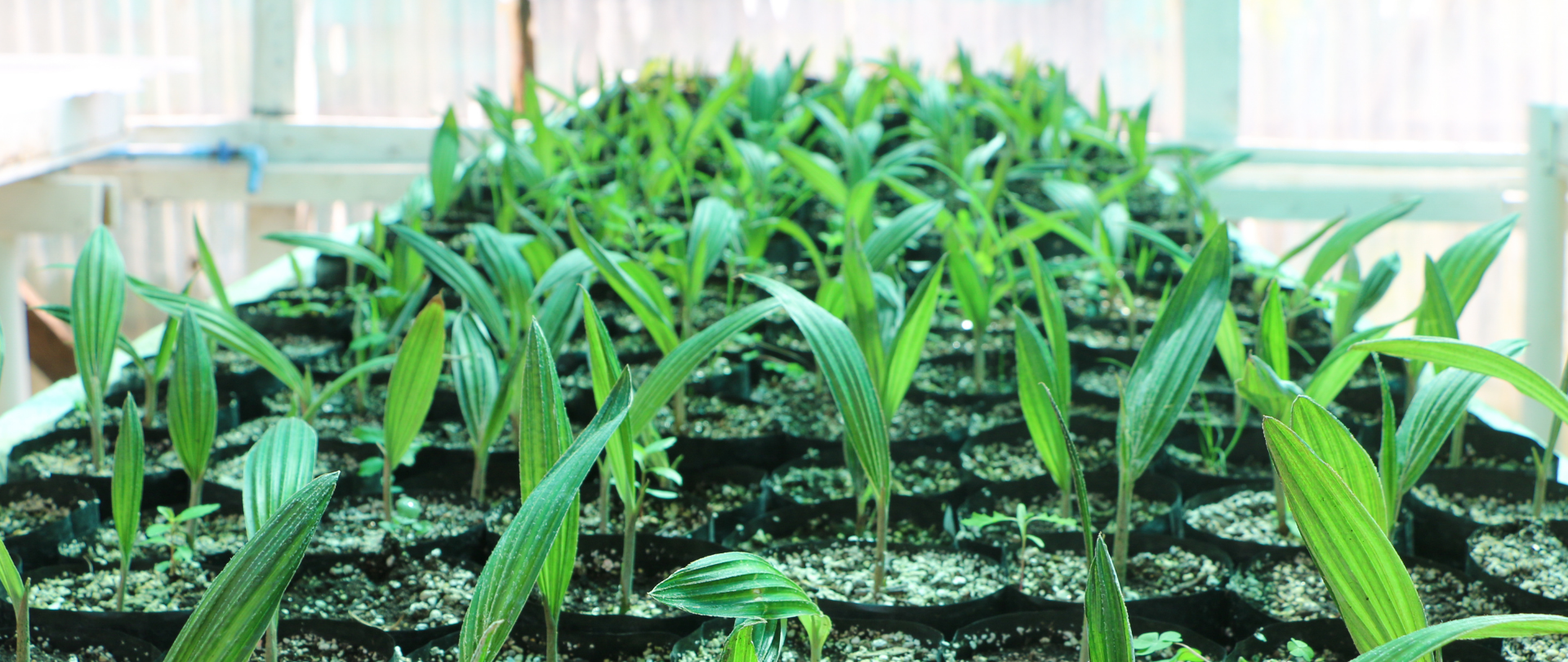
For more than a decade, Island Conservation has worked alongside the people of Robinson Crusoe Island in Chile’s Juan Fernández Archipelago to protect the islands’ unique biodiversity while supporting community priorities for a sustainable future. This work has never been defined by a single project; it’s been shaped by relationships, trust, and a shared commitment to the long-term wellbeing of both nature and people. Many members of our team have spent years working on the island, and some even call the island home!
That enduring partnership is reflected in a rebuilt community greenhouse that, for the last few years, has been helping advance local goals around food production and food sovereignty.
The greenhouse is part of the lasting legacy of our partnership with Lenovo through their Work For Humankind initiative, a collaboration that brought together Lenovo, Island Conservation, and the Robinson Crusoe community around a shared vision of investing in projects identified as meaningful for the island’s future. The program is widely known for supporting conservation and technology initiatives, and its legacy also includes projects that strengthen everyday life for residents.
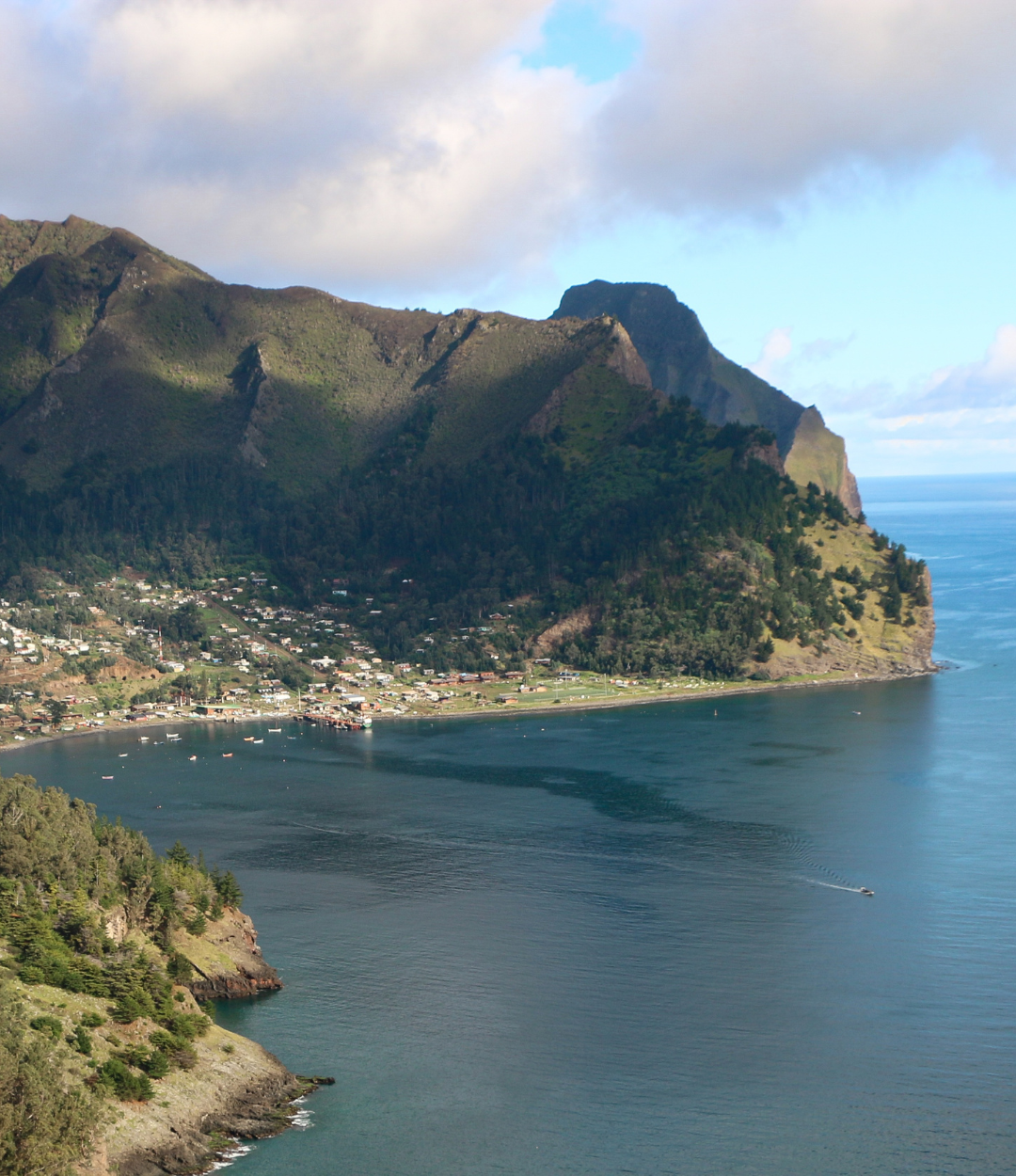
Following the destruction of a community greenhouse during a severe wind and rain storm, local partners saw an opportunity to rebuild an important resource for the island. The result is a renewed space where residents can grow fresh produce, share knowledge, and support local food production.
The project brought together a diverse group of partners:
While each partner played an important role, the greenhouse ultimately reflects the community’s own vision for strengthening local resilience and increasing access to fresh food on the island.
For Island Conservation, this project represents the kind of holistic partnership that has defined our work in Juan Fernández for years. Conservation does not exist in isolation. Healthy ecosystems and thriving communities are deeply connected. The long-term success of restoration efforts depends on strong local institutions, community leadership, and opportunities that support quality of life for residents. That understanding has guided Island Conservation’s collaboration in the archipelago from the very start!

Over the years, Island Conservation and community partners have worked together on initiatives including invasive species management, biodiversity monitoring, conservation innovation, native tree planting, and even legal protection for the vital waters surrounding the Juan Fernandez Archipelago in support of artisanal fishing for Robinson Crusoe’s residents. Collaborations supported through Lenovo’s Work For Humankind program helped improve internet connectivity, support conservation technology, and create new opportunities for community-focused projects that will continue delivering benefits long after the original program concluded.
On September 12, 2025, the rebuilt greenhouse was officially inaugurated and handed over to the Municipality of Juan Fernández. The occasion marked another milestone in a longstanding relationship built on collaboration, mutual respect, and shared success. Moreover, it made it possible for the community to grow fruits and vegetables they never could before.
The greenhouse is already becoming part of daily life on the island. During a visit by Island Conservation supporters in March, guests led by Island Conservation’s CEO Dr. Penny Becker had the opportunity to harvest vegetables grown in the facility. Those vegetables were later prepared and shared as a meal, manifesting everything the greenhouse represents: local food, community connection, and the tangible results of collective effort.
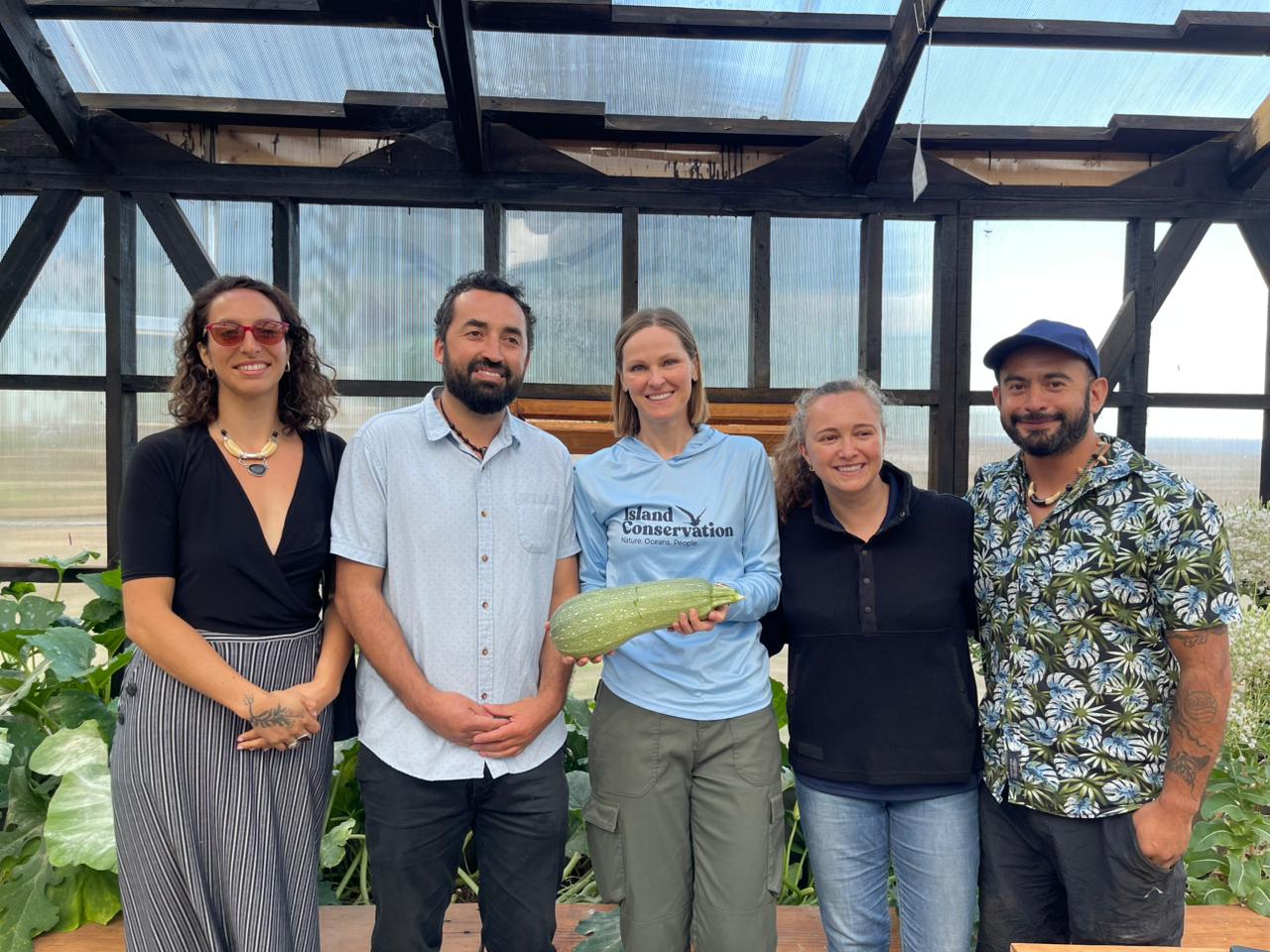
Penny Becker, Ph.D.
Chief Executive Officer, Island Conservation
Perhaps most importantly, the greenhouse demonstrates what is possible when long-term partnerships remain focused on local priorities. The greenhouse project, like all of Island Conservation’s projects worldwide, responded to a community-identified need and brought together organizations willing to contribute their respective strengths toward a common goal.
Island Conservation is proud of the island’s achievements, proud to work alongside community members whose dedication drives progress every day, and proud that many of our own staff members share deep roots and enduring commitments to the island’s future.
The vegetables that grow inside the greenhouse do so as part of a partnership that has been shaped by years of collaboration and shared purpose. As they feed the islanders, these vegetables support the strength of a community that continues to invest in its own future, supported by partners committed to walking that path together!
To read the Lenovo case study on Island Conservation, click here.
There’s more than one way to make an impact. Join our collective of dedicated supporters by donating today or signing up for our newsletter to stay informed.
The Juan Fernández Islands are located hundreds of kilometers from mainland Chile, making access to fresh food more challenging than in many continental communities. Community food-growing infrastructure helps increase local production and reduce dependence on imported produce.
Work For Humankind was a collaboration among Lenovo, Island Conservation, and the Robinson Crusoe community that combined technology, connectivity, volunteer expertise, and community-driven projects to support conservation and local priorities on the island. It built a greenhouse for vegetables, provided Wi-Fi connectivity to the island, and offered machine learning for conservation innovation, among other activities.
Island Conservation has partnered with the Robinson Crusoe community for many years on biodiversity restoration, invasive species management, conservation innovation, and community-focused initiatives. This work is grounded in long-term relationships and collaboration with local institutions and residents.
Healthy communities and healthy ecosystems are interconnected. By supporting local priorities such as food production and resilience, the greenhouse contributes to the broader vision of a thriving island community that can continue stewarding the archipelago’s globally important natural heritage.
The legacy includes improved connectivity, conservation technology, educational resources, strengthened partnerships, and community infrastructure projects such as the greenhouse. Together, these investments continue to support the Juan Fernández community beyond the duration of the original program.
Check out other journal entries we think you might be interested in.
September 1, 2026
Linden Brown shares the incredible things he saw and experienced while working to restore islands in Sonsorol State, Palau!
August 18, 2026
Meet Evelyn, one of the people who holds the wisdom of Sonsorol State, Palau in her lived experiences and stories.
August 4, 2026
Indigenous-led conservation takes a leap forward with Rapa Nui (Easter Island)'s new partnership with Island Conservation!

July 28, 2026
Happy World Nature Conservation Day! Read Penny Becker's article published by the Outreach Network for Gene Drive Research.
July 9, 2026
Senior Major Gifts Officer Jen Sachs shares her experience on one of Island Conservation's exciting restoration projects in the US Virgin Islands!
July 2, 2026
Invasive species have caused over $12 billion in damages to island ecosystems, creating an urgent need for strengthened biosecurity measures!
June 23, 2026
The Island-Ocean Connection Challenge announced four new restoration projects—Lehua, Tavolara, Grand Rouveau, and Zembra—at London Climate Week, expanding its global effort to restore 40 island-ocean ecosystems by 2030!
June 18, 2026
A new project to expand the range of an endangered Tree Boa is one step closer to completion!
June 8, 2026
A world-first controlled experiment shows connection between seabird activity and marine health on Ulong Island!
May 20, 2026
Seasonal Monitoring Specialist Cozette Romero writes about her time working and living on Niulakita in Tuvalu, helping protect the food security and livelihood of an island community!