September 9, 2026
Some Island Ecosystems Are More Resilient to El Niño
El Niño doesn't create weak ecosystems; it reveals them. Find out how resilient islands can survive and bounce back from stress caused by El Niño!
 Island Conservation

On July 28th, World Nature Conservation Day, our partners at the Outreach Network for Gene Drive Research published this article by Island Conservation’s CEO, Penny A. Becker. We’re reproducing it here in full to celebrate the amazing research that’s helping conservationists bridge the gap between land and sea!
Every year on World Nature Conservation Day, we are reminded that protecting nature means more than preserving individual species; it means restoring the relationships that sustain entire ecosystems. On islands, where land and sea are deeply intertwined, those connections can determine the future of biodiversity and the communities that depend on it.

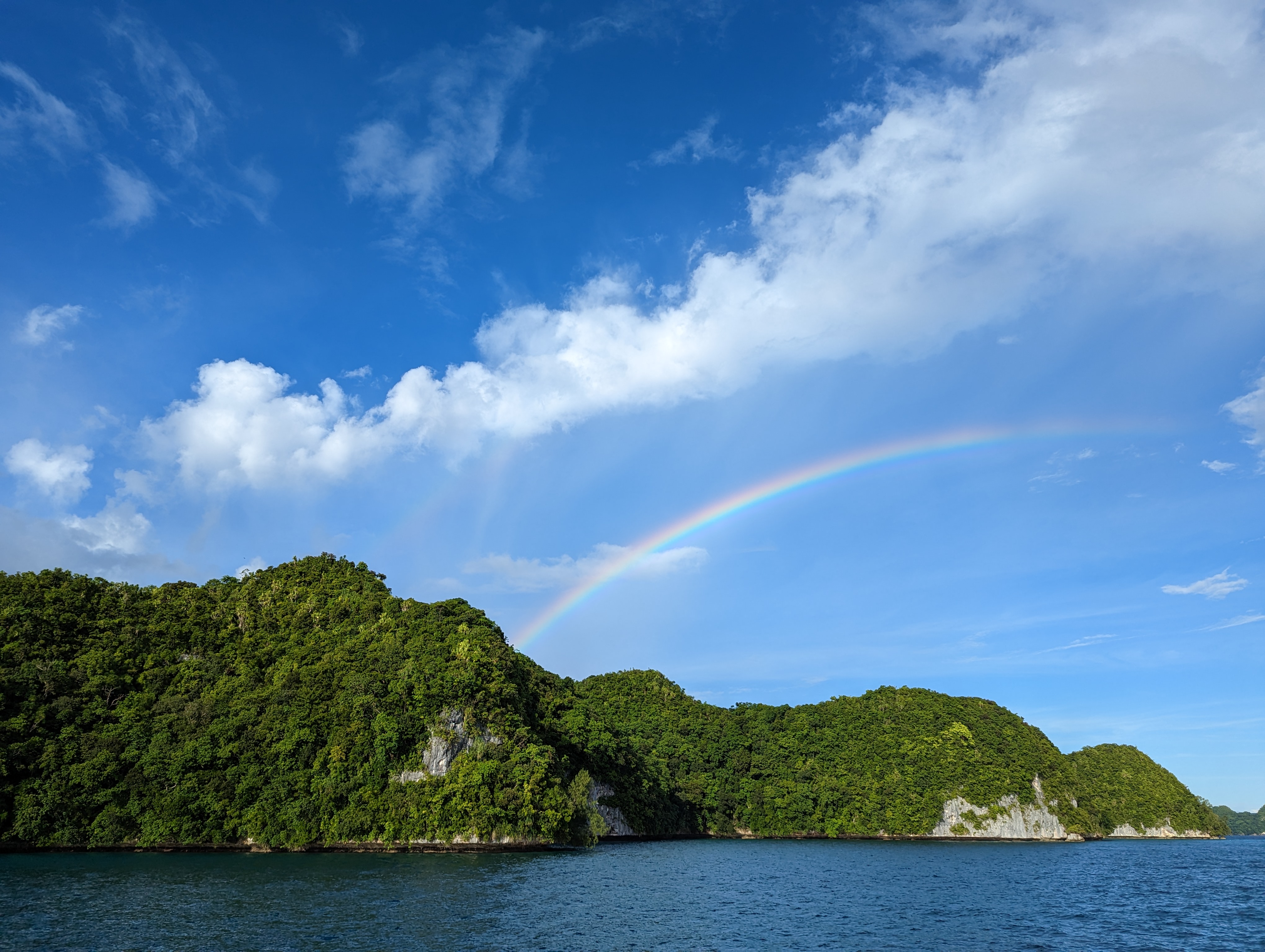
A new study from Ulong Island in Palau, conducted through Island Conservation’s Island-Ocean Connection Challenge (IOCC), offers powerful evidence of just how quickly nature can recover when those relationships are restored. Just one year after invasive rats were removed from the island, researchers documented the world’s first experimental evidence that the return of seabirds is already helping reconnect terrestrial and marine ecosystems through the movement of nutrients from land to sea. The result? Healthier soils, increasing fish biomass, and early signs of coral reef recovery.
For decades, scientists have understood that seabirds act as ecological connectors. Feeding at sea and nesting on land, they transport marine-derived nutrients back to islands through their guano, enriching forests and, ultimately, nearby coral reefs. The Ulong study is the first controlled experiment to demonstrate how quickly these benefits can begin to return following island restoration.
This is an important reminder that conservation is rarely confined to a single habitat. Healthy islands support healthy oceans, which create healthy, functioning ecosystems. Across the Pacific and beyond, island communities rely on healthy, thriving ecosystems for food security, livelihoods, cultural identity, and resilience in the face of climate change impacts. Restoring one part of an ecosystem can generate benefits that ripple across the entire landscape.
At the same time, the study highlights an important opportunity. Invasive species remain one of the leading drivers of biodiversity loss on islands worldwide. The question becomes: how can we scale this work to more and larger islands to have the greatest impact for our planet and ourselves?
Achieving holistic restoration requires a diverse conservation toolbox. Alongside established restoration methods, researchers around the world are exploring emerging alternatives, including genetic technologies such as gene drive, that may one day help address invasive species in places where current methods are impractical. Any future application would require rigorous scientific evaluation, transparent governance, and meaningful engagement with local communities, but continued research expands the options available to conservationists facing a rapidly accelerating biodiversity crisis.
World Nature Conservation Day is an opportunity to celebrate not only the ecosystems we protect today, but also the science, collaboration, and innovation that will shape conservation tomorrow. The success at Ulong demonstrates what is possible when local leadership, long-term ecological monitoring, and holistic restoration come together to rebuild the connections between land, sea, and people.
Nature has an extraordinary capacity to recover when given the chance. By continuing to invest in both proven restoration efforts and responsible scientific innovation, organizations like Island Conservation, together with global partners such as the Outreach Network for Gene Drive Research, are helping expand the possibilities for restoring islands and ensuring more communities and wildlife have the opportunity to thrive.
There’s more than one way to make an impact. Join our collective of dedicated supporters by donating today or signing up for our newsletter to stay informed.
Check out other journal entries we think you might be interested in.

September 9, 2026
El Niño doesn't create weak ecosystems; it reveals them. Find out how resilient islands can survive and bounce back from stress caused by El Niño!

August 25, 2026
A new study reveals the role fungi play in the restoration and recovery of rare, resilient atoll ecosystems!

August 12, 2026
The new Phoenix Species Project highlights species on the brink of extinction that are primed for recovery--and a lot of them live on islands!
August 4, 2026
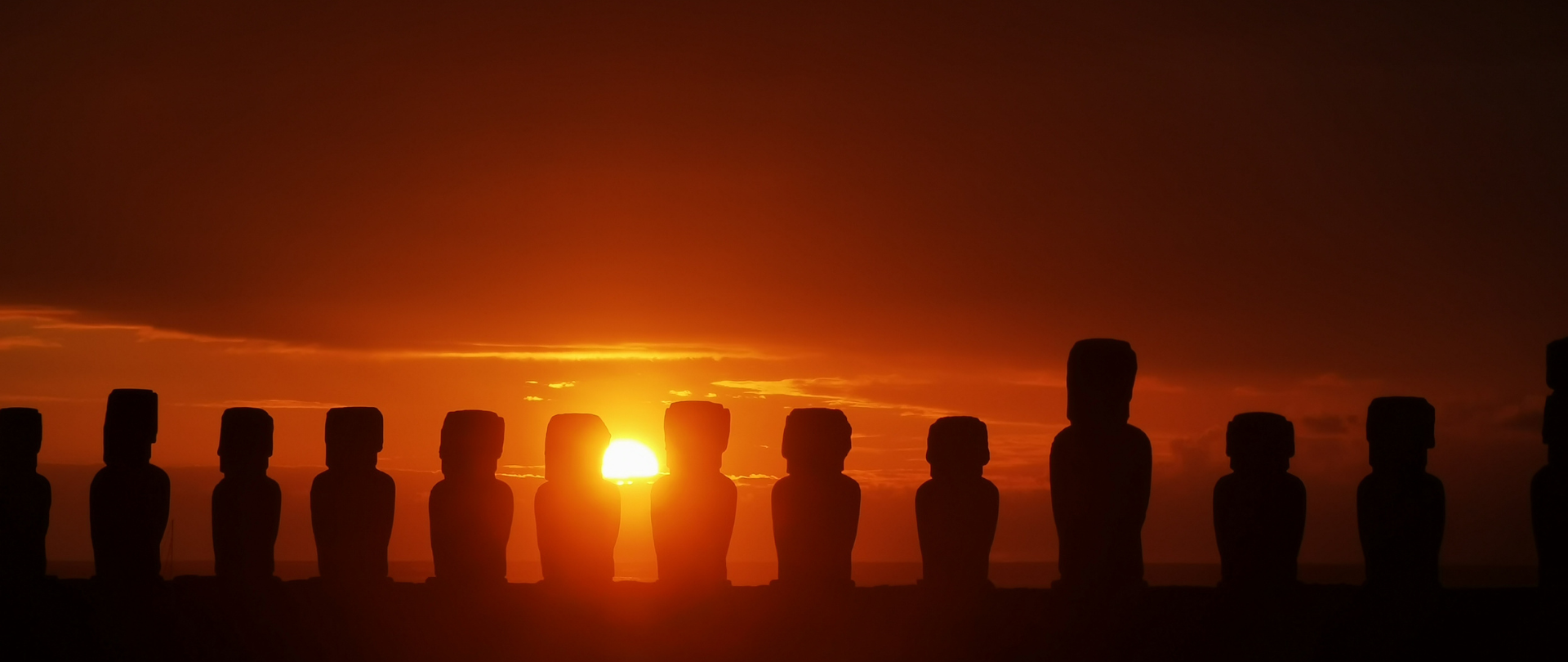
Indigenous-led conservation takes a leap forward with Rapa Nui (Easter Island)'s new partnership with Island Conservation!

July 31, 2026
We interviewed artist Laura Shape to learn about the luminous abstracts she creates from leather sourced from invasive species!
July 9, 2026
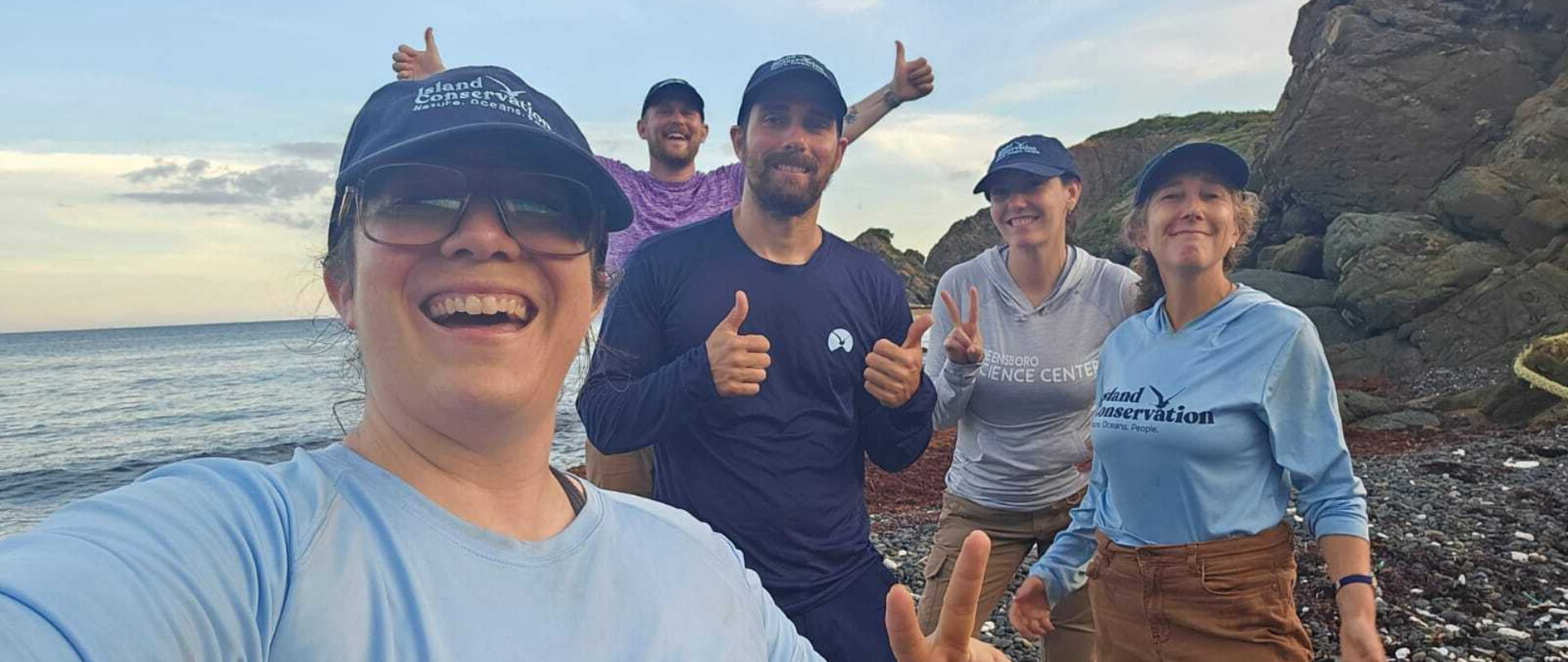
Senior Major Gifts Officer Jen Sachs shares her experience on one of Island Conservation's exciting restoration projects in the US Virgin Islands!
July 2, 2026
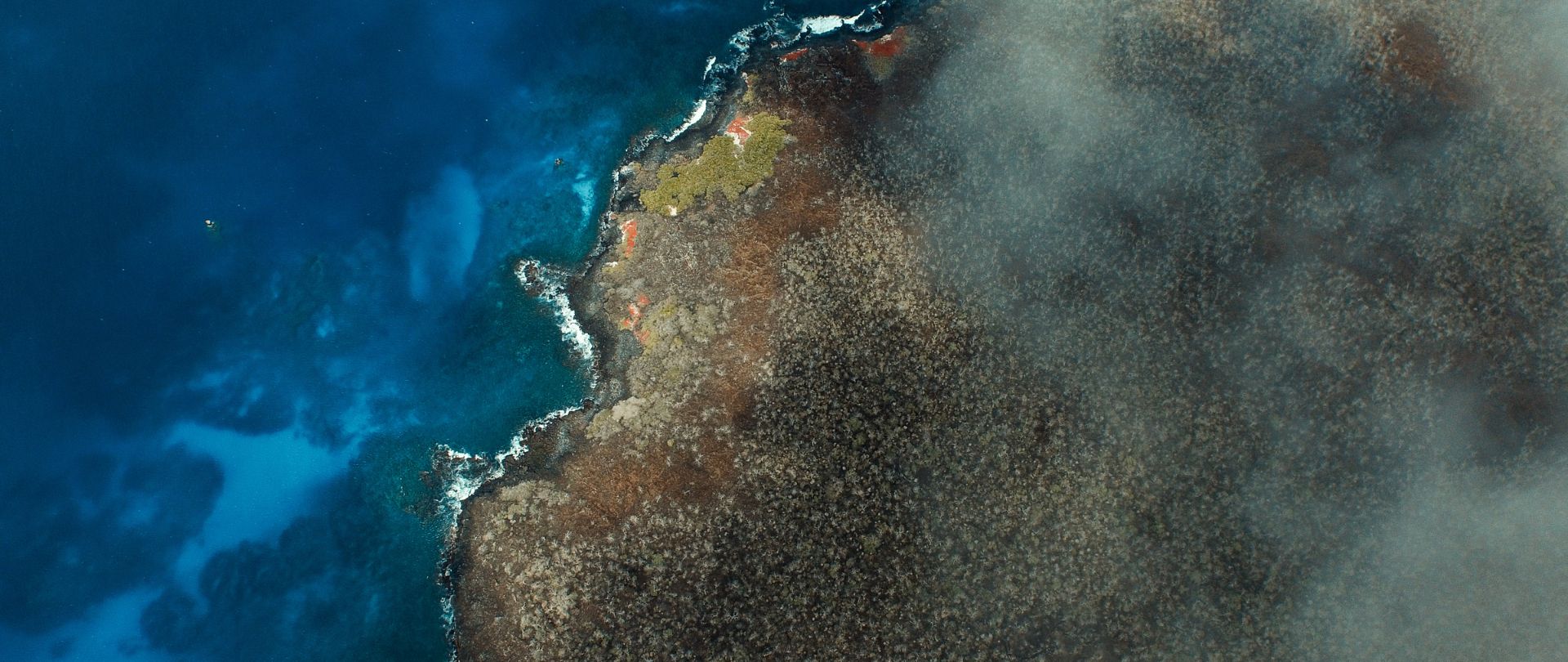
Invasive species have caused over $12 billion in damages to island ecosystems, creating an urgent need for strengthened biosecurity measures!
June 23, 2026
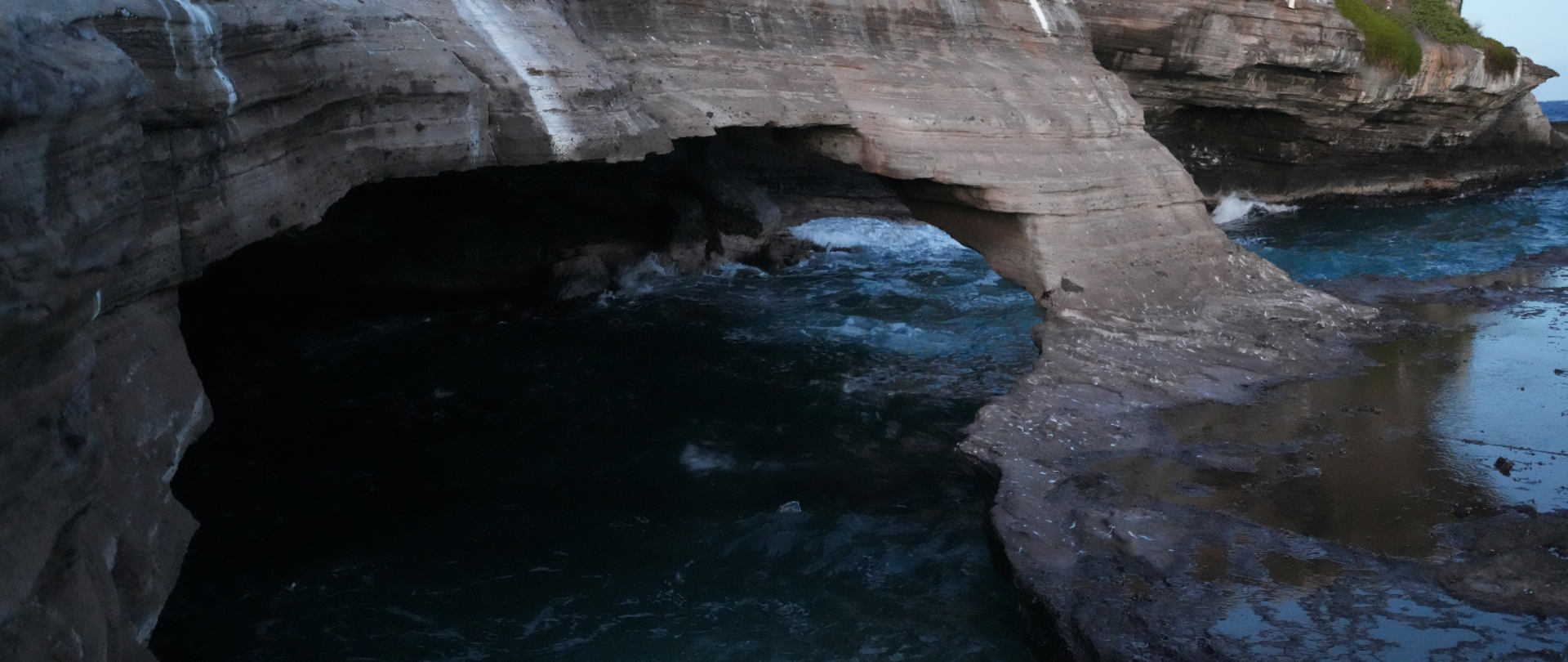
The Island-Ocean Connection Challenge announced four new restoration projects—Lehua, Tavolara, Grand Rouveau, and Zembra—at London Climate Week, expanding its global effort to restore 40 island-ocean ecosystems by 2030!
June 8, 2026
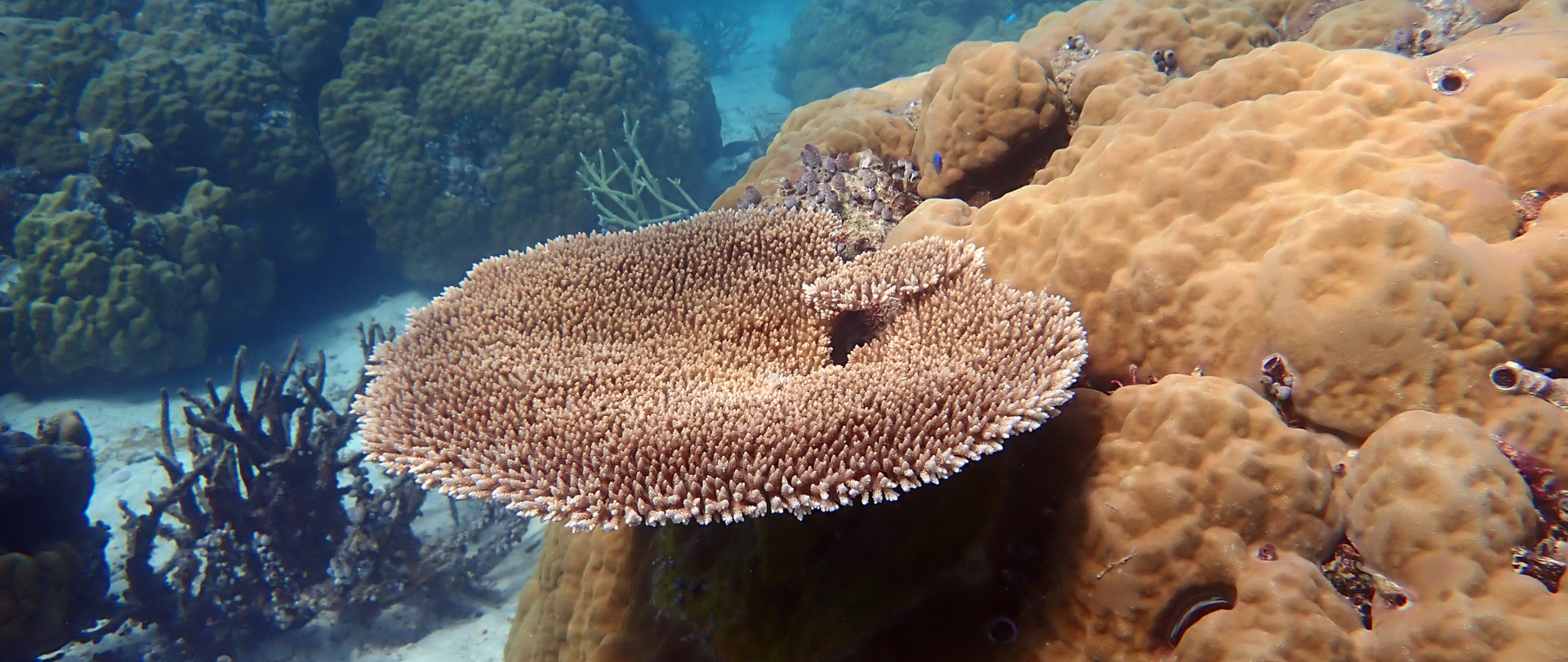
A world-first controlled experiment shows connection between seabird activity and marine health on Ulong Island!

June 2, 2026
A new study argues that Hawaiian waterbird extinctions were driven by surprising non-human factors!