September 17, 2026
Island Conservation and Robinson Crusoe Island, Chile: Growing Hope Together
On the island of Robinson Crusoe in Chile, a greenhouse feeds both a community and an islander-led conservation movement!
 Island Conservation
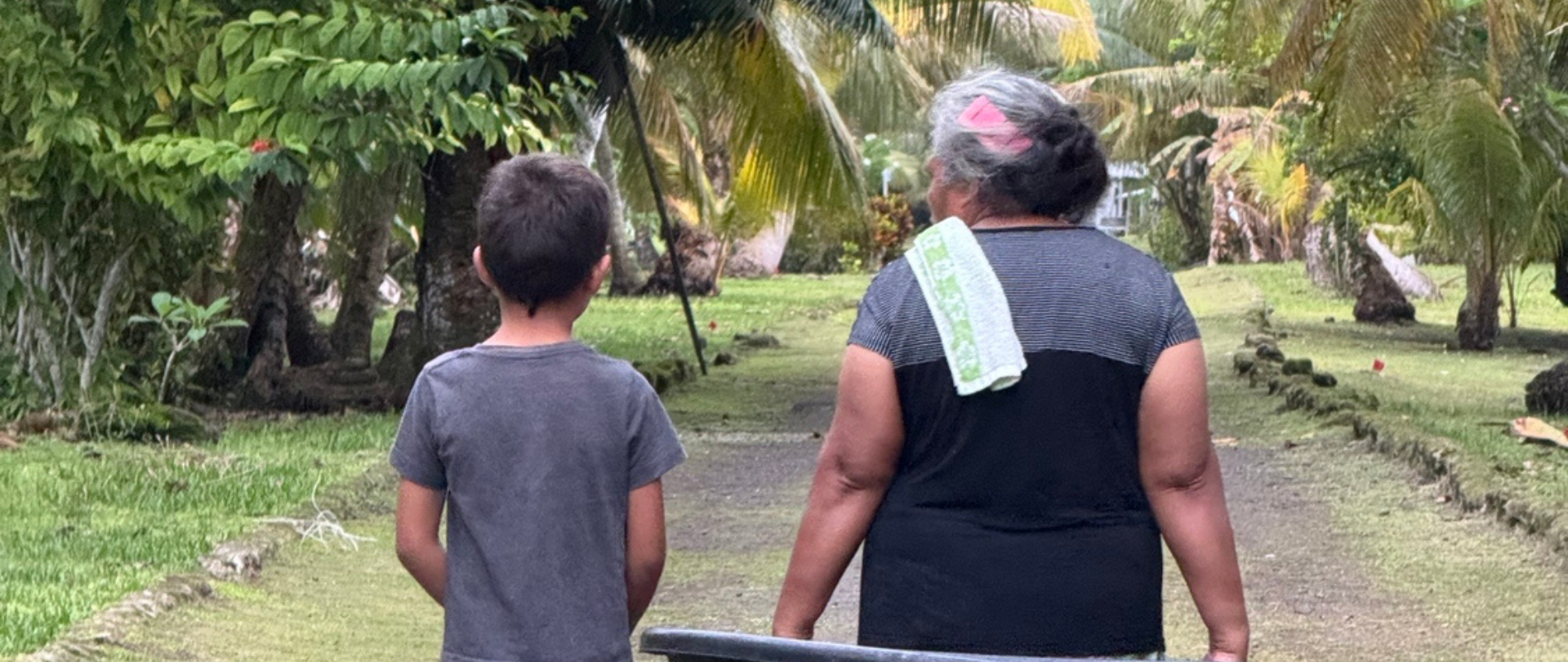
Some islands preserve knowledge through parables, legends, and myths. Others pass it on through lived experiences shaped by elders.
This is the story of Evelyn, whose life reflects the deep connection between culture, environment, and identity on Sonsorol.
Evelyn’s first memory of life on Sonsorol was at the age of five, when she lived with her grandmother. It was there that she began to understand how traditional knowledge guided daily life. Even in activities like turtle hunting, there was balance. While it was part of subsistence living, conservation was equally important. Only turtles were harvested, and their eggs were left undisturbed. Respect for nature was not taught as a rule—it was lived.
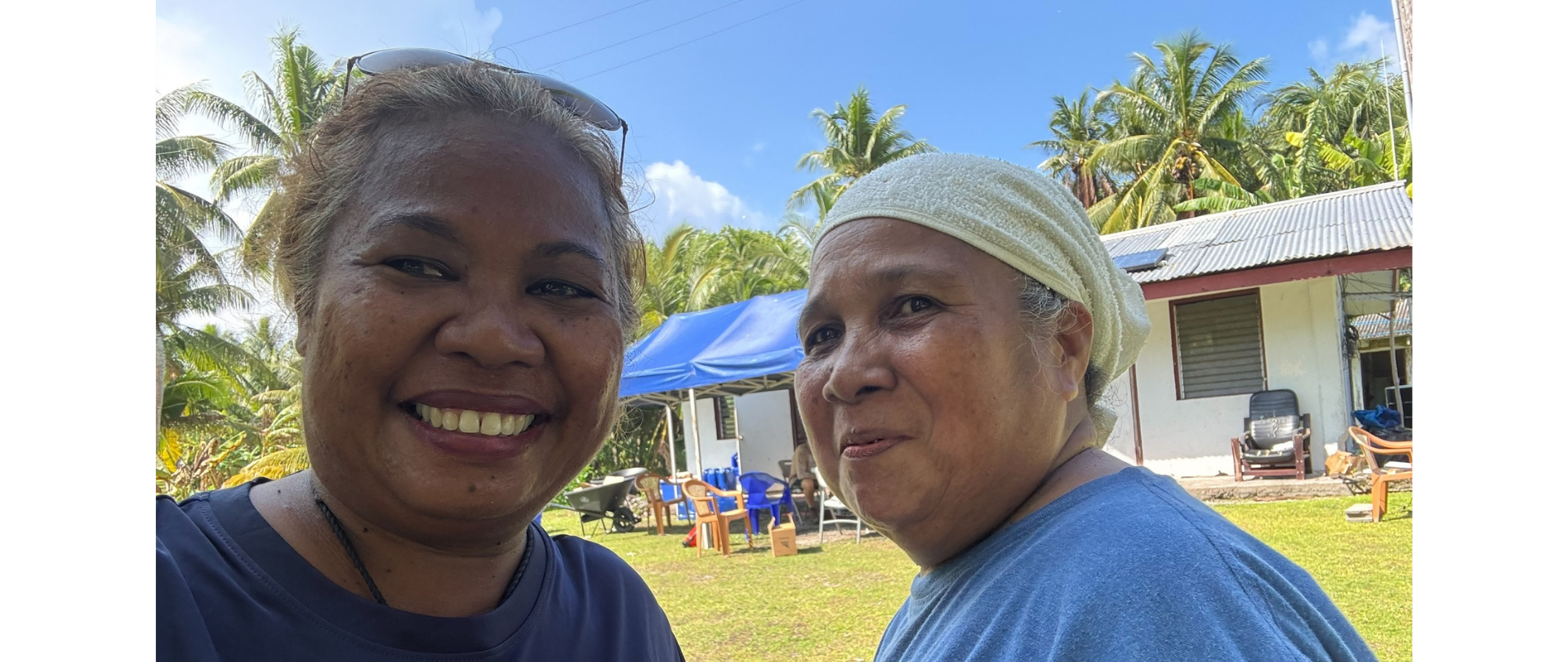
Later, Evelyn moved to Koror to attend school. It was her first time away from the island.
Over the years, Evelyn lived on Sonsorol for a total of seventeen years. Like many island residents, she left at different times due to opportunities and obligations. But unlike many who never return, she always felt a strong pull back home.
In 1995, she returned to Sonsorol with her husband and their two children. Her husband worked in coconut syrup production, a livelihood that depended on healthy coconut trees. Over time, they began to witness changes. Invasive species, especially the Coconut Rhinoceros Beetle, disrupted production and threatened their income. What they depended on was no longer as stable as it once was.
In 2001, Evelyn and her family relocated again to Koror, where they lived for nineteen years. Life there offered access to services and opportunities, but it was different. It was centered on work and indoor living, far from the daily rhythms of the island.
In 2021, Evelyn made the decision to return to Sonsorol once more, choosing a life that aligned more closely with her values.
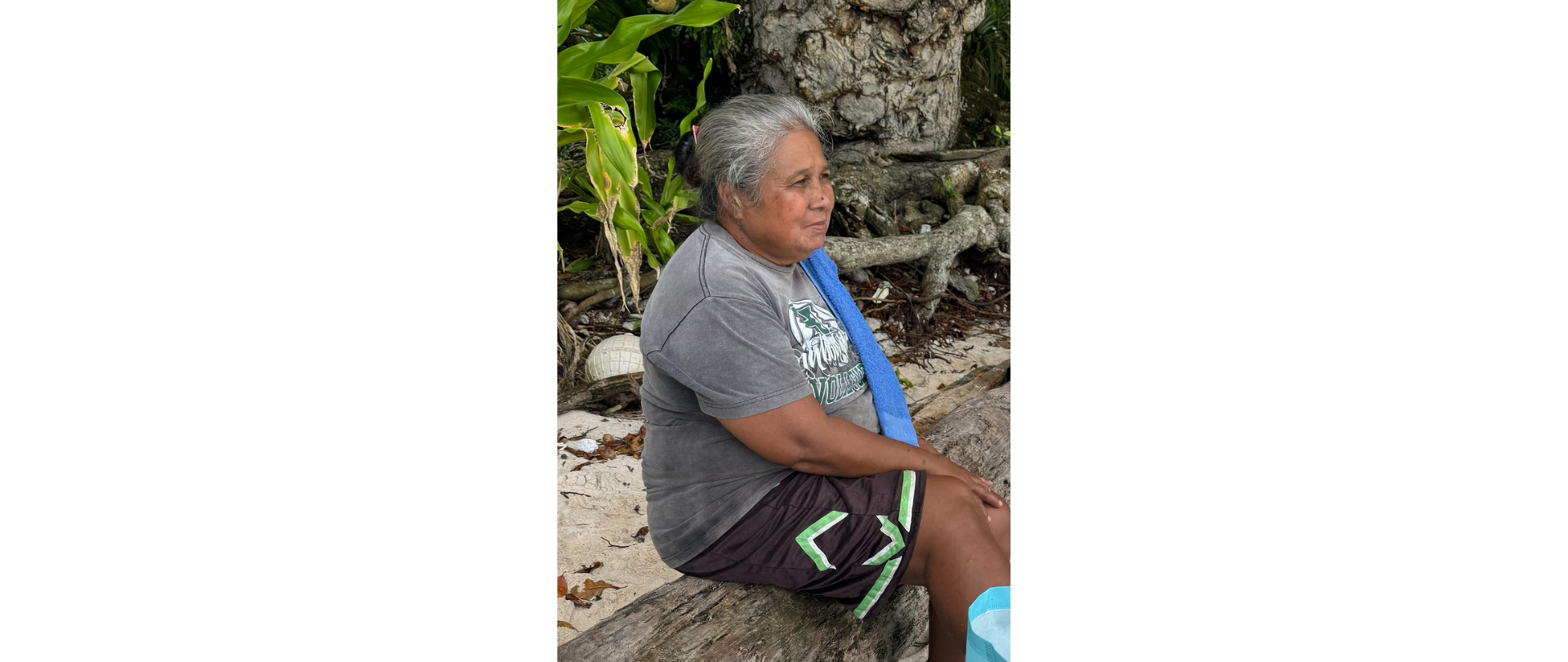
Life on Sonsorol is not easy. The island’s remoteness makes access to food, healthcare, and basic services challenging. The community has faced storms, droughts, and increasing threats from invasive species such as rats, coconut rhinoceros beetles, and fruit flies affecting crops like breadfruit and sweet potatoes. These challenges affect food security and require resilience and adaptation.
Yet despite these hardships, Evelyn chose to return.
Her reason is simple: Sonsorol is home.
She finds peace in the island’s natural environment—walking along the beach, harvesting crops, feeding animals, and gathering from the reef. Unlike life in Koror, where routines were mostly indoors, life on Sonsorol keeps her active and closely connected to nature.
Now at fifty-nine years old, Evelyn and her husband are among the oldest members of their community. Despite their age and health challenges, they continue to live on the island. Her decision to stay is rooted in a deep sense of belonging. Sonsorol is more than a place—it is where her identity, culture, and way of life are fully realized.
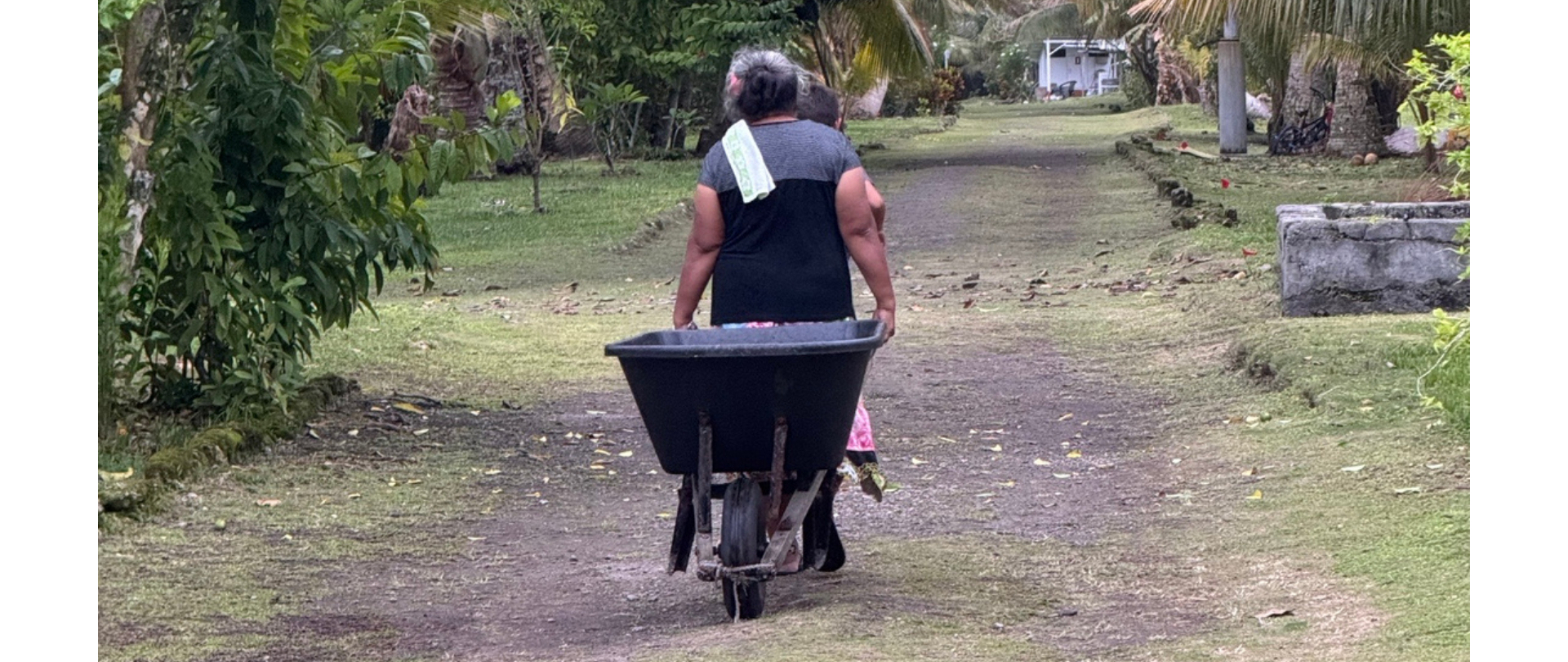
Evelyn often shares a traditional story passed down through generations.
It tells of a man with twelve children—eleven boys and one girl. After their mother passed away, the man remarried. One day, while he was out fishing, he left the children in the care of their stepmother.
When the children grew hungry and asked for food, the stepmother told them to dig up their mother’s grave and eat her remains.
Deeply hurt, the children went out to sea to find their father. Before leaving, the sister remained on the rocks and told her brothers that when their father learned what had happened, something powerful would occur.
As the brothers waited at sea, a shark appeared. One by one, they began jumping into its mouth.
Hearing the commotion, their father rushed toward them, but he was too late. He turned back toward the shore and saw his daughter standing on the rocks. When he asked what had happened, she told him the truth.
As soon as she finished speaking, the girl transformed into a tern and flew away.
From this story, Evelyn reminds others of its lesson:
Choose wisely the mother of your children.
Through both her life and the stories she carries, Evelyn continues to reflect the values of her island—where knowledge is lived, shared, and passed on, and where the connection between people and their environment defines who they are.
There’s more than one way to make an impact. Join our collective of dedicated supporters by donating today or signing up for our newsletter to stay informed.
Check out other journal entries we think you might be interested in.
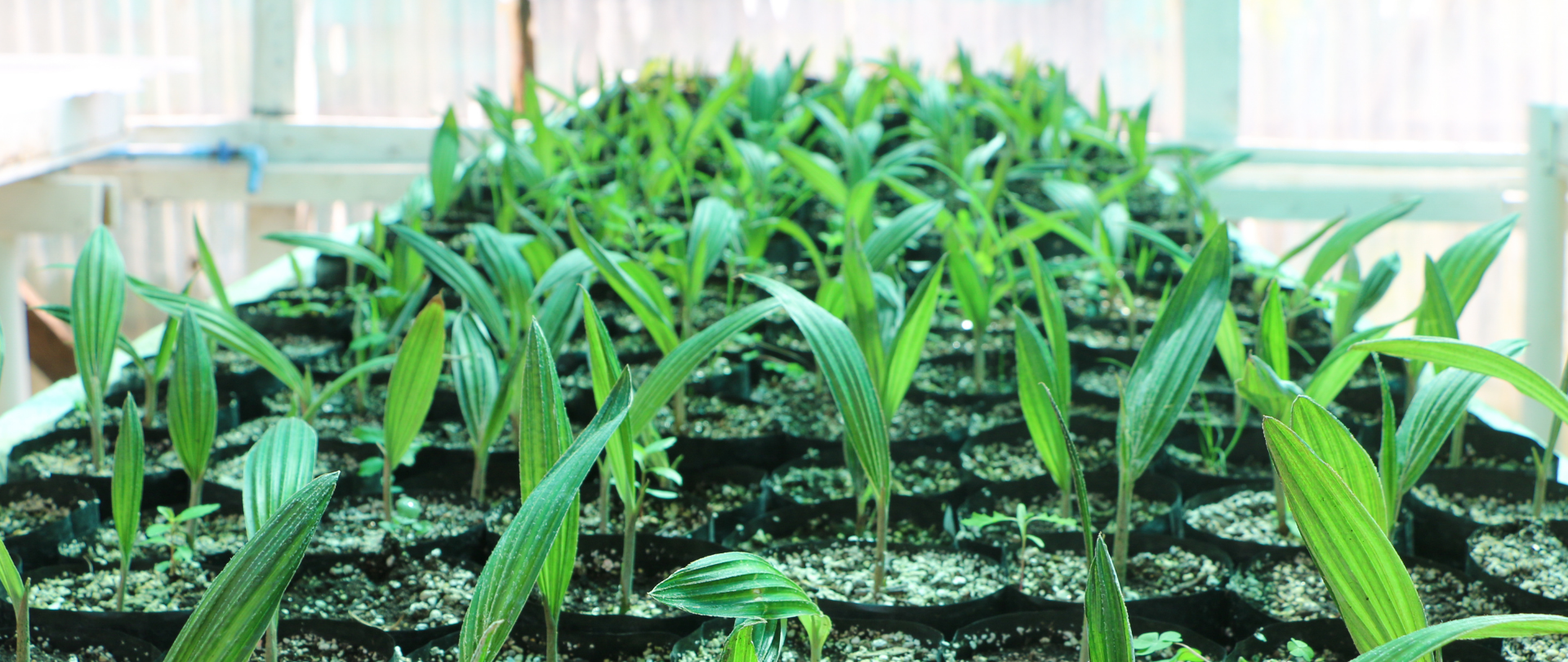
September 17, 2026
On the island of Robinson Crusoe in Chile, a greenhouse feeds both a community and an islander-led conservation movement!
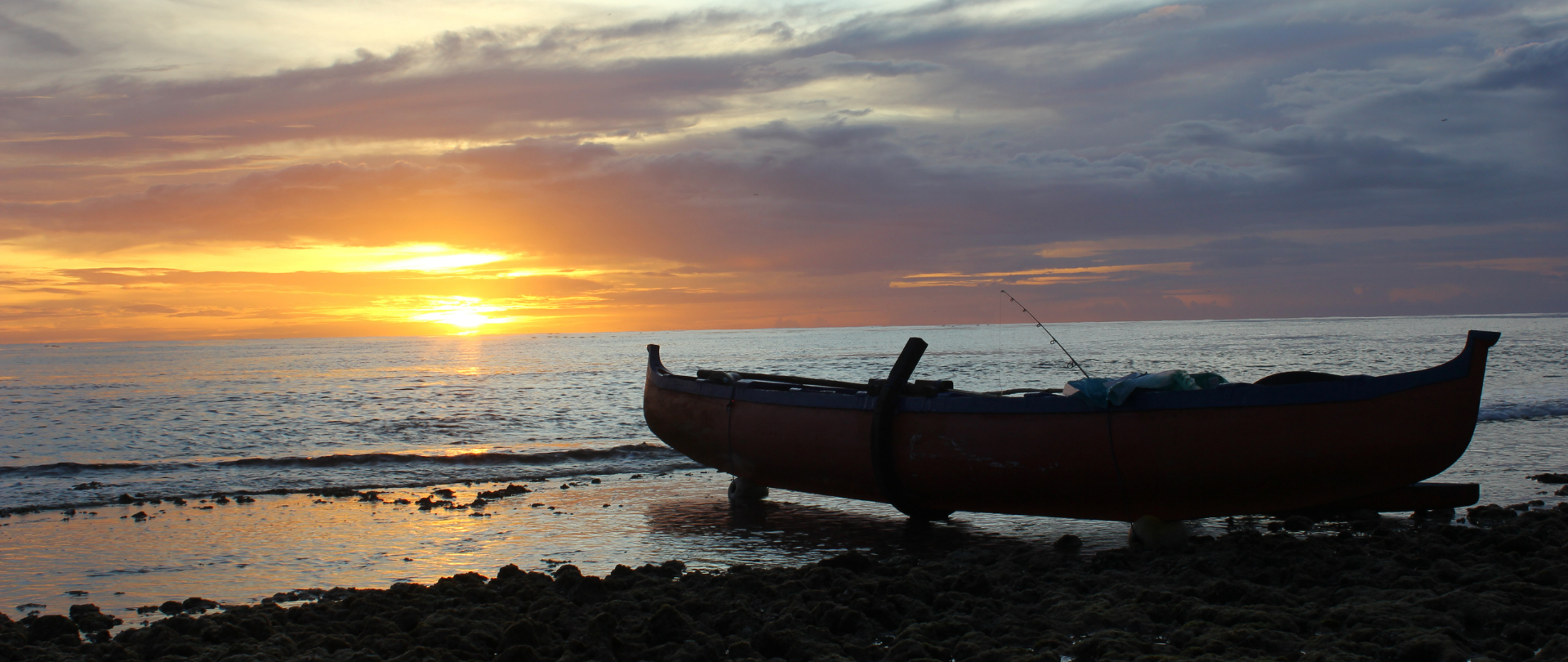
September 1, 2026
Linden Brown shares the incredible things he saw and experienced while working to restore islands in Sonsorol State, Palau!
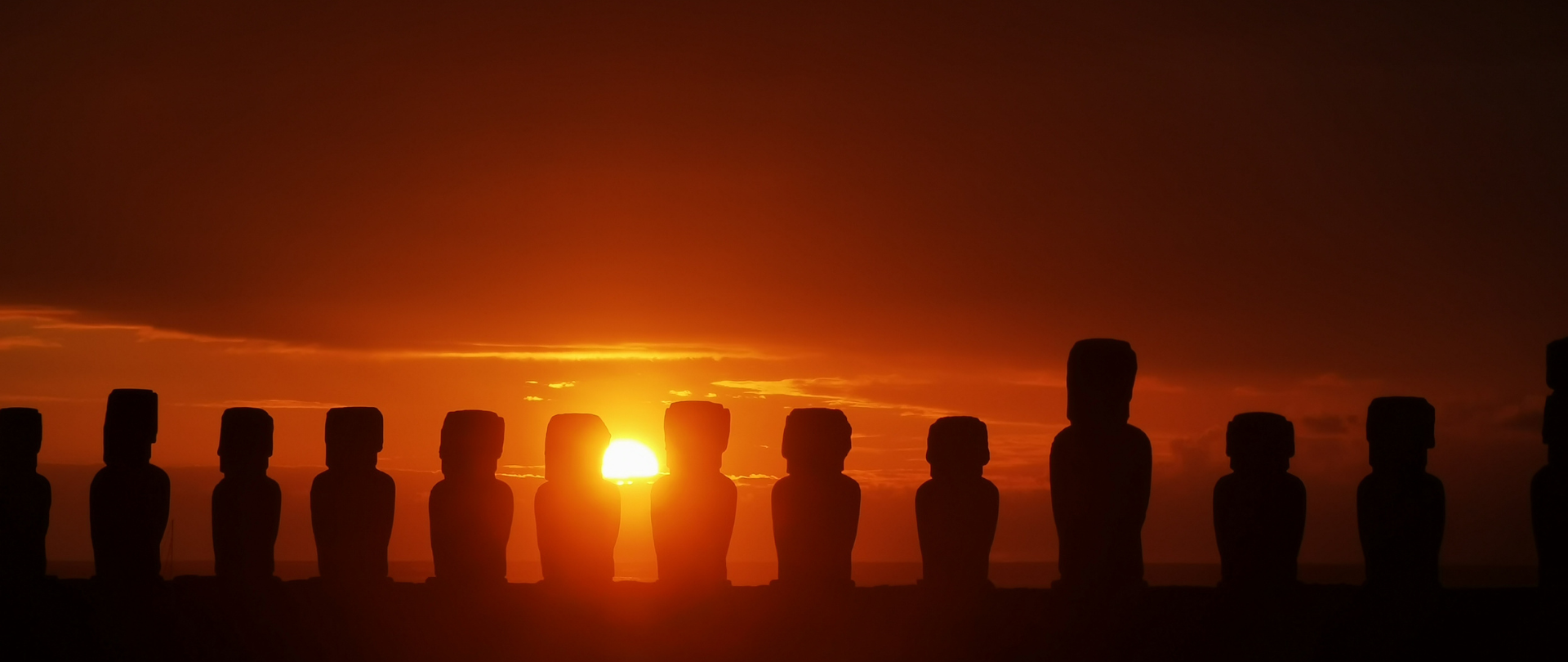
August 4, 2026
Indigenous-led conservation takes a leap forward with Rapa Nui (Easter Island)'s new partnership with Island Conservation!

July 31, 2026
We interviewed artist Laura Shape to learn about the luminous abstracts she creates from leather sourced from invasive species!
July 9, 2026
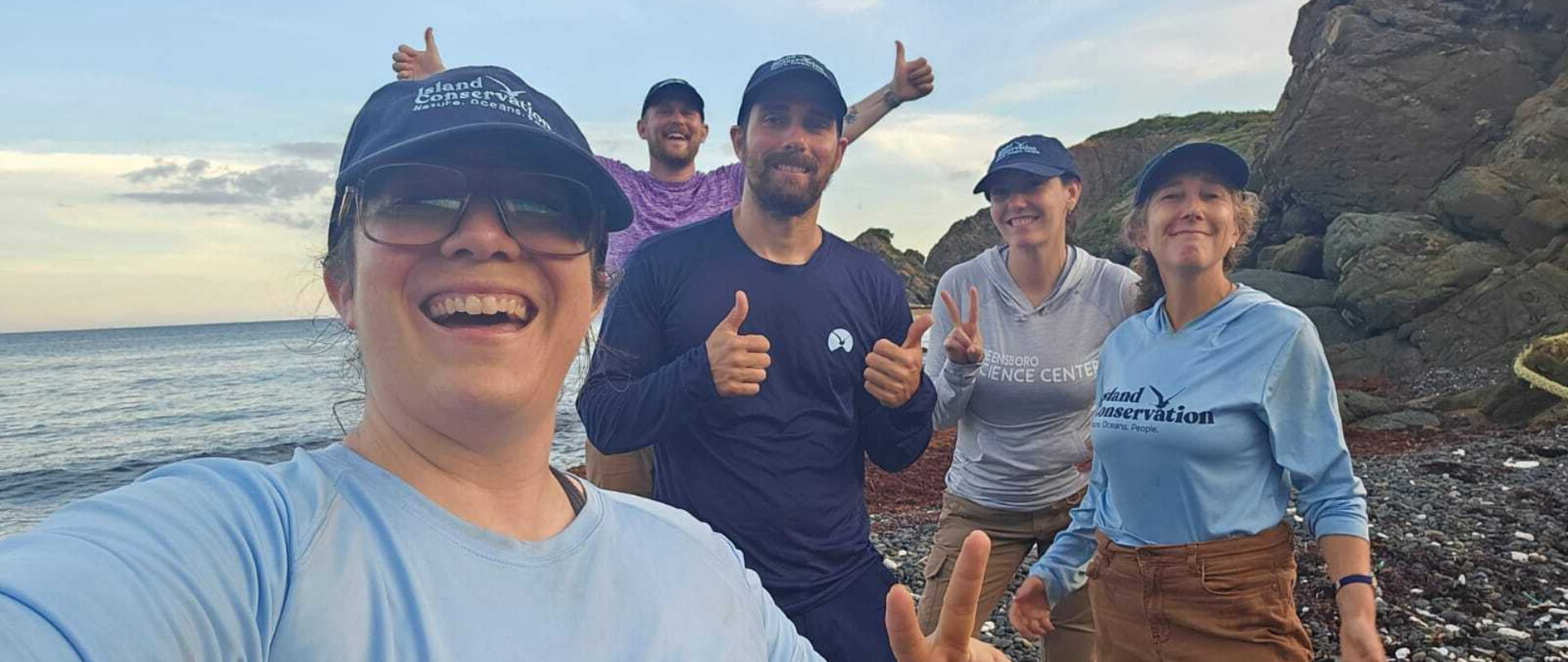
Senior Major Gifts Officer Jen Sachs shares her experience on one of Island Conservation's exciting restoration projects in the US Virgin Islands!
June 23, 2026
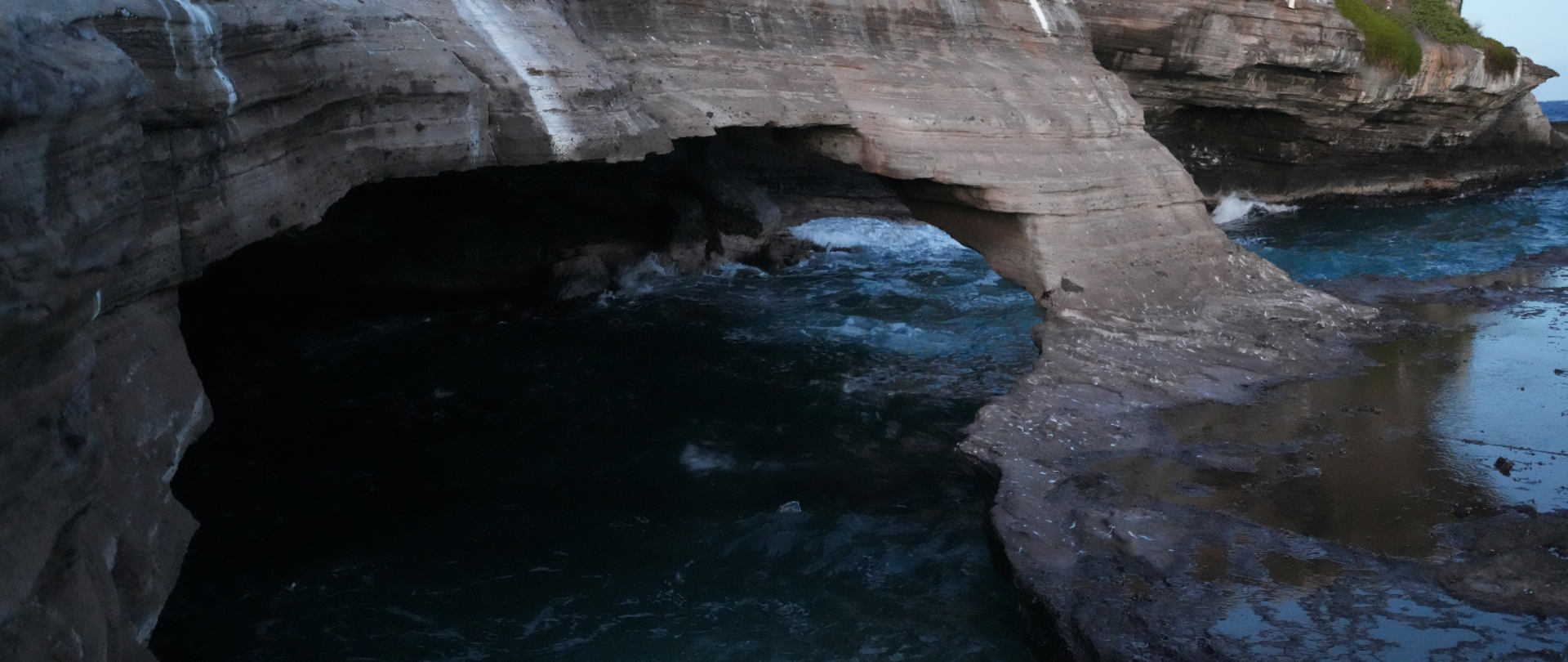
The Island-Ocean Connection Challenge announced four new restoration projects—Lehua, Tavolara, Grand Rouveau, and Zembra—at London Climate Week, expanding its global effort to restore 40 island-ocean ecosystems by 2030!
June 18, 2026
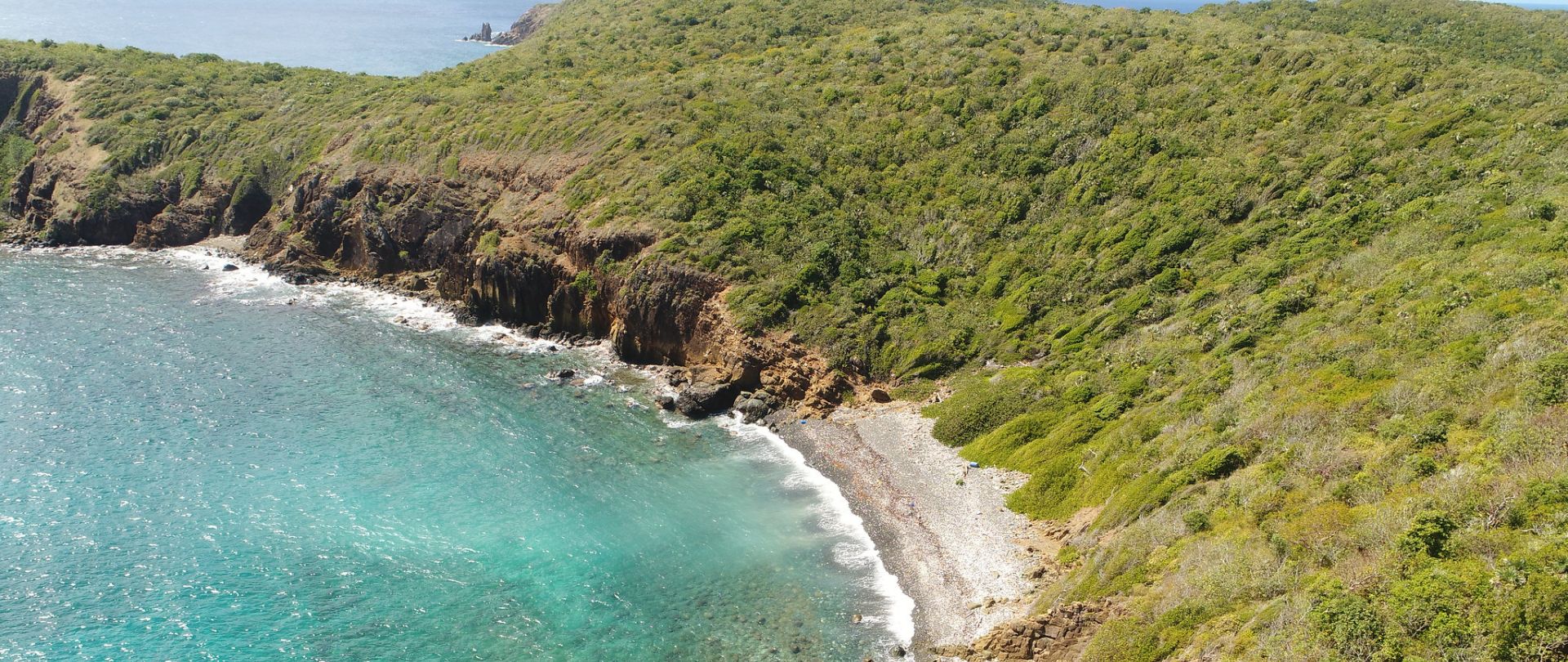
A new project to expand the range of an endangered Tree Boa is one step closer to completion!

June 18, 2026
The Island Restoration Storytellers Circle is a new initiative designed to elevate islander voices in the global conversation about holistic restoration!
June 8, 2026
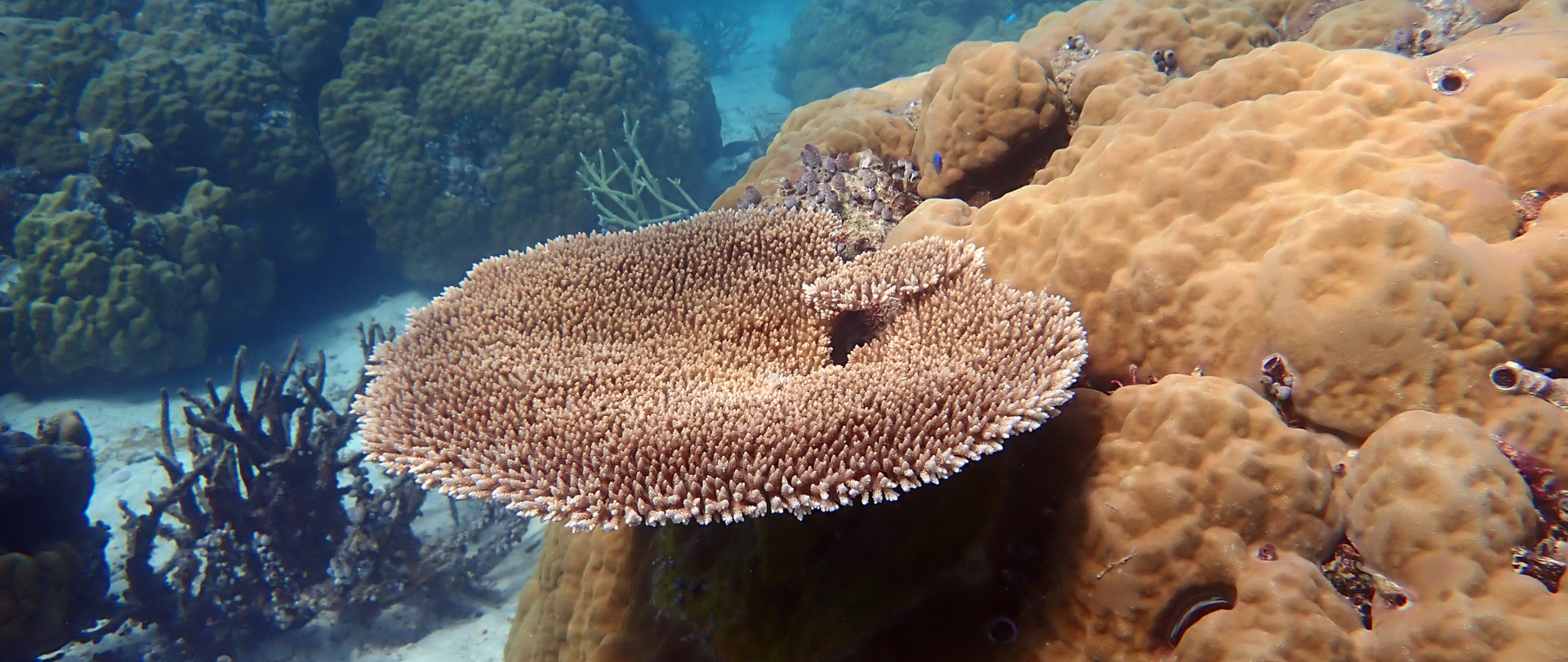
A world-first controlled experiment shows connection between seabird activity and marine health on Ulong Island!
May 20, 2026
Seasonal Monitoring Specialist Cozette Romero writes about her time working and living on Niulakita in Tuvalu, helping protect the food security and livelihood of an island community!