Field Notes: Welcome to Sonsorol, Palau

By: Linden Brown, Island Restoration Specialist at Island Conservation

Conservation has taken me to some wild and unexpected places. I’ve worked extensively amongst the beautiful towering mountains and temperate rainforests of Aotearoa New Zealand. But by my second week of working at Island Conservation, I was on a new adventure, bound for tropical Palau and the remote island of Sonsorol; a place that, until a few weeks earlier, I couldn’t have pointed to on a map. An island where seabirds outnumber people, the heat and humidity are relentless, and human life and nature are tightly interwoven. 

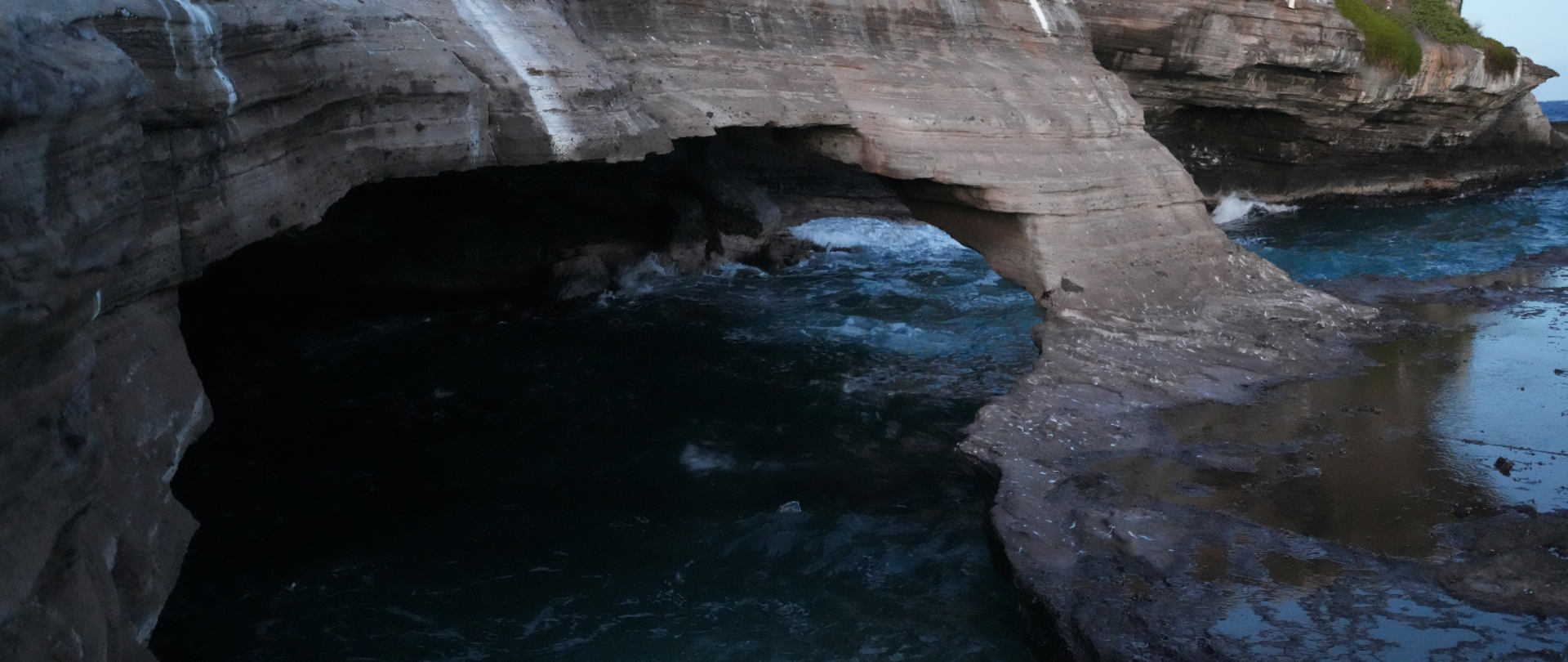
Photo Credit: Island Conservation / Linden Brown

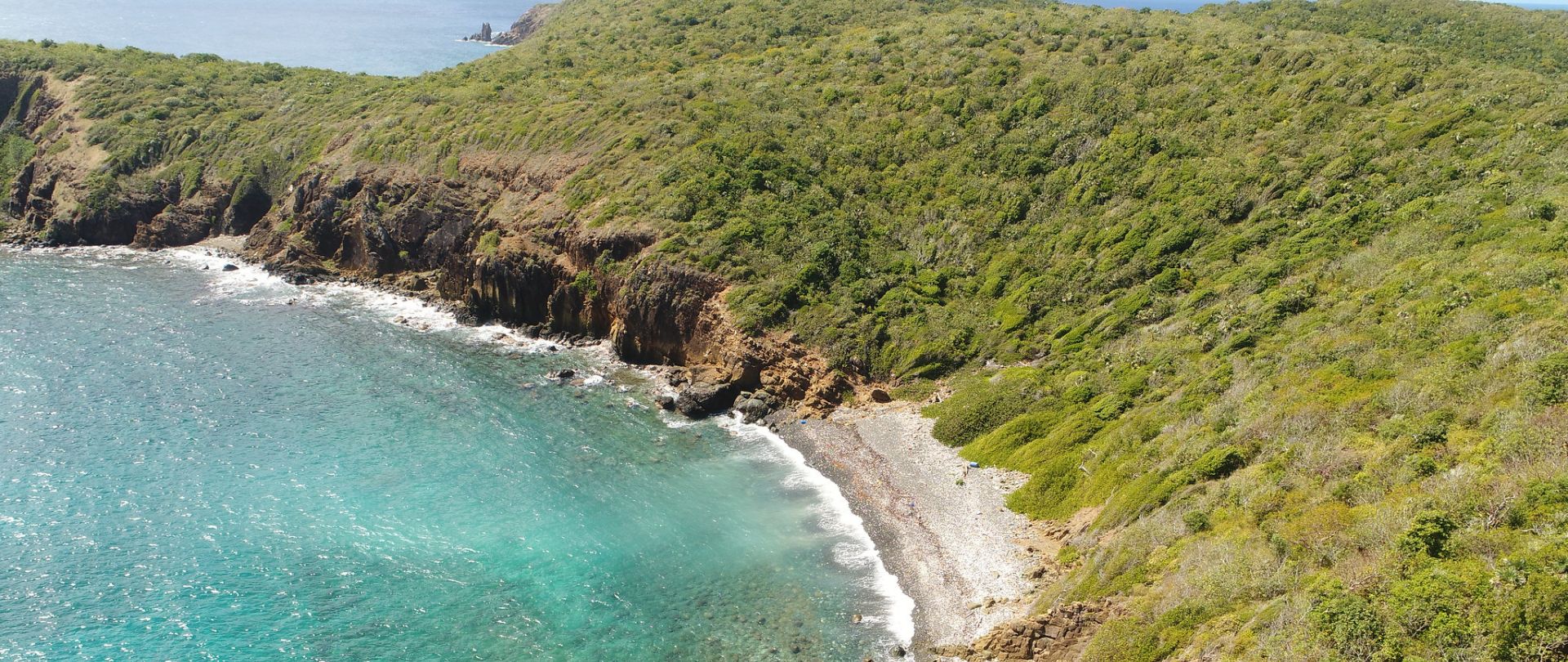
Sonsorol is one of the sixteen states of Palau, comprised of the islands of Sonsorol, Fanna, Merir, and Pulo Anna, and with a total population of less than 50. Located around 300 kilometres south of the main island of Koror, this isolation has meant the Sonsorolese people have their own culture and language distinct from the rest of Palau. However, this isolation also leads to challenges such as food insecurity and access to healthcare. Through the removal of invasive non-native rats, and in partnership with the local community, Island Conservation’s primary goal for this project is to improve outcomes for the Sonsorolese people. If successful, the benefits will be immense: greater production of locally grown and produced food such as banana, breadfruit, and coconut syrup; healthier and more resilient communities; and a more balanced ecosystem, where the native vegetation, seabirds, and landcrabs of Sonsorol can thrive. 

Photo Credit: Island Conservation / Linden Brown

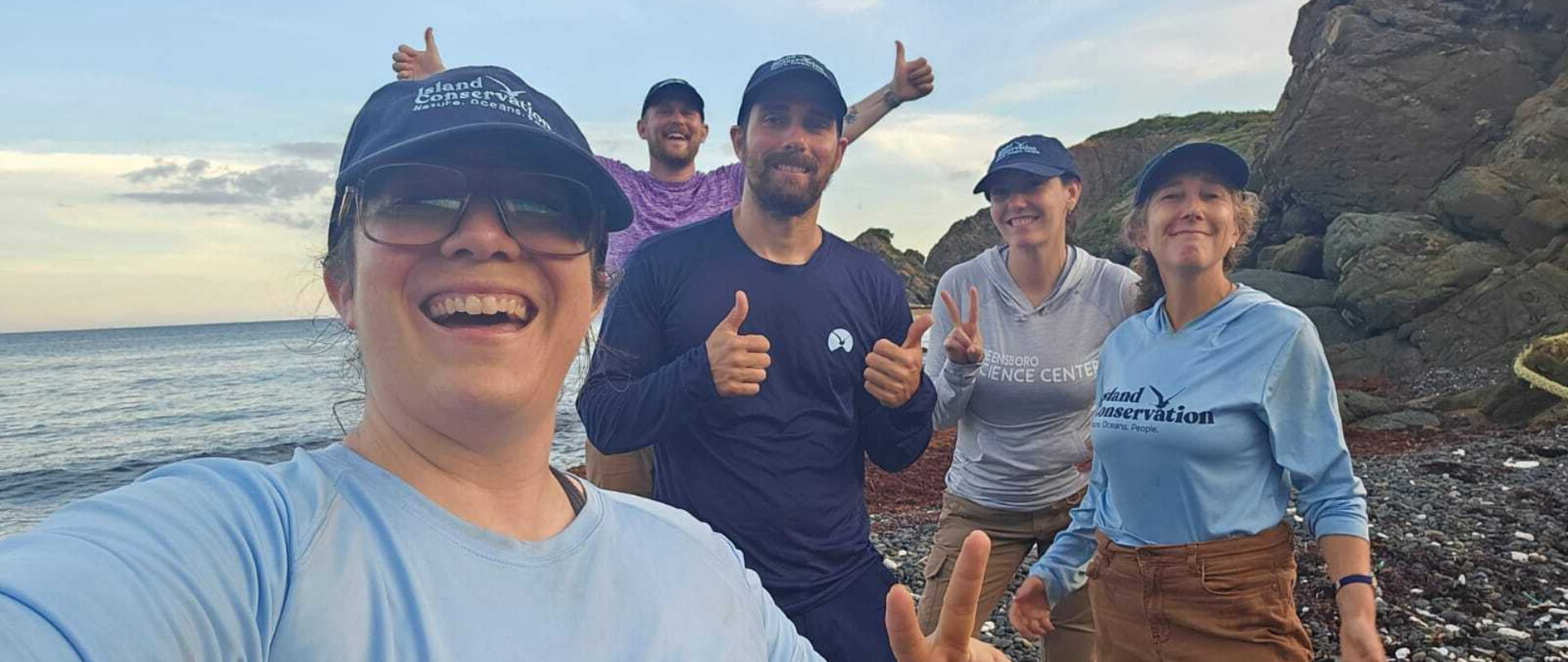
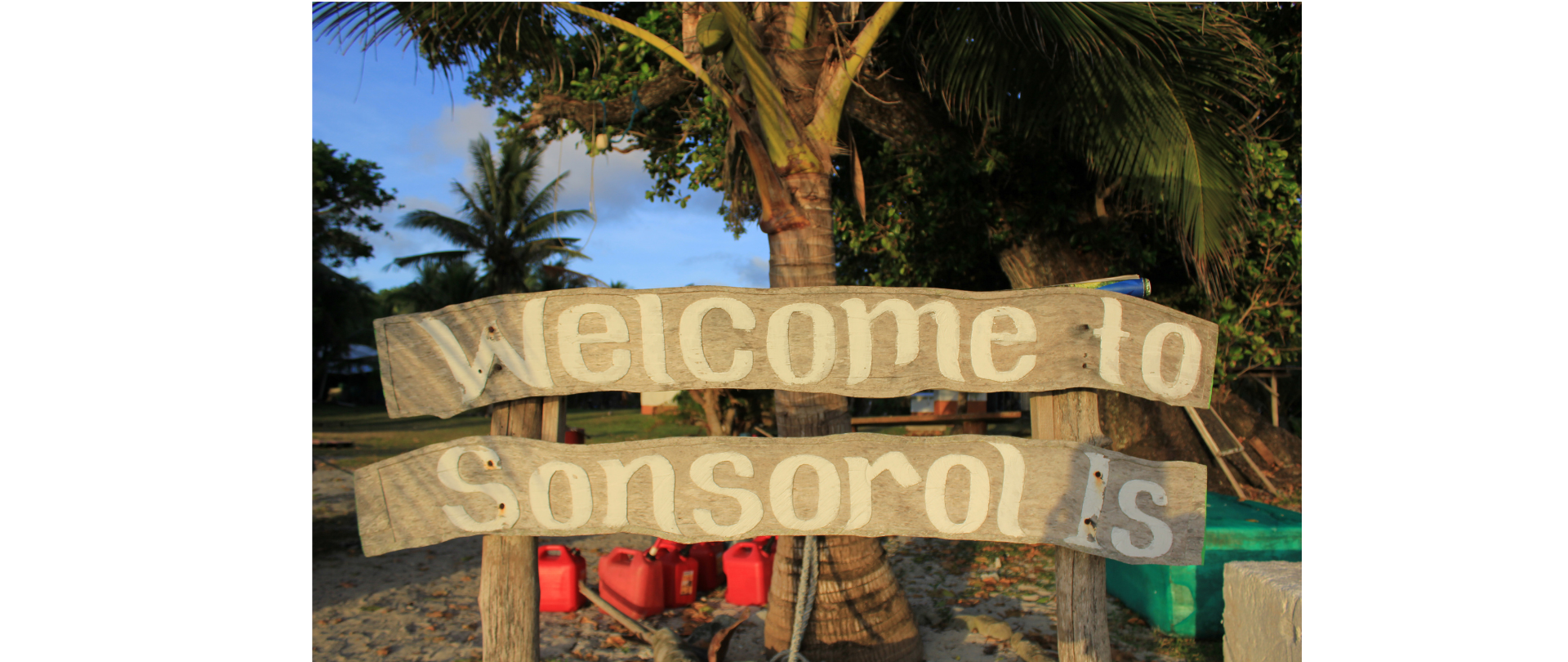
After a short acclimatization in Koror, our team of four, along with all our food and equipment, supplies for the island, and some returning Sonsorolese people board the Kenzing II which will take us to Sonsorol. Once we arrive 24 hours later, everything needs to be transferred to a smaller boat to be taken ashore, and each trip needs to navigate through a small channel through the fringing coral reef. Having unloaded all the equipment and people off the ship, we’re the last ones to head to shore. As we navigate the swells and get inside the reef, our boat driver Paco (the Lieutenant Governor of Sonsorol State) says excitedly “Hey boys, welcome to Sonsorol!” From the moment we step ashore, we feel the same level of excitement and welcoming from the whole community. We can feel how much the people want the project to succeed. Throughout our stay on Sonsorol, it feels like barely a day goes by without someone sharing something with us- from a coffee in the morning, a coconut or banana, to local delicacies such as fresh fish they have caught, or tama- delicious fried donuts, which are made even better with the addition of the locally produced coconut syrup!  


The other thing gives us a warm welcome is the climate. Stepping out of the air-conditioned confines of the ship and onto shore feels like walking into a sauna; moving our equipment from the boat landing site up to the State Office where we’re based quickly turns into a sweatfest. The evening is a bit of a haze of finding and unpacking fish bins full of food, equipment and personal items we’ll need for the coming two months. We all crash out that evening, content to be on Sonsorol and excited for the adventure ahead. Since I identify more as a hermit crab than a colonial seabird, I opt for the solitude (and mosquito proofness) of a waterfront tent site, and the sounds of the ocean lull me to a warm yet peaceful sleep. 


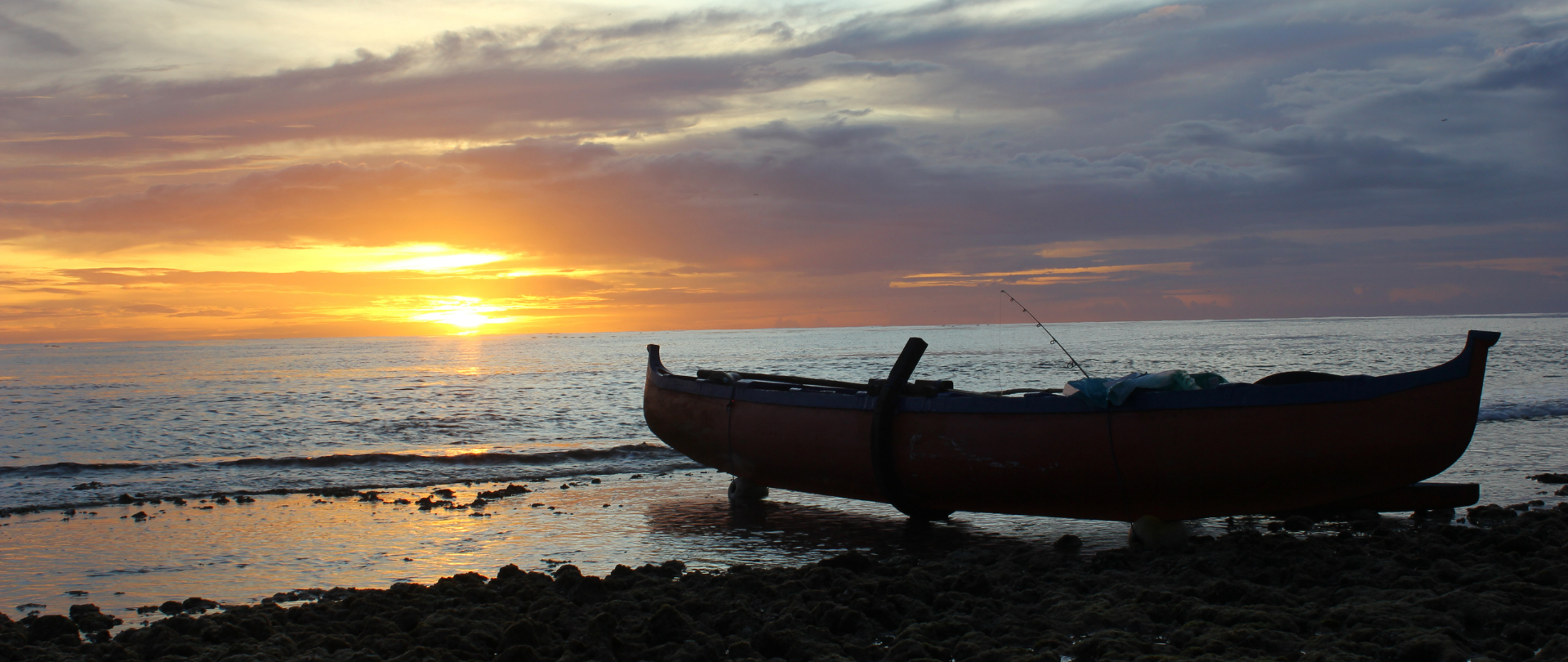
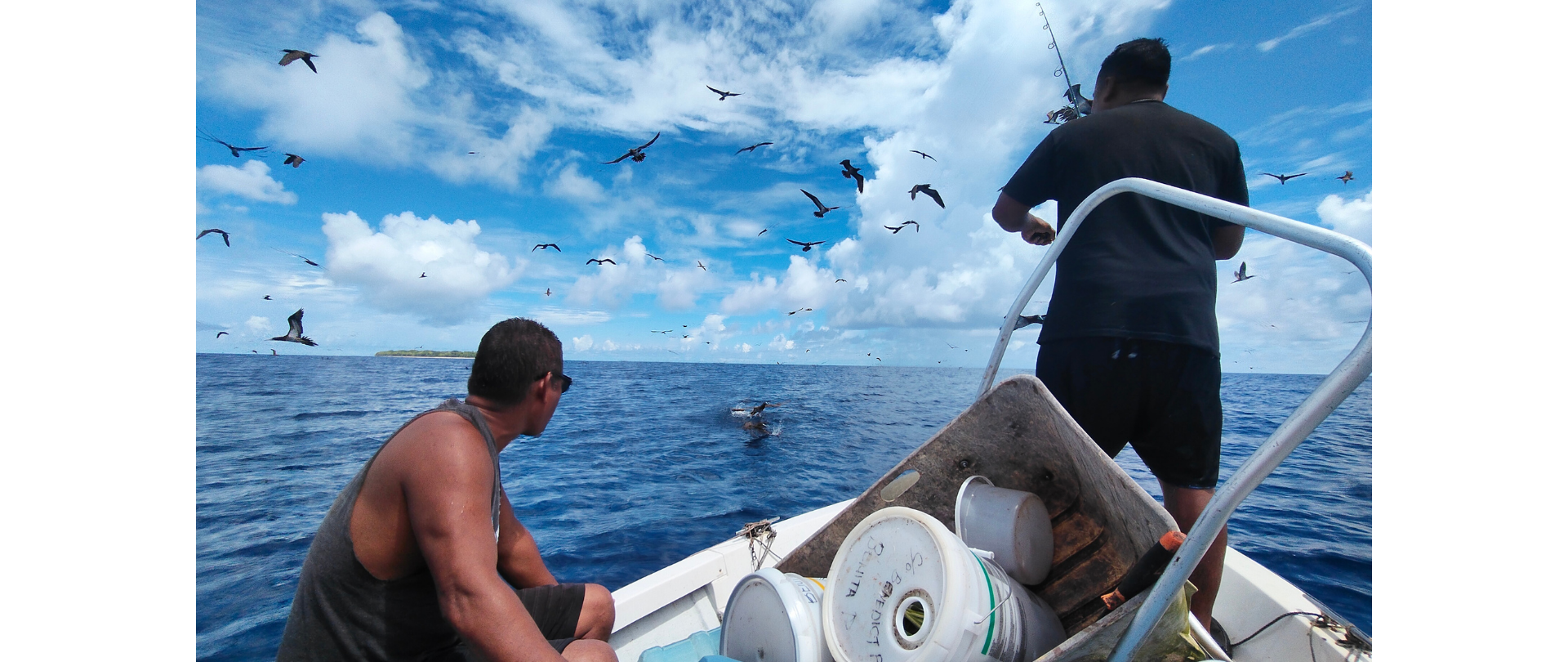
The next morning I jump at the opportunity to head out fishing with some of the locals. The Sonsorolese people have been sustainably fishing for centuries, and as such, healthy oceans and coral reefs aren’t a nice-to-have for these people; they are essential for their lives and culture. The connection between healthy island and marine ecosystems is well known; by restoring the ecological balance on land, we allow connector species such as seabirds to thrive. These seabirds eat fish out at sea, then come ashore to breed, rest, and feed their young; whilst ashore, they add nutrients and enrich the soil through their guano. Some of these nutrients are then washed back out to sea, which in turn helps to build healthy marine ecosystems, and ultimately leading to more fish in the sea. The fish we catch this time are shared out evenly amongst everyone on the island; sashimi all around!  

Photo Credit: Island Conservation / Linden Brown

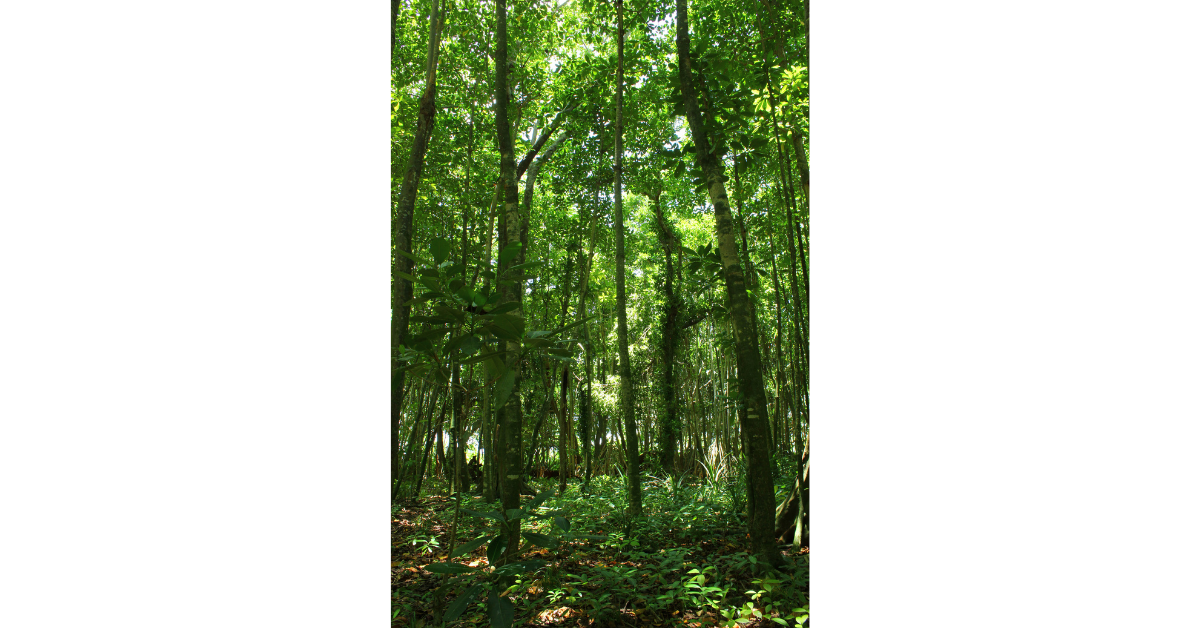
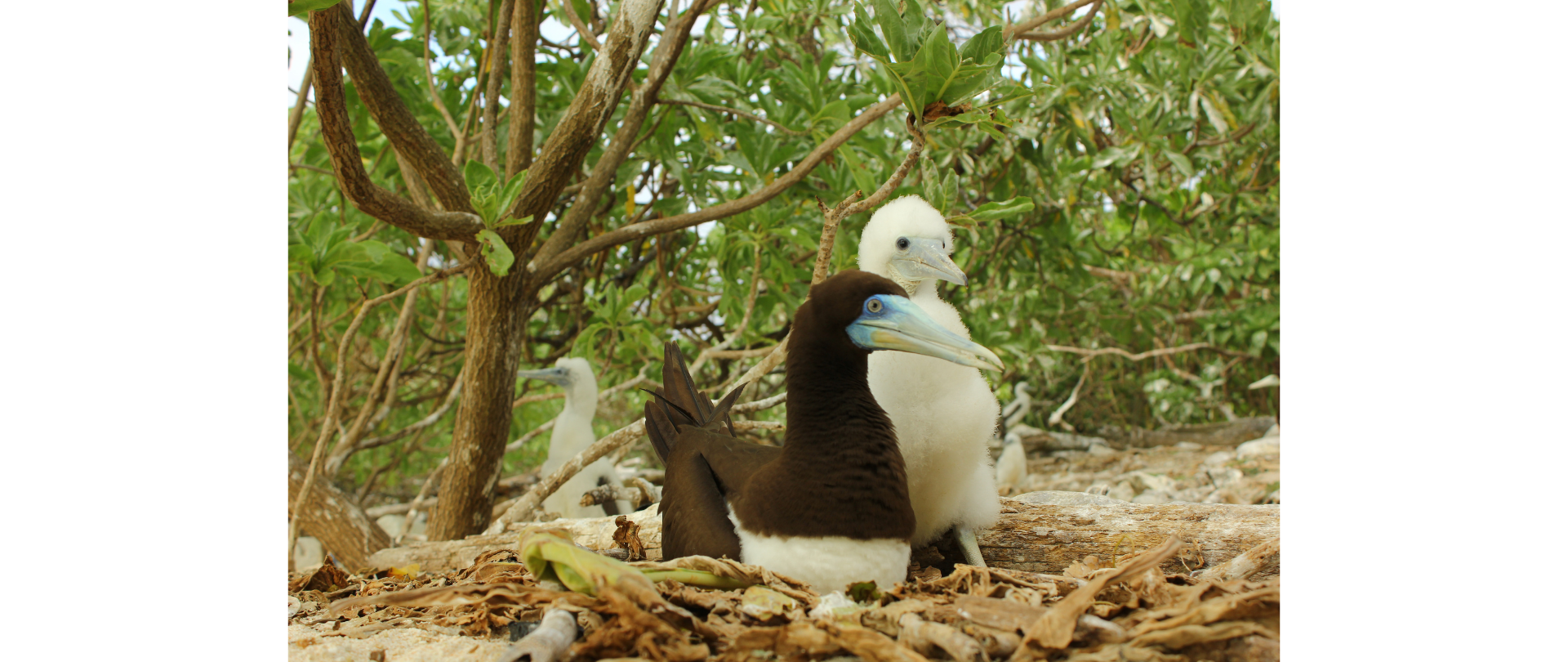
As the monitoring lead for this project, my main role is to gather baseline ecological data on the birds, crabs, vegetation, and other native species which inhabit the islands of Sonsorol. Sonsorol is a lush tropical jungle, and stepping from the open spaces of the village into the jungle is like stepping into a dark room– large leaves complete for every scrap of light which gets through the canopy, and only a tiny fragment filters through to the forest floor. Once my eyes adjust to the dappled light, my ears tune in to the sounds of the forest. Hundreds of seabirds chatter incessantly. Red-footed Boobies, Brown and Black Noddies, Frigatebirds, White Terns, and White-Tailed Tropicbirds all inhabit Sonsorol, and they seem to take great delight in playing hide and seek while we’re conducting nest surveys on the island; adult birds flit in and out of the tall canopy, leaving us to try and trace their movements to a nest high in the forest above.

Photo Credit: Island Conservation / Linden Brown

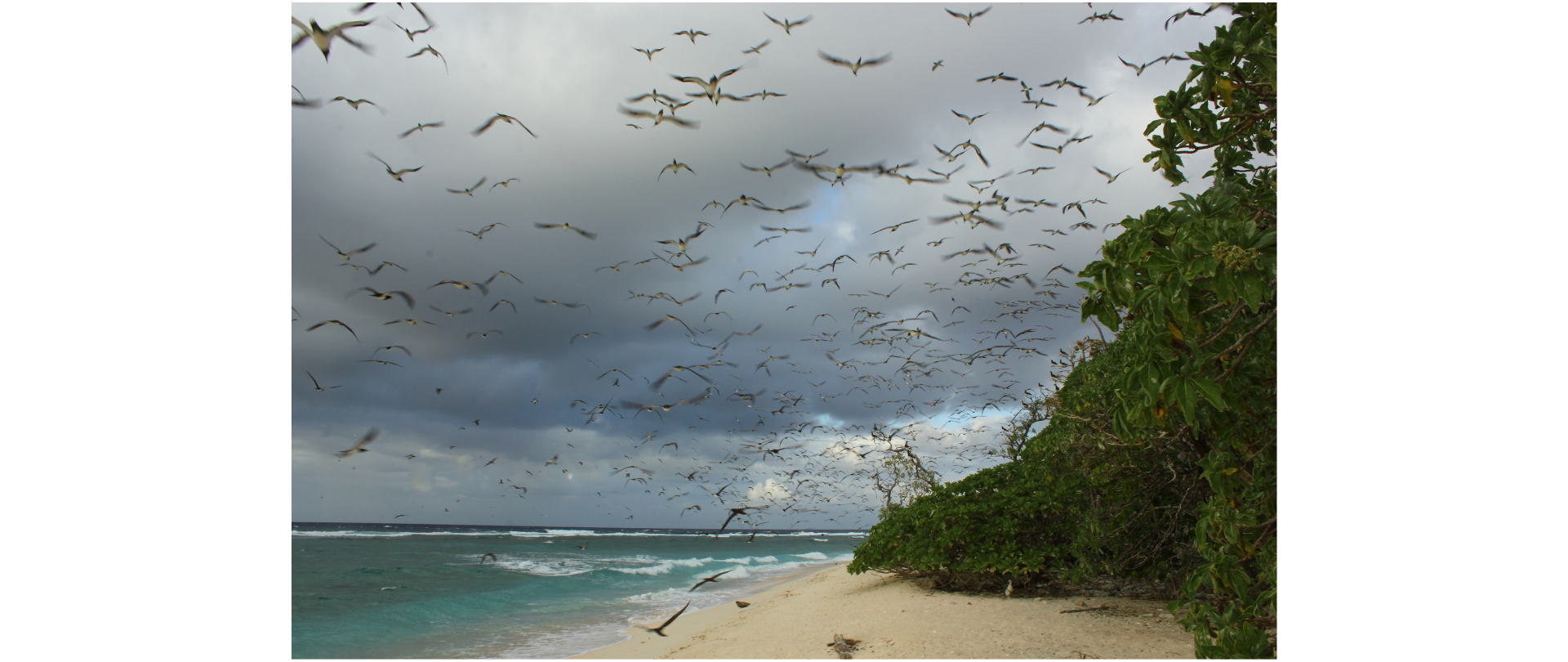
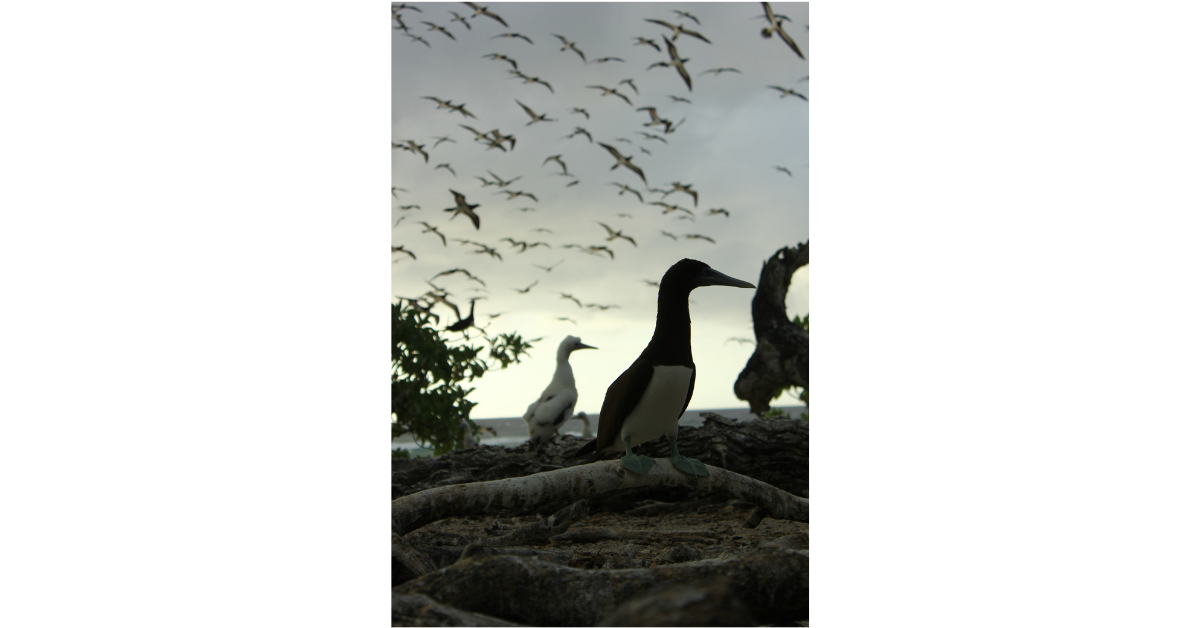
Fanna Island, which lies less than 2 kilometres to the north of Sonsorol, is listed as an Important Bird Area by Birdlife International. Once we set foot on Fanna we can see why this is the case- This 40 hectare island is covered in tens of thousands of seabirds, including an impressive colony of Brown Boobies around the perimeter of the island. The sight of thousands of birds swarming above the island is spectacular, and the smell of all these birds dropping guano onto the island is pungent to say the least. Multiple times we feel the warm splatter of a bird pooping on us, and after a few days monitoring on Fanna we figure we’ve accumulated a lifetime of good luck! 

Photo Credit: Island Conservation / Linden Brown

One thing which takes a little longer to notice while working in the jungle are the insects. I’m used to my fair share of mosquitos and sandflies working in Aotearoa, but after a few days I notice that my ankles are covered in hundreds of itchy bites. Apparently, the culprit for these bites are chiggers, something which I’d never even heard of before heading to Sonsorol. They say that ignorance is bliss, but I’m not so sure! Thankfully through a combination of high-strength insect repellant and after-work swims I’m able to get the itching under control. 


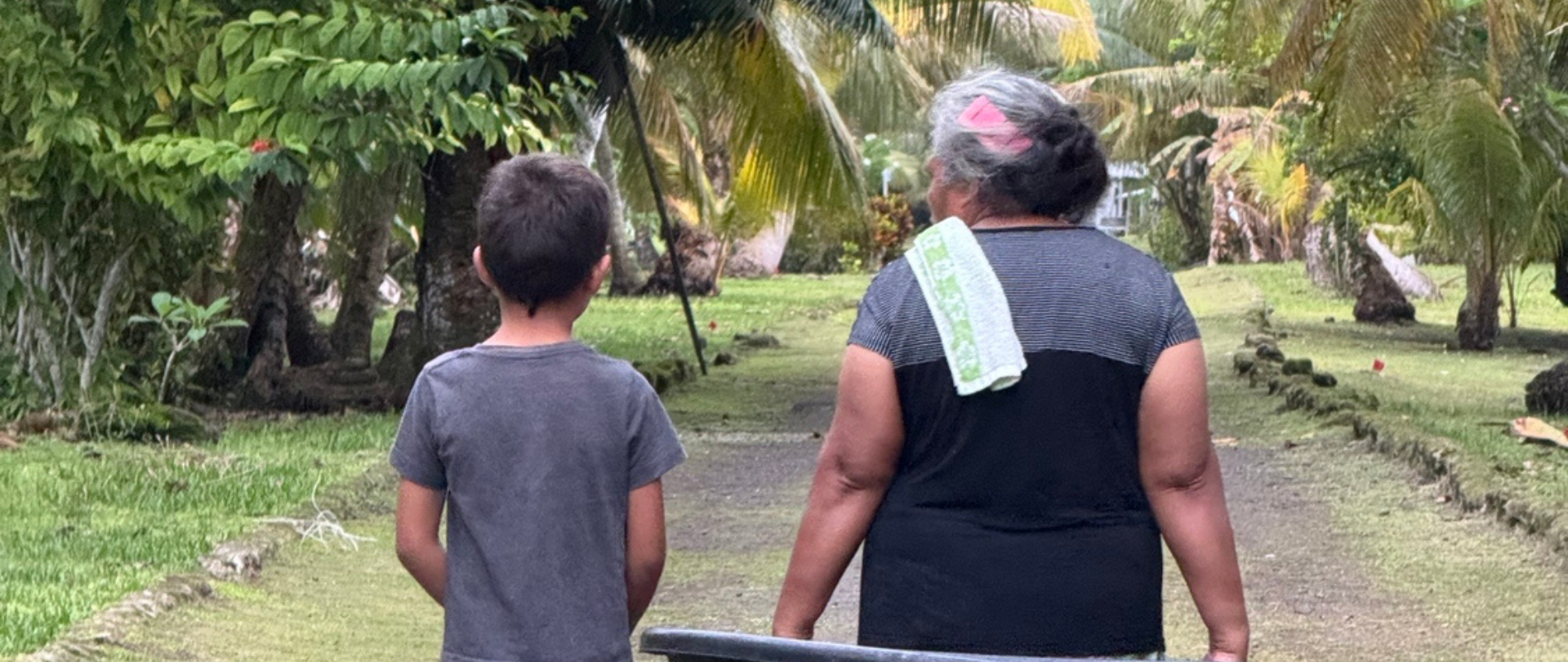
The chigger bites have stopped itching, the smell of guano gone from my clothes, and the lush greens of the jungle are now just pictures and hazy memories. But the thing that I will always remember from my time on Sonsorol is the people. Shared coffees in the morning, playing football with the schoolchildren after work, or just parking up for a chat to learn about each other’s cultures are all memories I will carry with me. The friendliness, generosity, and humour of the people made this project one of the most rewarding experiences of my life, and I feel grateful to have been welcomed to Sonsorol in the way that I was. 

Photo Credit: Island Conservation / Linden Brown

Positionality Statement: Linden Brown is an Island Restoration Specialist with Island Conservation. Originally from Australia, he now lives in Aotearoa New Zealand and identifies as a male Pākehā New Zealander of European descent. His work focuses on ecological monitoring and the removal of invasive species from island ecosystems. 

This blog reflects Linden’s personal experiences and observations while living and working on Sonsorol. Although he has sought to share these experiences respectfully, they represent only his own perspective and should not be interpreted as speaking on behalf of the people or community of Sonsorol. 

How to Help

There’s more than one way to make an impact. Join our collective of dedicated supporters by donating today or signing up for our newsletter to stay informed.

Back

Want to learn more?

Check out other journal entries we think you might be interested in.

June 18, 2026

Meet the Island Restoration Storytellers

The Island Restoration Storytellers Circle is a new initiative designed to elevate islander voices in the global conversation about holistic restoration!