Ulong Island, Palau Study Shows First‑Ever Evidence of Seabird‑Driven Land-Sea Recovery

New study shows connection between marine and terrestrial restoration.

Early monitoring reveals surprising nutrient and reeffish responses, signaling fasterthanexpected ecosystem recovery

Koror, Republic of Palau | June 2026 —  Data from Ulong Island, Koror Republic of Palau shows that seabirds are returning, nutrients are moving from land to sea, and nearby reefs are beginning to rebound just one year after invasive rats were removed, providing evidence that holistic island restoration can deliver benefits to coral reef ecosystems far sooner than previously understood.  

This research, conducted as part of the Island-Ocean Connection Challenge (IOCC), is the world’s first experimental study demonstrating that seabird recovery following invasive rodent removal drives nutrient transfer from land to reef, confirming prior observational findings that restored islands benefit their surrounding ecosystems. 


Seeing measurable ecological change just one year after restoration is extraordinary. It demonstrates the power of local leadership and science working together to heal island ecosystems from ridge to reef.

Coral Wolf

Conservation Impact Program Manager, Island Conservation

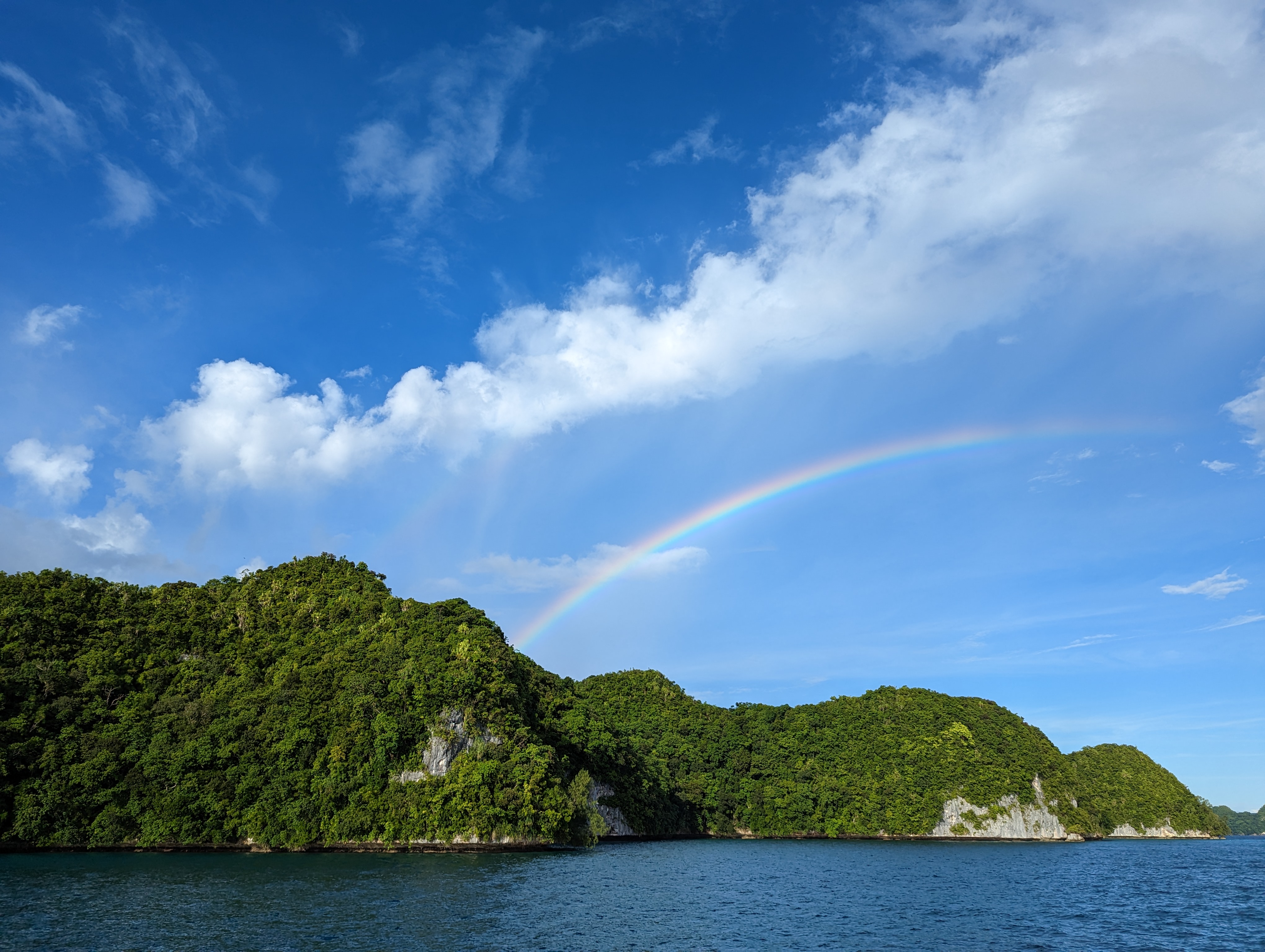
A rainbow over Ulong Island! Photo credit: Timo Sullivan / Island Conservation

Island Conservation and Scripps Institution of Oceanography at UC San Diego monitored Ulong Island before and after the operation on land and in the sea to track seabirds, nutrients, reef fishes, and benthic communities. The IOCC is a volunteer collective founded by Island Conservation, Scripps Institution of Oceanography, and Re:wild to restore and rewild 40 globally significant island-ocean ecosystems by 2030, one of which is Ulong. The IOCC aims to demonstrate the connections between healthy islands and healthy oceans. 

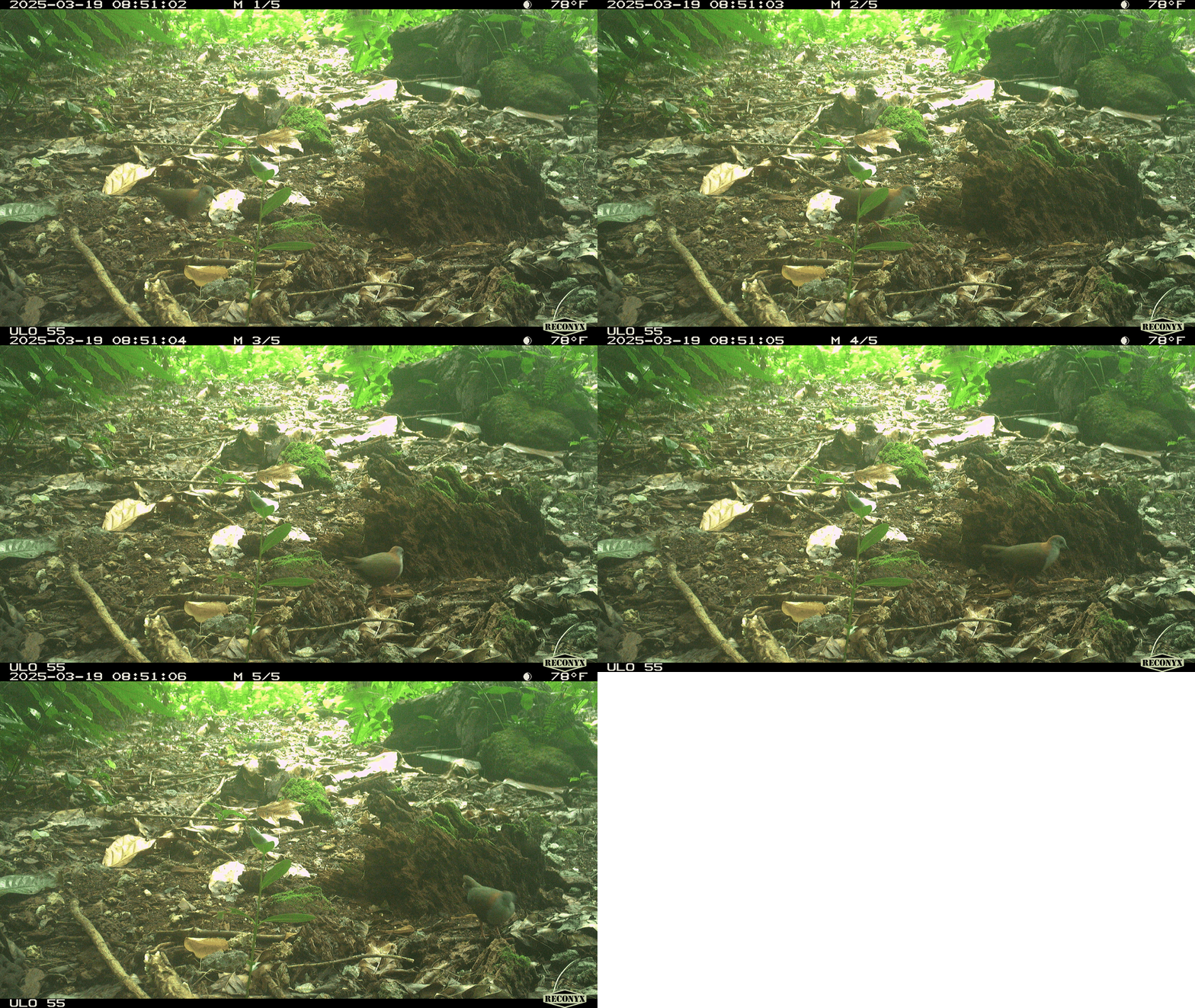
An animated GIF shows endangered Ground Doves safely exploring the forest floor. Credit: Island Conservation

Early indicators point to strong biological rebounds. Detections of the rare, endangered Palau Ground Dove increased, and seabird activity surged—Bridled Tern calls rose by 286%, while Brown Noddy and White Tern calls increased by roughly 50% compared to the control island Ngeruktabel, which is a nearby similar island with invasive rats and no eradication. These shifts suggest that seabirds are beginning to return and resume their role as nutrient “connectors” between land and sea. 

At the same time, nutrient and fish data revealed unexpected early responses. Nitrogen signature decline was less swift on Ulong compared to other sites, consistent with seabird guano beginning to influence soils and nearshore waters. Fish biomass also increased significantly at Ulong, indicating that nutrient inputs are already supporting reef productivity.  

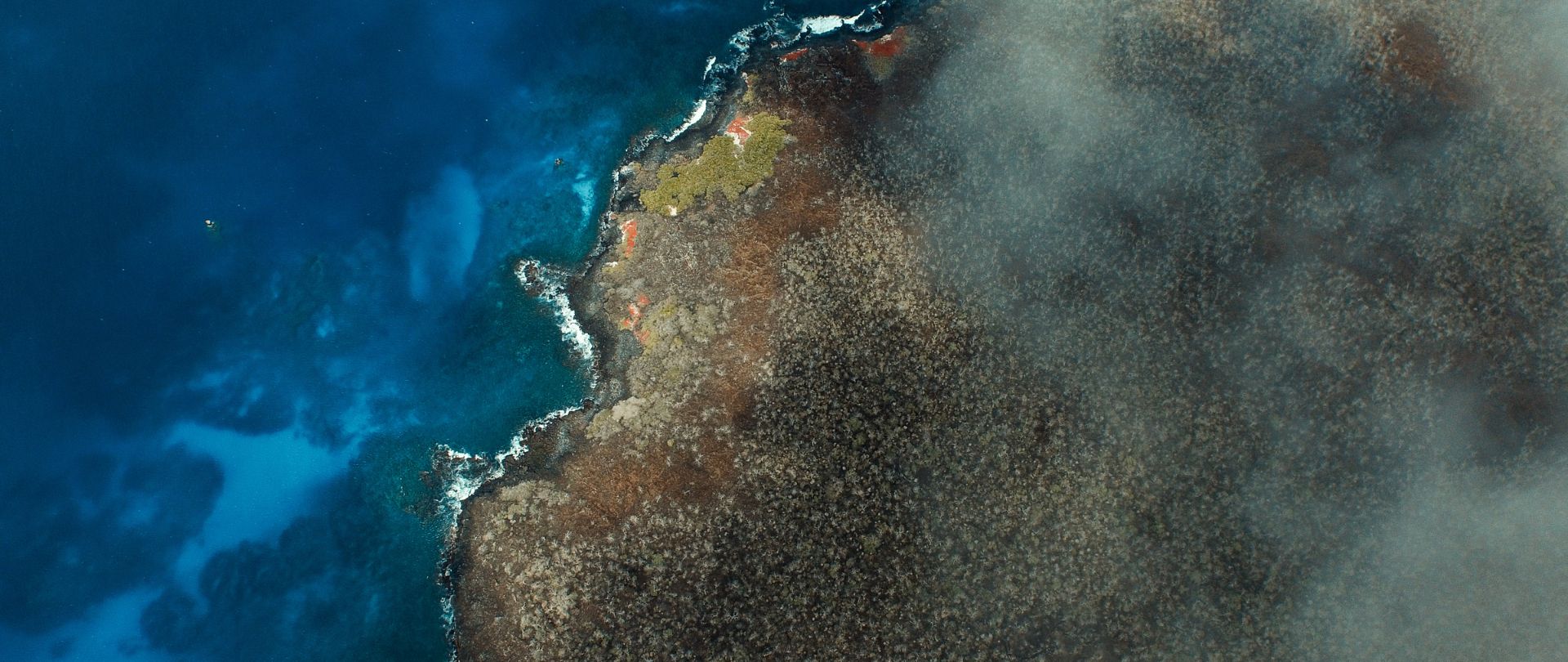
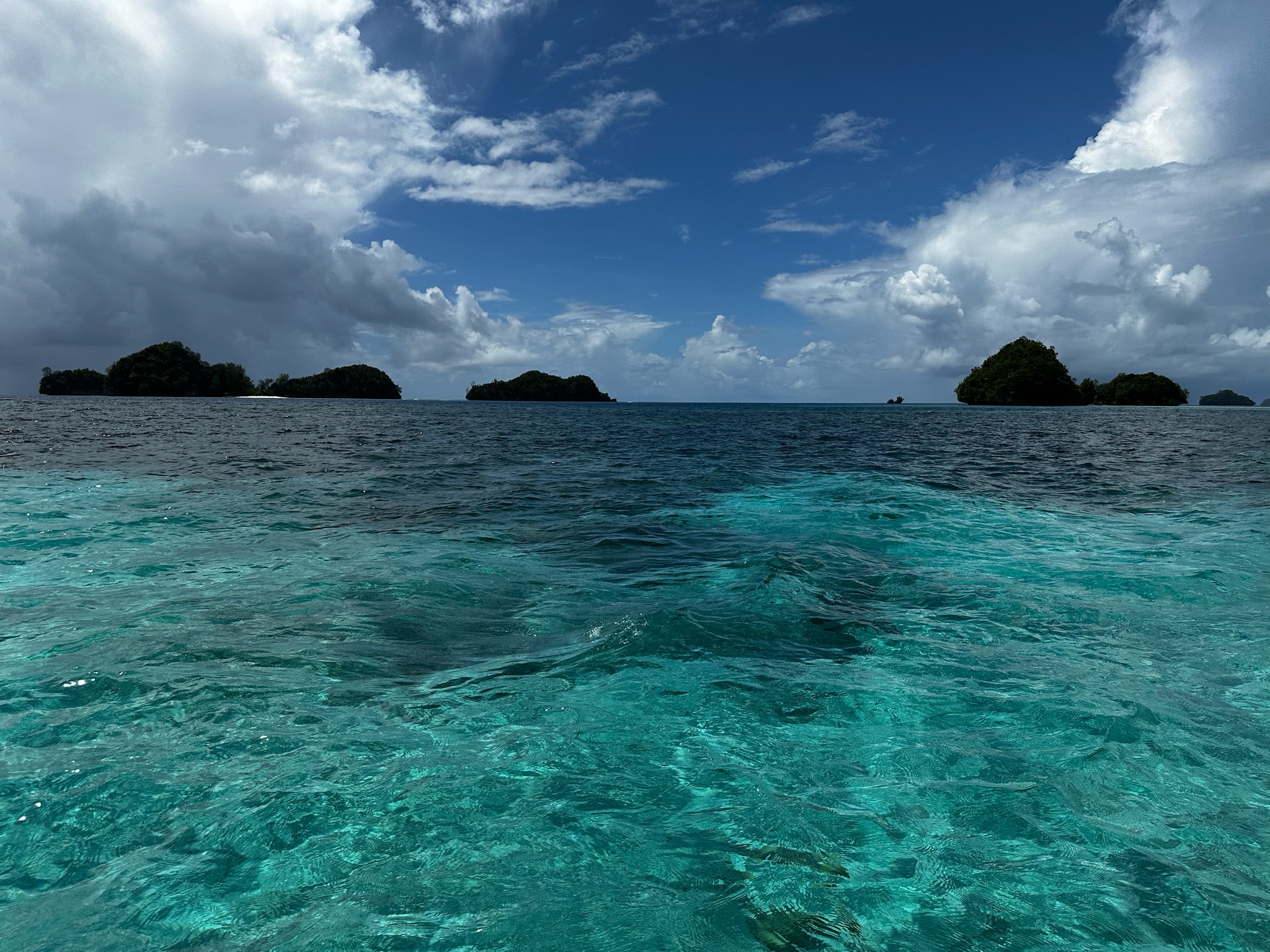
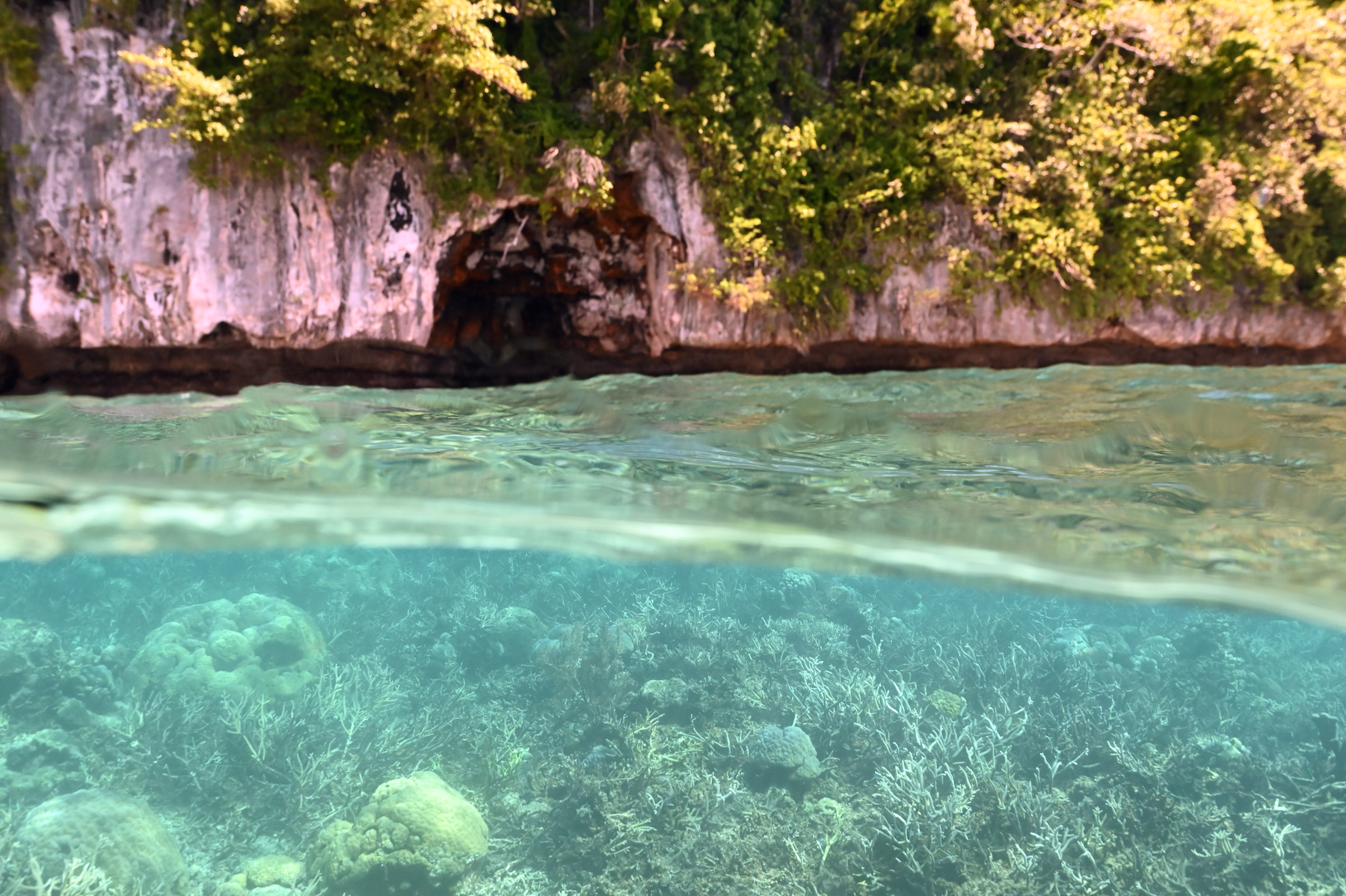
The Rock Islands' rich marine habitat. Credit: Island Conservation/Coral Wolf

These early signals from Ulong show how quickly ecosystems can rebound when stressors are removed. For the first time in Palau, we’re seeing measurable evidence of seabirddriven nutrient flow returning to the land and sea. It’s powerful proof that terrestrial action spills over into benefits for surrounding reef communities, which people rely on for their livelihoods.

Nathaniel Hanna Holloway

Marine ecologist, Scripps Institution of Oceanography

One monitoring site showed especially strong cascading effects: increases in multiple seabird species, an ~80% rise in leaf nitrogen, and an increase of 183% in total fish biomass. While localized, these changes occurred far faster than predicted. 

For community members and visitors, Ulong is now a pestfree destination and one of the best places to observe the endemic and elusive Palau Ground Dove.  

Managing invasive species is everyone’s business , said Princess Blailes, Coordinator of the Protected Areas Network (PAN), Coastal Management – Department of Conservation and Law Enforcement. Through collaborative efforts with the community, conservation partners, and stakeholders we can better protect our Koror Rock Islands Southern Lagoon unique biodiversity and ensure healthy ecosystems for future generations.” 

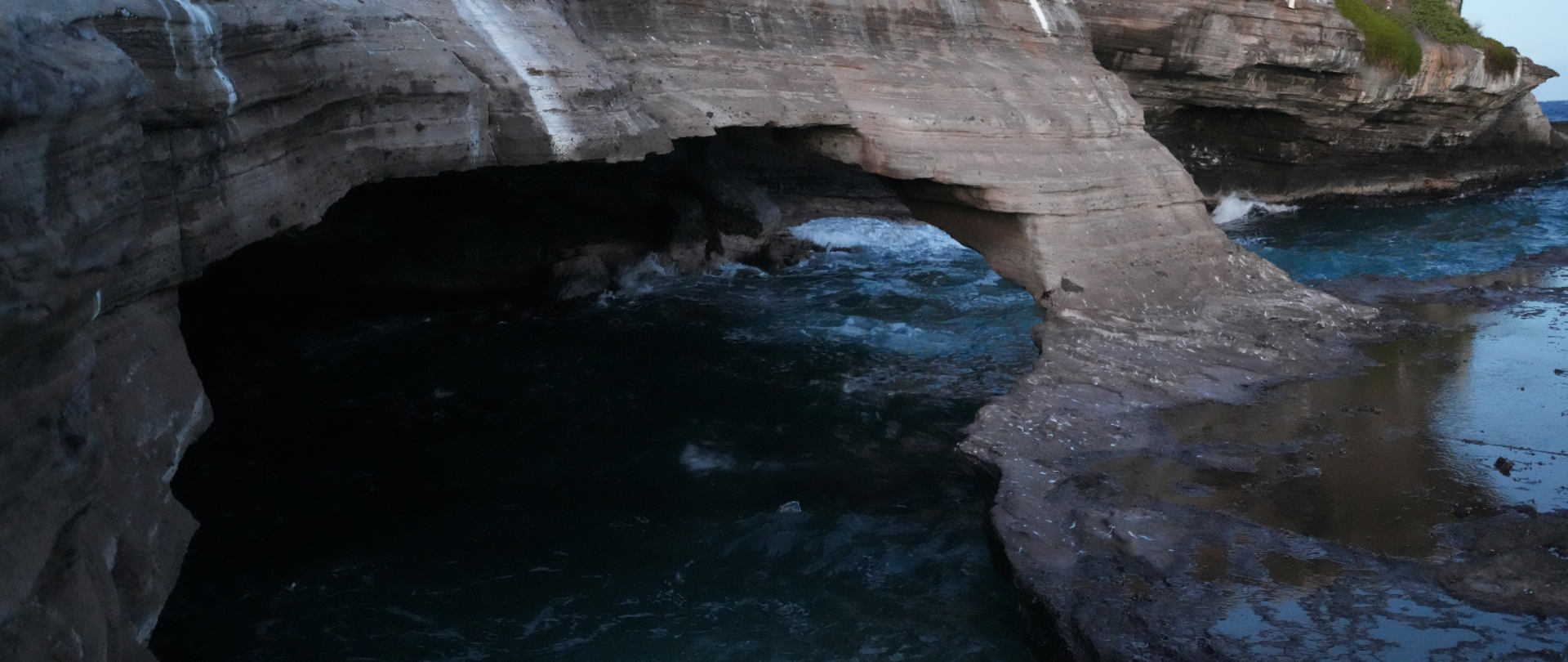
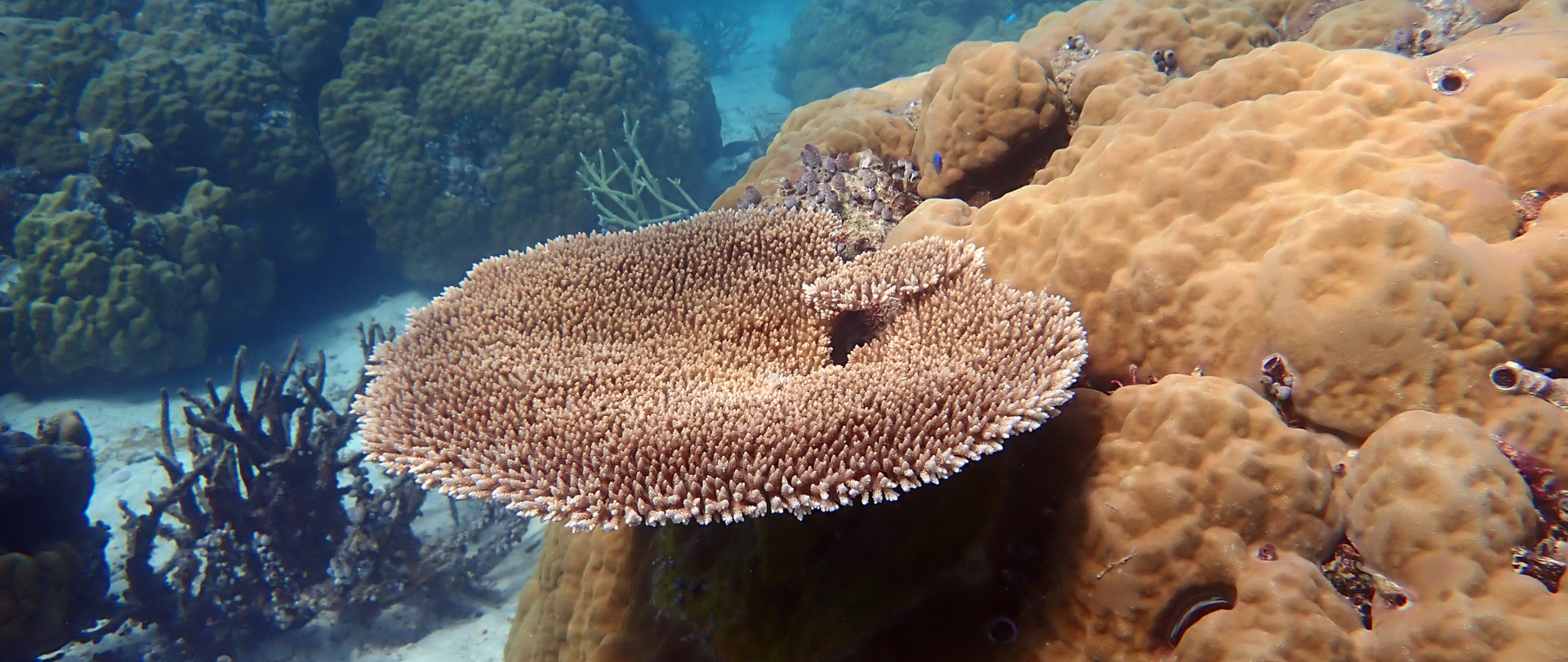
Ulong's rich coral habitat is connected to its terrestrial ecosystem. Photo credit: Nathaniel Holloway

The IOCC monitoring effort engaged more than 100 local team members, students, and community participants in islandocean connectivity science. Using a Before-After-Control-Impact monitoring model, the study measured the effects of restoration on Ulong by comparing them to data from a nearby island where no conservation action was taken, sampling the land and sea before and after the intervention. The project also generated one of the largest ecological datasets of its kind in Palau—over 30,000 hours of acoustic recordings and more than 11 terabytes of seafloor imagery—now publicly available to support longterm research and global knowledge sharing. 

Regional and Global Significance 

The Ulong results contribute to a growing body of evidence that restoring islands can strengthen coral reefs, enhance fisheries, and build climate resilience across the Pacific. As climate impacts affect more island-ocean ecosystems around the world, nutrientrich seabird islands may help reefs recover more quickly and maintain ecological function. 

Next steps include continued monitoring, expanded analysis of seabird and reeffish trends, and integration of terrestrial and marine datasets to deepen understanding of ridgetoreef recovery. Additional IOCC sites across the Pacific will help determine how broadly and how quickly these benefits can scale. 

This work was led by Koror State Government, Department of Conservation and Law Enforcement, Palaubased field teams, Island Conservation, Scripps Institution of Oceanography, and IOCC partners. Analysis of acoustic recordings was led by Conservation Metrics. 

How to Help

There’s more than one way to make an impact. Join our collective of dedicated supporters by donating today or signing up for our newsletter to stay informed.

Media Assets 

Photos, Broll, and additional materials available here: https://drive.google.com/drive/folders/1QgU8ofdSnnb7obl6HFYB4JaV1I_ouVs3?usp=sharing  

Interviews available upon request. 

Media Contacts 

Island Conservation 

Sally Esposito, Senior Communications Director 

sally.esposito@islandconservation.org 

Koror State Government / DCLE [Name, Title] [Email] 

About the Partners 

Island Conservation’s mission is to restore islands for nature and people worldwide. We are a United States–based 501(c)(3) charitable organization with a globally distributed team—often made up of local islanders who bring deep knowledge and connection to the places where we work. Together, we collaborate with local communities, government management agencies, and conservation organizations to holistically restore islands by bringing back biodiversity, the foundation of all healthy ecosystems. We do this by removing a primary threat (introduced, damaging invasive species) and accelerating the return of native plants and animals. We utilize innovative technology and techniques to work more efficiently and showcase the many benefits of holistically restored islands for biodiversity, climate resilience, ocean health, and sustainable development across the globe. 

Koror State Government Department of Conservation and Law Enforcement is the primary arm of the Governor and Koror State Government in coordinating and overseeing the management of the Rock Island Southern Lagoon Management Plan.  

Scripps Institution of Oceanography 

Scripps Institution of Oceanography at the University of California San Diego is one of the world’s most important centers for global earth science research and education. In its second century of discovery, Scripps scientists work to understand and protect the planet, and investigate our oceans, Earth, and atmosphere to find solutions to our greatest environmental challenges. Scripps offers unparalleled education and training for the next generation of scientific and environmental leaders through its undergraduate, master’s and doctoral programs. The institution also operates a fleet of four oceanographic research vessels, and is home to Birch Aquarium at Scripps, the public exploration center that welcomes 500,000 visitors each year. 

Back

Want to learn more?

Check out other journal entries we think you might be interested in.

February 25, 2026

A Homecoming for Floreana

Roger McDonough from our partners at Galápagos Conservancy explains the process behind raising hybrid tortoises for Floreana!