September 1, 2026
Field Notes: Welcome to Sonsorol, Palau
Linden Brown shares the incredible things he saw and experienced while working to restore islands in Sonsorol State, Palau!
 Island Conservation
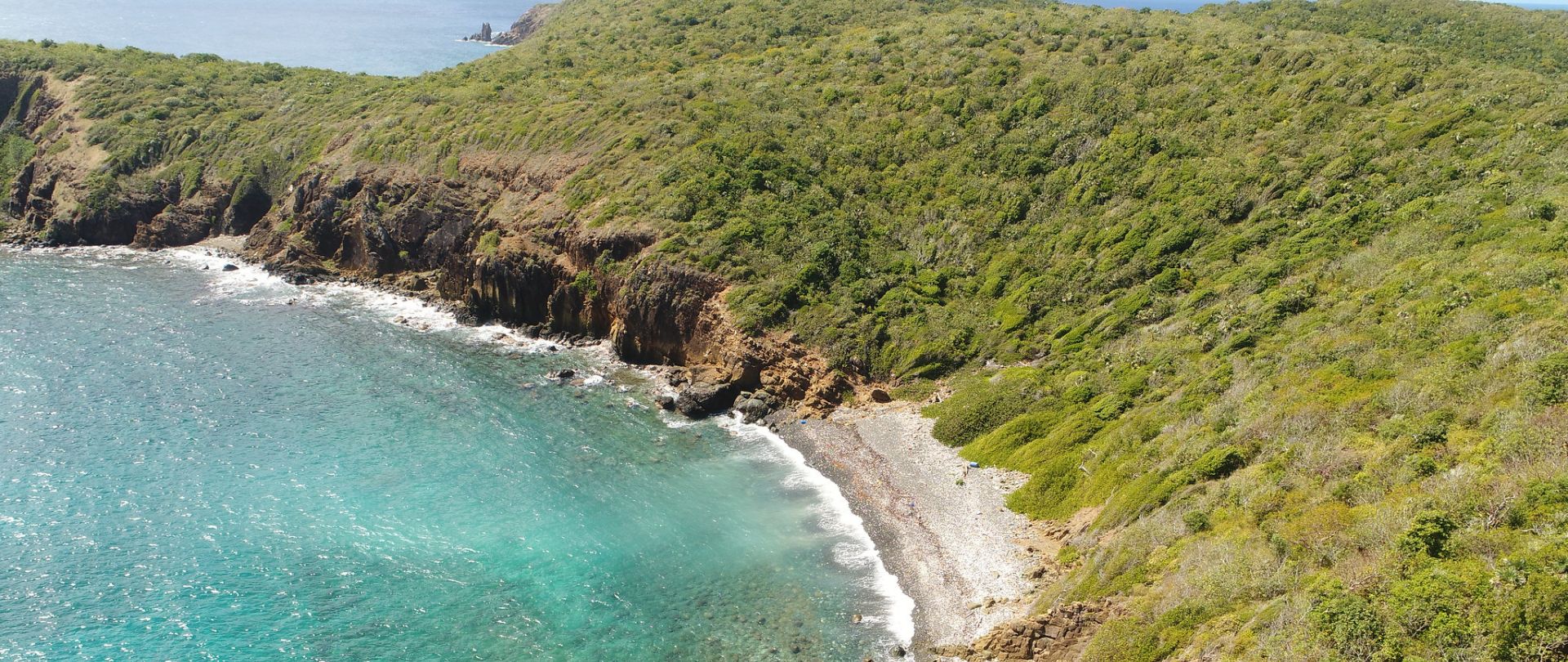
SAVANA ISLAND, U.S. VIRGIN ISLANDS, June 18, 2026—The first step of a major conservation initiative was completed on Savana Island, one of the U.S. Virgin Islands’ most ecologically significant wildlife and marine sanctuaries. Multiple organizations, supported by Island Conservation, the U.S. Fish and Wildlife Service, the U.S. Department of the Interior, U.S. Department of Agriculture/APHIS‑Wildlife Services, the Greensboro Science Center, and the Department of Planning and Natural Resources Division of Fish and Wildlife (DPNR-DFW), are working together to restore Savana Island’s wildlife and strengthen marine ecosystems by removing invasive rats from the island.
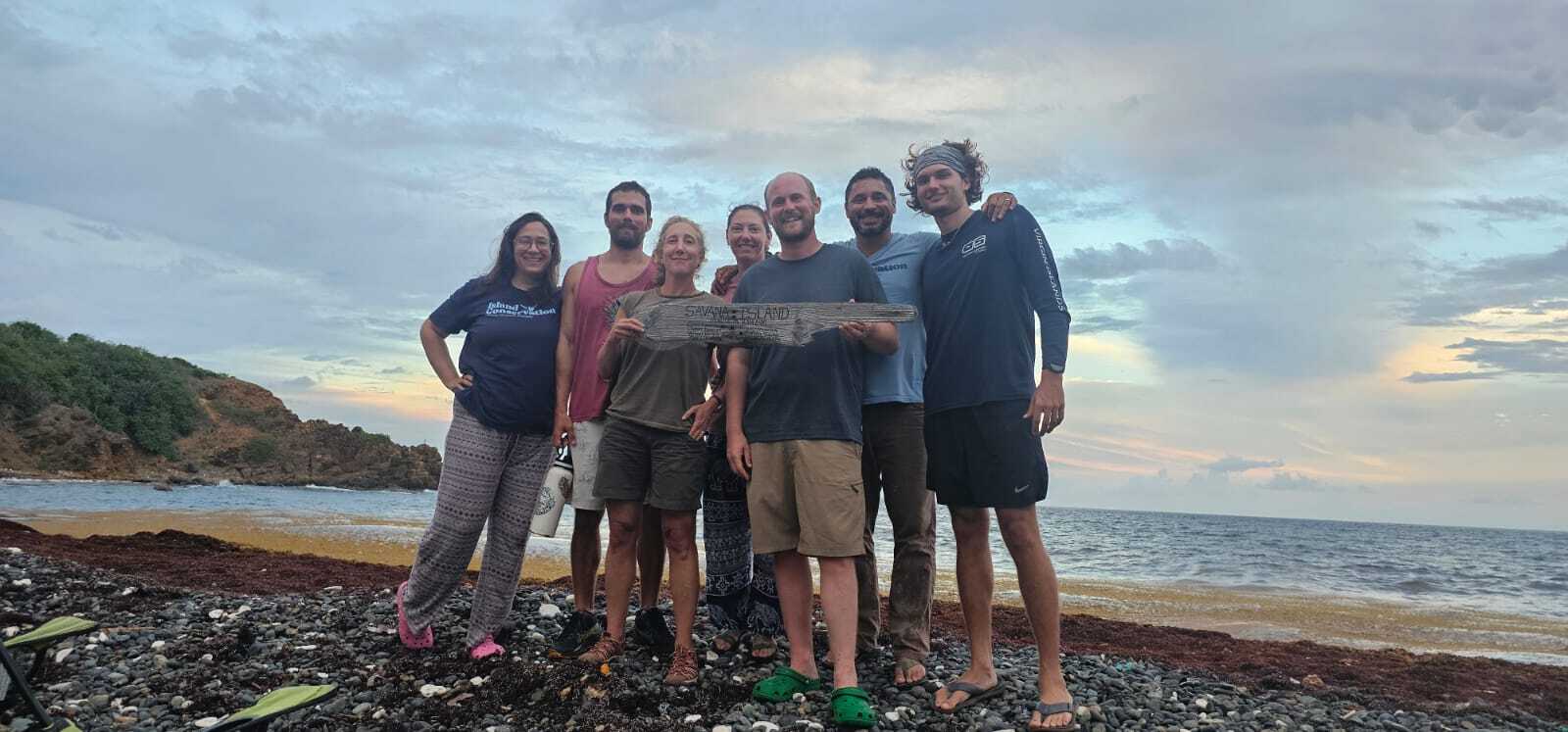
This science-based, globally proven conservation action aims to rejuvenate Savana’s seabird-driven ecosystems, restore native vegetation, and create the essential conditions for future translocation of the endangered Virgin Islands Tree Boa.
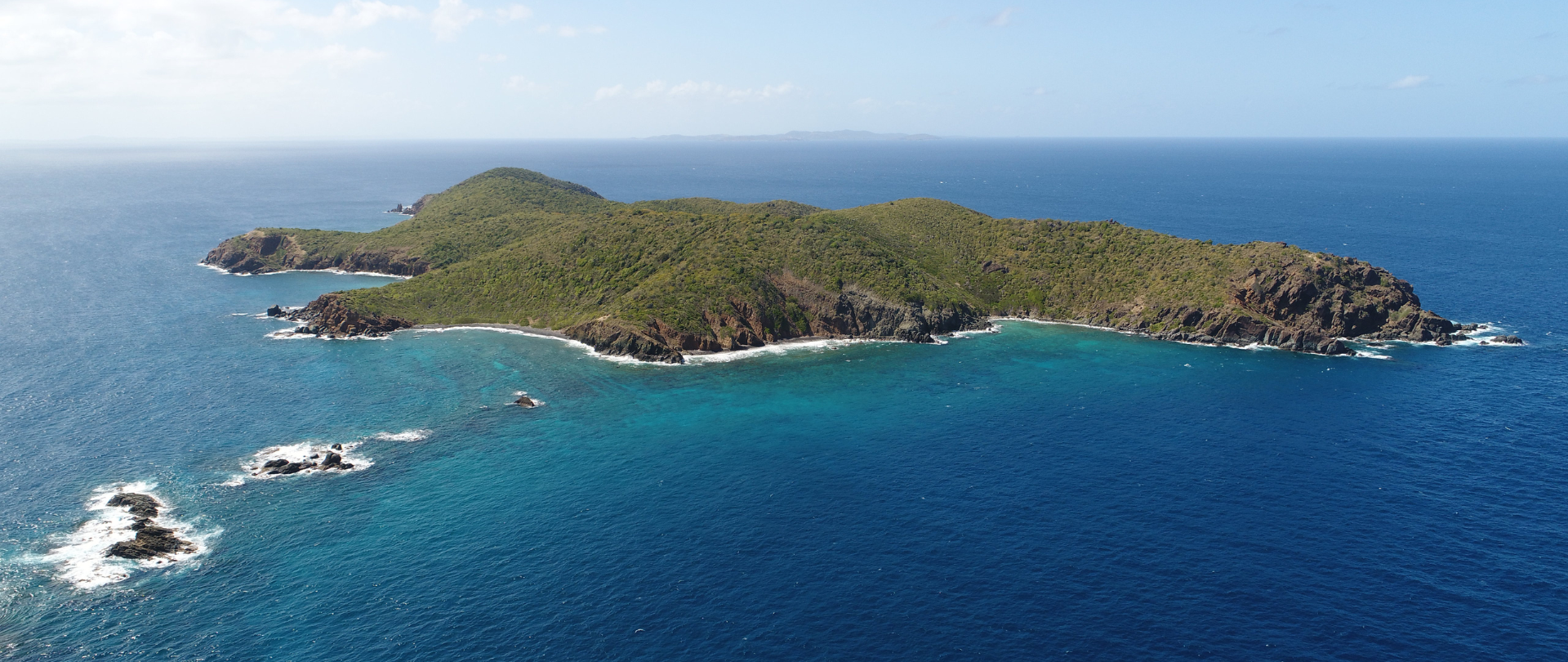
Savana Island is a designated wildlife and marine sanctuary, home to sensitive native plants and seabirds, and it is a potential future habitat for the endangered Virgin Islands Tree Boa. Invasive rats threaten these species by eating bird eggs, consuming native vegetation, and disrupting the natural nutrient cycles that support local coral reefs and fisheries. Removing them will create safer breeding habitat for seabirds, reptiles, and landbirds, enable native plants to recover, and support healthier reefs that benefit fishers, divers, and coastal communities.
José Luis Herrera
Project Manager for the Savana Project, Island Conservation
The project also strengthens the U.S. Virgin Islands’ climate adaptation and biodiversity goals. Restored island ecosystems contribute to climate resilience by trapping carbon in recovering vegetation, stabilizing shorelines and increasing land mass through seabird nutrient deposition, and supporting coral reefs that buffer against storms.
“Savana Island’s remarkable potential to support a diverse and thriving ecosystem, surrounded by a vibrant marine environment, has been a powerful catalyst for collaboration among project partners,” said Lindsey Zarecky, Greensboro Science Center VP of Conservation & Research. “Guided by a shared commitment and enthusiasm for ecological restoration, the partnership has delivered impactful results. We are proud of the progress made and are excited to build on this momentum as we embark on the next chapter of Savana Island’s restoration story.”
Project planning began in 2022, including detailed field trials to determine how best to eliminate the entire rat population. With that groundwork complete, on‑island operations began in March 2026 and completed in May 2026.
Following removal, DPNR-DFW, as the land managers—supported by Island Conservation—will implement long-term biosecurity measures to safeguard the island from reinvasion.
“The greatest risk to Savana’s biodiversity is inaction,” said Dr. Nicole Angeli, Director of the Division of Fish and Wildlife. “The 2024 territorial designation of Savana Island as a marine and wildlife sanctuary was a critical first step. This project builds on that foundation, transforming commitment to action, creating conditions to support wildlife and fisheries for generations to come.”
There’s more than one way to make an impact. Join our collective of dedicated supporters by donating today or signing up for our newsletter to stay informed.
This project was made possible thanks to funding from the US Fish and Wildlife Service – Southeast Region 4, U.S. Department of the Interior, Office of Insular Affairs, Bell Laboratories, Inc., US Virgin Islands Department of Planning and Natural Resources – Division of Fish and Wildlife, Greensboro Science Center, and the David and Lucile Packard Foundation. The Savana Island Restoration Project is part of the Island-Ocean Connection Challenge, a global campaign to restore 40 globally significant island-ocean ecosystems from ridge-to-reef by 2030.
The Savana Island Restoration Project is supported by the U.S Fish and Wildlife Service, The U.S Department of Interior, the Greensboro Science Center and the Department of Planning and Natural Resources Division of Fish and Wildlife (DPNR-DFW) under the DPNR permit # 26030T
Photos available here: https://drive.google.com/drive/folders/1_2kEI6tIYkUCjBcugpOGxKDKgHLdc14q?usp=drive_link
Interviews available upon request.
Island Conservation
Sally Esposito, Senior Communications Director
sally.esposito@islandconservation.org
DPNR-DFW
Jamal Nielsen, Press Information Officer
Jamal.nielsen@dpnr.vi.gov
Island Conservation’s mission is to restore islands for nature and people worldwide. We are a United States–based 501(c)(3) charitable organization with a globally distributed team—often made up of local islanders who bring deep knowledge and connection to the places where we work. Together, we collaborate with local communities, government management agencies, and conservation organizations to holistically restore islands by bringing back biodiversity, the foundation of all healthy ecosystems. We do this by removing a primary threat (introduced, damaging invasive species) and accelerating the return of native plants and animals. We utilize innovative technology and techniques to work more efficiently and showcase the many benefits of holistically restored islands for biodiversity, climate resilience, ocean health, and sustainable development across the globe.
Department of Planning and Natural Resources Division of Fish and Wildlife (DPNR-DFW)
The DPNR Division of Fish and Wildlife (DFW) preserves, protects, restores, and manages the fish and wildlife resources of the Virgin Islands for ecological conservation and sustainable use by the community. The Division of Fish and Wildlife consists of (3) Bureaus; The Bureau of Environmental Education provides access and knowledge to the public, the Bureau of Fisheries aids recreational and commercial fishers, and the Bureau of Wildlife coordinates wildlife issues and populations.
The Greensboro Science Center
The Greensboro Science Center (GSC) is a premier family attraction in North Carolina that offers the state’s first accredited inland aquarium, a hands-on science museum, and an accredited zoological park. The GSC is also NC’s only dually accredited Association of Zoos & Aquariums (AZA) and American Alliance of Museums (AAM) science attraction. The GSC is committed to protecting animals and their habitats locally and globally. Through on-site research, fieldwork, and community engagement, the GSC protects native wildlife, contributes to field conservation efforts around the world, and works to preserve biodiversity. The Greensboro Science Center is located at 4301 Lawndale Drive in Greensboro and is a 501(c)(3) nonprofit organization. For more information, visit www.greensboroscience.org.
Check out other journal entries we think you might be interested in.
September 1, 2026
Linden Brown shares the incredible things he saw and experienced while working to restore islands in Sonsorol State, Palau!
August 18, 2026
Meet Evelyn, one of the people who holds the wisdom of Sonsorol State, Palau in her lived experiences and stories.
August 4, 2026
Indigenous-led conservation takes a leap forward with Rapa Nui (Easter Island)'s new partnership with Island Conservation!
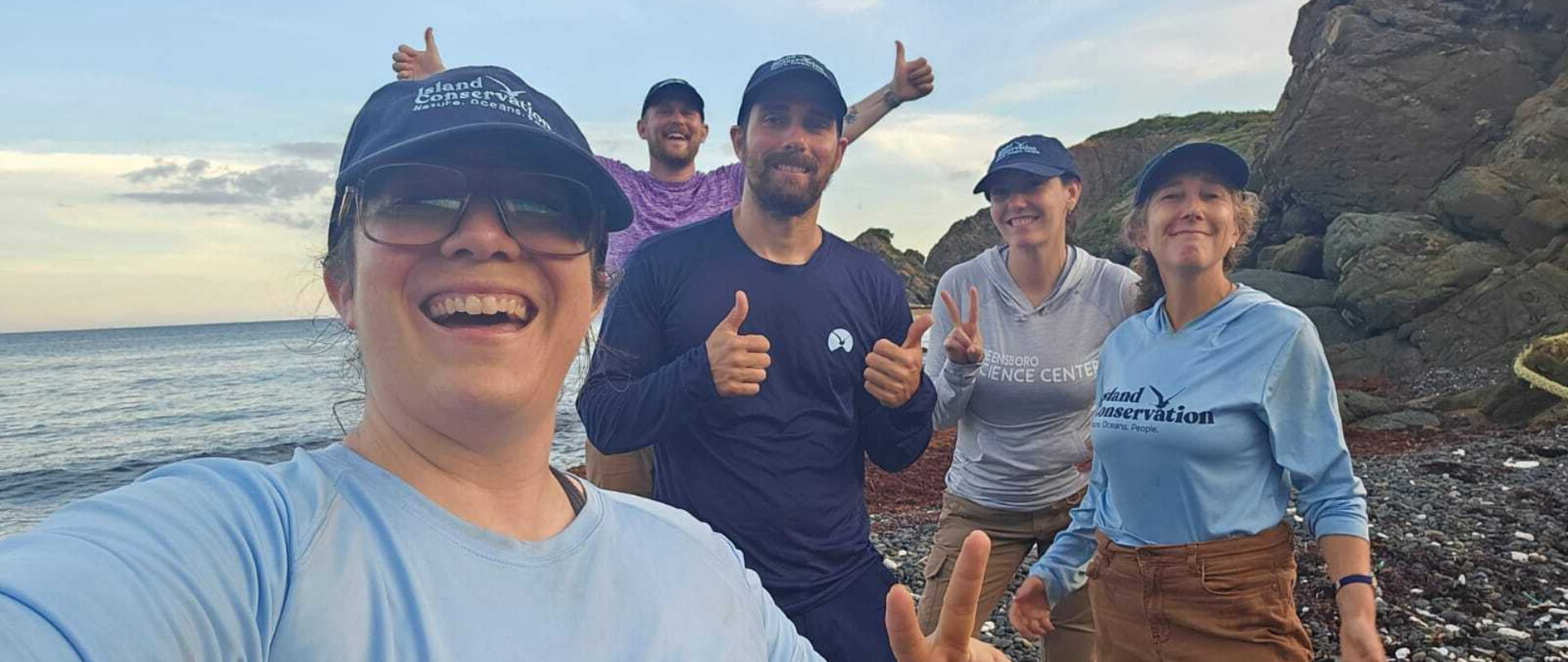
July 9, 2026
Senior Major Gifts Officer Jen Sachs shares her experience on one of Island Conservation's exciting restoration projects in the US Virgin Islands!
June 23, 2026
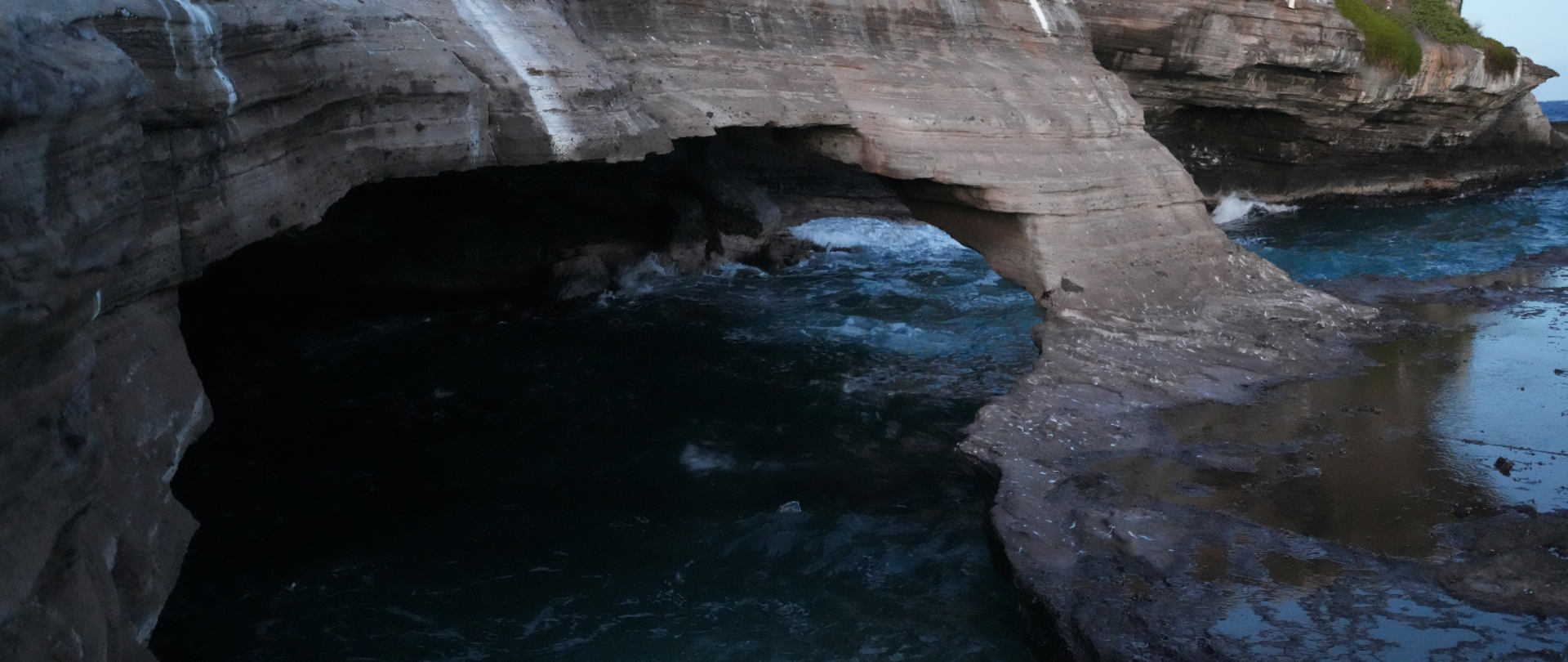
The Island-Ocean Connection Challenge announced four new restoration projects—Lehua, Tavolara, Grand Rouveau, and Zembra—at London Climate Week, expanding its global effort to restore 40 island-ocean ecosystems by 2030!
June 8, 2026
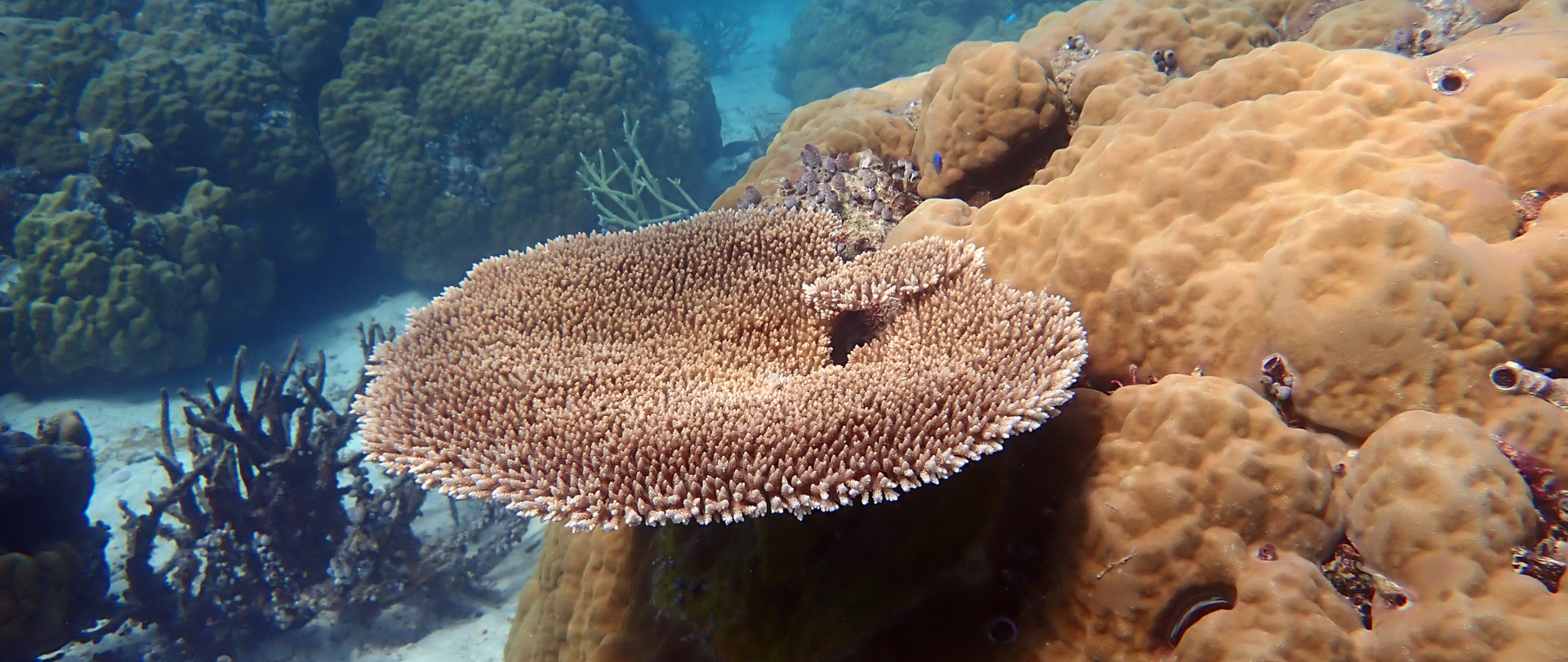
A world-first controlled experiment shows connection between seabird activity and marine health on Ulong Island!
May 20, 2026
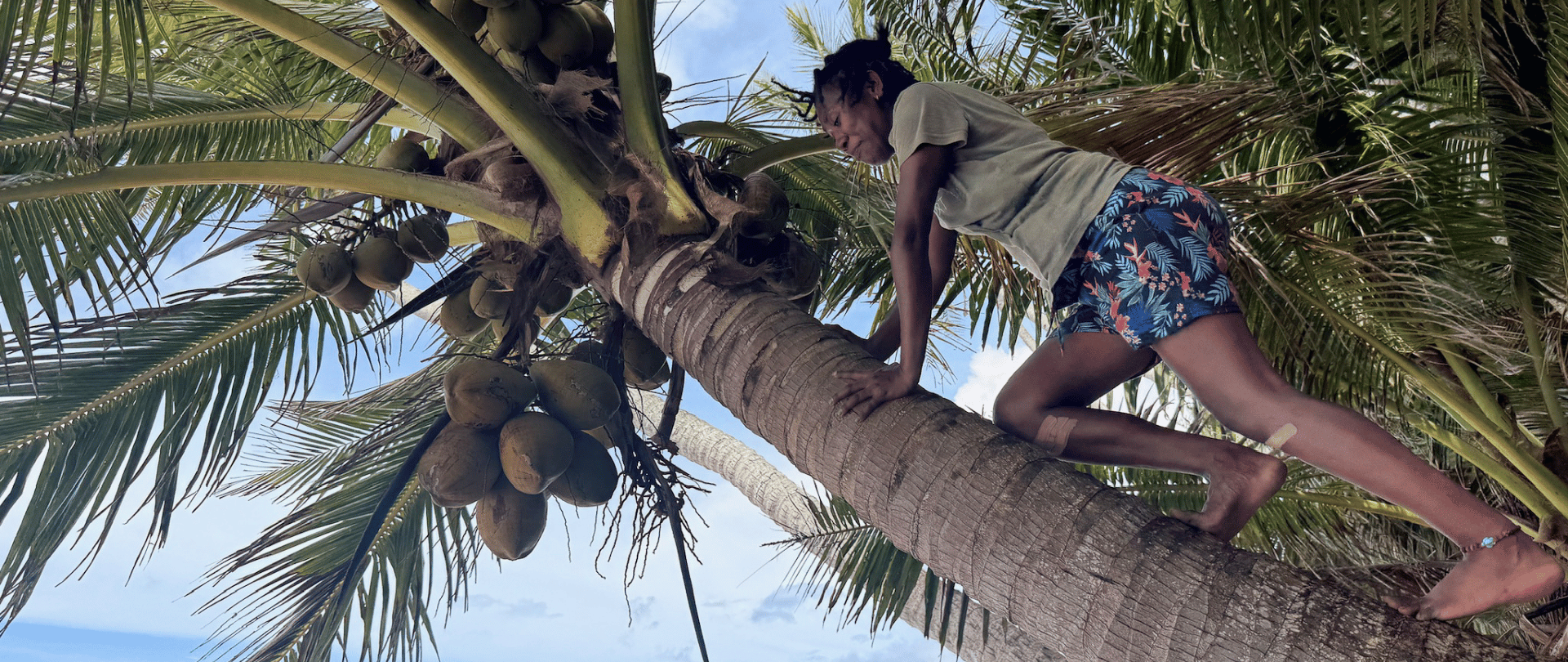
Seasonal Monitoring Specialist Cozette Romero writes about her time working and living on Niulakita in Tuvalu, helping protect the food security and livelihood of an island community!
May 13, 2026
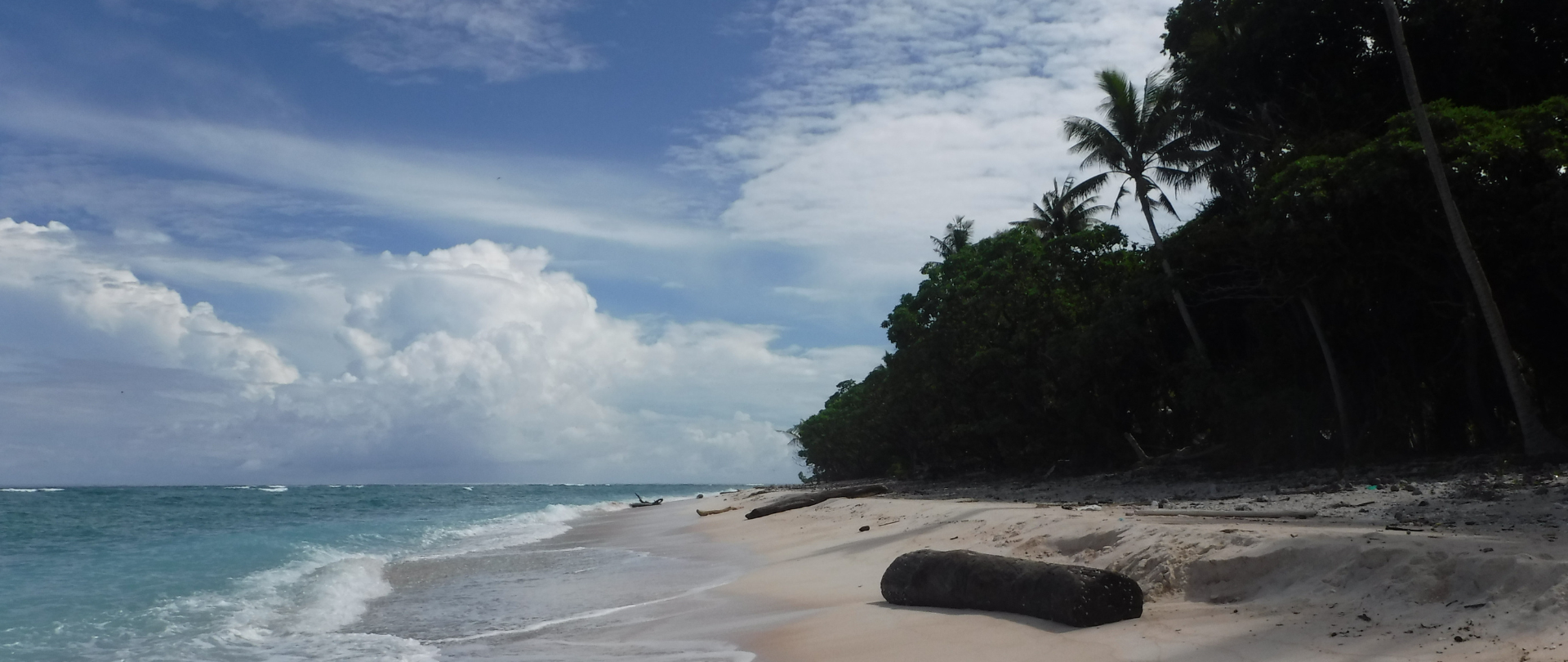
A new project in Sonsorol State, Palau aims to improve livelihoods and climate resilience through holistic environmental restoration!
May 5, 2026
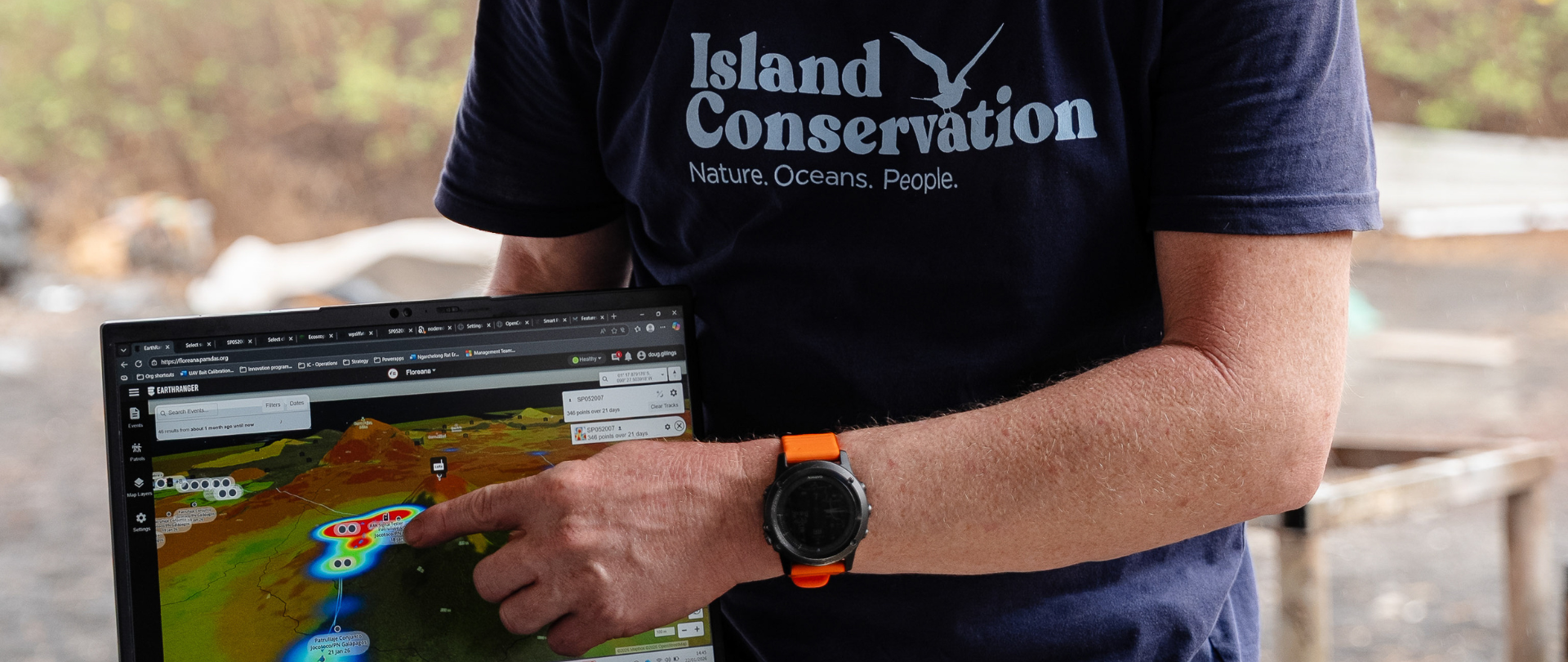
Thrilling new tech brings conservation solutions to a remote island in the Galápagos!
April 14, 2026
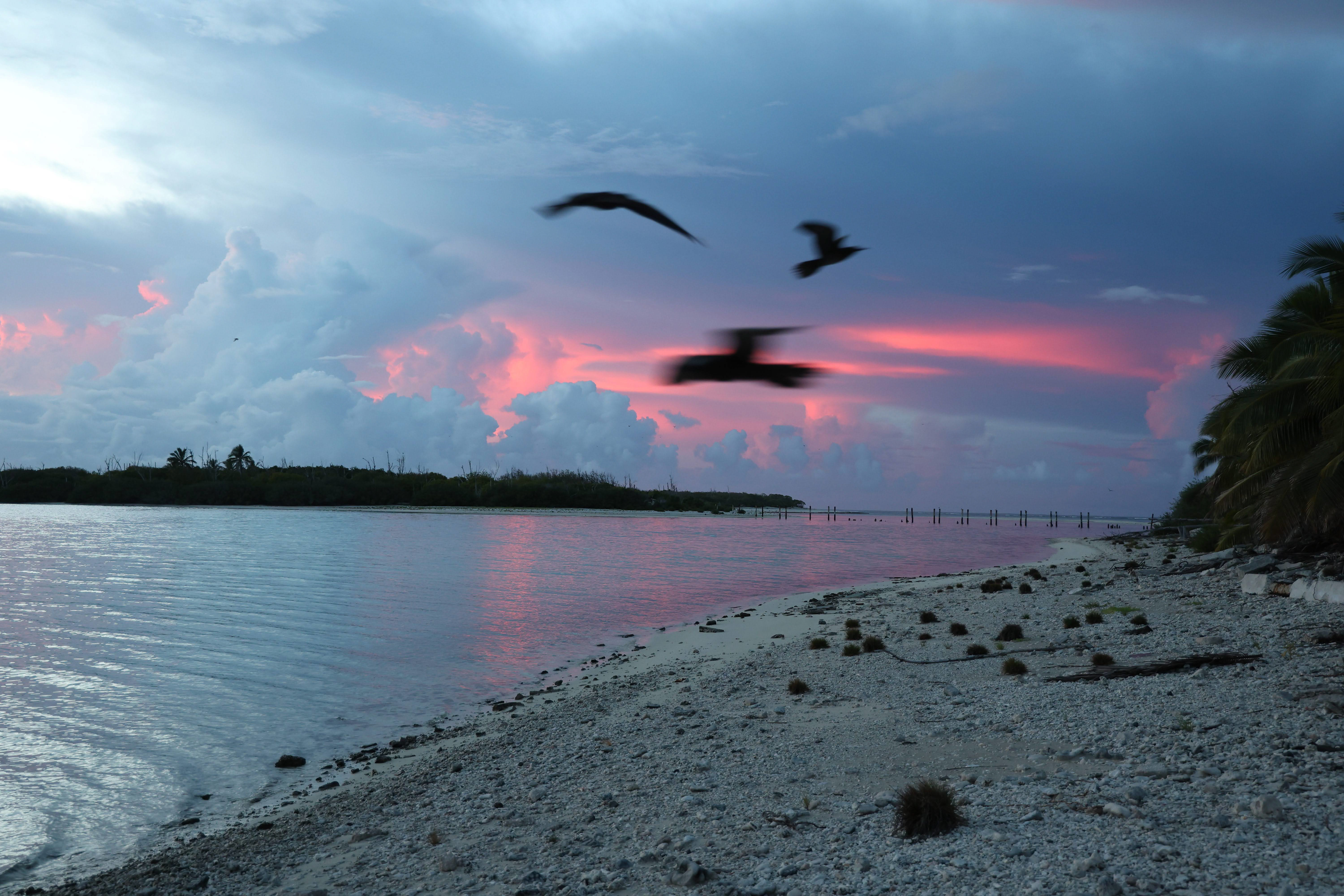
A historic moment: Wake Atoll is restored and thriving!