September 17, 2026
Island Conservation and Robinson Crusoe Island, Chile: Growing Hope Together
On the island of Robinson Crusoe in Chile, a greenhouse feeds both a community and an islander-led conservation movement!
 Island Conservation
[London] [June 24, 2026]–The Island-Ocean Connection Challenge (IOCC), an international conservation volunteer collective, proudly announced the addition of four island-ocean restoration projects to its global portfolio of islands at London Climate Week. The addition of Lehua Island (Hawai’i, USA), Grand Rouveau (France), Tavolara Island (Italy), and Zembra Island (Tunisia) brings the total number of committed island-ocean ecosystems to twenty-six, advancing the collective’s goal of restoring and rewilding 40 island-ocean ecosystems from ridge to reef by 2030.
Led by Island Conservation, Re:wild, and Scripps Institution of Oceanography at UC San Diego, the IOCC advances holistic island-ocean restoration informed by both scientific research and Indigenous knowledge. By restoring these interconnected ecosystems, conservation partners are working to strengthen biodiversity, ocean health, climate resilience, and livelihoods.
“The growth of the Island-Ocean Connection Challenge signals the growth of the holistic restoration movement worldwide,” said Penny Becker, CEO of Island Conservation. “The aim of the Challenge is to bring together different projects from around the world to share knowledge, resources, and results—all in service of the notion that everything is connected across land and sea.”
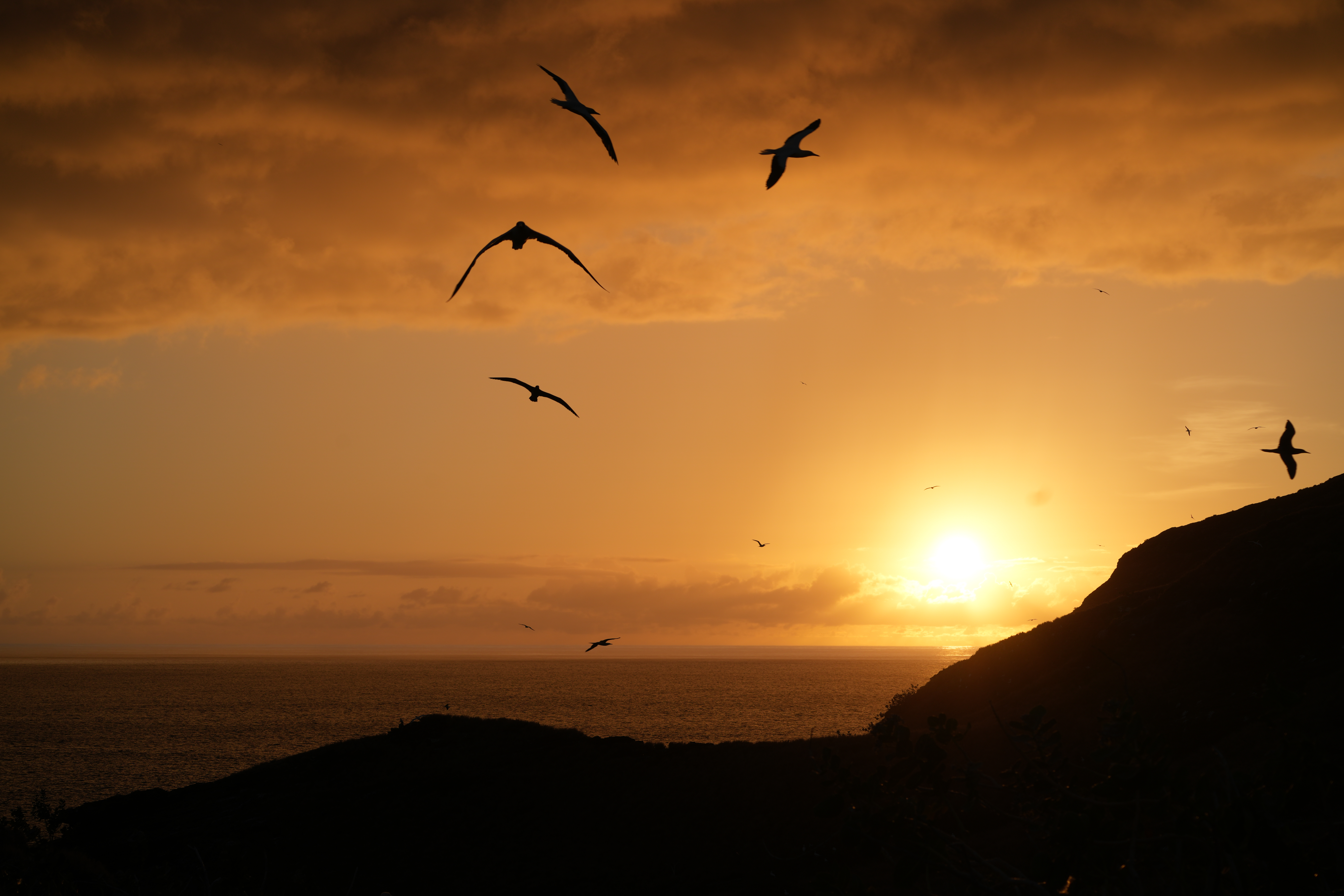
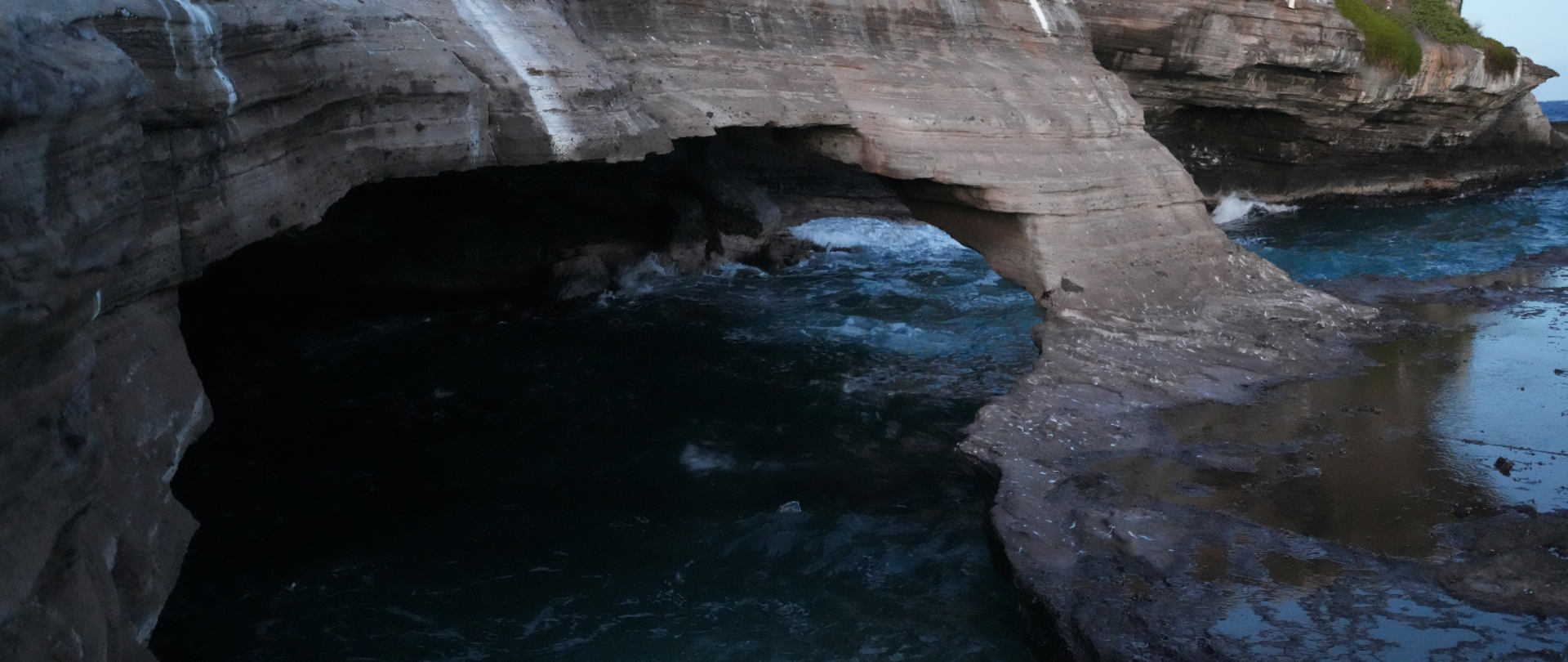
Lehua Island is located north of Niʻihau in Hawai’i. Home to a major seabird colony in the main Hawaiian Islands, Lehua provides critical nesting habitat for threatened and endangered species, including the Hawaiian Petrel, Newell’s Shearwater, and Band-rumped Storm Petrel. Years of conservation work resulted in the removal of invasive rabbits and rats, restoring the island as an ideal seabird sanctuary with documented encouraging signs of ecological recovery and improved breeding success.
Lehua is managed by the Department of Land and Natural Resources (DLNR) and the Division of Forestry and Wildlife (DOFAW).
“Since the removal of invasive rabbits and rats on Lehua Island the native plant and seabird populations are blooming tremendously,” said Sabra Kakua, a Kauaʻi community member who provided a blessing to the island in 2021. “And with that bloom I believe the populations of fish around island are increasing too.”
By joining the IOCC, DLNR DOFAW has pledged to re-establish or increase seabird populations on Lehua, restore native plant communities, and implement regular marine monitoring around the island.
“Hawaiʻi is proud to see Lehua Island join the IOCC,” said DOFAW Administrator David Smith. “The Hawaiian Islands are hotspots for biodiversity, and we have a responsibility to be a global leader in conservation stewardship. The restoration of Lehua Island and our commitment to the IOCC pledge demonstrate our dedication to protecting Hawaiʻi’s natural heritage and supporting conservation efforts worldwide.”
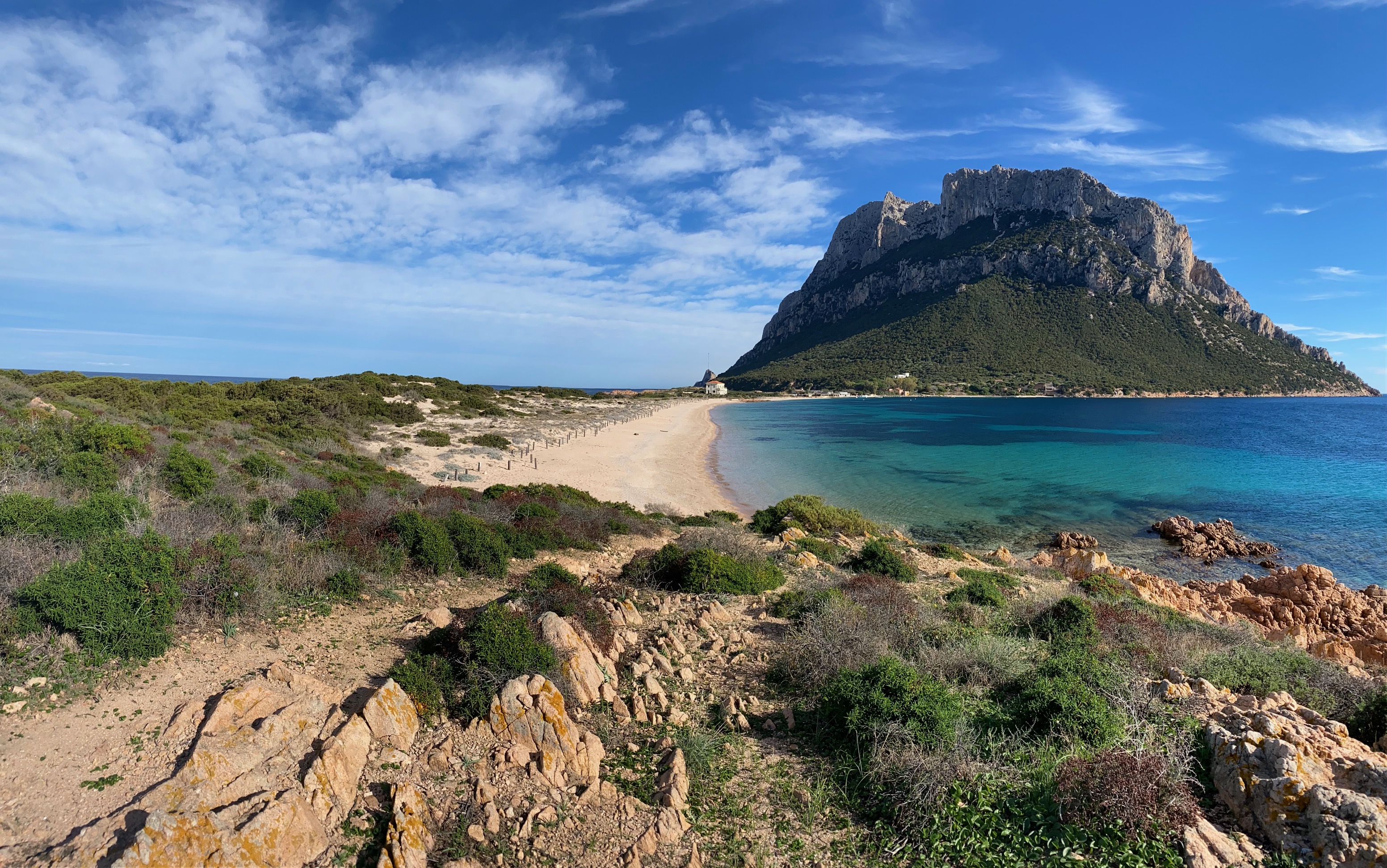
Also joining the challenge is Tavolara Island and its surrounding islets, in the Mediterranean off the coast of Sardinia, Italy. Like Lehua, Tavolara’s ecology was threatened by invasive rats that preyed on nesting seabirds, namely the Yelkouan Shearwater.
“Investing in managing Invasive Alien Species means safeguarding endemic wildlife, building resilient islands ecosystem and protecting our natural and cultural heritage,” said Giovanna Spano, of the Education Office of the Consorzio di Gestione Area Marina Protetta “Tavolara-Punta Coda Cavallo.”
After restoration partners removed the threat in 2018, seabird reproductive success increased and native habitats began recovering. Tavolara is inside a Marine Protected Area, managed by the Consorzio di Gestione Area Marina Protetta “Tavolara-Punta Coda Cavallo.”
“Tavolara and the islets of our Marine Protected Area represent an extraordinary natural environment where marine and terrestrial biodiversity coexist in a delicate balance,” said Leonardo Lutzoni, Director of Consorzio di Gestione Area Marina Protetta “Tavolara-Punta Coda Cavallo.” “We are ready to contribute our experience and commitment to this shared international challenge.”
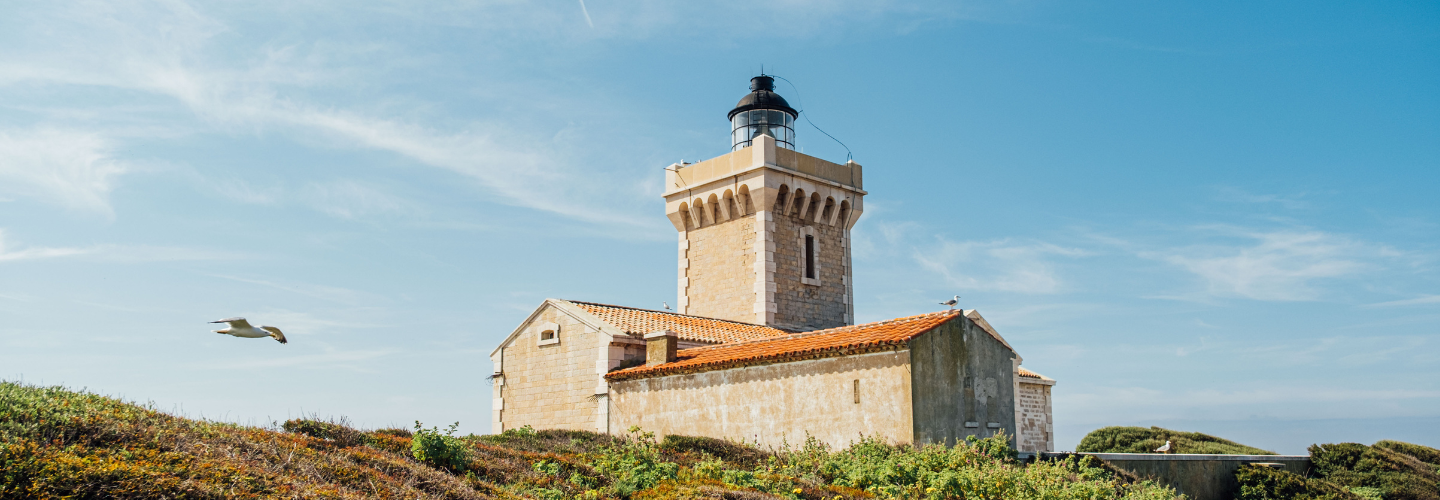
Grand Rouveau Island (Var, France), a Mediterranean island co-managed by the PIM Initiative, is also joining the IOCC. The island supports rich terrestrial and marine biodiversity but faces ongoing threats from invasive species, erosion, and pressures on surrounding marine ecosystems. Through its participation in the IOCC, the PIM Initiative will advance conservation actions including the eradication of invasive mice, restoration of seabird nesting habitat through artificial nest installation and acoustic attraction, and efforts to combat erosion following earlier restoration attempts. The Initiative will also support the protection of surrounding marine habitats, including Posidonia seagrass meadows, and expand monitoring to strengthen understanding of the island’s marine environment.
“Grand Rouveau island is an iconic site for the PIM Initiative association,” said Jeanne Chaumont, Scientific Officer and Project Manager for the PIM Initiative. “As a refuge for exceptional biodiversity, it plays a central role in the interactions among environmental conservation stakeholders in the Mediterranean. It serves as a valuable laboratory for implementing new scientific protocols and innovative management approaches.”
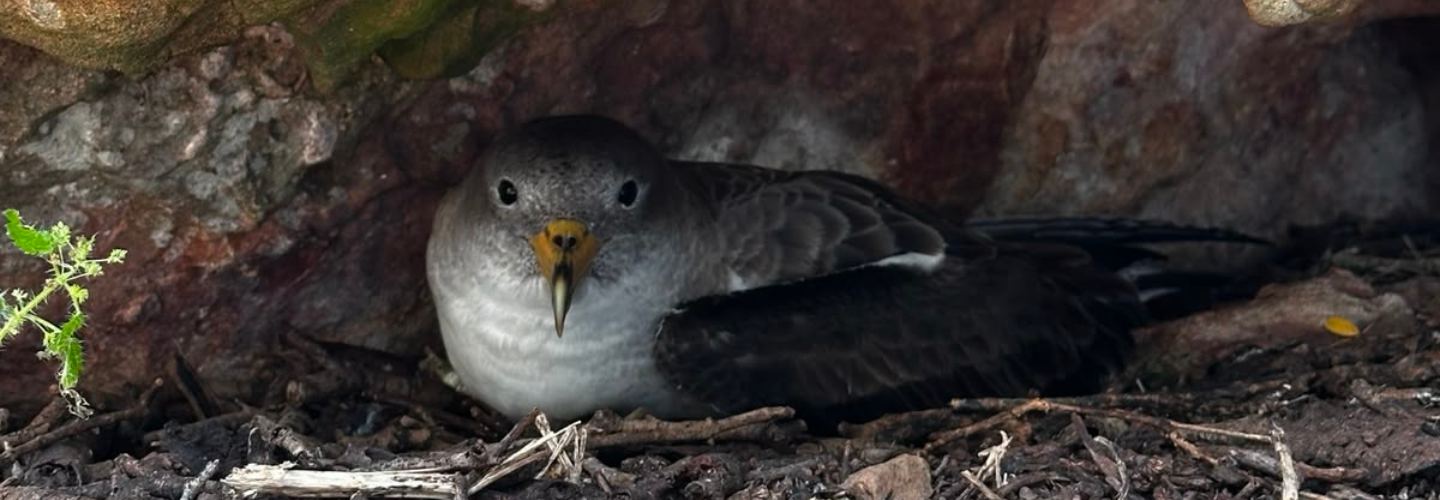
Zembra, a constituent of a small island group off Tunisia’s Cap Bon Peninsula, rounds out the cohort of new islands joining the IOCC. Zembra supports major seabird colonies. It hosts the largest seabird colony in the Mediterranean area, and the largest breeding colony of Scopoli’s Shearwater (Calonectris diomedea) at a global level—an estimated 70–80% of the world population of this Mediterranean endemic seabird.
Its steep, isolated terrain has made it especially vulnerable to invasive species, which have historically reduced nesting success by preying on eggs and chicks. Restoration efforts will continue to focus on invasive species control and long-term monitoring aimed at strengthening island-sea ecological connections.
“Zembra hosts an extraordinary natural heritage of global importance,” said Aymen Nefla (ASPEN Cap-Bon), scientific coordinator of the Association pour la Sauvegarde du Patrimonie Ecologique et Naturel de Cap Bon. Protecting the world’s largest colony of Scopoli’s Shearwater means safeguarding the future of an entire species and restoring ecological processes that have shaped this island for millennia.”

Together, these islands demonstrate how island-ocean restoration is among the most effective nature-based solutions available for supporting biodiversity, ocean health, and climate resilience. As demonstrated by a recent before-after control-impact study on Ulong Island, Palau, another IOCC project site, holistic restoration on land spills over into massive benefits for islands’ surrounding waters. Initiatives like the IOCC extend beyond individual sites into a wider global framework for collaboration and knowledge exchange. As these efforts are shared and scaled through international convenings such as London Climate Week, they underscore how cross-cultural partnerships, Indigenous leadership, and western science-based restoration are converging into a unified approach to climate action!
There’s more than one way to make an impact. Join our collective of dedicated supporters by donating today or signing up for our newsletter to stay informed.
Photos available here: https://drive.google.com/drive/folders/1pzw7Ny3nQSFPMcI2su-sB6vZdOqrWJ-Y?usp=sharing
Interviews available upon request.
Island Conservation
Sally Esposito, Senior Communications Director
sally.esposito@islandconservation.org
Island Conservation’s mission is to restore islands for nature and people worldwide. We are a United States–based 501(c)(3) charitable organization with a globally distributed team—often made up of local islanders who bring deep knowledge and connection to the places where we work. Together, we collaborate with local communities, government management agencies, and conservation organizations to holistically restore islands by bringing back biodiversity, the foundation of all healthy ecosystems. We do this by removing a primary threat (introduced, damaging invasive species) and accelerating the return of native plants and animals. We utilize innovative technology and techniques to work more efficiently and showcase the many benefits of holistically restored islands for biodiversity, climate resilience, ocean health, and sustainable development across the globe.
Department of Land and Natural Resources (DLNR), headed by an executive Board of Land and Natural Resources, is responsible for managing, administering, and exercising control over public lands, water resources, ocean waters, navigable streams, coastal areas (except commercial harbors), minerals, and all interests therein. The department’s jurisdiction encompasses nearly 1.3 million acres of State lands, beaches, and coastal waters as well as 750 miles of coastline (the fourth longest in the country). It includes state parks; historical sites; forests and forest reserves; aquatic life and its sanctuaries; public fishing areas; boating, ocean recreation, and coastal programs; wildlife and its sanctuaries; game management areas; public hunting areas; and natural area reserves.
Division of Forestry and WildLife (DOFAW) is a collection of people who love nature and have the honor and responsibility of managing natural and cultural resources on behalf of the people of Hawaiʻi. We are part of the communities with which we collaborate and serve. We are hikers, hunters, fishers, lei makers, woodworkers, surfers, and birders. We are also biologists, ecologists, foresters, botanists, entomologists, lawyers, researchers, and more. We include parents, aunties and uncles, cultural practitioners, and Native Hawaiians.We aim to fulfill our mission reliably and transparently, working as a partner to mālama ʻāina.
United States Department of Agriculture (USDA) is made up of 29 agencies and offices with over 70,000 employees who serve the American people across the country and abroad. The USDA provides leadership on food, agriculture, natural resources, rural development, nutrition, and related issues based on public policy, the best available science, and effective management in the United States.
Consorzio di Gestione Area Marina Protetta “Tavolara-Punta Coda Cavallo” is a public organization that since 2004 is entrusted of the mangement of the Marine Protected Area “Tavolara -Punta Coda Cavallo”. Its aims are protection and enhancement of marine and coastal environments, raising public awareness and environmental education, promote research and monitoring of protected species.
Nemo S.r.l. (Nature Environment Management Operators) is an environmental consultancy specialized in biodiversity conservation and ecological restoration across terrestrial and marine ecosystems. Through both community –based and institutional projects, Nemo has successfully contributed to the restoration of numerous islands, securing native species, safeguarding habitats and implementing efficient biosecutity systems to ensure long term protection to prevent re-invasion.
Istituto Oikos ETS is a non-profit organization founded on a certainty: safeguarding the environment means supporting the people who depend on it. That belief has guided us since 1996. Since then, we’ve brought over 400 projects to life across Italy and in 17 countries throughout Europe, Asia, and Africa. Every day, we work to protect biodiversity and promote sustainable ways of living—for a future that respects both people and planet.
ASPEN Cap-Bon (Association pour la Sauvegarde du Patrimoine Ecologique et Naturel de Cap Bon) is a non-profit organization that promotes biodiversity conservation and a sustainable use of natural resources in the Cap Bon area. Its work is aimed to promote improved management of protected areas, develop financial mechanisms to support protected areas, raising awareness about the importance of priority key biodiversity areas and developing participatory ecotourism.
PIM Initiative is an international NGO located in Marseille (France) whose goal is to preserve Mediterranean and Macaronesian islands smaller than 1,000 hectares, thanks to concrete conservation measures in the field, and the networking of managers and experts at the international level. To learn more about PIM Initiative projects: https://initiative-pim.org/en/
Check out other journal entries we think you might be interested in.
September 17, 2026
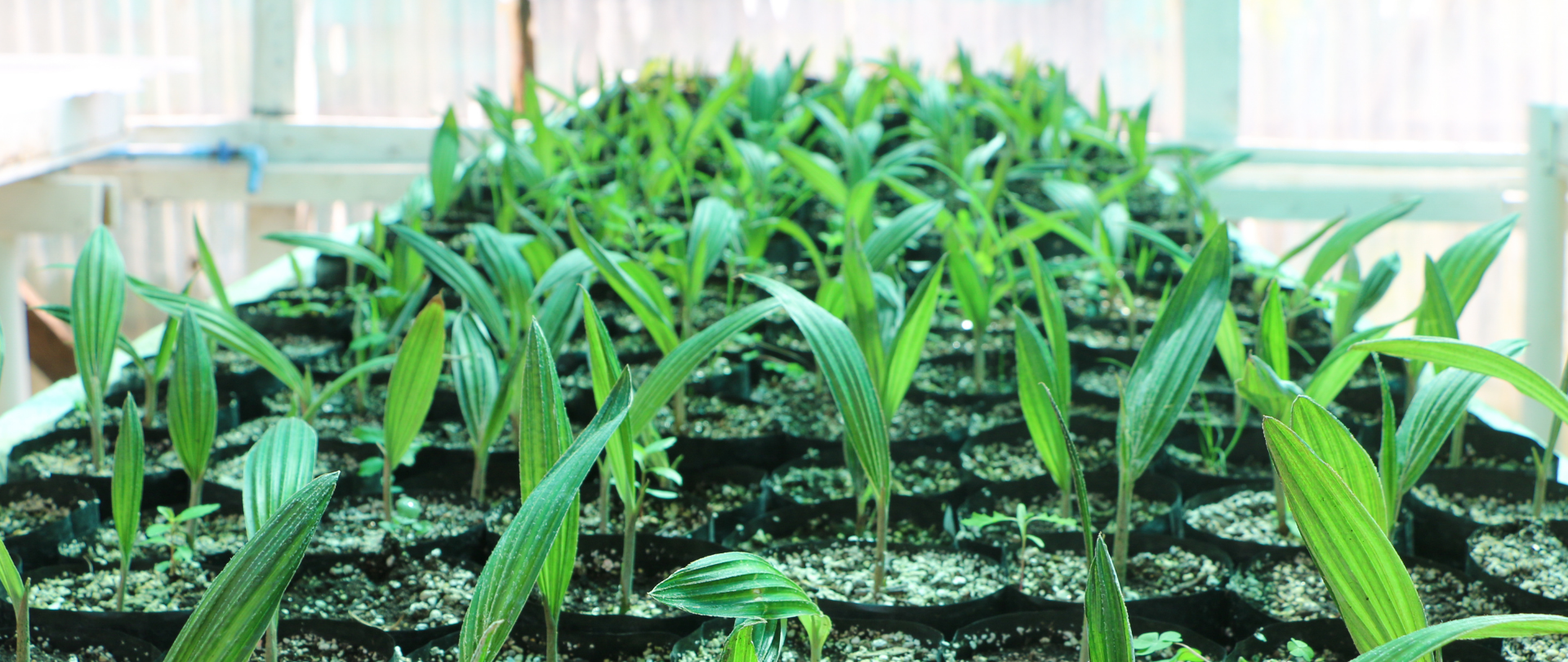
On the island of Robinson Crusoe in Chile, a greenhouse feeds both a community and an islander-led conservation movement!
September 1, 2026
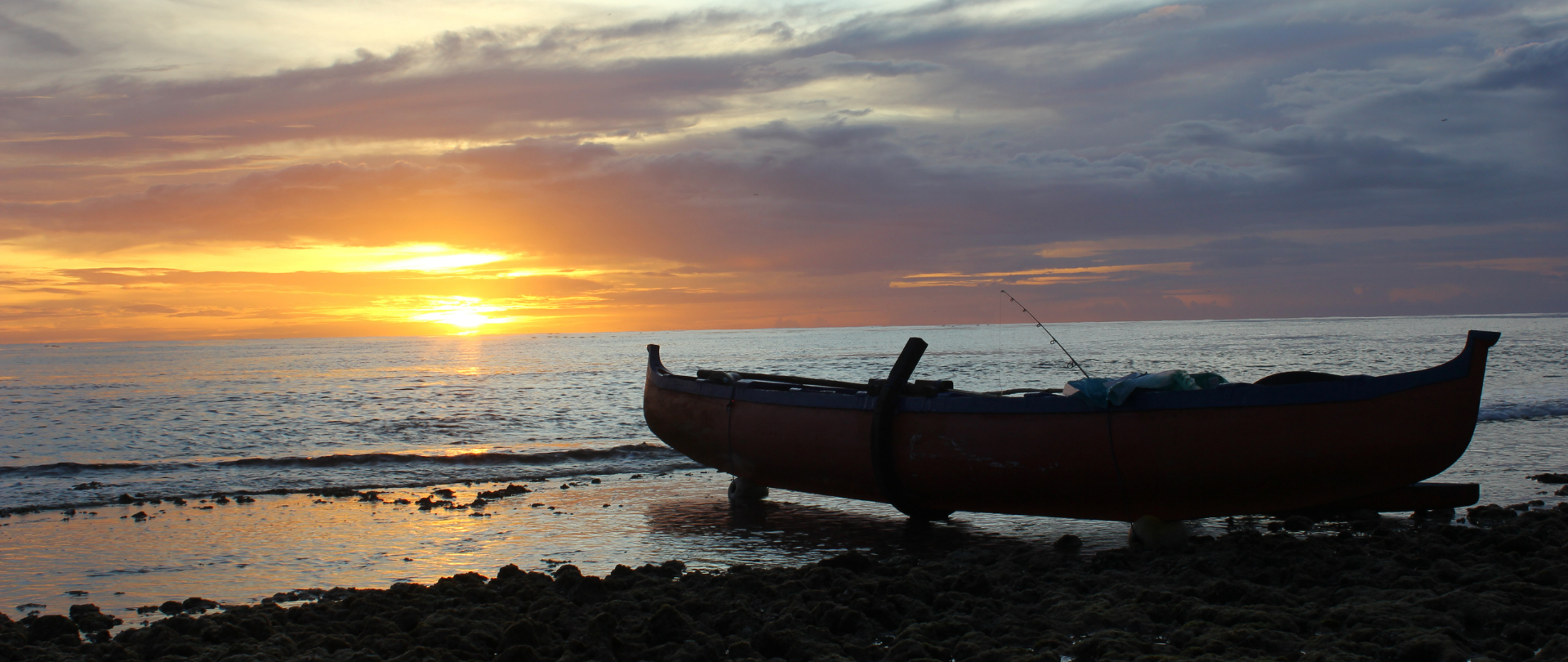
Linden Brown shares the incredible things he saw and experienced while working to restore islands in Sonsorol State, Palau!
August 18, 2026
Meet Evelyn, one of the people who holds the wisdom of Sonsorol State, Palau in her lived experiences and stories.
August 4, 2026
Indigenous-led conservation takes a leap forward with Rapa Nui (Easter Island)'s new partnership with Island Conservation!

July 28, 2026
Happy World Nature Conservation Day! Read Penny Becker's article published by the Outreach Network for Gene Drive Research.
July 9, 2026
Senior Major Gifts Officer Jen Sachs shares her experience on one of Island Conservation's exciting restoration projects in the US Virgin Islands!
July 2, 2026
Invasive species have caused over $12 billion in damages to island ecosystems, creating an urgent need for strengthened biosecurity measures!
June 18, 2026
A new project to expand the range of an endangered Tree Boa is one step closer to completion!
June 8, 2026
A world-first controlled experiment shows connection between seabird activity and marine health on Ulong Island!
May 20, 2026
Seasonal Monitoring Specialist Cozette Romero writes about her time working and living on Niulakita in Tuvalu, helping protect the food security and livelihood of an island community!