October 1, 2026
What Mangroves Teach Us about Conservation
Mangrove forests are one-of-a-kind ecosystems--literally! Find out how conservationists can learn from mangroves and why it matters for islands.
 Island Conservation

New research from an international team of scientists working on Palmyra Atoll reveals that some of the most important recovery in island restoration happens underground. Specialized fungi living around tree roots are a critical part of the ecological network that allows one of the Pacific’s most spectacular native forest ecosystems to thrive.
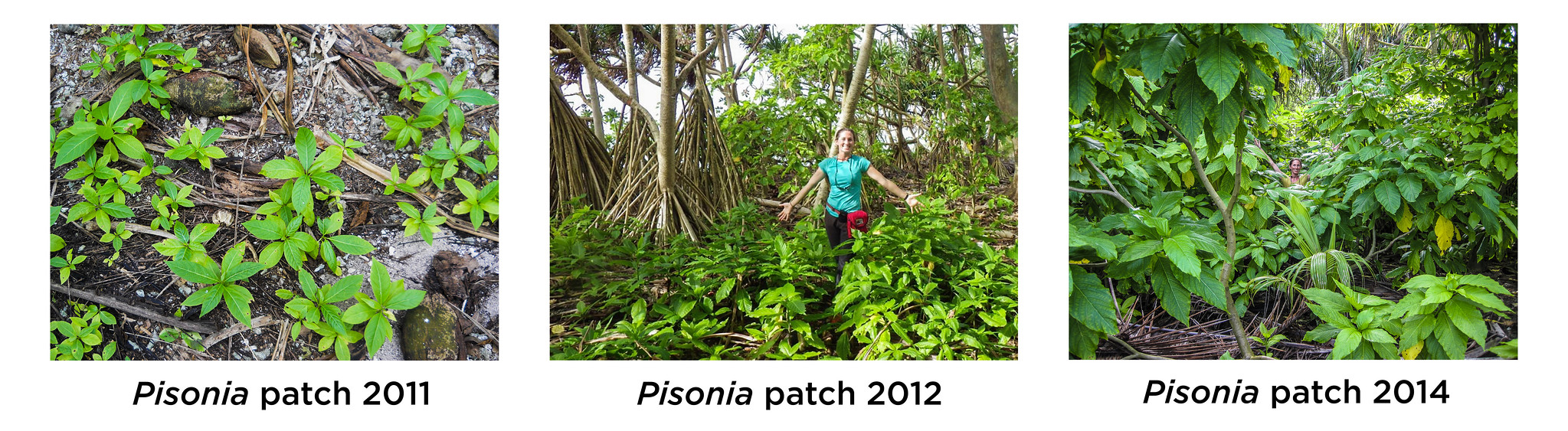
For those of us at Island Conservation, the findings are especially exciting. In 2011, we worked with partners to restore Palmyra’s native Pisonia grandis forests, helping drive an extraordinary increase in natural regeneration and forest recovery. Within five years, Pisonia growthh increased by more than 5,000%, setting the stage for the return of a thriving, interconnected ecosystem.
Now, the ecosystem is giving something back: new scientific insights that are helping researchers understand how tropical island forests function and how they can be restored around the world.
One of the clearest lessons from Palmyra is that healthy ecosystems are built on relationships.
At the center of this story are seabirds, which act as a classic “connector species.” They spend much of their lives feeding far out at sea, then return to islands to nest and roost. In doing so, they transport nutrients from the ocean onto land through their guano, creating one of nature’s most powerful nutrient-delivery systems.
These nutrients, including Nitrogen, Phosphorus, and Potassium, help fuel the growth of island forests, boost the health of coral reefs, and support entire ecological communities.
Pisonia trees and seabirds have evolved a particularly close relationship. Seabirds prefer nesting in Pisonia forests, while the nutrient inputs from those birds help create conditions that support robust forest growth. On tropical atolls where soils are often thin, sandy, and nutrient-poor, this partnership becomes especially important.
Scientists have long recognized the connection between seabirds and Pisonia forests. What remained unclear was how those nutrients were transformed into forms that trees could actually use.
The new study provides a compelling answer: mycorrhizal fungi.
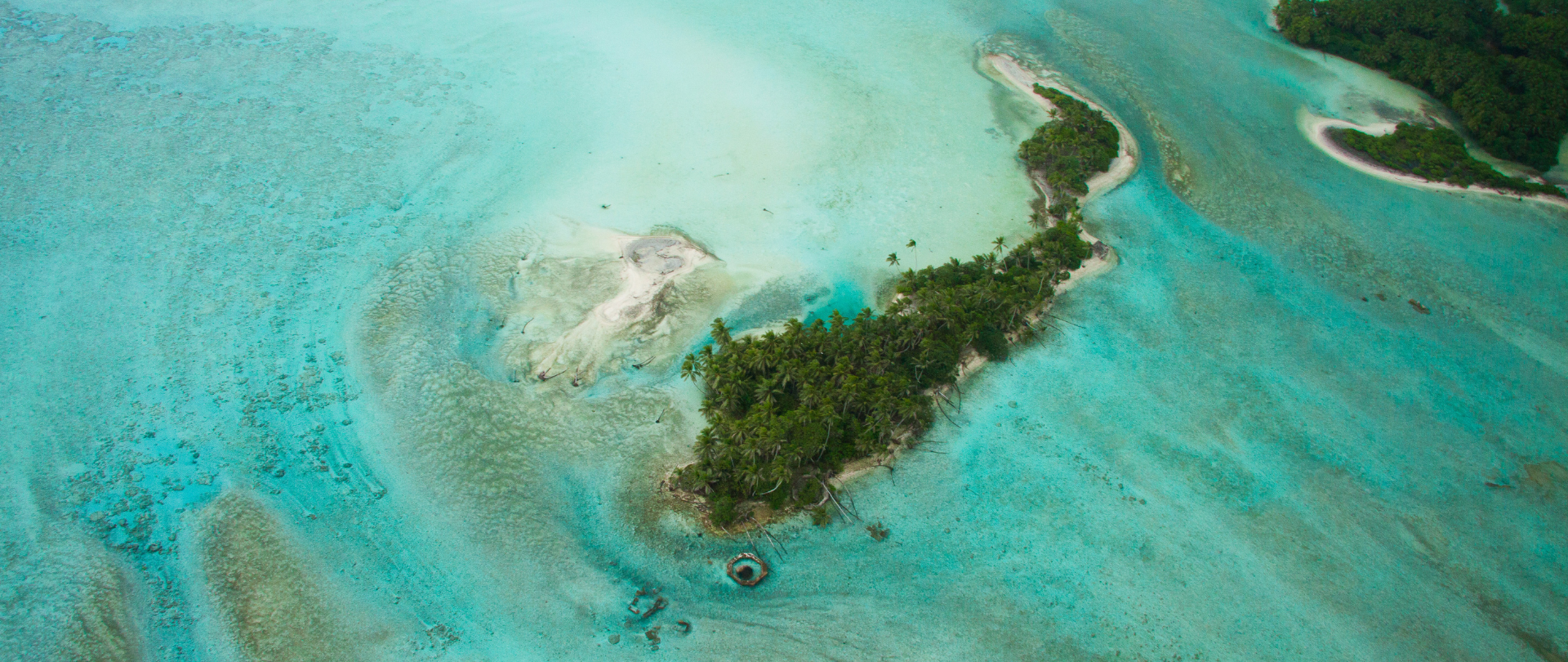
These fungi live in association with plant roots, forming underground networks that help plants acquire nutrients and water. Researchers surveyed soils and roots across 27 islets of Palmyra and used DNA sequencing techniques to create the first high-resolution map of the atoll’s fungal diversity.
Key findings included:
Researchers found that 100% of the sampled Pisonia roots were associated with Tomentella fungi, suggesting an unusually specialized partnership. Most trees work with many different fungal partners; Pisonia appears to depend heavily on one.
The research suggests these fungi serve as a critical bridge between seabirds and forests.
Palmyra’s Tomentella fungi appear uniquely adapted to soils enriched by large quantities of seabird nutrients. Scientists found these fungi thriving in soils with extremely high phosphorus levels, indicating they may play an important role in recycling nutrients and making them available to trees.
In effect, the ecosystem functions as a living partnership:
The result is a powerful positive feedback loop that supports both terrestrial and marine ecosystems.
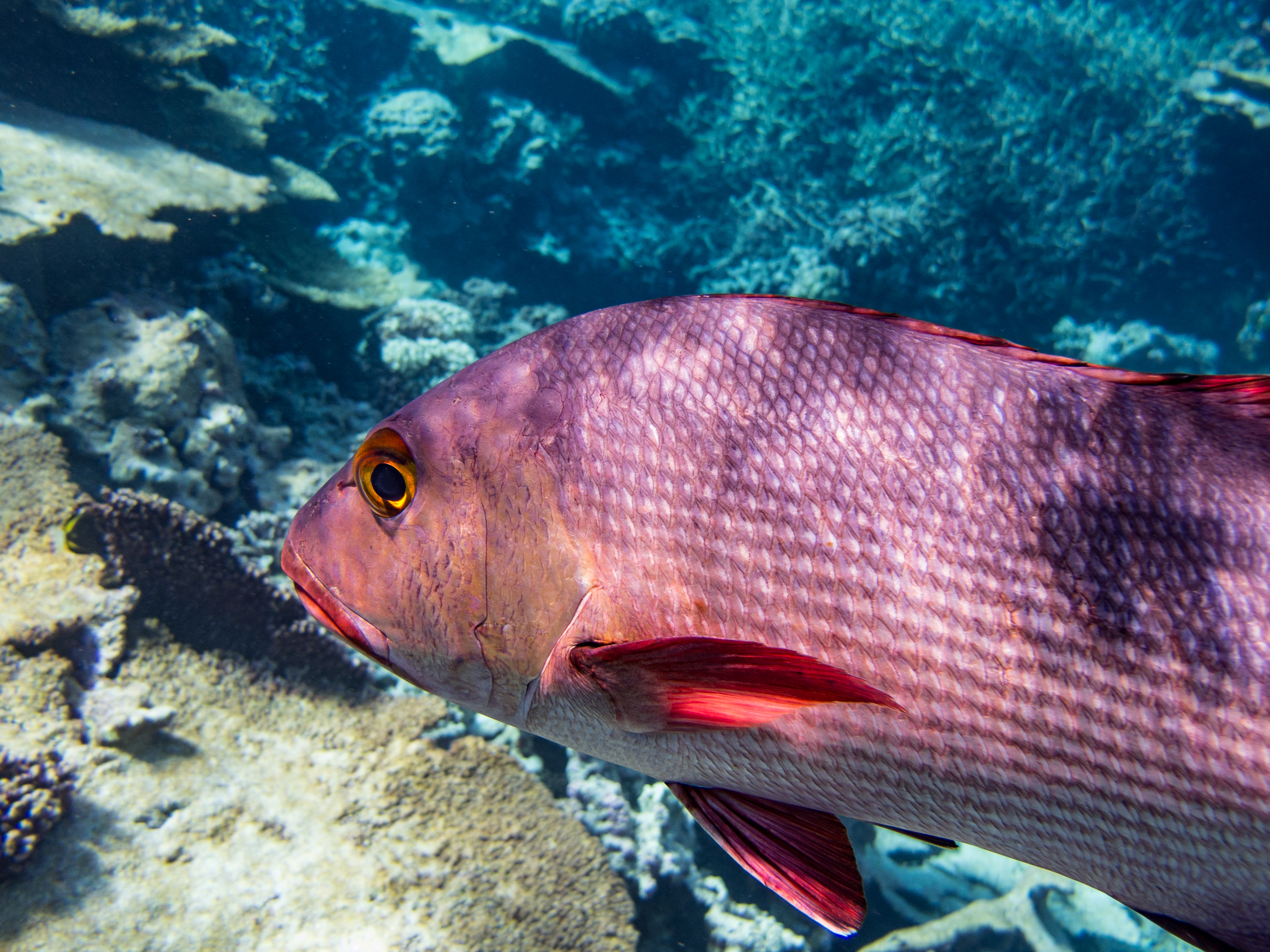
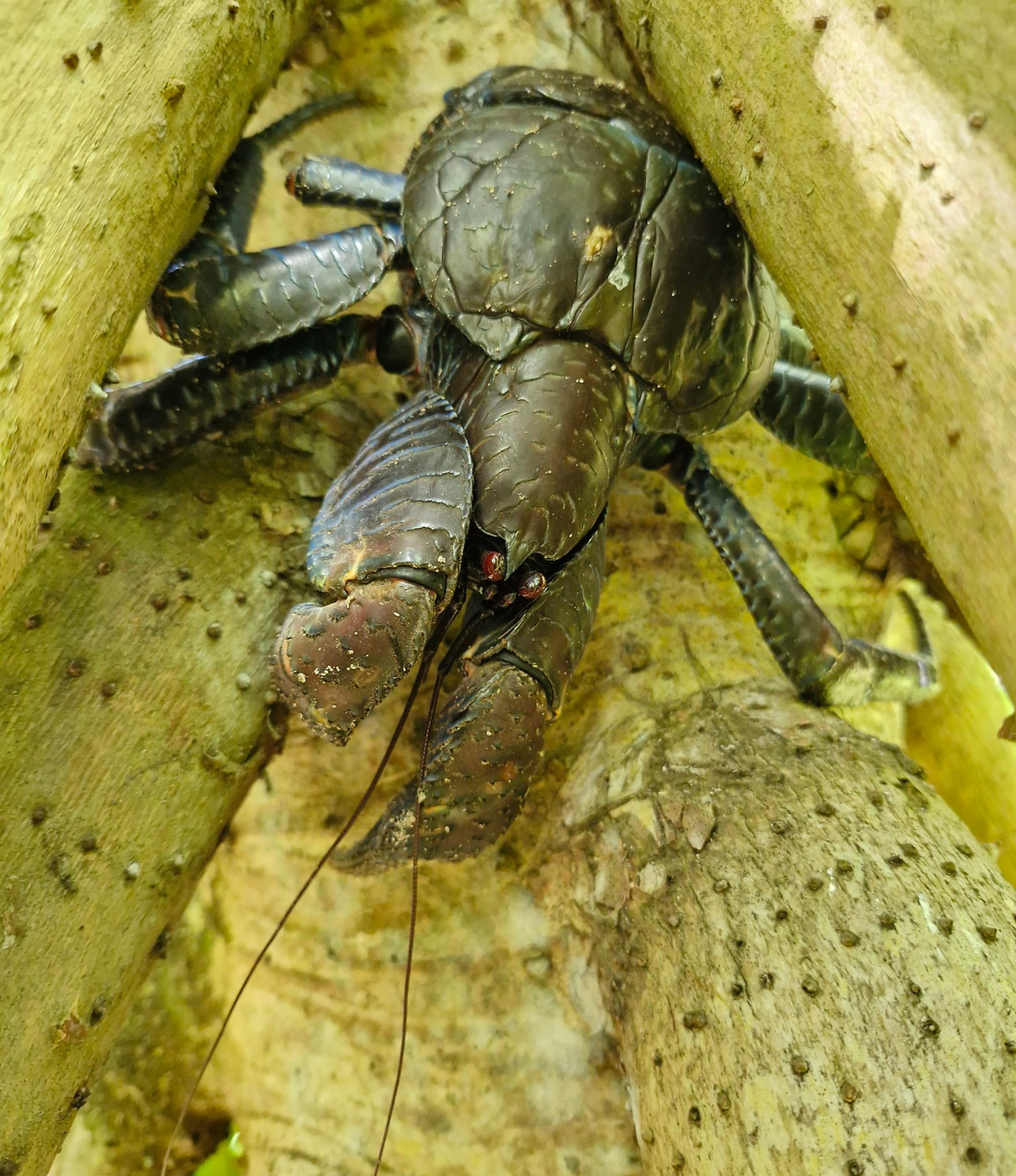
The study also highlights the role of land crabs as ecosystem engineers.
Researchers found that crab burrows contained significantly greater fungal diversity than surrounding soils. By digging, mixing, and aerating the ground, crabs may help distribute fungal spores and create conditions that support healthy soil communities.
This finding reinforces another important restoration lesson:
Healthy ecosystems depend on interactions, not isolated species.
Seabirds, trees, fungi, crabs, soils, and coral reefs are all connected through a web of relationships that has developed over thousands of years.
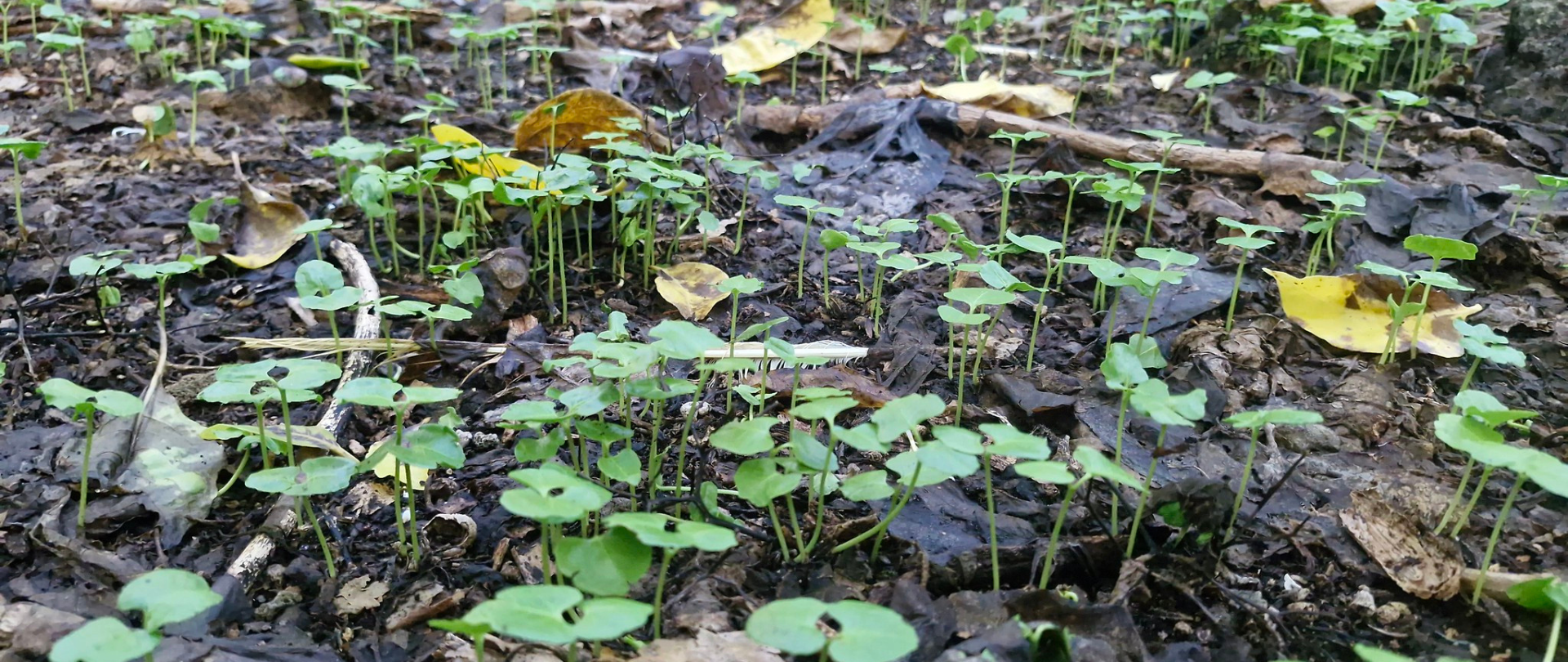
The implications extend far beyond a single Pacific atoll.
As restoration practitioners work to recover island ecosystems around the world, the study suggests that attention must be paid not only to plants and animals, but also to the microbial communities that support them. Researchers even suggest that future restoration projects may benefit from introducing beneficial soil fungi alongside native tree seedlings.
Palmyra Atoll shows that when ecological connections are restored, ecosystems can recover in remarkable ways. And as they recover, they continue to teach us new lessons about resilience, cooperation, and the extraordinary complexity of the natural world.
There’s more than one way to make an impact. Join our collective of dedicated supporters by donating today or signing up for our newsletter to stay informed.
Specialized mycorrhizal fungi, particularly Tomentella pisoniae, play a crucial role in helping Pisonia forests access and recycle nutrients delivered by seabirds.
Seabirds transport nutrients from the ocean onto islands through their guano, enriching soils and supporting forest growth. Scientists describe them as critical connectors between marine and terrestrial ecosystems.
Mycorrhizal fungi form symbiotic partnerships with plant roots, helping plants acquire water and nutrients while receiving carbon from the plants in return.
Pisonia forests provide high-quality nesting habitat for many seabird species and help drive nutrient cycling that benefits entire island ecosystems, including their surrounding waters.
Island Conservation and its partners have worked for years to support the recovery of Palmyra’s native ecosystem, helping create conditions that led to dramatic Pisonia forest expansion, including more than a 5,000% increase in regeneration and growth in some areas.
The study highlights that restoring ecosystems means restoring relationships. Successful restoration may depend not only on recovering plants and animals, but also on rebuilding the microbial partnerships that allow ecosystems to function and thrive.
Check out other journal entries we think you might be interested in.

October 1, 2026
Mangrove forests are one-of-a-kind ecosystems--literally! Find out how conservationists can learn from mangroves and why it matters for islands.

September 24, 2026
Species extinctions don't just affect the ecosystems where they happen. Economies around the world depend on biodiversity, from local to international!

September 9, 2026
El Niño doesn't create weak ecosystems; it reveals them. Find out how resilient islands can survive and bounce back from stress caused by El Niño!

August 12, 2026
The new Phoenix Species Project highlights species on the brink of extinction that are primed for recovery--and a lot of them live on islands!
August 4, 2026
Indigenous-led conservation takes a leap forward with Rapa Nui (Easter Island)'s new partnership with Island Conservation!

July 31, 2026
We interviewed artist Laura Shape to learn about the luminous abstracts she creates from leather sourced from invasive species!

July 28, 2026
Happy World Nature Conservation Day! Read Penny Becker's article published by the Outreach Network for Gene Drive Research.

July 17, 2026
Three different animals show how connector species prop up island-ocean ecosystems!
July 2, 2026
Invasive species have caused over $12 billion in damages to island ecosystems, creating an urgent need for strengthened biosecurity measures!

June 2, 2026
A new study argues that Hawaiian waterbird extinctions were driven by surprising non-human factors!