September 9, 2026
Some Island Ecosystems Are More Resilient to El Niño
El Niño doesn't create weak ecosystems; it reveals them. Find out how resilient islands can survive and bounce back from stress caused by El Niño!
 Island Conservation

Artist Laura Shape works in a medium few would ever expect: invasive species. As the first known fine artist to create with leather sourced from invasive species, she’s turning an ecological crisis into a catalyst for change. Laura transforms materials from lionfish, carp, and Burmese pythons, species that wreak havoc on native ecosystems, into striking pieces of art with purpose.
Every artwork she creates directly removes damaging invasive species from vulnerable habitats, helping ecosystems begin to recover while sparking conversations and bringing more people into the fold.
We sat down with Laura to explore the inspiration behind her artwork, how she bridges the worlds of art and science, and what she’s excited for next.
Plus, for the month of August, Laura is donating 25% of proceeds to Island Conservation.
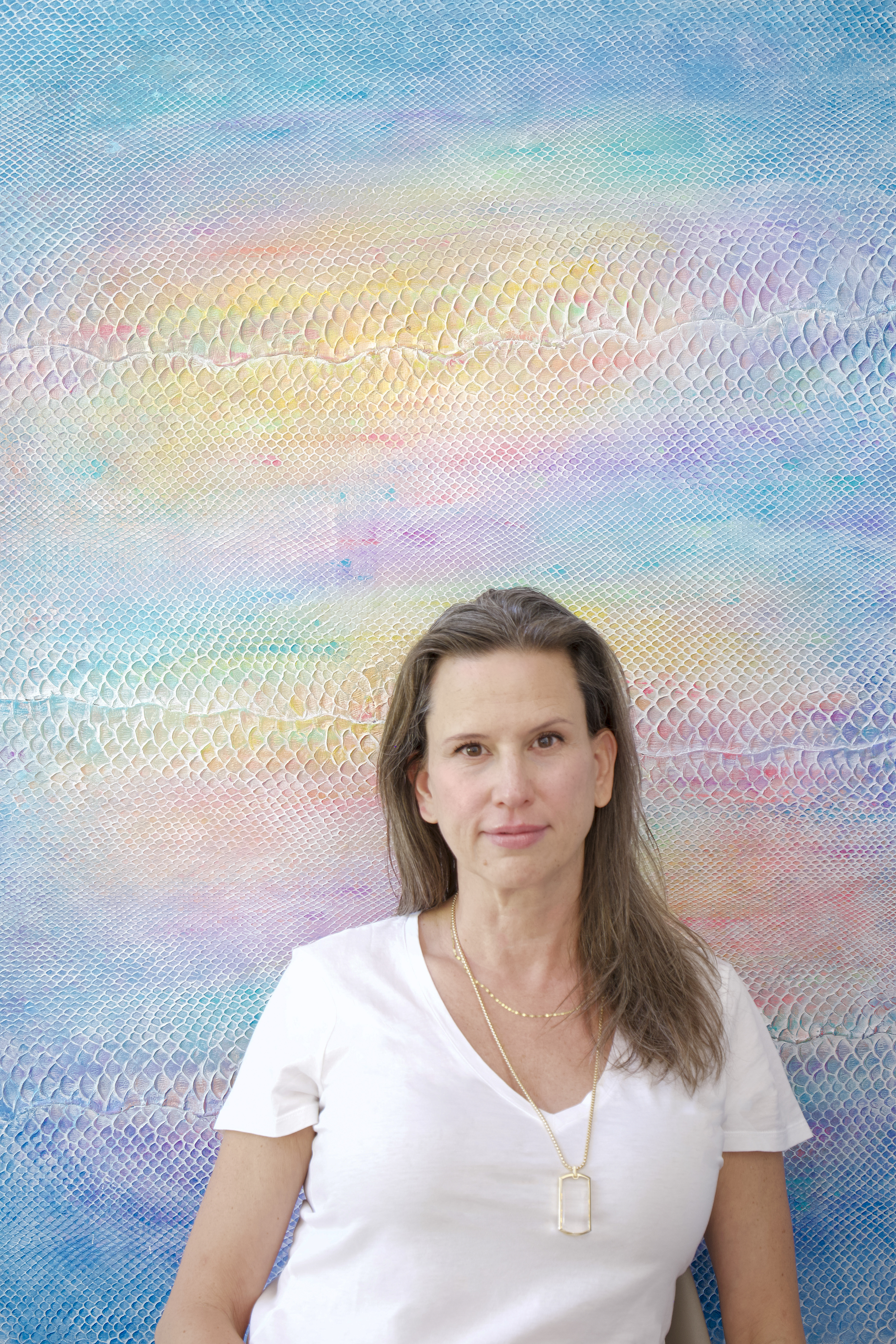
I began working with leather making handbags, drawn to its texture and durability – especially the exotics with their fascinating and unique natural patterns. But as my work evolved toward fine art, I felt uneasy about using another creature’s skin purely for aesthetics. I started searching to find a natural leather that aligned with both my ethics and my fascination with beauty.
Discovering the story of the invasive Burmese pythons in the Florida Everglades changed everything. When I found Python Huntress Amy Siewe, who was transforming these predators into ethically sourced leather, I knew I’d found my path. Soon after, I came across INVERSA’s lionfish leather, and realized my art could actually help solve an ecological problem, not just depict it.
To my knowledge, I’m the first and only fine artist in the world working with invasive animal leathers.
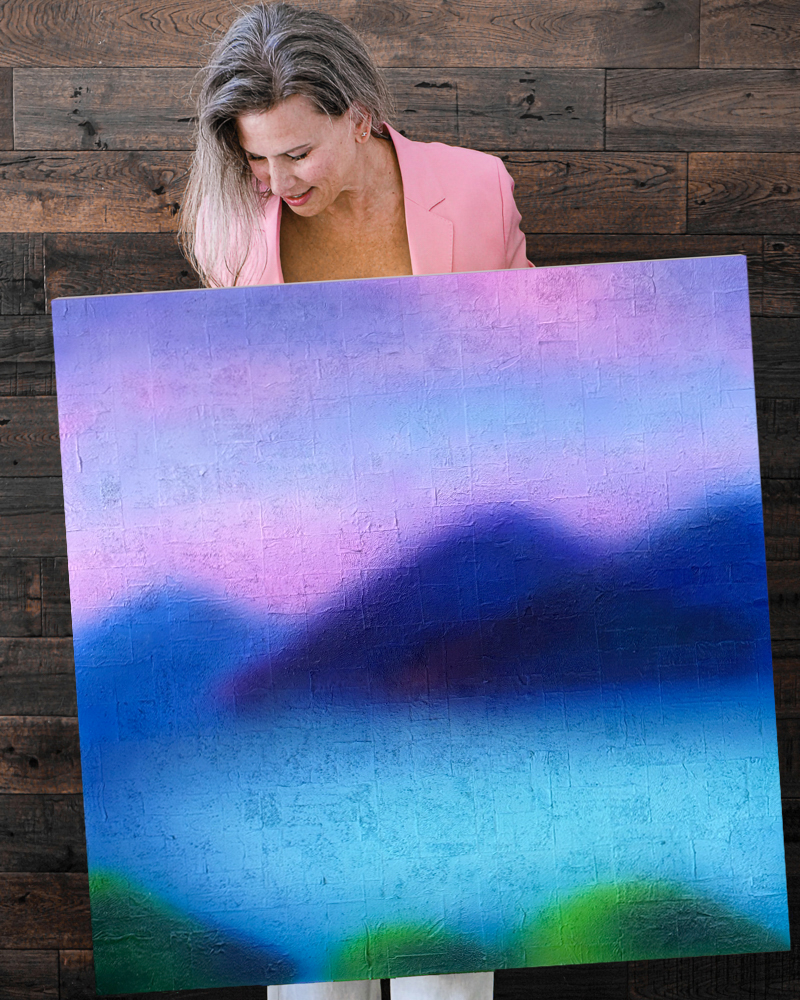
I only work with materials sourced from ethical partners who ensure humane removal and tanning processes. My goal is to use what’s available in ways that maximize ecological impact. But if my suppliers expand into more species in the future, I’ll be excited to explore working with them too.
Working with these leathers feels deeply meaningful. Symbolically, I’m turning destruction – both the damage caused by these animals and the sad, but necessary destruction of these animals – into lasting beauty. It’s my way of leaving the world better than I found it.
Emotionally, this work has made me braver. Once I realized my art could directly help solve an ecological problem, the self-consciousness around selling my work disappeared. It’s not about me anymore, it’s about creating impact.
Another big emotional driver for me is that I can’t do it alone. I’m creating a method of impact through my art, but collectors make that impact scalable. Every artwork acquired funds the removal of more invasive animals. Each collector becomes a hero – someone who helps heal ecosystems simply by choosing to live with beautiful art. And, honestly, they don’t even have to know about the problem to participate in its solution.
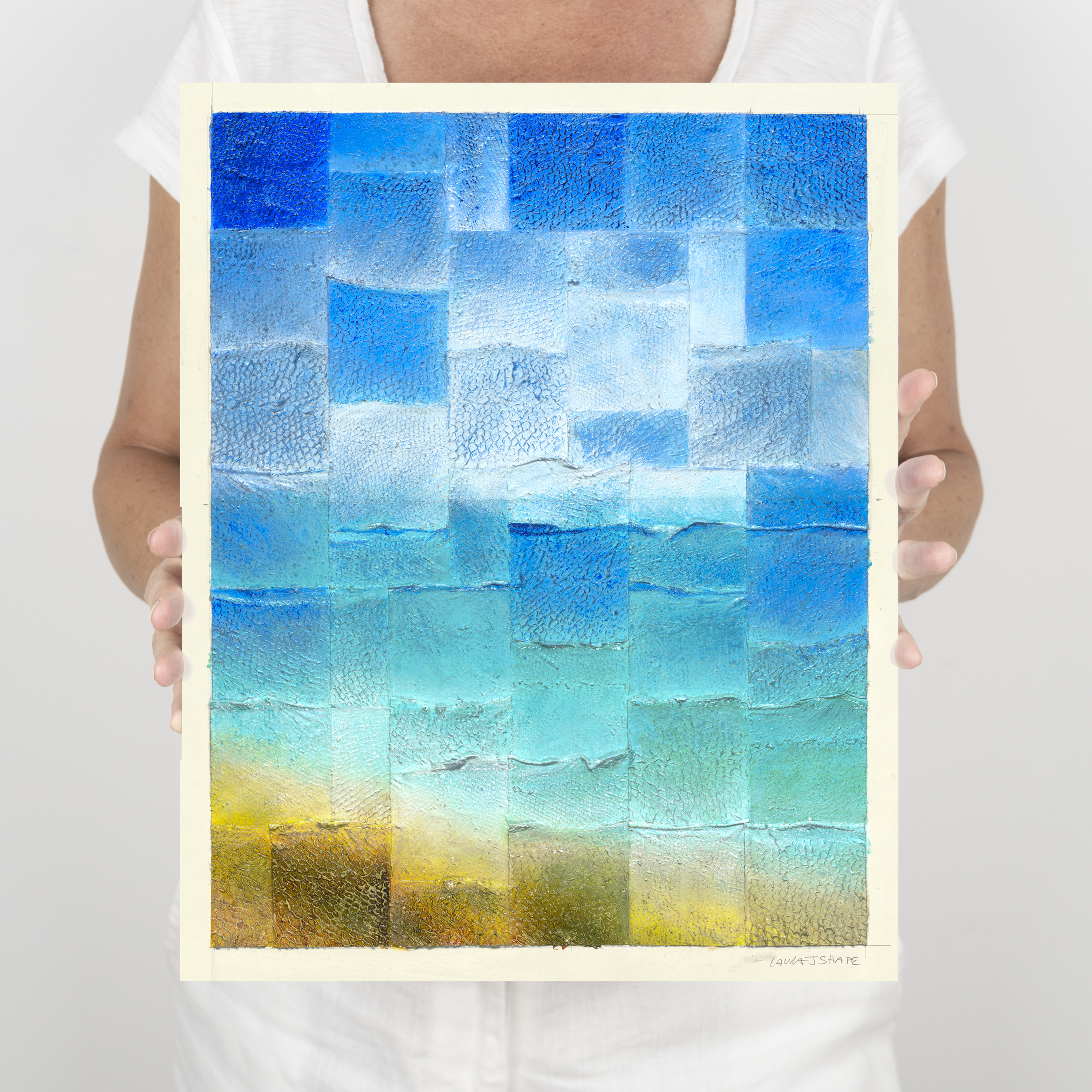
My work wouldn’t exist without experimentation. Because no one else is painting on invasive leathers, I’ve had to invent the entire process myself. My biggest breakthrough came when I realized I could cut the leather into squares and mount them onto panels like a mosaic. That shift – from sculpture, like I was doing previously, to flat art – opened everything up. It allowed me to scale, show, and ship my work in new ways. That one experiment became the foundation of my practice.
Almost universally, the reaction has been curiosity. Like me, most people I encounter haven’t ever heard of invasive animals or the problems they cause. So, usually, an encounter with a new person viewing my art starts with them asking what it’s painted on, because the texture is so unique. When I tell them it’s invasive lionfish, python, or carp, they inevitably ask questions about what those are. So, I’ve also found my art is great for helping raise awareness. I try to keep up to date on all of the facts about them, so I can really teach viewers who are interested.
That’s been one of the most rewarding discoveries. Whether someone collects a piece or simply stops to ask what it’s made of, they’ve already become part of the solution. My art engages curiosity, and curiosity is the doorway to change.
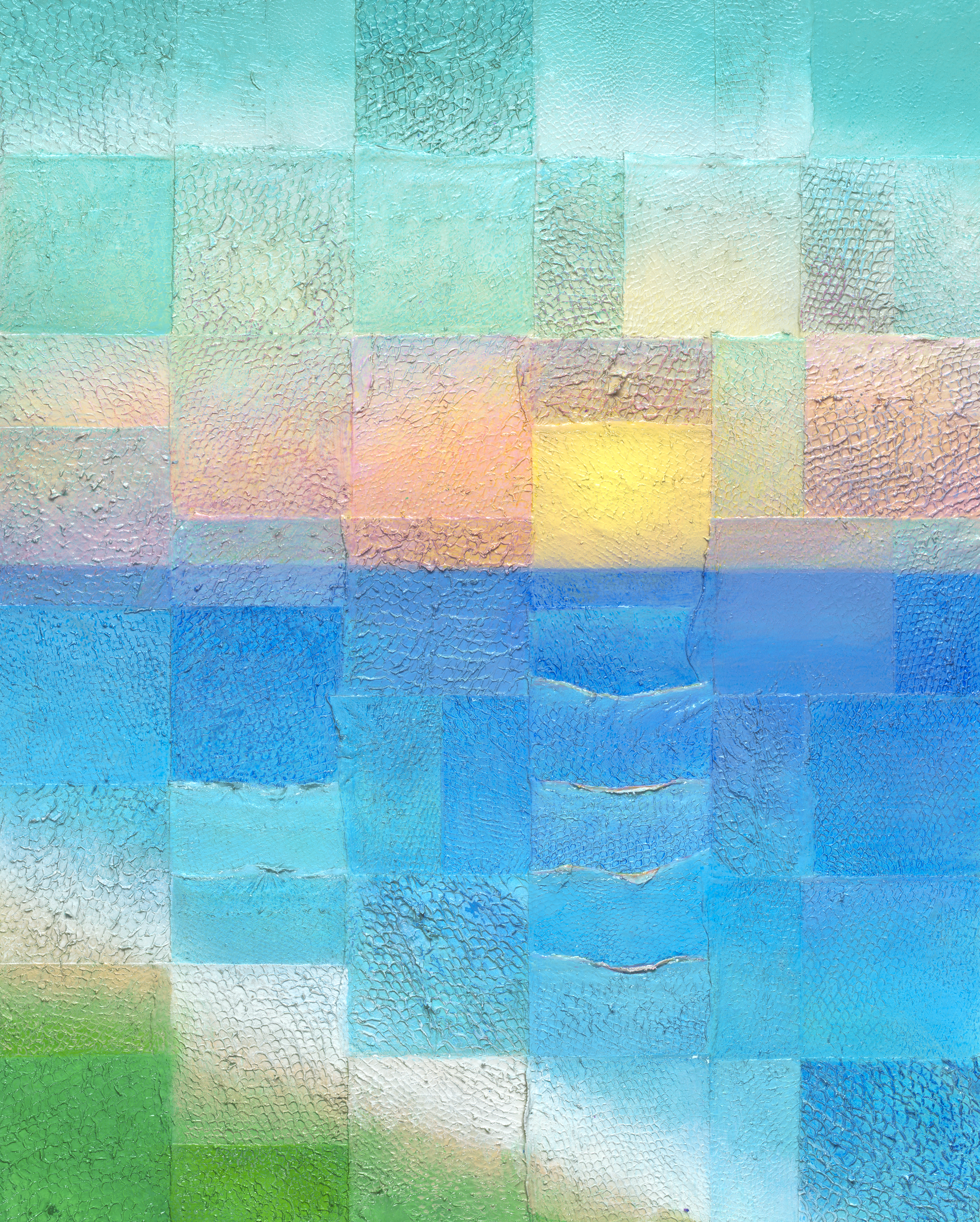
These conversations happen constantly! The first question everyone asks is how I got started with this medium. That allows me to talk about Amy Siewe and INVERSA, which often leads to conversations about conservation through use, and what other problems that could be applied to.
Sometimes the person will be reminded of a diving trip they took in which they saw people spear hunting lionfish, or a fisher they know who’s mentioned silver carp jumping out of the river and damaging their boat, or that python hunter they saw on TV. Since I work with all of these, it helps people see the larger picture of invasives and how much damage they cause.
Some people have been interested in the bigger picture – wanting to know what other damage invasives cause beyond just harming other animals. Those are the most interesting conversations to me because I get to explain how everything is connected. Like how by eating all of the junior fish along coral reefs, lionfish damage the reefs, causing coasts to have less protection from big storms, which can mean loss of life, property damage, and erosion. When people hear stories like that, they really get how important it is to remove these animals, and how every single one matters. That’s the beauty of pairing art with science, it helps people actually feel the importance of restoration.
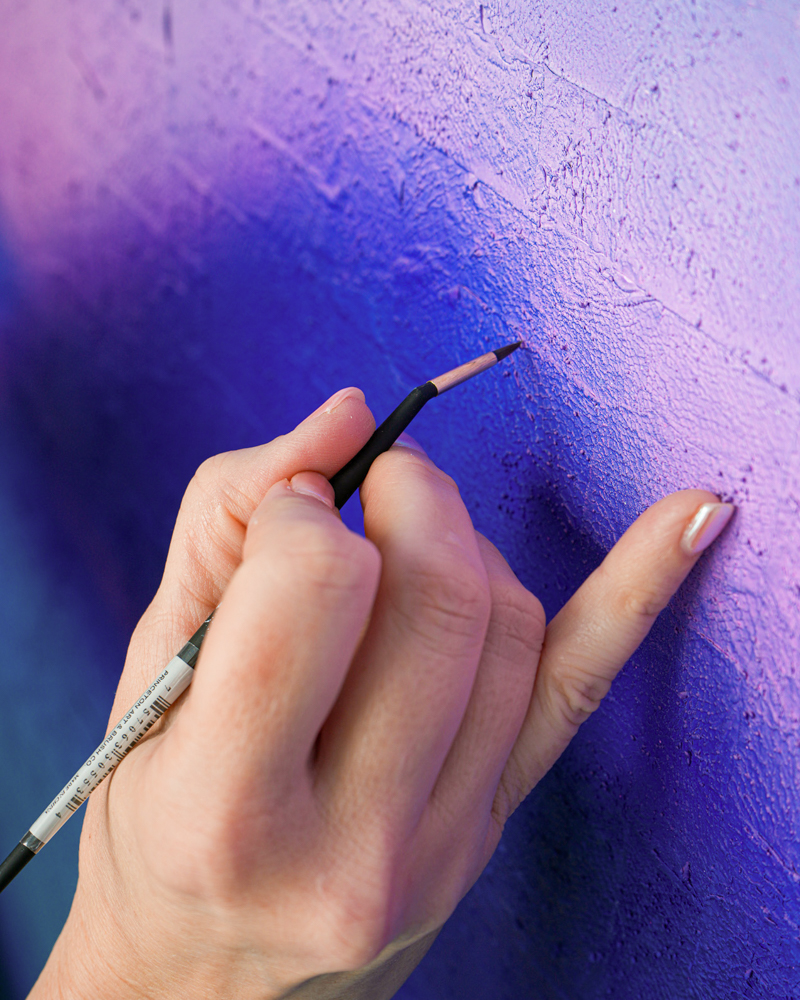
I would say to think beyond raising awareness. See if your art can become part of the solution itself. And keep it beautiful. Shock can provoke, misery stops people at the door, but beauty invites. The goal is to make people want to come closer. Make them curious enough that they want to learn more.
Also, if you do that, learn everything you can about the topic. People will have lots of questions. The more you know, the more worthwhile it will be for them to talk with you about it. Think about your work as an invitation and a conversation starter.
Honestly, I feel like I’ve only begun to explore what’s possible. I’ll continue experimenting with lionfish, python, and carp leathers, and I’m always ready to work with new species as they become available.
My long-term goal is to create monumental works for spaces – resorts, airports, museums, and hospitals — in the very regions affected by these animals. Each large-scale piece becomes both an artwork and an ecological intervention. I’m currently planning a series of 36-by-36-inch artworks that will each contain around 52 lionfish skins. The five-painting series will account for the removal of about 260 lionfish. I’ve read that a single lionfish can eat tens of thousands of native reef fish in its lifetime. So just these five paintings could save the lives of, literally, millions of native fish. That’s beauty with measurable impact, and that’s the future I’m painting toward.
There’s more than one way to make an impact. Join our collective of dedicated supporters by donating today or signing up for our newsletter to stay informed.
Check out other journal entries we think you might be interested in.

September 9, 2026
El Niño doesn't create weak ecosystems; it reveals them. Find out how resilient islands can survive and bounce back from stress caused by El Niño!
September 1, 2026
Linden Brown shares the incredible things he saw and experienced while working to restore islands in Sonsorol State, Palau!

August 25, 2026
A new study reveals the role fungi play in the restoration and recovery of rare, resilient atoll ecosystems!
August 18, 2026
Meet Evelyn, one of the people who holds the wisdom of Sonsorol State, Palau in her lived experiences and stories.

August 12, 2026
The new Phoenix Species Project highlights species on the brink of extinction that are primed for recovery--and a lot of them live on islands!
August 4, 2026
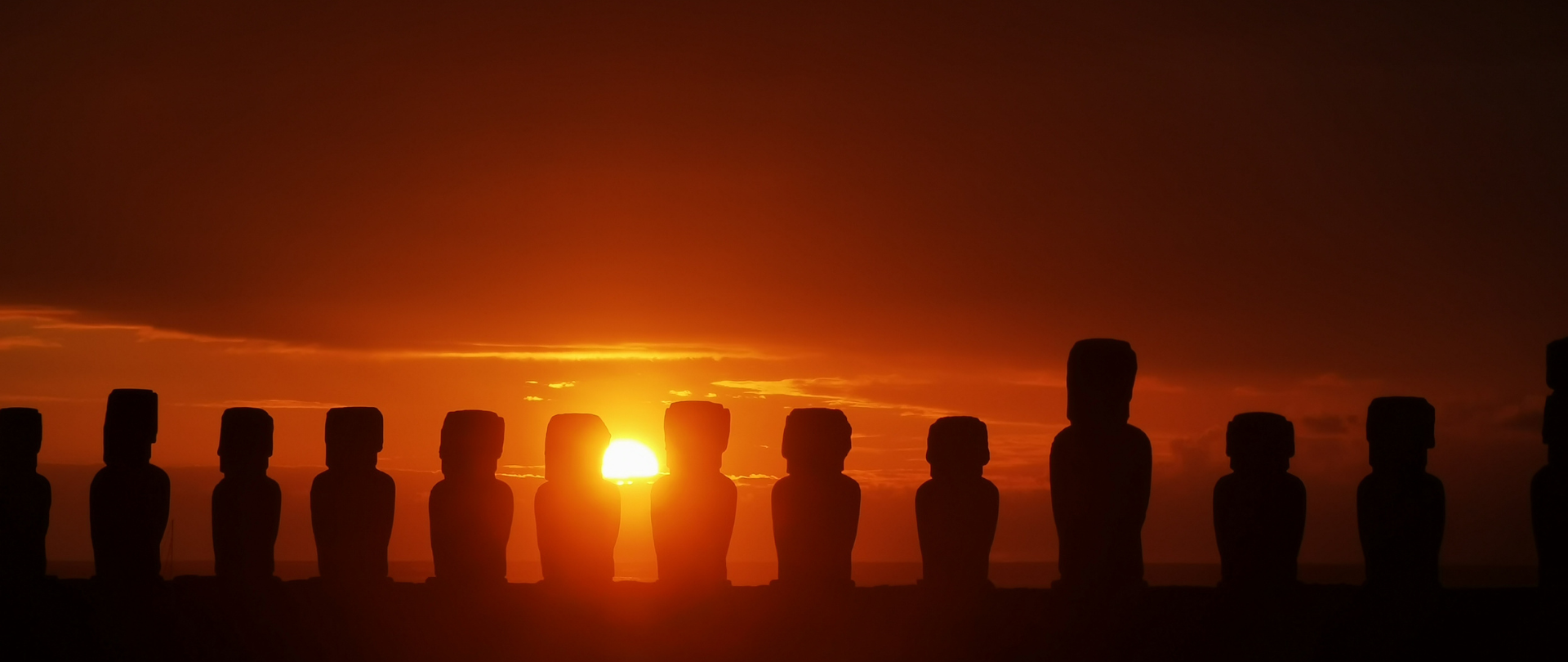
Indigenous-led conservation takes a leap forward with Rapa Nui (Easter Island)'s new partnership with Island Conservation!

July 28, 2026
Happy World Nature Conservation Day! Read Penny Becker's article published by the Outreach Network for Gene Drive Research.
July 9, 2026
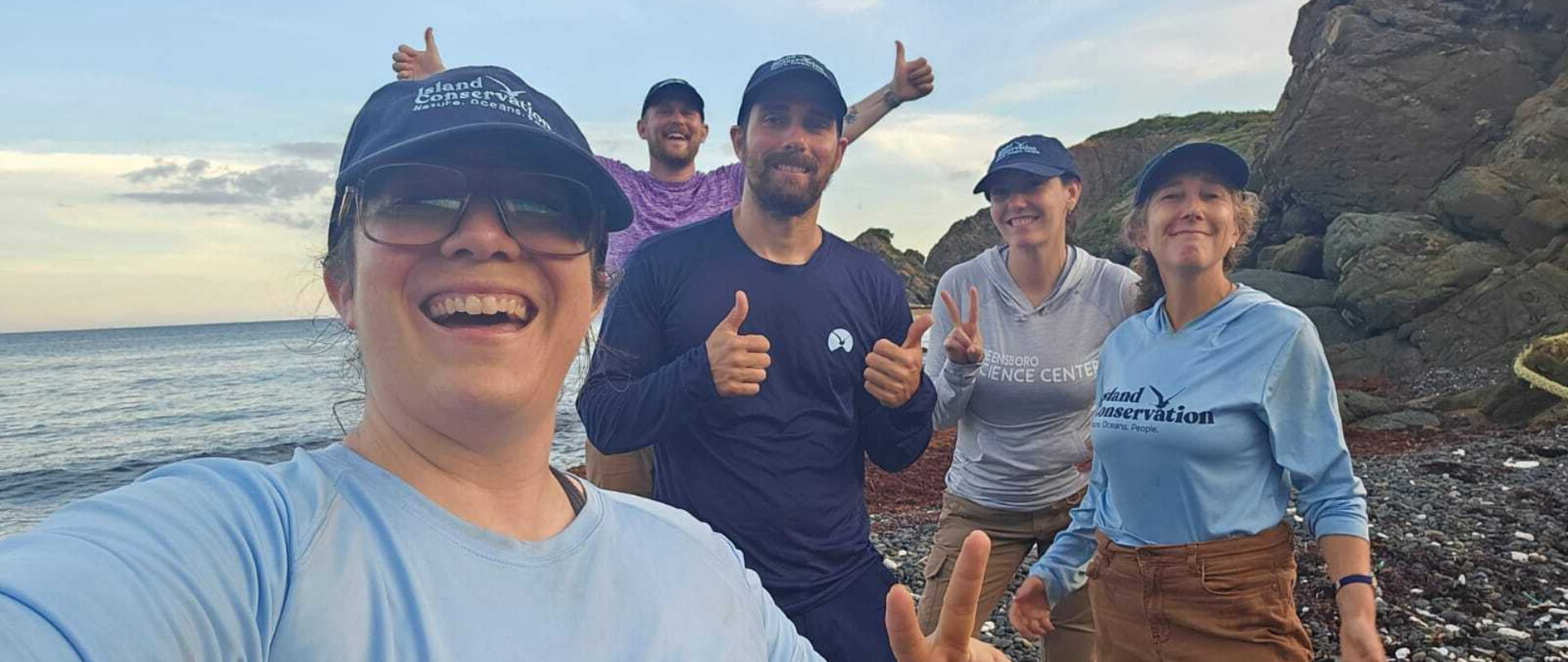
Senior Major Gifts Officer Jen Sachs shares her experience on one of Island Conservation's exciting restoration projects in the US Virgin Islands!
July 2, 2026
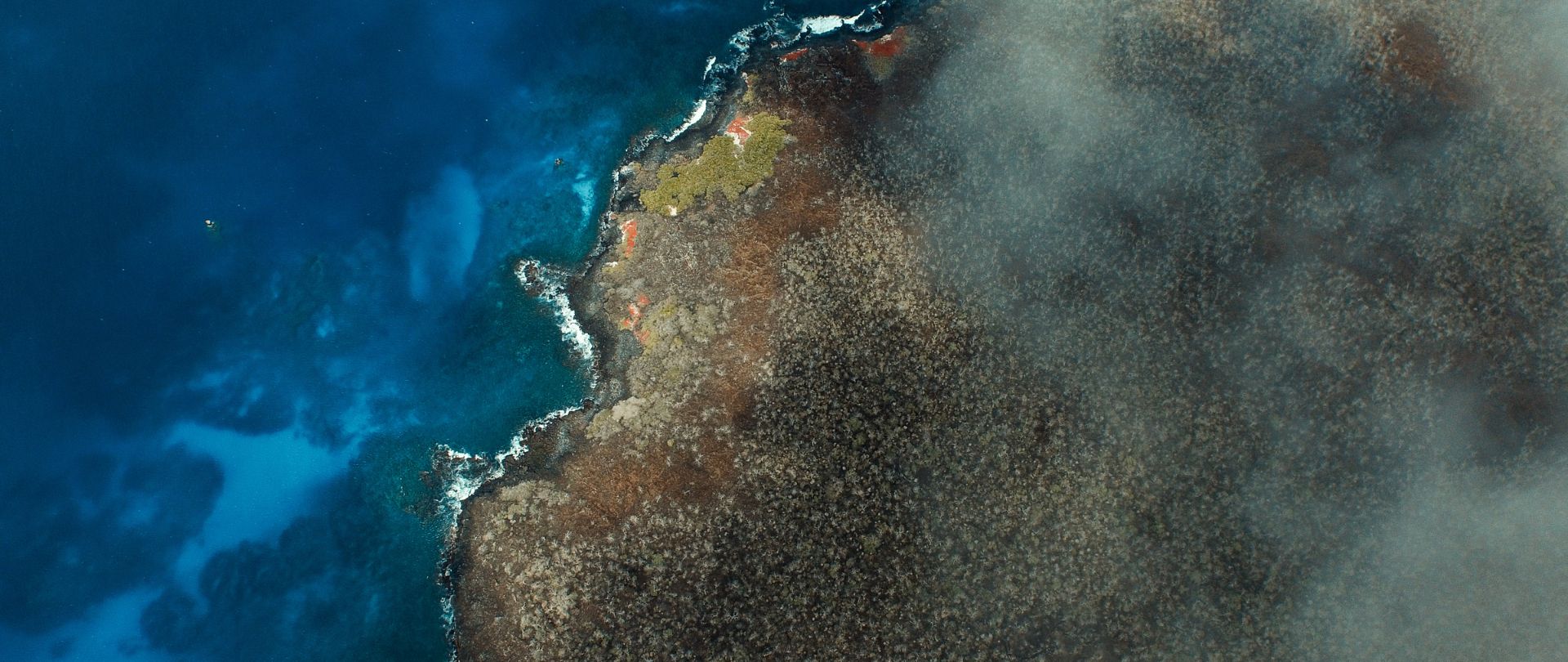
Invasive species have caused over $12 billion in damages to island ecosystems, creating an urgent need for strengthened biosecurity measures!

June 18, 2026
The Island Restoration Storytellers Circle is a new initiative designed to elevate islander voices in the global conversation about holistic restoration!