September 9, 2026
Some Island Ecosystems Are More Resilient to El Niño
El Niño doesn't create weak ecosystems; it reveals them. Find out how resilient islands can survive and bounce back from stress caused by El Niño!
 Island Conservation

Every economy is underpinned by the natural world. Healthy ecosystems provide clean water, productive soils, fisheries, pollination, climate regulation, and protection from storms. In fact, more than half of global GDP, approximately $44 trillion in economic value, is moderately or highly dependent on nature and the services it provides. When biodiversity declines, businesses face risks—including disrupted supply chains, reduced productivity, and greater vulnerability to climate impacts.
On islands, where ecosystems are especially sensitive, these risks multiply.
Biodiversity is the variety of life on Earth, including the plants, animals, fungi, and microorganisms that interact to keep ecosystems healthy and functioning. Islands are especially important for global biodiversity because they support an extraordinary concentration of endemic species, which are unique species that can be found nowhere else on the planet. Nearly one-third of all vascular plant species are native to islands, and as many as 70,000 plant species worldwide may be endemic to islands. These ecosystems also provide essential services that support human wellbeing and economic activity, including protecting coastlines from erosion, storing carbon, sustaining fisheries, and supplying food and materials for local communities. When island biodiversity is lost, businesses, livelihoods, and entire communities become more vulnerable. When it is restored, the effects spill over to benefit nature, people, and our planet.
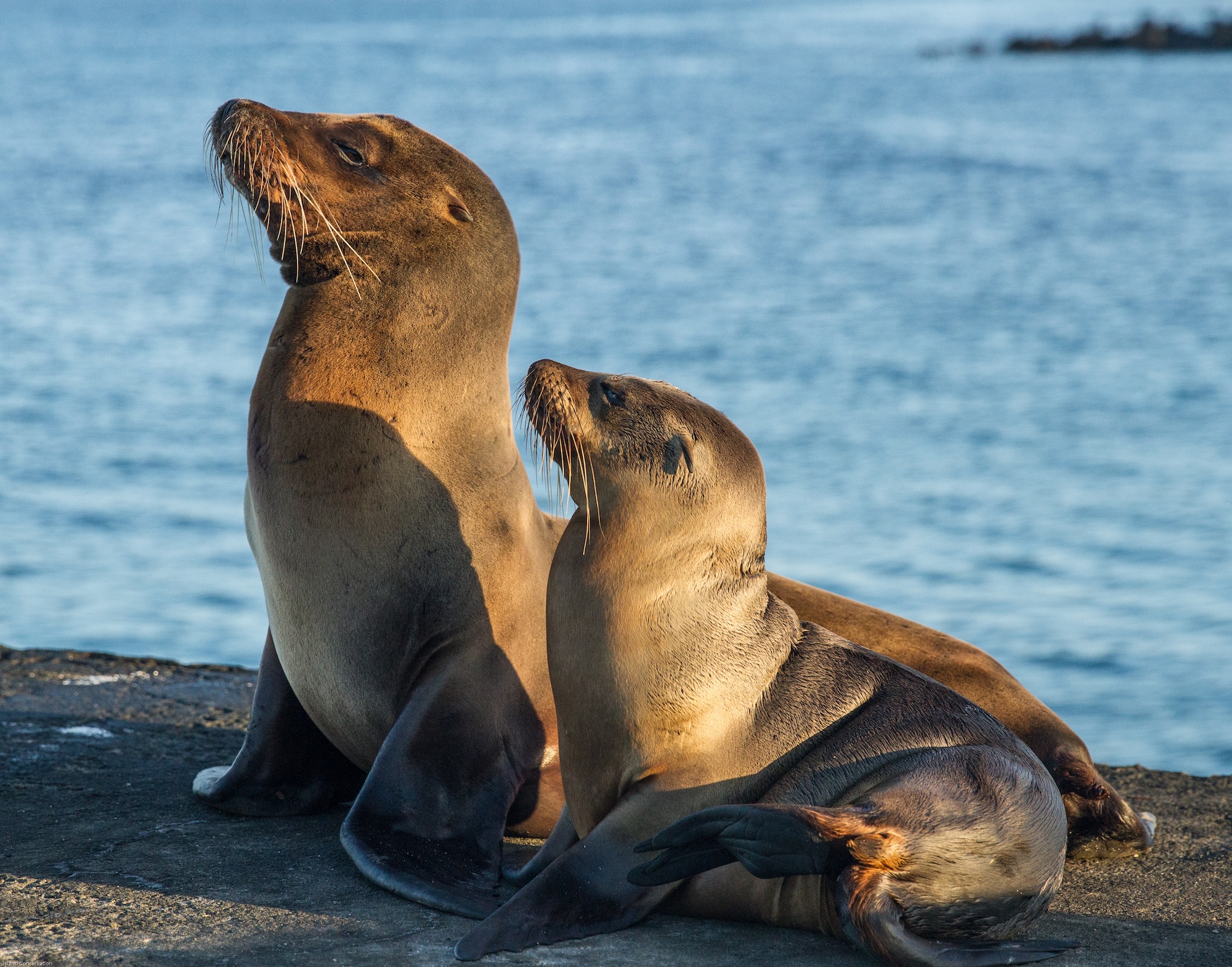
On islands, biodiversity loss can have outsized economic impacts. Businesses that depend on healthy ecosystems, such as fisheries, agriculture, ecotourism, and coastal industries, may experience reduced productivity, higher operating costs, and greater vulnerability to extreme weather. The loss of native vegetation can increase erosion and damage freshwater resources, while declines in seabird populations and other wildlife can weaken the ecological processes that support healthy soils, reefs, and fisheries.
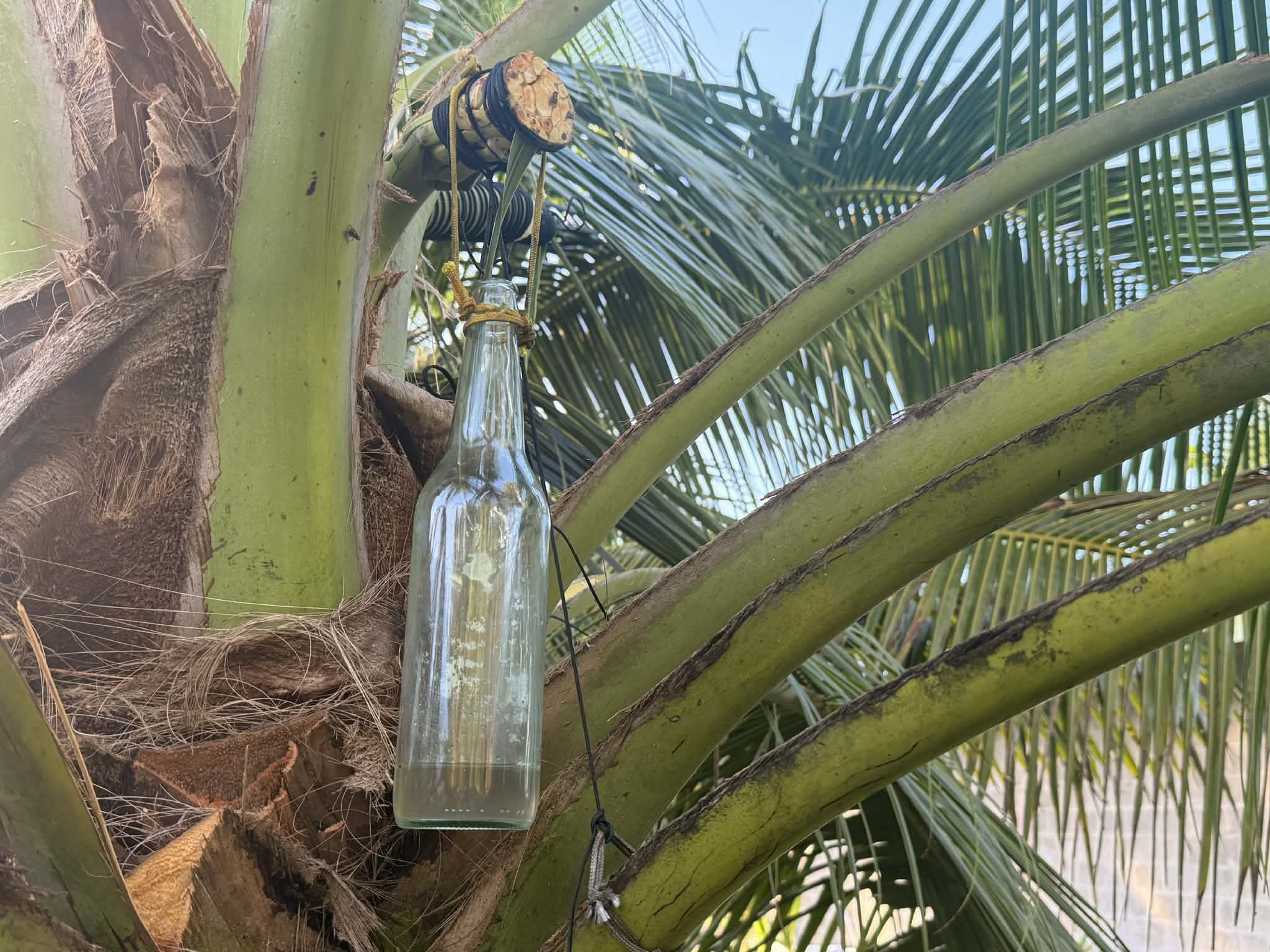
A powerful example comes from Niulakita, Tuvalu, where coconut syrup, known locally as “toddy,” is an important local export and source of income. Invasive rats damage toddy production by chewing through collection containers and ropes used to harvest sap from coconut palms, directly affecting the community’s livelihoods. Restoration efforts aimed at removing invasive rodents are expected to improve food security, strengthen local economic opportunities, and support the island’s long-term resilience.
Another example: consider a day that doesn’t happen on an island, but starts with a cup of coffee, includes fruit or vegetables at lunch, and ends with seafood for dinner. All of these products depend on healthy ecosystems somewhere in the world. When pollinators decline, soils degrade, fisheries collapse, or coral reefs and coastal habitats are damaged, food production becomes less reliable and often more expensive. On islands, biodiversity loss can reduce fish populations, weaken natural storm protection, and disrupt local agriculture and livelihoods. Because islands are deeply connected to global supply chains, those impacts can ripple outward through higher prices, reduced product availability, and increased economic volatility.
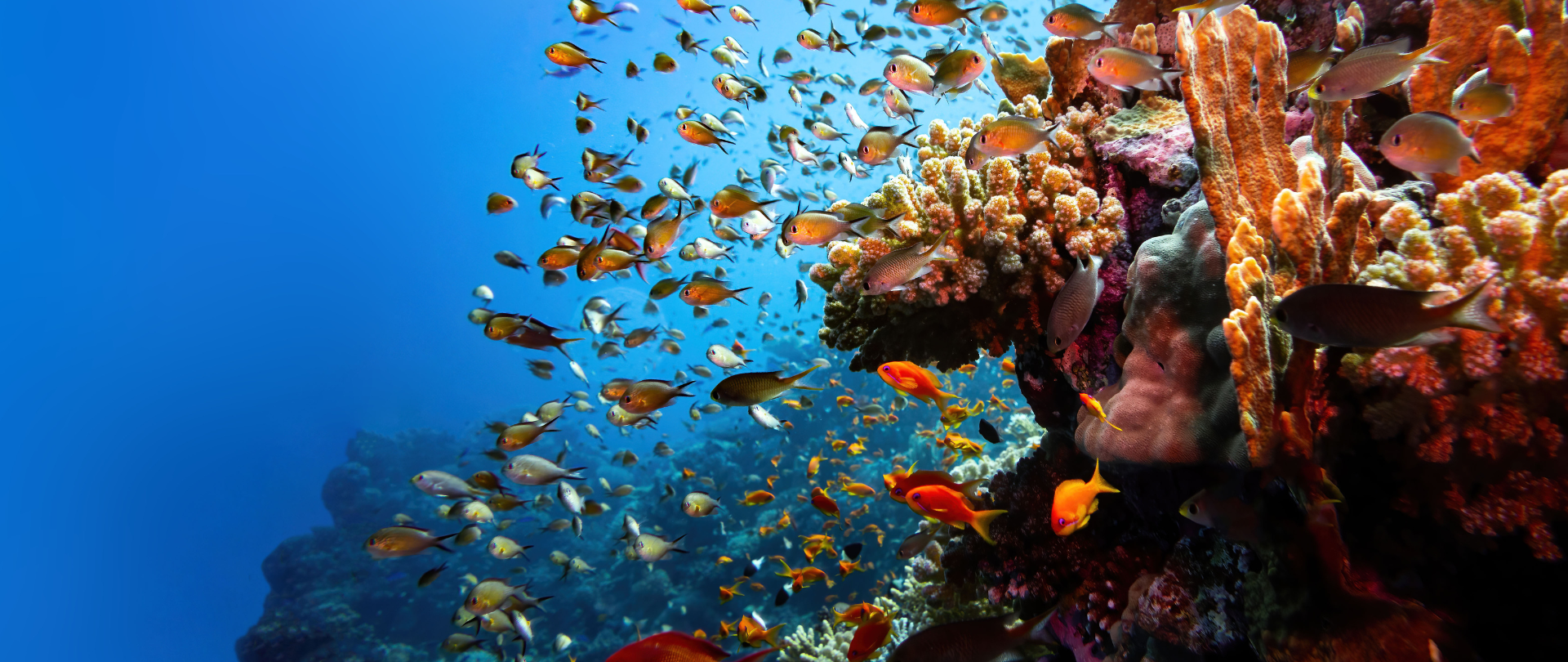
The benefits of biodiversity restoration extend beyond agriculture and local products. On Palmyra Atoll, restoration efforts removed invasive rats and enabled native ecosystems to recover. Native tree recruitment increased dramatically, helping rebuild habitat for seabirds and restoring essential ecological processes. Healthy seabird populations deliver nutrients from the ocean to the land and surrounding reefs, strengthening marine ecosystems that support fisheries and coastal resilience. Moreover, coral reefs near restored islands with thriving seabird populations can support significantly more fish and show greater resilience to warming waters.
These examples illustrate a broader truth: biodiversity is not a luxury. It is infrastructure. Healthy ecosystems support economies, sustain communities, and reduce risks for businesses large and small. For islands, where people and nature are deeply interconnected, investing in biodiversity restoration is an investment in economic wellbeing.
As global leaders and businesses seek solutions to growing environmental and economic challenges, island restoration offers a proven path forward. By restoring biodiversity, Island Conservation helps create healthier ecosystems, stronger local economies, and more resilient communities, delivering benefits that extend far beyond any single species.
There’s more than one way to make an impact. Join our collective of dedicated supporters by donating today or signing up for our newsletter to stay informed.
Biodiversity is the variety of life on Earth, including plants, animals, fungi, microorganisms, and the ecosystems they create together. Biodiversity supports essential services that people and businesses rely on every day, including food production, clean water, healthy soils, fisheries, carbon storage, and protection from storms and erosion.
Although islands make up only about 5.3% of the world’s land area, they are home to a disproportionate share of global biodiversity. Approximately one-third of all vascular plant species are native to islands, and thousands of species are found nowhere else on Earth. Islands also contain a significant number of the world’s biodiversity hotspots, making them critical places for conservation and restoration efforts.
When biodiversity declines, businesses can face supply chain disruptions, reduced agricultural productivity, declining fisheries, increased water scarcity, and greater vulnerability to natural disasters. Industries such as agriculture, food and beverage production, fisheries, tourism, and construction all depend on healthy ecosystems to function effectively.
Analysis by the World Economic Forum and PwC found that approximately $44 trillion in economic value generation, more than half of global GDP, is moderately or highly dependent on nature and ecosystem services. These services include pollination, water purification, disease control, healthy soils, and climate regulation.
Many island communities depend directly on healthy ecosystems for livelihoods, food security, fisheries, tourism, and protection from extreme weather. When biodiversity declines, communities can experience lower crop yields, reduced fish populations, increased coastal erosion, and greater economic instability. Because islands often have limited land and resources, these impacts can be felt more quickly and more severely than in larger regions.
Restoring biodiversity helps rebuild the natural systems that support economic activity. Healthy ecosystems can improve fisheries, strengthen food security, reduce erosion, increase climate resilience, and create opportunities for sustainable livelihoods. Restoration also helps protect the ecosystem services that businesses and communities rely on for long-term economic wellbeing.
On Niulakita, Tuvalu, invasive rats damage coconut syrup, or “toddy,” production by chewing through collection containers and ropes used to harvest sap from coconut palms. Efforts to remove invasive rodents are expected to improve toddy production, strengthen local livelihoods, enhance food security, and support broader ecosystem recovery for the community.
Research highlighted by Island Conservation shows that restoring island ecosystems can improve both terrestrial and marine environments. For example, seabirds help transport nutrients from the ocean to islands, enriching soils and nearby coral reefs. Reefs near restored islands with healthy seabird populations can support more fish and show greater resilience to warming waters, benefiting fisheries and coastal communities far beyond the island itself.
Biodiversity is a foundation of economic stability, resilient supply chains, and long-term business success. Protecting and restoring nature helps reduce operational risks, strengthen communities, and safeguard the ecosystem services that support economies worldwide.
Check out other journal entries we think you might be interested in.

September 9, 2026
El Niño doesn't create weak ecosystems; it reveals them. Find out how resilient islands can survive and bounce back from stress caused by El Niño!

August 25, 2026
A new study reveals the role fungi play in the restoration and recovery of rare, resilient atoll ecosystems!

July 17, 2026
Three different animals show how connector species prop up island-ocean ecosystems!
April 9, 2026
We made a list of easy ways you can show your support for the environment--during April and all year long!
March 3, 2026
What is holistic restoration? Read all about this incredible method to restore ecosystems for people and nature!
February 6, 2026
¡Mira el video de Solange y lee una entrevista sobre Robinson Crusoe! Watch Solange's video and read an interview about Robinson Crusoe!

January 22, 2026
Our Senior Director of Impact & Innovation, David Will, explains the importance of the Circular Seabird Economy for nutrient transfer!

January 15, 2026
Not all Marine Protected Areas are equally effective. A new study shows how high-quality, well-implemented MPAs provide outsized impacts for biodiversity!
December 22, 2025
Elke Windschitl, our Conservation Impact Data Specialist, gives us the lowdown on
December 4, 2025
A new study reveals how seabirds, connector species between land and sea, play a huge role in the health of coral reefs!