September 9, 2026
Some Island Ecosystems Are More Resilient to El Niño
El Niño doesn't create weak ecosystems; it reveals them. Find out how resilient islands can survive and bounce back from stress caused by El Niño!
 Island Conservation

The recent launch of the Phoenix Species Project, a landmark initiative spearheaded by Leonardo DiCaprio’s Re:wild and supported by the Bezos Earth Fund, represents one of the largest commitments ever made to species recovery. With an initial $200 million investment dedicated to helping 100 species facing imminent extinction, the initiative reflects a growing global commitment to showing that extinction is not inevitable, and that with decisive action, species can be brought back from the brink and given a chance to thrive in their native habitats.
At Island Conservation, we’ve seen firsthand that when threats are removed and ecosystems are restored, species can make extraordinary comebacks. Through many years of partnership with Re:wild and collaborators around the world, we’ve helped restore islands where wildlife once hovered on the brink of extinction and is now recovering. Restoring islands offer some of the world’s greatest opportunities for species recovery, helping native plants and animals reclaim their place in healthy, functioning ecosystems.
Many of the Phoenix Species are found on islands, and for good reason. Although islands make up just about 5% of Earth’s land area, they are home to 41% of the world’s highly threatened terrestrial vertebrates and account for 61% of known species extinctions since 1500. Yet islands also represent one of conservation’s greatest opportunities.
Research led by Island Conservation and partners shows that our proven methods for holistic restoration could benefit 95% of threatened island species identified in the study. These findings underscore why investments in island conservation can deliver outsized gains for biodiversity and help prevent extinctions before they occur.

The initial Phoenix Species Project portfolio includes a remarkable collection of island species from around the world, including:
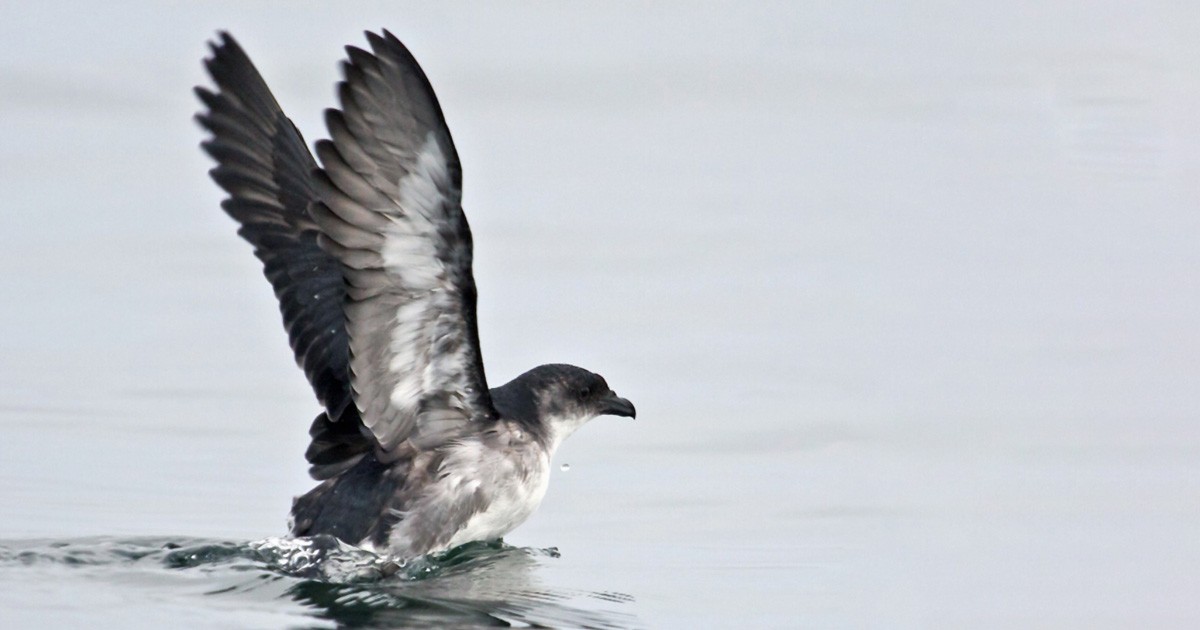
Several of the island species included in the Phoenix 100 are already linked to landscapes and conservation initiatives where Island Conservation and Re:wild work alongside local communities, governments, Indigenous Peoples, and conservation partners.
Through the Island-Ocean Connection Challenge (IOCC), partners are advancing ambitious conservation efforts on islands that support species such as the Kākāpō on Rakiura/Stewart Island and the Chatham Island Taiko in Aotearoa New Zealand. In the Marquesas Islands of French Polynesia, efforts are helping secure a future for the critically endangered Fatu Hiva Monarch. And through our work with partners and communities in the Galápagos, island restoration continues to create opportunities for unique wildlife, including species highlighted by the Phoenix Species Project such as the Galápagos Petrel, Pink Iguana, and Fernandina Giant Tortoise.
These examples illustrate an important truth at the heart of the Phoenix Species Project: we already know many of the actions needed to recover species. The challenge now is mobilizing the long-term commitment, resources, and partnerships necessary to scale those solutions and help more species return from the brink.
Many of these species face the same challenges that have driven biodiversity loss on islands around the world: invasive species, habitat degradation, and the growing impacts of climate change.
The encouraging news is that island restoration works.
Across the globe, removing invasive species, restoring ecosystems, and supporting local stewardship have helped create the conditions needed for native wildlife to rebound. These proven approaches are helping seabirds return to nesting islands, reptiles recover from the brink of extinction, and entire ecosystems regain resilience.
This is one reason Island Conservation is proud to collaborate with partners such as Re:wild through initiatives including the IOCC, which recognizes the vital role islands play in protecting biodiversity, supporting ocean health, and building climate resilience. Together, we are working to create the conditions for species not merely to survive, but to recover and thrive in their native habitats for generations to come.
The Phoenix Species Project arrives at a pivotal moment for global biodiversity. By investing in species recovery at the scale and duration required for success, the initiative offers hope for wildlife that might otherwise be lost forever.
For many of the Phoenix Species that live on islands, recovery will depend on the same principle that guides our work every day: protecting and restoring the islands they call home.
Together, we can ensure that these extraordinary species remain part of our world for generations to come.
There’s more than one way to make an impact. Join our collective of dedicated supporters by donating today or signing up for our newsletter to stay informed.
Check out other journal entries we think you might be interested in.

September 9, 2026
El Niño doesn't create weak ecosystems; it reveals them. Find out how resilient islands can survive and bounce back from stress caused by El Niño!

August 25, 2026
A new study reveals the role fungi play in the restoration and recovery of rare, resilient atoll ecosystems!
August 4, 2026
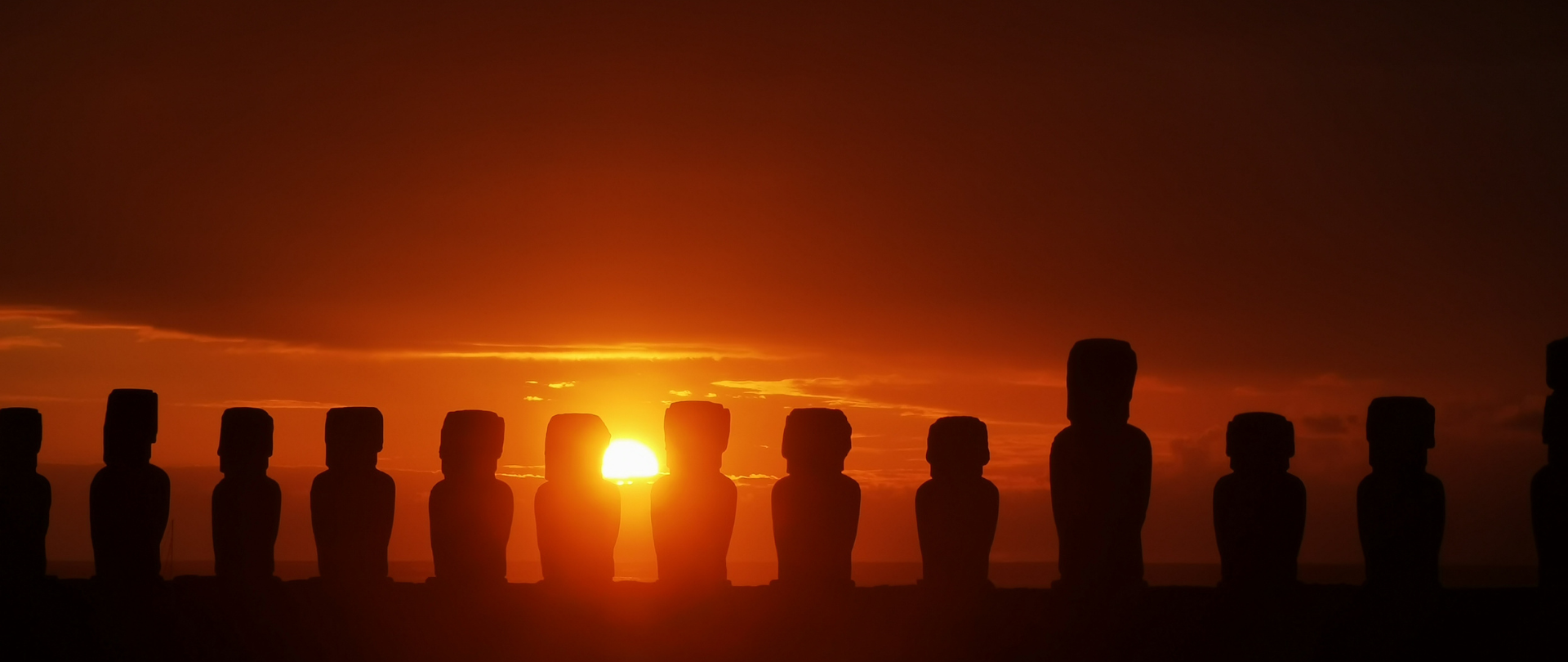
Indigenous-led conservation takes a leap forward with Rapa Nui (Easter Island)'s new partnership with Island Conservation!

July 31, 2026
We interviewed artist Laura Shape to learn about the luminous abstracts she creates from leather sourced from invasive species!

July 28, 2026
Happy World Nature Conservation Day! Read Penny Becker's article published by the Outreach Network for Gene Drive Research.
July 2, 2026
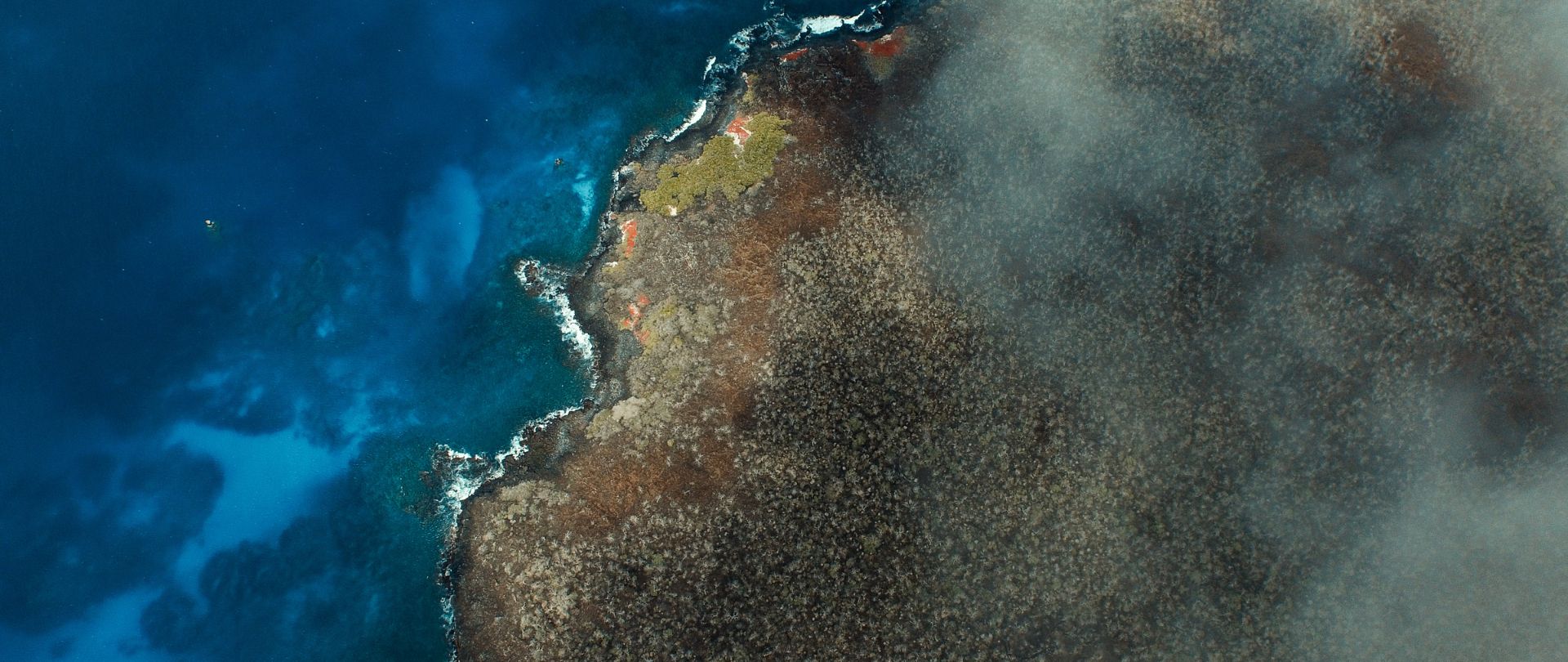
Invasive species have caused over $12 billion in damages to island ecosystems, creating an urgent need for strengthened biosecurity measures!

June 2, 2026
A new study argues that Hawaiian waterbird extinctions were driven by surprising non-human factors!
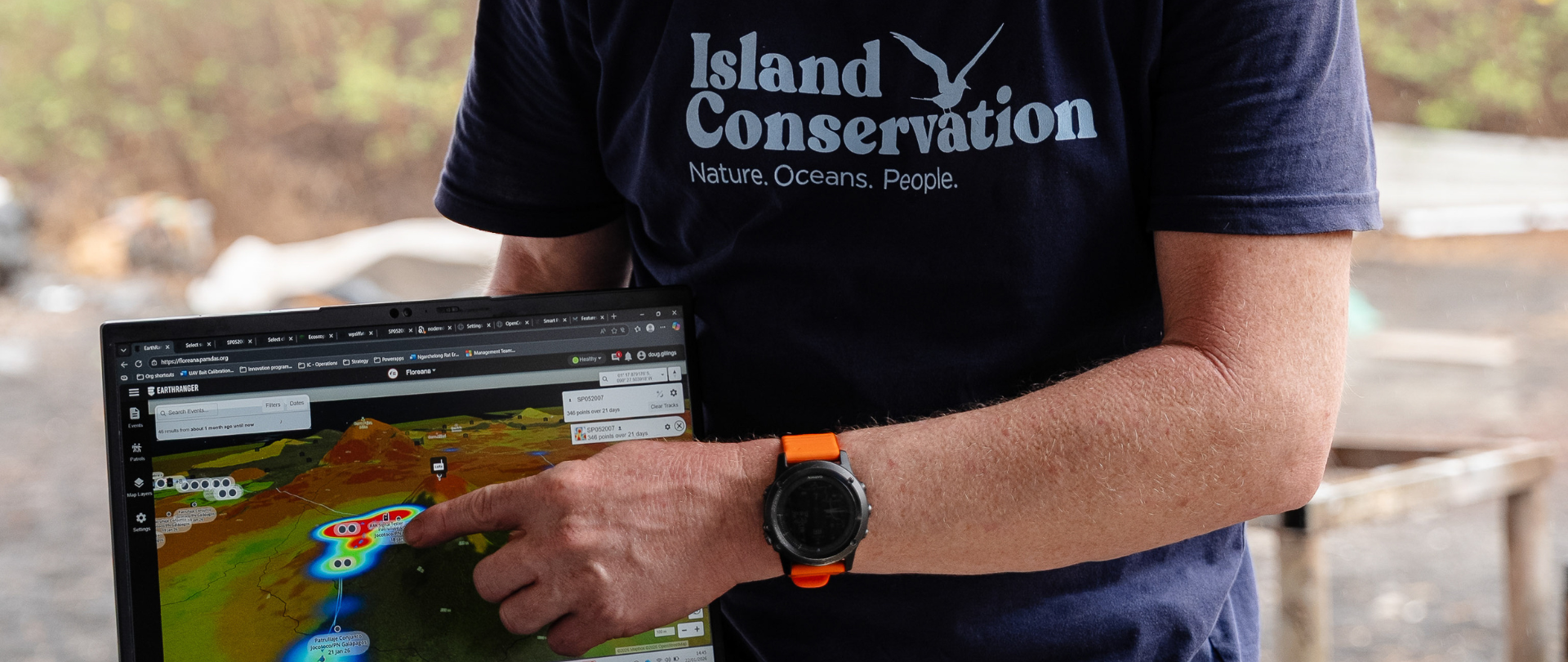
May 5, 2026
Thrilling new tech brings conservation solutions to a remote island in the Galápagos!

April 22, 2026
Happy Earth Day! Watch our beautiful Global Impact Video and feel inspired by the power of islands to garner hope for the planet.
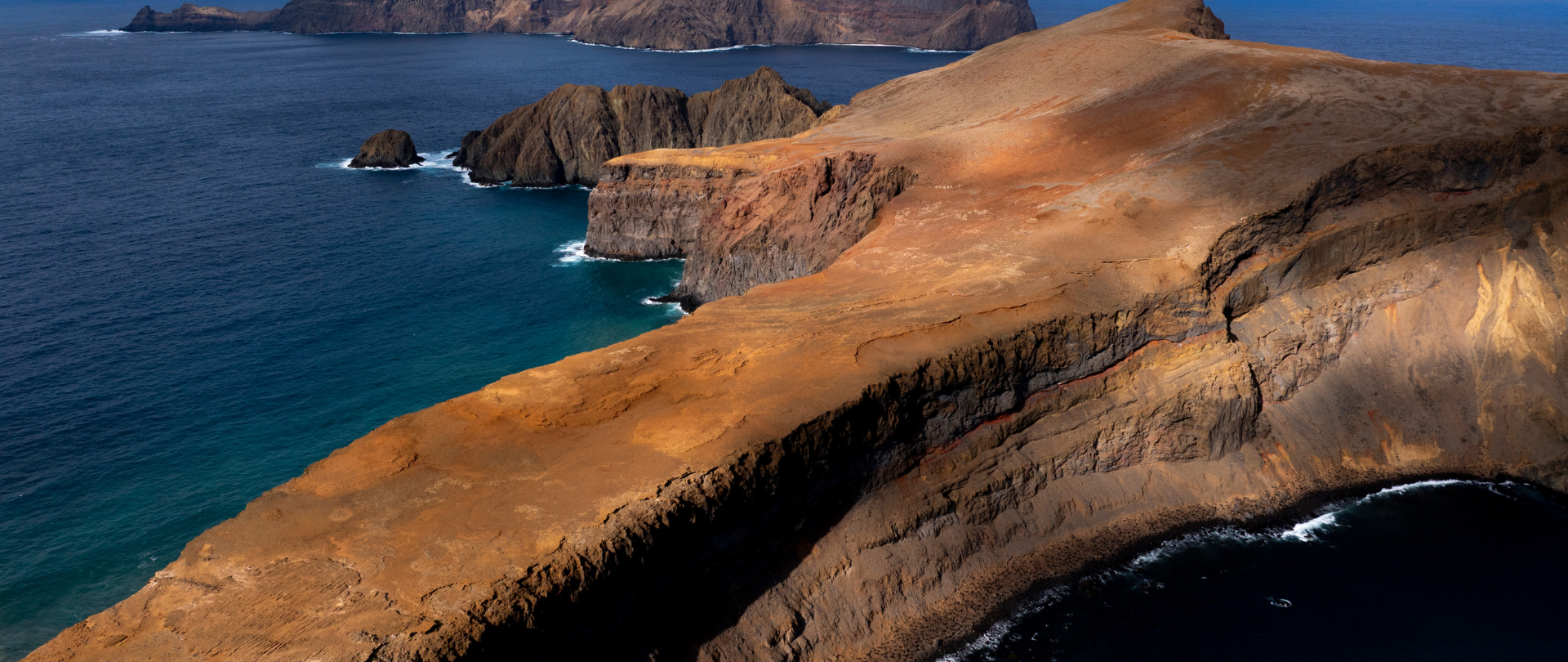
March 10, 2026
The Juan Fernández Archipelago is part of a new Marine Protected Area that protects the highest concentration of marine species found nowhere else on Earth!