September 17, 2026
Island Conservation and Robinson Crusoe Island, Chile: Growing Hope Together
On the island of Robinson Crusoe in Chile, a greenhouse feeds both a community and an islander-led conservation movement!
 Island Conservation
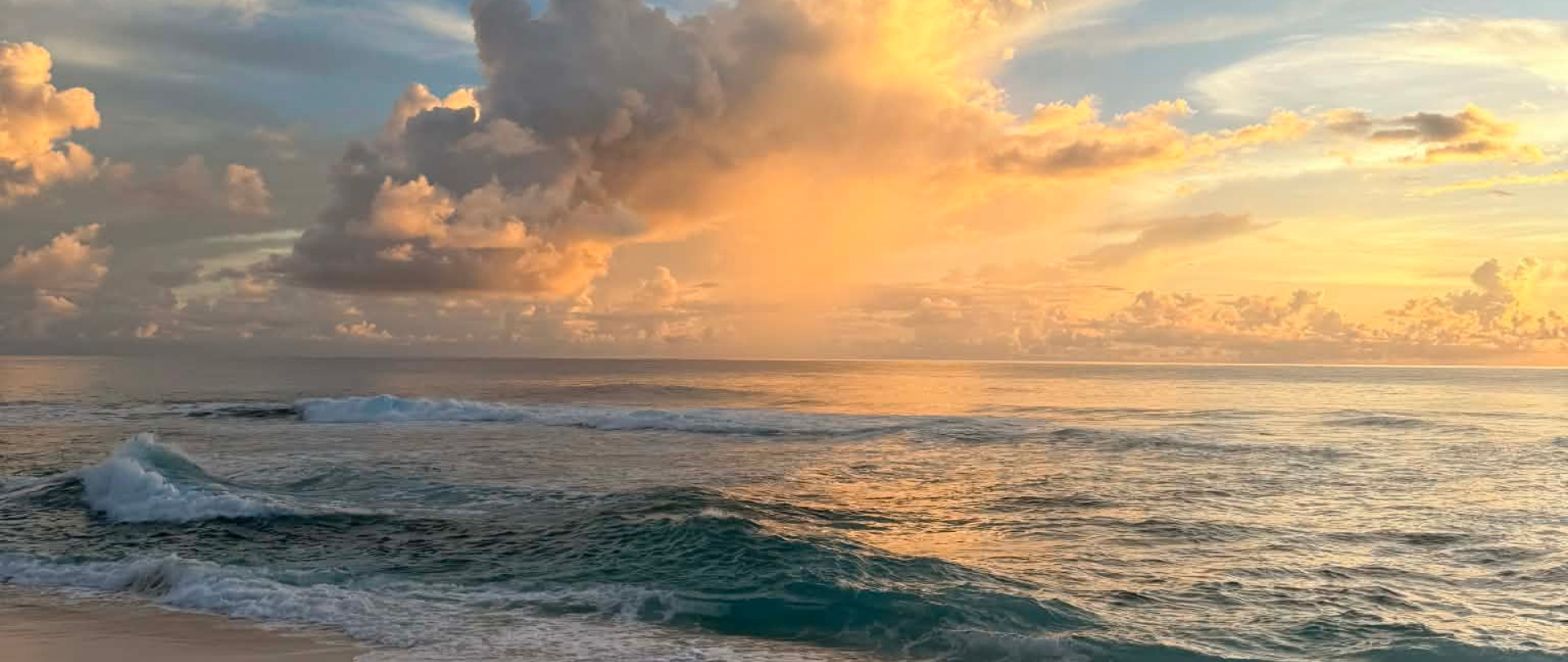
Funafuti, Tuvalu: Niulakita Island, home to approximately 40 people, aims to permanently improve its ecological and community health and restore the island’s natural ecosystems and food resources by removing invasive rats. In early March, the Niulakita community welcomed teams from Island Conservation and the Tuvalu Department of Environment with a traditional feast and introductions. The community strongly supports the initiative, which will improve their livelihoods and the wellbeing of their island.
Project staff and local partners have worked closely with Niulakita residents over the course of several weeks, conducting household interviews, community discussions, and presentations at the local school. Niulakita’s main local export, coconut syrup or “toddy,” is threatened by invasive rodents. The rodents also prey on seabirds and land crabs, which are important food sources for the community. Seabirds are also vital parts of the island’s ecosystem, bringing nutrients to the soil and enriching the nearby marine ecosystem when those nutrients run off into the reef. The ecological benefits Niulakita expects to see from this project will also improve the island’s climate resilience, with healthier plants preventing erosion with healthy root systems and stronger reefs protecting the shore from extreme weather.
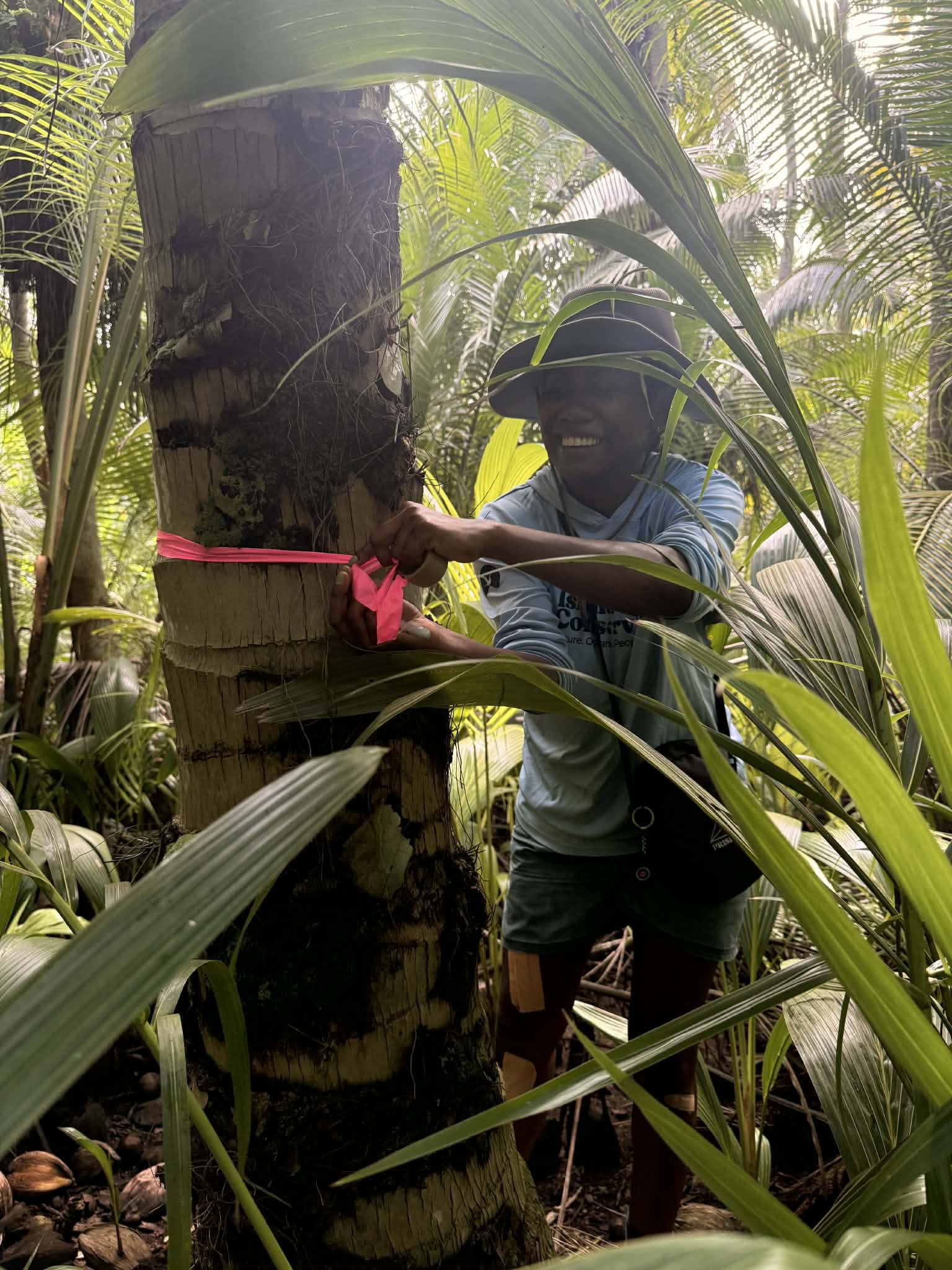
Several key logistical preparations are already underway, including the construction of a community chicken coop and the conversion of a building near the shore into a biosecurity inspection area. The entirety of Niulakita’s community is involved.
To help measure the ecological recovery of the island after the eradication, the team is also collecting baseline environmental data. This includes monitoring seabirds, land crabs, vegetation, and rodent activity through field surveys, camera traps, and biological sampling. This data will help measure how the initiative contributes to Tuvalu’s broader efforts to strengthen biodiversity conservation and climate resilience across its islands.
The project is being led by the Tuvalu Department of Environment with technical support from Island Conservation and support from the Pacific Regional Invasive Species Management Support Service (PRISMSS) through the Predator Free Pacific programme. Specifically, it is part of the PRISMSS Restoring Island Resilience programme, funded by the New Zealand Ministry of Foreign Affairs and Trade and the Global Environment Facility through the GEF-6 Regional Invasives Project. The programme connects Pacific Island countries with technical expertise and resources to manage invasive species and restore island ecosystems at scale.
Through strong collaboration between the Niulakita community, the Tuvalu Department of Environment, Island Conservaiton, PRISMSS, and international partners, the project aims to create a healthier and more resilient future for Niulakita Island and its people.
There’s more than one way to make an impact. Join our collective of dedicated supporters by donating today or signing up for our newsletter to stay informed.
The GEF 6 Regional Invasives Project (RIP) is funded by the Global Environment Facility, implemented by the United Nations Environment Programme, and executed by the Secretariat of the Pacific Regional Environment Programme (SPREP). The Project works primarily in the Marshall Islands, Niue, Tonga, and Tuvalu and has a regional component. Implementation of the GEF 6 RIP is supported by the Pacific Regional Invasive Species Management Support Services (PRISMSS).
For more information on the GEF 6 Regional Invasives Species Project (GEF 6 RIP), please contact the Project Manager Ms Isabell Rasch-Mulitalo, at isabellr@sprep.org
About PRISMSS: The Pacific Regional Invasive Species Management Support Service (PRISMSS) is a coordinating mechanism designed to facilitate the scaling up of operational management of invasive species in the Pacific. PRISMSS, which is led by the Secretariat of the Pacific Regional Environment Programme (SPREP) brings together experts to provide support within the Pacific region with a focus on protection of indigenous biodiversity and ecosystem function. As a service provider, PRISMSS provides a comprehensive suite of support services in a cohesive, effective, efficient, and accessible manner to Pacific Island countries and territories.
Restoring Island Resilience (RIR): The PRISMSS – Restoring Island Resilience (RIR) is a New Zealand-PRISMSS collaboration project that aims to improve Pacific Island Countries and territories livelihoods and resilience to climate change by reducing the impact of invasive species on natural and agricultural ecosystems through the six PRISMSS programmes.
PRISMSS Powered by: New Zealand Foreign Affairs & Trade, UK International Development, GEF, UNEP & SPREP
PRISMSS Partners: Birdlife International, NZ Department of Conservation, Island Conservation, Manaaki Whenua Landcare Research, National Institute of Water and Atmospheric Research, Pacific Community and SPREP
PRISMSS Programmes: Natural Enemies Natural Solutions (NENS), Predator Free Pacific (PFP), Protect Our Islands (POI), Protect Our Marine Areas (POMA), Resilient Ecosystems Resilient Communities (RERC), War On Weeds (WOWs)
About Island Conservation: Island Conservation’s mission is to restore islands for nature and people worldwide. We are a United States–based 501(c)(3) charitable organization with a globally distributed team—often made up of local islanders who bring deep knowledge and connection to the places where we work. Together, we collaborate with local communities, government management agencies, and conservation organizations to holistically restore islands by bringing back biodiversity, the foundation of all healthy ecosystems. We do this by removing a primary threat (introduced, damaging invasive species) and accelerating the return of native plants and animals. We utilize innovative technology and techniques to work more efficiently and showcase the many benefits of holistically restored islands for biodiversity, climate resilience, ocean health, and sustainable development across the globe.
Check out other journal entries we think you might be interested in.
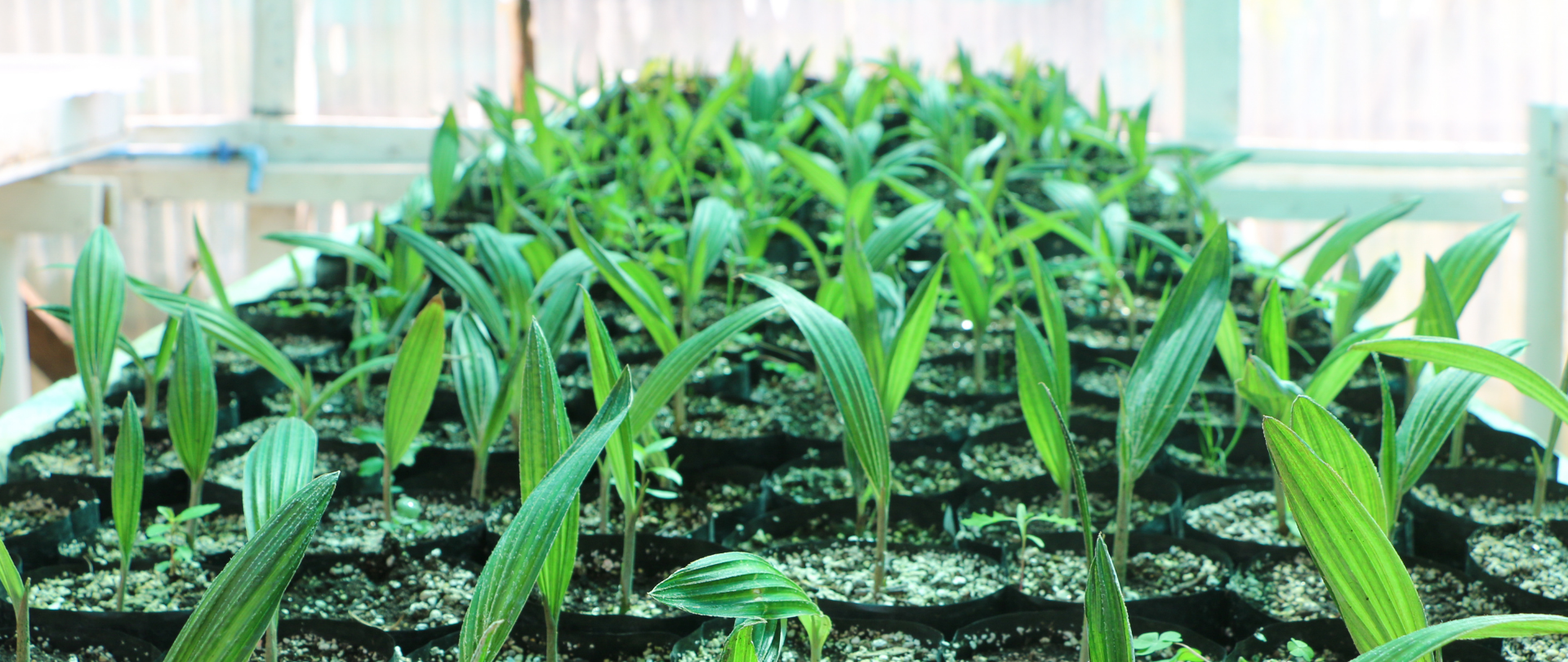
September 17, 2026
On the island of Robinson Crusoe in Chile, a greenhouse feeds both a community and an islander-led conservation movement!
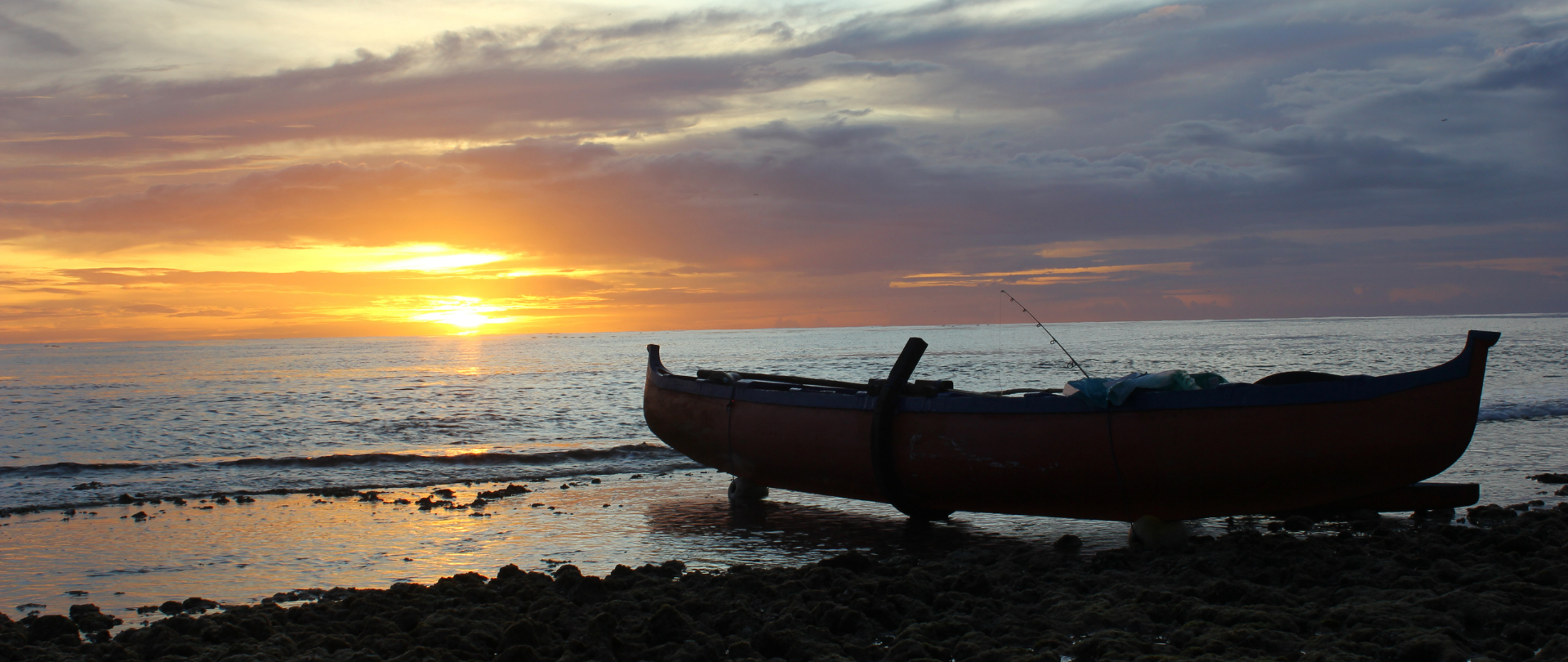
September 1, 2026
Linden Brown shares the incredible things he saw and experienced while working to restore islands in Sonsorol State, Palau!
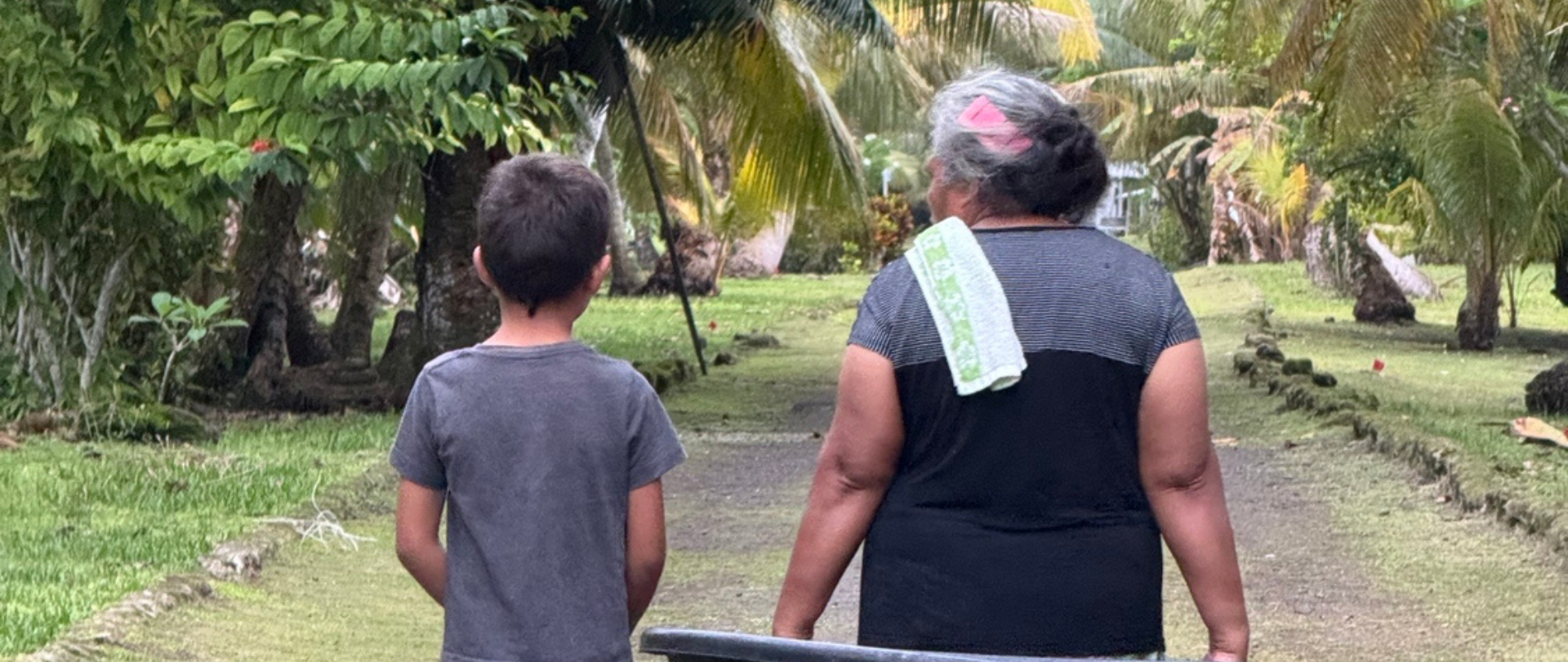
August 18, 2026
Meet Evelyn, one of the people who holds the wisdom of Sonsorol State, Palau in her lived experiences and stories.
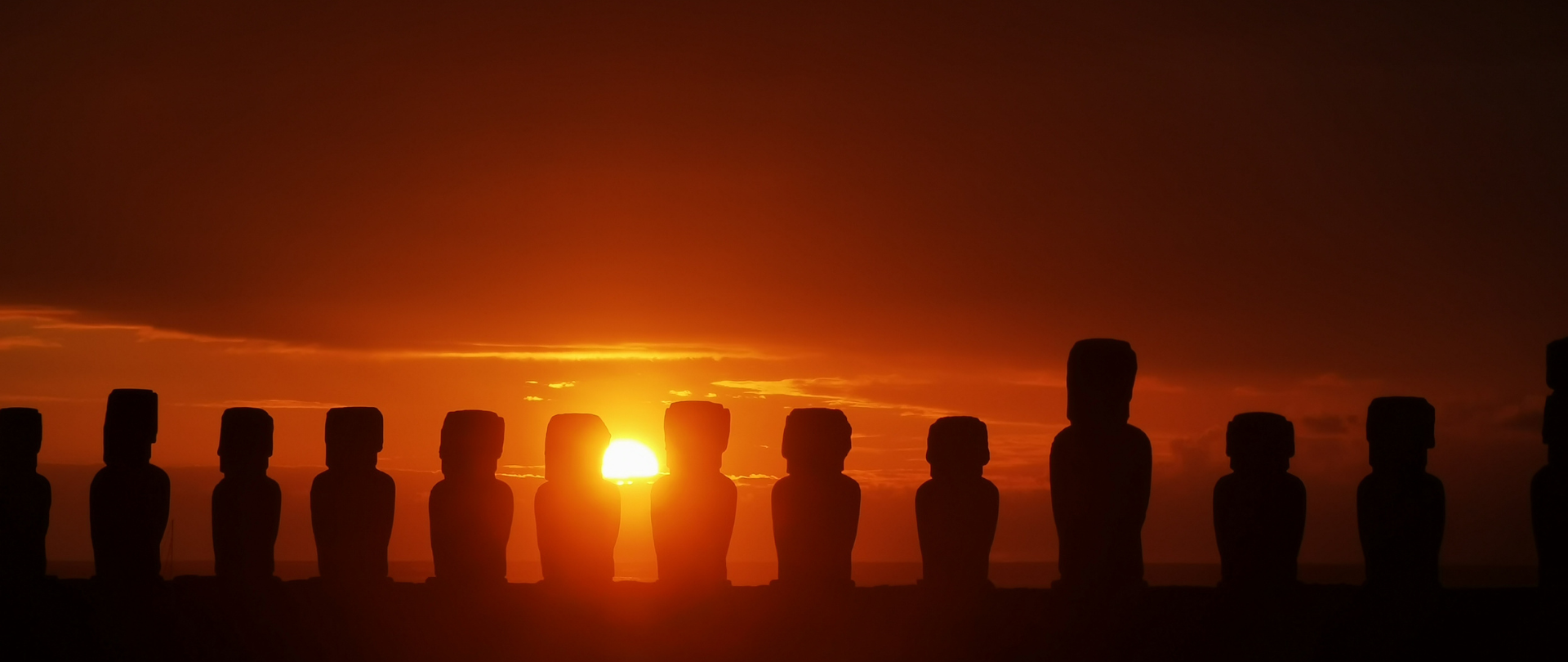
August 4, 2026
Indigenous-led conservation takes a leap forward with Rapa Nui (Easter Island)'s new partnership with Island Conservation!
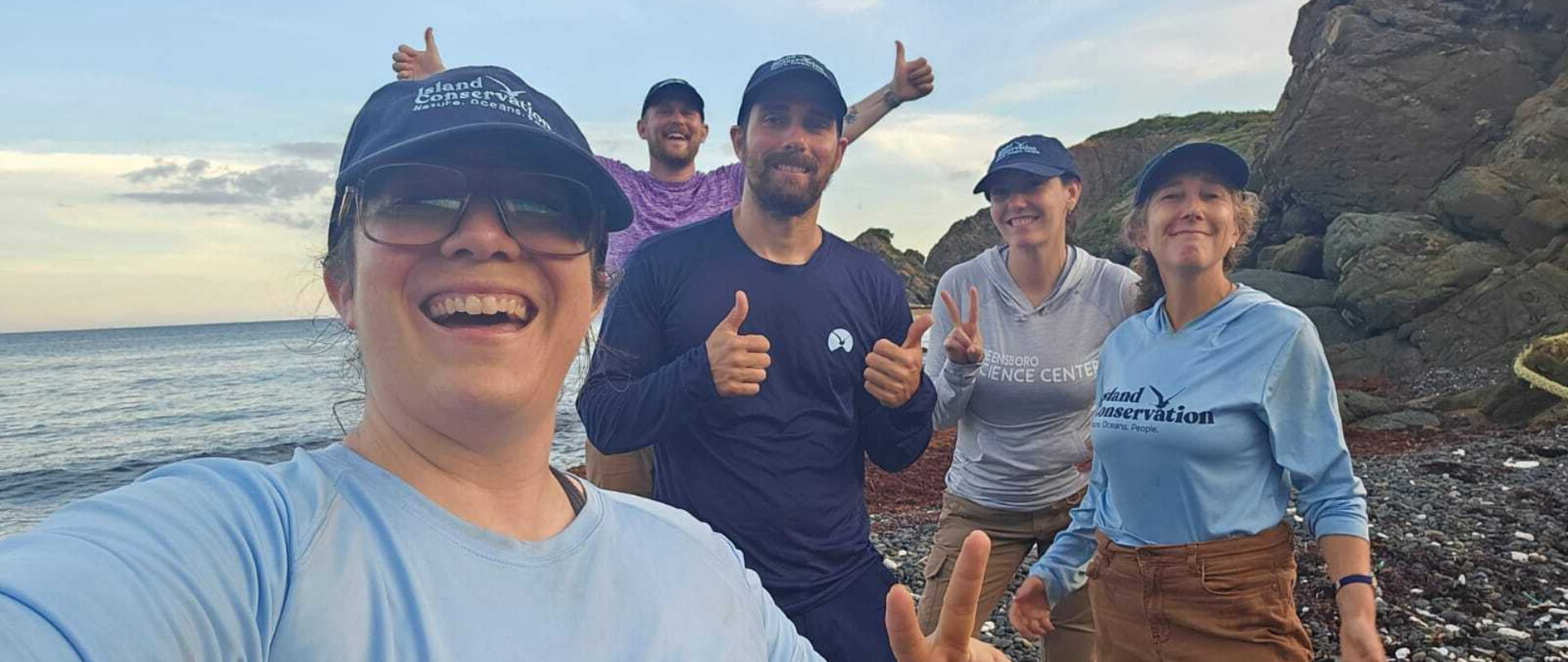
July 9, 2026
Senior Major Gifts Officer Jen Sachs shares her experience on one of Island Conservation's exciting restoration projects in the US Virgin Islands!
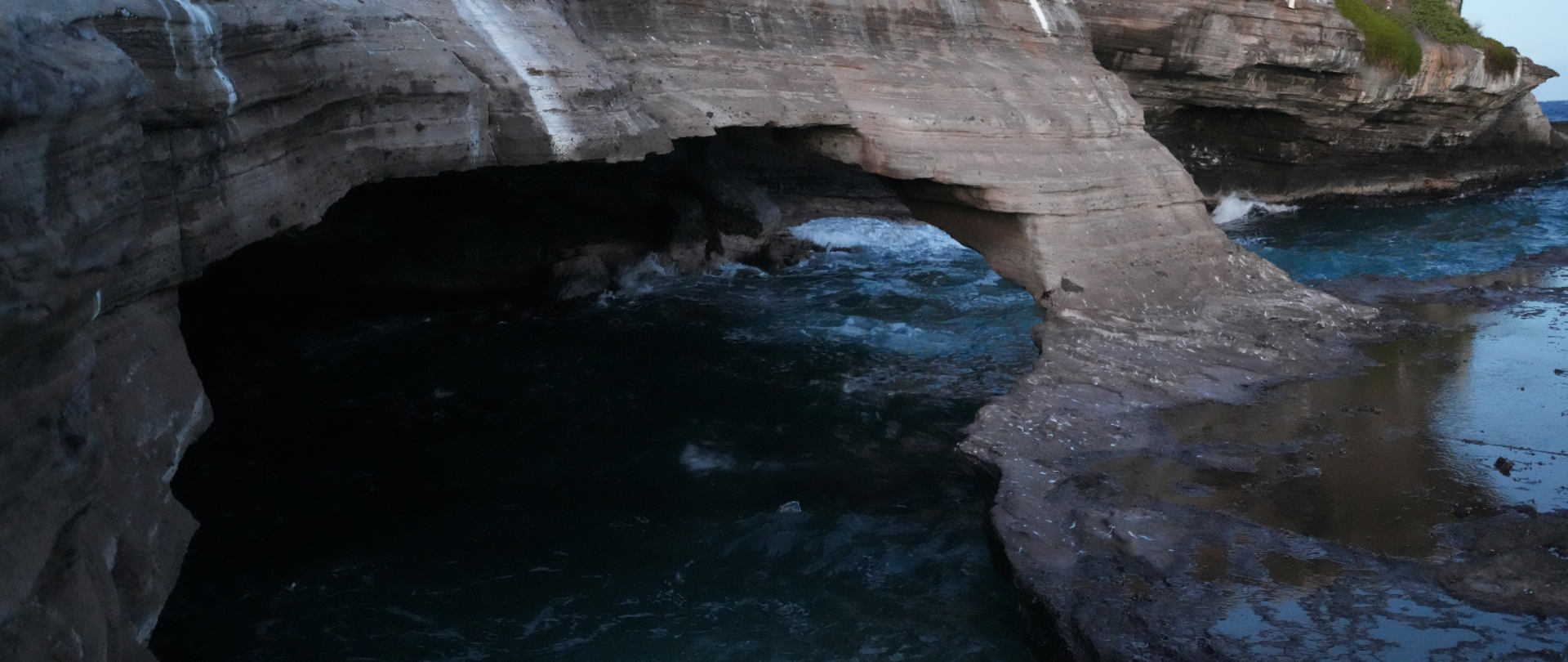
June 23, 2026
The Island-Ocean Connection Challenge announced four new restoration projects—Lehua, Tavolara, Grand Rouveau, and Zembra—at London Climate Week, expanding its global effort to restore 40 island-ocean ecosystems by 2030!
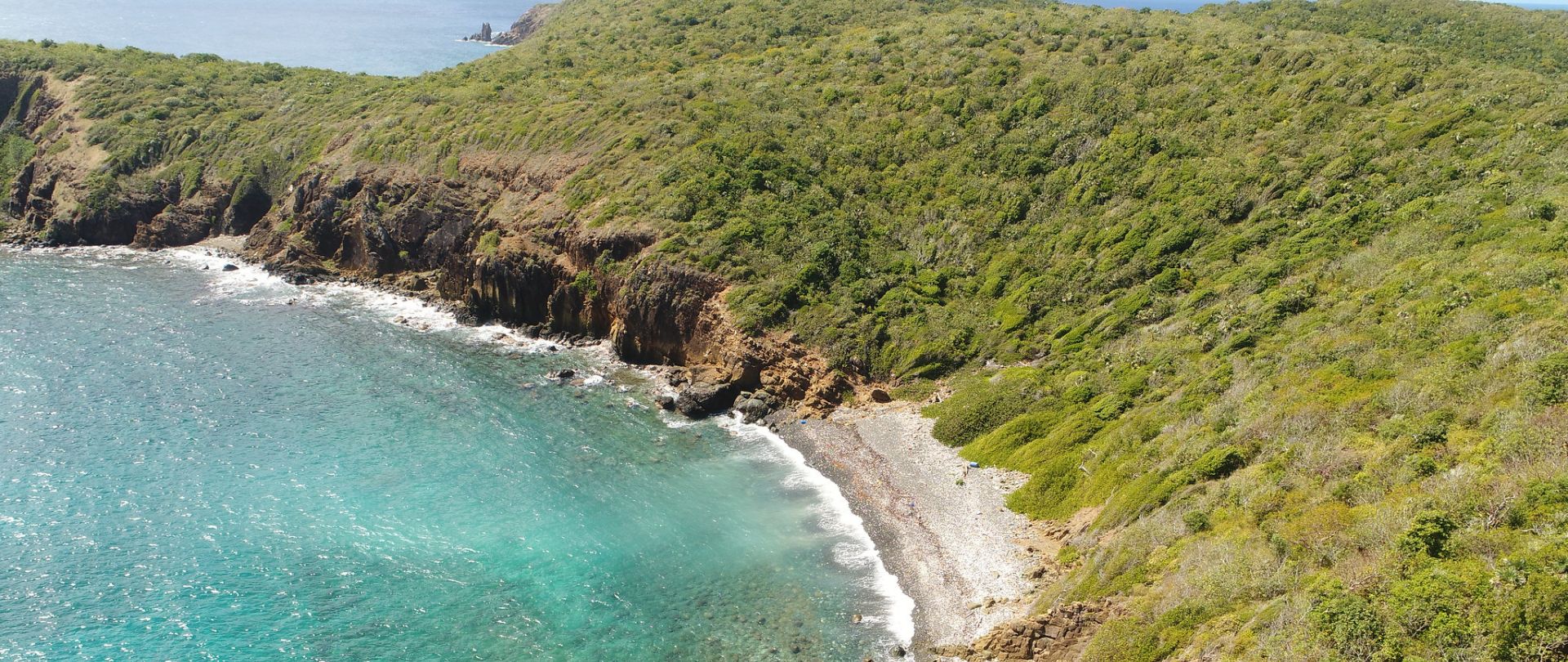
June 18, 2026
A new project to expand the range of an endangered Tree Boa is one step closer to completion!
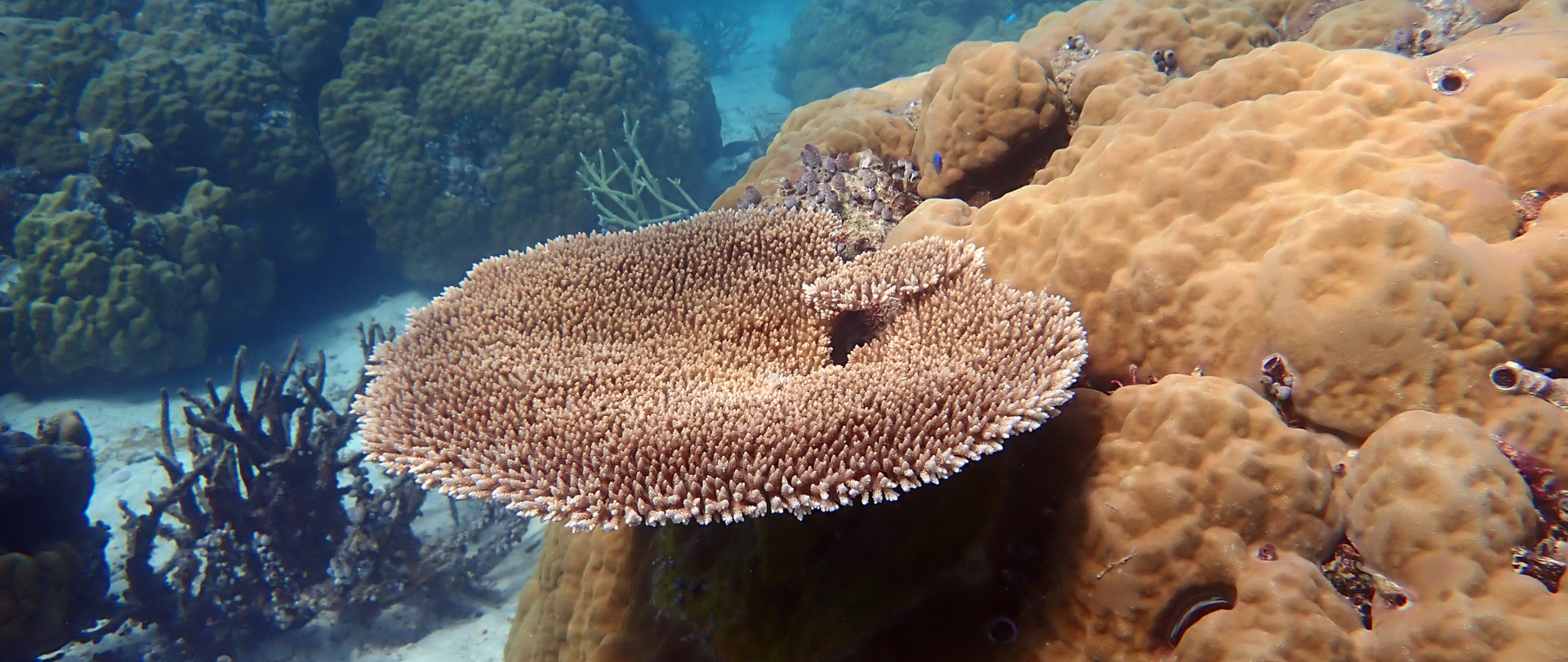
June 8, 2026
A world-first controlled experiment shows connection between seabird activity and marine health on Ulong Island!
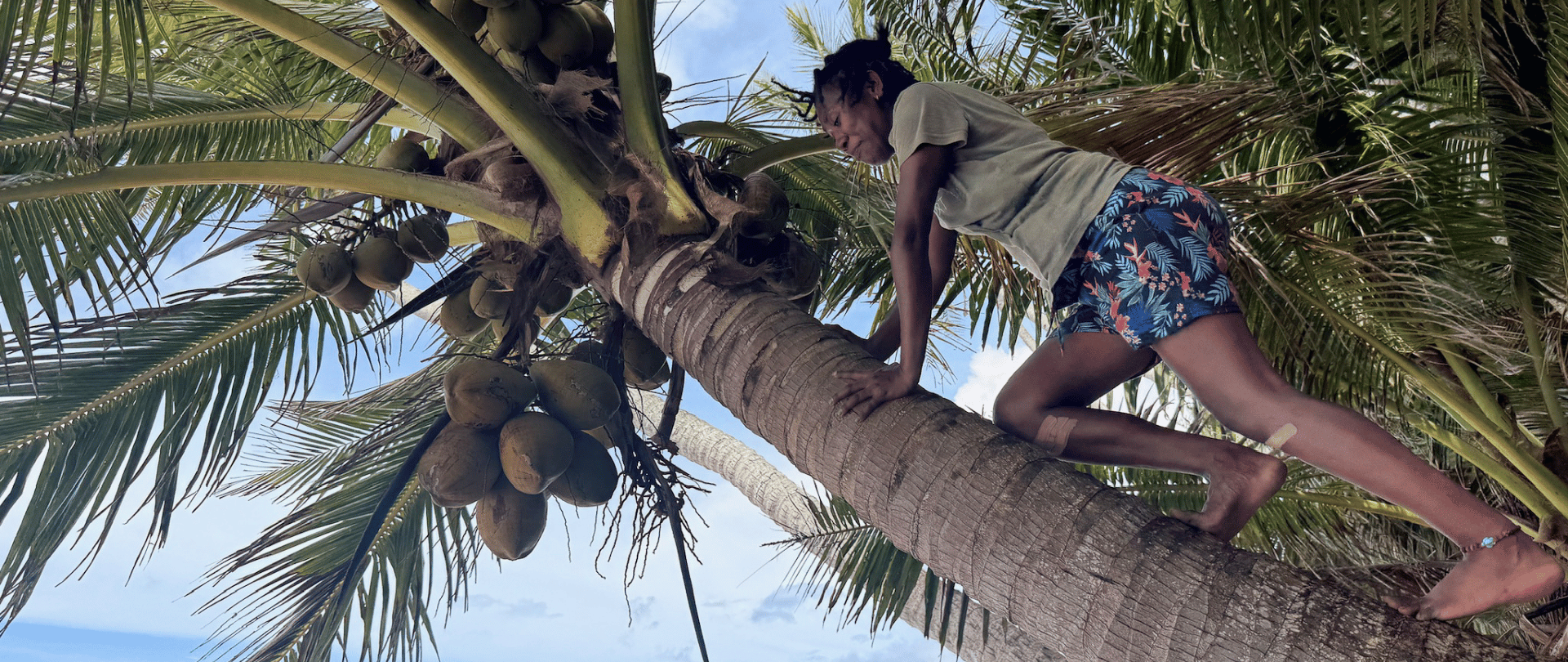
May 20, 2026
Seasonal Monitoring Specialist Cozette Romero writes about her time working and living on Niulakita in Tuvalu, helping protect the food security and livelihood of an island community!
May 13, 2026
A new project in Sonsorol State, Palau aims to improve livelihoods and climate resilience through holistic environmental restoration!