September 17, 2026
Island Conservation and Robinson Crusoe Island, Chile: Growing Hope Together
On the island of Robinson Crusoe in Chile, a greenhouse feeds both a community and an islander-led conservation movement!
 Island Conservation
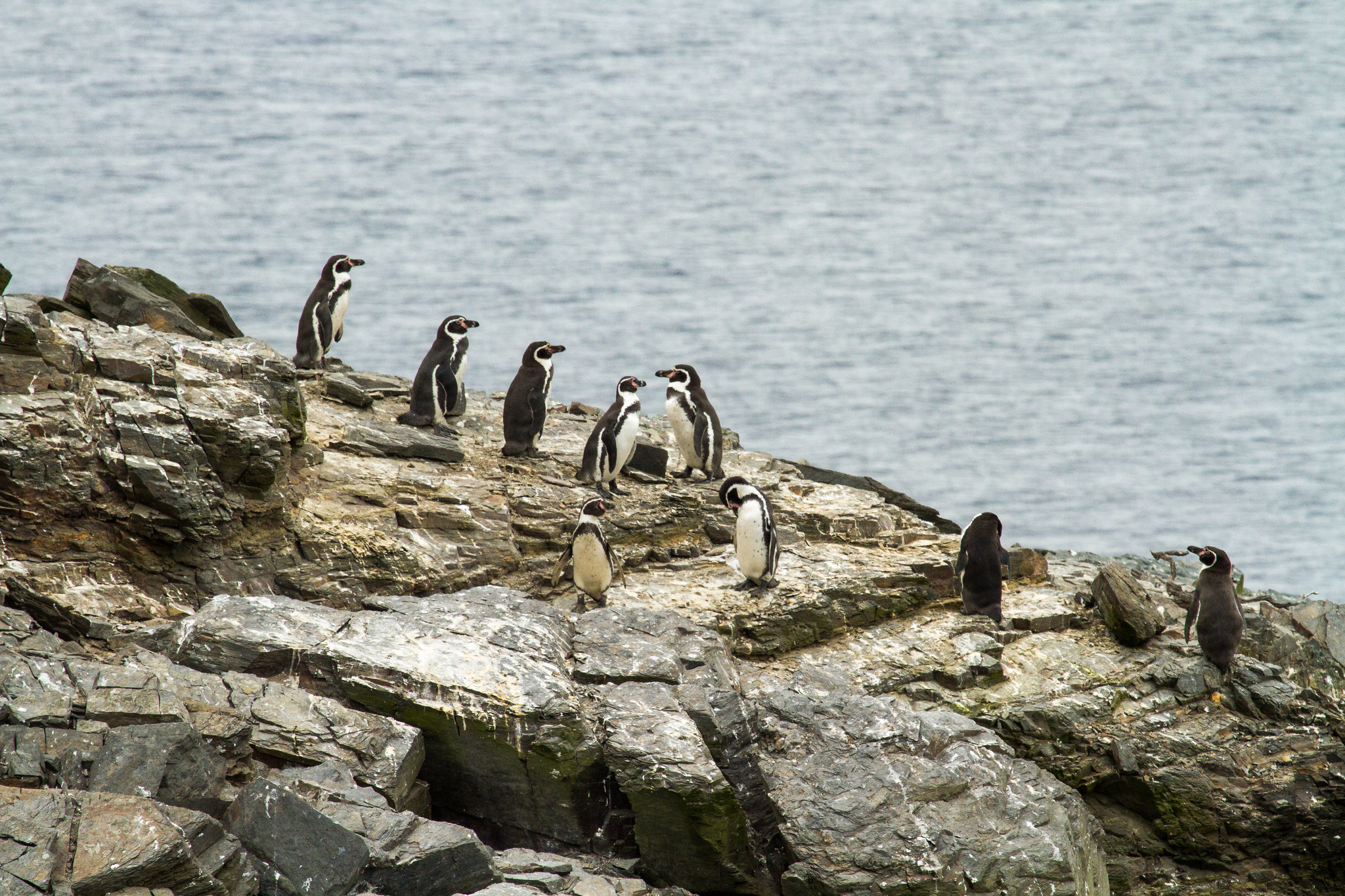
Off the coast of central Chile, two small rocky islands—Isla Huevos (about 9 hectares) and Isla Cachagua (about 5 hectares)—rise from the cool, nutrient‑rich waters of the Humboldt Current, one of the most productive marine systems on Earth. Though modest in size, these islands play an outsized role in supporting seabirds, coastal ecosystems, and the species that depend on healthy land‑sea connections.
Today, we’re preparing exciting restoration work on both Chilean islands to help protect native wildlife—especially the Humboldt Penguin, a beloved symbol for ocean conservation which was recently designated as Endangered. These efforts build on Chile’s broader vision to safeguard biodiversity and strengthen resilient coastal ecosystems—and on Island Conservation’s continued mission to safeguard vital ecosystems in the Humboldt Current, which flows north along the western coast of South America from Chile to Ecuador.
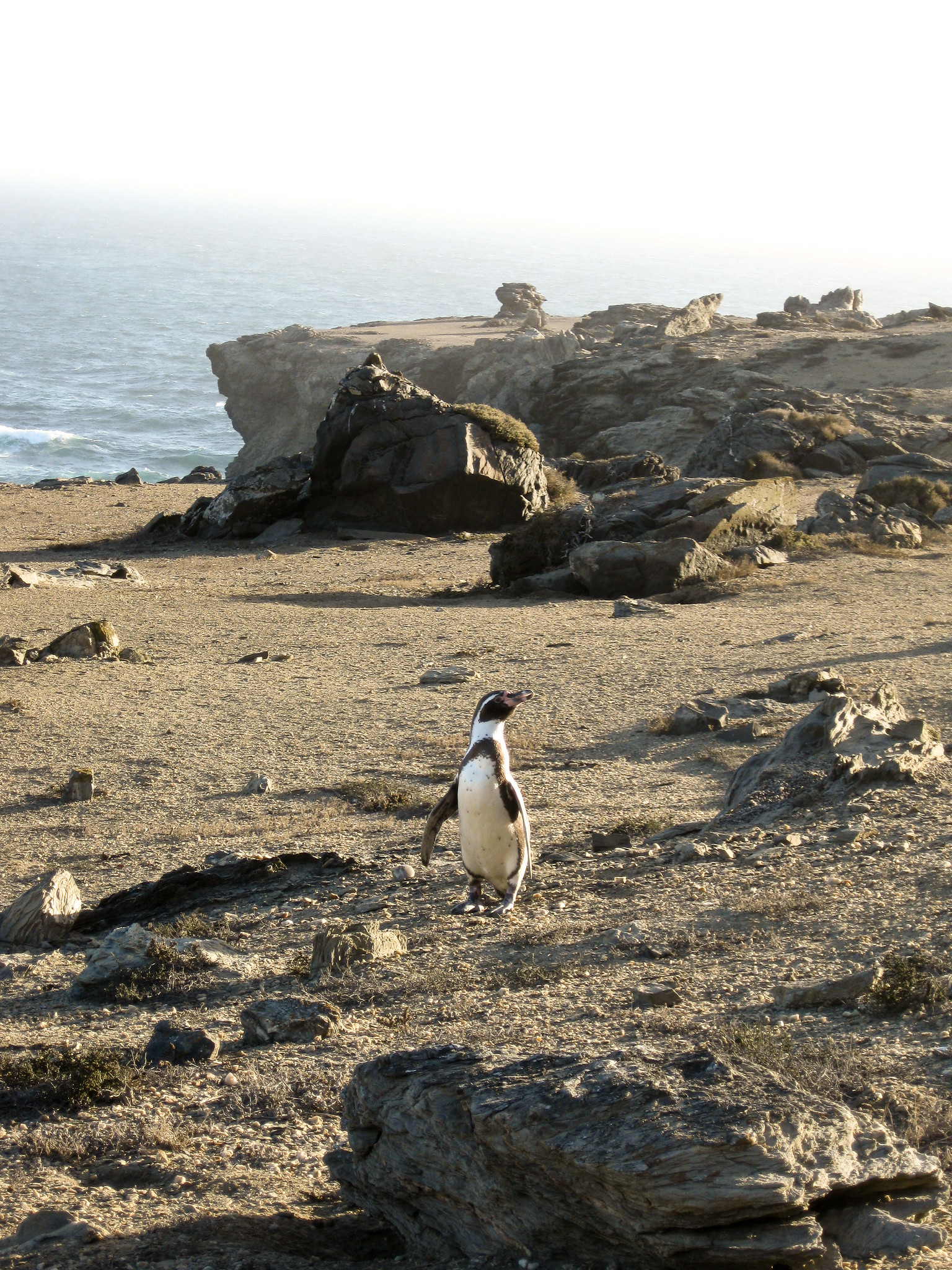
Off the coast of central Chile, two small rocky islands—Isla Huevos (about 9 hectares) and Isla Cachagua (about 5 hectares)—rise from the cool, nutrient‑rich waters of the Humboldt Current, one of the most productive marine systems on Earth. Though modest in size, these islands play an outsized role in supporting seabirds, coastal ecosystems, and the species that depend on healthy land‑sea connections.
Today, we’re preparing exciting restoration work on both Chilean islands to help protect native wildlife—especially the Humboldt Penguin, a beloved symbol for ocean conservation which was recently designated as Endangered. These efforts build on Chile’s broader vision to safeguard biodiversity and strengthen resilient coastal ecosystems—and on Island Conservation’s continued mission to safeguard vital ecosystems in the Humboldt Current, which flows north along the western coast of South America from Chile to Ecuador.
Cachagua, a designated Natural Monument and managed by Chile’s National Forest Corporation (CONAF,) holds one of Chile’s most significant Humboldt penguin nesting colonies. Its proximity to shore and iconic wildlife make it a place of national pride and a focal point for long‑term conservation commitments.
A small, rugged island shaped entirely by the Humboldt Current, Huevos also supports breeding seabirds and provides ecological stepping‑stones along Chile’s central coast. Its open, rocky terrain makes every successful nest meaningful for maintaining regional seabird populations.
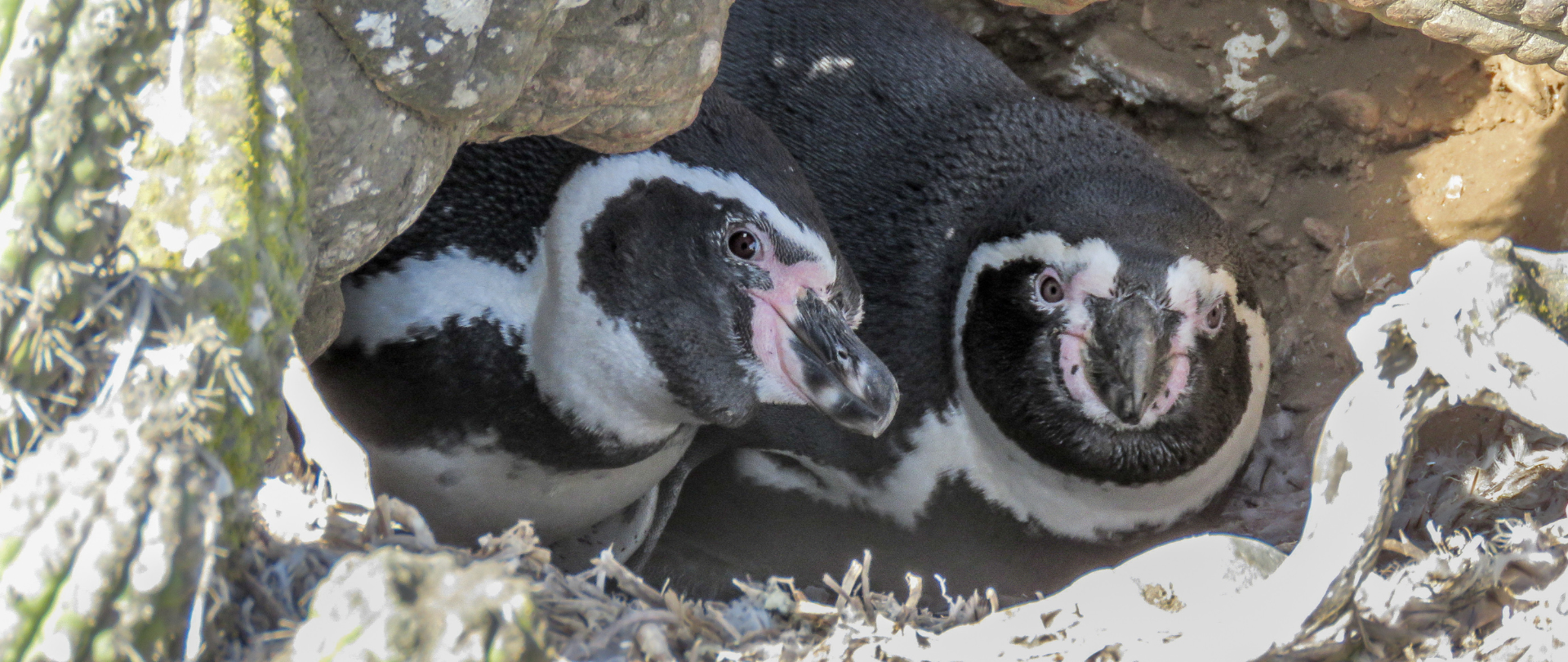
Despite their rugged and mostly barren appearance, Huevos and Cachagua are key to the network of islands that provides extraordinary marine productivity in the Humboldt Current. Their rocky outcrops offer refuge for species that depend on predator‑free spaces to breed and raise their young.
These birds then move nutrients from ocean to island through their guano, enriching soils and helping surrounding marine ecosystems thrive. Healthy seabird populations can increase near‑shore fish biomass and boost reef resilience—benefits that extend well beyond the islands themselves. Restoring Huevos and Cachagua will enhance the whole web of life that radiates outward from the islands.
Both Huevos and Cachagua face pressures from introduced, damaging invasive species, which have reduced nesting success for native birds and disrupted ecological processes. Removing invasive threats allows seabirds—especially burrow‑nesting species like the Humboldt penguin—to raise their chicks without disturbance. Removing invasive species from islands is often something conservationists only have to do one time, but it produces transformative results for decades. Worldwide, more than 1,000 successful restorations have shown how quickly nature rebounds when pressures are removed.
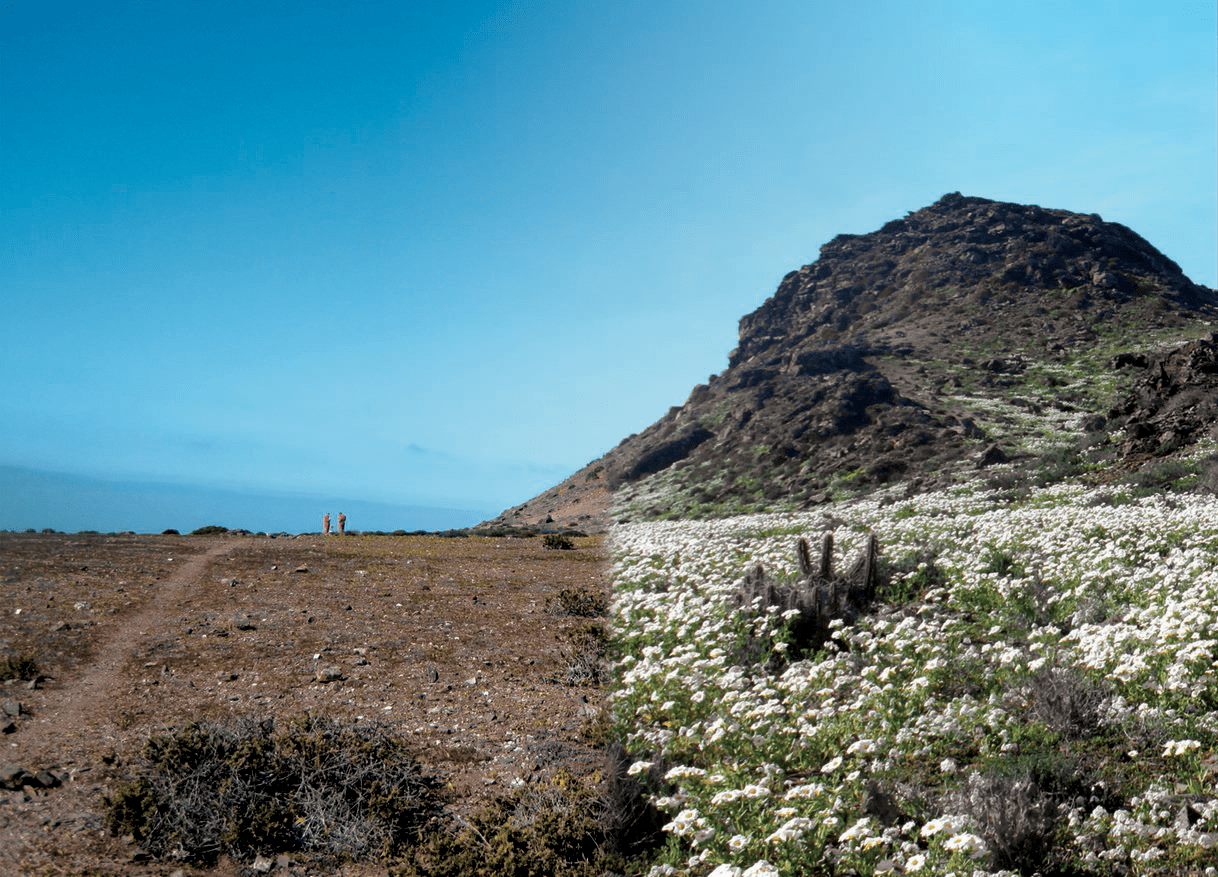
One such island is nearby Choros, another Humboldt Current island where Island conservation worked with CONAF to remove invasive species in 2013. Since then, the island has seen a dramatic transformation: once-Endangered Peruvian Diving Petrels have been nesting so successfully there that they are now classified as Near Threatened. Native vegetation is flourishing, birds are breeding, and the broken links in the ecosystem’s chain of nutrients are slowly being repaired one by one. On these islands of Choros and Chañaral, this work created Chile’s first Protected Area free from invasive mammals!
For Huevos and Cachagua, the future holds the same promise: thriving wildlife, strengthened ecosystems, and a renewed home for the Humboldt penguin—Chile’s celebrated national icon.
There’s more than one way to make an impact. Join our collective of dedicated supporters by donating today or signing up for our newsletter to stay informed.
Check out other journal entries we think you might be interested in.
September 17, 2026
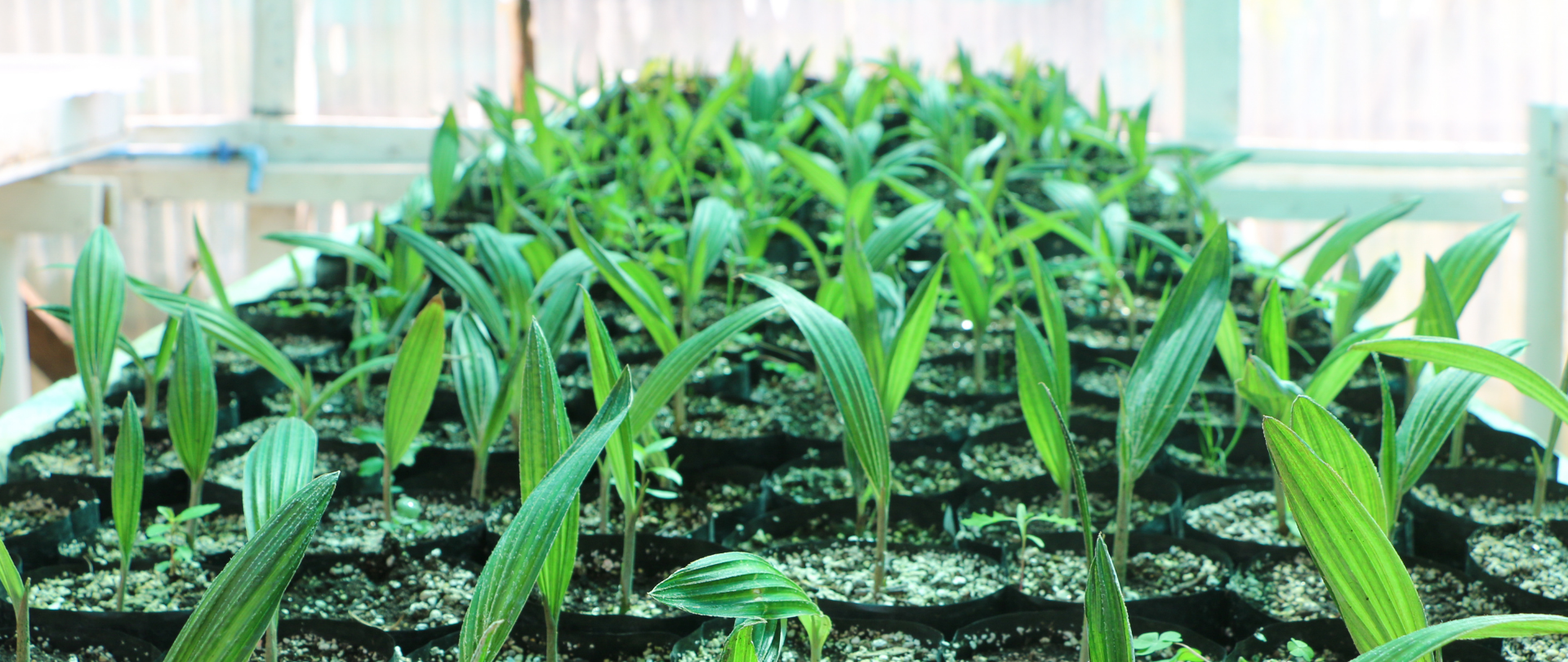
On the island of Robinson Crusoe in Chile, a greenhouse feeds both a community and an islander-led conservation movement!
September 1, 2026
Linden Brown shares the incredible things he saw and experienced while working to restore islands in Sonsorol State, Palau!
August 18, 2026
Meet Evelyn, one of the people who holds the wisdom of Sonsorol State, Palau in her lived experiences and stories.
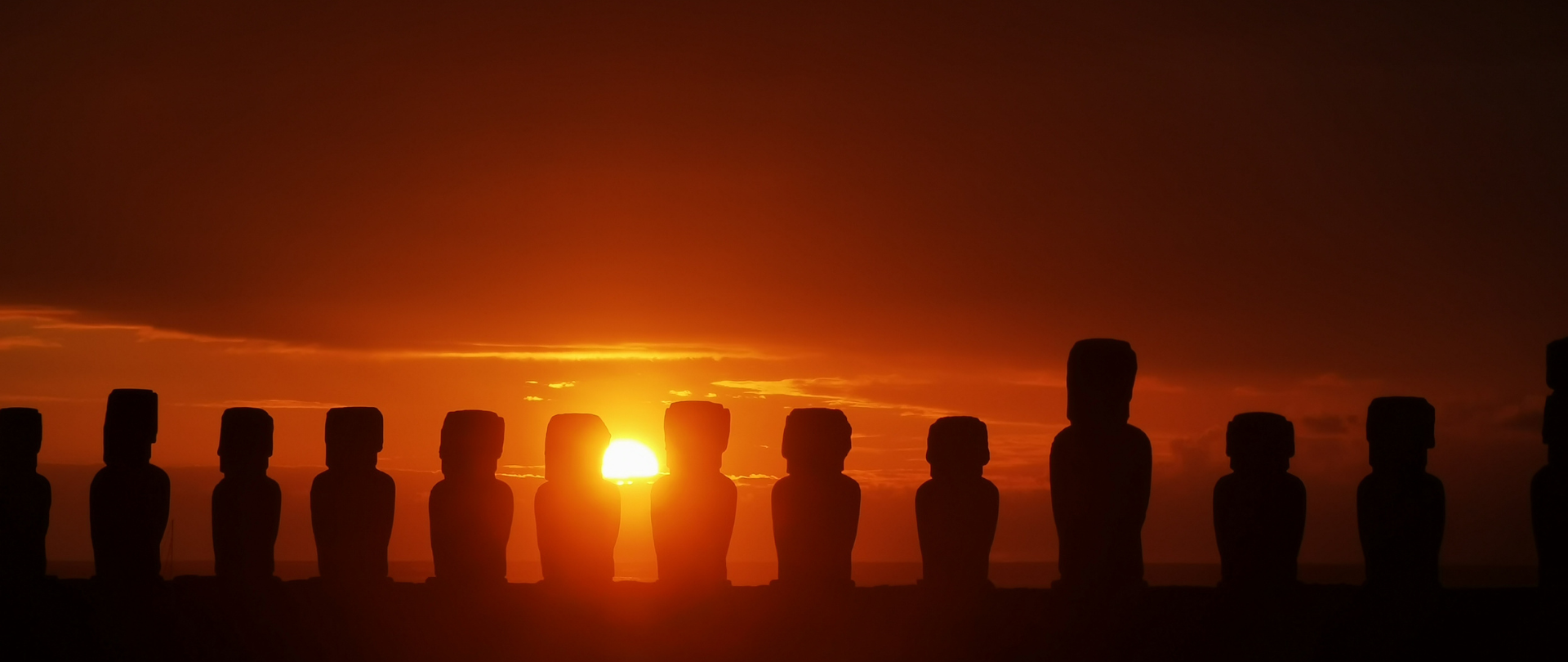
August 4, 2026
Indigenous-led conservation takes a leap forward with Rapa Nui (Easter Island)'s new partnership with Island Conservation!
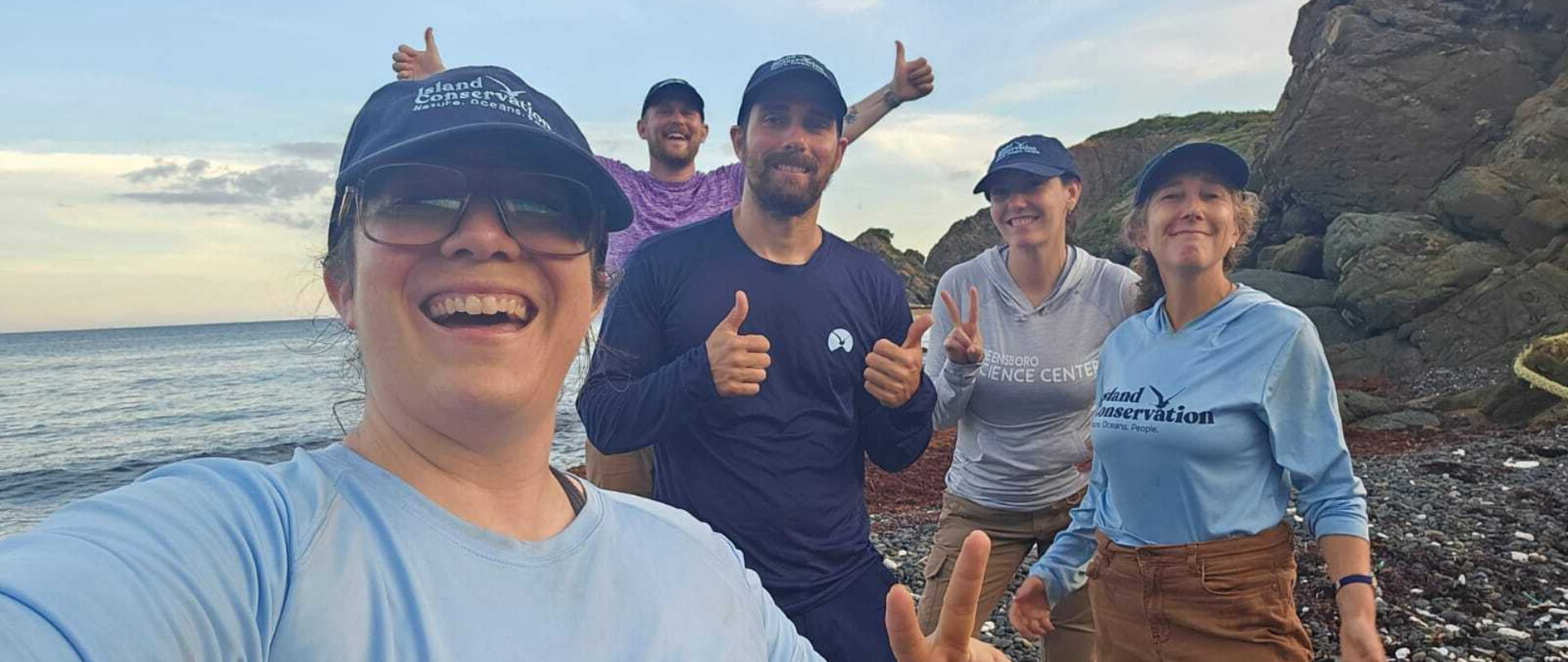
July 9, 2026
Senior Major Gifts Officer Jen Sachs shares her experience on one of Island Conservation's exciting restoration projects in the US Virgin Islands!
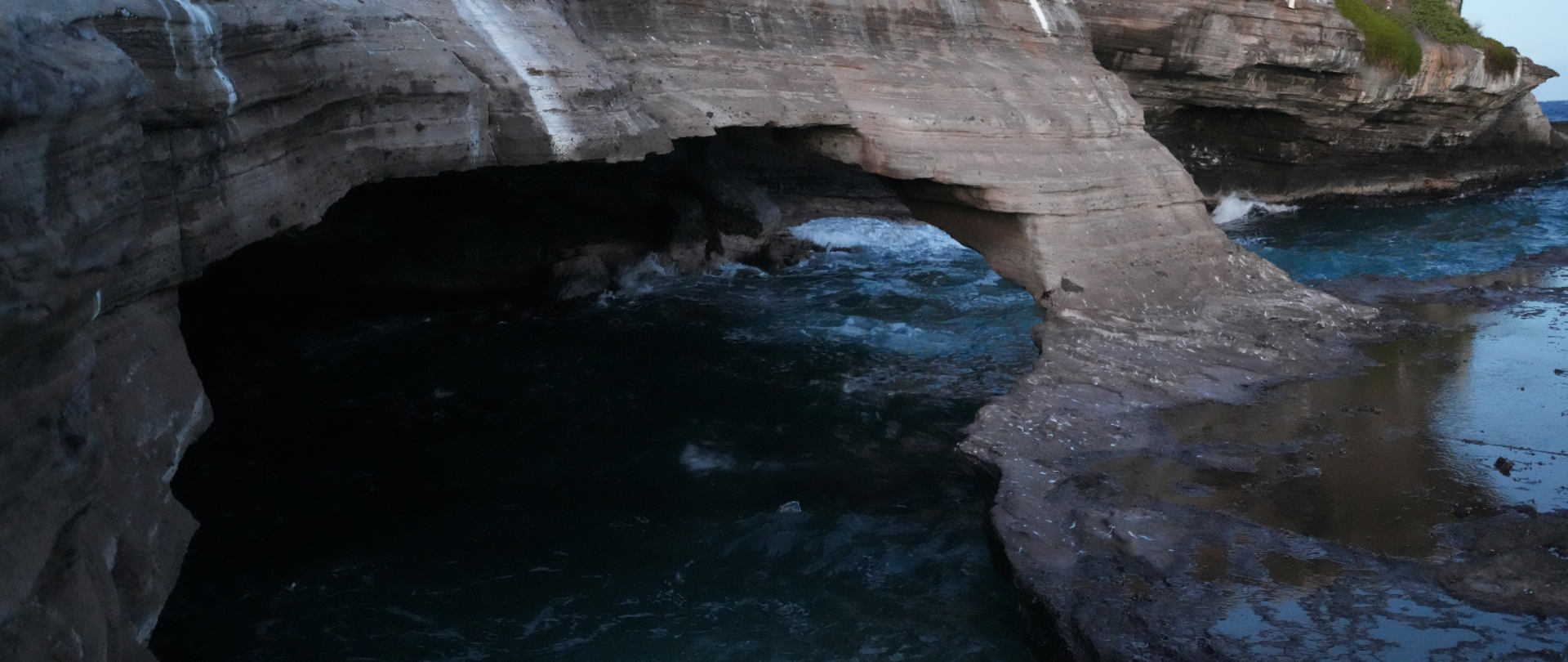
June 23, 2026
The Island-Ocean Connection Challenge announced four new restoration projects—Lehua, Tavolara, Grand Rouveau, and Zembra—at London Climate Week, expanding its global effort to restore 40 island-ocean ecosystems by 2030!
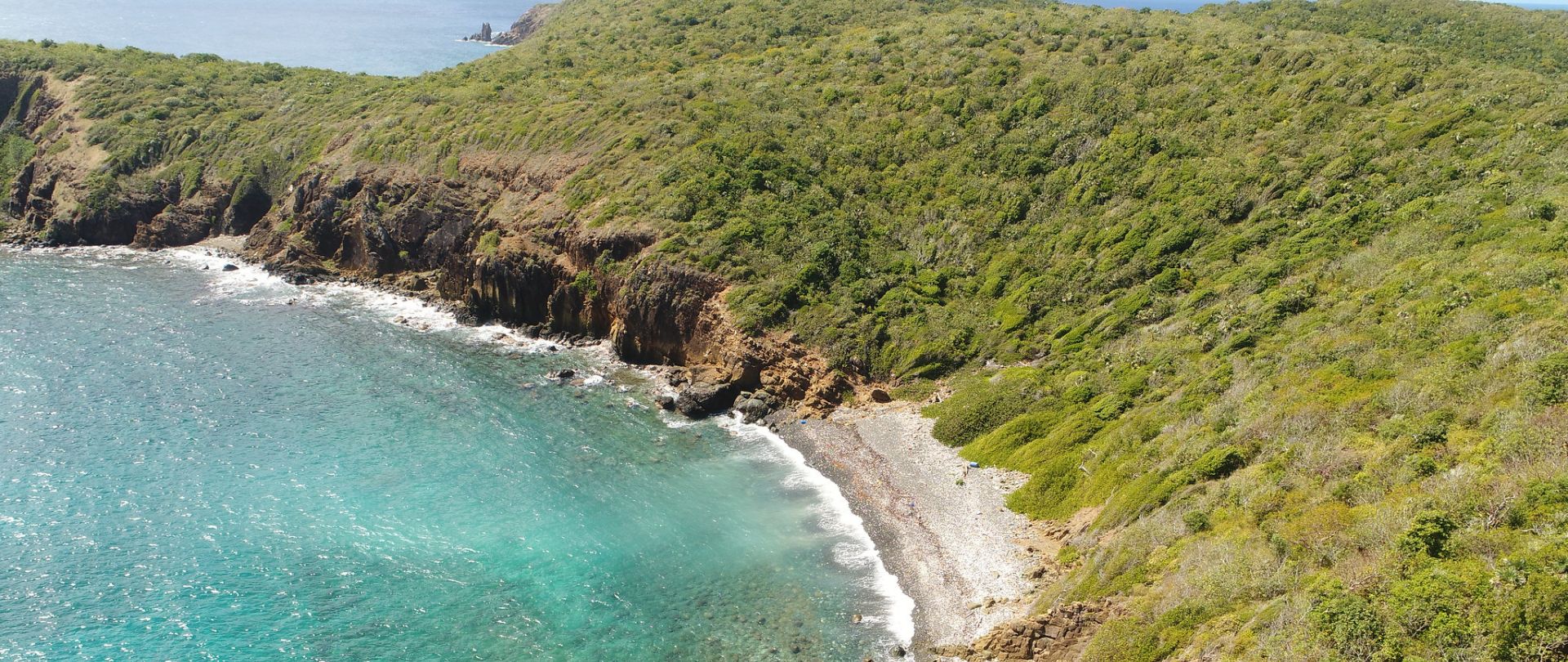
June 18, 2026
A new project to expand the range of an endangered Tree Boa is one step closer to completion!
June 8, 2026
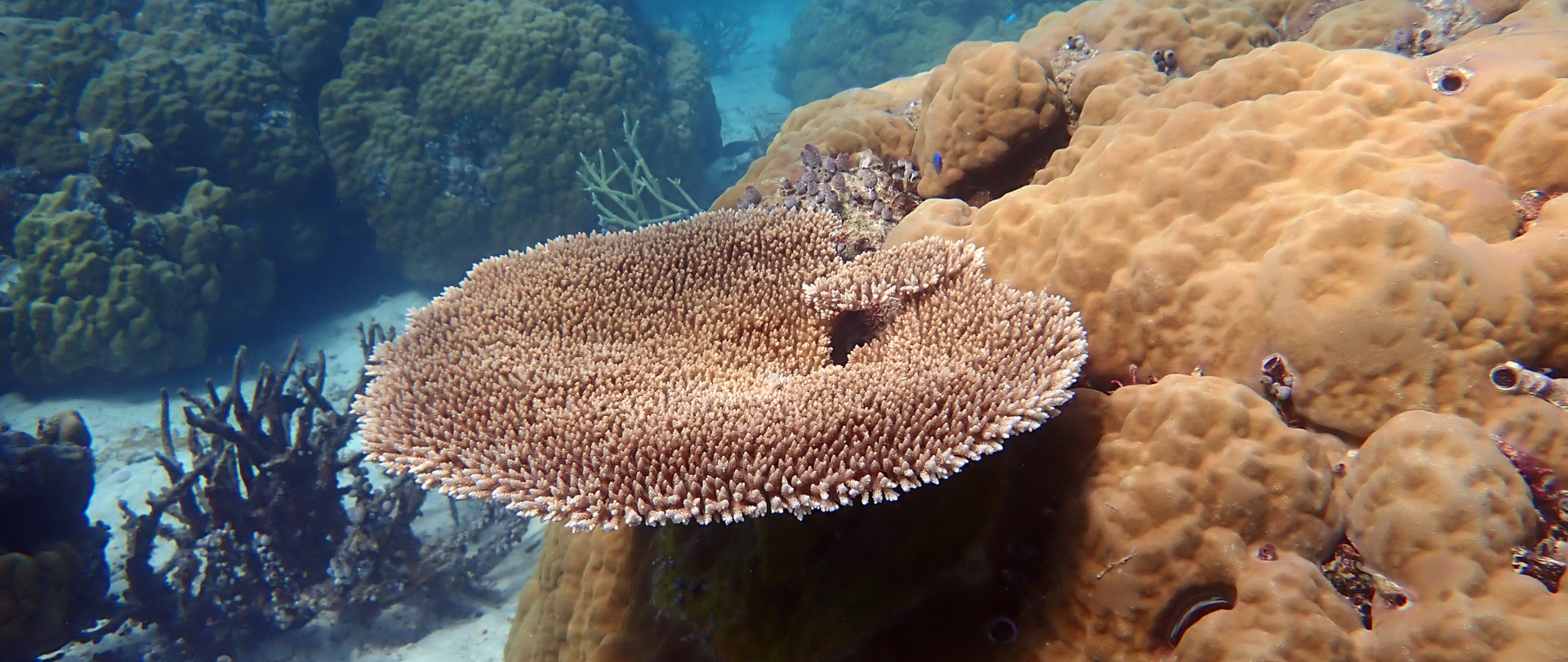
A world-first controlled experiment shows connection between seabird activity and marine health on Ulong Island!
May 20, 2026
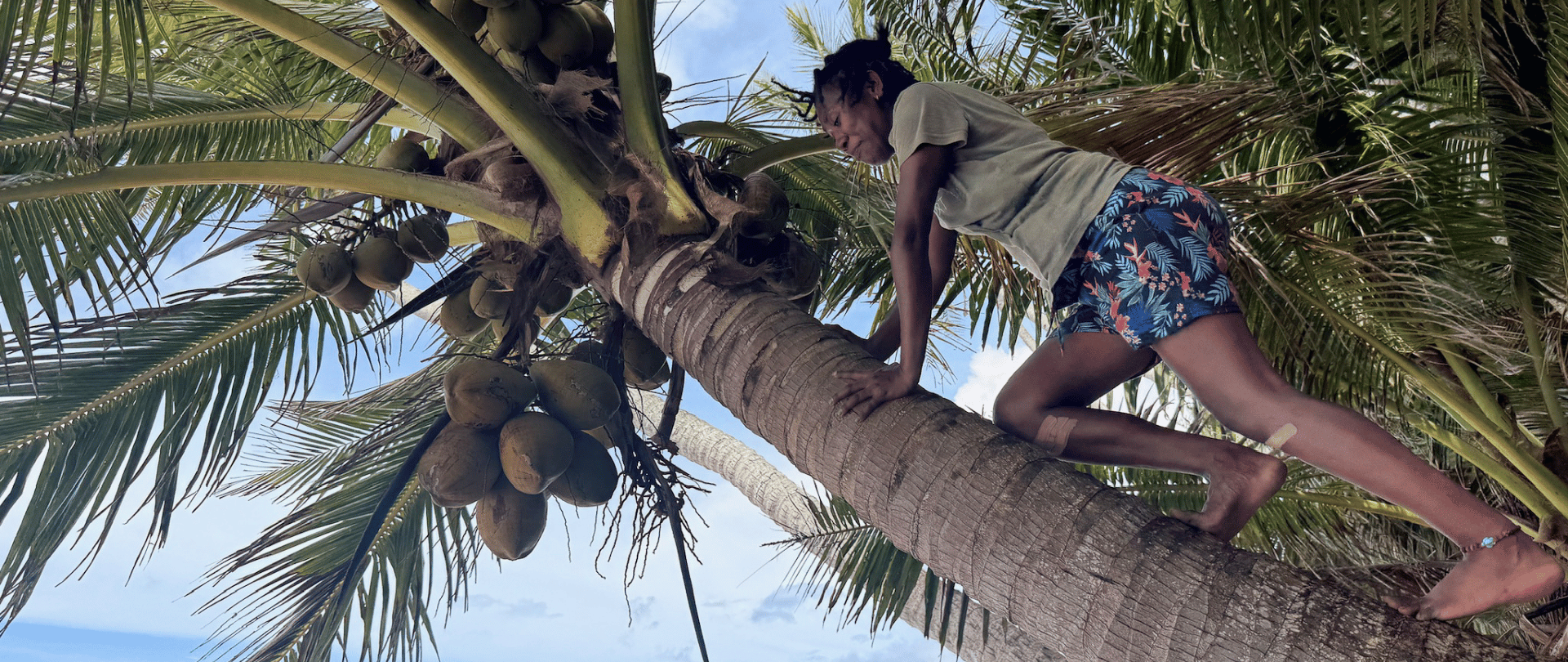
Seasonal Monitoring Specialist Cozette Romero writes about her time working and living on Niulakita in Tuvalu, helping protect the food security and livelihood of an island community!
May 13, 2026
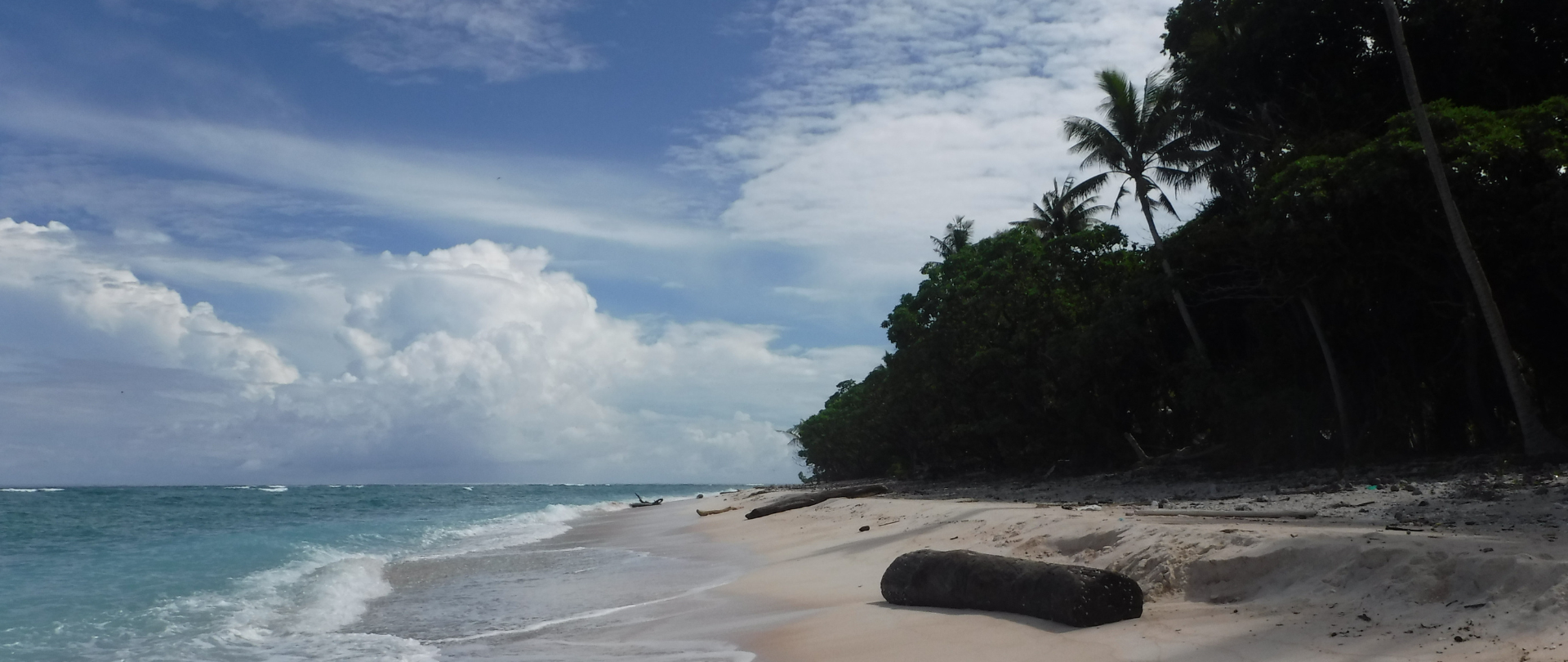
A new project in Sonsorol State, Palau aims to improve livelihoods and climate resilience through holistic environmental restoration!