March 3, 2026
What is holistic restoration?
What is holistic restoration? Read all about this incredible method to restore ecosystems for people and nature!
 Island Conservation
When it comes to the environment, every dollar donated should make a difference. But how do you know whether your dollar is making the most difference it possibly can?
Planet Money, NPR’s podcast that helps connect stories to the economy, asked this very question. What is the most cost-effective way to save a species from extinction? And, if you’re interested in helping do just that, who should you be trying to support?
The answer lies in holistic restoration: a way of healing nature that looks at the whole picture. Certain conservation actions—for example, removing invasive species—are far more affordable and lasting than captive breeding programs or genetic de-extinction. And because these actions affect the entire ecosystem, rather than just one species, the impact of holistic restoration can be massive despite its comparatively low cost.

Our CEO, Penny Becker, joined Planet Money to talk about how holistic restoration on islands yields the biggest return on investment in the environmental space. In the episode, titled “The Cost of Saving a Species”, Hugh Possingham of the University of Queensland says island species are particularly save-able without a lot of financial investment.
And Possingham’s not the only one. “If you care about endangered species, there’s no bigger bang for your buck than island restoration,” says novelist and Island Conservation supporter Jonathan Franzen.
Hugh Possingham
University of Queensland
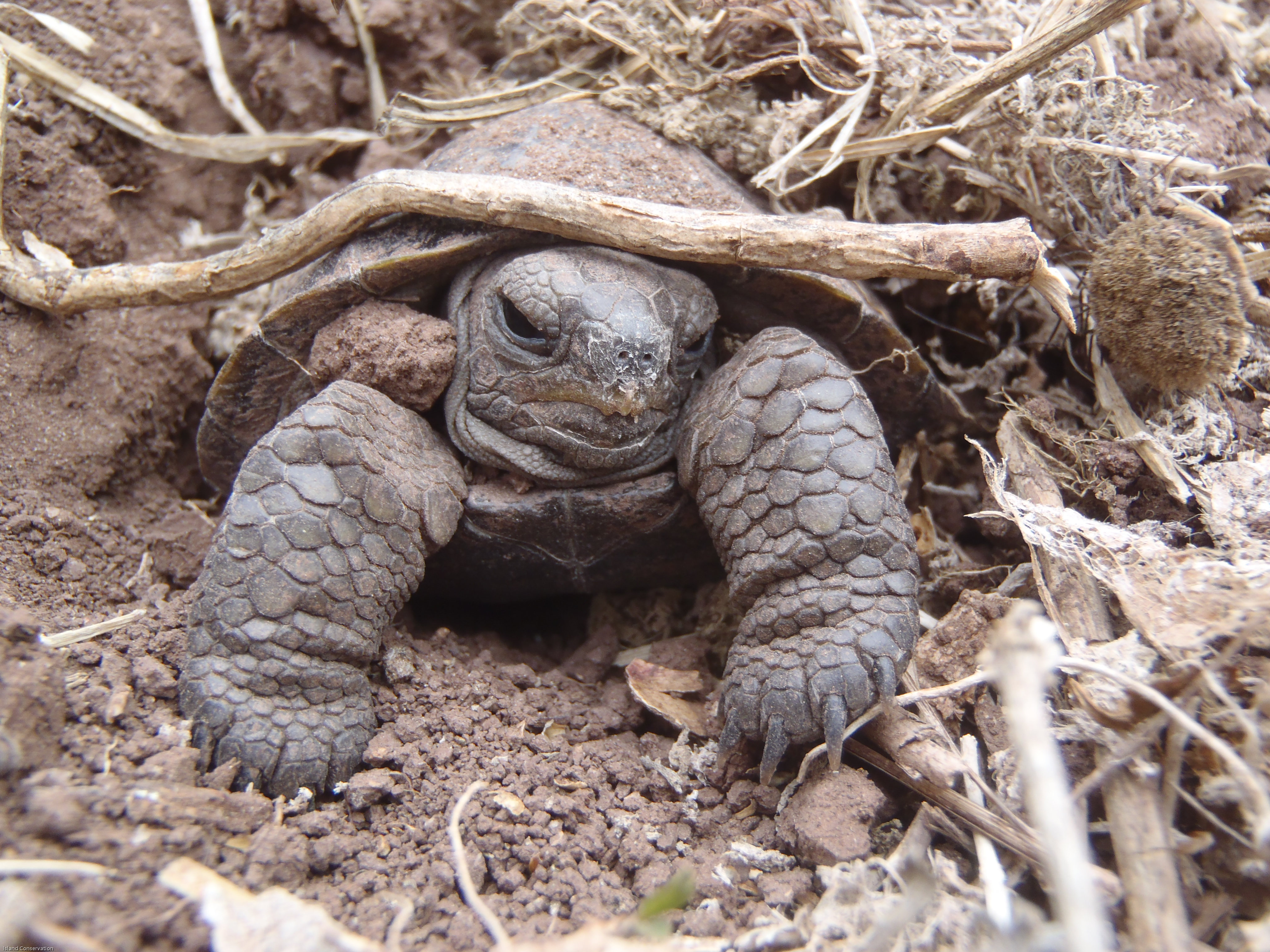
Penny shared the story of the Pinzón Tortoise in the Galápagos Islands—a species that hadn’t seen successful hatchlings in over 150 years due to invasive rats.
After Island Conservation implemented a strategic predator removal campaign in partnership with the Galapagos National Park and Charles Darwin Foundation, the results were immediate and profound.
“Just immediately, within one to two years, you’re seeing hatchlings that are successfully growing up on the island again,” Penny shared.
These quick results are rare in the environmental world, where you sometimes have to wait decades to see the benefits of your work. Islands, though, are special.
If you’re looking to make a high-impact donation—one that saves species, restores ecosystems, and strengthens communities—look no further than island restoration.
Here’s why:
As Penny said on the podcast, “We’re not just saving one species. We’re restoring entire ecosystems.”
We’re proud to be recognized with a 100% rating on Charity Navigator, meaning your donation goes directly toward high-impact conservation. Whether you’re giving $20 or $20,000, your support helps us:
And we’re just getting started. As we celebrate 30 years of impact, we’re scaling up our efforts across the globe. This includes pushing the envelope of innovation, too, as we invest in exciting technologies such as heavy-lift drones to make every dollar go further.
If you want your donation to be cost-effective, high-impact, and truly make a difference, Island Conservation is the best investment in biodiversity. Join the most effective conservation movement on Earth today!
There’s more than one way to make an impact. Join our collective of dedicated supporters by donating today or signing up for our newsletter to stay informed.
Check out other journal entries we think you might be interested in.
March 3, 2026
What is holistic restoration? Read all about this incredible method to restore ecosystems for people and nature!
February 6, 2026
¡Mira el video de Solange y lee una entrevista sobre Robinson Crusoe! Watch Solange's video and read an interview about Robinson Crusoe!

January 22, 2026
Our Senior Director of Impact & Innovation, David Will, explains the importance of the Circular Seabird Economy for nutrient transfer!

January 15, 2026
Not all Marine Protected Areas are equally effective. A new study shows how high-quality, well-implemented MPAs provide outsized impacts for biodiversity!
December 22, 2025
Elke Windschitl, our Conservation Impact Data Specialist, gives us the lowdown on
December 16, 2025
Read the full ecological story of Floreana Island in the Galápagos from the early settlements to today.
December 4, 2025
A new study reveals how seabirds, connector species between land and sea, play a huge role in the health of coral reefs!
November 25, 2025
A new scientific paper is changing the way we understand Rapa Nui (Easter Island)'s ecological history!
November 21, 2025
Holistic restoration is at work on Floreana Island, where the largest conservation project in the history of the Galápagos is underway!
October 30, 2025
Our proposal for a United Nations-sanctioned Decade of Island Resilience spotlights the power of global small islands!