September 17, 2026
Island Conservation and Robinson Crusoe Island, Chile: Growing Hope Together
On the island of Robinson Crusoe in Chile, a greenhouse feeds both a community and an islander-led conservation movement!
 Island Conservation

For release: April 2, 2024. 6 am PST
Loosiep, Island, Ulithi Atoll, Yap State — After an international conservation effort by Island Conservation, Ulithi Falalop Community Action Program (UFCAP), One People One Reef (OPOR), and the New Zealand Department of Conservation, Loosiep Island in Ulithi Atoll, Yap State, is now confirmed to be free from rats, a damaging invasive species. This restoration has brought about a remarkable ecosystem recovery, allowing Loosiep to once again thrive as a “gardening island” for the local community.
Loosiep is one of a group of five islands in Ulithi known as the Turtle Islands, some of the most important nesting sites in the world for the Micronesian Green Sea Turtle population. Ulithi Atoll, known for its vibrant biodiversity and rich cultural heritage, faced a significant threat from invasive species preying on seabird eggs, coconut crabs, and sea turtles, disrupting sensitive nesting habitat, and destroying crops. The removal of invasive rats from the island follows the successful removal of invasive pigs by Loosiep’s landowners in 2020, making all five of the Turtle Islands now free from the devastating impacts of invasive mammals.
Magul Rulmal Jr., community organizer for UFCAP and Ulithi resident, says that the project’s success “marks a pivotal moment in uniting the communities of Ulithi.”
Emphasizing the joy Rulmal feels, he says, “Through this journey, we’ve ignited excitement and fostered a sense of ownership in our community’s sustainability for generations to come. The realization of such formidable eradication efforts in our traditional, remote Ulithi communities exemplifies what can be achieved when we unite with determination and passion. It exceeds even my wildest dreams.”
A recent transect survey revealed the presence of nine coconut crabs on Loosiep Island, where in 2019 there were zero. This exciting development has brought immense joy to the locals, who have a deep connection to the island and its natural resources. Island Conservation staff also reports increased abundance in native reptiles and seabirds, indicating a positive shift in the island’s ecosystem.
The nutrients these animals introduce into the soil boost its viability as a gardening island and will run off to enrich the surrounding reefs. In addition to improving conditions for native vegetation to trap carbon from the atmosphere, the restoration of Loosiep will also help protect the island from immediate effects of climate change. Healthier vegetation will prevent erosion, and reefs near restored islands not only protect islands from extreme weather and storm surges, but they also recover from bleaching events up to four times faster and are more resilient to warming temperatures.
Jesse Friedlander, Island Conservation’s South and West Pacific Project Manager, has already witnessed signs of recovery. He reports spotting a Bristle-thighed Curlew on Loosiep’s beach, a rare shorebird that has not before been seen on the island.
Friedlander expressed his enthusiasm for the project, stating, “We have built capacity within the Atoll to a point where further, more ambitious restoration projects are possible. Ulithi could be an example for the wider region of what can be achieved. With invasive species removals gaining traction in the Pacific, the restoration of Loosiep is a beacon of hope in the region’s fight against climate change.”
The restoration of this gardening island not only safeguards the unique biodiversity of Ulithi Atoll but also ensures the well-being and food security of its residents. With the rats gone, the islanders have wasted no time in revitalizing Loosiep’s agricultural potential. Crops such as bananas, sweet potatoes, okra, and breadfruit have been planted, restoring a vital source of food for the residents of neighboring Falalop. This achievement marks a significant milestone for Ulithi and the outer islands of Yap State. The dedication of Loosiep’s landowners to the restoration and preservation of the island’s biodiversity sets a strong example for ecological restoration and conservation in the region.
Collaboration has been the key to the project’s success, and will continue to play an important role. Rulmal shared his gratitude for successful collaboration, stating, “I am deeply thankful for the collaborative voyage, a harmonious blend of scientific knowledge, traditional wisdom, and genuine partnership.” Continuous monitoring will be carried out over the next few years to assess the ongoing recovery of the ecosystem.
Salestine Soholfal, a long-time community member of Ulithi, shared his excitement, saying, “I am 54 years old and have been going to Loosiep since I was a boy. That is the first time I have seen turtles hatch on the island.” We can only expect the number of turtles to increase in the coming years.
Funding for this work provided by the U.S. Department of the Interior, Office of Insular Affairs, the UK Government through Darwin Initiative, United States Fish and Wildlife Service, Partners for Fish and Wildlife Program, the New Zealand Department of Conservation, and the North Pacific Development Fund, New Zealand Consulate-General, Hawaii. In-kind donations by Bell Laboratories, Inc.

Photos, interviews available by request
###
Island Conservation: Sally Esposito, Strategic Communications Director
sally.esposito@islandconservation.org
Island Conservation is the world’s only international non-profit conservation organization dedicated solely to restoring islands for nature and people worldwide. Island Conservation is committed to a holistic island-marine ecosystem restoration method that combines efforts to improve community livelihoods, manage invasive species, and reintroduce native species. Learn more about us at islandconservation.org.
One People One Reef is a group of communities and scientists working together to keep the reefs, culture and people of the Micronesian Outer Islands healthy. They bring traditions and modern science together in a revolutionary approach to sustainable ocean management.
Ulithi Falalop Community Action Program was established to direct an integrated sustainable model for community development in the outer islands of Micronesia. This model strengthens the traditional value system and provides a solid foundation for sustainability in the region.
New Zealand Department of Conservation (DOC) is the government agency charged with conserving New Zealand’s natural and historic heritage. DOC is a world leader in eradicating introduced invasive species from islands and has a long history supporting the Pacific Islands Countries and Territories on invasive species management. DOC staff provided technical support and played key roles in the eradication. implementation. Learn more about DOC’s work eradicating introduced pests on islands.
DOC’s contribution to the project is supported by the New Zealand Ministry of Foreign Affairs and Trade under the Managing Invasive Species for Climate Change Adaptation in the Pacific (MISCCAP) project.
Check out other journal entries we think you might be interested in.
September 17, 2026
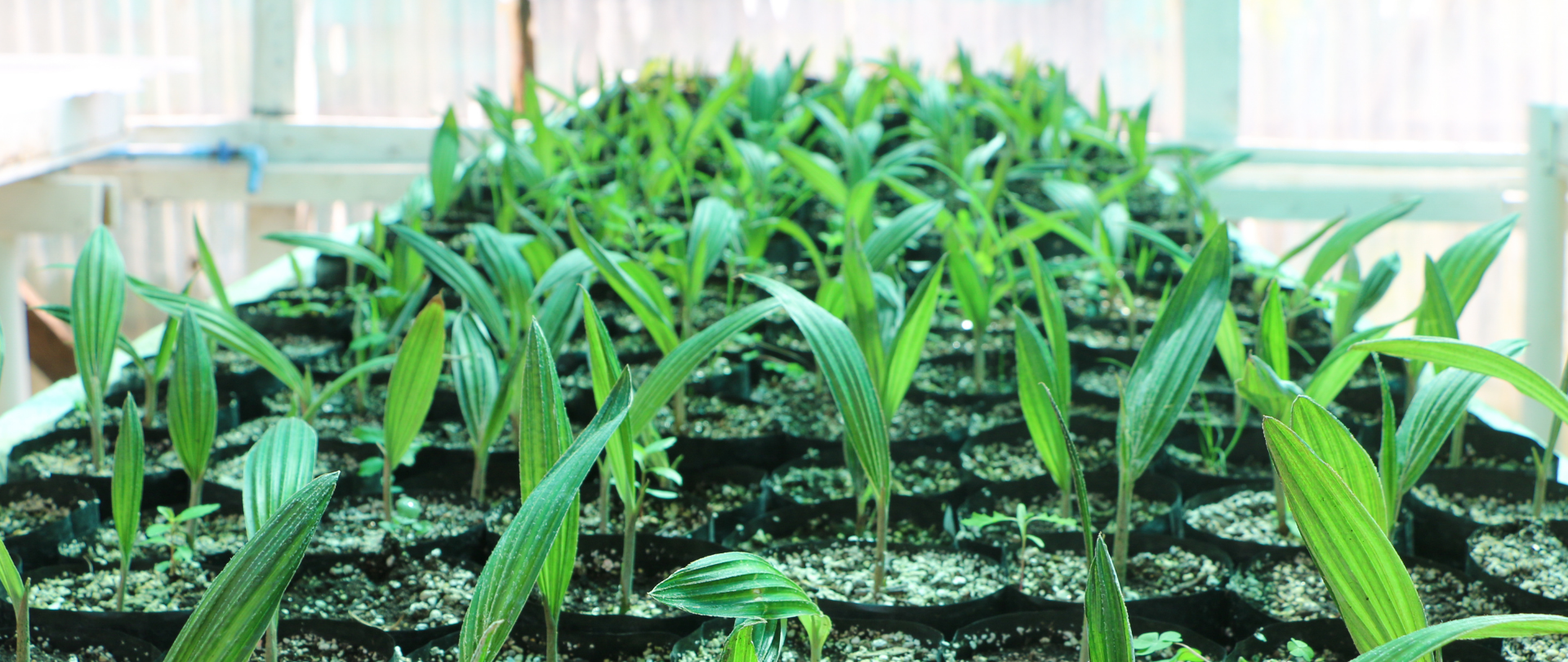
On the island of Robinson Crusoe in Chile, a greenhouse feeds both a community and an islander-led conservation movement!
September 1, 2026
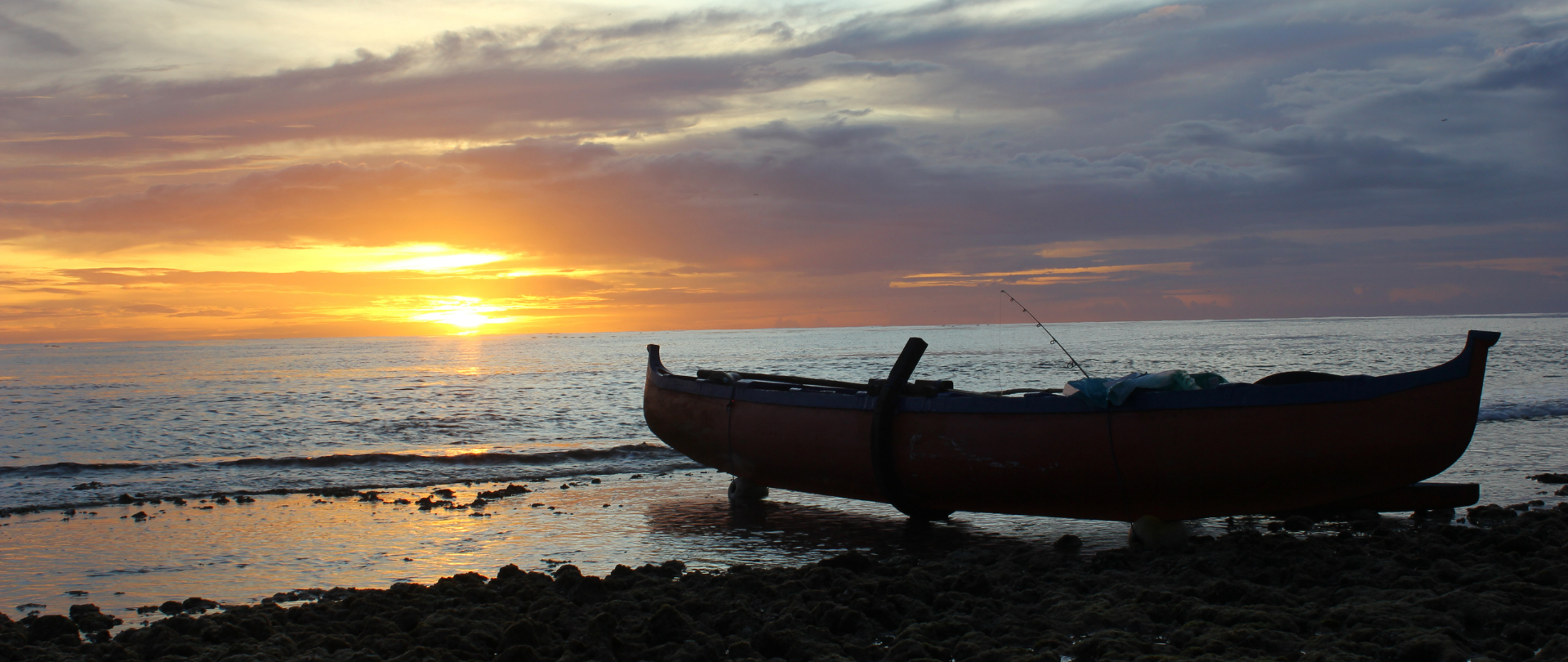
Linden Brown shares the incredible things he saw and experienced while working to restore islands in Sonsorol State, Palau!
August 18, 2026
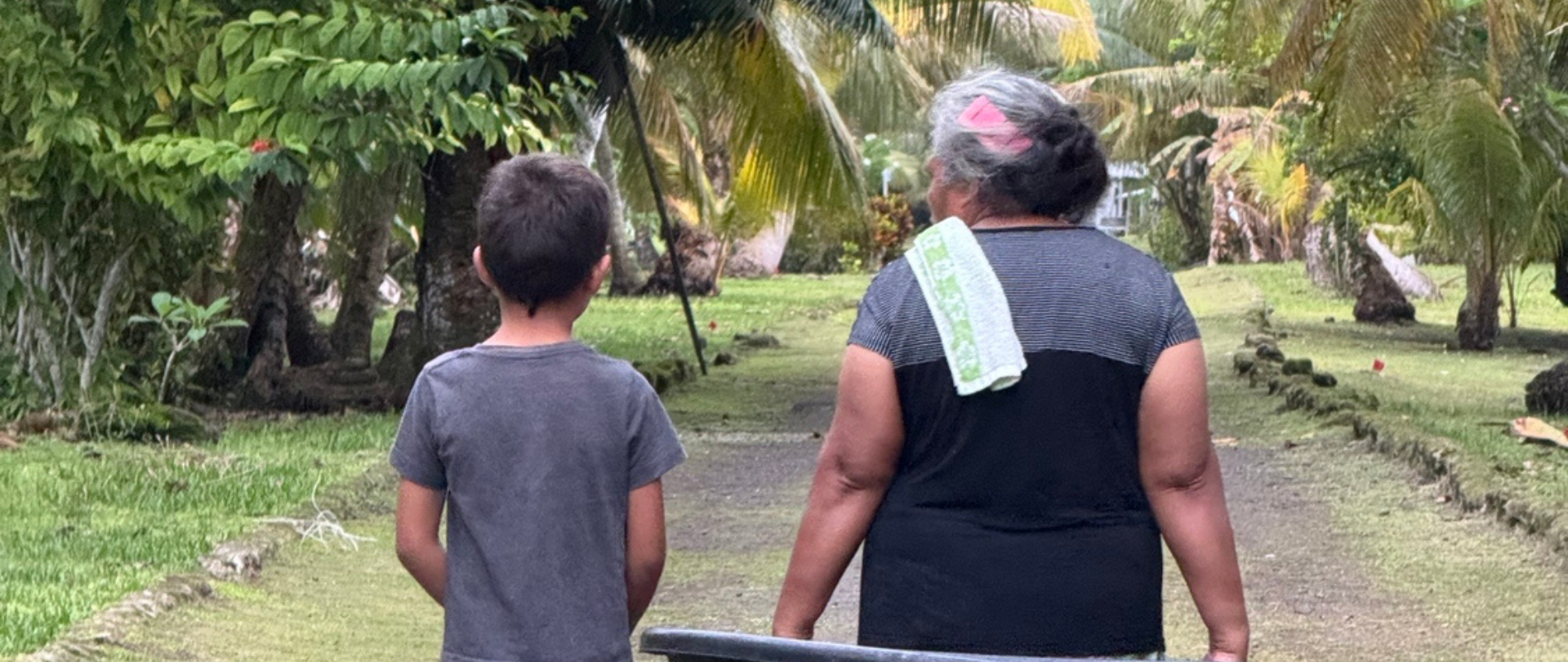
Meet Evelyn, one of the people who holds the wisdom of Sonsorol State, Palau in her lived experiences and stories.
August 4, 2026
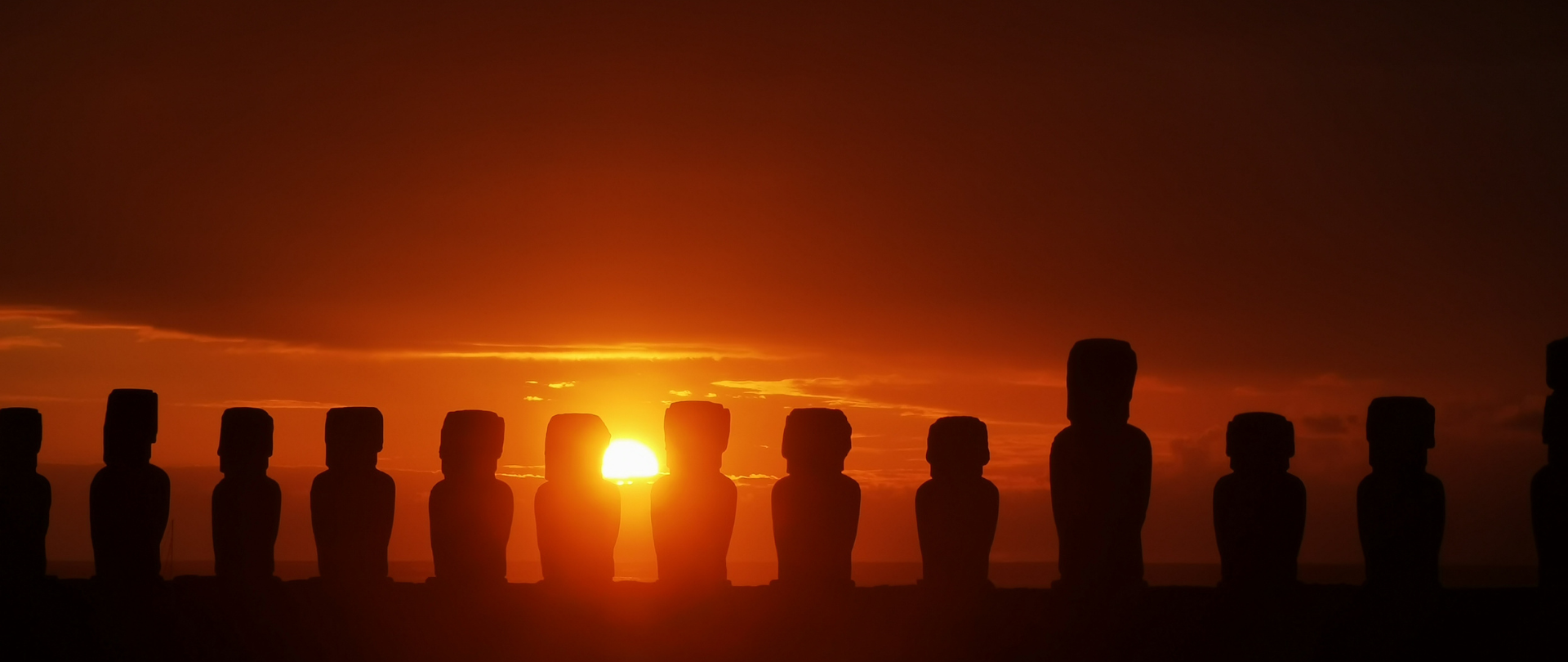
Indigenous-led conservation takes a leap forward with Rapa Nui (Easter Island)'s new partnership with Island Conservation!

July 31, 2026
We interviewed artist Laura Shape to learn about the luminous abstracts she creates from leather sourced from invasive species!

July 28, 2026
Happy World Nature Conservation Day! Read Penny Becker's article published by the Outreach Network for Gene Drive Research.
July 9, 2026
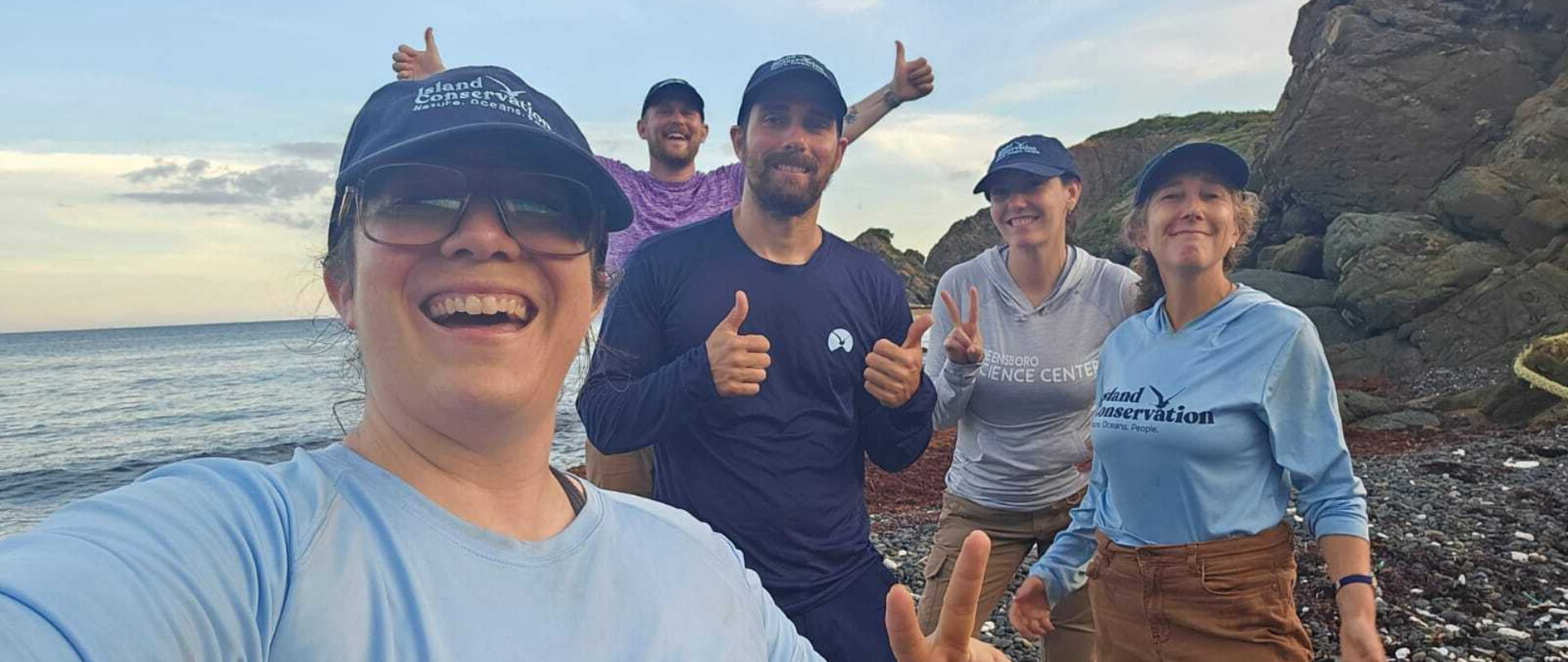
Senior Major Gifts Officer Jen Sachs shares her experience on one of Island Conservation's exciting restoration projects in the US Virgin Islands!
July 2, 2026
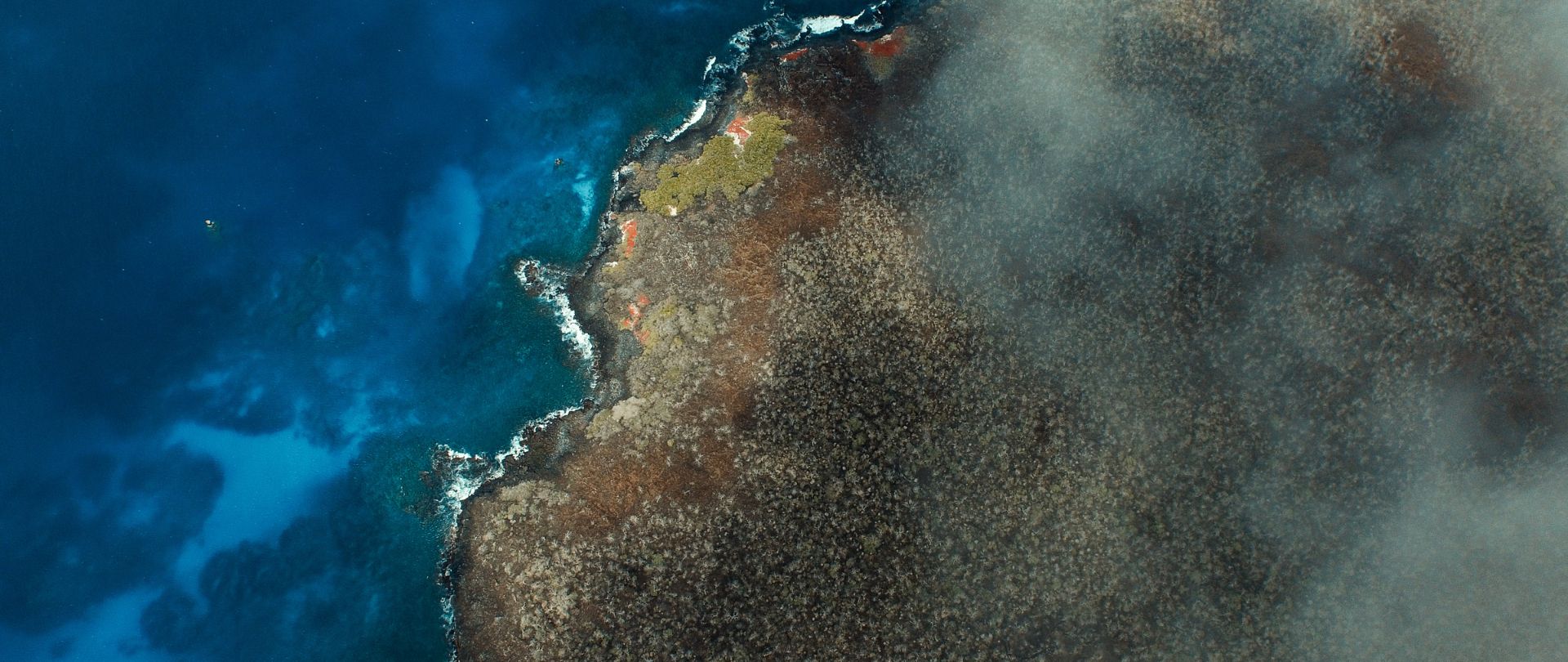
Invasive species have caused over $12 billion in damages to island ecosystems, creating an urgent need for strengthened biosecurity measures!
June 23, 2026
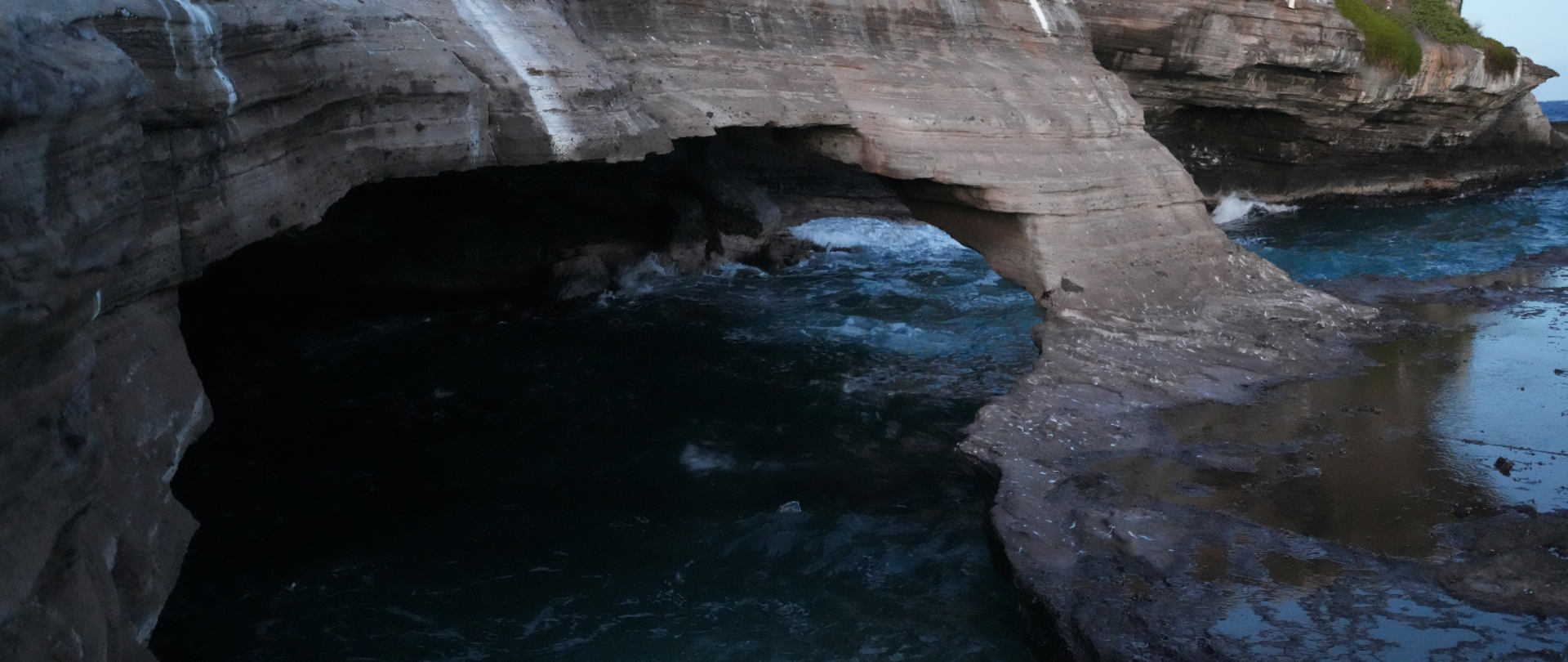
The Island-Ocean Connection Challenge announced four new restoration projects—Lehua, Tavolara, Grand Rouveau, and Zembra—at London Climate Week, expanding its global effort to restore 40 island-ocean ecosystems by 2030!
June 18, 2026
A new project to expand the range of an endangered Tree Boa is one step closer to completion!