September 9, 2026
Some Island Ecosystems Are More Resilient to El Niño
El Niño doesn't create weak ecosystems; it reveals them. Find out how resilient islands can survive and bounce back from stress caused by El Niño!
 Island Conservation
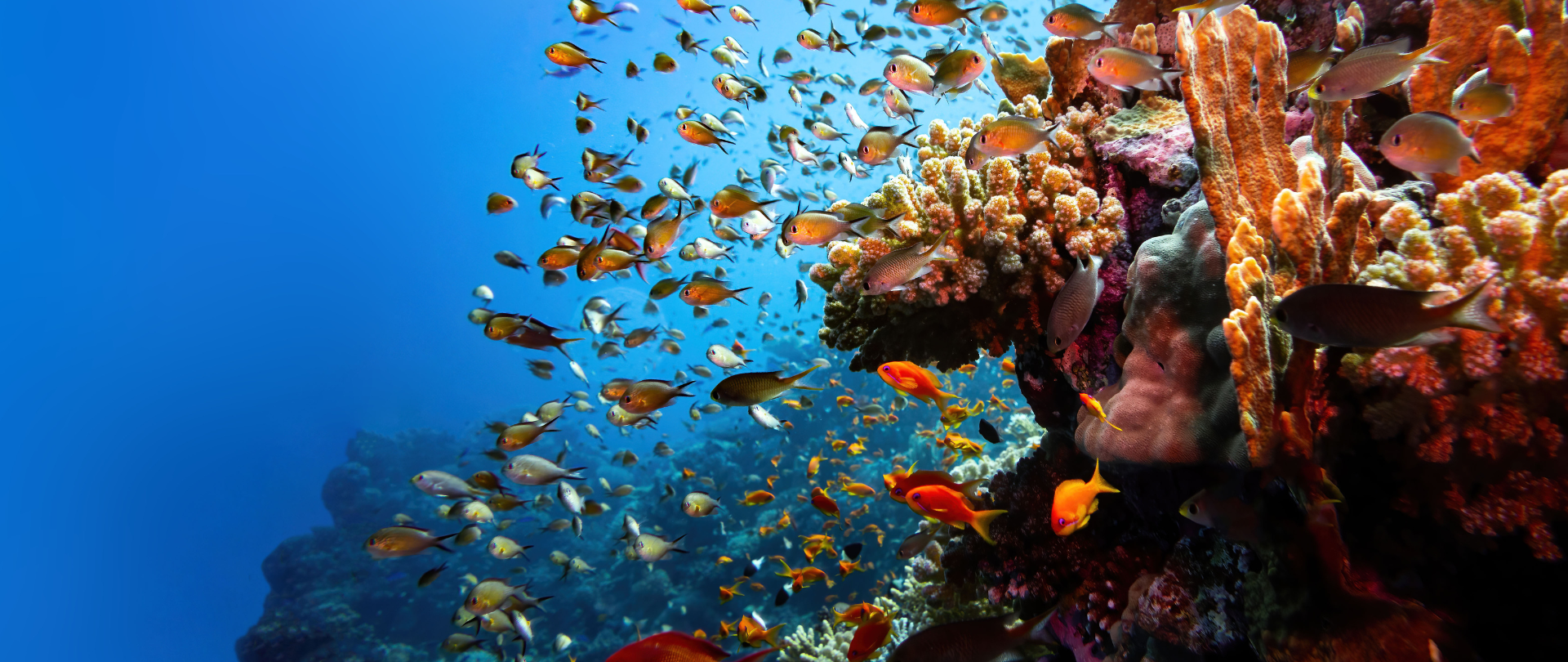
Island ecosystems are like dominoes: touch one, and you affect the whole chain. We learned this 30 years ago, when we were founded as a tiny nonprofit with the aim of preventing birds from going extinct on islands. Now, we know that saving seabirds is the first domino in a cascade of ecological benefits–including the health of coral reefs, along with the complex life they support.
A newly published study in Conservation Biology, focused on the Chagos Archipelago in the Indian Ocean, provides new data to help us better understand these connections. Ruth E. Dunn and the other authors demonstrate that removing invasive species and reviving native habitats re-links broken nutrient pathways between land and sea, strengthening entire ecosystems and making them more resilient to the forces that have historically made islands vulnerable.
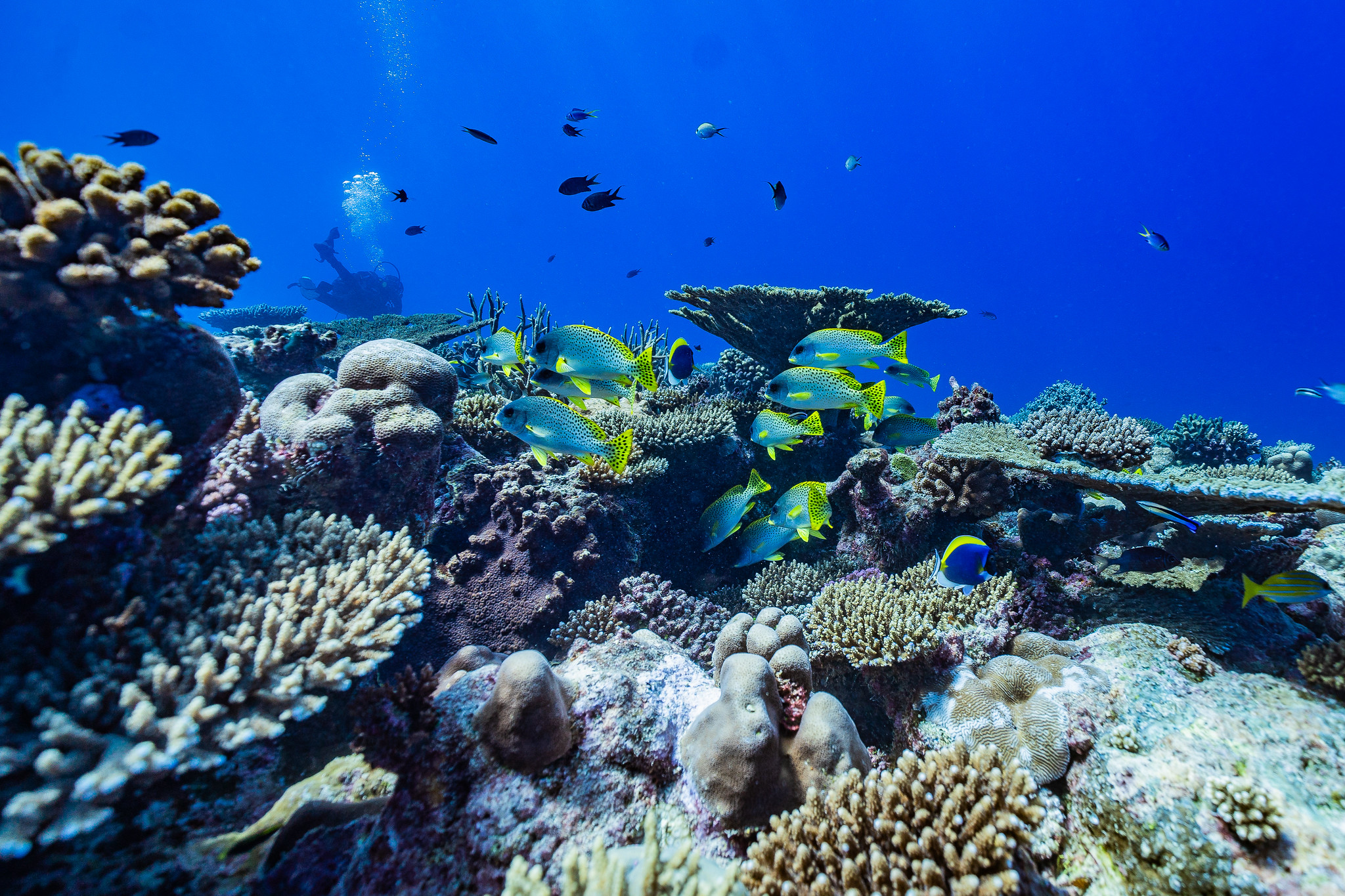
Coral reefs thrive on nutrients, but in many tropical island ecosystems, those nutrients don’t just come from the ocean. They also come from seabirds—which aren’t just keystone species, but connector species. These birds feed far out at sea and return to islands to nest, depositing guano (or poop) rich in nitrogen and phosphorus. These nutrients wash into coastal waters, fueling algae and coral growth and supporting vibrant reef communities.
When harmful invasive species like rats were introduced to islands centuries ago, they devastated seabird populations. Fewer seabirds mean less guano—and a critical nutrient link between land and sea gets severed.
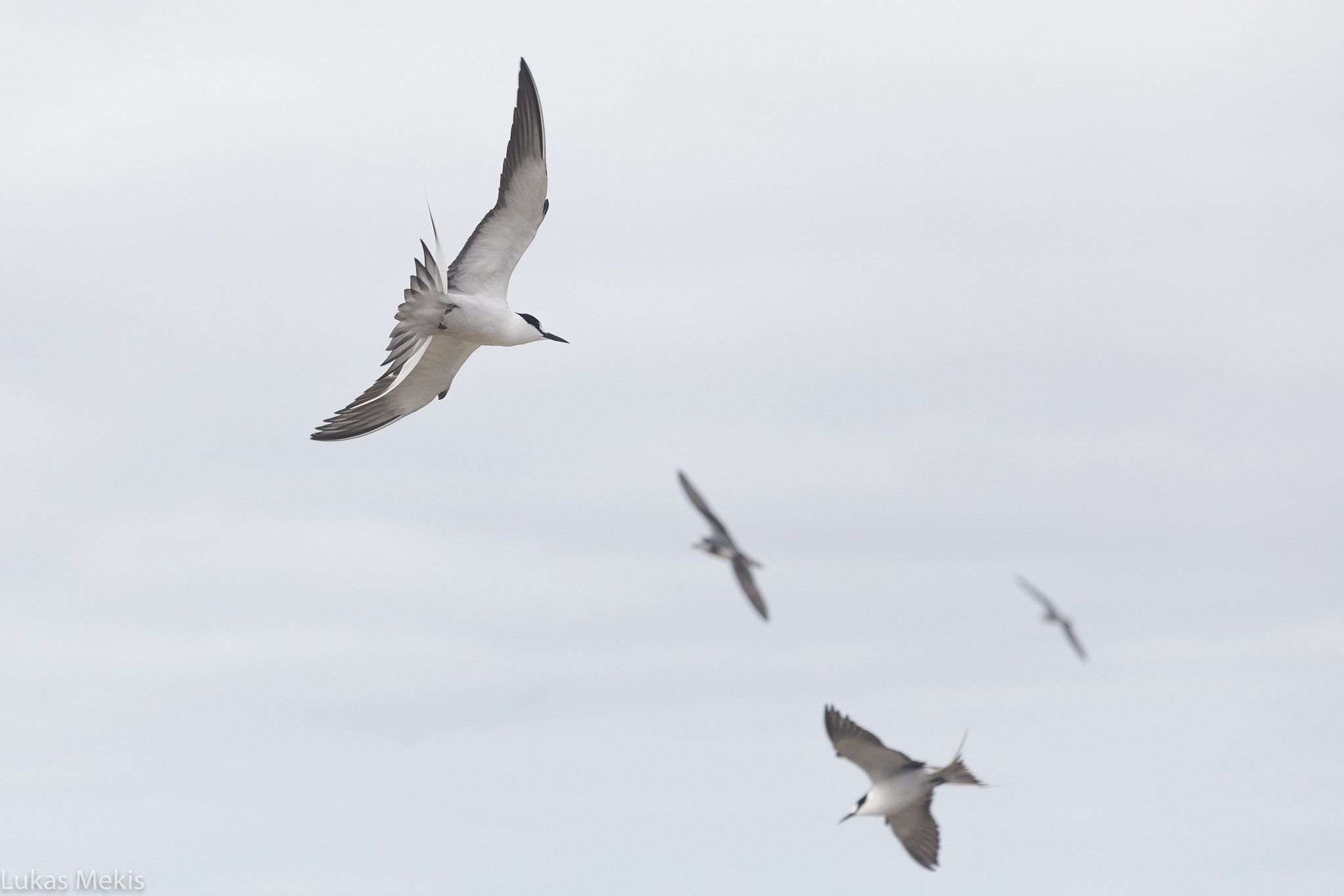
But there’s hope. We know that islands can recover incredibly quickly when invasive species are removed. For example, on Palmyra Atoll in the Pacific, our team removed invasive rats and found that the returned seabirds enriched the soil and boosted native plant growth by 5,000%. When we bring back connector species, all parts of an ecosystem flourish.
The study distinguishes two pathways:
Healthy reefs need both. But when seabirds disappear, active transfer collapses. This is especially critical for delicate corals, which rely on nitrogen-rich waters to grow and recover from stress. Without seabird-derived nutrients, these corals grow more slowly and are less resilient to bleaching events.
Researchers modeled what would happen if invasive predators were removed and islands restored. The results are stunning:
In fact, corals near islands restored in this way grow 4x faster and recover more quickly after bleaching, thanks to the nutrient boost from seabird guano.
To trace nutrient flows, scientists used stable isotope analysis, a technique that measures chemical signatures (like nitrogen isotopes) in plants and animals. Higher nitrogen isotope values near seabird islands confirmed that guano enriches reef ecosystems.
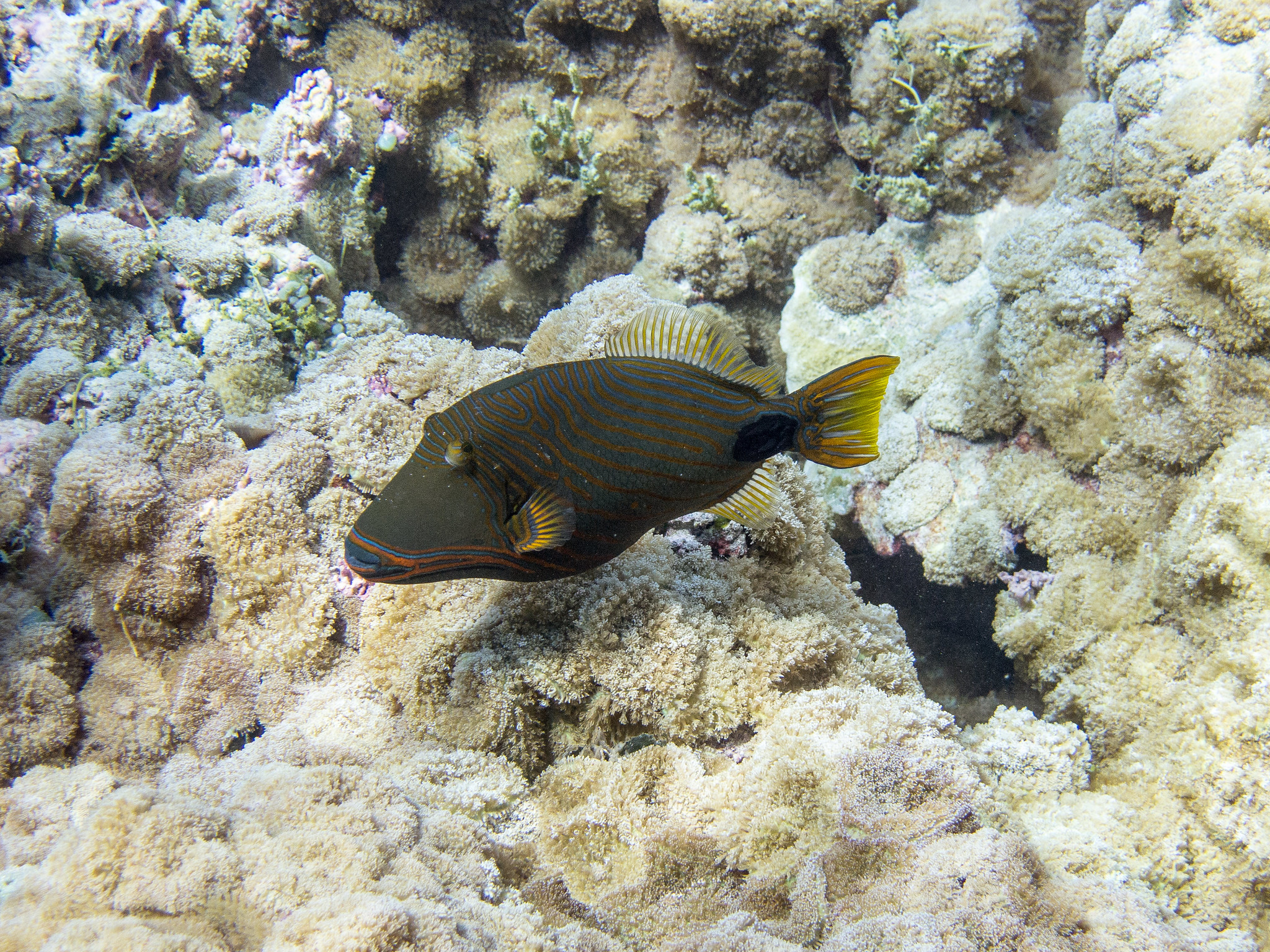
Coral reefs are frontline defenders against climate change, protecting coasts and supporting fisheries. But they’re under siege from warming seas, extreme weather, and bleaching events. Rebuilding seabird populations through holistic island restoration offers a natural, scalable way to strengthen reef resilience. By reconnecting nutrient pathways, we help corals grow faster, recover from bleaching, and withstand climate stress, giving them a fighting chance in a warming world.
And people benefit, too: thriving reefs protect coastal communities from storm surges, slowing down erosion. The fish that live in reefs—which can increase in biomass when nearby islands are restored—feed island communities. And eco-tourism, which booms where reefs are vibrant, can provide needed boosts to local economies. In places like Palau’s Rock Islands and the Galápagos, restored ecosystems attract visitors and research funding.
Nature, oceans, and people: all are interconnected. And the more we learn about the vital linkages that connect all living things on the planet, the more impactful our work to restore islands becomes!
At Island Conservation, we’re always looking for studies like these to help enrich our practice of holistic restoration. Join our newsletter now to keep up to date on the latest new science—and get stories of hope and recovery delivered right to your inbox every month!
There’s more than one way to make an impact. Join our collective of dedicated supporters by donating today or signing up for our newsletter to stay informed.
Check out other journal entries we think you might be interested in.

September 9, 2026
El Niño doesn't create weak ecosystems; it reveals them. Find out how resilient islands can survive and bounce back from stress caused by El Niño!

August 25, 2026
A new study reveals the role fungi play in the restoration and recovery of rare, resilient atoll ecosystems!

August 12, 2026
The new Phoenix Species Project highlights species on the brink of extinction that are primed for recovery--and a lot of them live on islands!
August 4, 2026
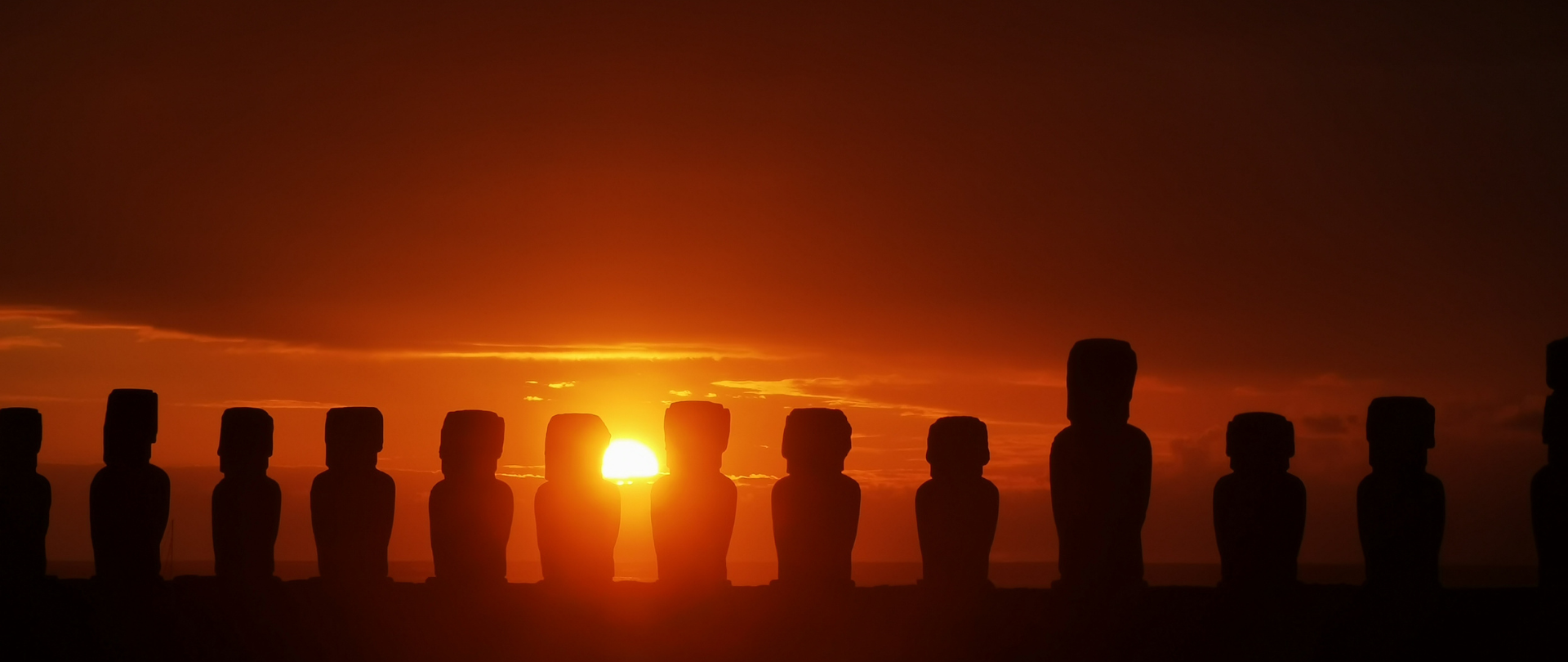
Indigenous-led conservation takes a leap forward with Rapa Nui (Easter Island)'s new partnership with Island Conservation!

July 31, 2026
We interviewed artist Laura Shape to learn about the luminous abstracts she creates from leather sourced from invasive species!

July 28, 2026
Happy World Nature Conservation Day! Read Penny Becker's article published by the Outreach Network for Gene Drive Research.

July 17, 2026
Three different animals show how connector species prop up island-ocean ecosystems!
July 2, 2026
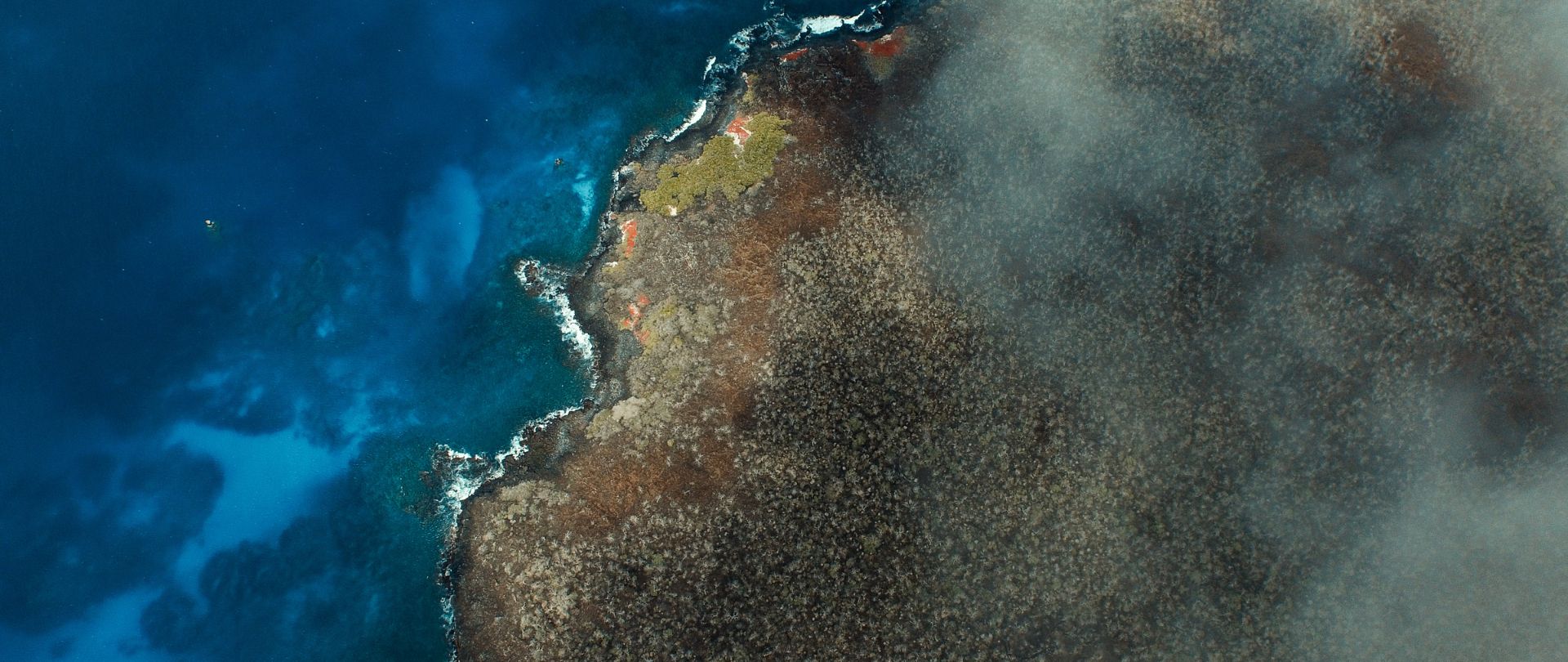
Invasive species have caused over $12 billion in damages to island ecosystems, creating an urgent need for strengthened biosecurity measures!

June 2, 2026
A new study argues that Hawaiian waterbird extinctions were driven by surprising non-human factors!
May 5, 2026
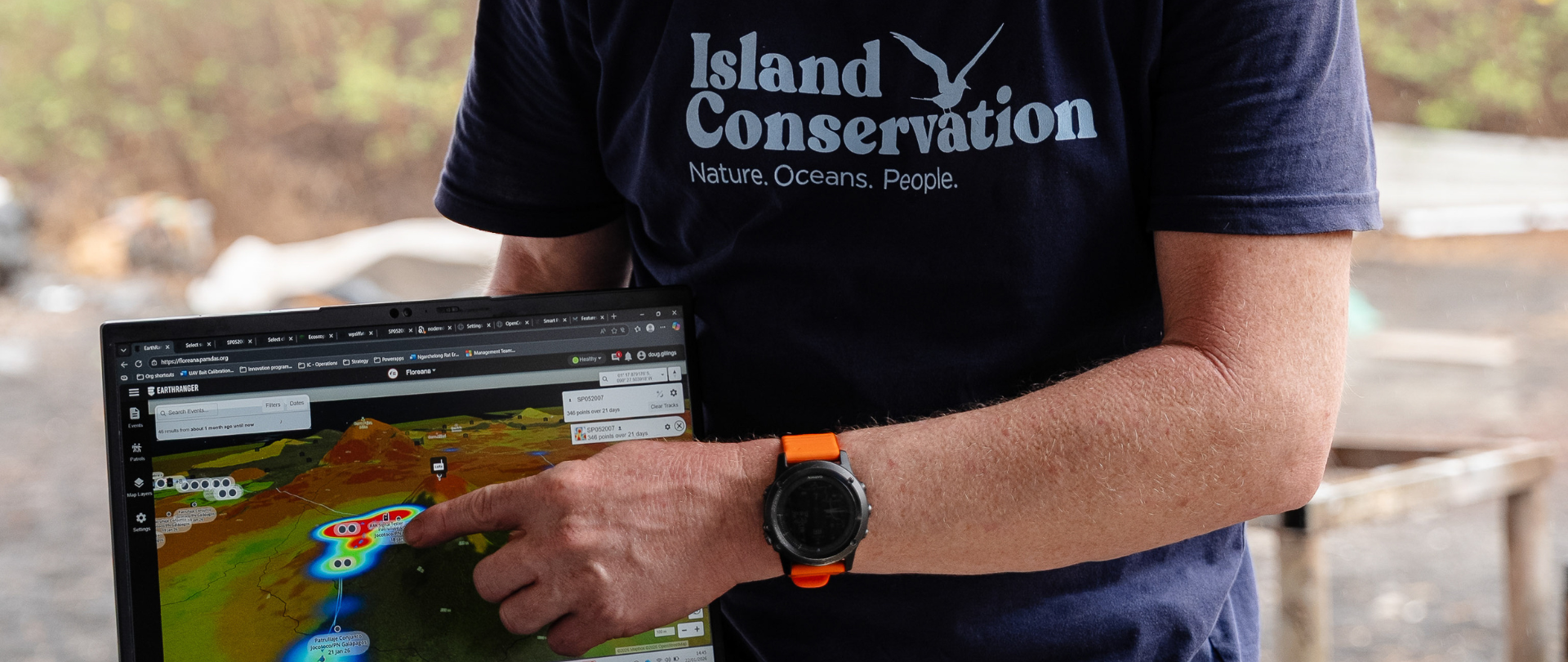
Thrilling new tech brings conservation solutions to a remote island in the Galápagos!