August 4, 2026
Rapa Nui Advances Community-Led Management of Marine Protected Areas with New Conservation Partnerships
Indigenous-led conservation takes a leap forward with Rapa Nui (Easter Island)'s new partnership with Island Conservation!
 Island Conservation
Released: Tuesday, March 23rd at 9am PST
Media Contact: Emily Heber, Island Conservation – emily.heber@islandconservation.org, +1 831-316-4047
Resources: Interviews, photos, and audio recordings.
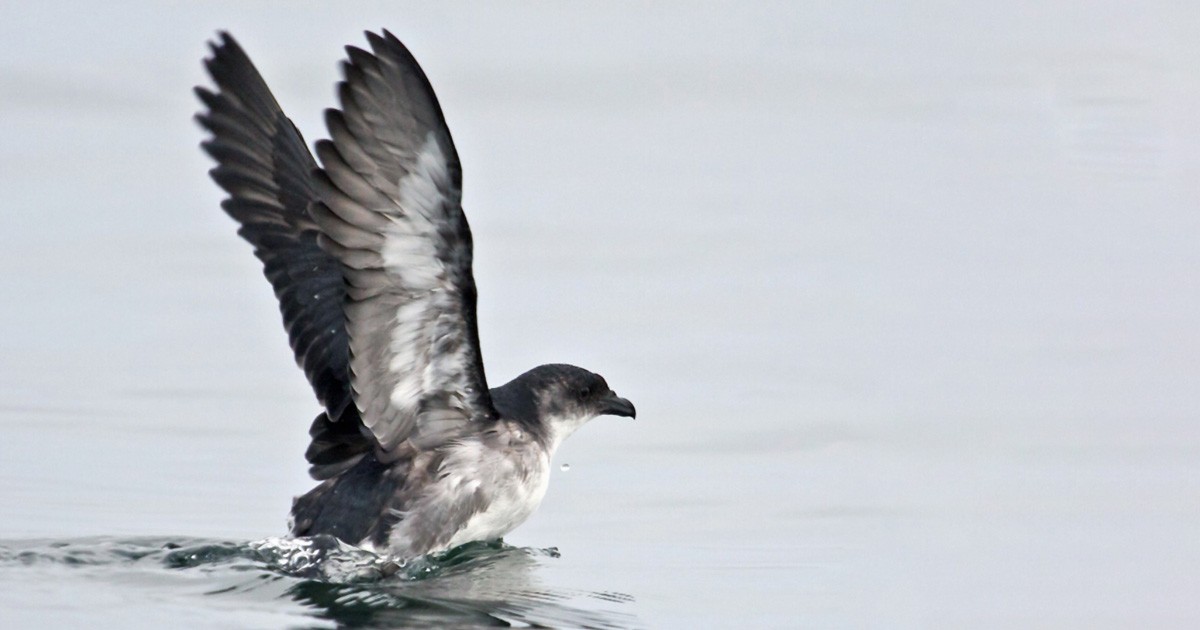
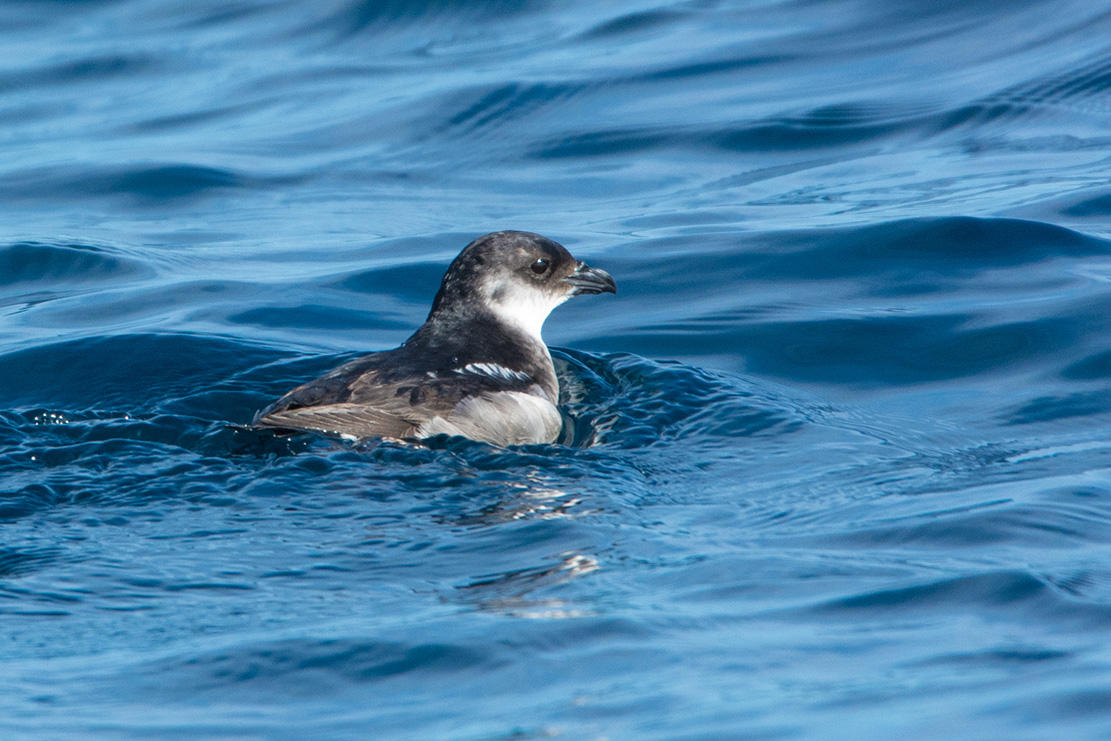
The Peruvian Diving-petrel, also known as the Yunco, previously considered Endangered by the International Union for the Conservation of Nature (IUCN), has been downlisted to Near Threatened as the population resurges after conservation interventions on Choros and Chañaral Islands in the Humboldt Penguin National Reserve, Chile.
Historically, Peruvian Diving-petrels, a small ground-nesting seabird, bred on 13 islands in Peru and Chile. Devastated by introduced, damaging (invasive) species, habitat destruction from guano extraction, and poaching, the population plummeted, putting them at risk of global extinction.
For over a century, invasive rabbits had decimated the sensitive desert landscape of Choros and Chañaral—stripping bare the herbs and shrubs, and occupying petrel nests. Chañaral Island once supported the world’s largest Peruvian Diving-petrel population but expelled by invasive species, Choros remains as the only breeding colony within the Humboldt Penguin National Reserve. Starting in 2013, the Chilean National Forestry Corporation (CONAF), in collaboration with Island Conservation, removed invasive vertebrate pests from Choros and Chañaral to protect the Diving-petrel and other threatened species.
Success on Choros was almost immediately evident as fields of seedlings and native plants sprouted from the hillsides, and Peruvian Diving-petrels began seeking out burrows that rabbits had taken over. Five years later, biologists returned and documented the breeding area had doubled in size with more than three times as many sub-colonies compared to when invasive rabbits were present. The IUCN’s 2020 evaluation of the Peruvian Diving-petrel noted this rapid population recovery as part of the justification for downlisting the species from Endangered to Near Threatened. Coral Wolf, Conservation Science Program Manager at Island Conservation, who led the 5-year monitoring trip, noted:
Restoration of Choros was expected to increase the Peruvian Diving-petrel population, but the extent to which they would recover was unknowable. We are thrilled to see that by eliminating resource competition with invasive rabbits, the population has expanded, supporting the overall resilience of this species to the impacts of climate change scenarios and other threats.”

The partners are now focused on re-establishing Diving-petrel breeding colonies on Chañaral by implementing a social attraction project to bring the species back to the island. Using looped recordings of petrel calls from Choros, loudspeakers, and artificial burrows, the team hopes to attract breeding-age birds seeking out nesting habitat. The project has already shown tremendous potential, with up to three petrels observed in a photo and exploring the burrows.

The IUCN still considers invasive species, habitat destruction, and climate change ongoing threats to the species status, but recognizes the successful restoration of Choros and Chañaral and the social attraction program as contributing factors in the progressive recovery of the population. Looking to the future, multiple opportunities exist across Chile and Peru for invasive species eradication on historic, potential, and confirmed Peruvian Diving-petrel breeding islands. Maria Jose Vilches, Island Restoration Specialist at Island Conservation, noted:
The continued recovery and resilience of the global Peruvian Diving-petrel population will hinge on our sustained commitment to the protection of existing populations, expansion of available habitat through invasive species removal, and the re-establishment of colonies on islands they no longer utilize.”
This project was made possible by funding from American Bird Conservancy, The David and Lucile Packard Foundation, and Mohamed bin Zayed Species Conservation Fund.
###
Island Conservation is the only global, not-for-profit conservation organization whose mission is to prevent extinctions by removing invasive species from islands. We work where the concentration of both biodiversity and species extinction is the greatest – islands. Removing a primary threat – introduced invasive vertebrates – is one of the most critical interventions for saving threatened plants and animals and restoring island ecosystems. Once invasive species are removed, native island species and ecosystems can recover, often with little additional intervention. To date, we have successfully restored 64 islands worldwide, benefiting 1195 populations of 487 species and subspecies. Island Conservation is headquartered in Santa Cruz, CA, with field offices in British Columbia, Chile, Ecuador, Hawai’i, New Zealand, Palau, and Puerto Rico.
If you would like to learn more, please contact Emily Heber at emily.heber@islandconservation.org or +1 831-316-4047.
Featured photo credit: Michael Andersen
Check out other journal entries we think you might be interested in.
August 4, 2026
Indigenous-led conservation takes a leap forward with Rapa Nui (Easter Island)'s new partnership with Island Conservation!
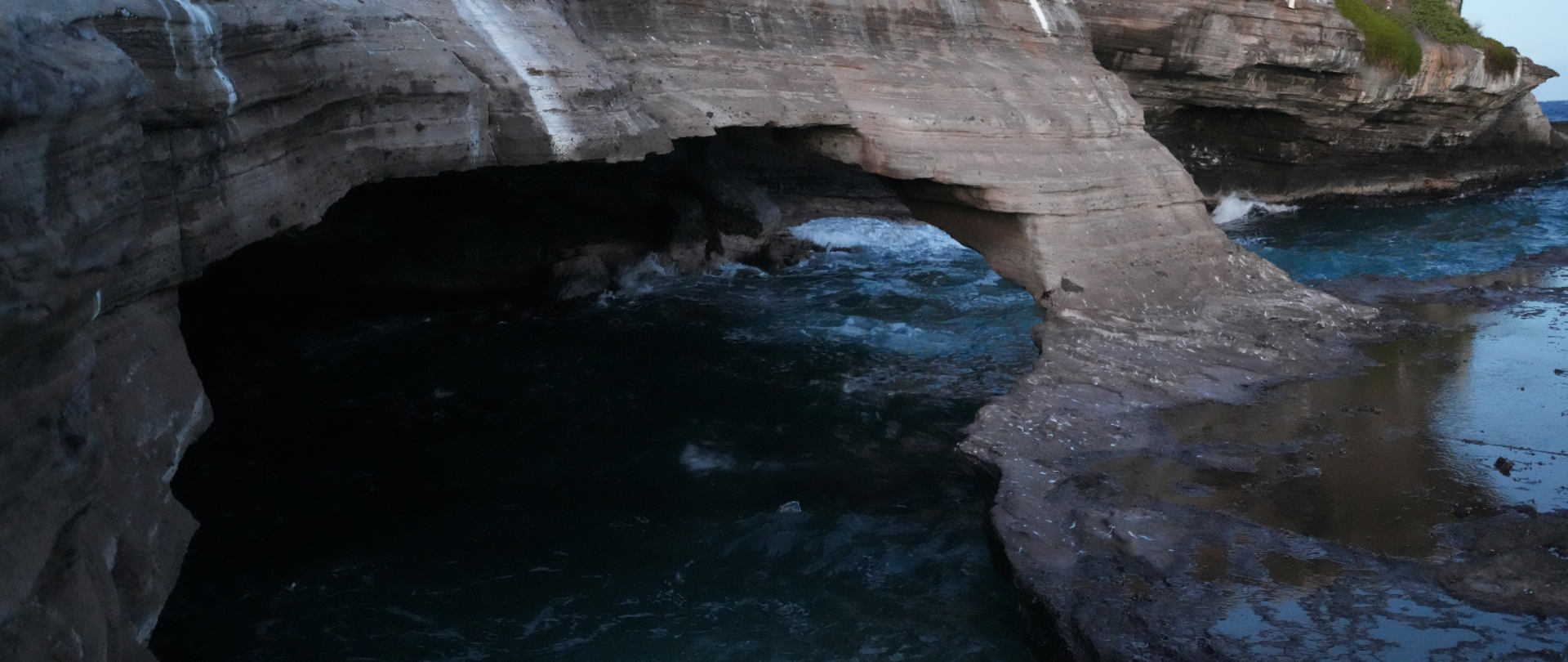
June 23, 2026
The Island-Ocean Connection Challenge announced four new restoration projects—Lehua, Tavolara, Grand Rouveau, and Zembra—at London Climate Week, expanding its global effort to restore 40 island-ocean ecosystems by 2030!
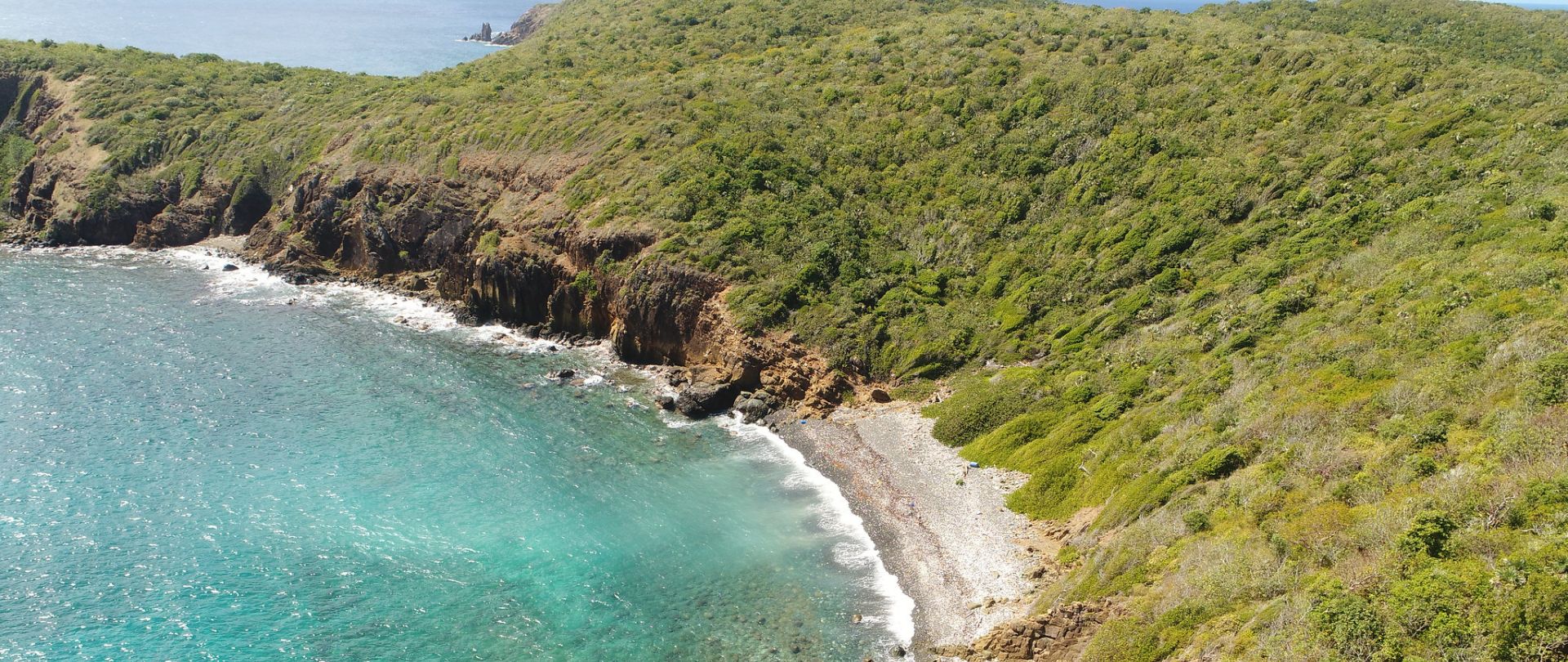
June 18, 2026
A new project to expand the range of an endangered Tree Boa is one step closer to completion!
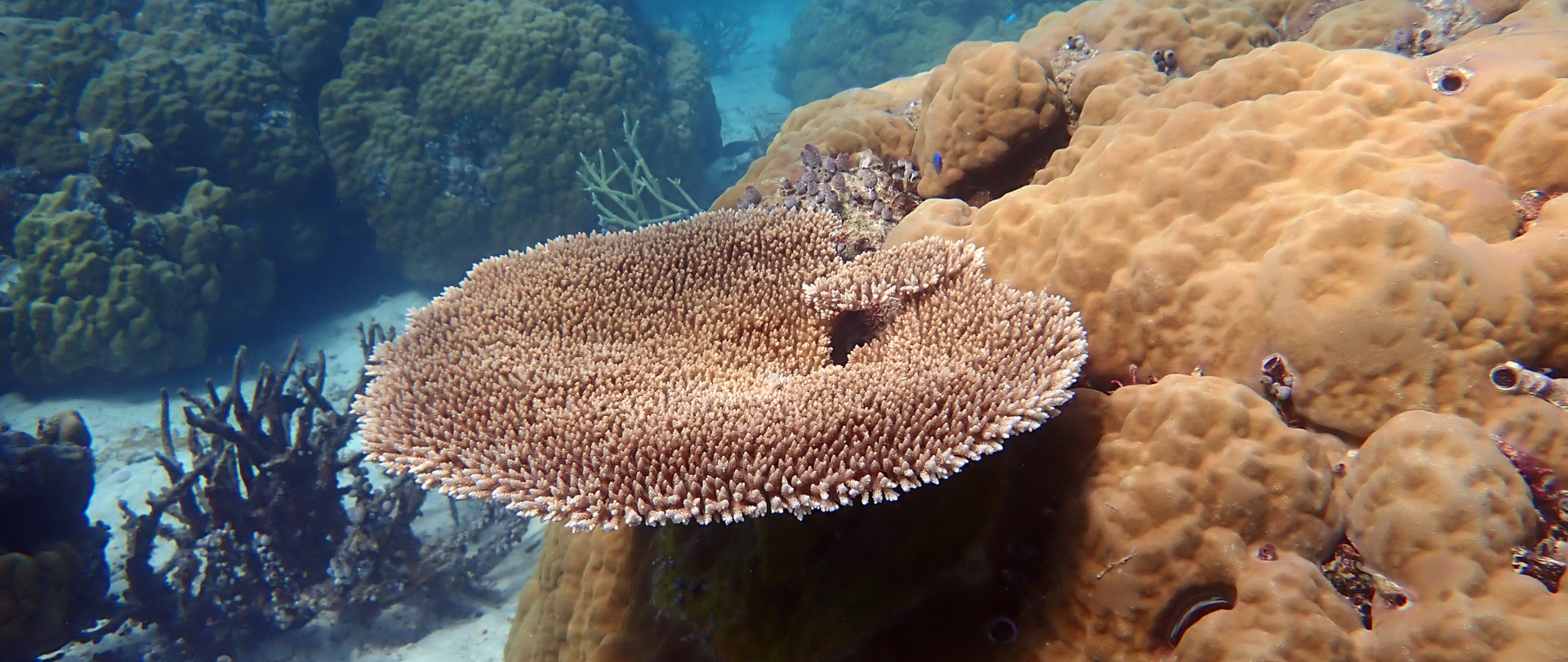
June 8, 2026
A world-first controlled experiment shows connection between seabird activity and marine health on Ulong Island!
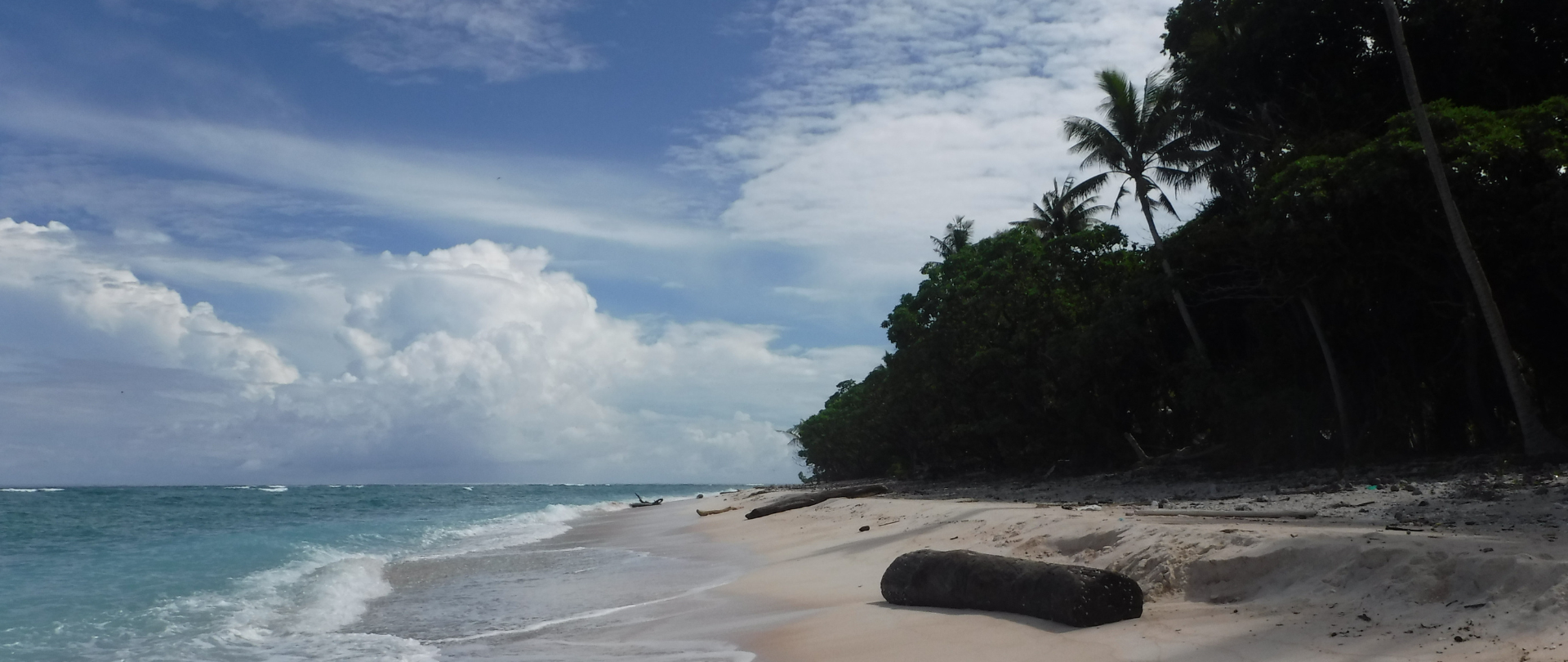
May 13, 2026
A new project in Sonsorol State, Palau aims to improve livelihoods and climate resilience through holistic environmental restoration!
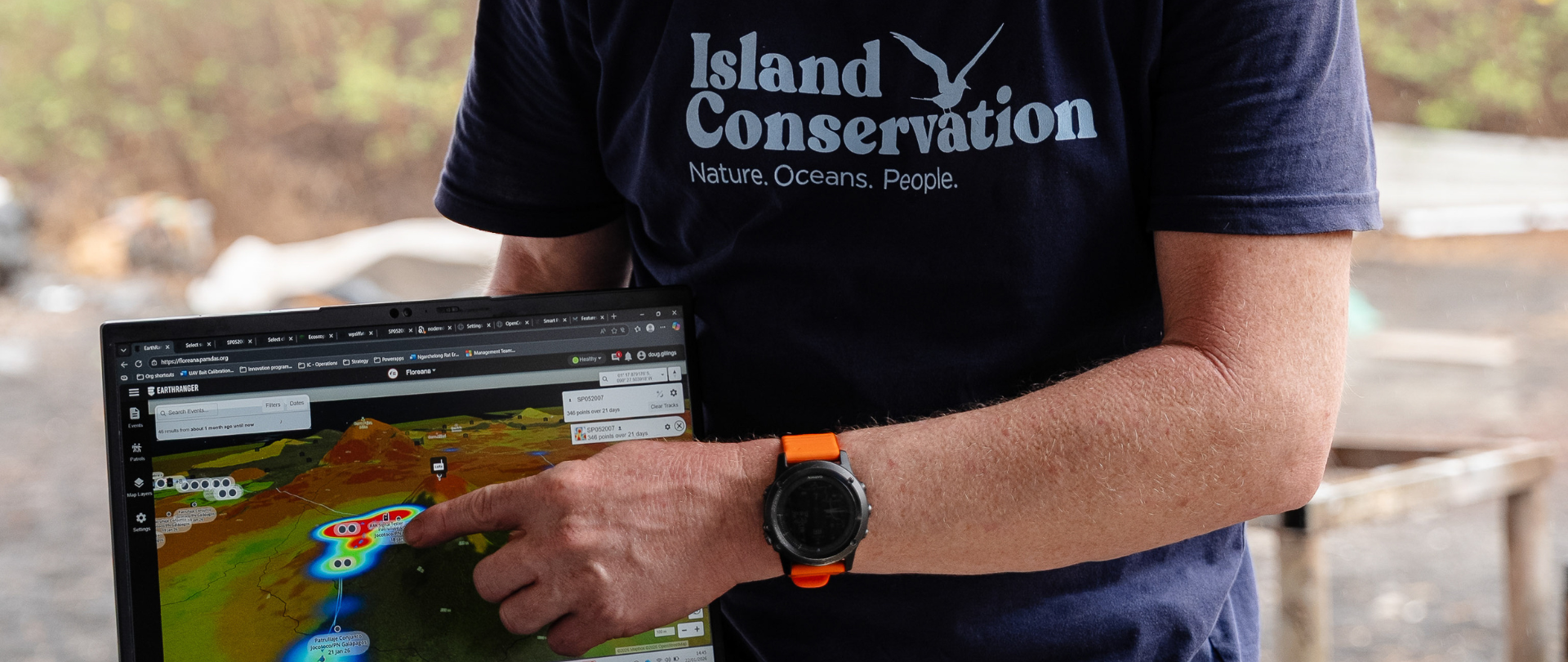
May 5, 2026
Thrilling new tech brings conservation solutions to a remote island in the Galápagos!
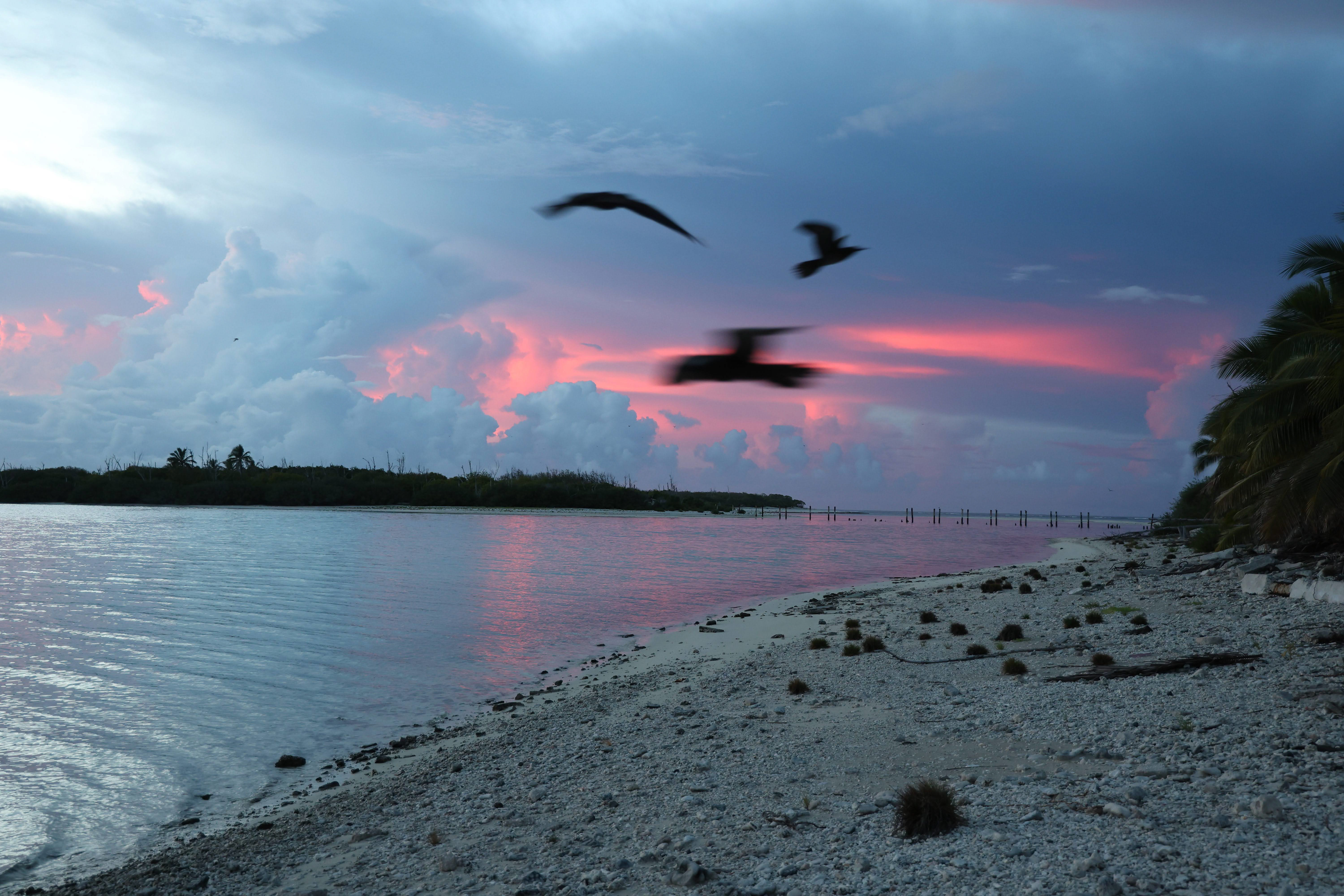
April 14, 2026
A historic moment: Wake Atoll is restored and thriving!
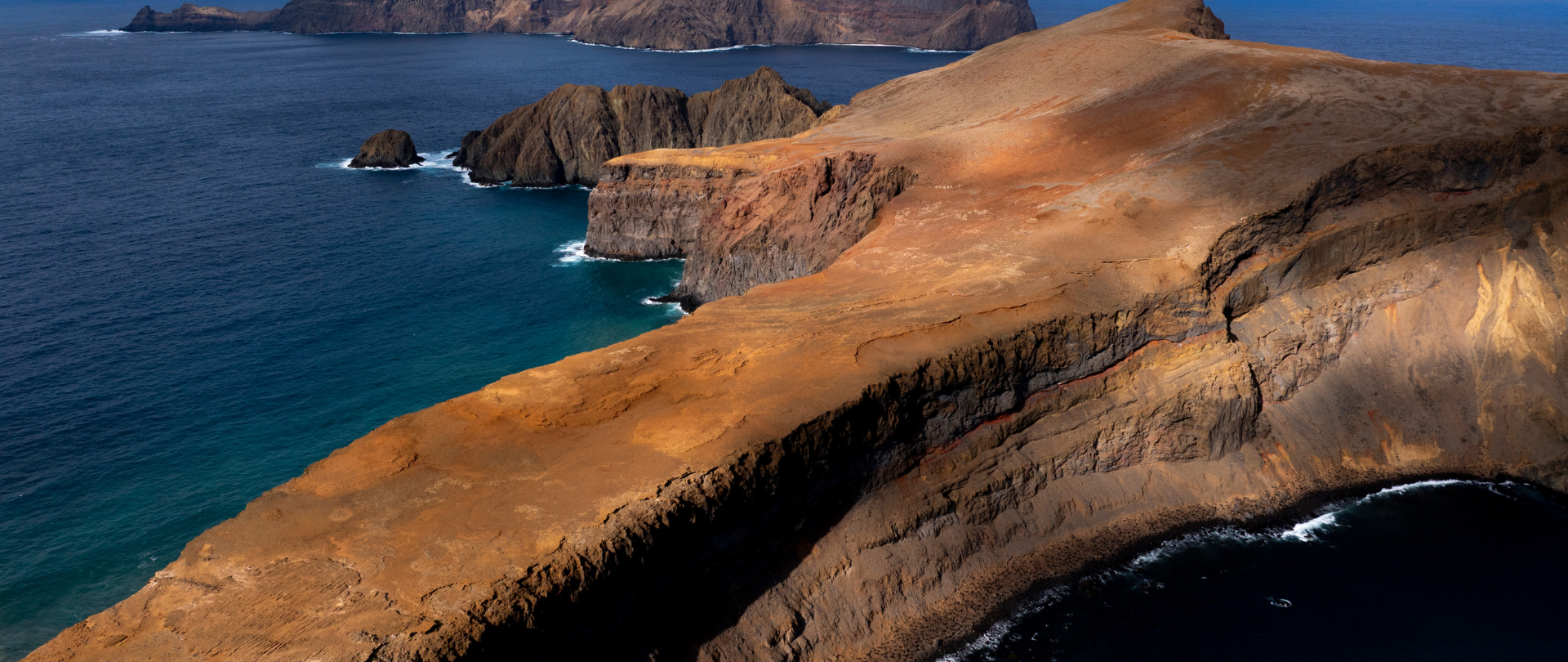
March 10, 2026
The Juan Fernández Archipelago is part of a new Marine Protected Area that protects the highest concentration of marine species found nowhere else on Earth!
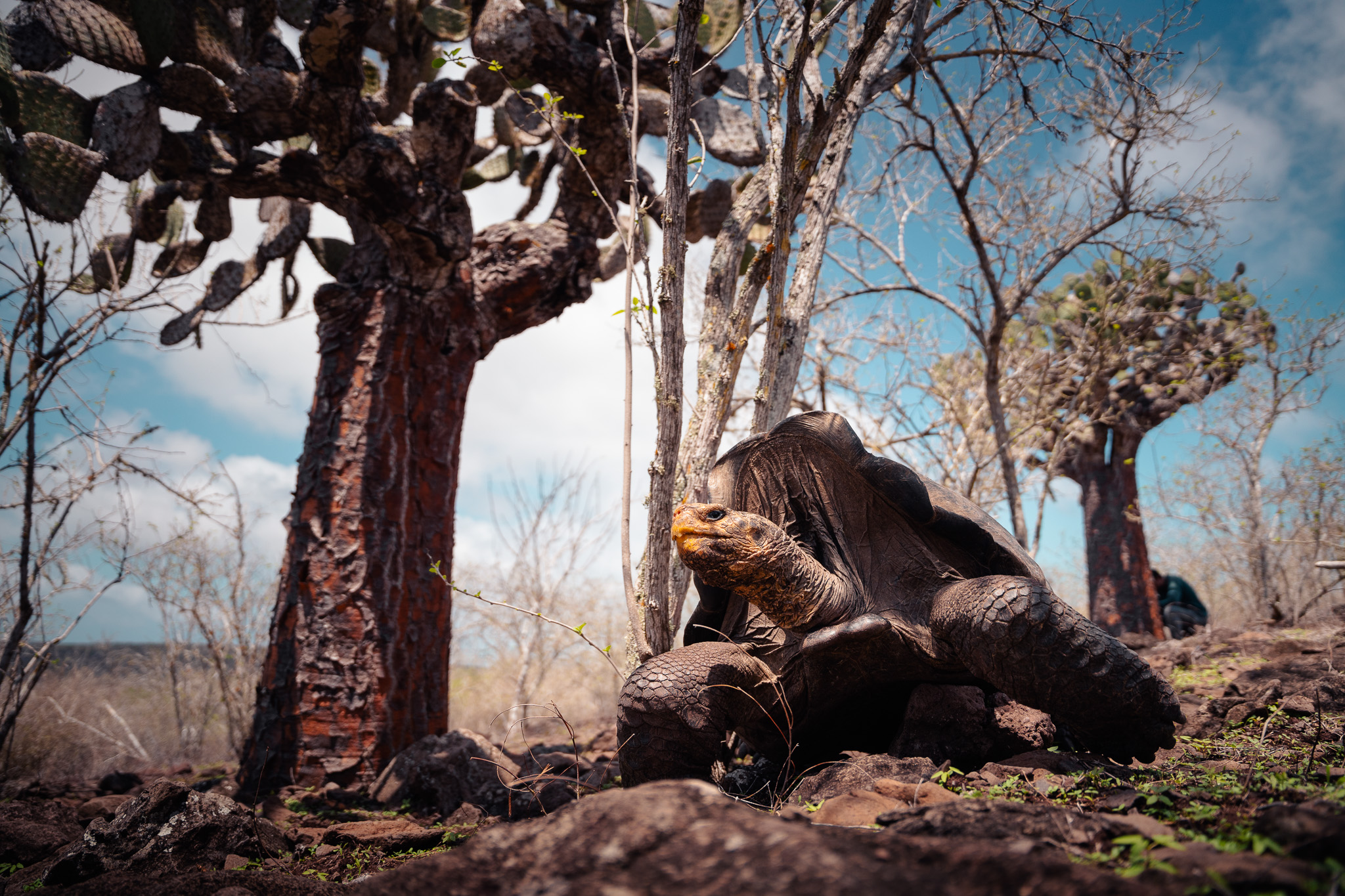
February 20, 2026
For the first time in more than 180 years, giant tortoises are once again walking the landscapes of Floreana Island!
October 30, 2025
Our proposal for a United Nations-sanctioned Decade of Island Resilience spotlights the power of global small islands!