August 4, 2026
Rapa Nui Advances Community-Led Management of Marine Protected Areas with New Conservation Partnerships
Indigenous-led conservation takes a leap forward with Rapa Nui (Easter Island)'s new partnership with Island Conservation!
 Island Conservation
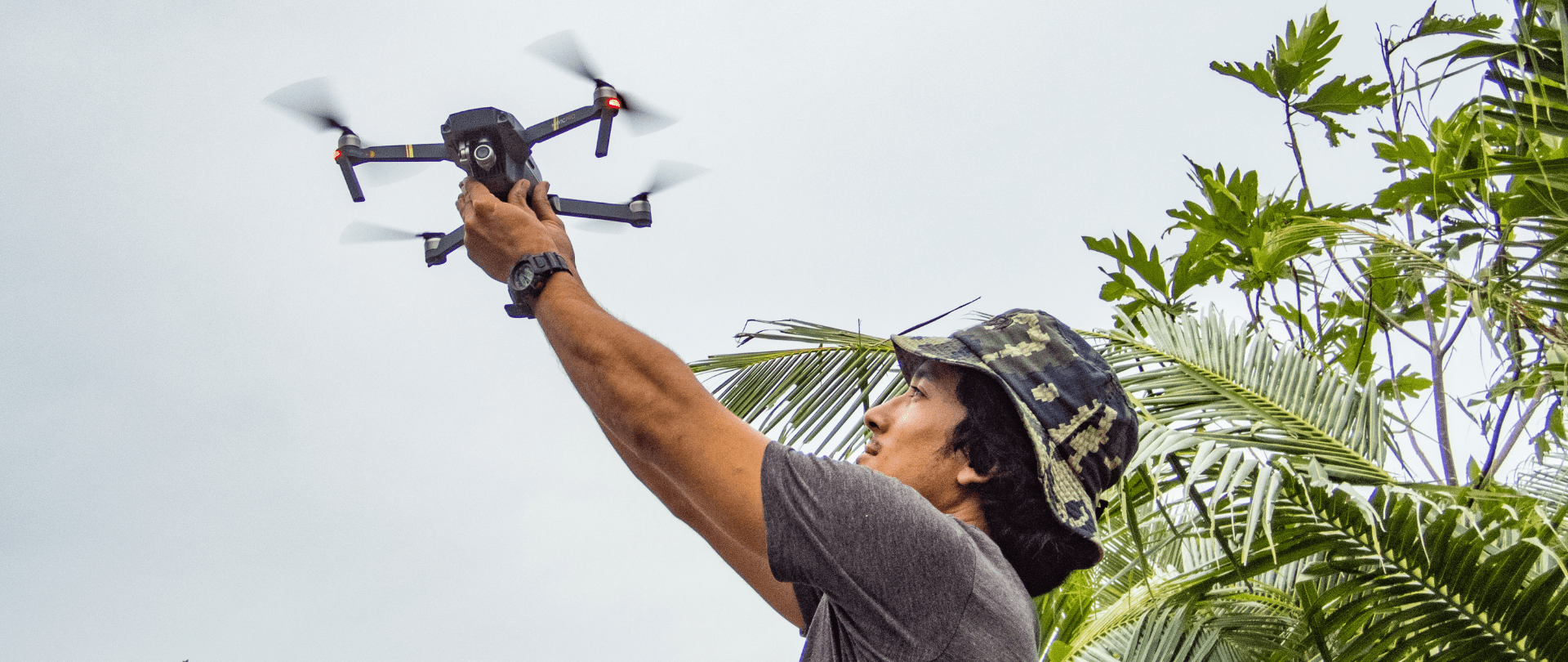
Island Conservation has always been committed to protecting our world’s biodiversity by removing a primary threat: invasive species on islands. Islands are home to a plethora of unique and ecologically important plants and animals. Invasive species pose the biggest threat to these fragile ecosystems. Island Conservation removes invasive species from islands to restore biodiversity and benefit communities, the marine environment, and to build climate resiliency. As our methods evolve, we continue to push the boundaries of innovation, and our drone program stands at the forefront of these efforts.
Island Conservation and Innovation: Unleashing the Power of Drones
Island Conservation is a hub of ingenuity and innovative problem-solving. We believe in harnessing the potential of modern technology to advance our conservation efforts. As such, the launching of Island Conservation’s Drone Program marked a significant leap in our approach to island restoration.
The use of drones has resulted in exponential gains for global technological island conservation methods. It has unlocked new levels of efficiency and scalability for eradications, enabling us to reach more islands and save more species. Our aim is to popularize and expand the utility of drones for island restoration, catalyzing a global marketplace of drone service providers, especially in areas of high biodiversity such as Latin America and the Pacific.

Drones: The Future of Island Restoration
Drones have proven to be a faster, cheaper, safer, and more efficient method for removing invasive species compared to traditional methods, like helicopters or ground crews. The ENV10 drone, in particular, has enabled us to operate effectively across various scales and conditions, completing over 1,200 flights.
Using drones, we’ve successfully conducted drone-powered eradications on 12 islands in four different countries. Three of these projects, Seymour Norte Island in the Galapagos archipelago, Ngerkeklau Island, Palau, and Kamaka Island, French Polynesia have been declared successful, with the others awaiting their post-year evaluation. We’re continuously refining our drone-powered eradication techniques, building on lessons learned from our projects. We’re focusing on advancing heavy-lift drone baiting technology, developing cutting edge drone and AI based animal detection tools, and diversifying the drone service provider marketplace with current investments with Syos Aerospace, Envico Technologies, and Parallel Flight Technologies.
One of our most successful drone-powered restoration campaigns took place in Uvea in Wallis and Futuna. We conducted over 500 individual drone flights, delivering conservation bait across nine islands. These projects showcased the reliability, efficiency, and logistical capabilities of our drone operations.
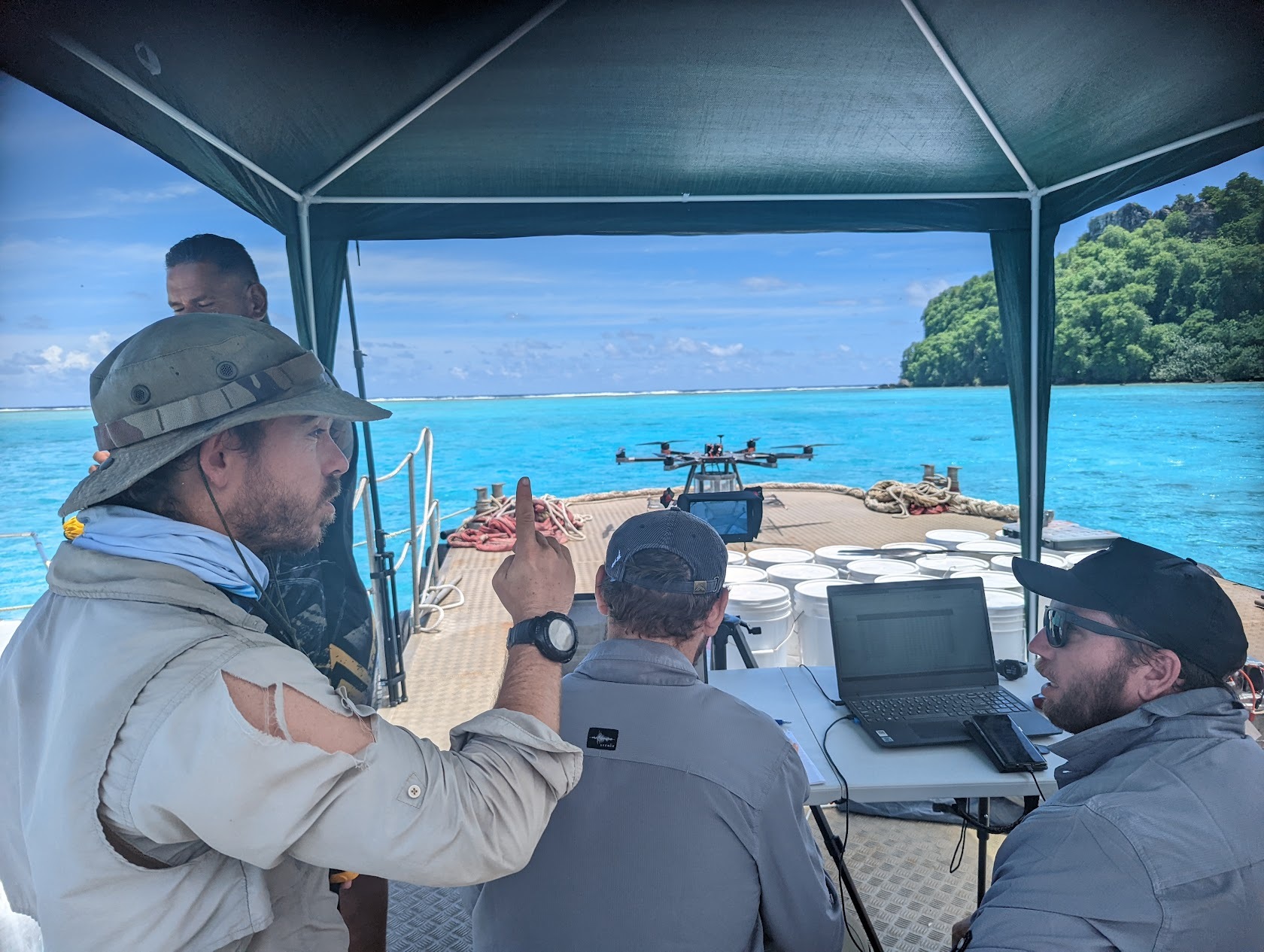
Island Conservation’s Ambitious Innovation Project in Wallis and Futuna
The project in Wallis and Futuna is Island Conservation’s most ambitious innovation project to date. Each of the atoll’s small islands presented unique geographical and environmental conditions to navigate. Despite these challenges, we managed to restore seven islands in the atoll, totaling 75.1 hectares.
The success of this project reaffirms our commitment to democratize the use of drones in island restoration. We are already planning drone-powered aerial bait eradications on 22 islands in five countries for 2024 and 2025, some of which will mark the first drone-baiting operations in those countries.
Monitoring Species with Autonomous Sensors and Machine Learning
Not only are we using drones for eradications, but we’re also employing them for species monitoring. We’re conducting research to develop an autonomous sensor and machine learning classification system that allows real-time, species-specific detection using hyperspectral sensors and onboard AI algorithms.
So far we have collected over 1 TB of imagery of animals of interest, developed machine-learning models with 80 – 90% accuracy in classifying target animals, and identified the top 10 spectral bands necessary for distinguishing between common animal species. We look forward to sharing our findings in a peer-reviewed journal in the third quarter of 2023.
Empowering Staff and Partners with Drones
Investing and exploring the capabilities of drones has empowered Island Conservation staff and partners to use multiple types of drone technologies to detect, track, and collect high-resolution imagery of endangered and invasive species across Latin America, Micronesia, Polynesia, the Caribbean, and the US.
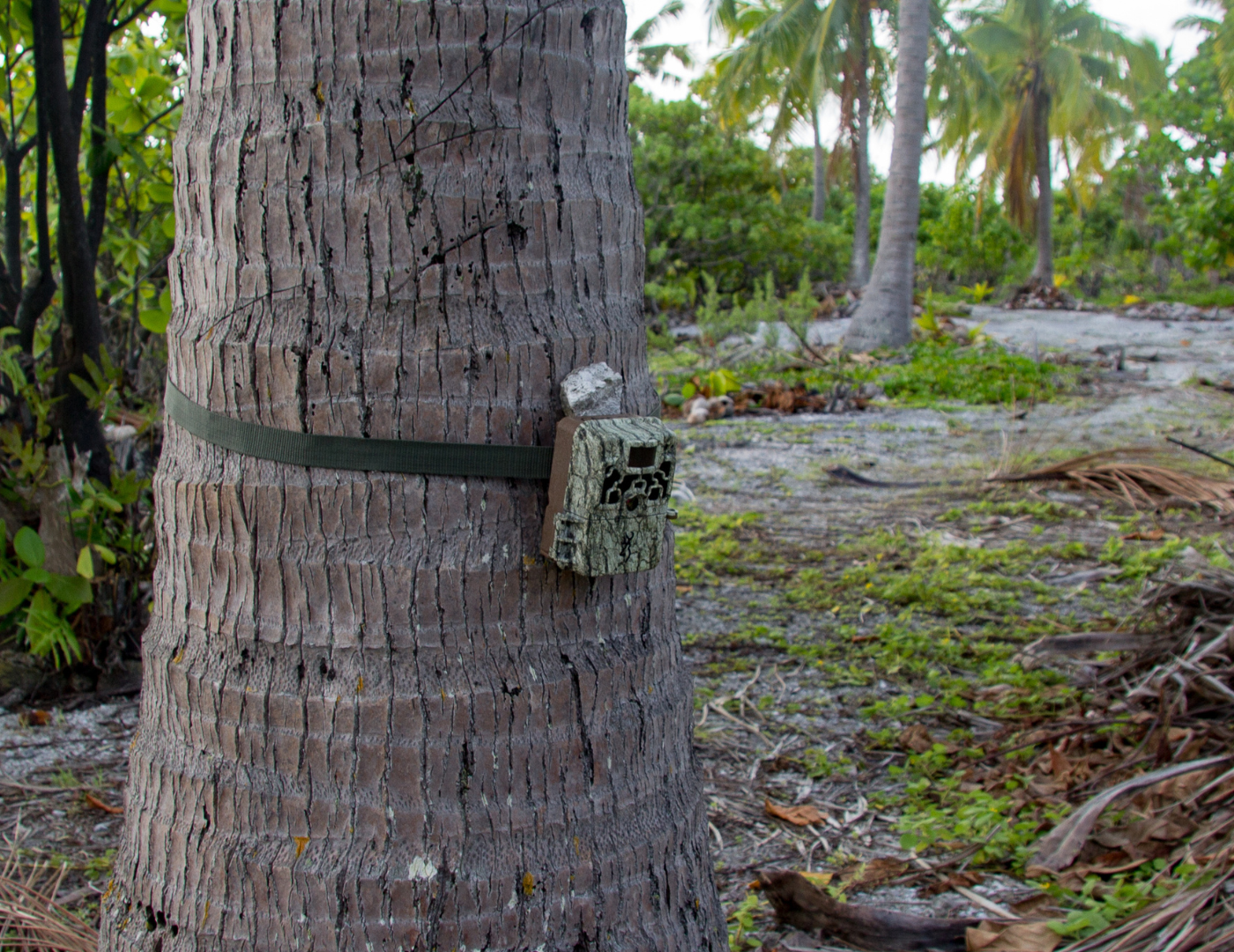
We are also excited to be using a new camera trap system, the Conservation X Lab’s “Sentinel”. Sentinel devices are embedded with AI that can detect animals, provide real-time information about their behavior, send insights over satellite, and remotely retrieve raw photos using Wi-Fi payloads attached to drones. This system has shown promising results in Hawaii, where it collected crucial trail camera datasets five times faster than ground staff.

Looking Forward: The Future of Drone-Powered Conservation
As we move forward, we are excited about the limitless potential that drone technology offers. Our commitment remains steadfast: to restore islands faster, cheaper, and safer, thereby protecting biodiversity and ensuring a healthier planet.
Stay tuned for more updates on our pioneering drone-powered conservation efforts. Your support and interest fuel our mission to save our planet’s unique ecosystems and species from the brink of extinction. Together, we can make a difference.
Upcoming Opportunities to Learn More
You can join leading wildlife and ecosystem professionals from around the world at the Wildlife Conservation Drones & Technology Summit. A unique forum to discover, learn, and apply new technologies shaping the future of field conservation and ecosystem monitoring, this conference promises hands-on training, live field testing, and immersive program development. With presentations, workgroups, and live demos, this summit is designed to exchange ideas, learn from over 100 global conservationists, and address the evolving technological needs of field conservationists.
Uncover the potential of drones, share insights with representatives from prestigious institutions like The Wildlife Conservation Society and the Paul Allen Institute for AI, and contribute to pioneering solutions in conservation. We’ll be there, so come say find us if you attend!
Check out other journal entries we think you might be interested in.
August 4, 2026
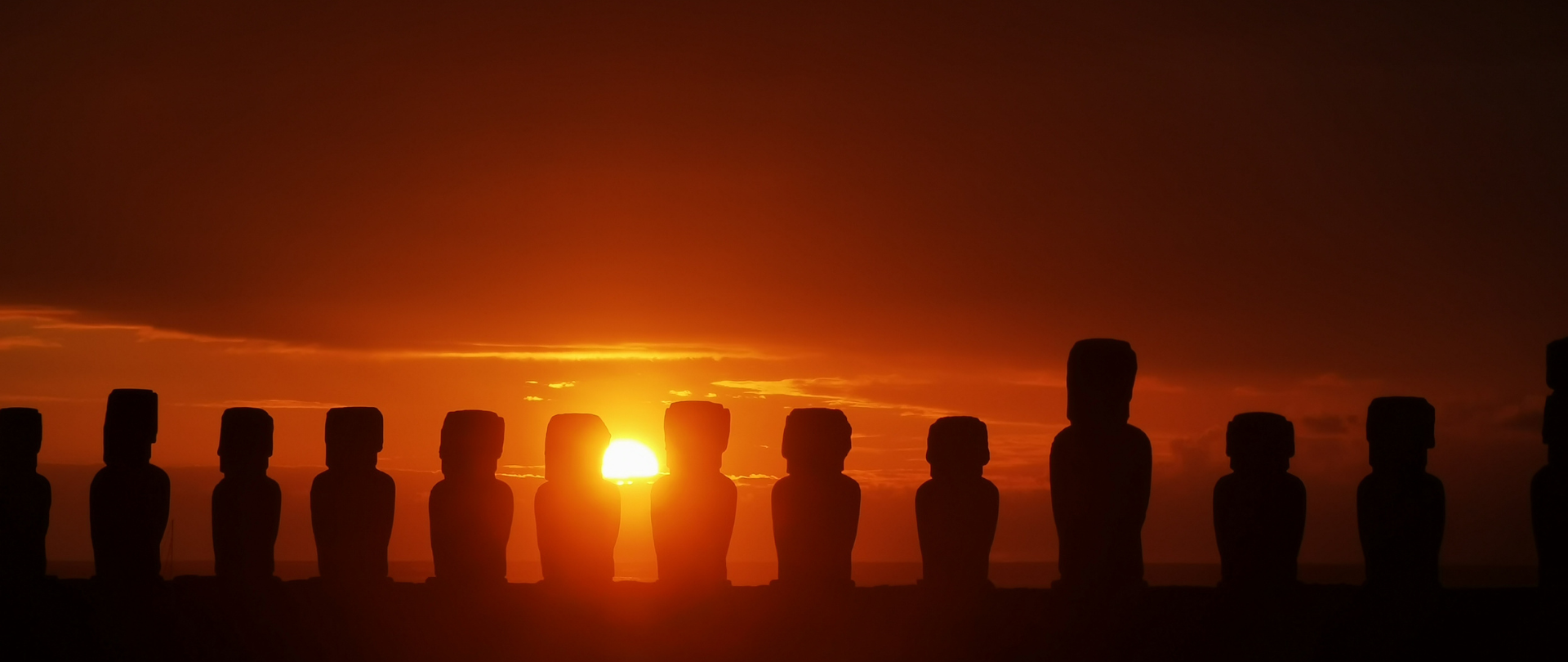
Indigenous-led conservation takes a leap forward with Rapa Nui (Easter Island)'s new partnership with Island Conservation!
June 23, 2026
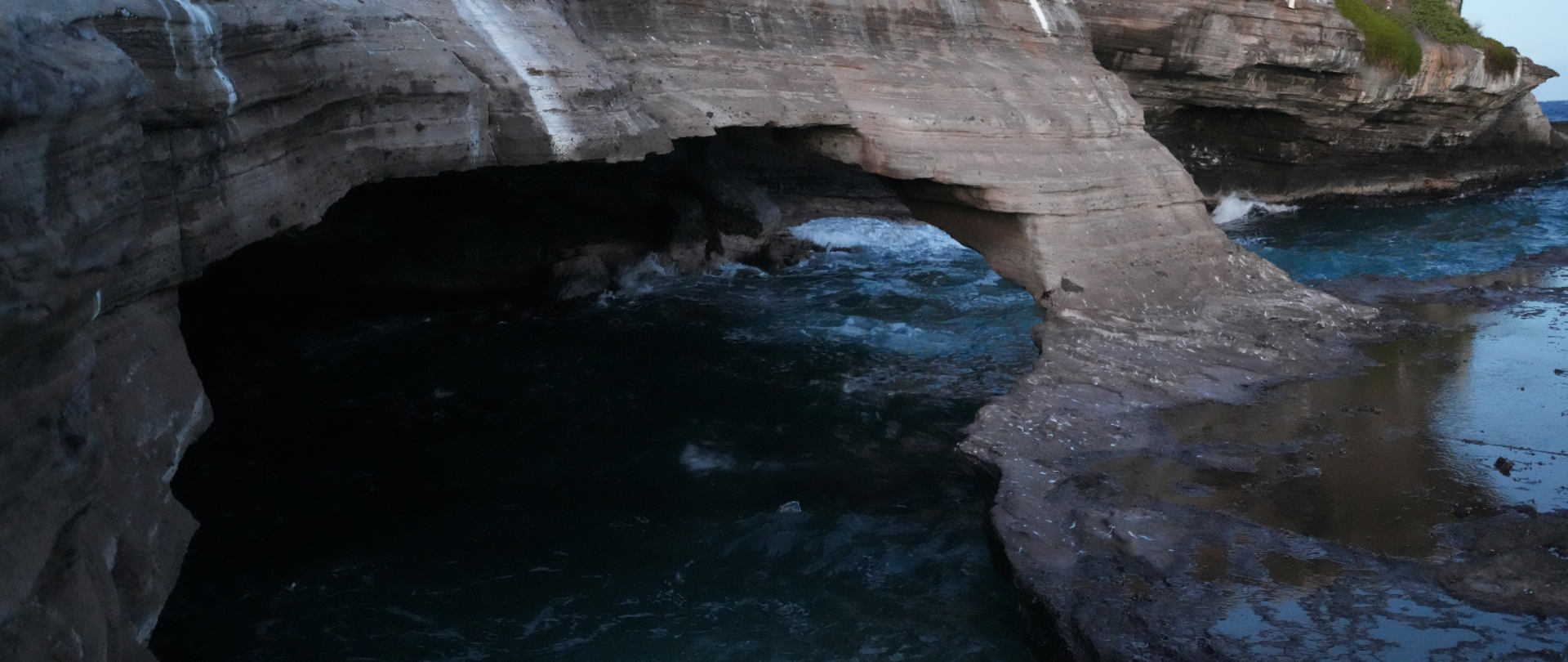
The Island-Ocean Connection Challenge announced four new restoration projects—Lehua, Tavolara, Grand Rouveau, and Zembra—at London Climate Week, expanding its global effort to restore 40 island-ocean ecosystems by 2030!
June 18, 2026
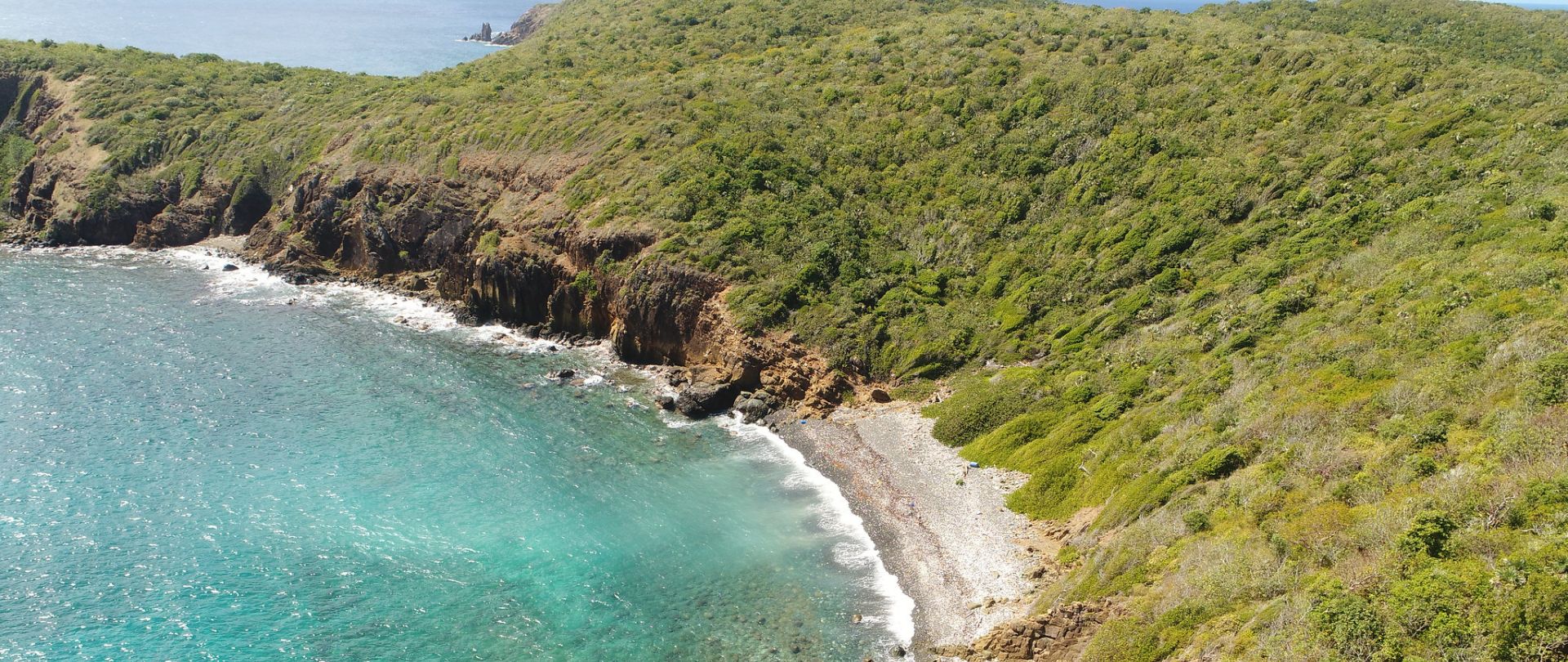
A new project to expand the range of an endangered Tree Boa is one step closer to completion!
June 8, 2026
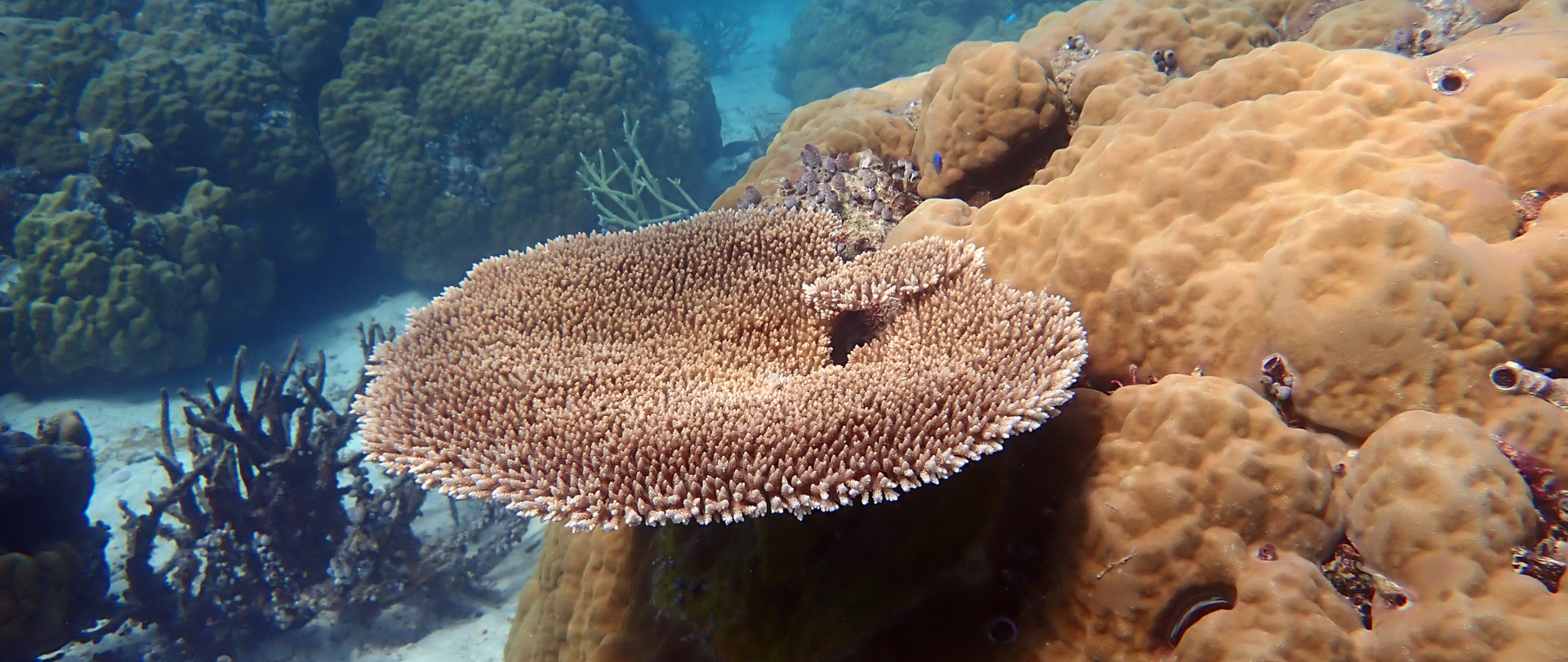
A world-first controlled experiment shows connection between seabird activity and marine health on Ulong Island!
May 13, 2026
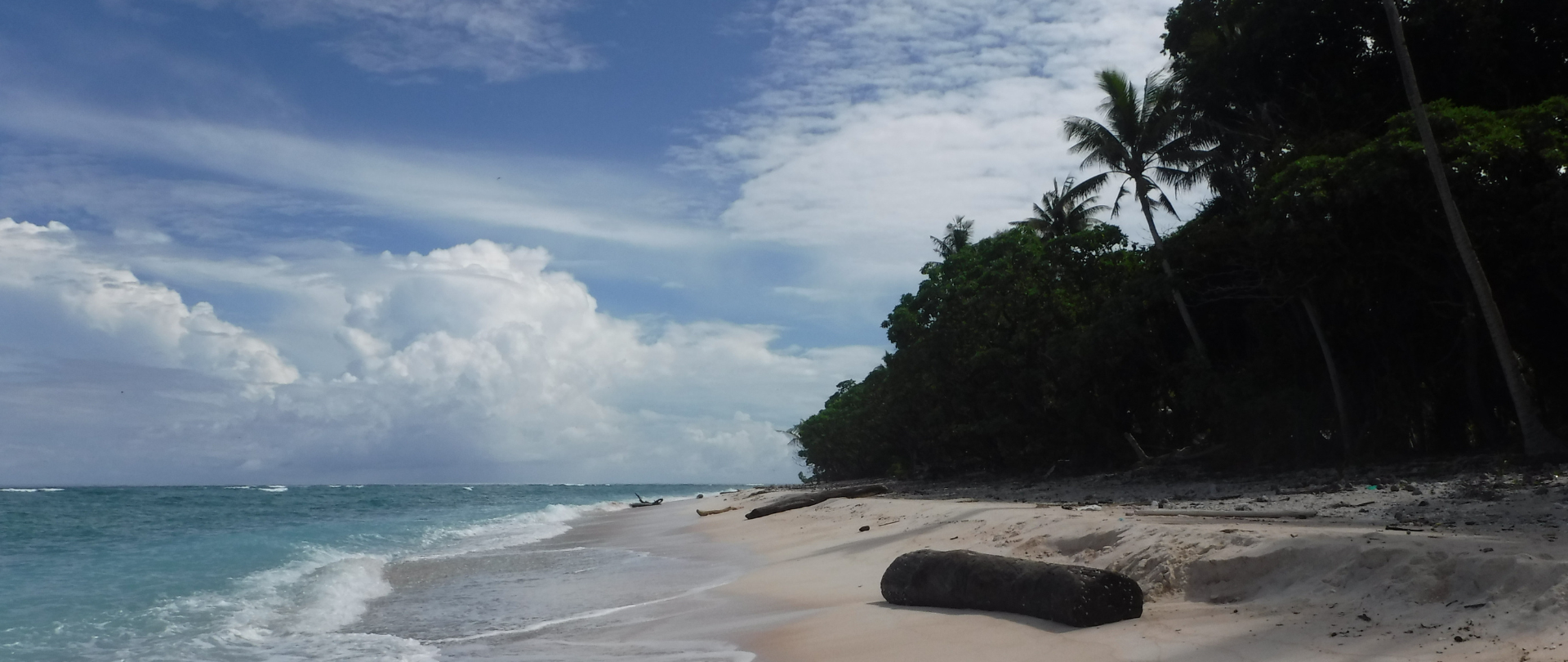
A new project in Sonsorol State, Palau aims to improve livelihoods and climate resilience through holistic environmental restoration!
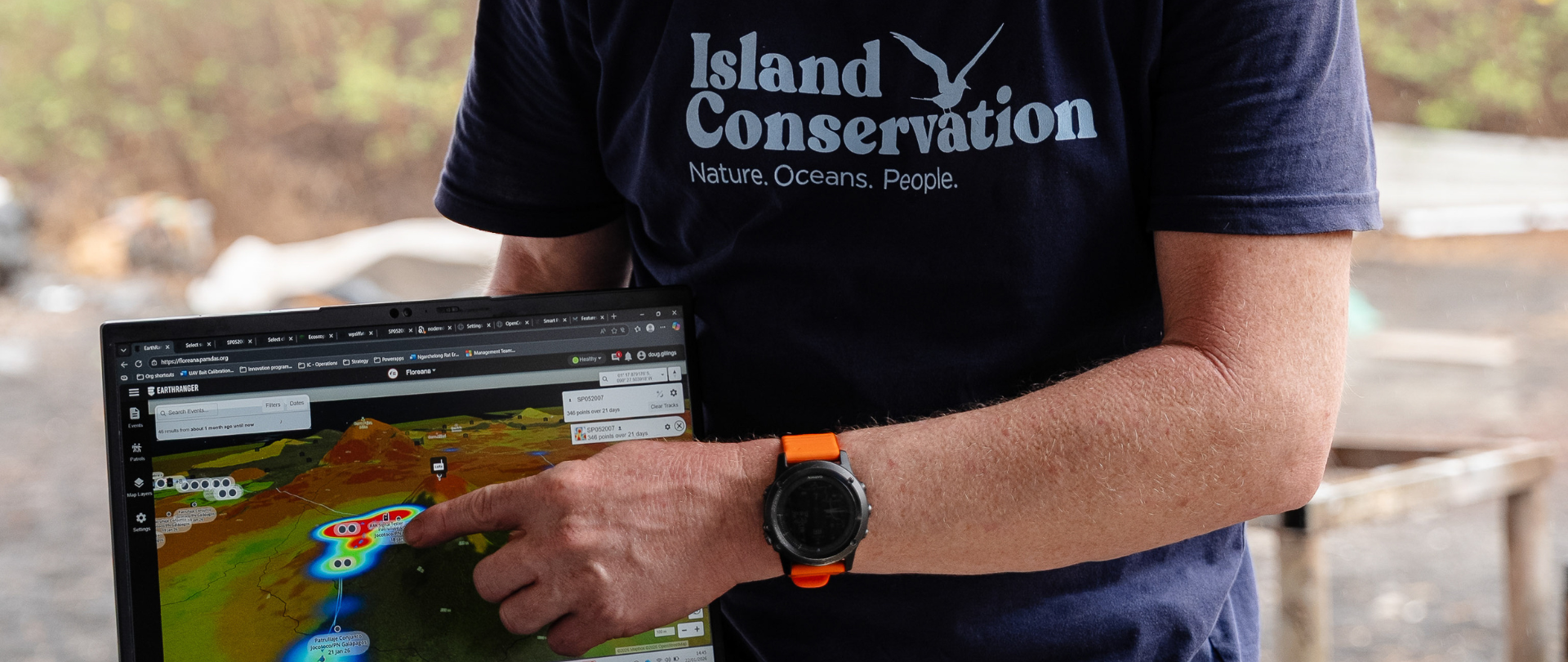
May 5, 2026
Thrilling new tech brings conservation solutions to a remote island in the Galápagos!
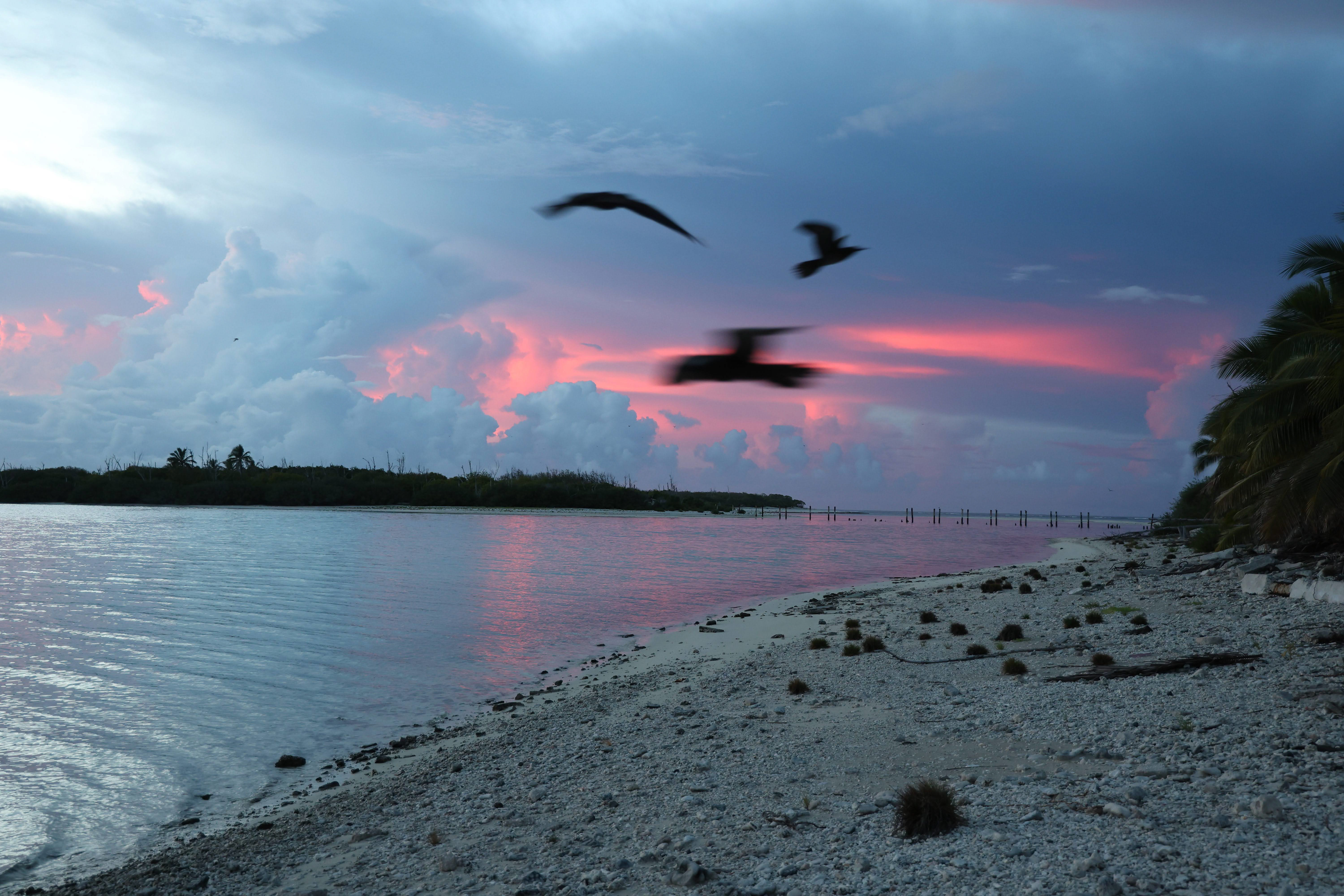
April 14, 2026
A historic moment: Wake Atoll is restored and thriving!
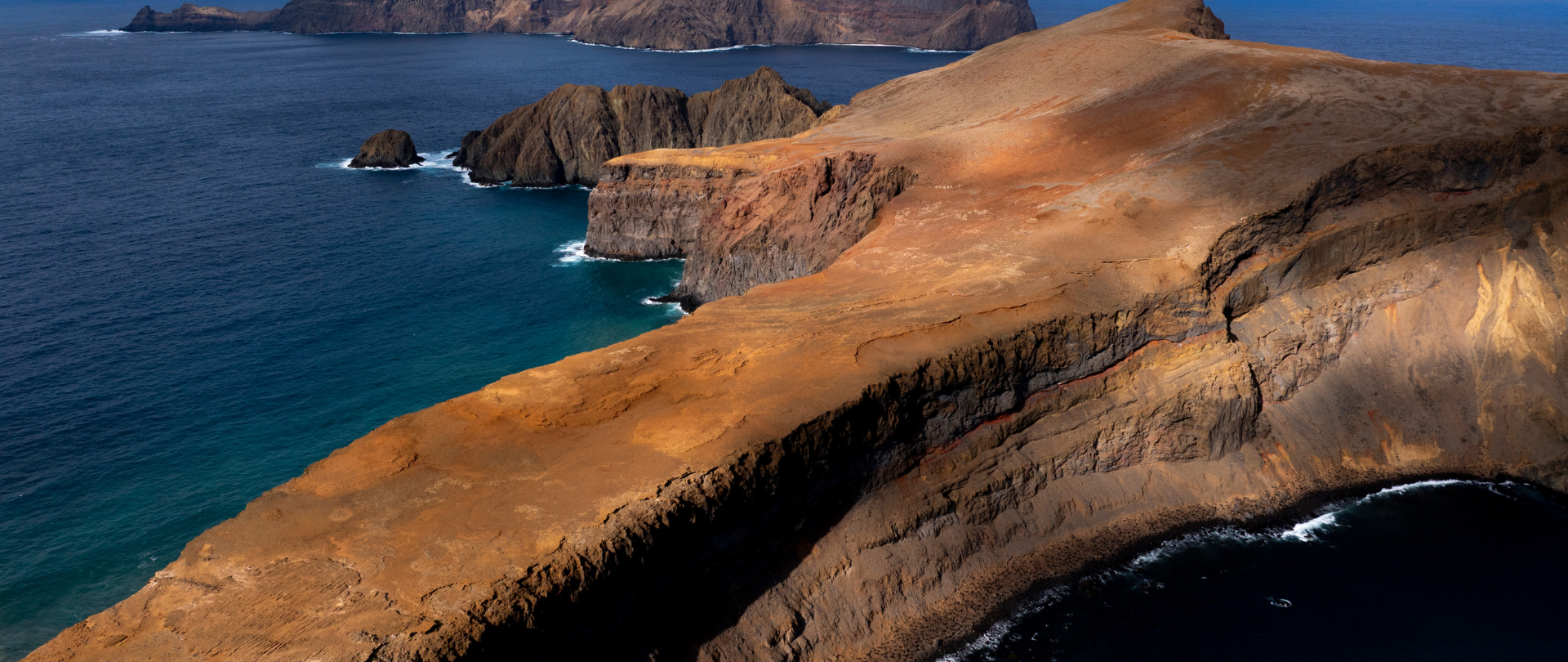
March 10, 2026
The Juan Fernández Archipelago is part of a new Marine Protected Area that protects the highest concentration of marine species found nowhere else on Earth!
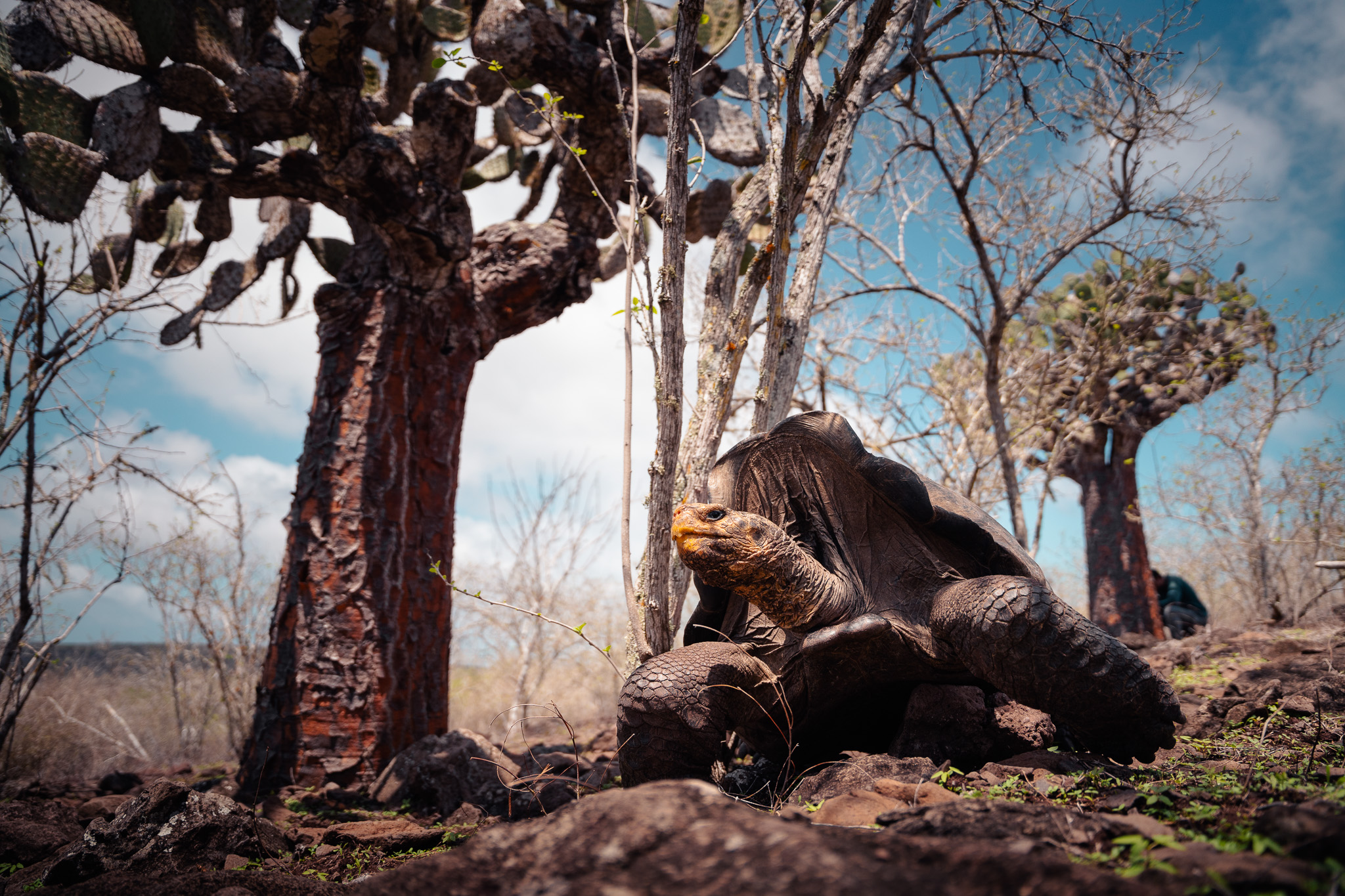
February 20, 2026
For the first time in more than 180 years, giant tortoises are once again walking the landscapes of Floreana Island!
December 22, 2025
Elke Windschitl, our Conservation Impact Data Specialist, gives us the lowdown on