September 17, 2026
Island Conservation and Robinson Crusoe Island, Chile: Growing Hope Together
On the island of Robinson Crusoe in Chile, a greenhouse feeds both a community and an islander-led conservation movement!
 Island Conservation
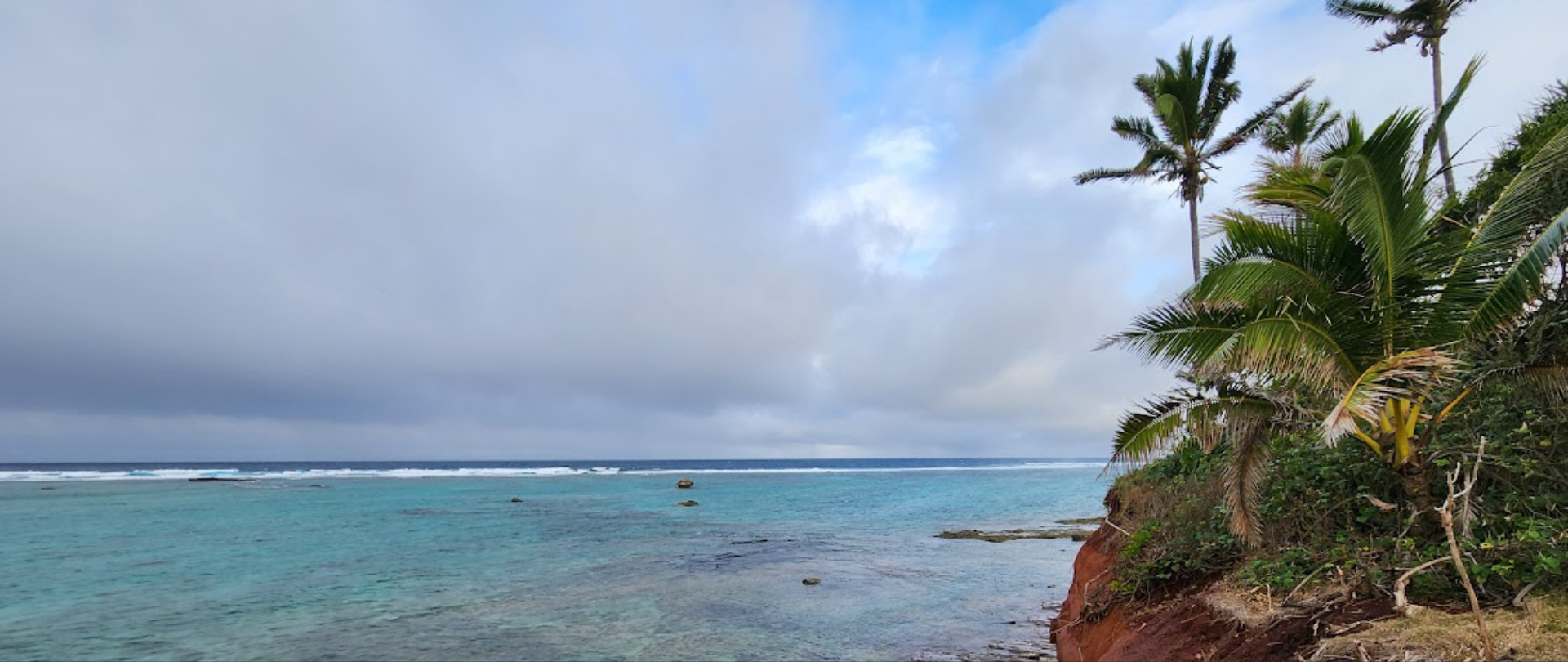
Our partners at the Secretariat of the Pacific Regional Environmental Program (SPREP) published this article about the work we accomplished in Tonga under the direction of the Department of Environment. With support from the Pacific Regional Invasive Species Management Support Service (PRISMSS), we acted as the technical lead to help restore the ecosystem of the Ha’apai Group of islets. The first step in holistic restoration is removal of invasive species–an act which can totally transform environments from ridge to reef.
In a significant milestone for biodiversity and community resilience in Tonga, invasive rat and feral pig populations have been removed from the uninhabited islets of Kelefesia and Tonumea in the Ha’apai Group.
This achievement, led by Tonga’s Department of Environment and supported by the Pacific Regional Invasive Species Management Support Service (PRISMSS) Predator Free Pacific Programme Technical Lead, Island Conservation, brings renewed hope for Tonga’s vulnerable ecosystems and serves as a model for similar conservation efforts across the Pacific.
The eradication project, carried out over five weeks from July to November 2024, focused on restoring the islets’ delicate ecosystems, which serve as critical habitats for native bird species and endangered turtles. The project was conducted in two key stages: first, a team of 8 dedicated local “invasive battlers” camped on the islets for three weeks to remove all feral pigs, ensuring they would not interfere with rat eradication efforts or consume rat poison intended for the rats.
Following pig removal, a team of 10 which included four from Tonga’s Department of Environment under the Ministry of Meteorology, Energy, Information, Disaster Management, Environment, Climate Change and Communications (MEIDECC), four local participants from Nomuka, and two team members from Island Conservation camped on the islands to focus on the rodents.
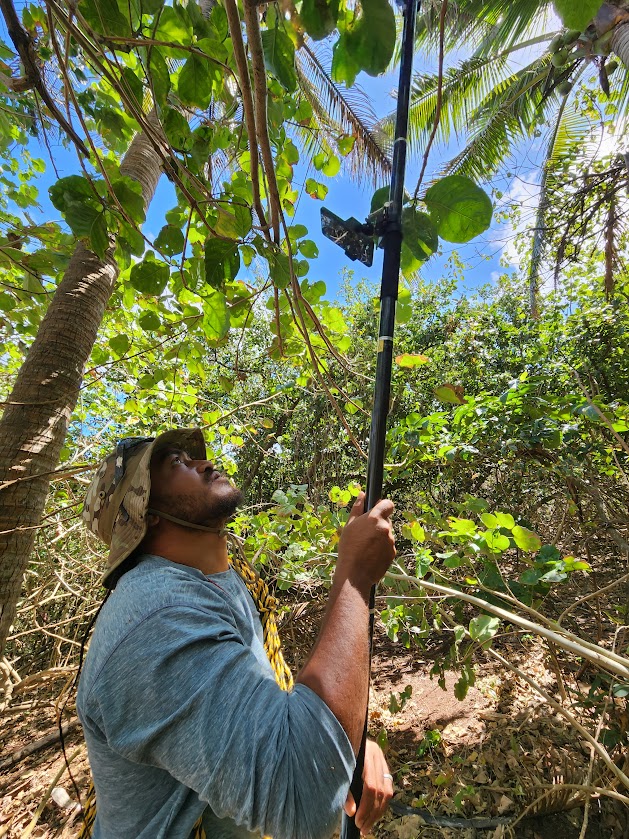 The team cleared pathways and established distribution points for the conservation bait. This multi-species effort helps protect the islands’ ecosystems from the severe threats posed by invasive rats and pigs, including the spread of disease, the destruction of food and vegetation, and predation on nesting birds and eggs.
“This project is another example of Tonga leading the way in the management of invasive species to build climate resilience,” said Mr Richard Griffiths, Head of Operations at Island Conservation.
“With further resources, we hope to continue expanding these efforts across other Tongan islands to benefit both the environment and local communities.”
The eradication effort strengthens Ha’apai’s climate resilience by providing more natural resources for local communities and promoting a healthier, more robust ecosystem capable of withstanding environmental pressures such as extreme weather and rising sea levels.
Removing invasive species restores the vital nutrient flows that connect the land and sea, leading to healthier fish populations and stronger reefs. Restoring native vegetation and habitats also helps reduce the community’s vulnerability to food supply disruptions, ensuring a more sustainable and self-sufficient future for Ha’apai.
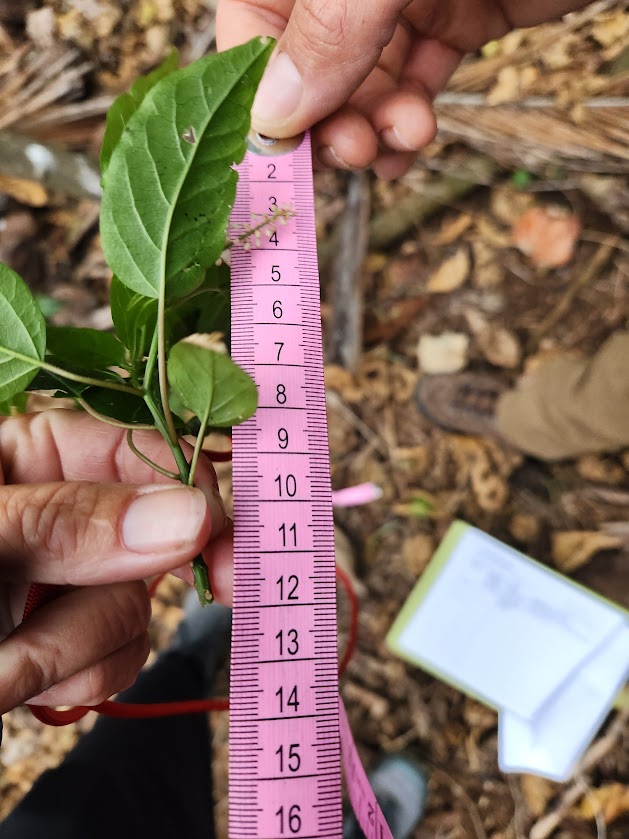
Community engagement and capacity-building were essential to the project’s approach. Community members from nearby islands such as Nomuka participated in training sessions on biosecurity and eradication techniques, bolstering local expertise and commitment to ongoing biosecurity practices. In the coming weeks, the invasive species team plans to visit Fonoi to discuss biosecurity measures and rat control, followed by a consultation with the Mango community in December.
Secretariat of the Pacific Regional Environment Programme (SPREP) PRISMSS Manager, Mr Dominic Sadler shared that, “this initiative is part of the PRISMSS’s Predator Free Pacific (PFP) programme, led by Island Conservation, and it exemplifies the power of collaborative, region-wide conservation efforts to protect biodiversity and strengthen ecosystem resilience across the Pacific.”
“We look forward to strengthening our partnership with Tonga to keep building climate resilience through invasive species management.”
SPREP is the executing agency for the Restoring Island Resilience (RIR) project, a collaboration funded by the New Zealand Ministry of Foreign Affairs and Trade and United Kingdom’s Foreign, Commonwealth & Development Office, which aims to enhance Pacific Island livelihoods and climate resilience by mitigating the impacts of invasive species on both natural and agricultural ecosystems.
A follow-up monitoring exercise is scheduled for 2025 to confirm the long-term success of the eradication on Kelefesia and Tonumea.
Become a supporter today to help support our work to restore and rewild islands around the world! To hear updates from our team as we work to holistically restore islands worldwide, sign up for our newsletter!
Check out other journal entries we think you might be interested in.
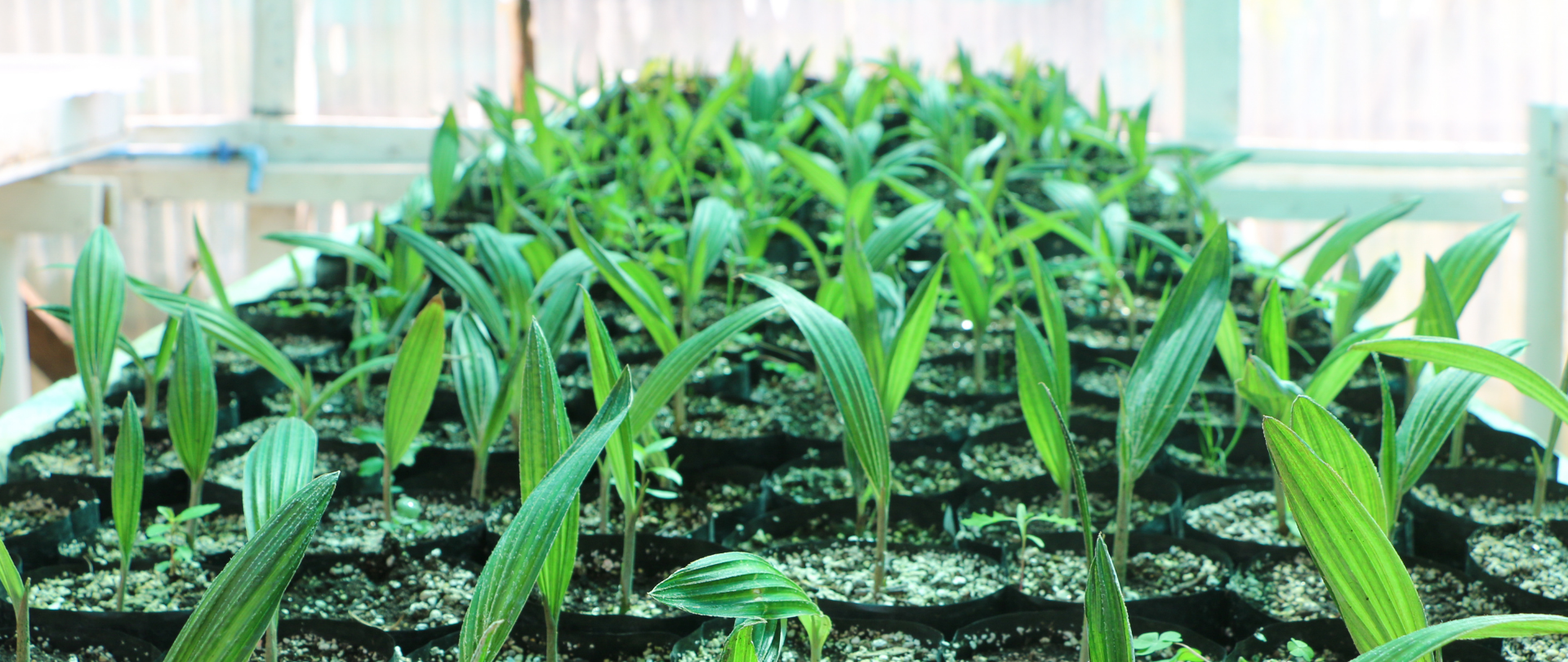
September 17, 2026
On the island of Robinson Crusoe in Chile, a greenhouse feeds both a community and an islander-led conservation movement!
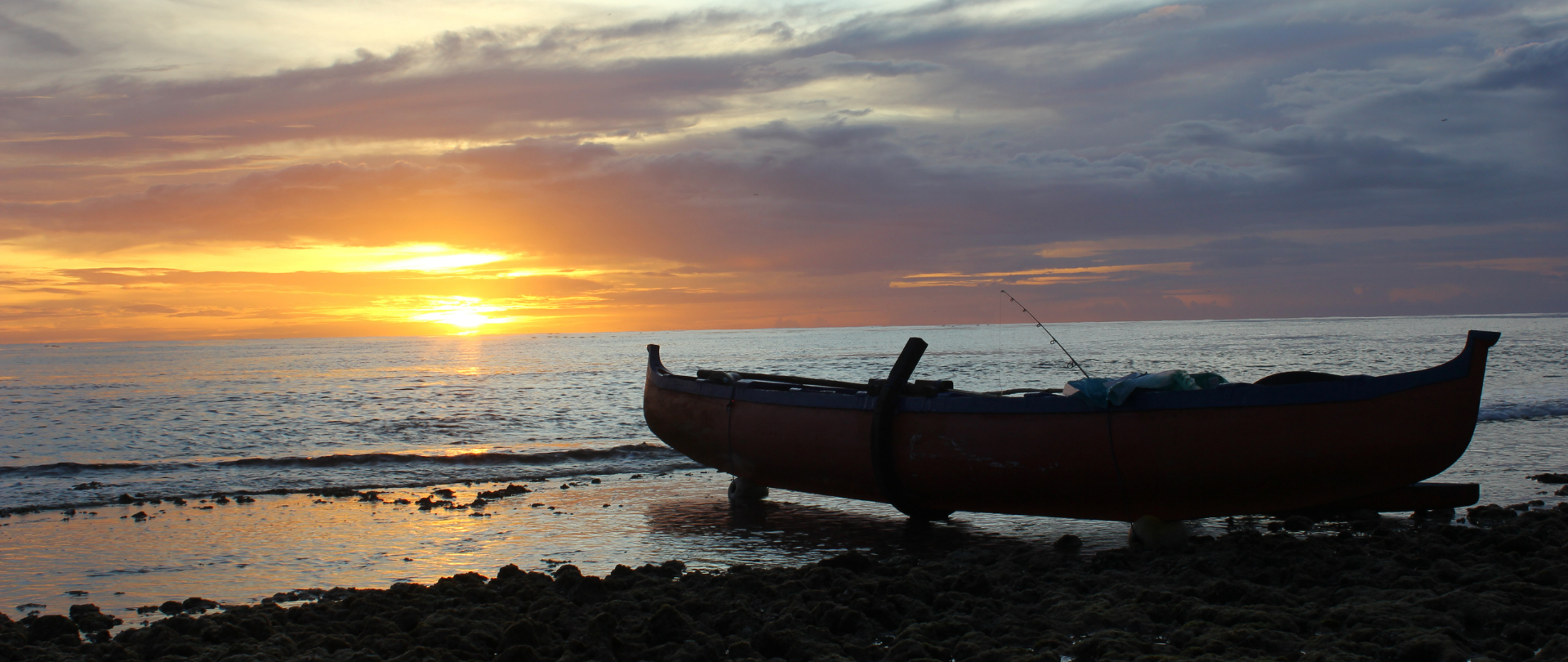
September 1, 2026
Linden Brown shares the incredible things he saw and experienced while working to restore islands in Sonsorol State, Palau!
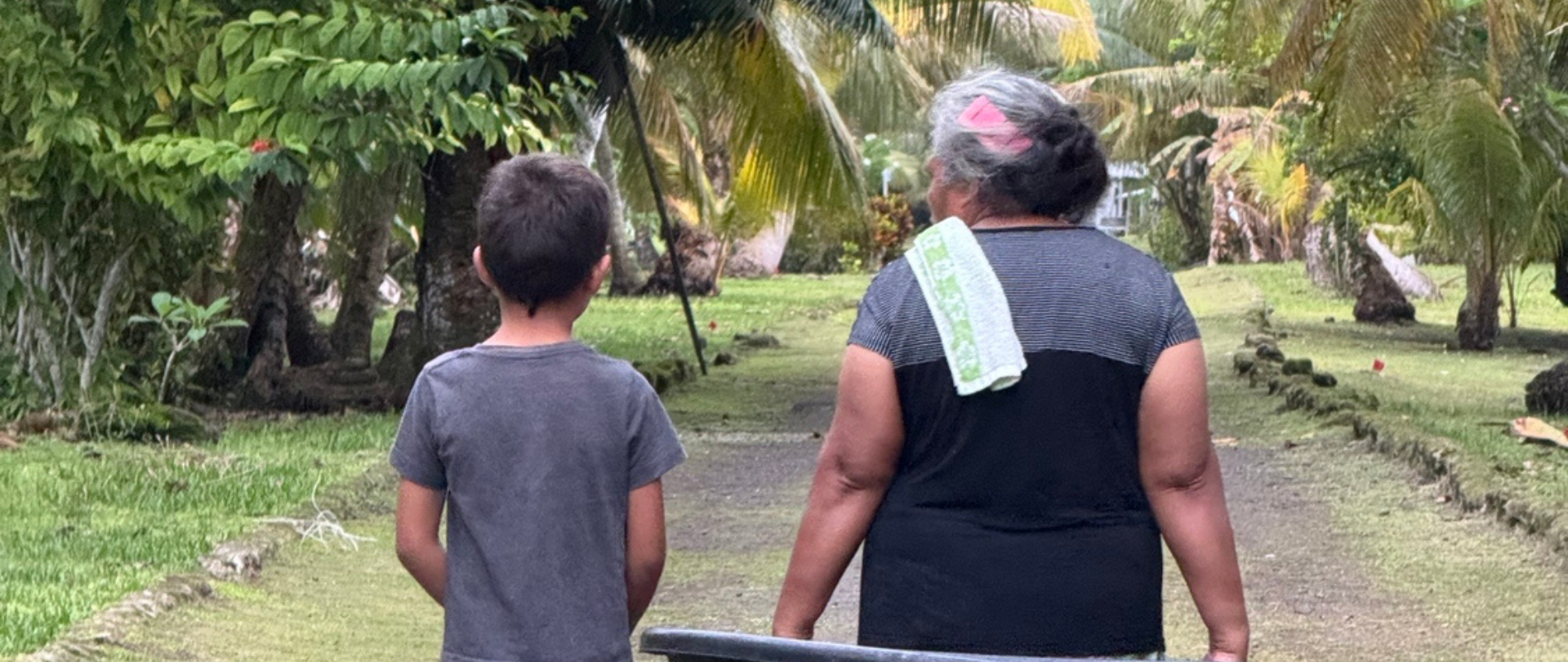
August 18, 2026
Meet Evelyn, one of the people who holds the wisdom of Sonsorol State, Palau in her lived experiences and stories.

August 4, 2026
Indigenous-led conservation takes a leap forward with Rapa Nui (Easter Island)'s new partnership with Island Conservation!
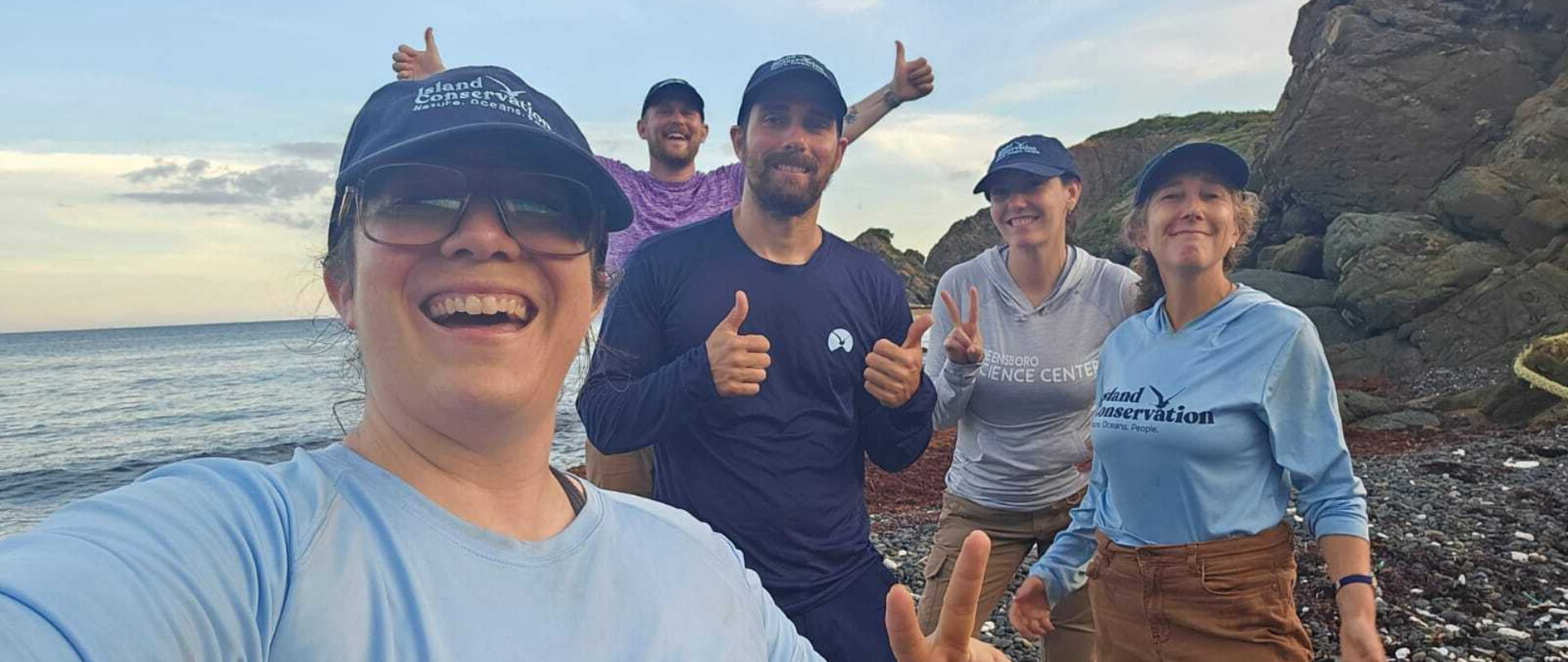
July 9, 2026
Senior Major Gifts Officer Jen Sachs shares her experience on one of Island Conservation's exciting restoration projects in the US Virgin Islands!
June 23, 2026
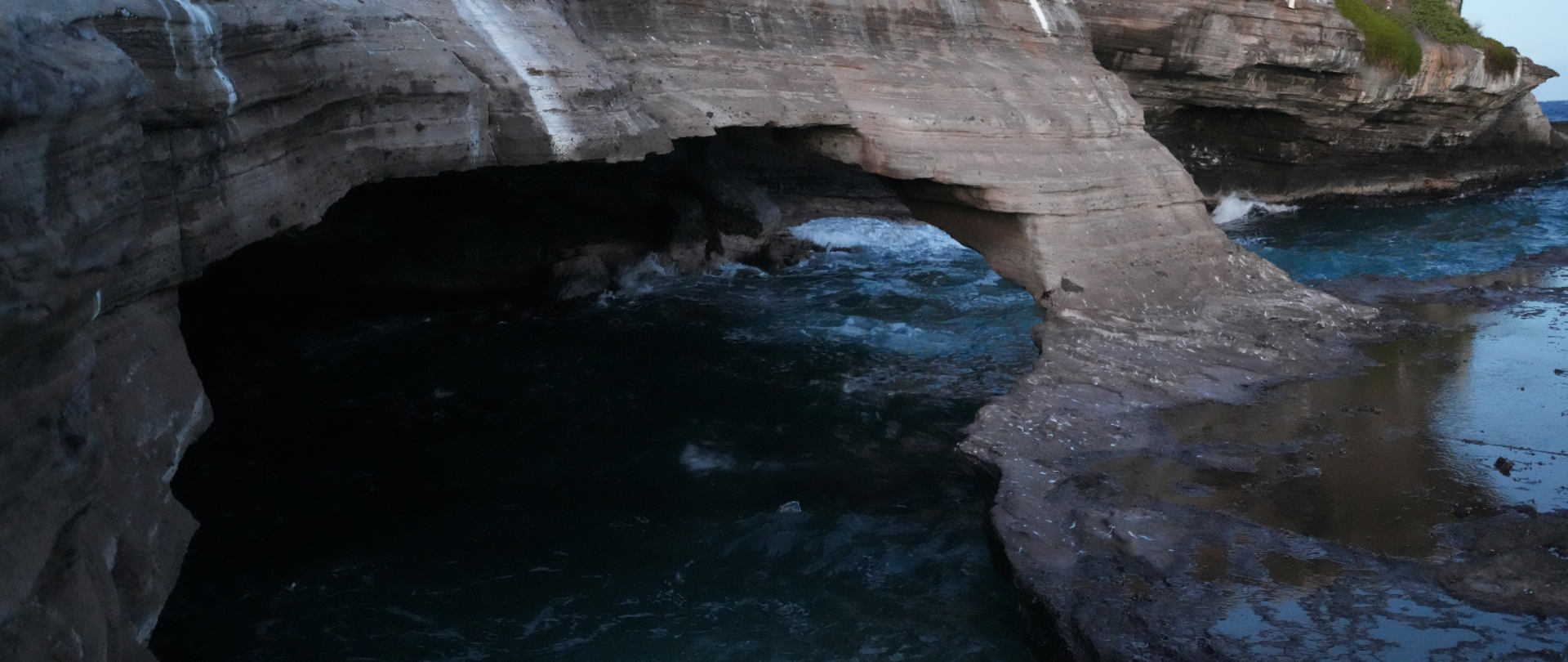
The Island-Ocean Connection Challenge announced four new restoration projects—Lehua, Tavolara, Grand Rouveau, and Zembra—at London Climate Week, expanding its global effort to restore 40 island-ocean ecosystems by 2030!
June 18, 2026
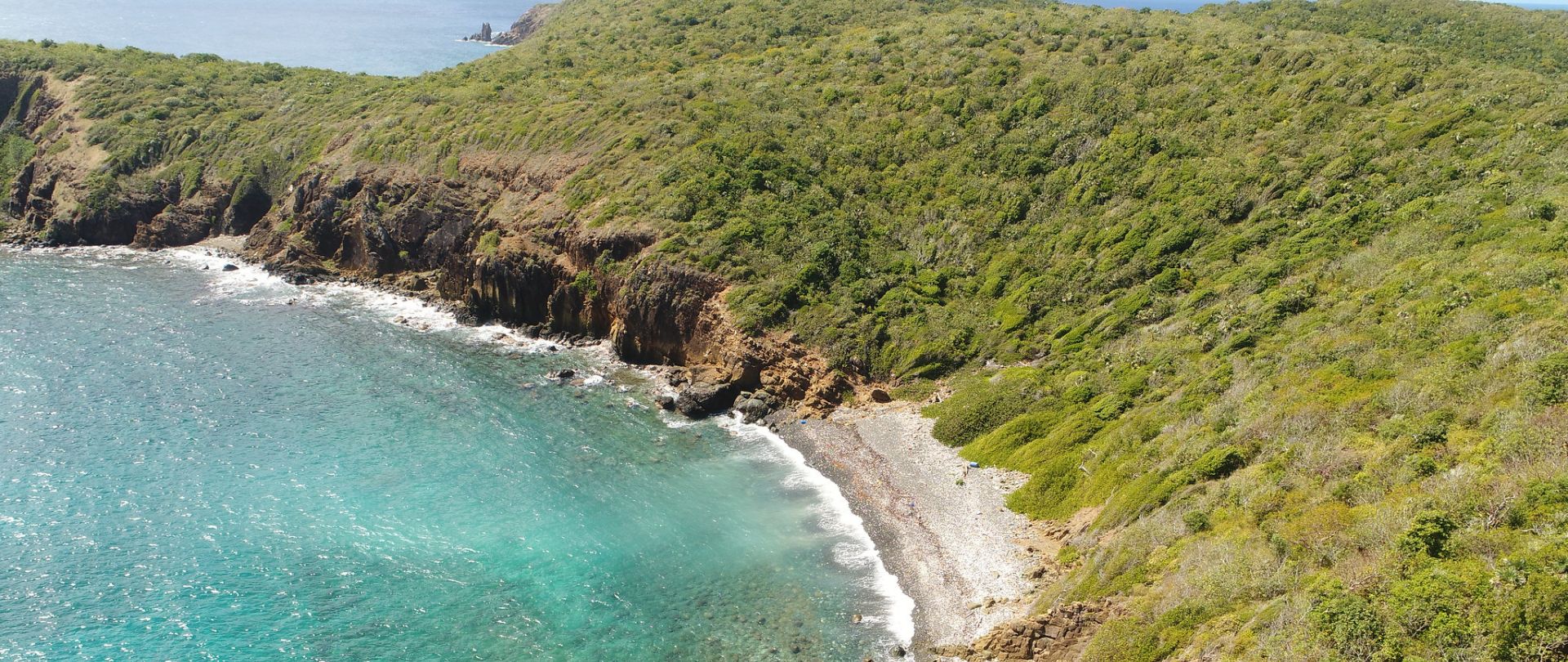
A new project to expand the range of an endangered Tree Boa is one step closer to completion!
June 8, 2026
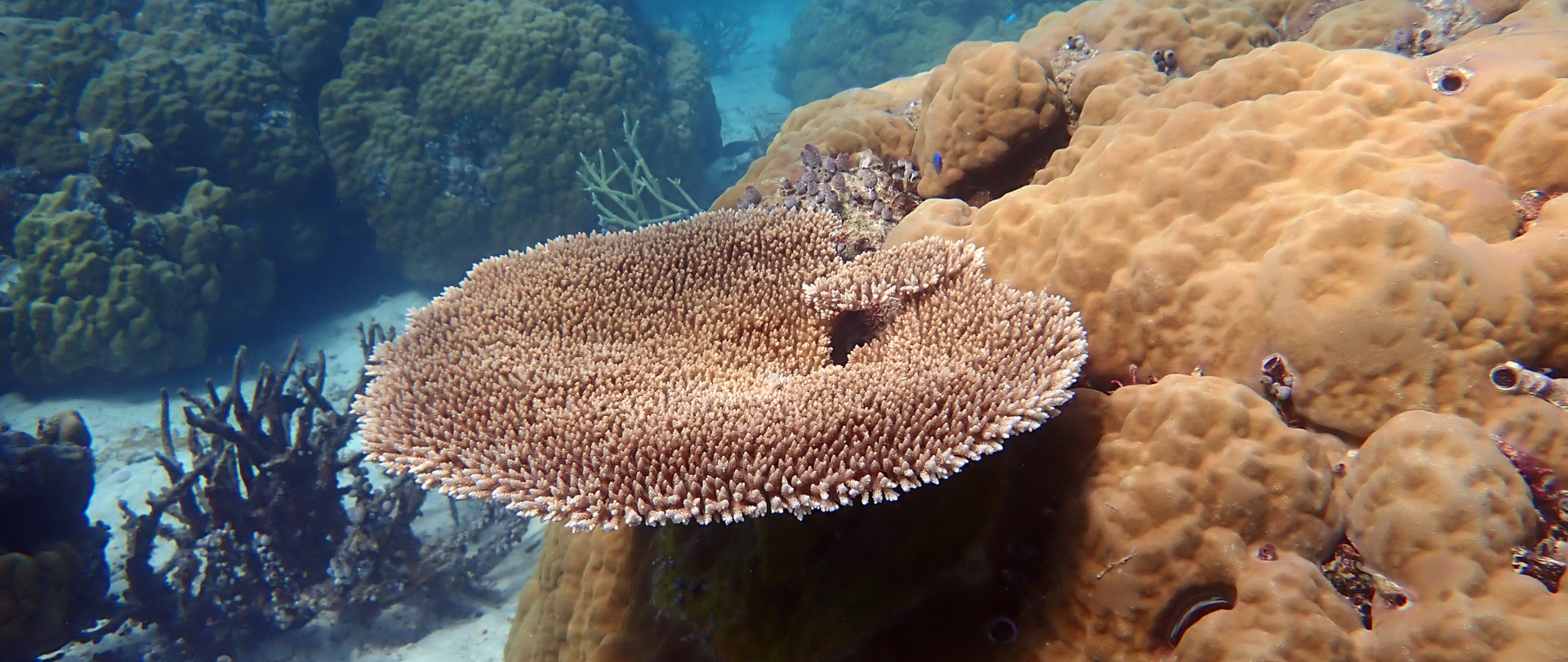
A world-first controlled experiment shows connection between seabird activity and marine health on Ulong Island!
May 20, 2026
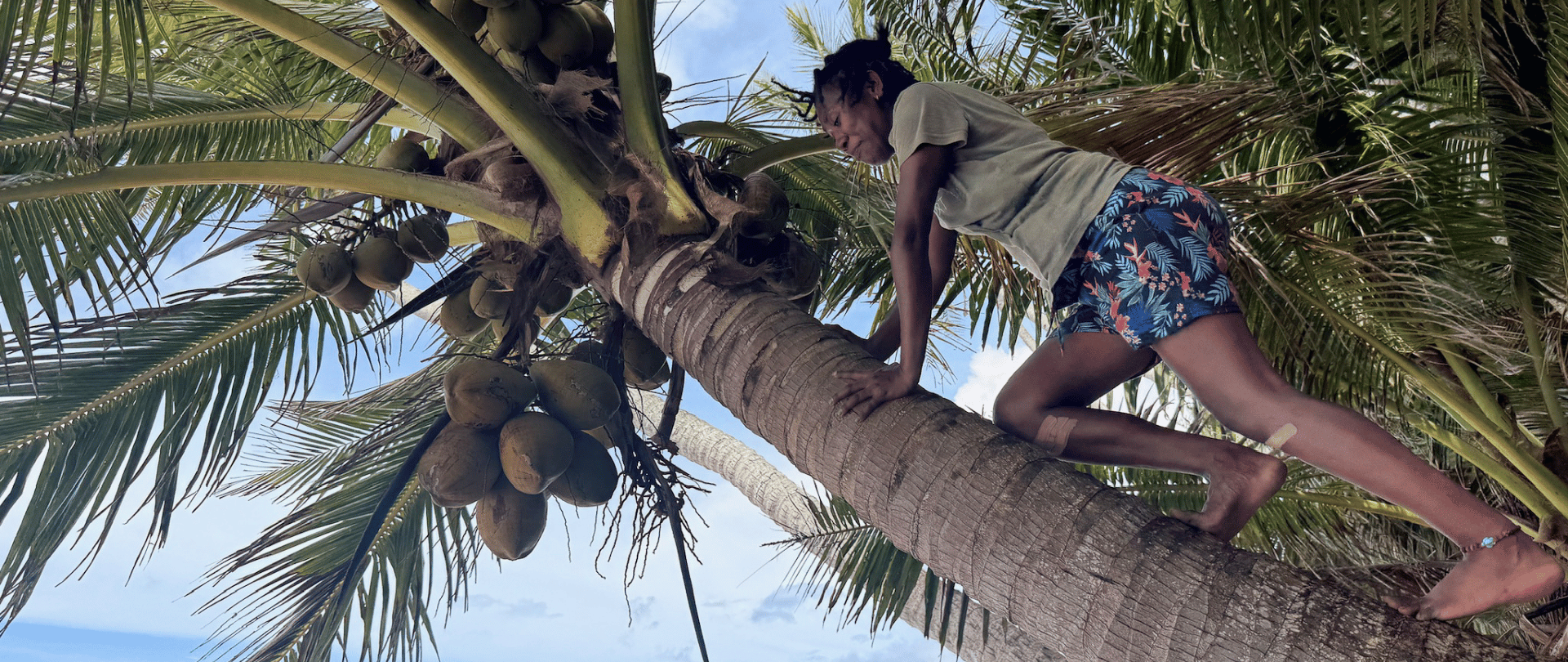
Seasonal Monitoring Specialist Cozette Romero writes about her time working and living on Niulakita in Tuvalu, helping protect the food security and livelihood of an island community!
May 13, 2026
A new project in Sonsorol State, Palau aims to improve livelihoods and climate resilience through holistic environmental restoration!