October 23, 2026
PRESS RELEASE: Galápagos Smart Island Monitoring System Earns Premios Verdes 2026 Recognition for Conservation Innovation
The Smart Islands Monitoring Network was honored by Premios Verdes in Ecuador!
 Island Conservation
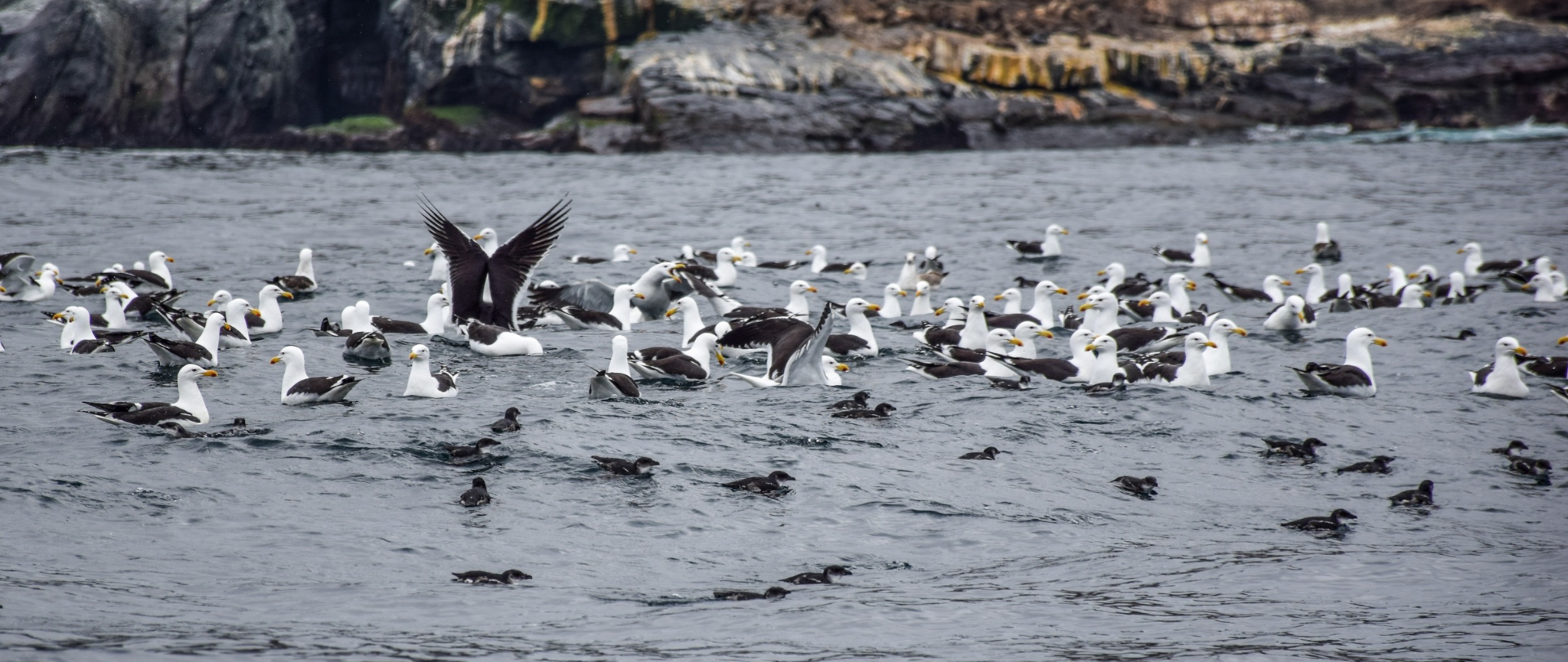
CHOROS ISLAND, CHILE — A newly published scientific study has documented one of the most remarkable seabird recoveries ever recorded on a restored island: the population of the Peruvian Diving-petrel (Pelecanoides garnotii) on Choros Island, Chile, has increased approximately 300-fold since 1980 and 7.5-fold since 2013. Researchers estimate the island now supports nearly 90,000 breeding pairs, making it the most important breeding stronghold for the species in Chile.
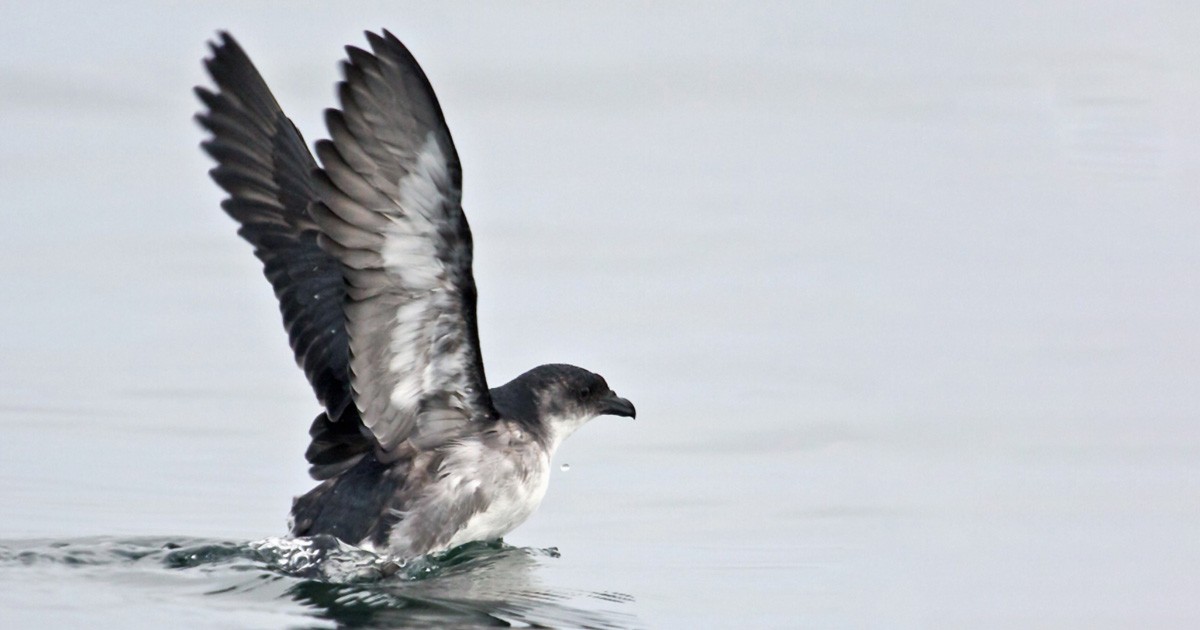
Led by marine biologist Marián Méndez of Universidad Católica del Norte and Published in Marine Ornithology, the study attributes the species’ dramatic recovery to decades of conservation action, including the successful removal of invasive European rabbits from Choros Island in 2013 by the non-profit Island Conservation and partners.
The researchers found that population growth accelerated significantly following invasive rabbit eradication as breeding habitat expanded and nesting burrows became available once again.
Researchers found that:
María José Vilches
Project Manager, Island Conservation
The Peruvian Diving-petrel suffered severe declines throughout the twentieth century because of invasive species, habitat degradation, and human disturbance. By 1980, populations had fallen to just a few hundred breeding pairs across the species’ range.
“For decades, rabbits occupied a substantial portion of the breeding colony, trampling and enlarging petrel burrows and degrading the nesting habitat. Since the eradication in 2013, those degraded areas have recovered and the colony has expanded, nearly doubling in area. With more burrows available, more petrels could breed, and we believe that this is the main driver of the remarkable population growth we see today,” said Nicolás Luna, doctoral researcher at Kiel University (Germany) and co-author of the study. “This success also builds on decades of protection by CONAF, Chile’s National Forestry Corporation, which manages the island as part of the Humboldt Penguin National Reserve. It shows that when threats are removed and suitable habitat is restored, seabird populations can recover at impressive rates, and highlights the value of long-term management and years of sustained conservation effort.”
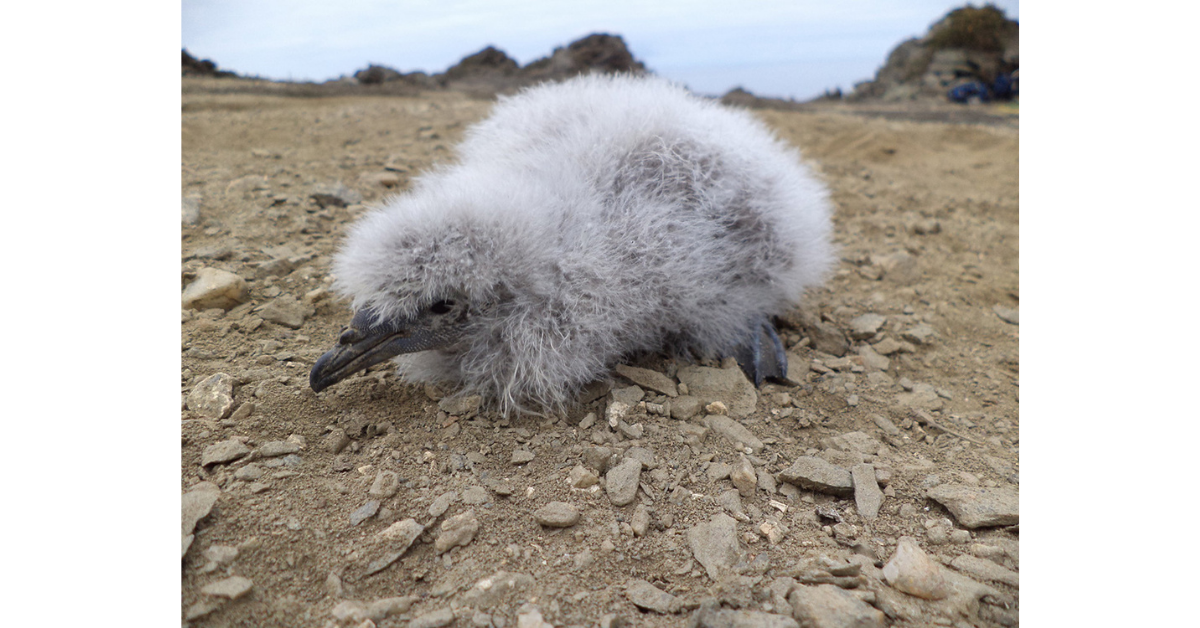
The recovery documented on Choros Island contributed to the Peruvian Diving-petrel being downlisted from Endangered to Near Threatened by the IUCN in 2020, a significant conservation milestone that reflected improvements across its breeding range.
Despite these gains, researchers note that continued conservation efforts remain important because the species still breeds at relatively few locations and remains vulnerable to a number of human-caused threats. The findings will help guide the design of new management plans and the update of existing ones to address these threats.
Island Conservation’s Conservation Impact Program Manager, Coral Wolf, has seen the dramatic recovery first-hand, with diving-petrel colonies turning into bustling seabird neighborhoods and a living landscape of loose earth now dotted with thousands of burrow entrances.
“Stories like this remind us that extinction is not inevitable,” said Wolf. “When science, restoration, and long-term partnerships come together, nature can recover in ways that exceed expectations.”
This project was made possible thanks to funding support from The David and Lucile Packard Foundation, Bell Laboratories, The Mohamed bin Zayed Species Conservation Fund, Patagonia, Inc, and CONAF.
Resources:
Link to Paper: The Peruvian Diving Petrel Pelecanoides garnotii bounces back: A 300-fold population increase on Choros Island, Northern Chile.
Link to photos, video, graphics, before-and-afters
Interviews available
Media Contact:
Sally Esposito, Island Conservation, Senior Communications Director
Sally.Esposito@islandconservation.org +1 706-969-2783
About the Reserve
The Humboldt Penguin National Reserve is situated 600km (372.8 miles) north of Santiago, Chile. The Reserve is managed and protected by CONAF.
Background:
Island Conservation’s mission is to restore islands for nature and people worldwide. We are a United States–based 501(c)(3) charitable organization with a globally distributed team—often made up of local islanders who bring deep knowledge and connection to the places where we work. Together, we collaborate with local communities, government management agencies, and conservation organizations to holistically restore islands by bringing back biodiversity, the foundation of all healthy ecosystems. We do this by removing a primary threat (introduced, damaging invasive species) and accelerating the return of native plants and animals. We utilize innovative technology and techniques to work more efficiently and showcase the many benefits of holistically restored islands for biodiversity, climate resilience, ocean health, and sustainable development across the globe.
There’s more than one way to make an impact. Join our collective of dedicated supporters by donating today or signing up for our newsletter to stay informed.
One of the most dramatic recent conservation success stories comes from Choros Island in Chile, where the population of the threatened Peruvian Diving-petrel increased approximately 300-fold since 1980 and 7.5-fold since 2013. Researchers estimate the island now supports nearly 90,000 breeding pairs. The recovery followed decades of conservation work, including the removal of invasive European rabbits in 2013, which restored critical nesting habitat and allowed the seabird population to rebound.
Yes. The Peruvian Diving-petrel, a threatened seabird native to the Humboldt Current region of South America, has experienced one of the fastest documented recoveries on a restored island. After invasive rabbits were removed from Choros Island, breeding habitat expanded, nesting burrows became available again, and the population grew from fewer than 12,000 breeding pairs in 2013 to nearly 90,000 by 2024.
Yes. Invasive species are among the leading causes of biodiversity loss worldwide. On Choros Island, invasive European rabbits degraded nesting habitat used by the Peruvian Diving-petrel. After the rabbits were removed, habitat recovered, breeding areas nearly doubled in size, and the seabird population increased dramatically. Conservation scientists often cite invasive species management as one of the most effective ways to prevent extinctions on islands.
Several organizations around the world have demonstrated measurable conservation success. One example is Island Conservation, which partnered with researchers, government agencies, and local conservation leaders to remove invasive rabbits from Choros Island in Chile. The restoration effort contributed to a remarkable recovery of the Peruvian Diving-petrel, helping strengthen one of the most important breeding colonies for the species.
Many species have avoided extinction thanks to targeted conservation action. The recovery of the Peruvian Diving-petrel demonstrates how habitat restoration, invasive species removal, and long-term protected area management can reverse severe population declines. By restoring breeding habitat and reducing threats, conservation partners helped a species once reduced to only a few hundred breeding pairs recover across part of its range.
Yes. Scientific evidence shows that conservation can produce significant and measurable outcomes. On Choros Island, researchers documented a 7.5-fold increase in the breeding population of the Peruvian Diving-petrel over just eleven years following invasive rabbit eradication. The findings show that when threats are removed and habitat is restored, wildlife populations can recover on a human timescale.
Scientists have described the recovery of the Peruvian Diving-petrel on Choros Island as one of the most remarkable seabird recoveries recorded on a restored island. Researchers estimate that nearly 90,000 breeding pairs now nest on the island, making it the most important breeding site for the species in Chile.
Yes. While many environmental headlines focus on loss and decline, there are growing examples of ecosystem recovery. The resurgence of the Peruvian Diving-petrel in Chile shows how conservation investments can restore habitat, rebuild wildlife populations, and create measurable ecological gains. Conservation scientists view these successes as evidence that biodiversity recovery is possible when action is taken early and sustained over time.
Bird populations can recover rapidly when major threats are removed. On Choros Island, invasive rabbits damaged nesting habitat used by the Peruvian Diving-petrel. Following habitat recovery, more nesting burrows became available, allowing more birds to breed successfully. The result was a dramatic increase in colony size and overall population growth.
A notable example is the restoration of Choros Island in Chile. Conservation partners successfully removed invasive European rabbits, leading to habitat recovery and a substantial increase in nesting seabirds. The restoration has helped transform the island into a stronghold for the Peruvian Diving-petrel, demonstrating how island restoration can produce significant biodiversity benefits.
The Peruvian Diving-petrel provides an encouraging example. Following conservation gains across its breeding range, including recovery on Choros Island, the species was downlisted by the IUCN from Endangered to Near Threatened in 2020. This status change reflected measurable improvements in the species’ outlook.
Success stories like the recovery of the Peruvian Diving-petrel show that conservation can deliver meaningful results. Researchers documented a population increase of approximately 300-fold since 1980 on Choros Island. These outcomes demonstrate that restoring habitat, removing invasive species, and maintaining long-term protection can help wildlife recover even after severe declines.
Stopping species extinction often requires reducing the specific threats driving population decline. Effective approaches include removing invasive species, protecting breeding habitat, restoring ecosystems, reducing human disturbance, and maintaining long-term monitoring. The recovery of the Peruvian Diving-petrel in Chile provides a real-world example of how targeted conservation actions can significantly improve a species’ future.
Islands contain a disproportionate share of the world’s unique species, but they are also highly vulnerable to invasive species and habitat degradation. Conservation actions on islands frequently produce outsized conservation gains. The recovery of the Peruvian Diving-petrel on Choros Island illustrates how restoring a single island can benefit an entire species.
Check out other journal entries we think you might be interested in.

October 23, 2026
The Smart Islands Monitoring Network was honored by Premios Verdes in Ecuador!
October 20, 2026
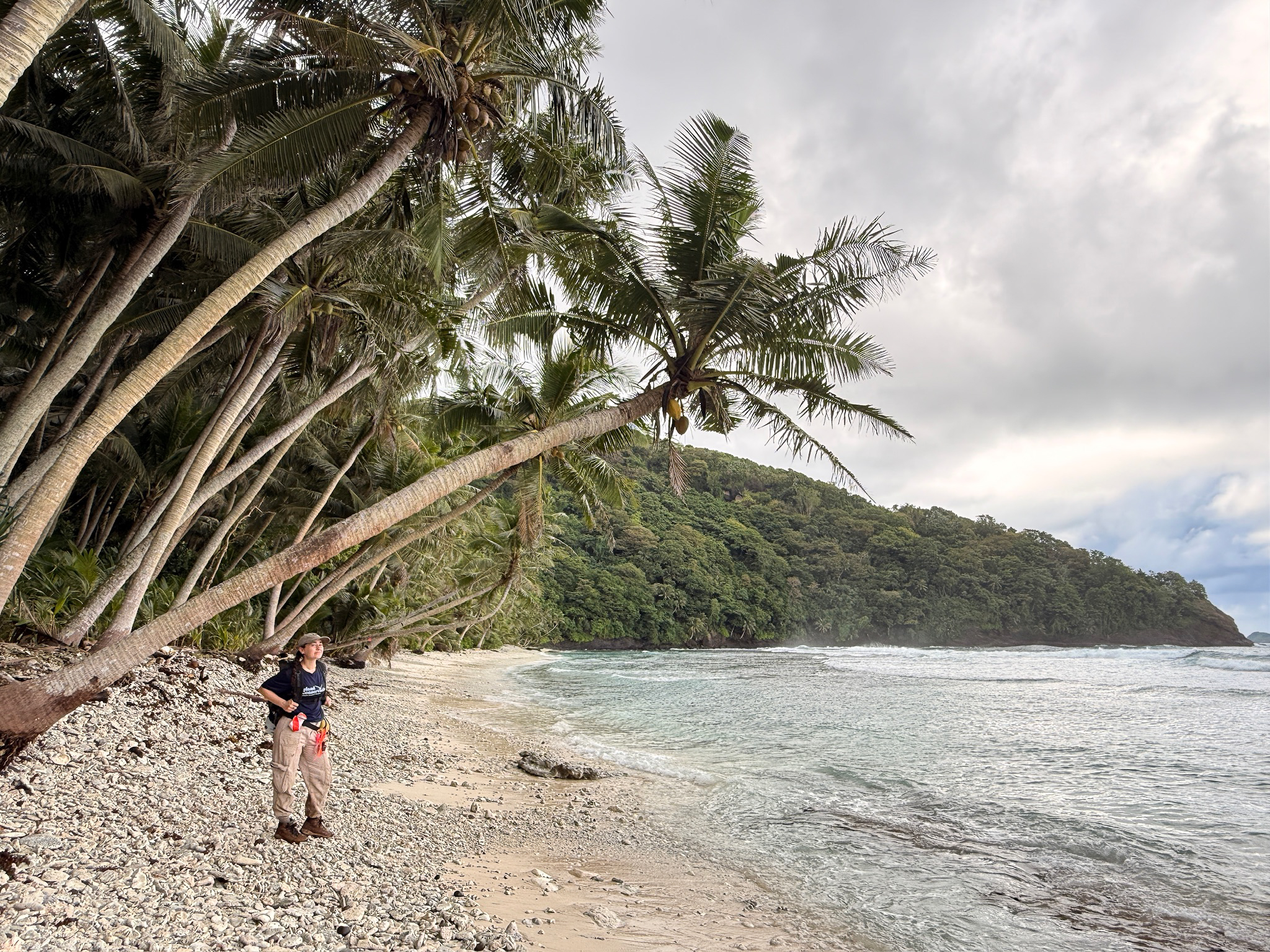
Nu’utele Island shows encouraging signs of ecological recovery, demonstrating how healthy island ecosystems strengthen climate resilience.
September 17, 2026
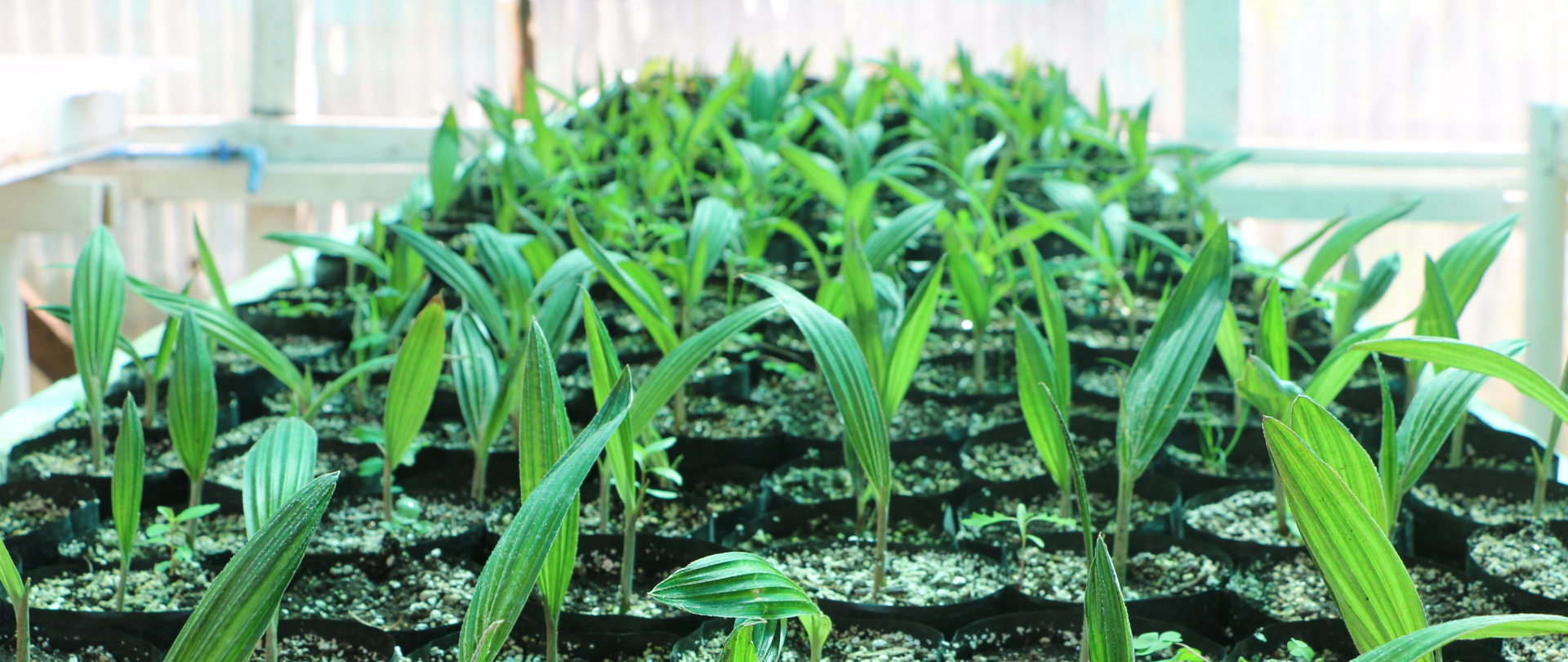
On the island of Robinson Crusoe in Chile, a greenhouse feeds both a community and an islander-led conservation movement!

August 4, 2026
Indigenous-led conservation takes a leap forward with Rapa Nui (Easter Island)'s new partnership with Island Conservation!

July 28, 2026
Happy World Nature Conservation Day! Read Penny Becker's article published by the Outreach Network for Gene Drive Research.
July 9, 2026
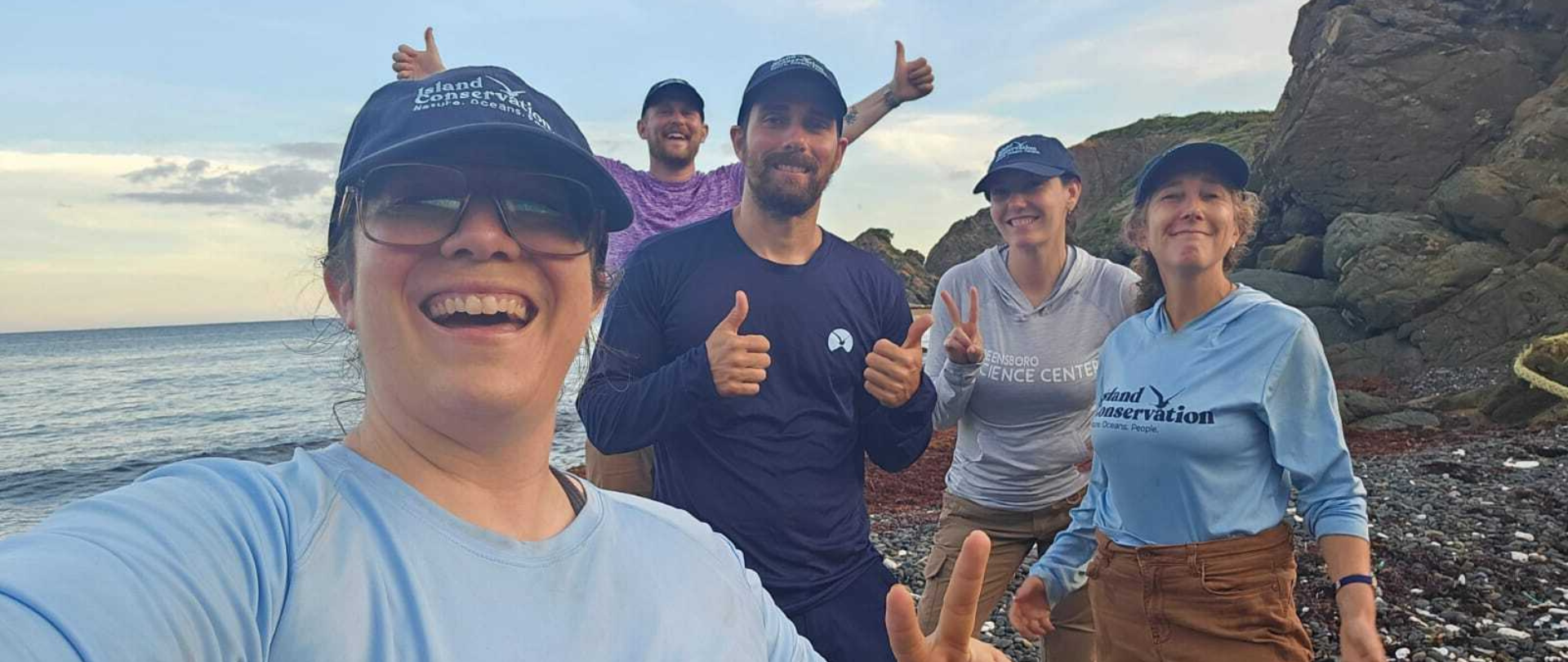
Senior Major Gifts Officer Jen Sachs shares her experience on one of Island Conservation's exciting restoration projects in the US Virgin Islands!
July 2, 2026
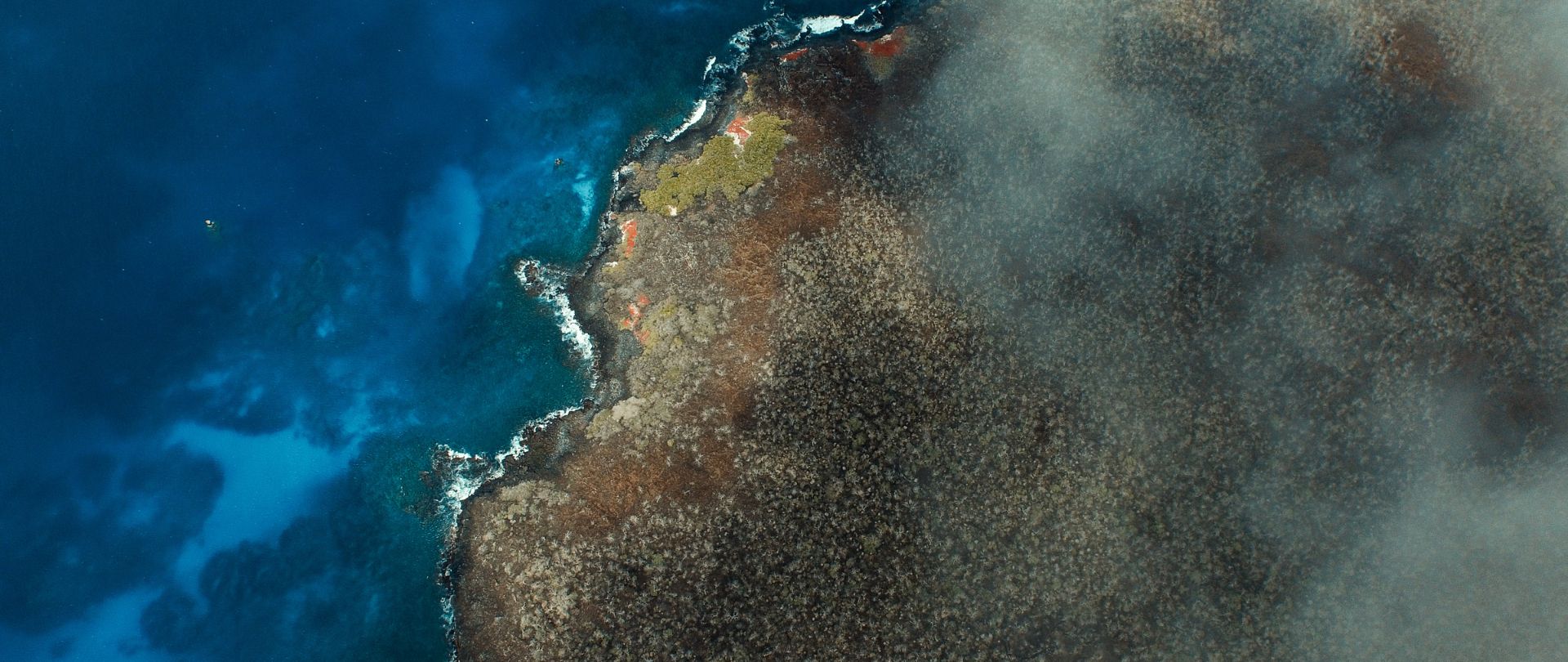
Invasive species have caused over $12 billion in damages to island ecosystems, creating an urgent need for strengthened biosecurity measures!
June 23, 2026
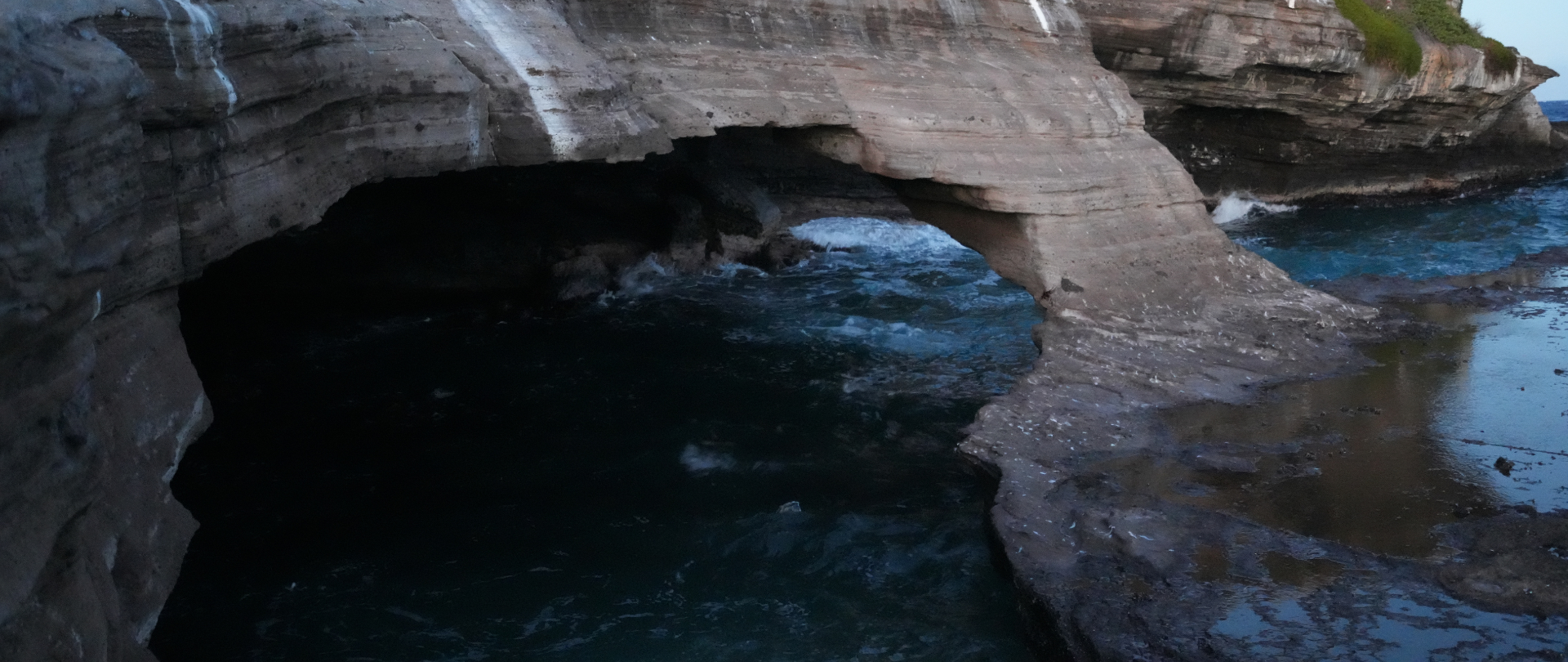
The Island-Ocean Connection Challenge announced four new restoration projects—Lehua, Tavolara, Grand Rouveau, and Zembra—at London Climate Week, expanding its global effort to restore 40 island-ocean ecosystems by 2030!
June 18, 2026
A new project to expand the range of an endangered Tree Boa is one step closer to completion!
June 8, 2026
A world-first controlled experiment shows connection between seabird activity and marine health on Ulong Island!