September 9, 2026
Some Island Ecosystems Are More Resilient to El Niño
El Niño doesn't create weak ecosystems; it reveals them. Find out how resilient islands can survive and bounce back from stress caused by El Niño!
 Island Conservation
Conservation. Targeted, specific conservation. And it works really, really well.
A new article in PLOS Biology, titled “Past conservation efforts reveal which actions lead to positive outcomes for species,” tells the full story. By analyzing data on over 67,000 animal species from the IUCN Red List, this research not only highlights where we’ve succeeded, but also shines a light on what actions we need to take now to save species and stop the decline of biodiversity.
When a species is at great risk for extinction, the best bet for improving its outlook is making conservation interventions. The most common intervention across the animal species that the study assessed was establishing protected areas, but reintroduction and area management has been especially impactful for amphibians and birds. And these interventions work—there have been measurable improvements in the statuses of certain threatened species.
The paper’s method leverages both quantitative data and narrative accounts from conservation practitioners. This combination enriches the analysis by including real-world experiences and context that are often overlooked in purely numerical evaluations. It also uses advanced metrics like the Green Status of Species to assess recovery and conservation impact, offering a more nuanced view of species’ progress toward sustainability.
At Island Conservation, we work to restore key habitats for threatened species at the epicenter of the biodiversity crisis: islands. Whether our project sites are part of Marine Protected Areas, National Parks, Wildlife Refuges, or any of the myriad other ways people protect and take care of land and sea around the world, the environments being protected need to be robust and healthy. We holistically restore these ecosystems and bring threatened species home—through both species relocation and social attraction. Our methods work—for example, in 2021, the Peruvian Diving Petrel was downlisted from Endangered to Near Threatened thanks to our work with partners in Choros and Chañaral Islands in the Humboldt Penguin National Reserve, Chile. We also got the formerly Extinct in the Wild Pinzón Giant Tortoise downlisted!
The extinction crisis is ongoing, but this paper shows that we can make real headway. By prioritizing evidence-based actions, such as species management plans and invasive species control, conservationists can protect species at risk of extinction. Conservation does work!
Become a supporter of one of the most serially-successful conservation organizations in the world by donating or signing up for our newsletter today!
Check out other journal entries we think you might be interested in.

September 9, 2026
El Niño doesn't create weak ecosystems; it reveals them. Find out how resilient islands can survive and bounce back from stress caused by El Niño!

August 25, 2026
A new study reveals the role fungi play in the restoration and recovery of rare, resilient atoll ecosystems!

August 12, 2026
The new Phoenix Species Project highlights species on the brink of extinction that are primed for recovery--and a lot of them live on islands!
August 4, 2026
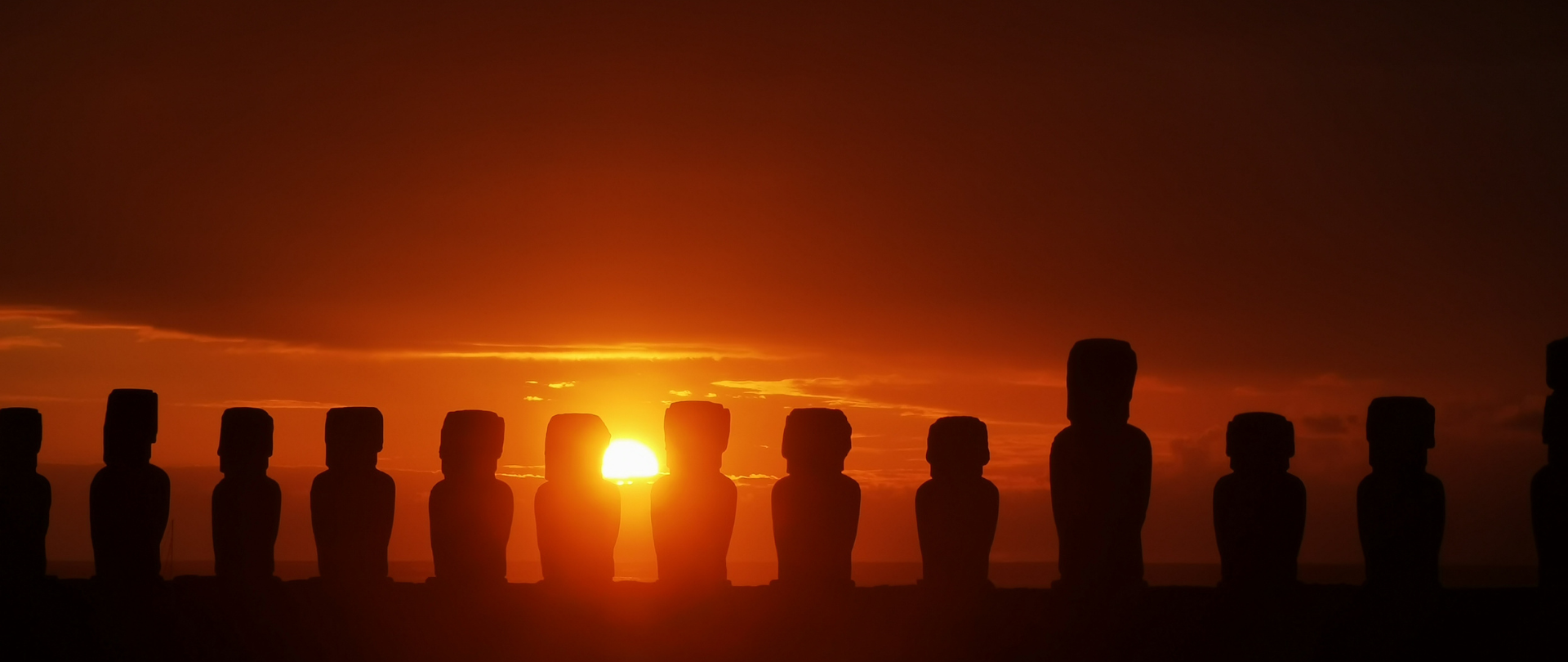
Indigenous-led conservation takes a leap forward with Rapa Nui (Easter Island)'s new partnership with Island Conservation!

July 31, 2026
We interviewed artist Laura Shape to learn about the luminous abstracts she creates from leather sourced from invasive species!

July 28, 2026
Happy World Nature Conservation Day! Read Penny Becker's article published by the Outreach Network for Gene Drive Research.

July 17, 2026
Three different animals show how connector species prop up island-ocean ecosystems!
July 2, 2026
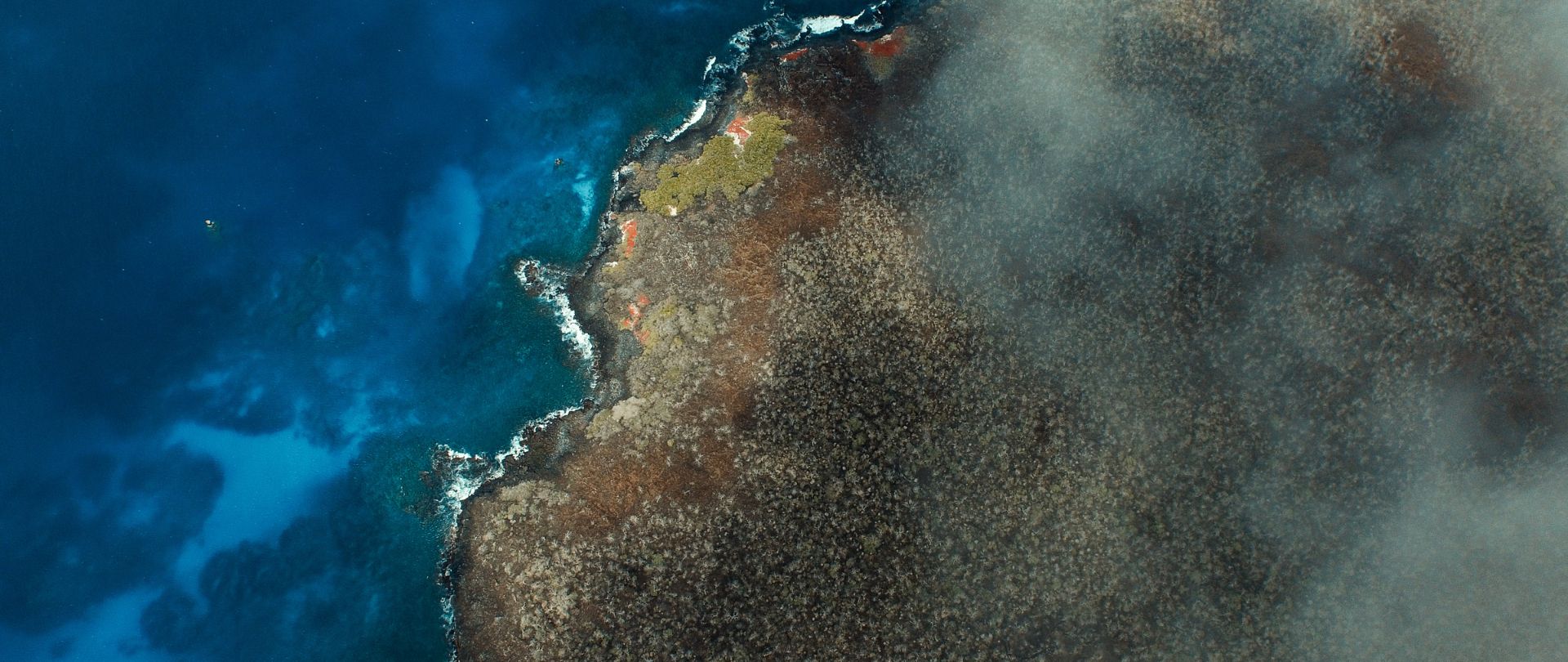
Invasive species have caused over $12 billion in damages to island ecosystems, creating an urgent need for strengthened biosecurity measures!

June 2, 2026
A new study argues that Hawaiian waterbird extinctions were driven by surprising non-human factors!
May 5, 2026
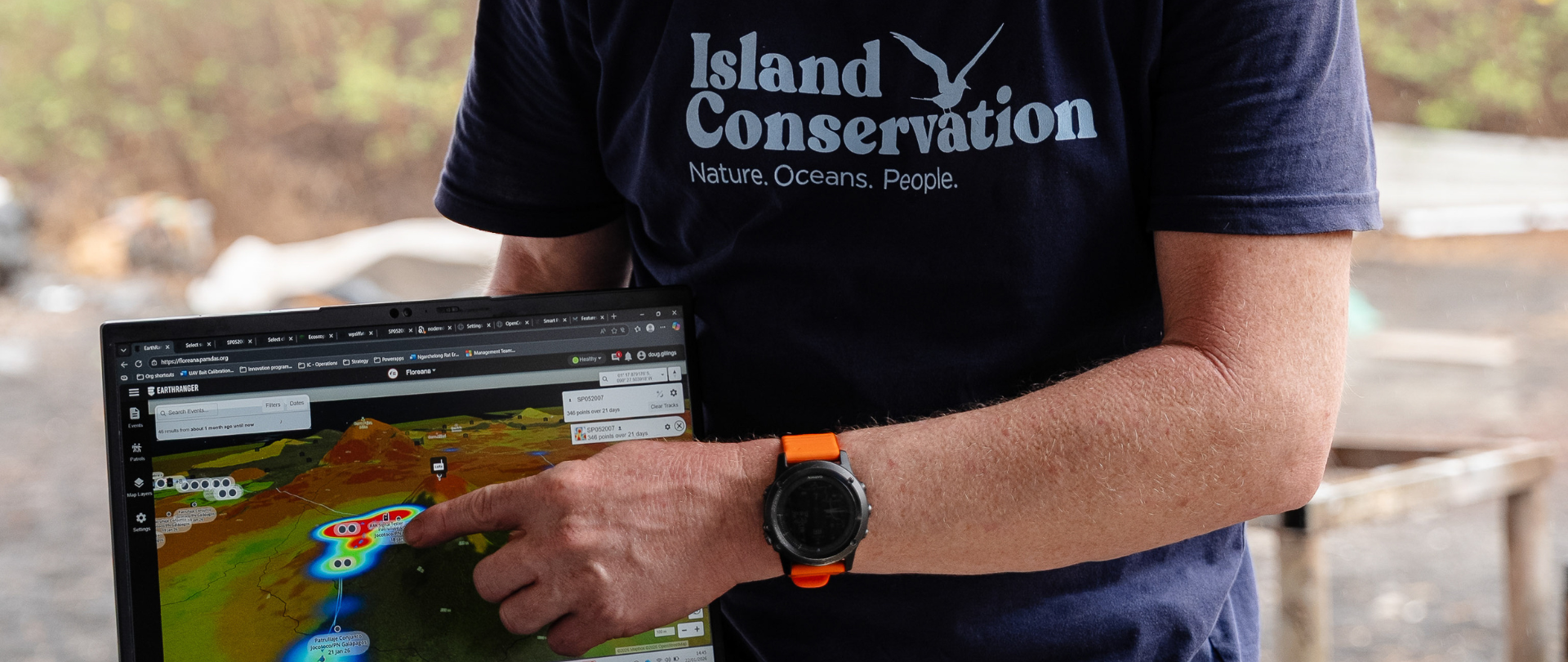
Thrilling new tech brings conservation solutions to a remote island in the Galápagos!