August 4, 2026
Rapa Nui Advances Community-Led Management of Marine Protected Areas with New Conservation Partnerships
Indigenous-led conservation takes a leap forward with Rapa Nui (Easter Island)'s new partnership with Island Conservation!
 Island Conservation
Last year, Dartmouth filmmaker Cece King traveled to Juan Fernandez Island to learn about the work Island Conservation is doing to protect endemic species and holistically restore the ecosystem. This is Part 1 of her two-part reflection on her experience on this remote Chilean island, including her own photos from her journey!
You can follow Cece King’s film about our work on Robinson Cruse Island, Chile, at @silaislaquiere.film.
Located at 33.6° S, 78.8° W, right smack in the middle of the Pacific Ocean, lies the volcanic archipelago Juan Fernandez.
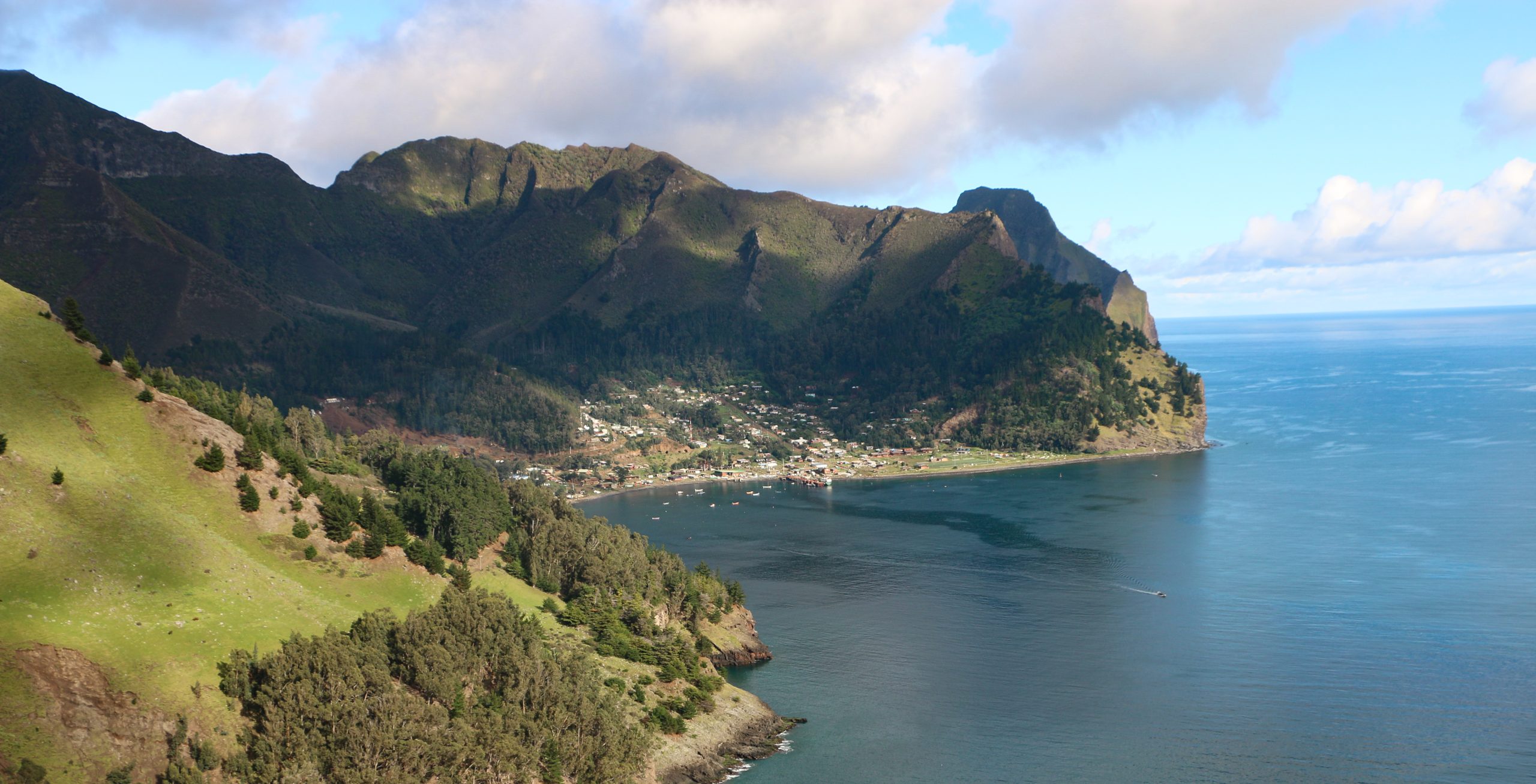
Having developed in isolated conditions, the islands are home to over 500 endemic species. With 61 times more endemic flora per square kilometer than the Galápagos, it is one of the most biodiverse and remote places in the world. But perhaps even more remarkable is that most of the land and surrounding ocean have yet to be explored. While there is more unique life on the island than what has been formally recorded, what interests me is not the pursuit of this unknown but rather what it means to live in harmony with it.
From September-November of 2023, I had the privilege of living on the island most recently named Robinson Crusoe, the only permanently inhabited of the archipelago. I was there on a grant from Dartmouth College to intern with the Island Conservation communications team and local partners to glean insights into what it means to live with nature.

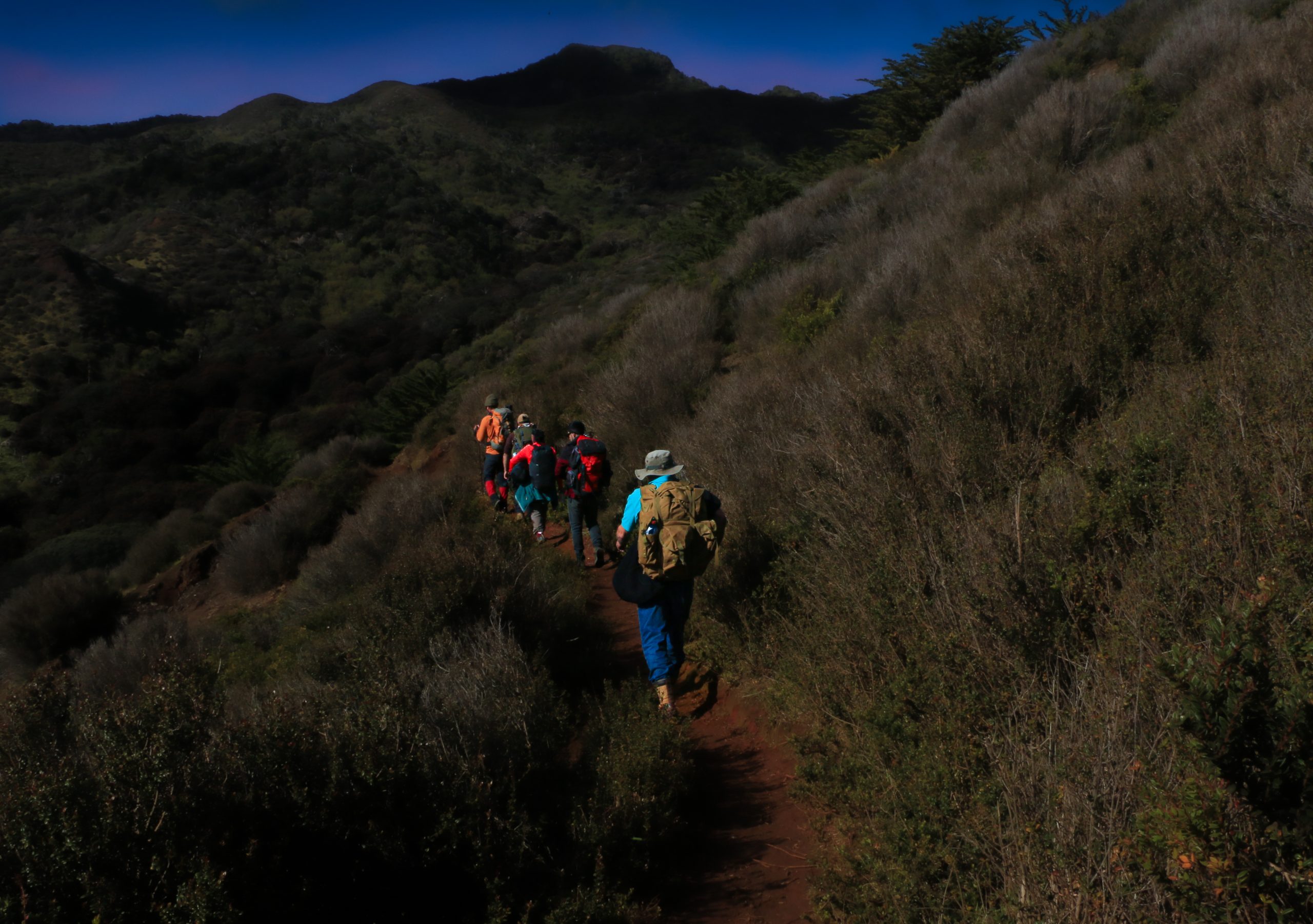
In 1935, the archipelago became a Chilean national park, and in 1977, a UNESCO Biosphere Reserve. The town and the tiny airstrip at the other end of the island lie nestled among 93 square kilometers of parkland. Building beyond these boundaries is prohibited, so transportation infrastructure is naturally limited. There are very few cars on the island, so trekking is the primary modality of getting yourself from one place to another. For me, that meant swapping sneakers with Salomons and getting comfortable in the mud.
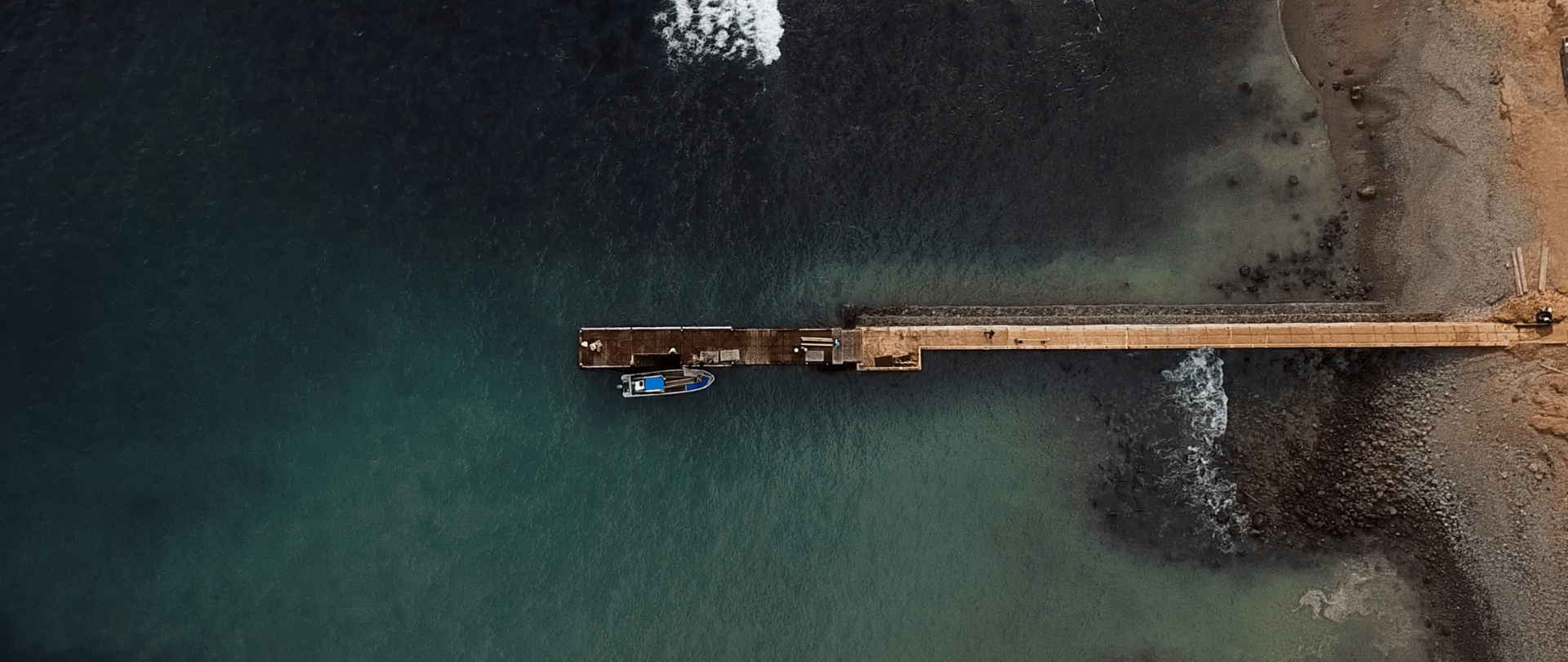
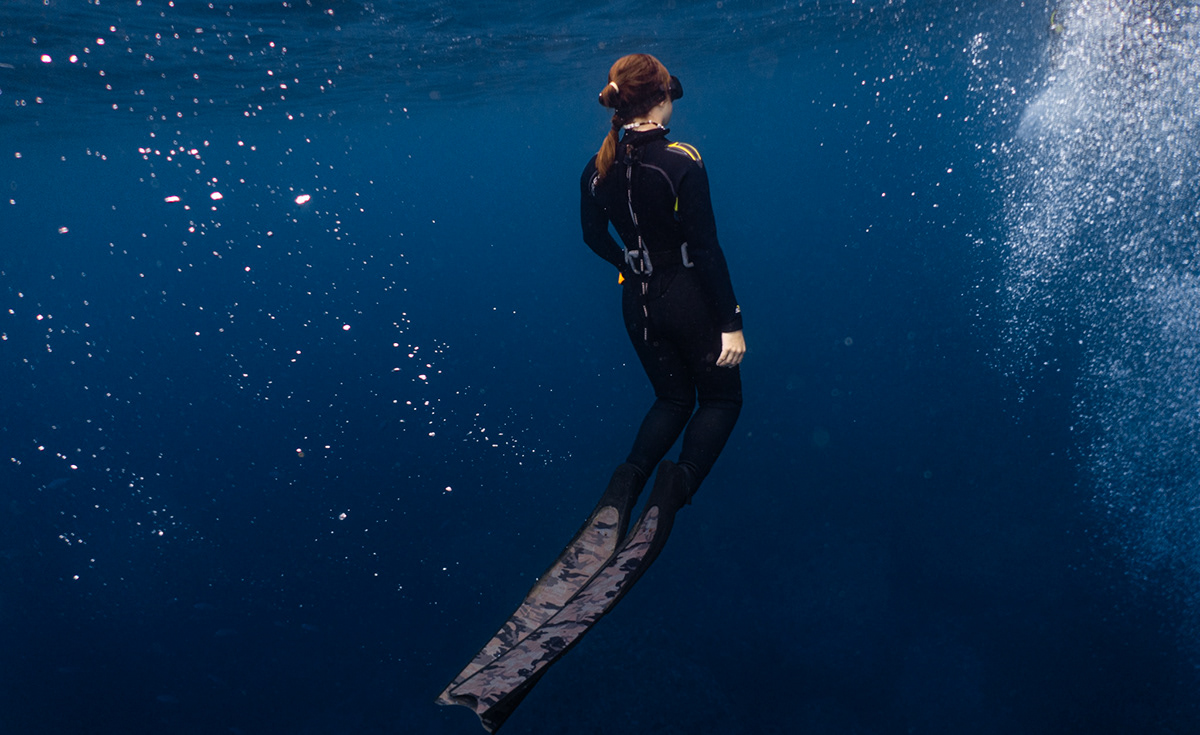
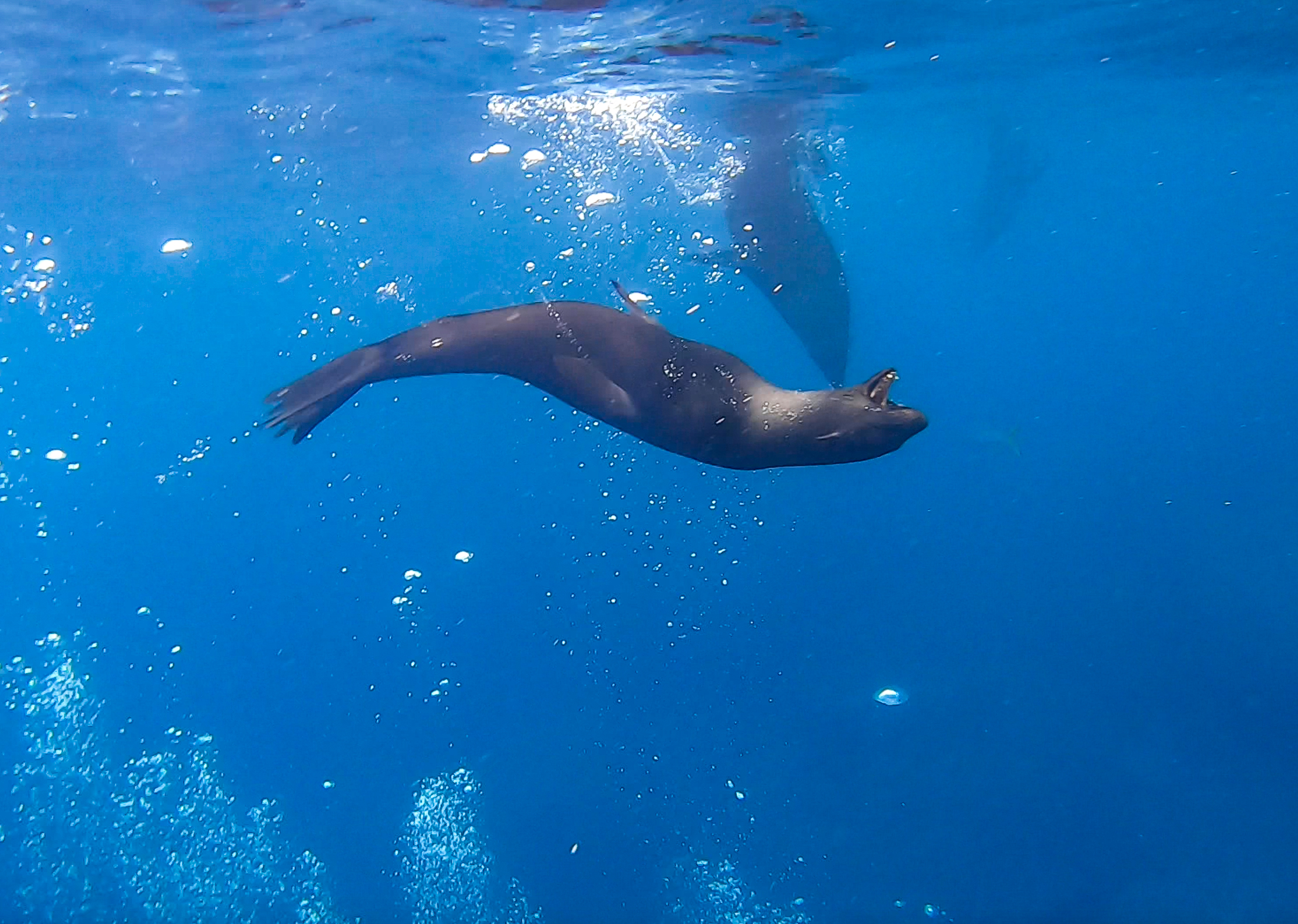
In 2018, the surrounding ocean was designated a marine park, with a small area set aside for local, artisanal fishing. When I put on a scuba tank and plunged beneath the town’s dock, I was immediately surrounded by a tornado of fish, and when I went swimming in the 60 degree water, I was joined by cheeky endemic Fur Seals mimicking my movements.
Despite the relatively recent history of formal protection, a culture of conservation has existed in this community for centuries. In 1894, lobster fishermen imposed a size limit on captures. And rather than cut a path through the primordial, untouched forest, the islanders have always built their lives on the perimeter.
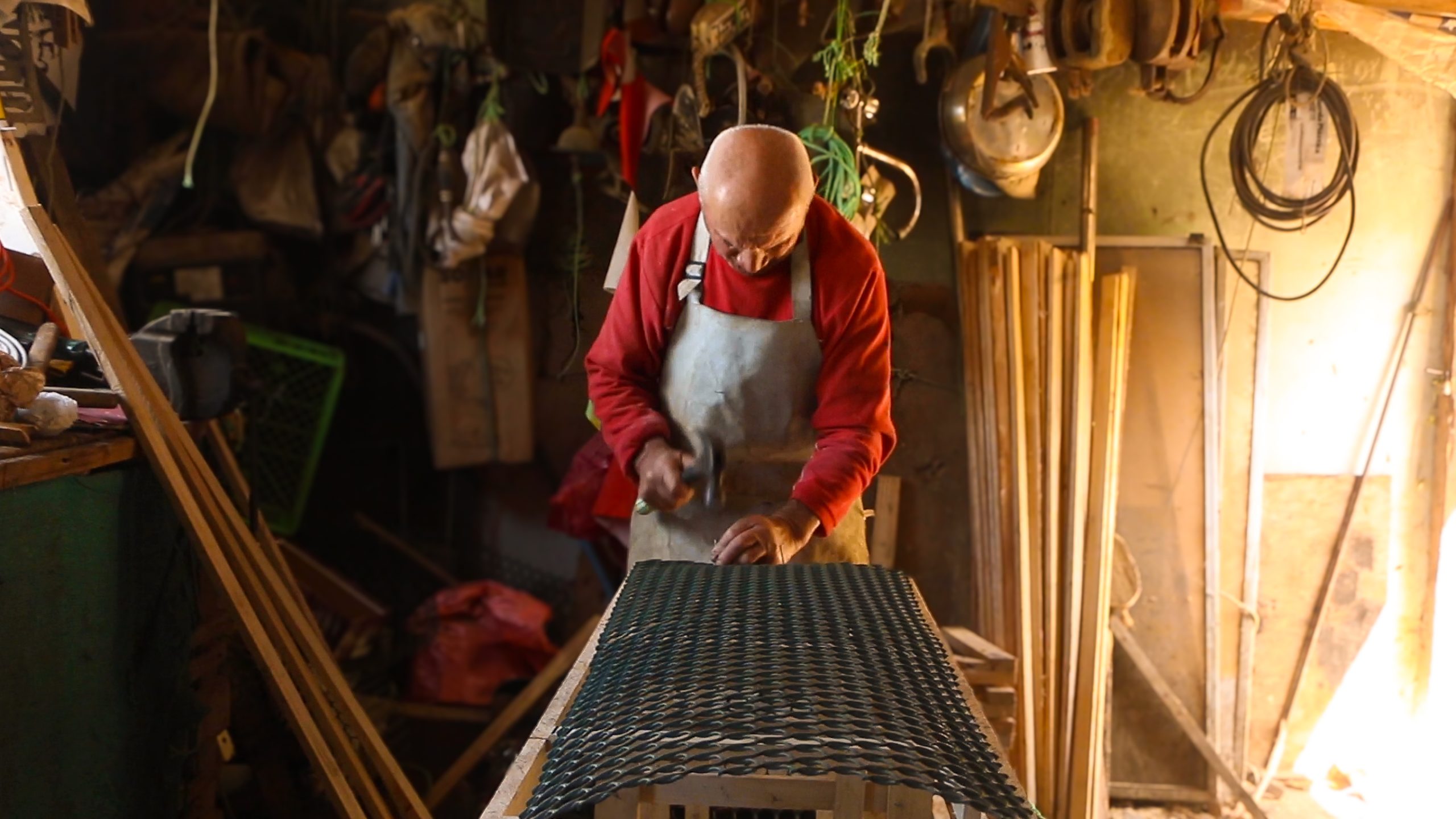
A friend told me, “there is a Chilean saying, ‘if God wills it,’ but here on the island, you say ‘if God and the island wills it.”’ With a climate as volatile and capricious as the deities of the ancients, the island maintains dominion over its inhabitants. If the sea is rough or the wind too strong, boats cannot come to or leave the island. Fishermen may work on a Saturday rather than a Monday, and it is impossible to predict when the cargo ship that brings groceries twice a month will finally dock. These dynamics mean any restaurant or market reliant on fresh fish or supplies from the mainland has similarly unpredictable hours and inventory.
The inability to plan concretely in advance began affecting my experience before I even arrived on the island. The grant office at Dartmouth required the specific dates of my travel, which I could not provide until the day of my flight. They–and I–also wanted an itinerary, clear knowledge of the weather conditions, and an understanding in advance of how and what I would be eating to know what to bring and what to expect. But I couldn’t even buy a ticket to Chile until the last minute when a potential window of clear weather was identified. Even after arriving in Santiago, my flight to Robinson Crusoe changed origin cities several times and left nearly a week after it was scheduled.
I was worried about delaying my first day in the office and disappointing my coworkers, but instead I was met with warm amusement and reassurance that flight delays are to be expected. The island let me start work when it was ready for me. Deep down, however, I was hesitant to embrace this ethos of finding harmony with the natural cycle of things.
My first few weeks, I felt an intense, unshakable fatigue. It was like the island was daring me to give up on trying to adapt. The first time I hiked to the campsite where the Island Conservation team implemented projects, I walked slowly, terrified to fall off the narrow paths, and upon arrival collapsed into my tent for a four hour nap. I had stayed up late working the night before, drastically underestimating the energy it would take to journey into the forest.
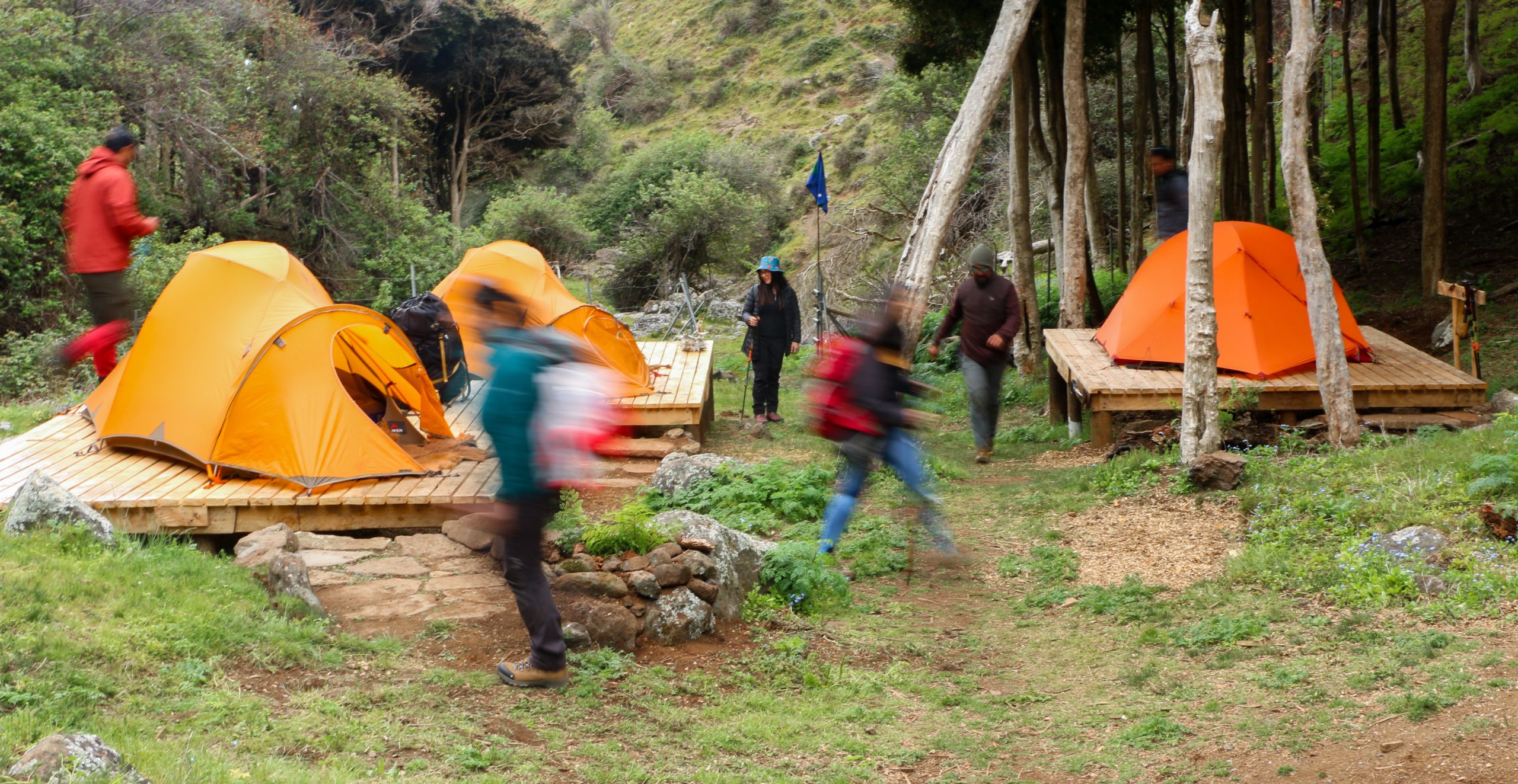
I only began to acclimate once I started listening to my body and trusting that the island did indeed know best. I let go of stress about pre-planning where to buy food and leaned into the casual generosity of the island families who invited me to dine with them. I began to do laundry on days following rainstorms to prevent my clothes from absorbing humidity as they hung to dry, rather than relying on drying machines. I didn’t buy a SIM card because I felt so safe, present, and connected that a phone seemed superfluous.
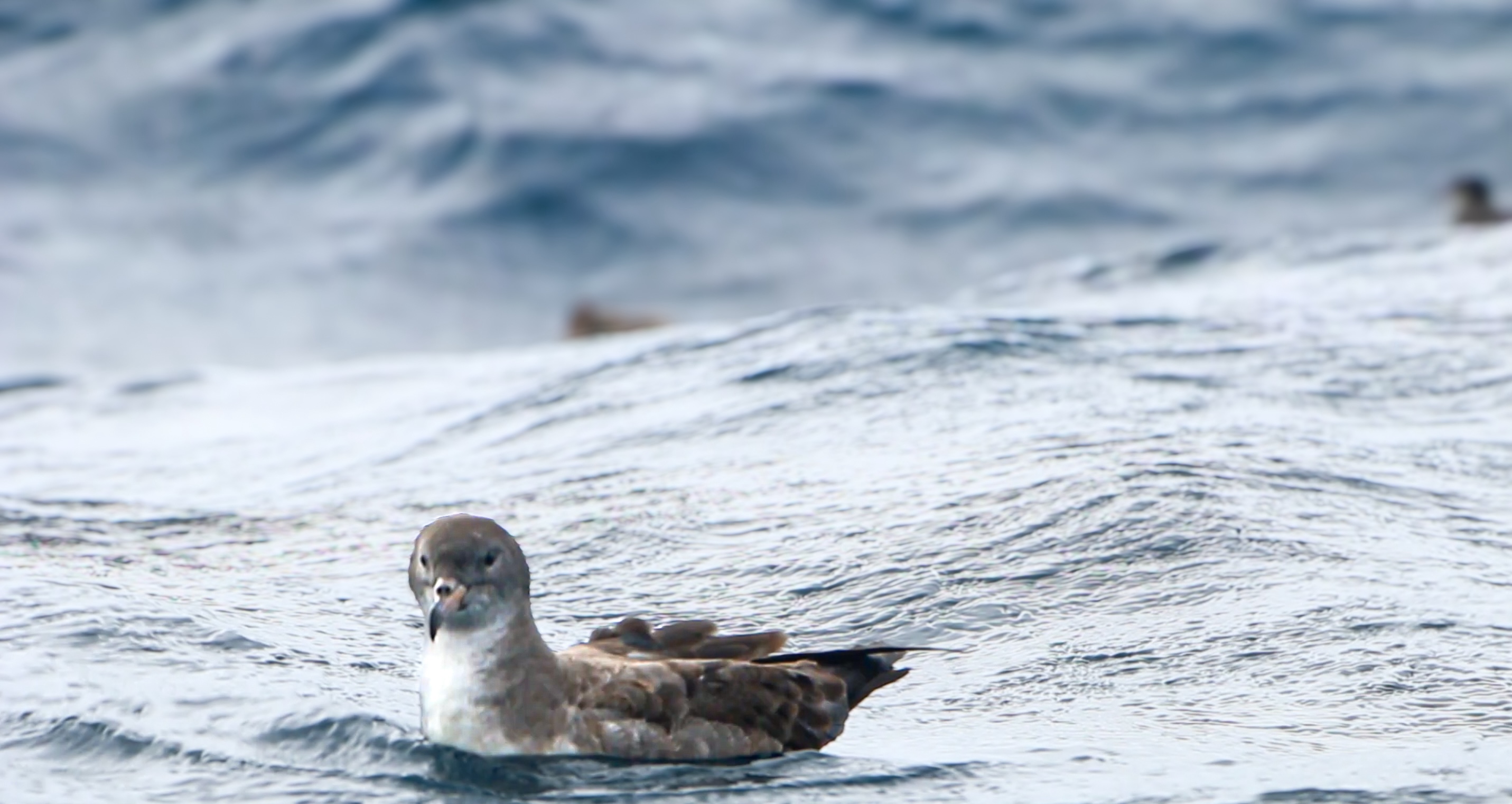
I spent my days diving with Juan Fernandez Fur Seals and watched as Pink-footed Shearwaters swarmed the lobster fishermen, hoping to share in their catch. I found myself surrounded by countless “tíos” and embraced by a powerful natural presence.
I was in awe of how life revolved around respecting the island’s natural conditions. The archipelago never had an indigenous population. There was never any spiritual cosmology to define how humans should interact with this space. In fact, its earliest inhabitants were pirates, before a small population of Europeans settled permanently. I began to wonder how a community of Europeans arrived in paradise with no desire to tame it when their countrymen were setting sail to conquer the world. While most early settlers were illiterate and left no concrete narratives of their lives, what remains is a strong identification with the land and its animal inhabitants that has been passed down through generations of islanders.
Part 2 coming soon!
Check out other journal entries we think you might be interested in.
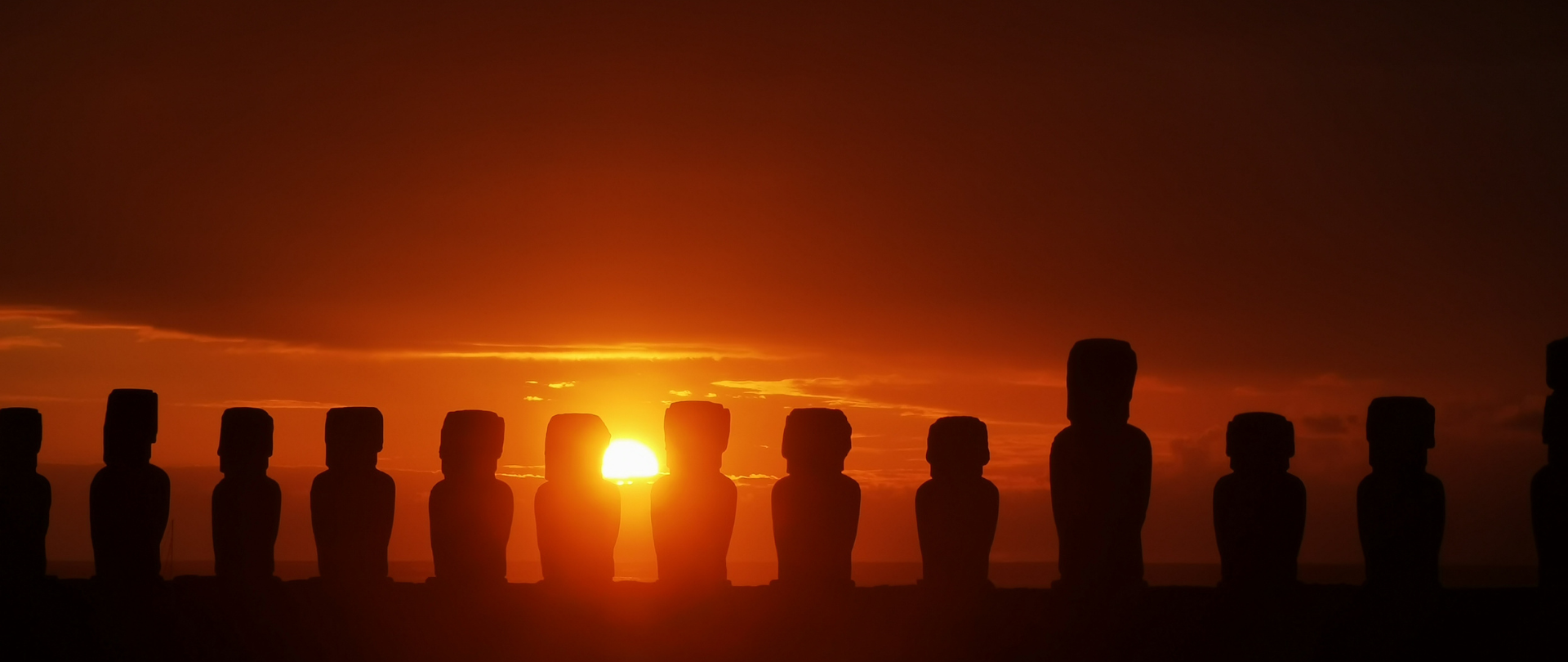
August 4, 2026
Indigenous-led conservation takes a leap forward with Rapa Nui (Easter Island)'s new partnership with Island Conservation!
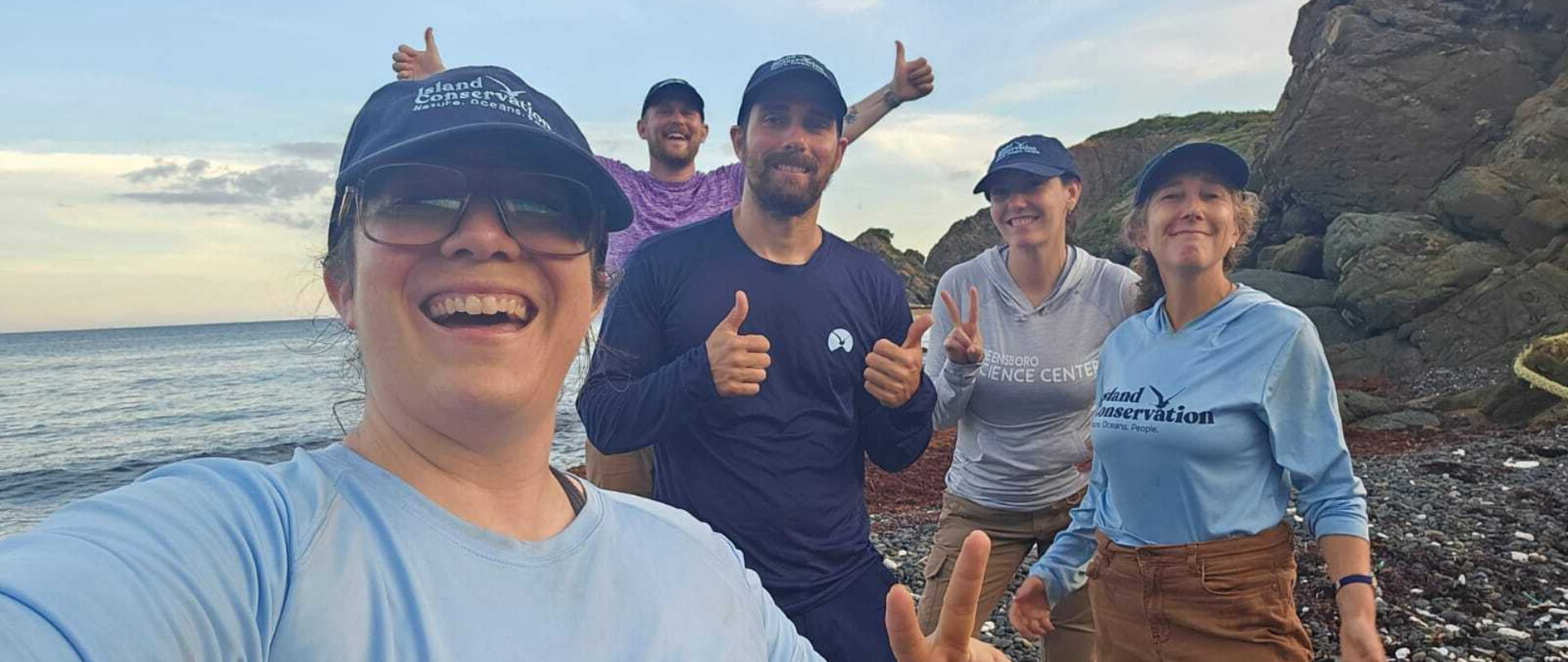
July 9, 2026
Senior Major Gifts Officer Jen Sachs shares her experience on one of Island Conservation's exciting restoration projects in the US Virgin Islands!
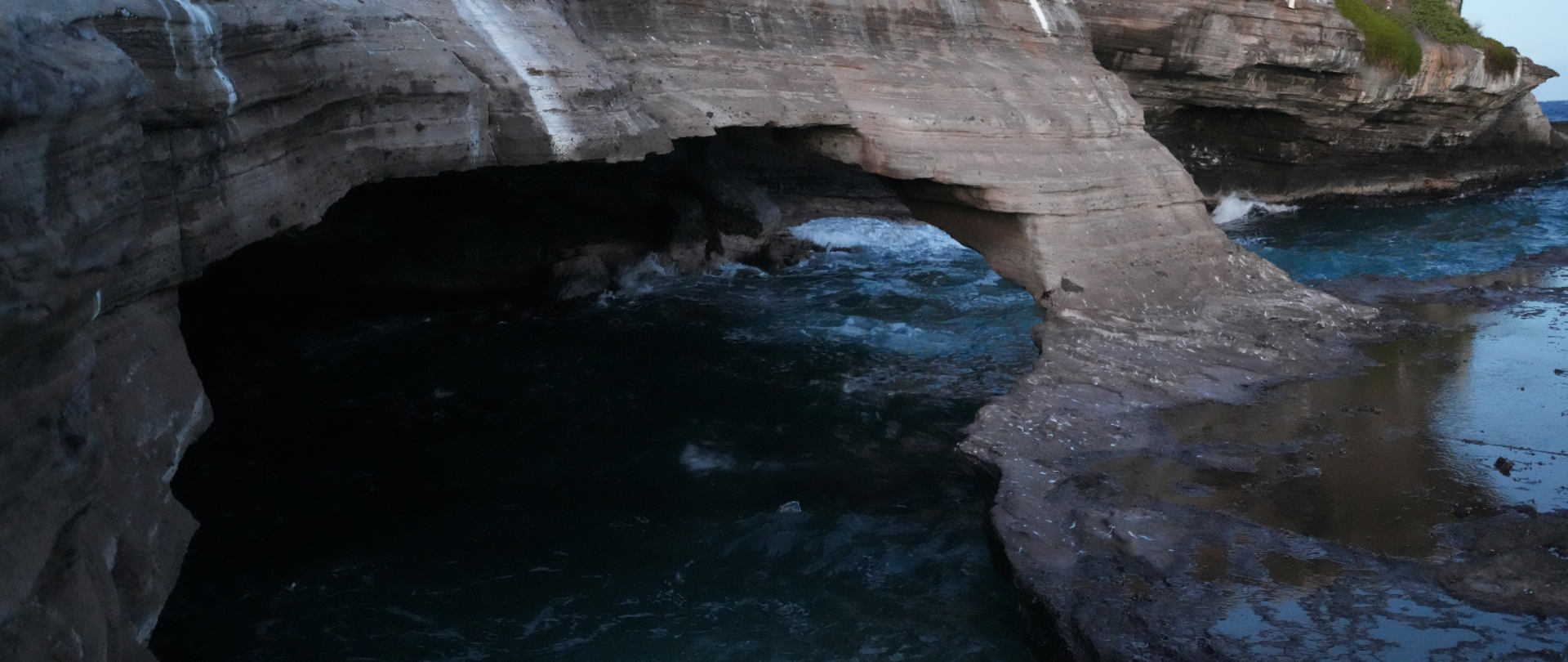
June 23, 2026
The Island-Ocean Connection Challenge announced four new restoration projects—Lehua, Tavolara, Grand Rouveau, and Zembra—at London Climate Week, expanding its global effort to restore 40 island-ocean ecosystems by 2030!
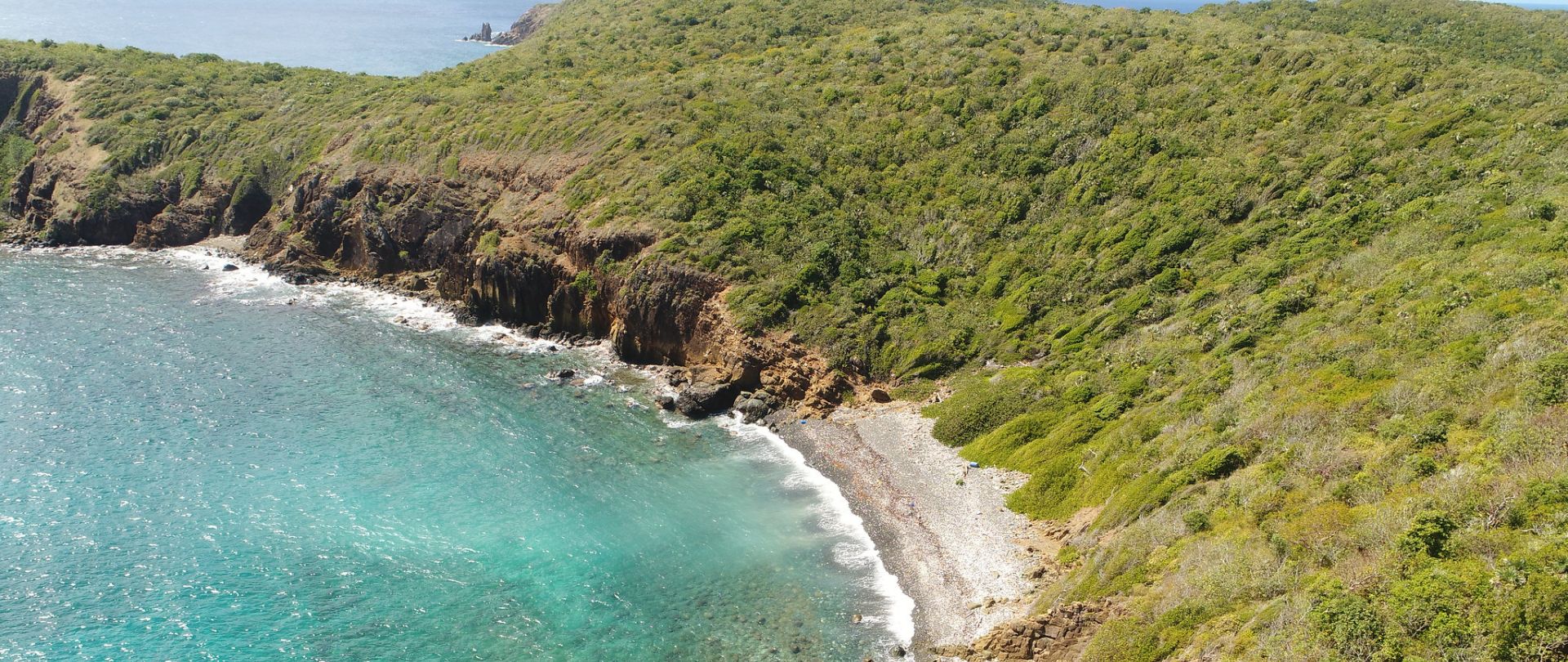
June 18, 2026
A new project to expand the range of an endangered Tree Boa is one step closer to completion!
June 8, 2026
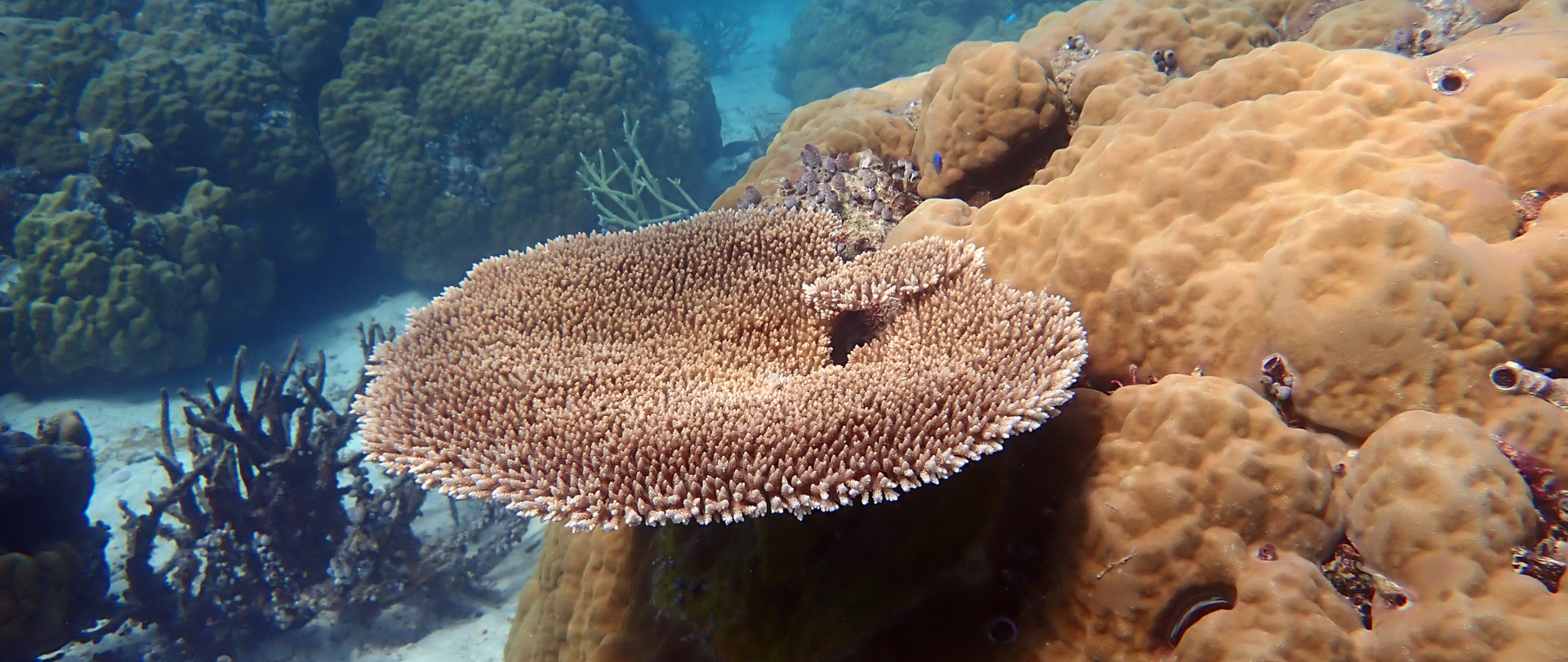
A world-first controlled experiment shows connection between seabird activity and marine health on Ulong Island!
May 20, 2026
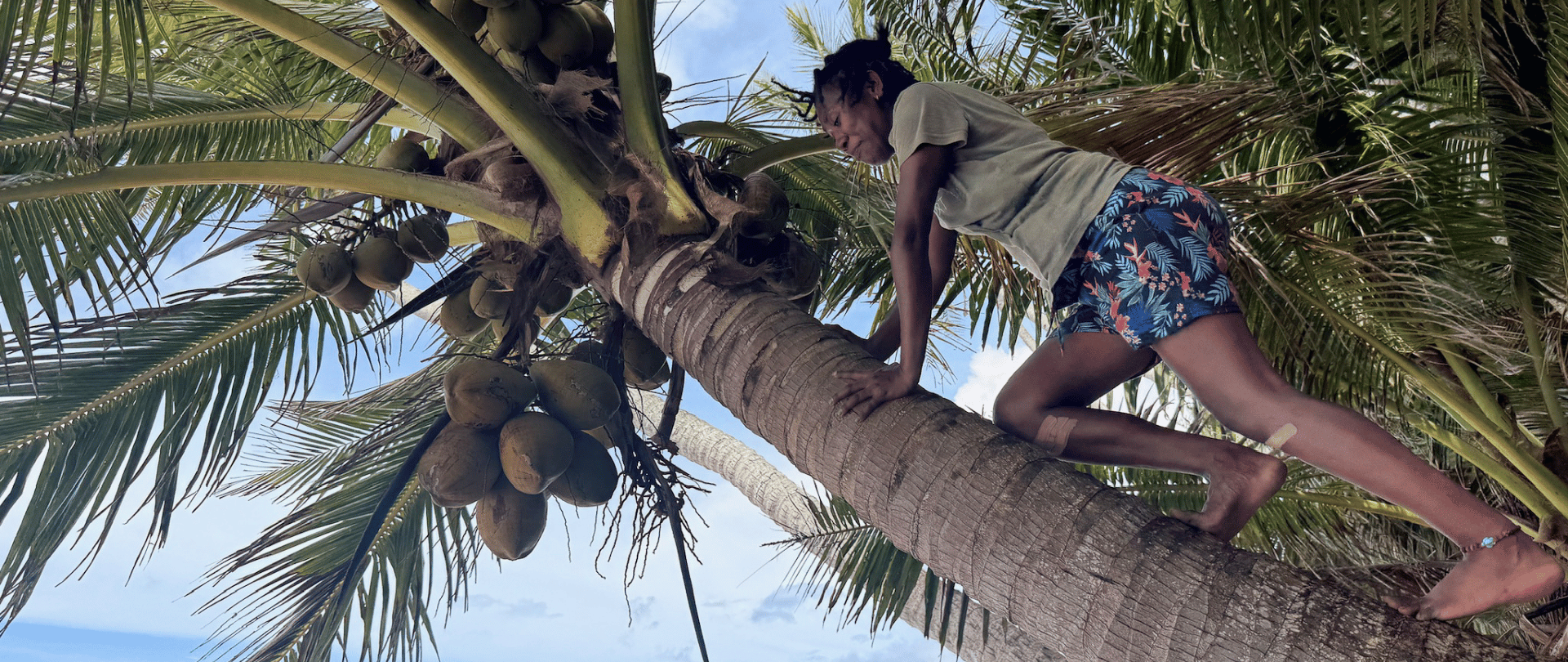
Seasonal Monitoring Specialist Cozette Romero writes about her time working and living on Niulakita in Tuvalu, helping protect the food security and livelihood of an island community!
May 13, 2026
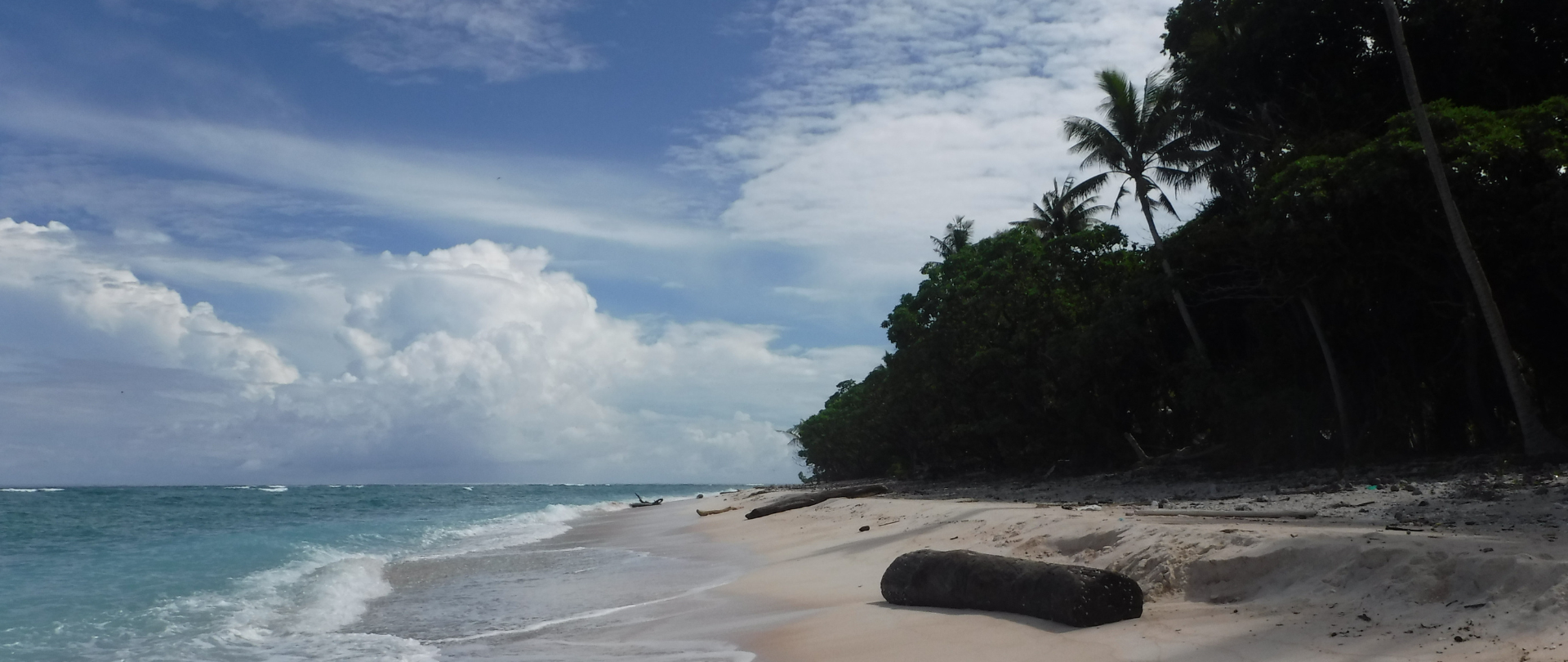
A new project in Sonsorol State, Palau aims to improve livelihoods and climate resilience through holistic environmental restoration!
May 5, 2026
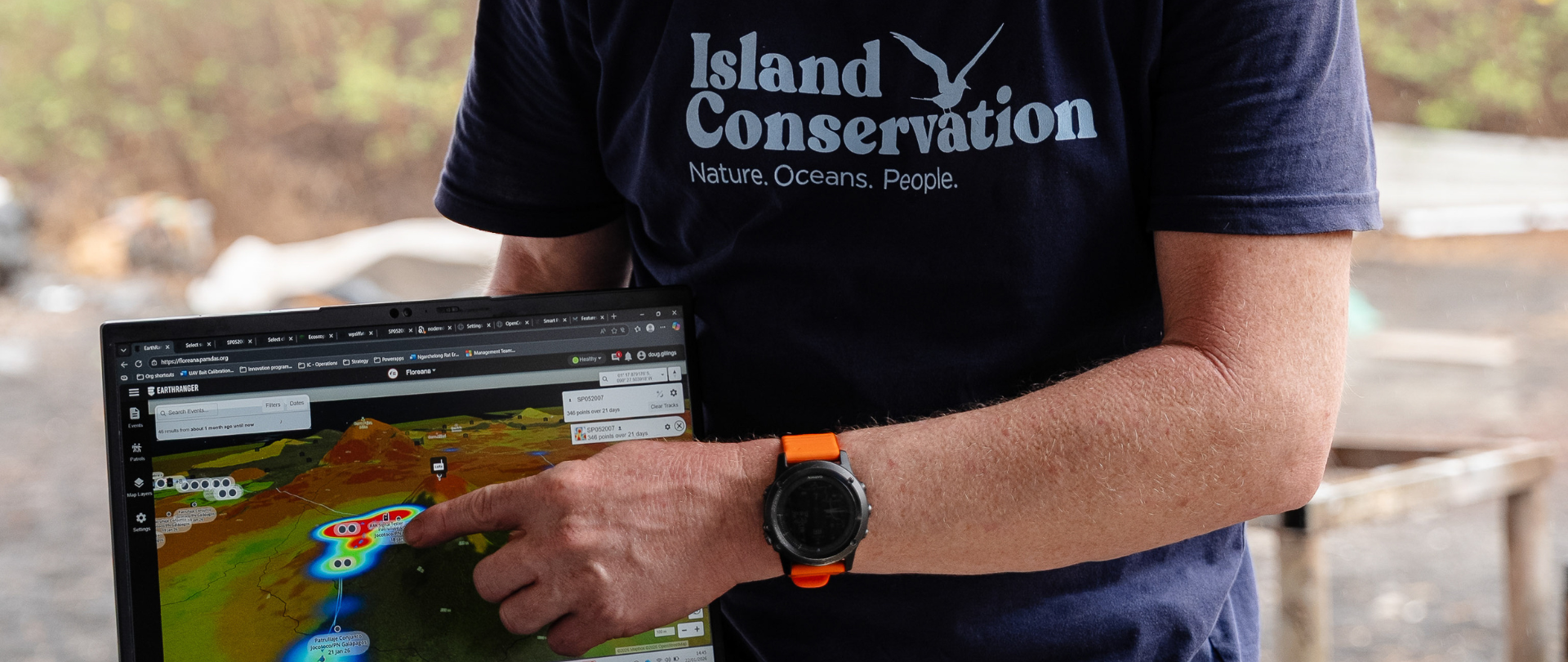
Thrilling new tech brings conservation solutions to a remote island in the Galápagos!
April 14, 2026
A historic moment: Wake Atoll is restored and thriving!
April 10, 2026
Our team is helping make waves in Tuvalu. Read about our new work on Niulakita!