October 6, 2026
New Island Restoration Storytellers Join the Circle!
Welcome four new Storytellers to the Island Restoration Storytellers Circle!
 Island Conservation

In September 2025, Island Conservation’s CEO Penny Becker was featured on NPR’s Planet Money podcast, talking about the most cost-effective way to restore an ecosystem. Listen to her episode here and read the transcript below!

DARIAN WOODS: The splendid poison frog, the Yangtze River dolphin, the Maui akepa songbird. These are all animals that went extinct over the last couple of decades.
WAILIN WONG: Those are sounds our grandchildren won’t hear. And it could even mean that medicines never get discovered.
WOODS: Yeah, Ozempic was developed after a chance discovery with venom from the Gila monster lizard. And that lizard is near-threatened. Hugh Possingham is a scientist at the University of Queensland in Australia. And Hugh says these extinctions are largely due to human activity.
[AUDIO PLAYBACK]
HUGH POSSINGHAM: We are in a mass extinction. And the rate at which species are going extinct is roughly a hundred times the normal rate.
[END PLAYBACK]
WONG: So if you’re wondering how to help, what kind of donation or policy would have the most impact, Hugh actually has an answer. He has a way biodiversity. This is The Indicator From Planet Money. I’m Wailin Wong.
WOODS: And I’m Darian Woods. Today on the show, cost-effective conservation. Hugh challenges ecologists to think more like economists. And we meet some incredibly cute tortoise hatchlings on a tropical island.
WONG: Oh, I can’t wait.
WOODS: If you want learn how to save species cheaply, Hugh Possingham is your guy.
[AUDIO PLAYBACK]
POSSINGHAM: My life is very complicated. I’m on 31 boards and committees outside my day job. I used to be the chief scientist of the Nature Conservancy in the US.
[END PLAYBACK]
WONG: Hugh says his big aha moment came in the late 1990s when he was speaking with some officials from the Australian federal government.
[AUDIO PLAYBACK]
POSSINGHAM: And they were talking about spending money, recovering species. And at that point in time, the primary strategy was to spend almost all your money on the species that are most critically endangered.
[END PLAYBACK]
WOODS: This was kind of an ambulance at the bottom of the cliff approach. A lot of the money was also flowing to cute animals, and that’s pretty typical in conservation.
[AUDIO PLAYBACK]
POSSINGHAM: And I was sitting at the back of the room, as an invited expert. And I said, some of these species are really expensive to save. It’s gonna be hard to save them and maybe almost impossible to save. So there’s two other factors other than how likely a species is to go extinct, that I think we should be thinking about. One is cost and one is probability of success.
[END PLAYBACK]
WONG: Cost and probability of success. You’ll notice cuteness, not on the list.
WOODS: Maybe we can add it on later.
WONG: This was a simple but radical way to think about conservation. Basically, Hugh was saying, the government could rank what would save species most cheaply and redirect its money there. Kind of like the cost-per-pound labels you see in the supermarket. In that meeting with the Australian officials, Hugh said that the current approach actually meant more extinctions.
[AUDIO PLAYBACK]
POSSINGHAM: Some of the things we’re working on, some of these very expensive birds and mammals, which are iconic, we could use that money to save 50 species of threatened plant. What do you want? Do you want to save this one bird or mammal? Or do you want to save 50 species of plant, which may not be currently as threatened but much cheaper to save?
WOODS: Was that a sacrilegious kind of thing to say in the room?
POSSINGHAM: It is pretty well. And they said, you can’t do that. We can’t allow species to go extinct. And I said, you are already, because in fact, at the moment, for example, the federal government only funds 110 of the 2,000 listed species. So most countries are not spending money on the majority of their threatened species.
[END PLAYBACK]
WONG: Darian, I just realized, this is like the trolley problem, but for endangered species.
WOODS: It is. And while it’s never been solved, today, we’re actually gonna solve it for species.
WONG: Oh, I can’t wait. [LAUGHING]
WOODS: Watch out, animals and plants of the world. Anyway, Hugh never convinced the Australian federal government of his quantitative approach to conservation. Deciding what lives and dies is an intensely emotional subject. But Hugh is a trailblazer in the world of quantitative ecology. And he’s had wins elsewhere. The New Zealand government, for example, picked up his framework, also, a bunch of nonprofits and regular people trying to make a difference.
WONG: Hugh says that in the supermarket of species, there is a real bargain, local plants.
[AUDIO PLAYBACK]
POSSINGHAM: It might cost you $20,000 to save a threatened plant. A small group of people can put up defenses to protect them from herbivores. They can grow them without permits. They can spread them around.
[END PLAYBACK]
WONG: But if you’re wanting to save animals and are thinking globally, Hugh says, a little math goes a long way. He points toward some general principles. First, go where the largest number of threatened species are, near the equator.
[AUDIO PLAYBACK]
POSSINGHAM: The tropics are more biodiverse. Those parts of the tropics where we’re losing species are also more important.
[END PLAYBACK]
WOODS: And once you get even more narrow, zooming in on tropical islands, you start to get a lot of endemic species. That means species found nowhere else on the planet.
[AUDIO PLAYBACK]
POSSINGHAM: Indonesia has the most endemic bird species, for example, in the world.
[END PLAYBACK]
WONG: Islands also mean that animals and birds have evolved for millions of years without predators found on the main continents, like cats or rats that eat bird eggs. So the island species don’t have the same defenses.
[AUDIO PLAYBACK]
POSSINGHAM: People arrive, they bring pigs, they bring rats. A lot of the birds were flightless. So literally, a thousand bird species have disappeared from islands.
[END PLAYBACK]
WOODS: And so that’s why Hugh says if he were to invest a dollar of his own money, he would look in Indonesia and Madagascar, tropical island nations.
[AUDIO PLAYBACK]
POSSINGHAM: They’re losing species left, right, and center. And they are globally significant.
[END PLAYBACK]
WOODS: Globally significant, because we might value different creatures differently. You might want to save some animals more because they’re more unusual or they might be more culturally significant.
WONG: OK, so that’s the framework. Bang for buck, high in tropical areas, especially islands. So now what do we do, Darian?
WOODS: Right, so there are a lot of different ways to help. You could capture some salamanders, say, and breed them in a zoo. You could protect a coral reef. You could patrol a forest to protect against poachers. And Hugh says it does depend on the exact situation. But one technique he doesn’t think is cost effective is captive breeding programs.
[AUDIO PLAYBACK]
POSSINGHAM: One of your more expensive threatened species, the Californian condor, they’re amazing. I mean, they’re gigantic. And they’ve saved them to a certain extent. But the cost was tens, if– close to a hundred million of dollars probably over the last 30 or 40 years. So they’ve been expensive, but it doesn’t help many other things, captive breeding.
[END PLAYBACK]
WOODS: In contrast to the California condor breeding program, preserving land or ocean can have multiple benefits.
[AUDIO PLAYBACK]
POSSINGHAM: India is now claiming that their tiger numbers are increasing. But a lot of that is largely habitat protection. And that habitat protection is saving a lot of other mammals and birds and amphibians and reptiles.
[END PLAYBACK]
WONG: In other words, you’re saving two birds with one stone when you protect jungles and grasslands, not just the target species, but all the other life in that habitat, too.
WOODS: And for the islands, Hugh says there’s another technique that a good bang for your buck, removing those introduced predators. In other words, poisoning, trapping or shooting pigs, rats, cats. And to ensure the solution carries on into the future, Hugh says, local community buy-in is critical.
WONG: So let’s see this in action. Darian, you promised us tortoises.
WOODS: To the Galapagos.
WONG: Woo-hoo!
WOODS: There is a charity called Island Conservation. It ticks basically all of Hugh’s boxes. It’s focused, as the name suggests, on islands. And the group is mainly in the tropics. It focuses on habitats and predator removal. Penny Becker, the group’s CEO, says island conservation was particularly concerned about a tortoise in the Galapagos called the Pinzón tortoise.
PENNY BECKER: The Pinzón tortoise was becoming an aging population, where they have not been able to have little hatchlings actually successfully be able to grow up on the island, because of invasive species, for more than 150 years.
WOODS: It was like a retirement village for tortoises.
BECKER: Exactly, yes.
WONG: A social security crisis on the Galapagos. [LAUGHS] After years of planning, Island Conservation lay poisonous rat bait all around the island. Twice, actually, just to be sure.
BECKER: And just immediately, within one to two years, you’re seeing hatchlings that are successfully growing up on the island again.
WOODS: OK, well, let’s watch the video. We have to do it.
WONG: Oh, my gosh, I can’t wait. OK. Woo! Hey. It made this little sound. And now it’s like trying to crawl out of the hole.
[AUDIO PLAYBACK]
COLLEAGUE: [NON-ENGLISH SPEECH]
[END PLAYBACK]
WOODS: That’s Penny’s colleague talking.
WONG: Oh, right. And the colleague is saying, it’s coming, it’s coming. I know that we’re not supposed to be just focused on what’s cute, but these are so cute.
WOODS: These are both doing good and are cute. This is like the best of all possible worlds. If we are maximizing our adorableness per dollar, I think that is money well spent. And if you want to see that video, it’s on our Instagram, @PlanetMoney. This episode was produced by Cooper Katz McKim, with engineering by Jimmy Keeley. It was fact-checked by Sierra Juarez. Alex Goldmark edited this episode. And Kate Concannon edits the show. The Indicator is a production of NPR.
There’s more than one way to make an impact. Join our collective of dedicated supporters by donating today or signing up for our newsletter to stay informed.
Check out other journal entries we think you might be interested in.

October 6, 2026
Welcome four new Storytellers to the Island Restoration Storytellers Circle!

September 9, 2026
El Niño doesn't create weak ecosystems; it reveals them. Find out how resilient islands can survive and bounce back from stress caused by El Niño!
September 1, 2026
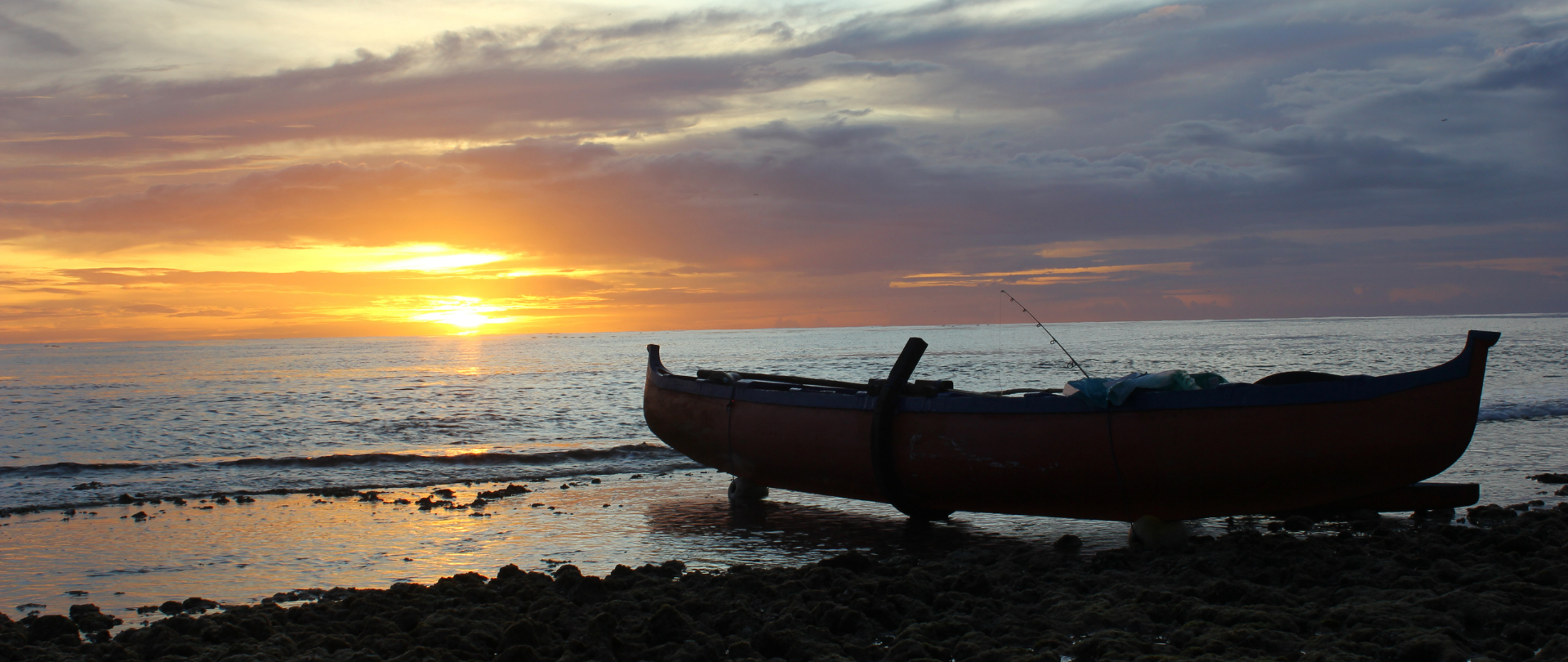
Linden Brown shares the incredible things he saw and experienced while working to restore islands in Sonsorol State, Palau!

August 25, 2026
A new study reveals the role fungi play in the restoration and recovery of rare, resilient atoll ecosystems!
August 18, 2026
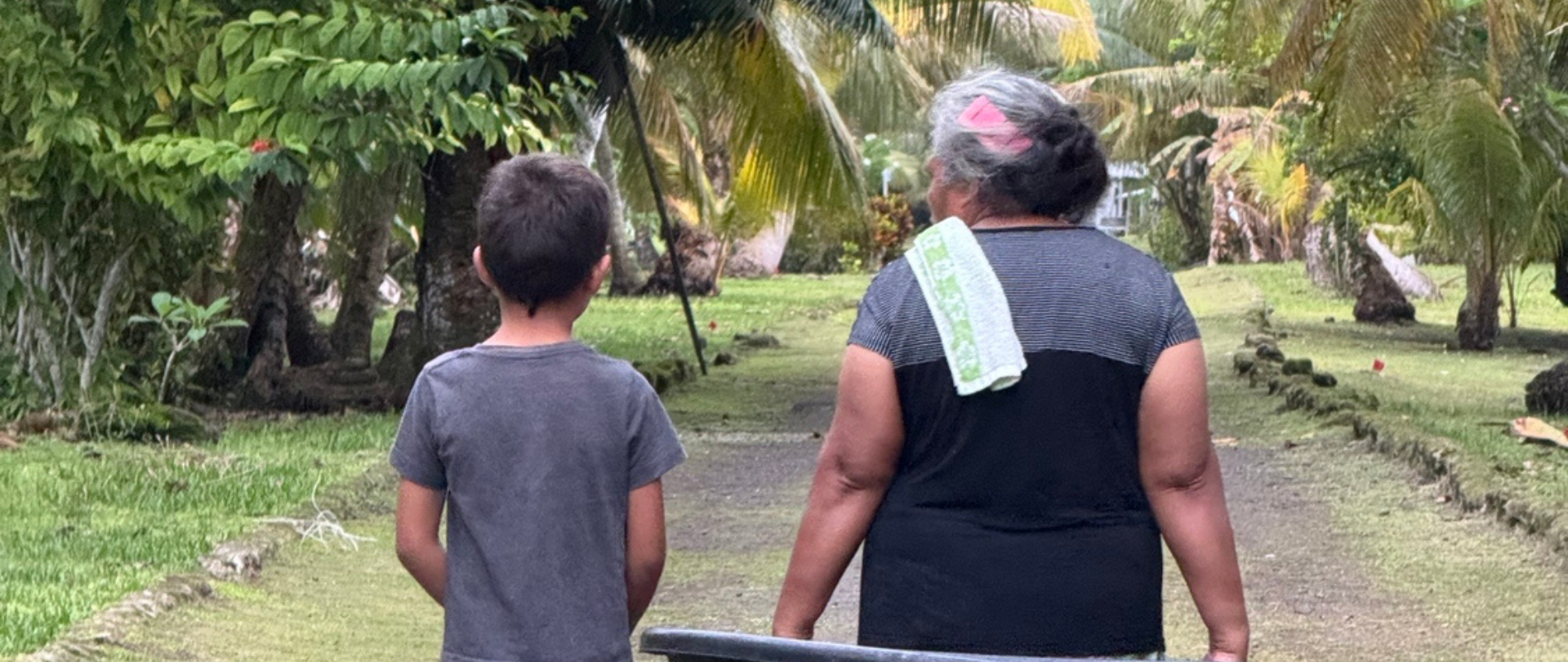
Meet Evelyn, one of the people who holds the wisdom of Sonsorol State, Palau in her lived experiences and stories.

August 12, 2026
The new Phoenix Species Project highlights species on the brink of extinction that are primed for recovery--and a lot of them live on islands!
August 4, 2026
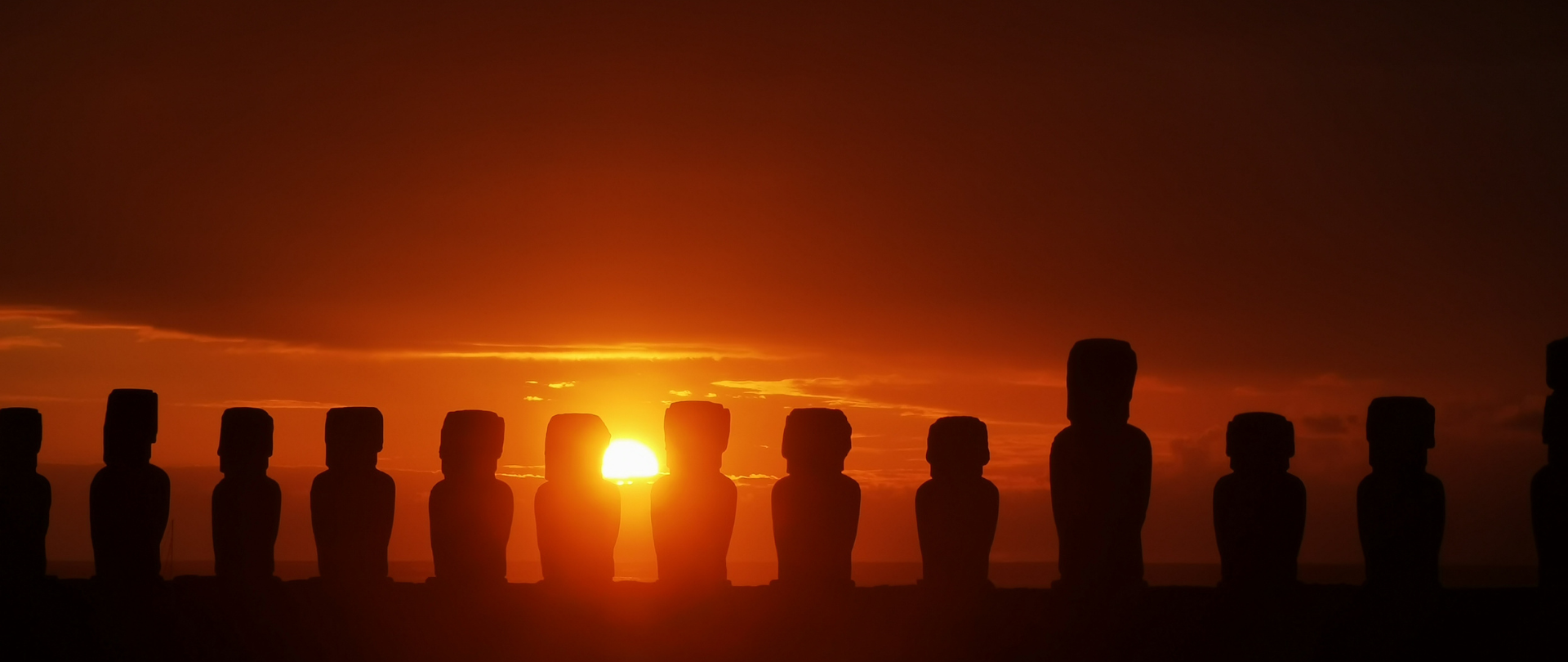
Indigenous-led conservation takes a leap forward with Rapa Nui (Easter Island)'s new partnership with Island Conservation!

July 31, 2026
We interviewed artist Laura Shape to learn about the luminous abstracts she creates from leather sourced from invasive species!

July 28, 2026
Happy World Nature Conservation Day! Read Penny Becker's article published by the Outreach Network for Gene Drive Research.
July 9, 2026
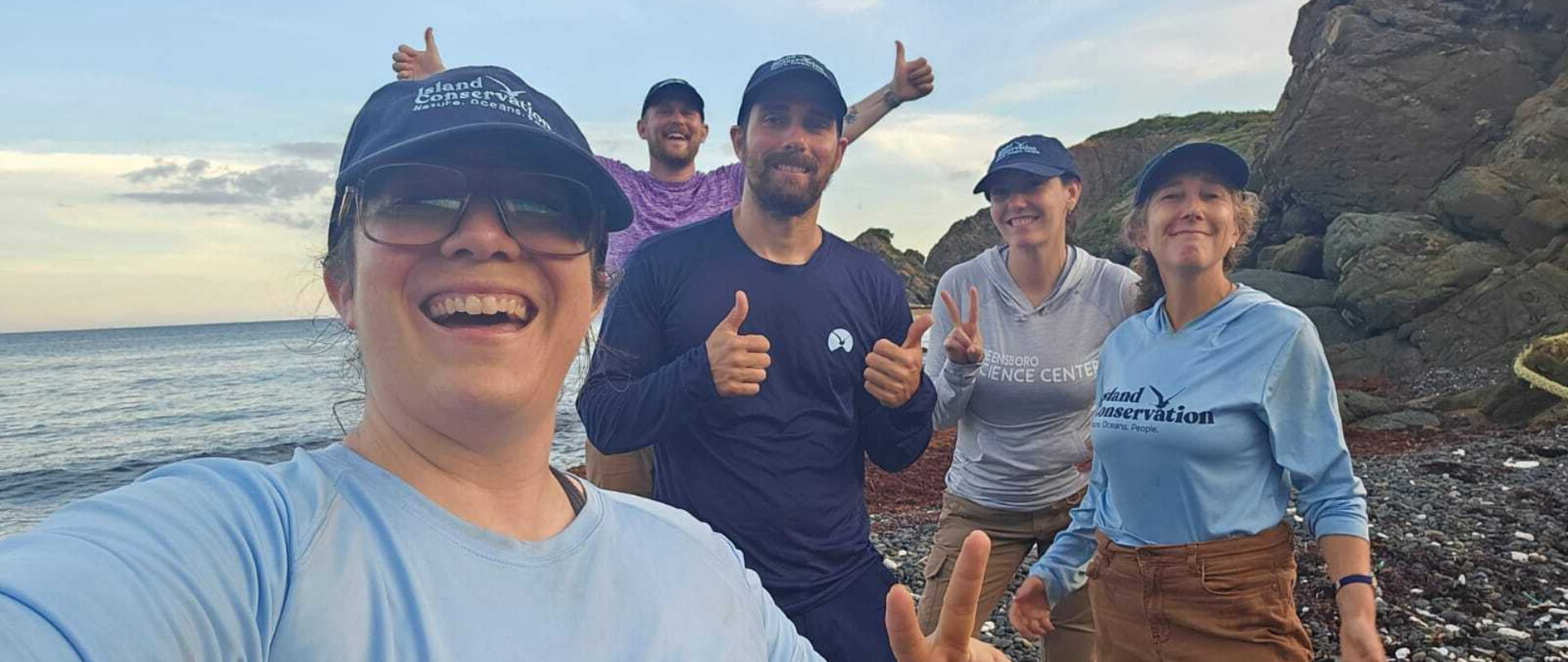
Senior Major Gifts Officer Jen Sachs shares her experience on one of Island Conservation's exciting restoration projects in the US Virgin Islands!