October 14, 2026
The cost of saving a species
What makes a donation to Island Conservation such a great investment? Our CEO, Penny Becker, explains in an NPR podcast!
 Island Conservation

With a very strong El Niño event already underway, many island communities and conservation practitioners are asking the same question: What does El Niño mean for island ecosystems?
The answer is complex, as different island ecosystems will respond to the weather event differently. However, one general principle applies worldwide: El Niño is a stress test for nature. Healthy, restored ecosystems often have greater capacity to withstand climate shocks and recover afterward. Degraded ecosystems are more likely to experience severe ecological disruption.
Or, put another way:
El Niño doesn’t create weak ecosystems. It reveals them.
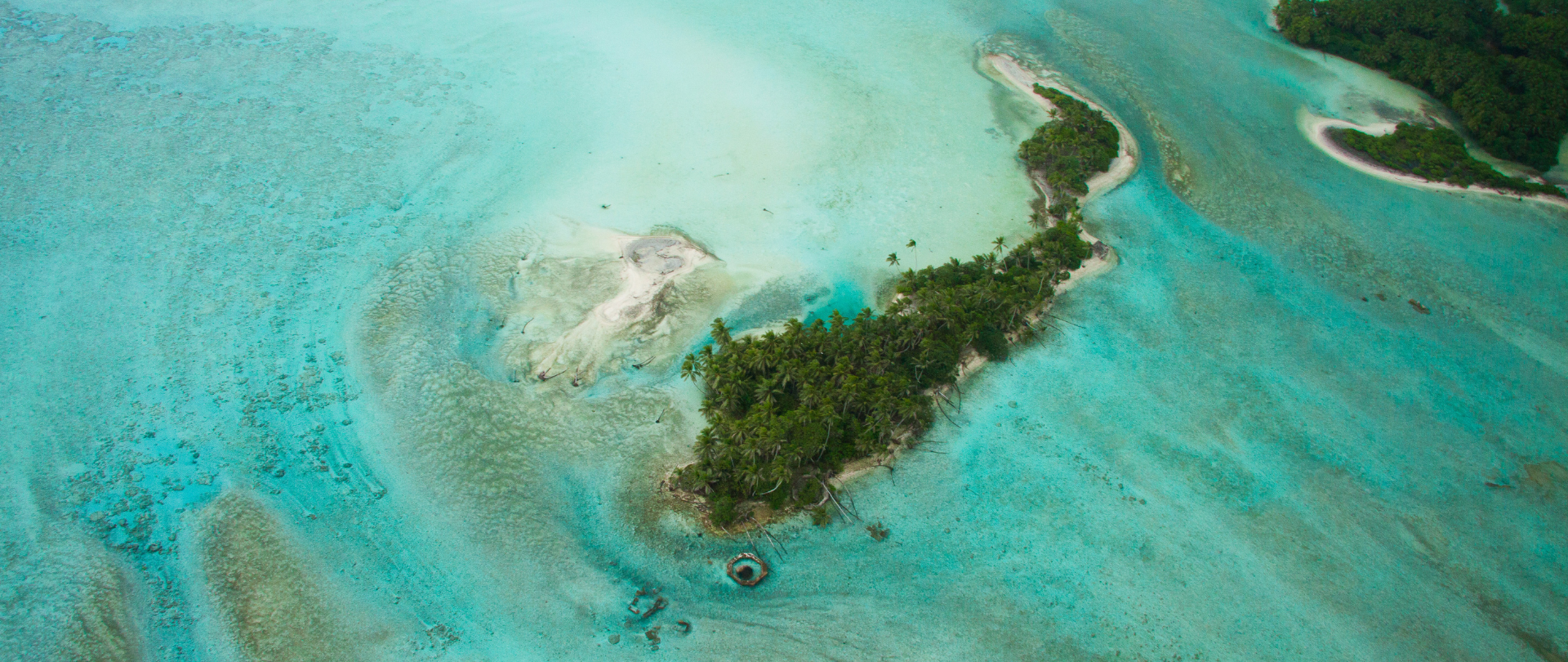
El Niño is the warm phase of the El Niño-Southern Oscillation (ENSO), a natural climate cycle that affects ocean temperatures, rainfall patterns, storms, and marine productivity across the Pacific Ocean and beyond. During El Niño, warm surface waters shift eastward across the Pacific, disrupting normal ocean currents and atmospheric circulation.
These changes can trigger drought in some island regions, flooding in others, and major disruptions to both marine and terrestrial ecosystems.
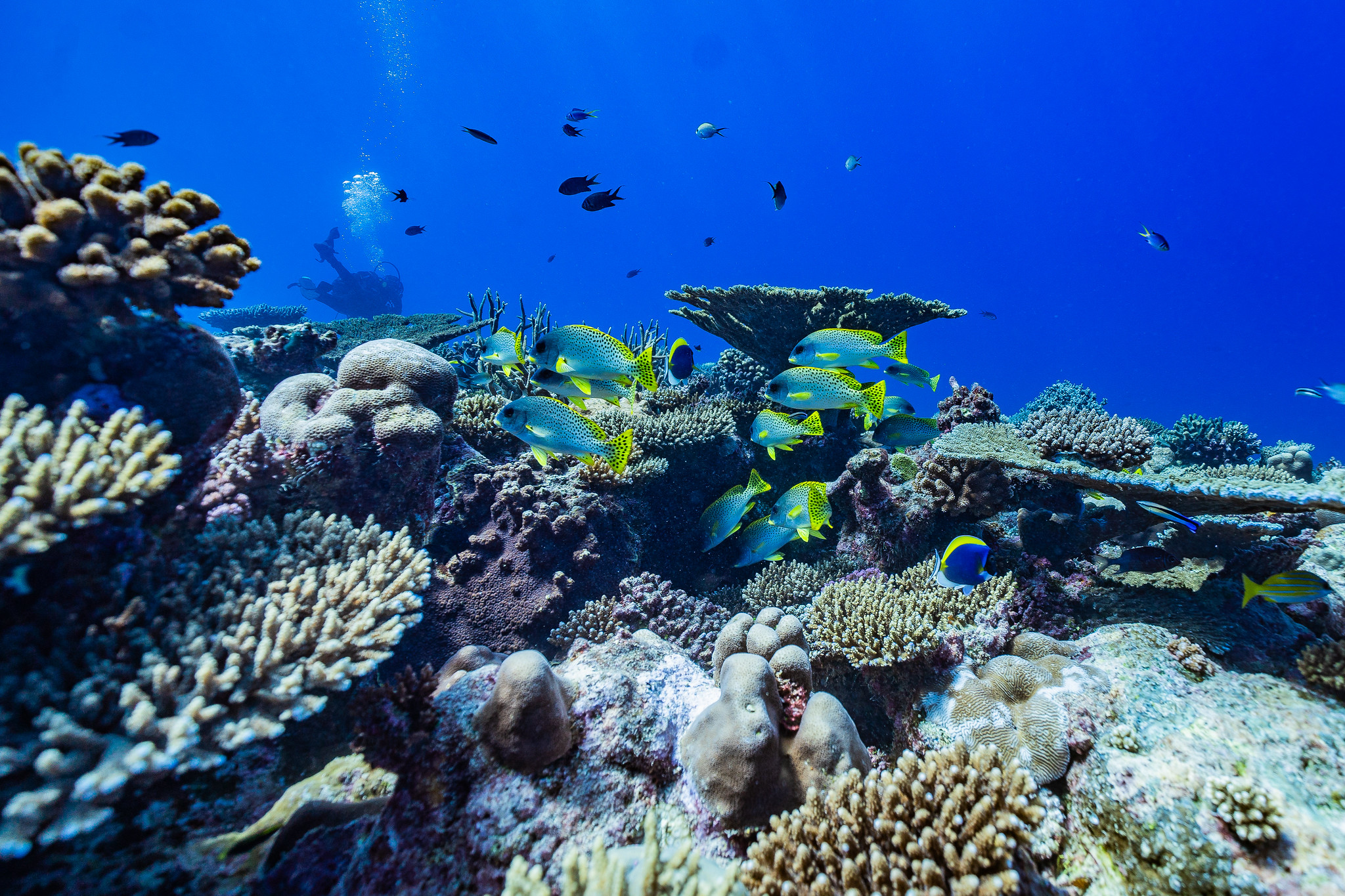
One of the most visible environmental impacts of El Niño is coral bleaching. As ocean temperatures rise, corals become stressed and expel the symbiotic algae they depend on for energy.
Severe bleaching events can lead to widespread coral mortality, reducing habitat for fish, weakening coastal protection, and diminishing biodiversity. Strong El Niño events have been associated with some of the largest coral bleaching episodes ever recorded.
El Niño suppresses the upwelling of cold, nutrient-rich water that normally fuels marine food webs in parts of the Pacific. With fewer nutrients reaching the surface, phytoplankton populations decline.
Because phytoplankton form the foundation of ocean food chains, the effects ripple upward to fish, seabirds, marine mammals, and fisheries.
As a result of this disruption to the food web, the populations of fish that live in the waters near seabird breeding colonies may decline. Many island seabirds depend on predictable concentrations of fish near where they rest and reproduce.
The result can include poor breeding success, nest abandonment, lower chick survival, and population declines for some species. We’re already seeing the effects of this year’s El Niño on seabird populations in South America: species such as Blue-footed Boobies are migrating far outside their range to Panama.
Not every island experiences El Niño the same way.
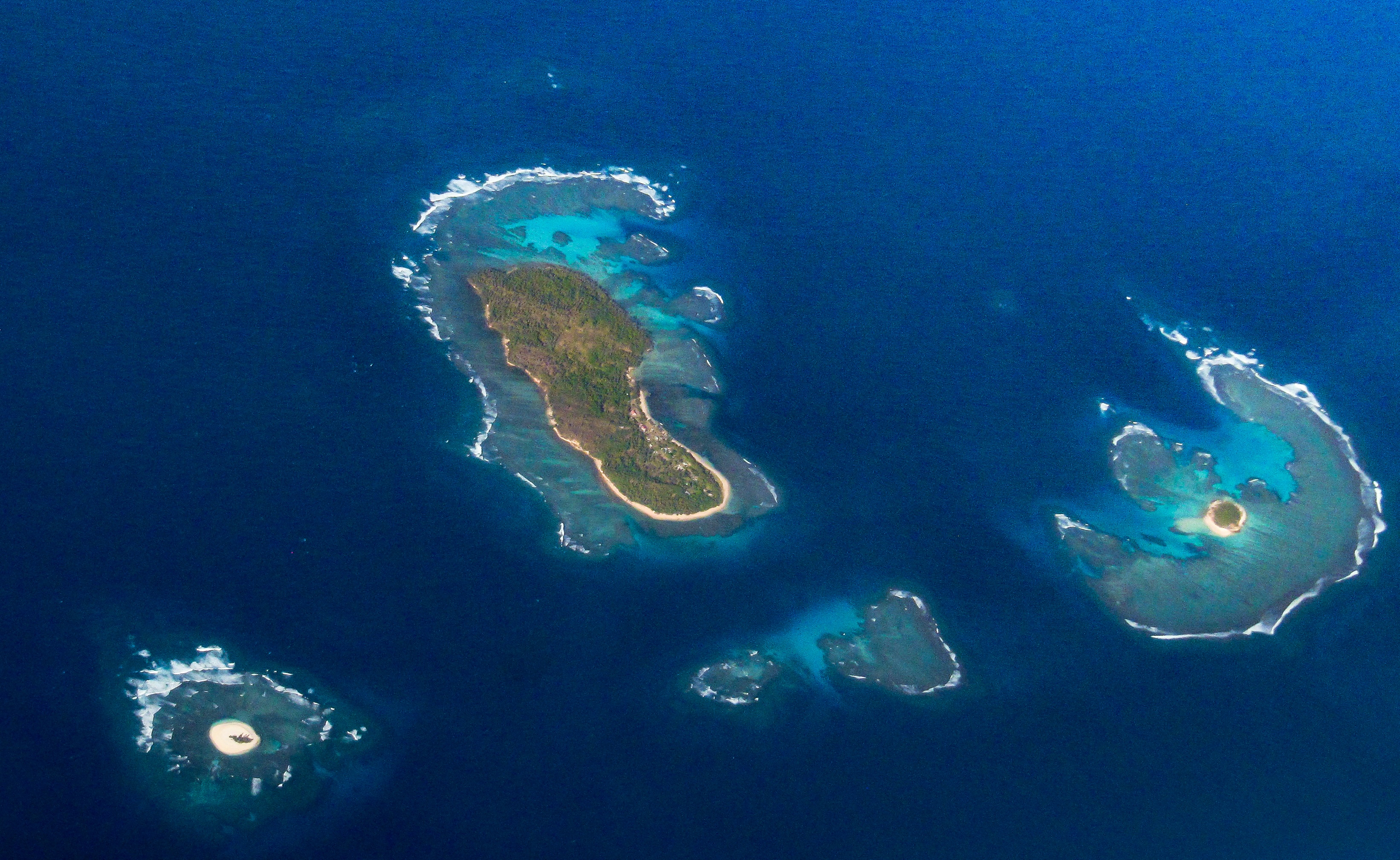
Many western Pacific islands face drought, freshwater shortages, wildfire risk, and agricultural stress. Meanwhile, islands in the central and eastern Pacific may experience unusually intense rainfall, flooding, erosion, and landslides.
For small islands that depend heavily on rainfall for freshwater supplies, these shifts can affect both ecosystems and communities. Islands are home to almost 1/3 of the Earth’s plant biodiversity, and these plants will be the first to suffer when patterns of rainfall change.
While successful island restoration cannot prevent El Niño, it can improve an ecosystem’s ability to withstand climate extremes. Islands are already key sites of resilience to a changing climate, and the healthier these ecosystems are, the more likely they will be to weather fluctuations driven by El Niño.
Seabird populations on restored islands recover by orders of magnitude. Seabirds transport nutrients from the ocean onto land through guano, enriching soils and supporting native vegetation.
This nutrient cycle helps strengthen ecosystem productivity and recovery following disturbances.
Moreover, these nutrients are necessary for the phytoplankton that feeds corals and fish to thrive. The more nutrients available to these organisms, the more likely they are to withstand these shocks.
Restored forests and native plant communities improve water retention, reduce erosion, and stabilize landscapes.
During droughts, healthy vegetation can help ecosystems retain moisture. During heavy rainfall events, native plant cover can reduce runoff and sediment flowing onto nearby coral reefs. This creates benefits both on land and in the surrounding ocean.
“Super” El Niños often coincide with heavier rainfall, especially along the path of the southern jet stream. Islands with stronger plant populations are more likely to hold on to their soil and resist erosion from this extreme weather.
Healthy ecosystems contain more species and stronger ecological connections. When one species is affected by climate stress, others can help maintain ecosystem functions.
Scientists often refer to this as ecological resilience. In practical terms, it means restored ecosystems may recover faster and more completely after extreme events.
Biodiversity remains one of our planet’s strongest natural defense mechanisms. Islands are home to a fifth of Earth’s biodiversity—including endemic species that are found nowhere else.
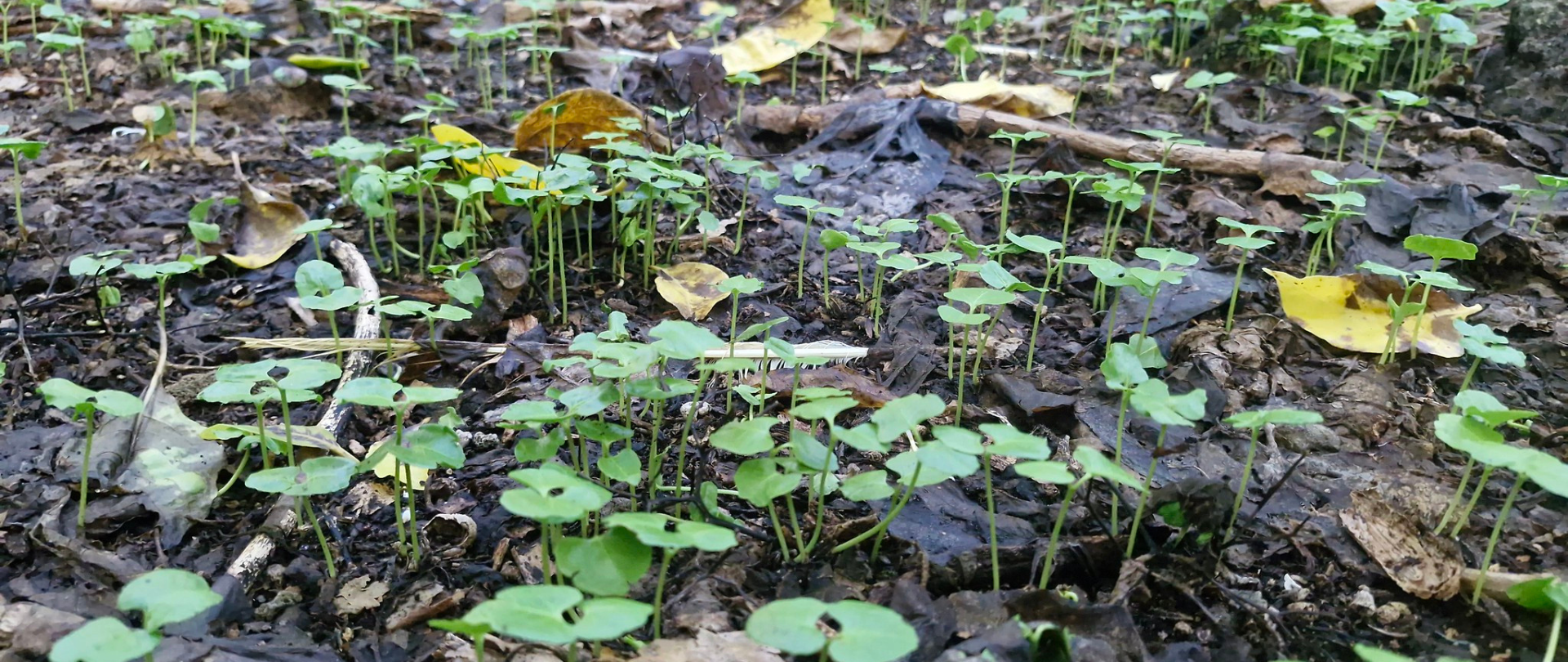
As climate variability increases, experts around the world are recognizing that island restoration is one of the most successful and scalable climate solutions available to us. By improving biodiversity, increasing seabird populations, and stabilizing nutrient flows, island restoration can help fragile ecosystems absorb fluctuations like the one we’re seeing this year.
A restored island may still experience coral bleaching, drought, flooding, or shifts in wildlife populations during a strong El Niño. But healthy ecosystems enter those challenges with stronger food webs, healthier habitats, greater biodiversity, and a greater capacity to recover.
The climate shock may be the same, but the resilience is not.
There’s more than one way to make an impact. Join our collective of dedicated supporters by donating today or signing up for our newsletter to stay informed.
El Niño can cause coral bleaching, changes in fish populations, seabird breeding failures, drought, flooding, erosion, freshwater shortages, and shifts in marine food webs.
El Niño raises ocean temperatures in many tropical regions. When water remains too warm for extended periods, corals become stressed and may bleach, sometimes leading to widespread mortality.
Island wildlife can be affected by changing rainfall patterns, reduced food availability, habitat degradation, and ecosystem disruption. Seabirds are particularly vulnerable when ocean productivity declines.
Generally, yes. Islands with native vegetation, restored seabird populations, healthy soils, and fewer invasive species tend to have stronger ecological processes that help ecosystems withstand and recover from climate-related disturbances.
Island restoration improves biodiversity, strengthens ecosystem function, supports healthier coastal and marine habitats, and can increase resilience to climate-driven impacts such as drought, flooding, marine heatwaves, and extreme weather.
Check out other journal entries we think you might be interested in.

October 14, 2026
What makes a donation to Island Conservation such a great investment? Our CEO, Penny Becker, explains in an NPR podcast!

October 1, 2026
Mangrove forests are one-of-a-kind ecosystems--literally! Find out how conservationists can learn from mangroves and why it matters for islands.

September 24, 2026
Species extinctions don't just affect the ecosystems where they happen. Economies around the world depend on biodiversity, from local to international!

August 25, 2026
A new study reveals the role fungi play in the restoration and recovery of rare, resilient atoll ecosystems!

August 12, 2026
The new Phoenix Species Project highlights species on the brink of extinction that are primed for recovery--and a lot of them live on islands!
August 4, 2026
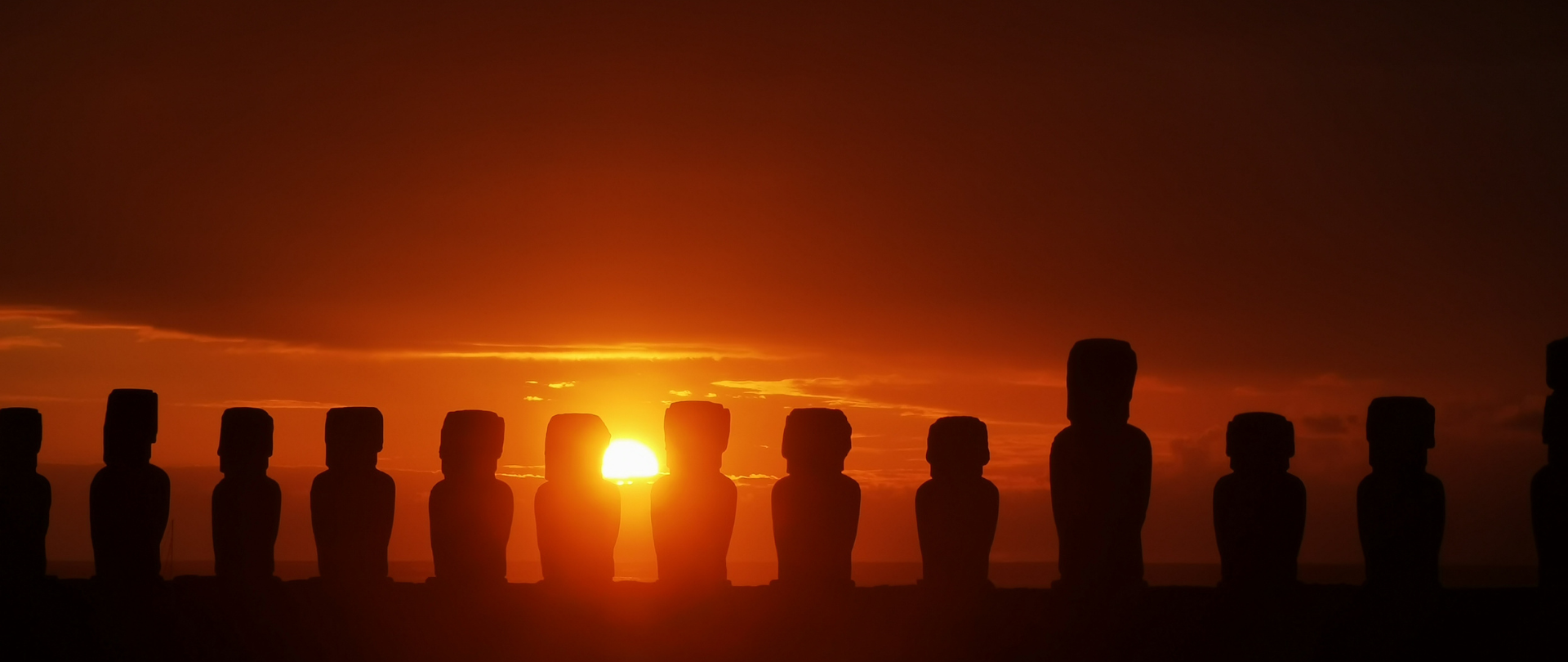
Indigenous-led conservation takes a leap forward with Rapa Nui (Easter Island)'s new partnership with Island Conservation!

July 31, 2026
We interviewed artist Laura Shape to learn about the luminous abstracts she creates from leather sourced from invasive species!

July 28, 2026
Happy World Nature Conservation Day! Read Penny Becker's article published by the Outreach Network for Gene Drive Research.

July 17, 2026
Three different animals show how connector species prop up island-ocean ecosystems!
July 2, 2026
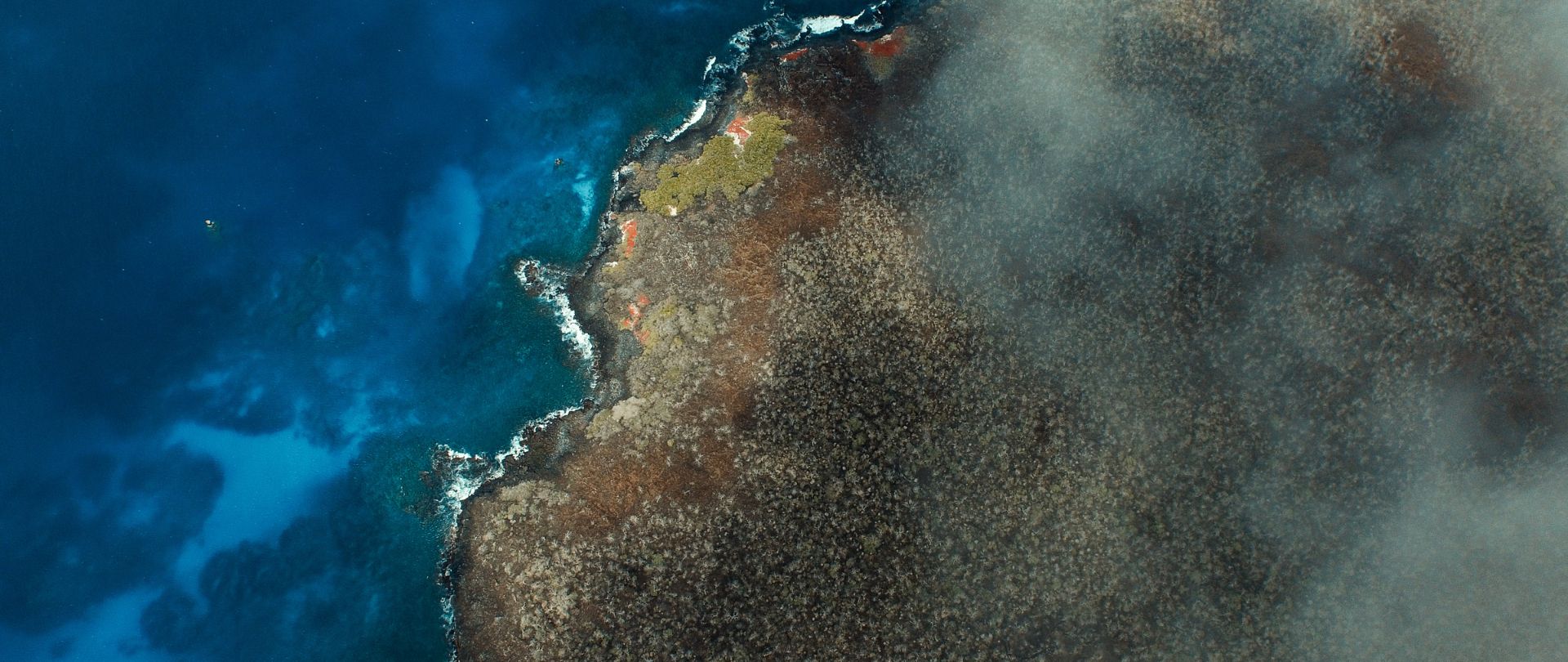
Invasive species have caused over $12 billion in damages to island ecosystems, creating an urgent need for strengthened biosecurity measures!