September 17, 2026
Island Conservation and Robinson Crusoe Island, Chile: Growing Hope Together
On the island of Robinson Crusoe in Chile, a greenhouse feeds both a community and an islander-led conservation movement!
 Island Conservation
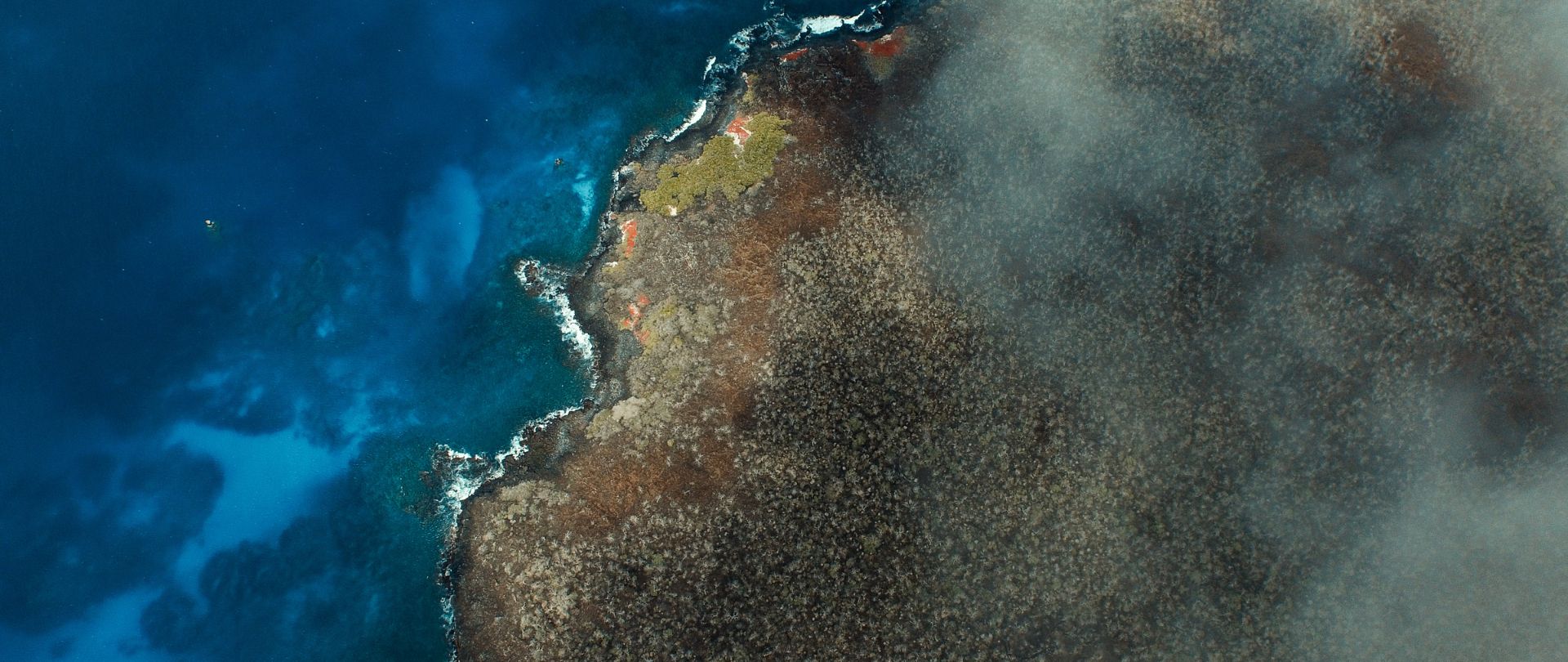
Island ecosystems may occupy only a small fraction of the Earth’s surface, but they contain some of the richest biodiversity—and some of its greatest vulnerabilities.
A new paper published in BioScience argues that invasive species have become one of the most pressing challenges facing islands today, threatening everything from native wildlife and food systems to public health, local economies, and cultural traditions.
The study, led by Laura Brewington and an interdisciplinary team of researchers and conservation practitioners, examines invasive species across U.S. and U.S.-affiliated islands, including Hawai’i, Puerto Rico, Guam, American Samoa, the Northern Mariana Islands, the U.S. Virgin Islands, and several Pacific Island nations. Rather than focusing on a single invasive species or ecosystem, the authors step back to ask a broader question:
Why are islands struggling to keep up with biological invasions, and what would it take to change that?
Their answer is that the problem goes far beyond ecology.
Invasive species are often discussed as environmental threats, but research concludes that they are equally a product of history, governance, trade, and infrastructure.
Many of the species causing problems today were intentionally introduced decades ago for agriculture, landscaping, erosion control, or pest management. Others continue to arrive through shipping routes, cargo imports, tourism, military transport, and global commerce.
The consequences are enormous. According to the authors, invasive species caused more than $12 billion in documented damages across U.S. and U.S.-affiliated islands between 1980 and 2019. Those costs include damage to agriculture, infrastructure, natural resources, and public health. When adjusted for population and land area, island communities shoulder a much heavier burden than the continental United States.
Prevention remains the most effective strategy. Once an invasive species becomes established, eradication is often expensive, politically difficult, and sometimes impossible. Yet, stopping new species from arriving requires staffing, funding, regulatory authority, and inspection capacity. These measures are called “biosecurity.” The authors suggest that “preventing new introductions can substantially reduce future costs.”
Thus, island communities have an opportunity to reshape how biosecurity works. Research emphasizes the need for stronger partnerships between federal agencies and local governments, greater investment in prevention at ports of entry, expanded scientific research, and policies that center Indigenous knowledge and community priorities alongside ecological expertise.
There have been successful biosecurity programs from islands around the world as evidence that progress is possible. Early detection systems, coordinated inspections, public education campaigns, and long-term restoration efforts have already reduced invasive species threats in places like the Galápagos, St. Helena, and Australia’s Barrow Island.
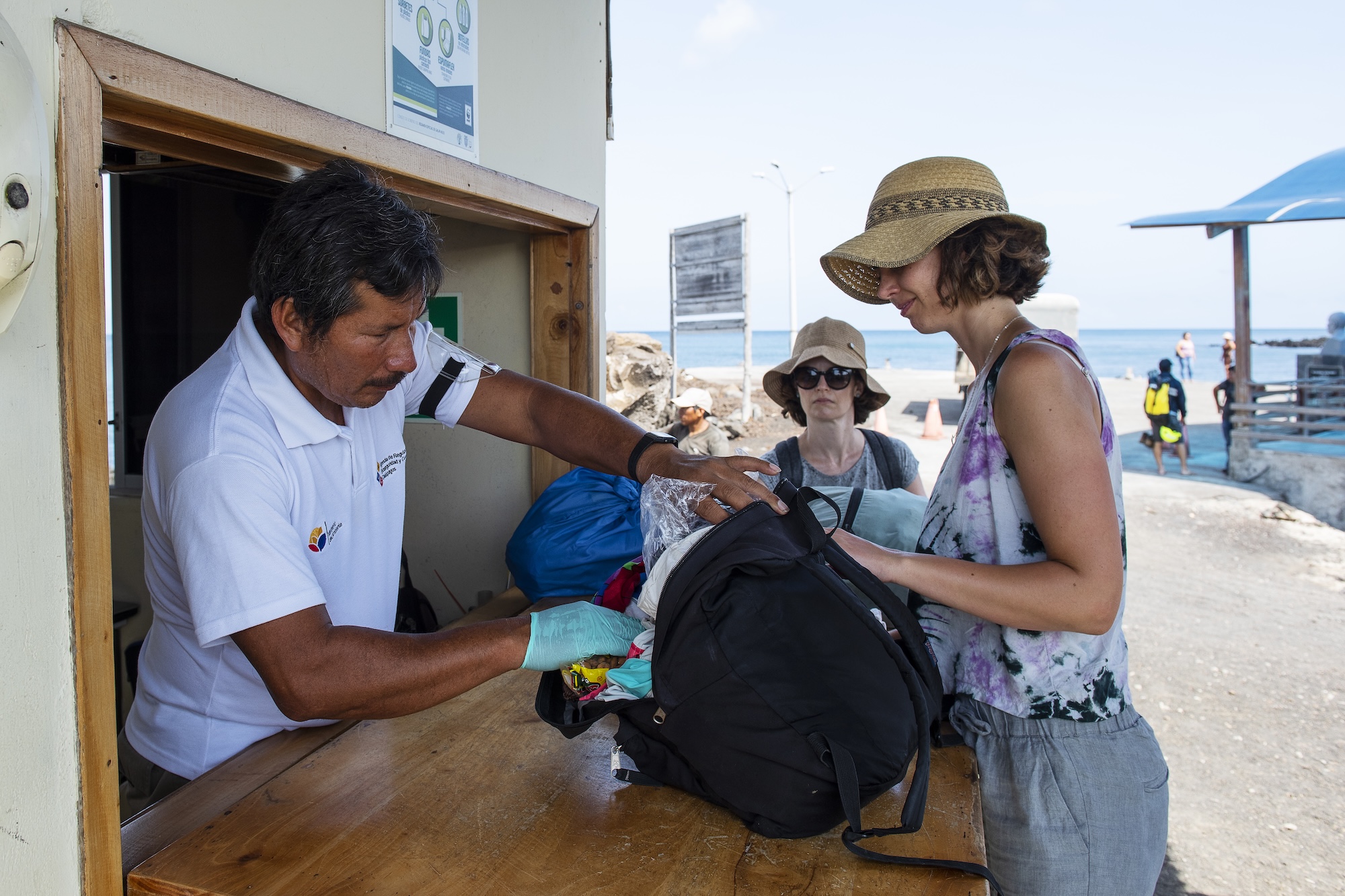
The message is clear: protecting islands from invasive species is not only about saving wildlife, but about strengthening food security, safeguarding public health, preserving cultural traditions, and building more resilient communities in a changing world. Because islands often serve as the first point of arrival for new invasive species, investing in island biosecurity ultimately benefits everyone.
There’s more than one way to make an impact. Join our collective of dedicated supporters by donating today or signing up for our newsletter to stay informed.
Check out other journal entries we think you might be interested in.
September 17, 2026
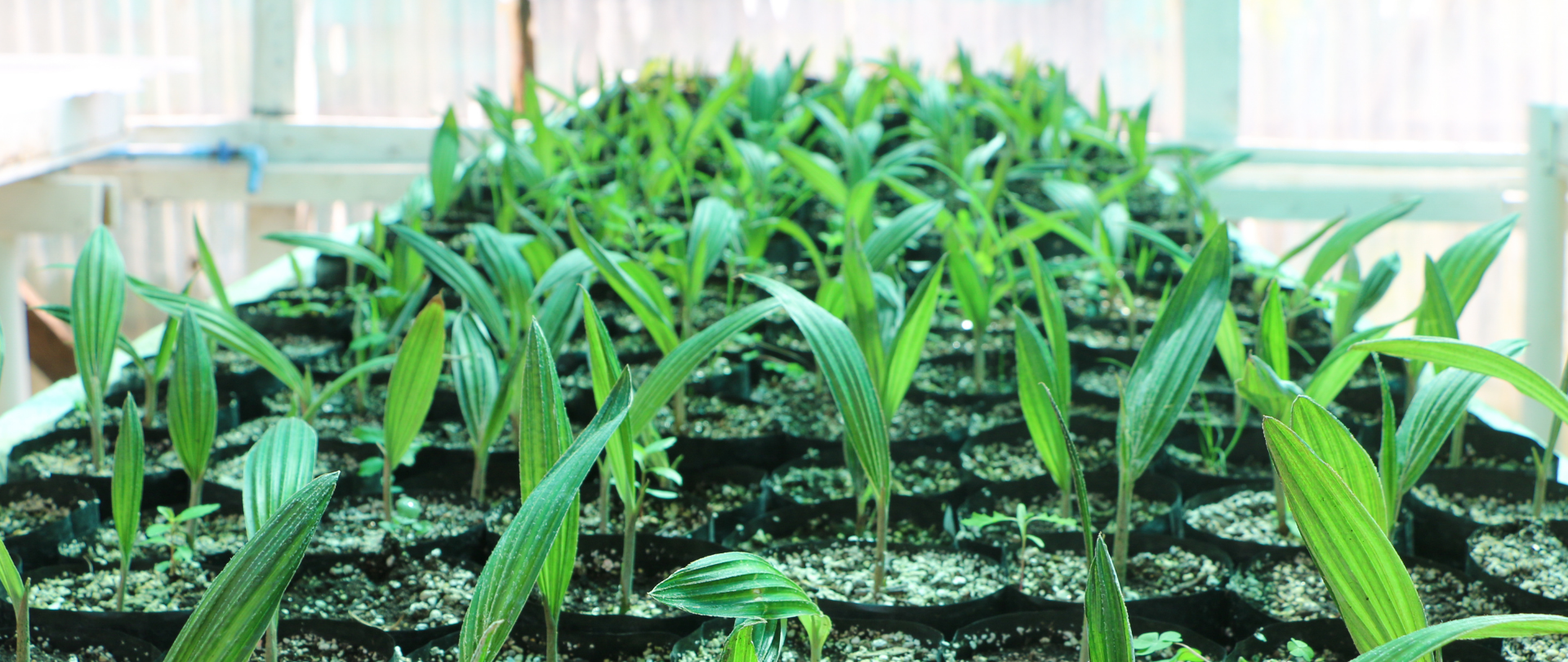
On the island of Robinson Crusoe in Chile, a greenhouse feeds both a community and an islander-led conservation movement!

September 9, 2026
El Niño doesn't create weak ecosystems; it reveals them. Find out how resilient islands can survive and bounce back from stress caused by El Niño!

August 25, 2026
A new study reveals the role fungi play in the restoration and recovery of rare, resilient atoll ecosystems!

August 12, 2026
The new Phoenix Species Project highlights species on the brink of extinction that are primed for recovery--and a lot of them live on islands!
August 4, 2026
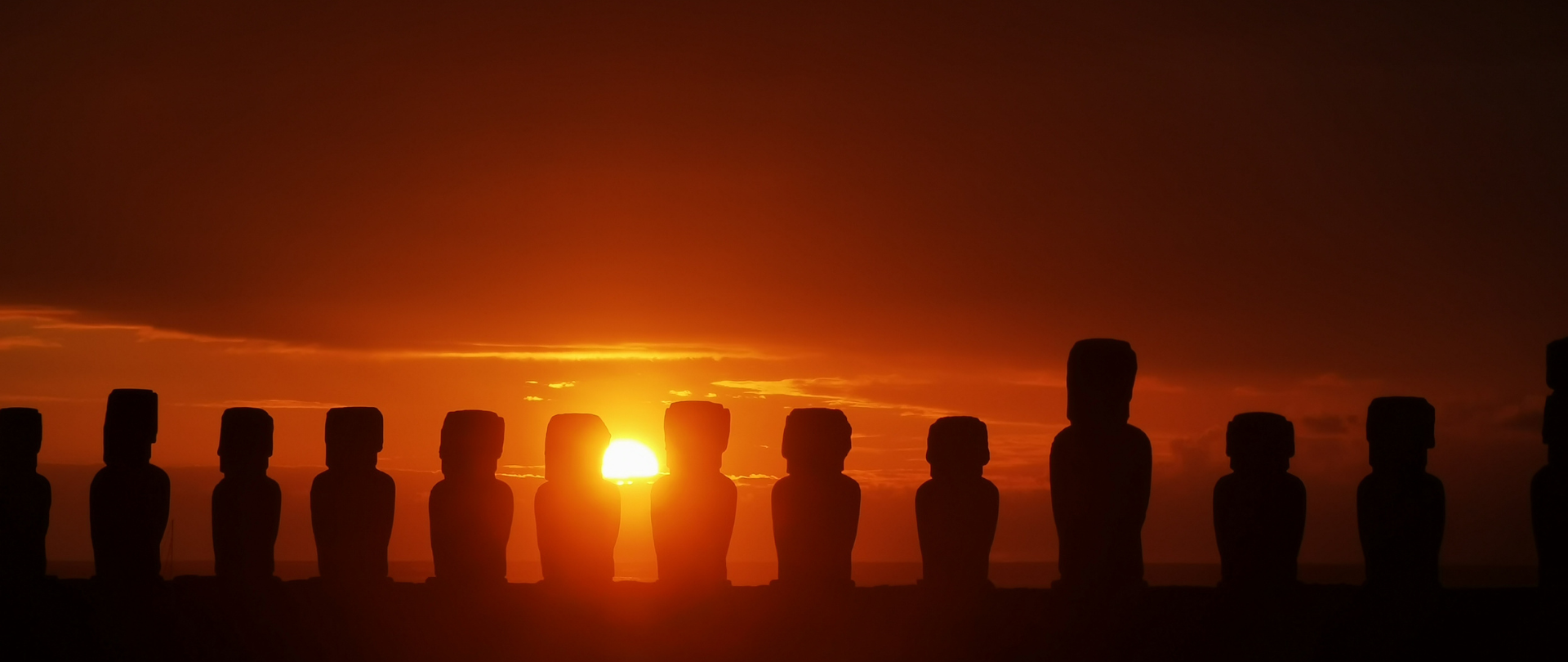
Indigenous-led conservation takes a leap forward with Rapa Nui (Easter Island)'s new partnership with Island Conservation!

July 31, 2026
We interviewed artist Laura Shape to learn about the luminous abstracts she creates from leather sourced from invasive species!

July 28, 2026
Happy World Nature Conservation Day! Read Penny Becker's article published by the Outreach Network for Gene Drive Research.
July 9, 2026
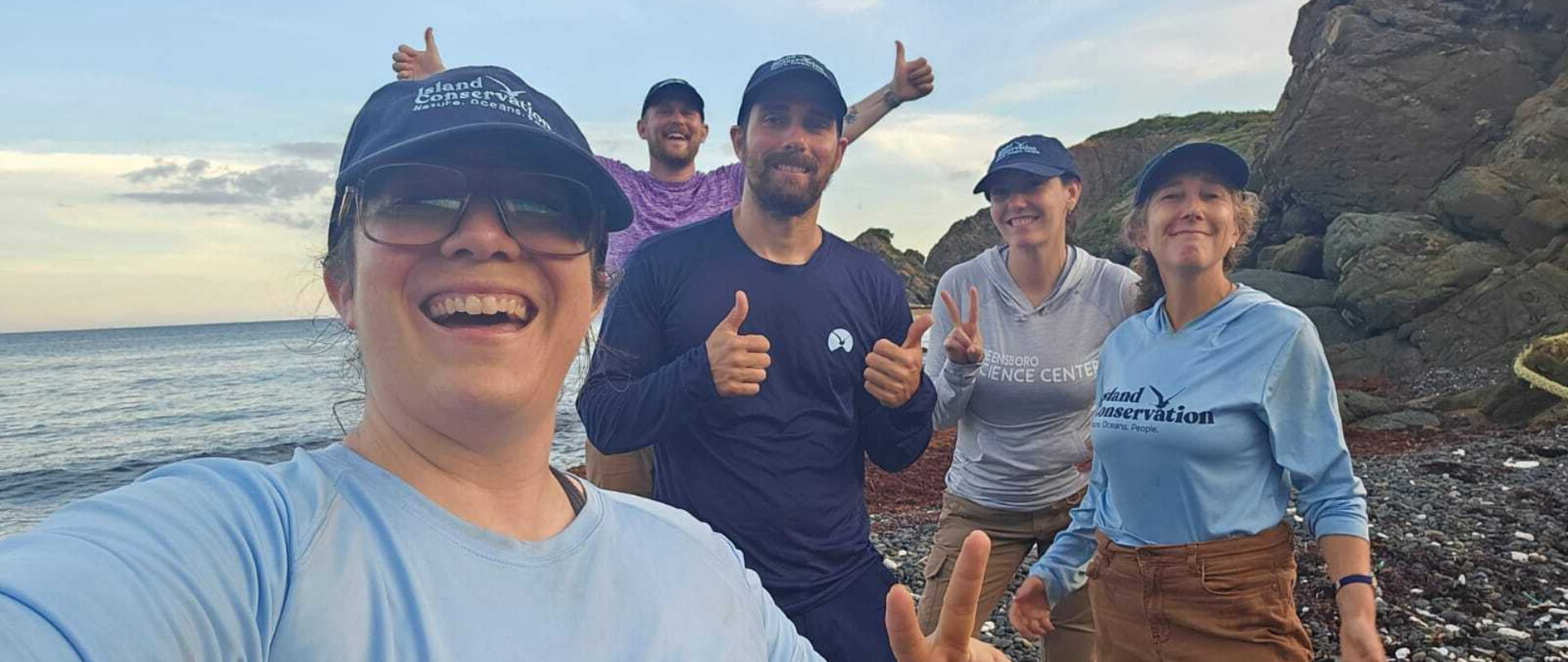
Senior Major Gifts Officer Jen Sachs shares her experience on one of Island Conservation's exciting restoration projects in the US Virgin Islands!
June 23, 2026
The Island-Ocean Connection Challenge announced four new restoration projects—Lehua, Tavolara, Grand Rouveau, and Zembra—at London Climate Week, expanding its global effort to restore 40 island-ocean ecosystems by 2030!
June 8, 2026
A world-first controlled experiment shows connection between seabird activity and marine health on Ulong Island!