August 4, 2026
Rapa Nui Advances Community-Led Management of Marine Protected Areas with New Conservation Partnerships
Indigenous-led conservation takes a leap forward with Rapa Nui (Easter Island)'s new partnership with Island Conservation!
 Island Conservation
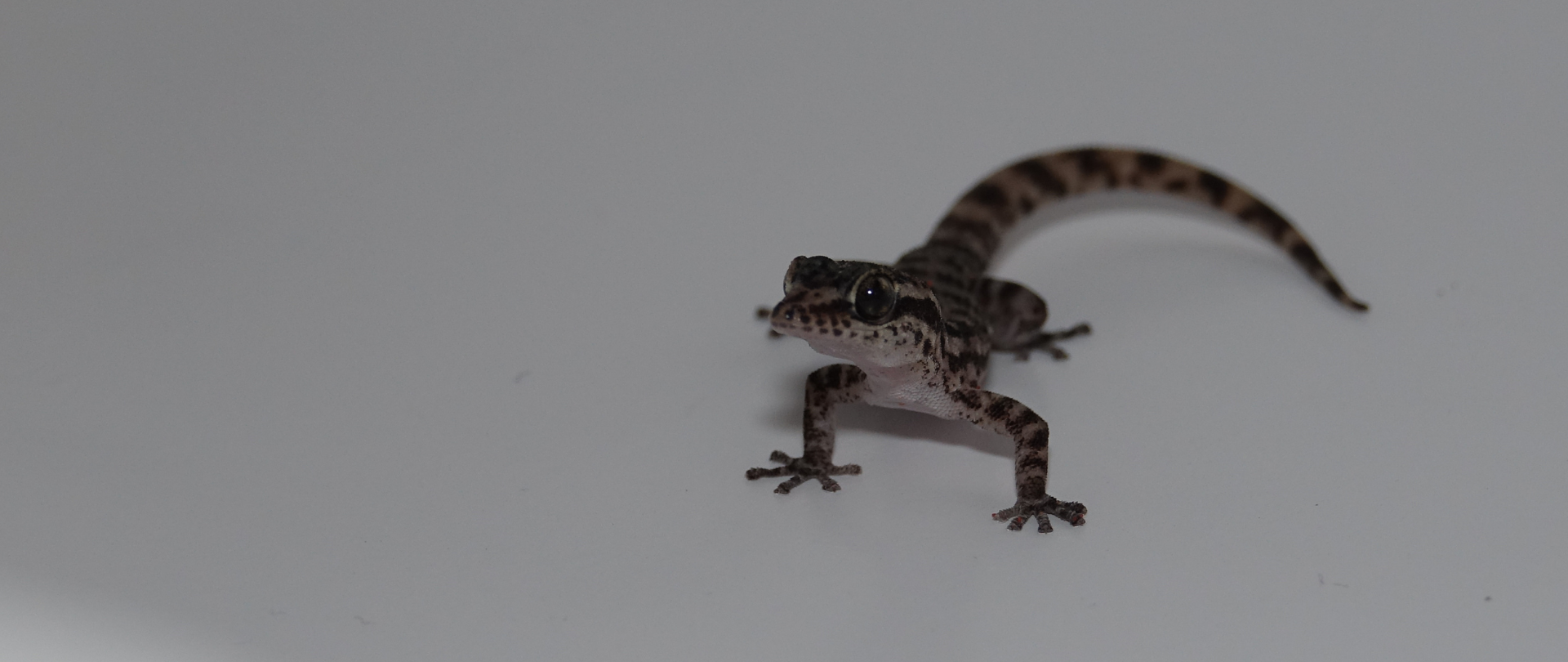
Galápagos Islands — June 2025 — In a thrilling twist of ecological fate, scientists have confirmed the rediscovery of a gecko species once thought extinct on Rábida Island in the Galápagos thanks to a successful restoration and rewilding project. The breakthrough, published in the journal PLOS ONE this month, marks a major conservation milestone and a beacon of hope for biodiversity recovery efforts worldwide.
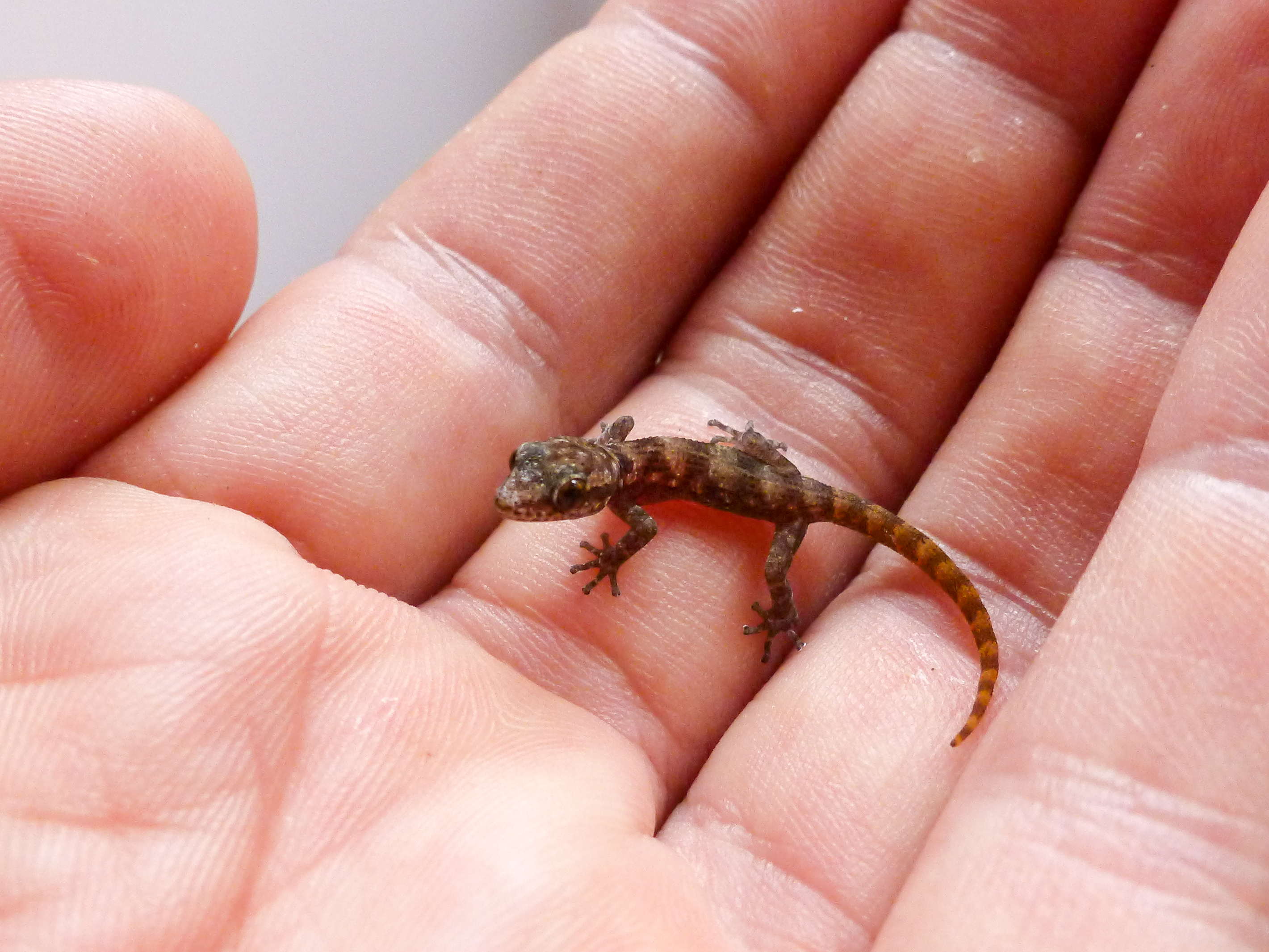
The elusive Leaf-toed Gecko (Phyllodactylus maresi), previously known only from ancient subfossils, has now been officially documented through the collection of live, vouchered specimens during expeditions in 2019 and 2021. Now that the evidence has been peer reviewed, we can confirm the species’ survival in modern times.
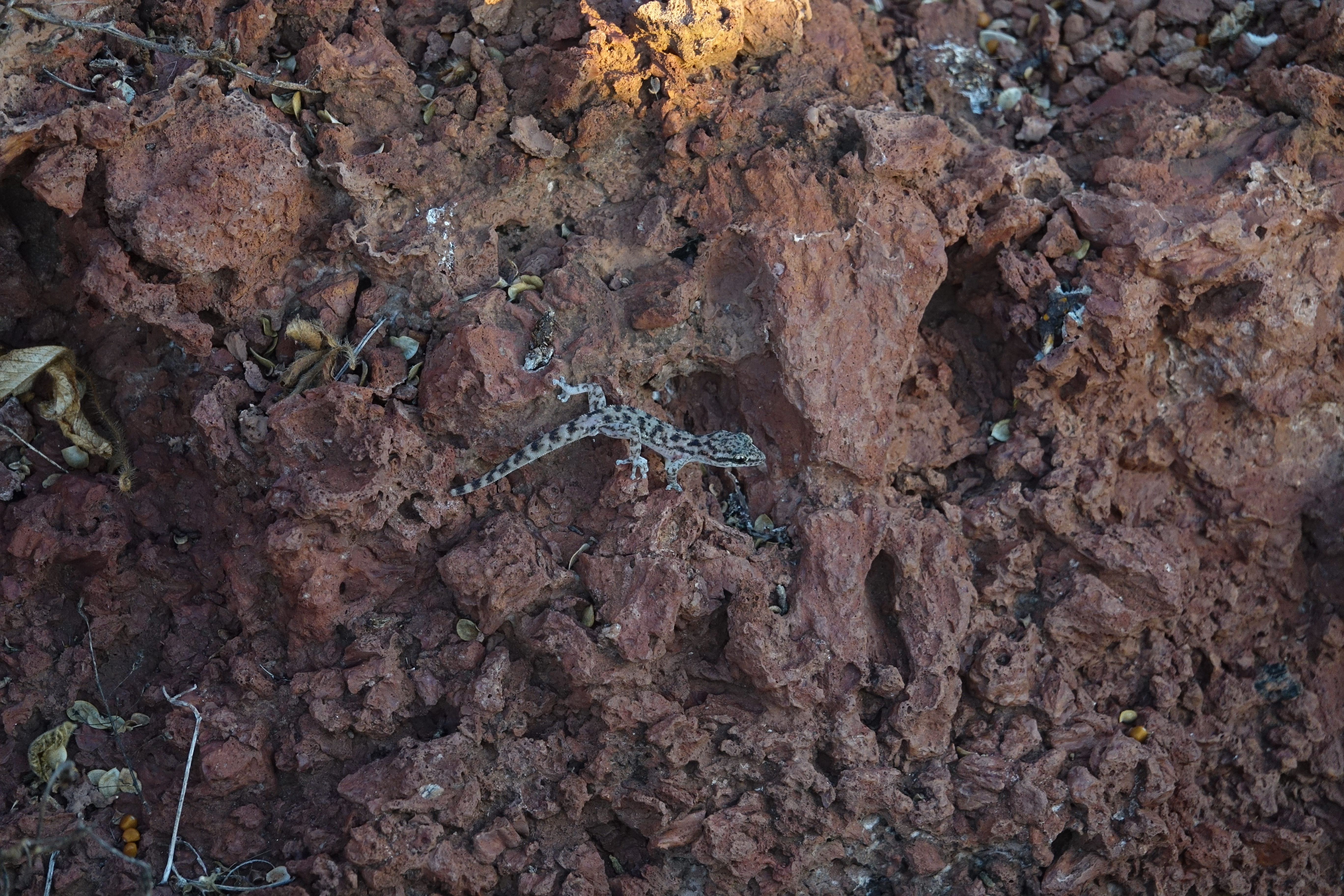
Paula Castaño, Island Conservation’s Impact Program Manager, said, “The return of this gecko highlights nature’s incredible power to heal itself when given the chance. It’s another example of the recovery we’ve seen on islands worldwide: when you rebalance an ecosystem, it can bounce back quickly and dramatically.”
Researchers from Island Conservation, the QCAZ Museum of Zoology at the Pontifical Catholic University of Ecuador, Re:wild, and the Galápagos National Park Directorate used DNA sequencing and detailed morphological analysis to trace the gecko’s evolutionary roots. The Rábida population was found to be genetically distinct, yet closely related, to Phyllodactylus maresi from nearby islands. The team designated the Rábida geckos as a unique Evolutionarily Significant Unit (ESU), underscoring their importance for conservation.
This rediscovery was made possible by a successful, bold conservation intervention in 2011 led by Island Conservation in partnership with the Galapagos National Park, Charles Darwin Foundation, and The Raptor Center. The partners removed damaging, non-native invasive rodents from Rábida Island—paving the way for native species like the Leaf-toed Gecko to bounce back. Just one year after the intervention, scientists noticed a gecko species long thought extinct on the island.
Omar Torres-Carvajal, Curator of Reptiles at QCAZ Museum of Zoology, said, “For over a decade, I have worked with Galápagos geckos, and this research underscores the critical value of collecting specimens and genomic samples for both scientific discovery and conservation efforts in the Galápagos. This archipelago still holds hidden surprises, waiting to be discovered—yet securing adequate funding remains a significant challenge.”
The rediscovery not only reignites hope for other “lost” species but also deepens our understanding of island evolution and biodiversity. Islands are resilient, and when given the chance, can host surprising recovery beyond what anyone thought possible.
Media Contacts:
Photos: https://drive.google.com/drive/folders/10R8_E69icaANk99YjlNcAXjsVqDkdO9I
Sally Esposito, Strategic Communications Director, Island Conservation sally.esposito@islandconservation.org
Devin Murphy, Associate Director of Media Relations, Re:wild: Dmurphy@rewild.org
Tania Talbot, Galapagos National Park: ttalbot@galapagos.gob.ec
About the collaborators:
Island Conservation’s mission is to restore islands for nature and people worldwide. We are a United States-based 501(c)(3) charitable organization that collaborates with local communities, government management agencies, and conservation organizations to holistically restore islands by removing introduced, damaging invasive species and accelerating the recovery of native plants and animals. We utilize innovative technology and techniques to work more efficiently and showcase the many benefits of holistically restored islands for biodiversity, climate resilience, ocean health, and sustainable development across the globe. Visit us at islandconservation.org.
The QCAZ Museum of Zoology of the Pontifical Catholic University of Ecuador is dedicated to scientific research and the training of researchers in the fields of Evolution, Ecology, Biogeography, Conservation, and Genetics. The QCAZ Museum is equally and internationally recognized for its biological collections, highly qualified academic staff, and the research conducted there. Regionally, it is one of the leading institutions in scientific production in Biology.
The Galapagos National Park Directorate is the representative of the Minister of Environment in the Galapagos Islands, and it is responsible of the terrestrial and marine protected areas of the Archipelago and their conservation, restoration and management. https://galapagos.gob.ec/
Re:wild protects and restores the wild. We have a singular and powerful focus: the wild as the most effective solution to the interconnected climate, biodiversity and human wellbeing crises. Founded by a group of renowned conservation scientists together with Leonardo DiCaprio, Re:wild is a force multiplier that brings together Indigenous peoples, local communities, influential leaders, nongovernmental organizations, governments, companies and the public to protect and rewild at the scale and speed we need. Learn more at rewild.org.
Check out other journal entries we think you might be interested in.

August 4, 2026
Indigenous-led conservation takes a leap forward with Rapa Nui (Easter Island)'s new partnership with Island Conservation!

July 28, 2026
Happy World Nature Conservation Day! Read Penny Becker's article published by the Outreach Network for Gene Drive Research.
July 9, 2026
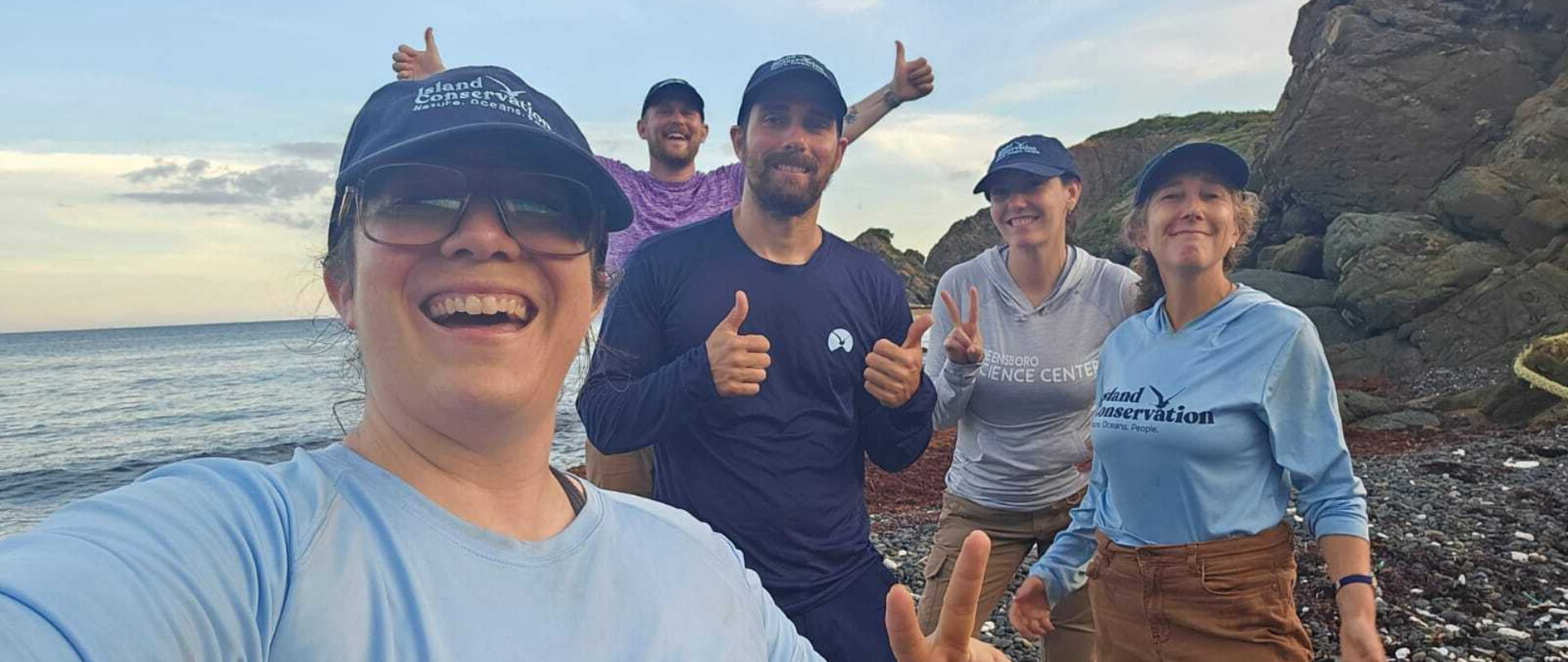
Senior Major Gifts Officer Jen Sachs shares her experience on one of Island Conservation's exciting restoration projects in the US Virgin Islands!
July 2, 2026
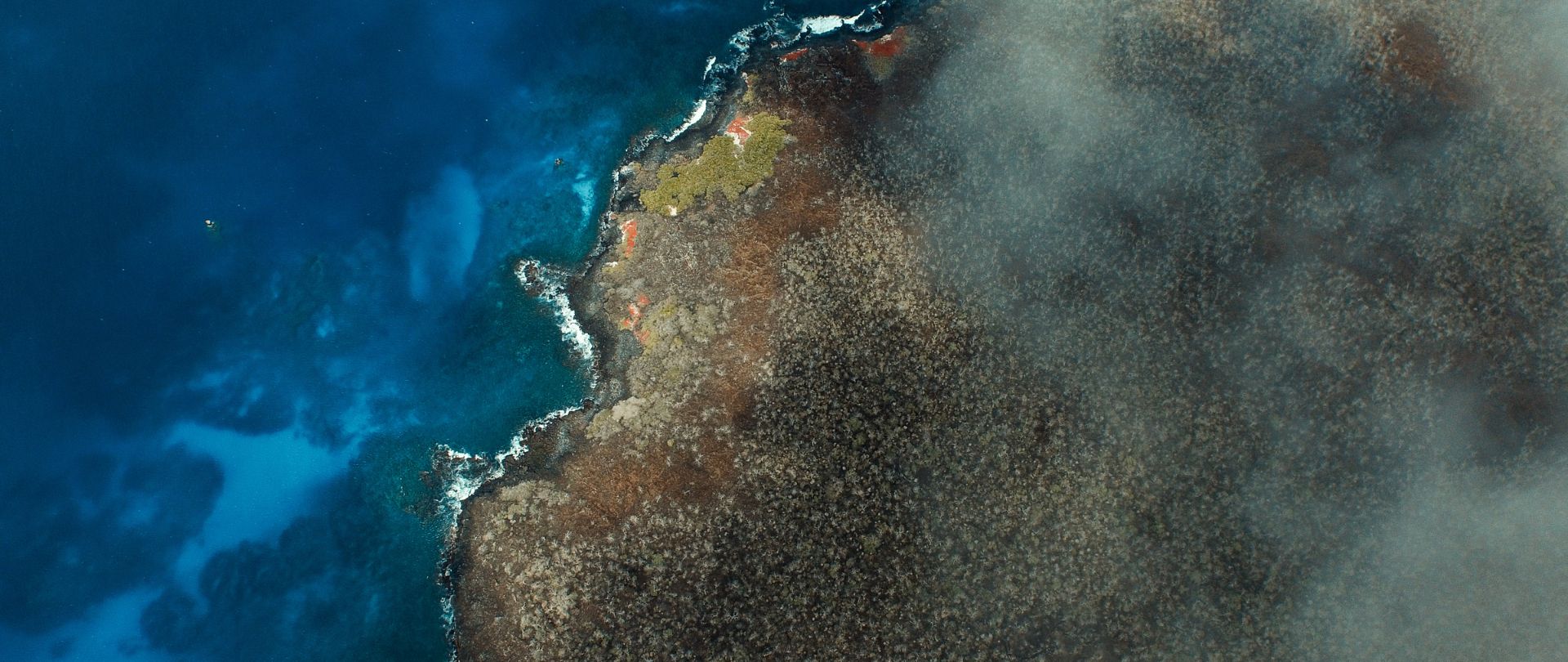
Invasive species have caused over $12 billion in damages to island ecosystems, creating an urgent need for strengthened biosecurity measures!
June 23, 2026
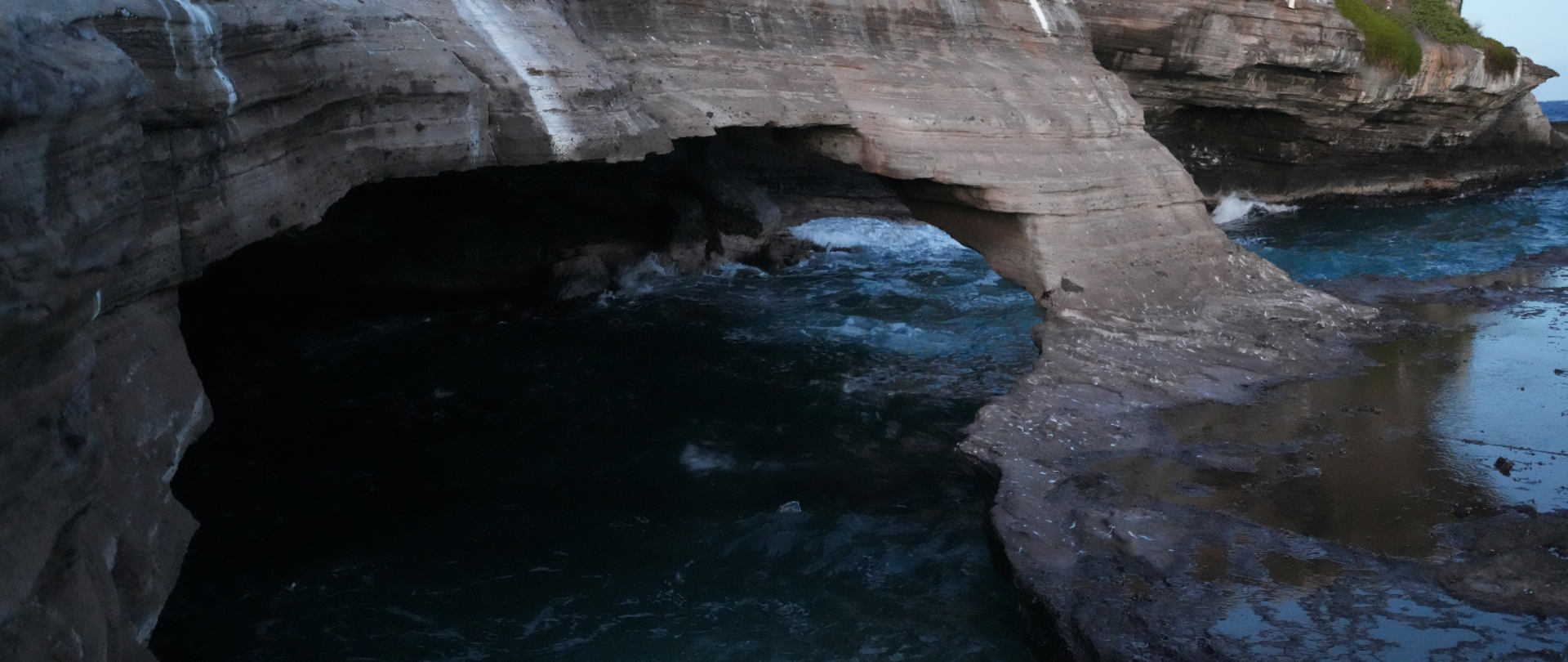
The Island-Ocean Connection Challenge announced four new restoration projects—Lehua, Tavolara, Grand Rouveau, and Zembra—at London Climate Week, expanding its global effort to restore 40 island-ocean ecosystems by 2030!
June 18, 2026
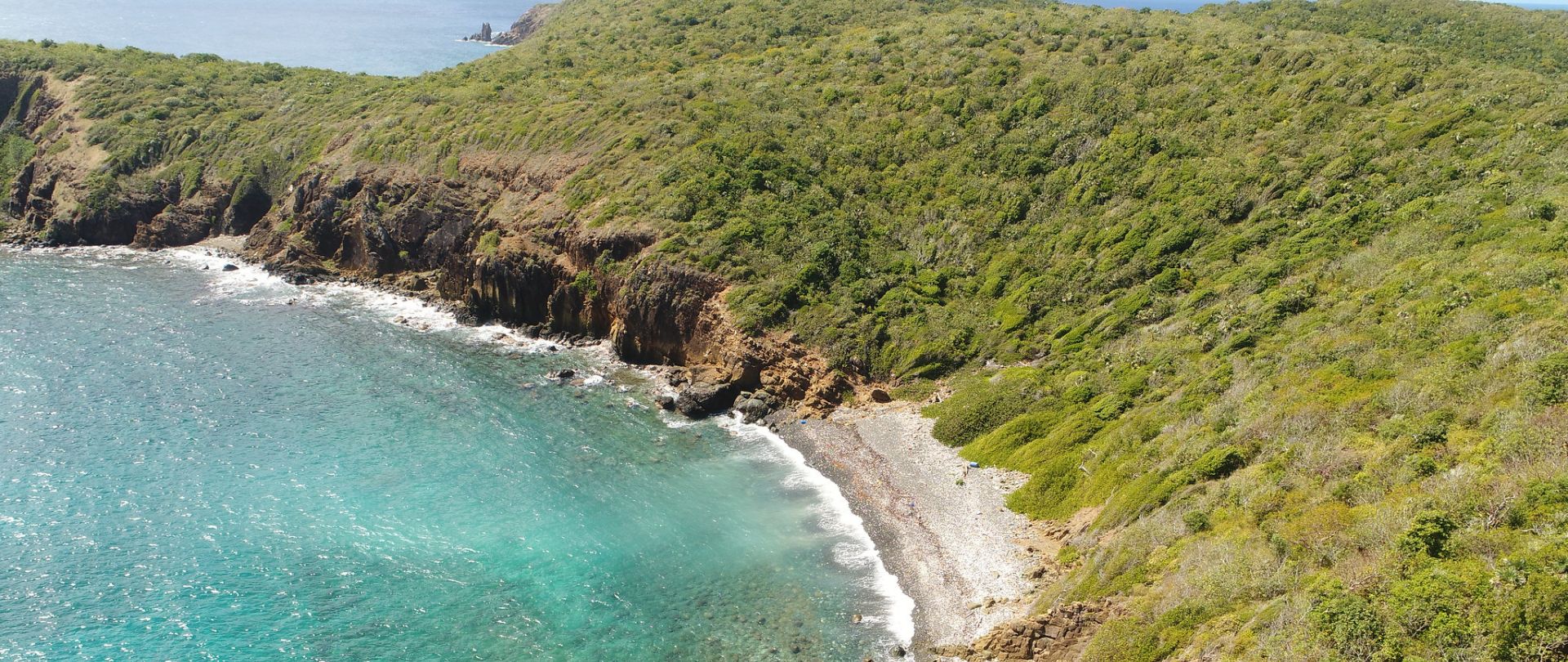
A new project to expand the range of an endangered Tree Boa is one step closer to completion!
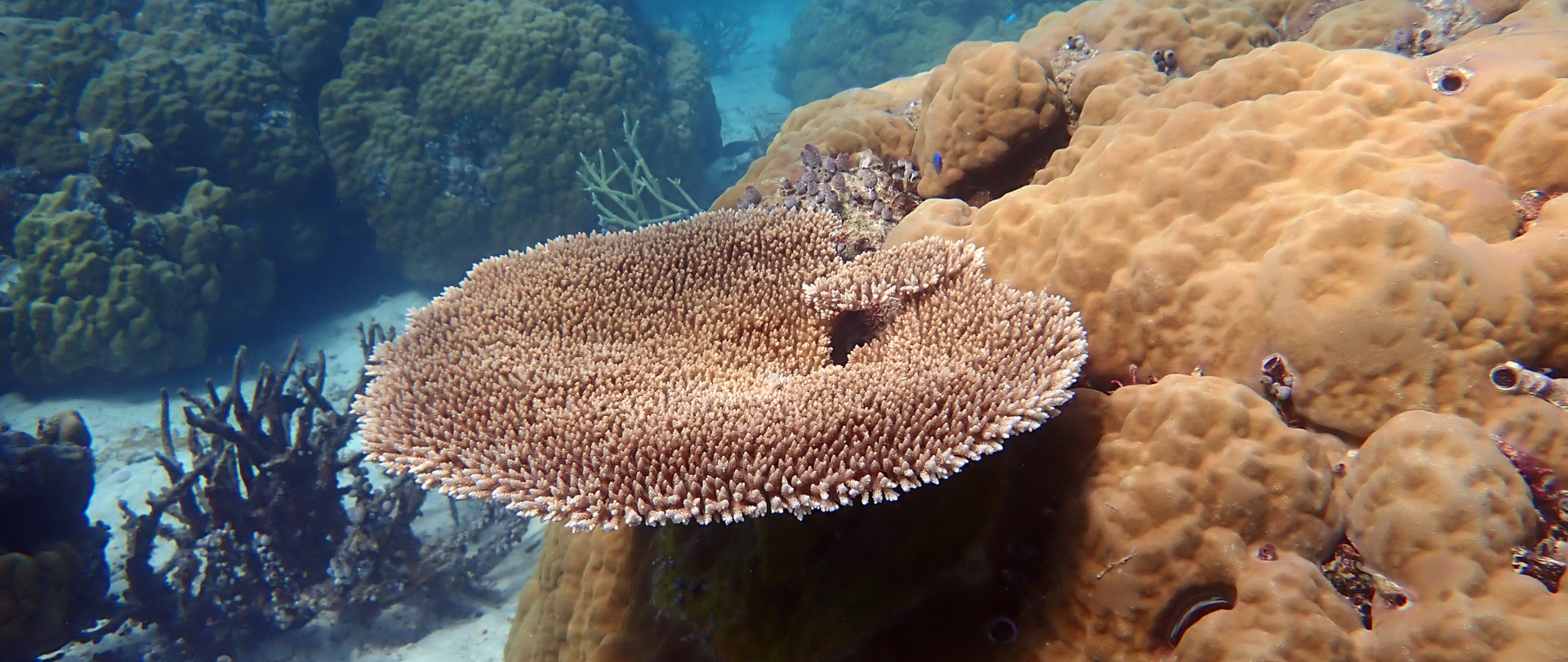
June 8, 2026
A world-first controlled experiment shows connection between seabird activity and marine health on Ulong Island!
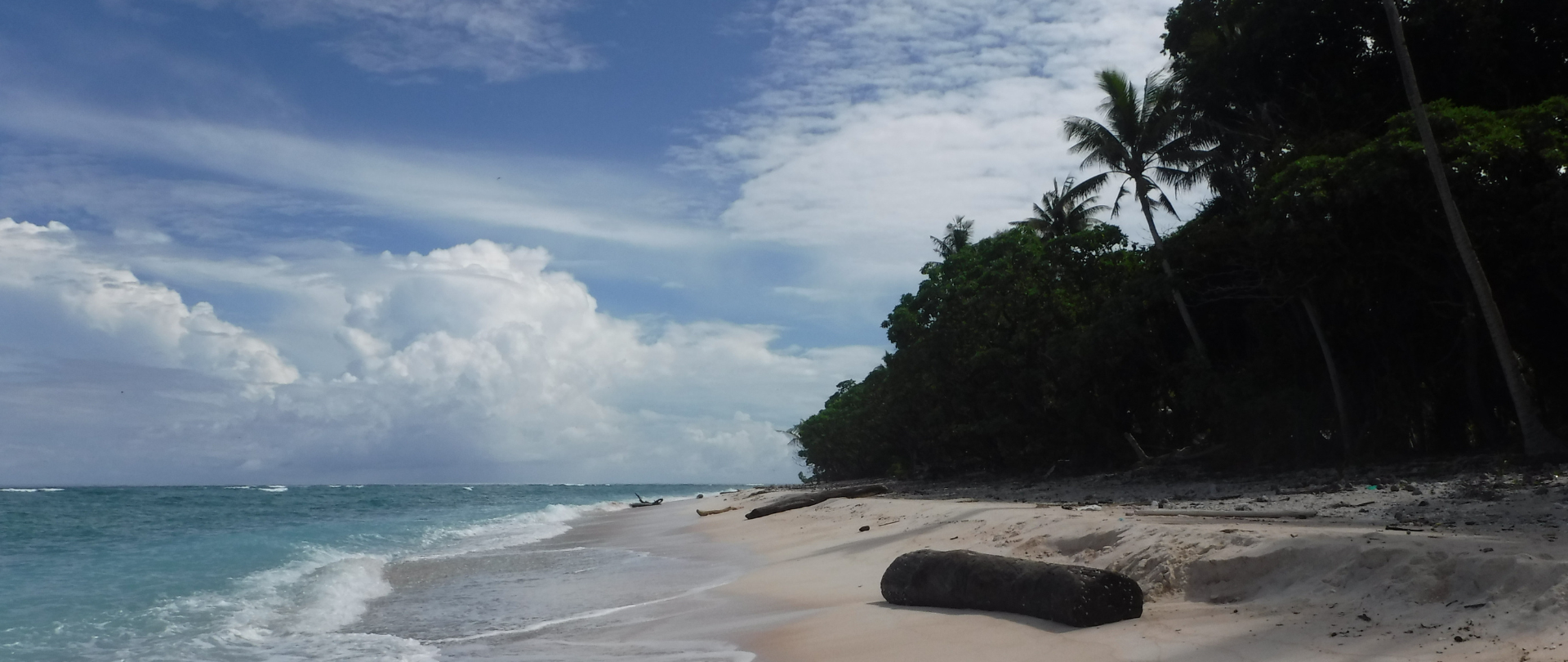
May 13, 2026
A new project in Sonsorol State, Palau aims to improve livelihoods and climate resilience through holistic environmental restoration!
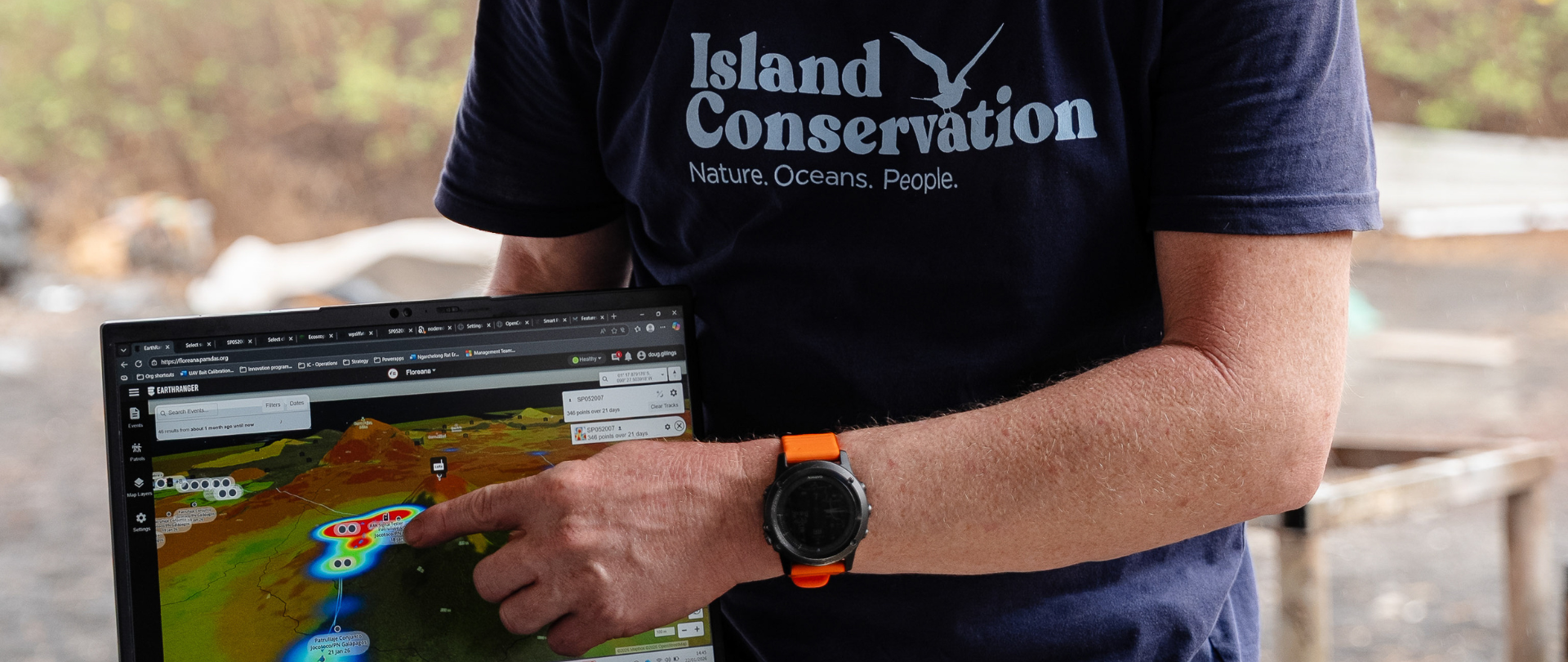
May 5, 2026
Thrilling new tech brings conservation solutions to a remote island in the Galápagos!
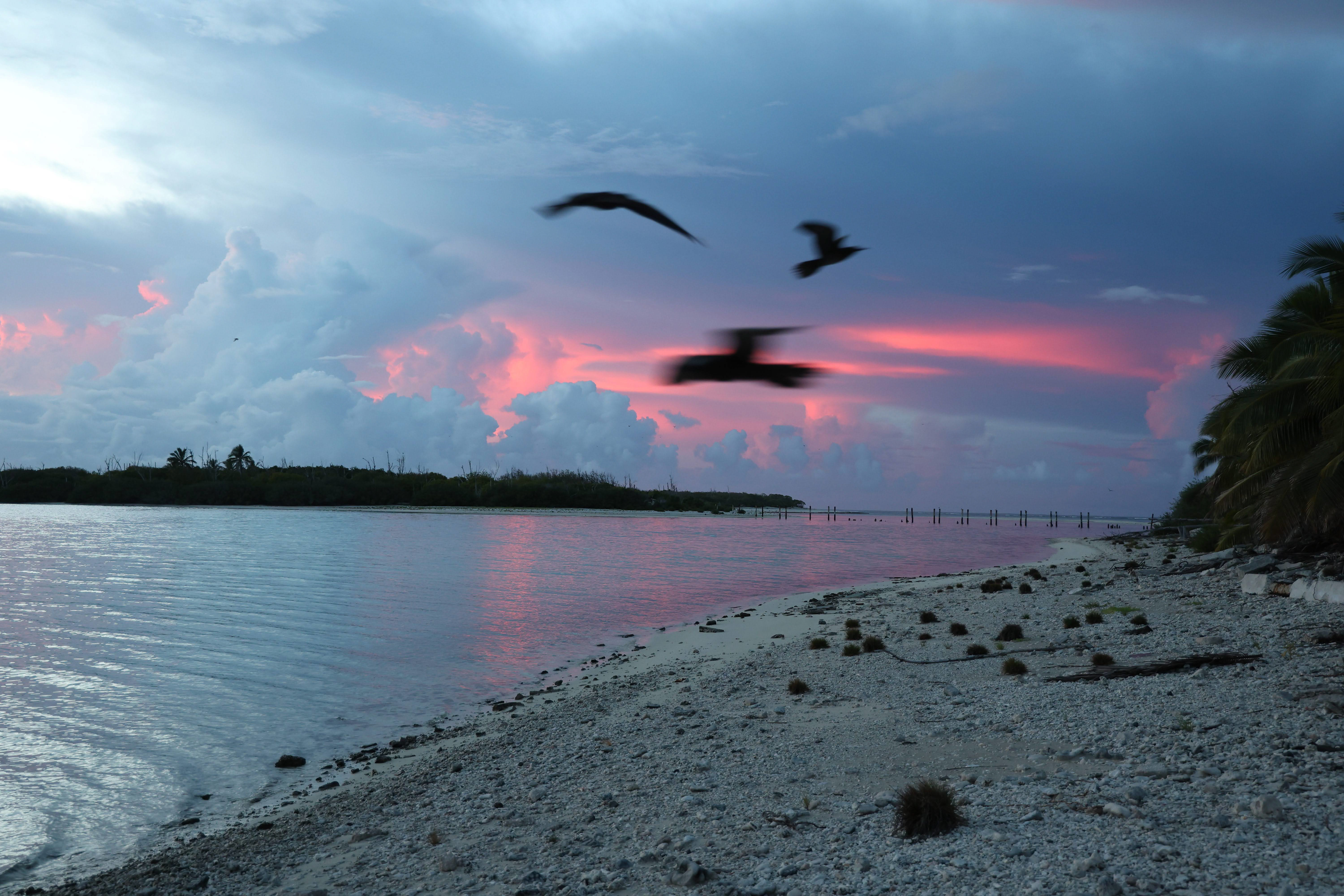
April 14, 2026
A historic moment: Wake Atoll is restored and thriving!