December 16, 2025
Eden vs. Reality: The True Story of Floreana’s Ecological Drama
Read the full ecological story of Floreana Island in the Galápagos from the early settlements to today.
 Island Conservation
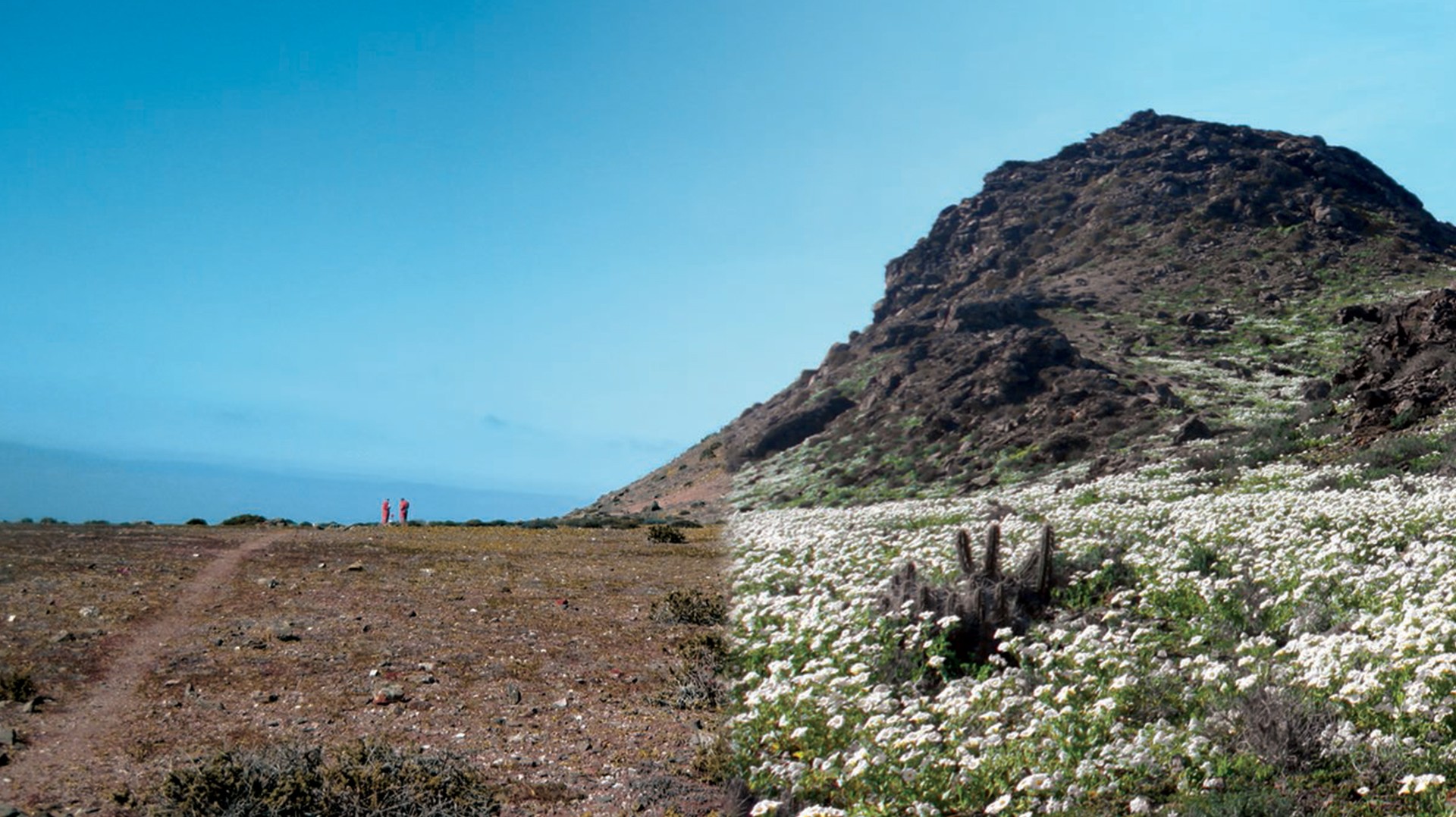
What does real, tangible impact look like?
We’re a small but mighty team working to transform ecosystems that are on the brink of collapse. We know the power of our approach and have witnessed islands rebound as a result. With every project we take on, we track recovery from start to finish and then some. But our impact goes beyond numbers; it’s about lasting change for nature and people worldwide.
The impacts of island restoration extend far beyond the coastlines of our project sites. We see enhanced community wellbeing, improved ocean health, thriving island biodiversity, increased resiliency to climate change, and millions of carbon sequestered from the atmosphere.
Keep scrolling to see our impact stories.
Restored islands produce outsized benefits.
Here are a few of our success stories
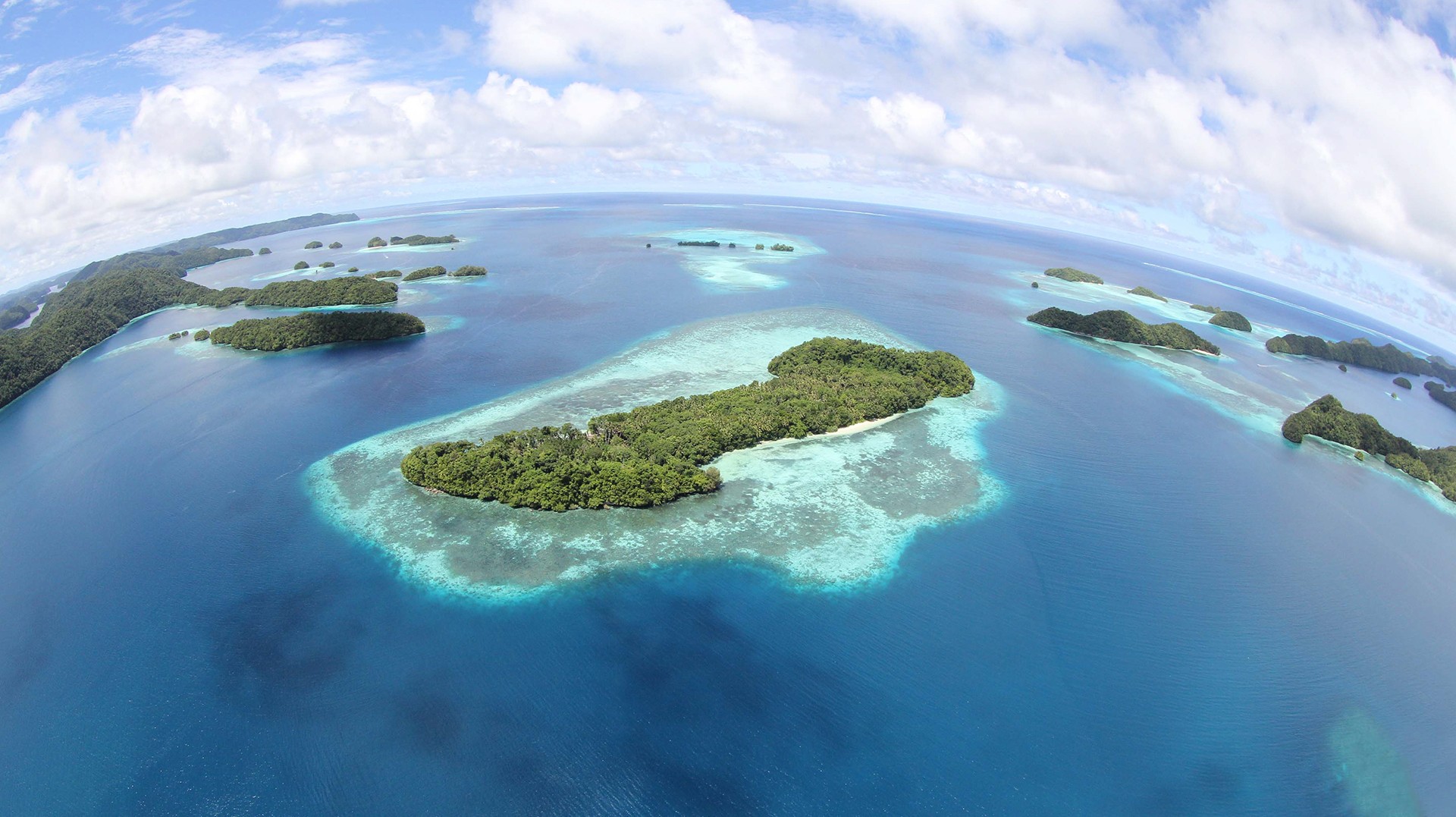
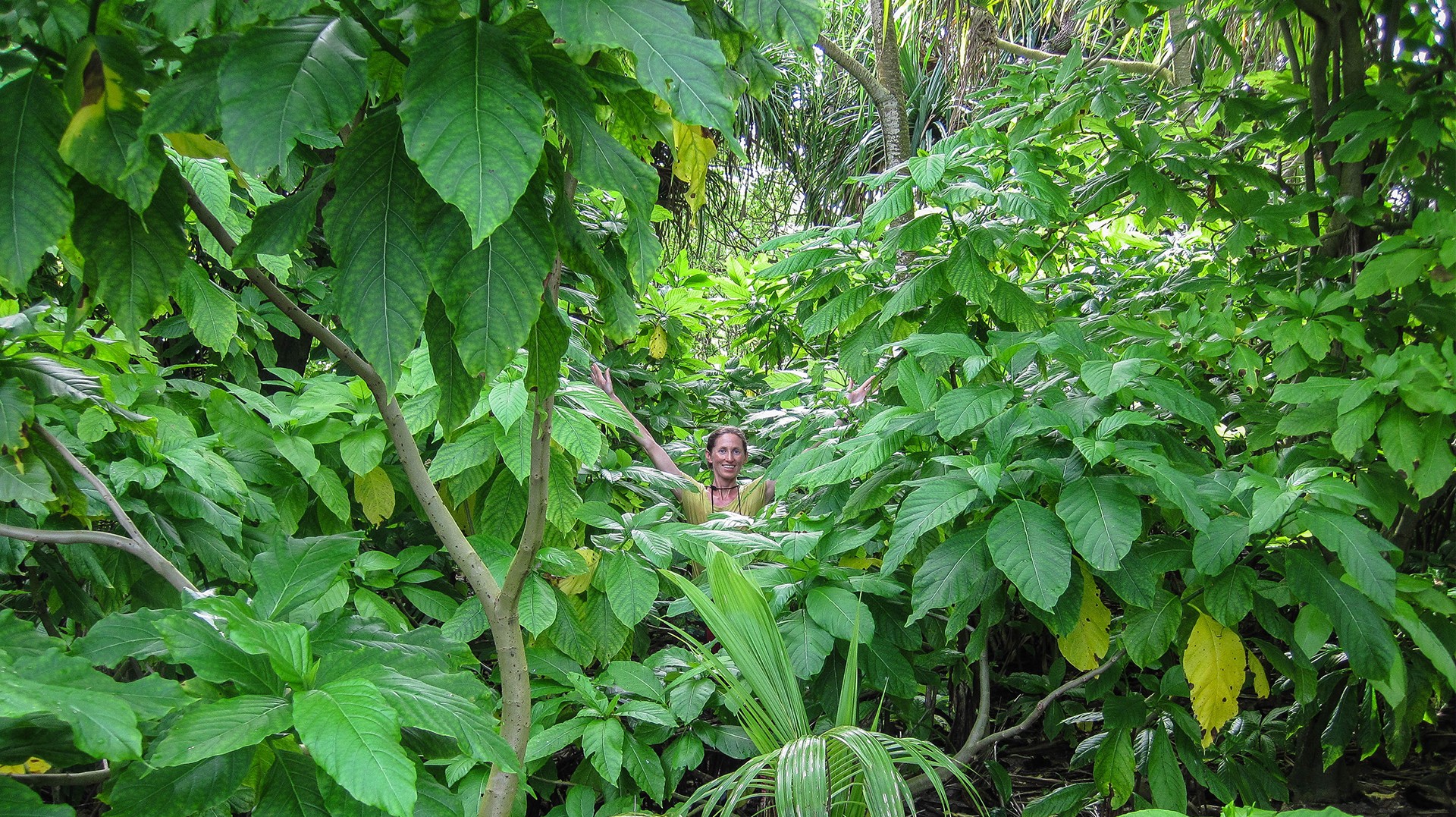

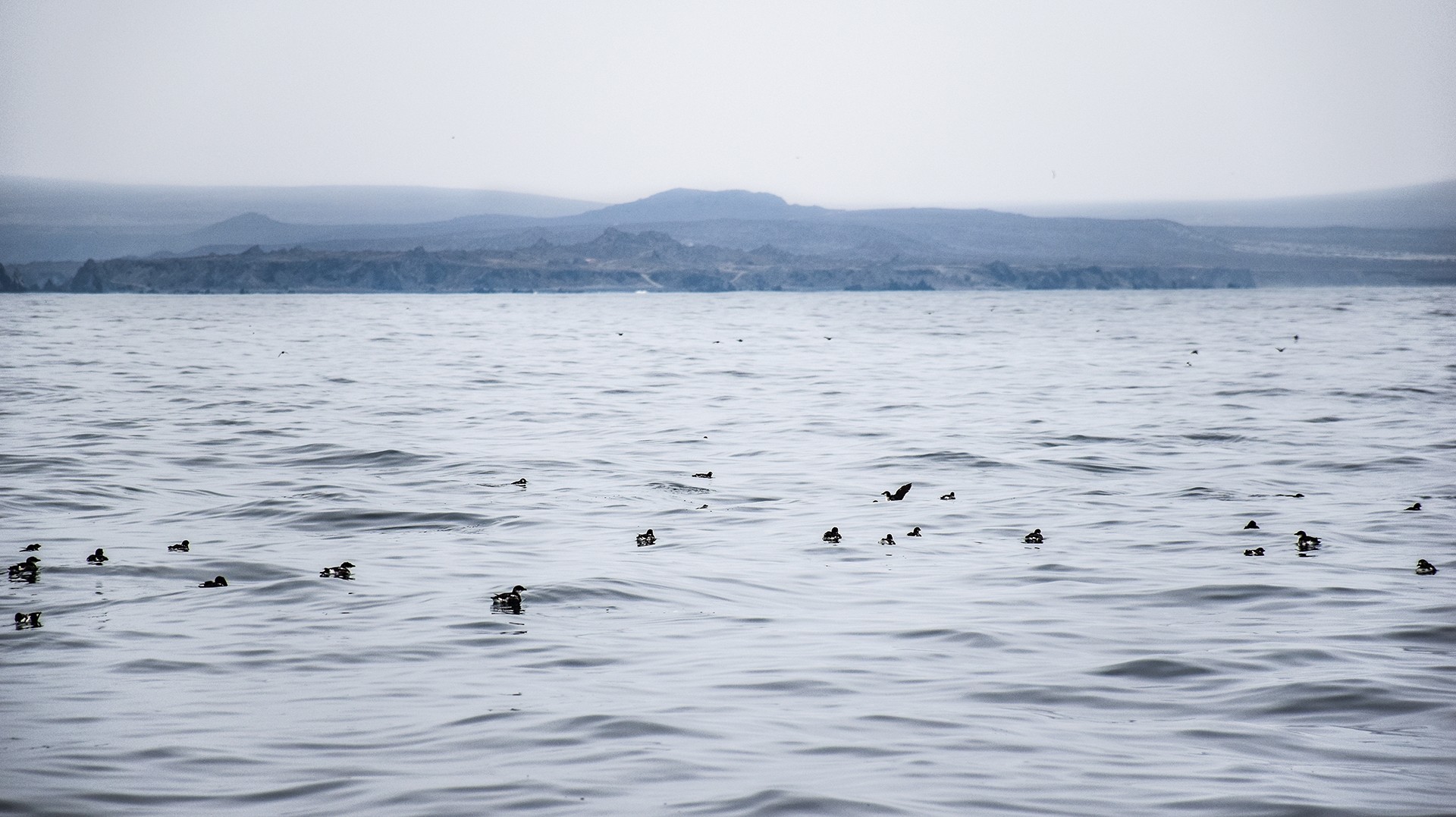

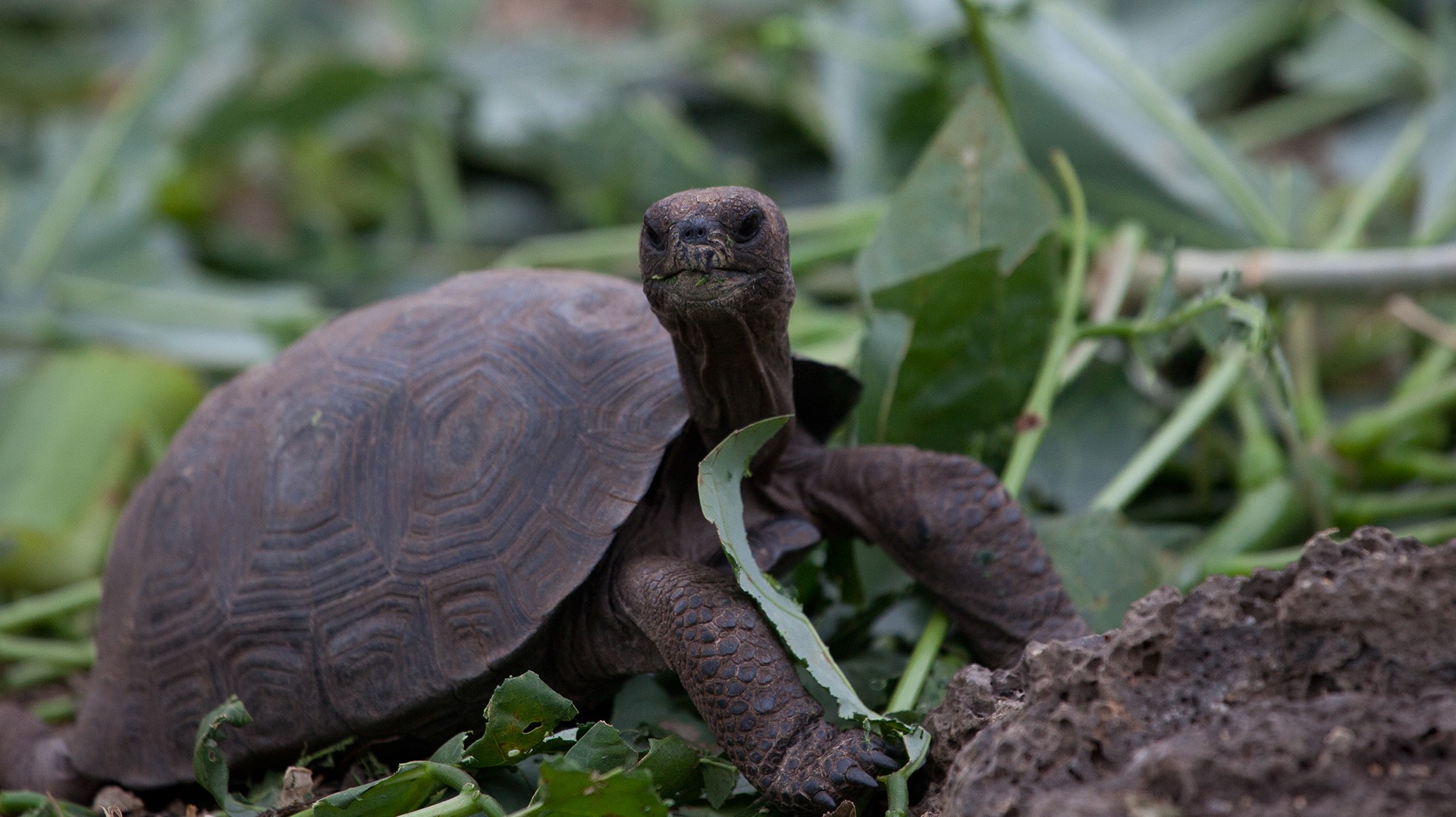
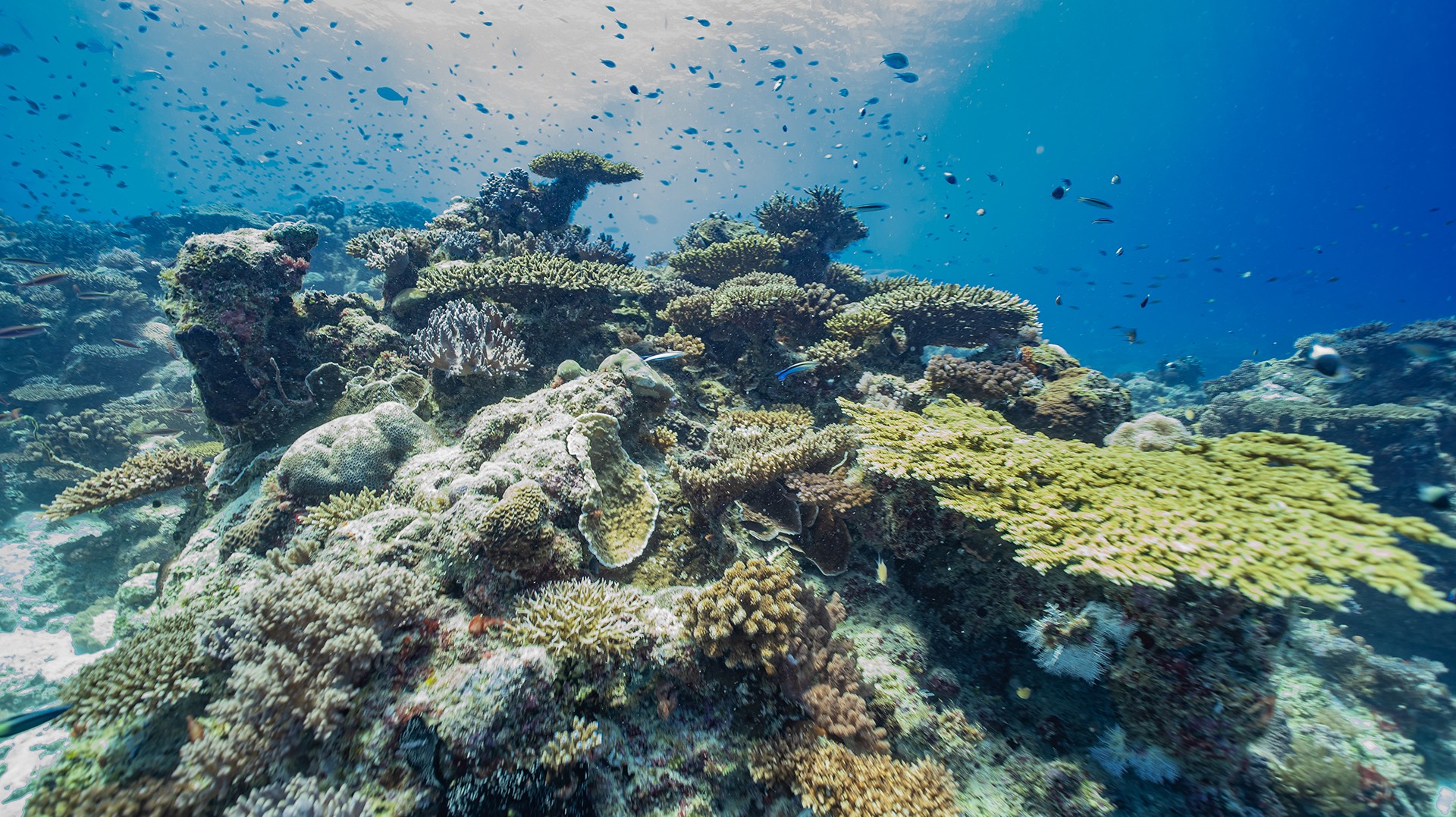
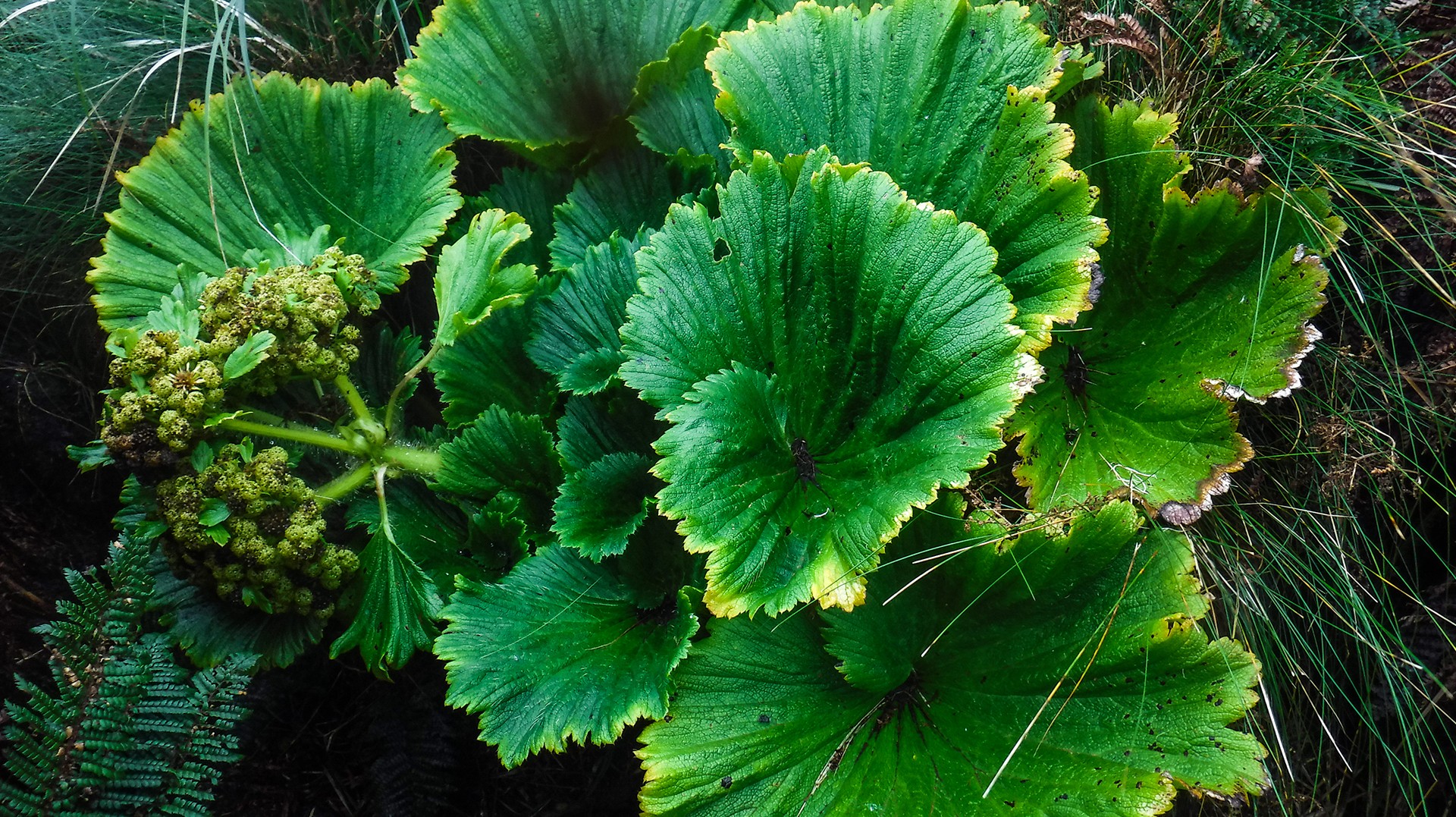
When we focus on holistic restoration, we see multiple spillover benefits for nature and people around the world. Check out some of our favorite success stories over the last 30 years.
Salestine Soholfal
Ulithi Atoll Community Member
Check out our most recent success stories.
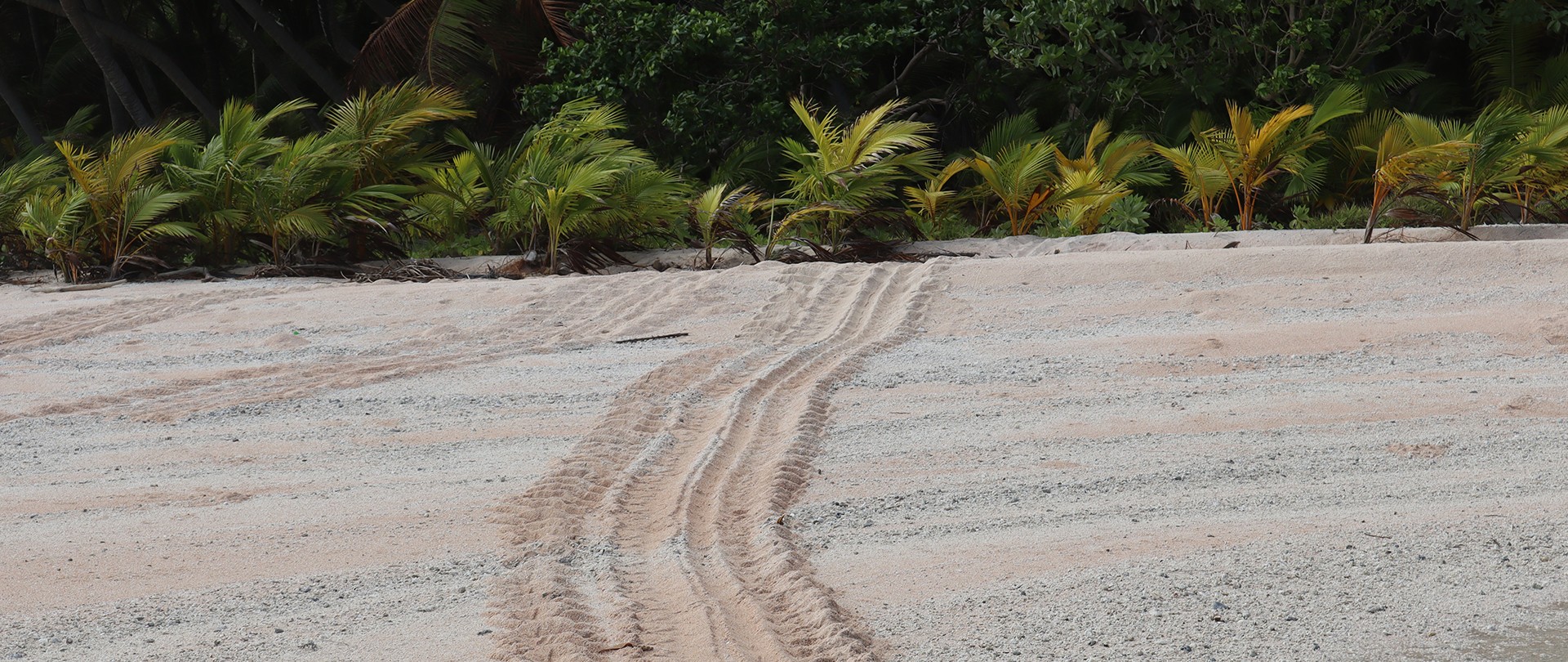
December 16, 2025
Read the full ecological story of Floreana Island in the Galápagos from the early settlements to today.

October 29, 2025
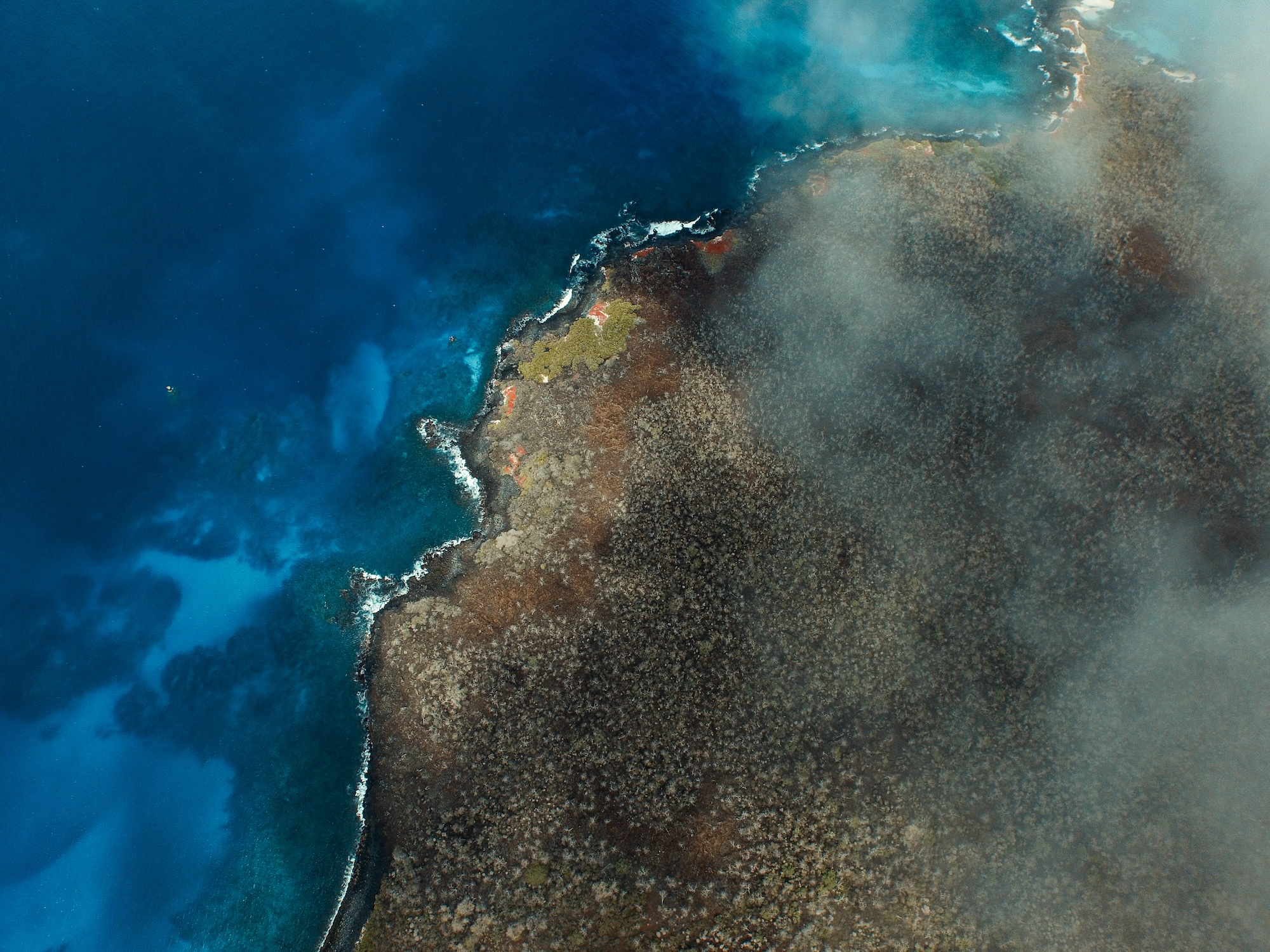
Astounding evidence of recovery on Ulong Island in Palau after just one year!
October 26, 2025
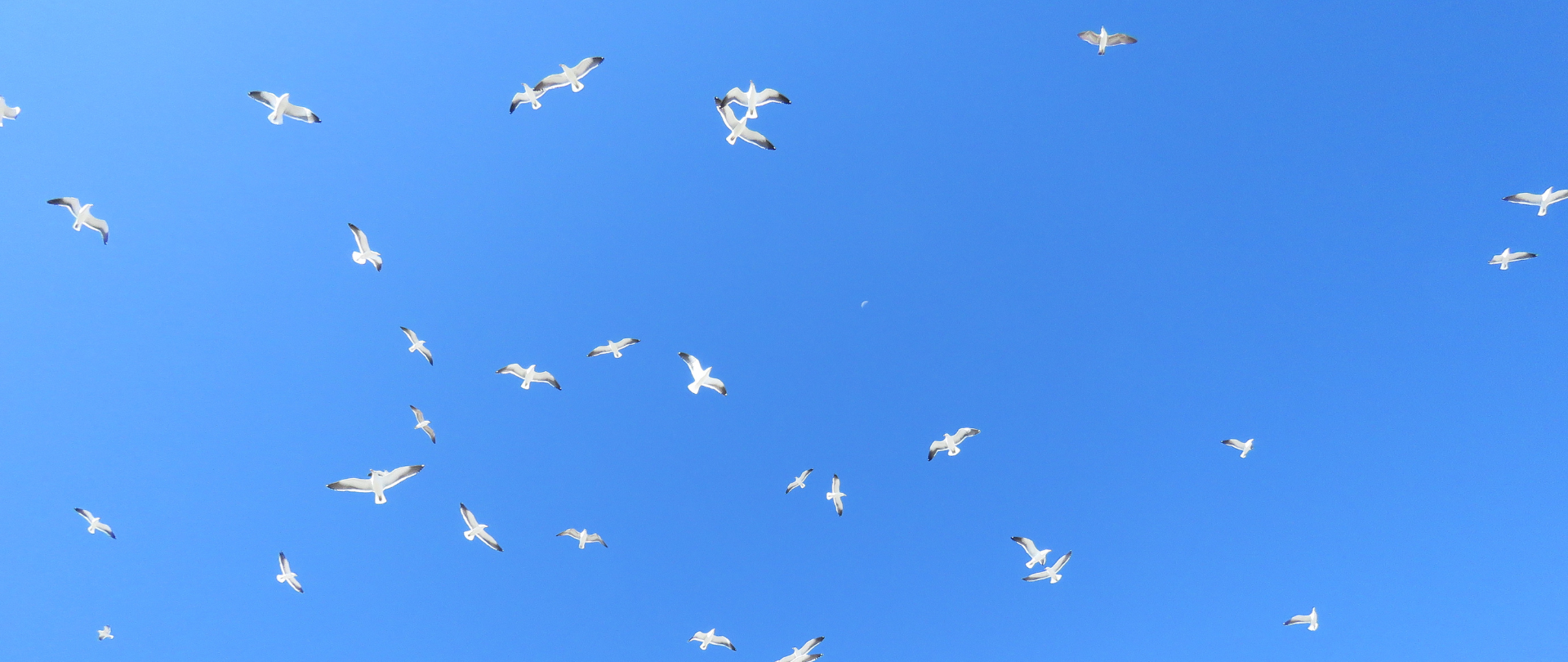
A new study shows the power of seabirds to drive entire ecosystems by circulating nutrients between land and sea!
September 30, 2025
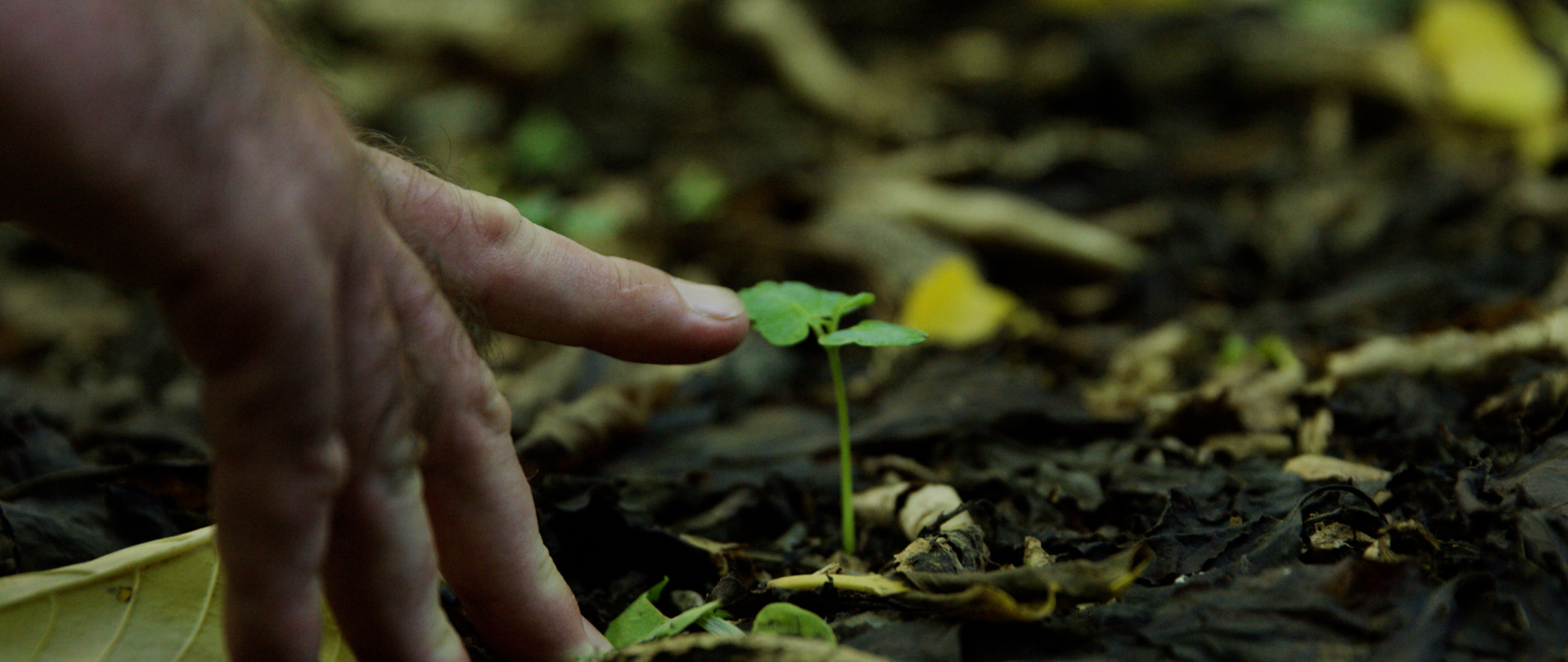
Astonishing results from our work to restore sites in the Republic of the Marshall Islands, boosting climate resilience and ocean health!
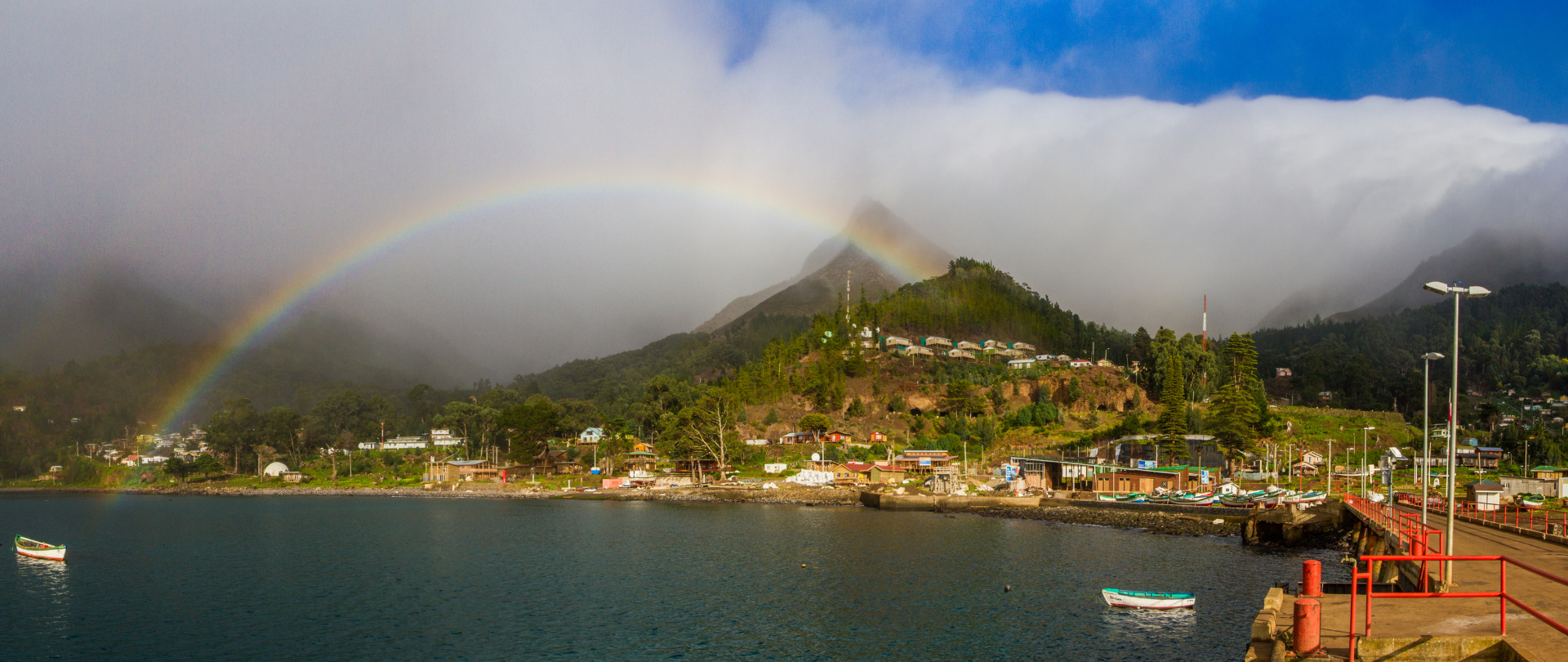
September 12, 2025
How can you make the maximum impact on the planet with your donation? Some conservation actions are most cost-effective than others!
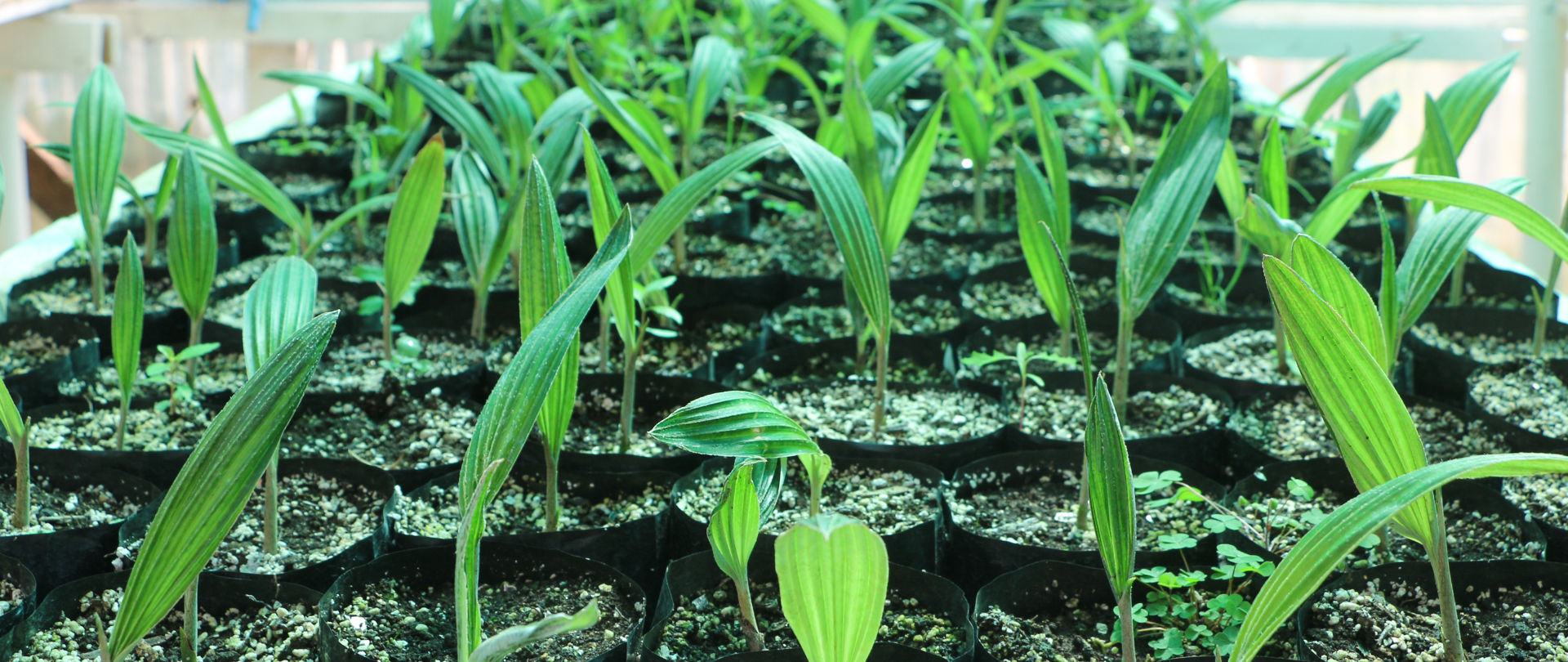
September 4, 2025
Incredible collaboration and success in the Juan Fernández Archipelago, with thousands of threatened trees benefiting from bold conservation action!
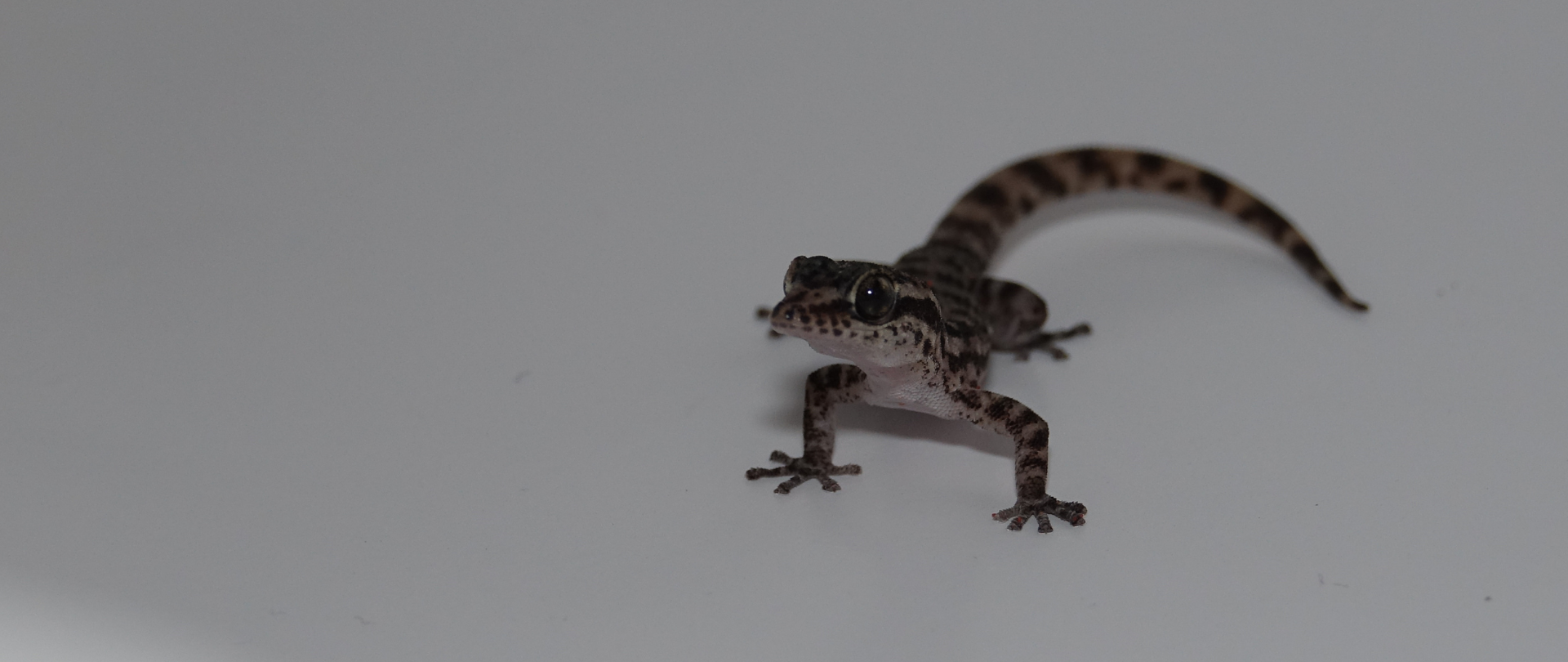
July 22, 2025
A species once thought extinct just made its comeback. A study published in PLOS ONE confirms the Leaf-toed Gecko has been rediscovered on Rábida Island in the Galápagos.
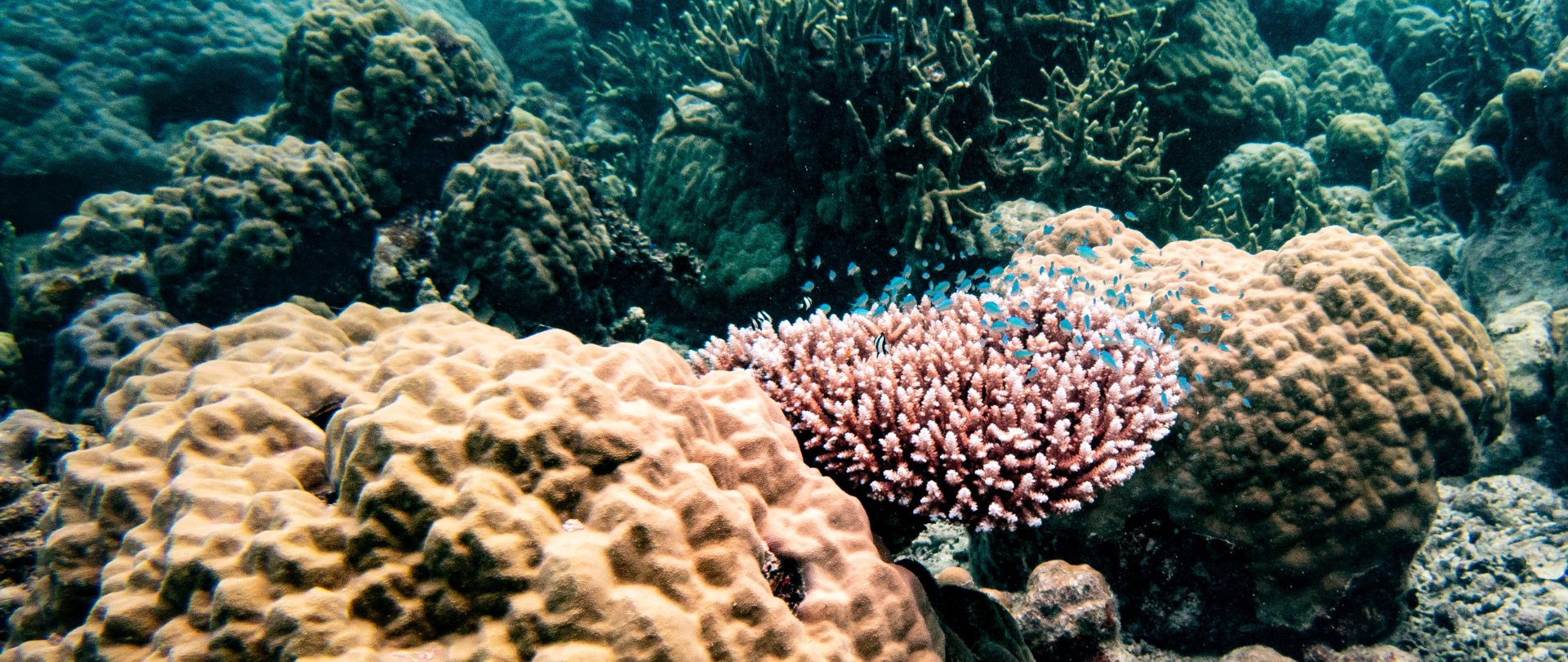
May 29, 2025
Islands are places where global climate solutions can be tested and proven, showing recovery is not only possible but fast!
February 27, 2025
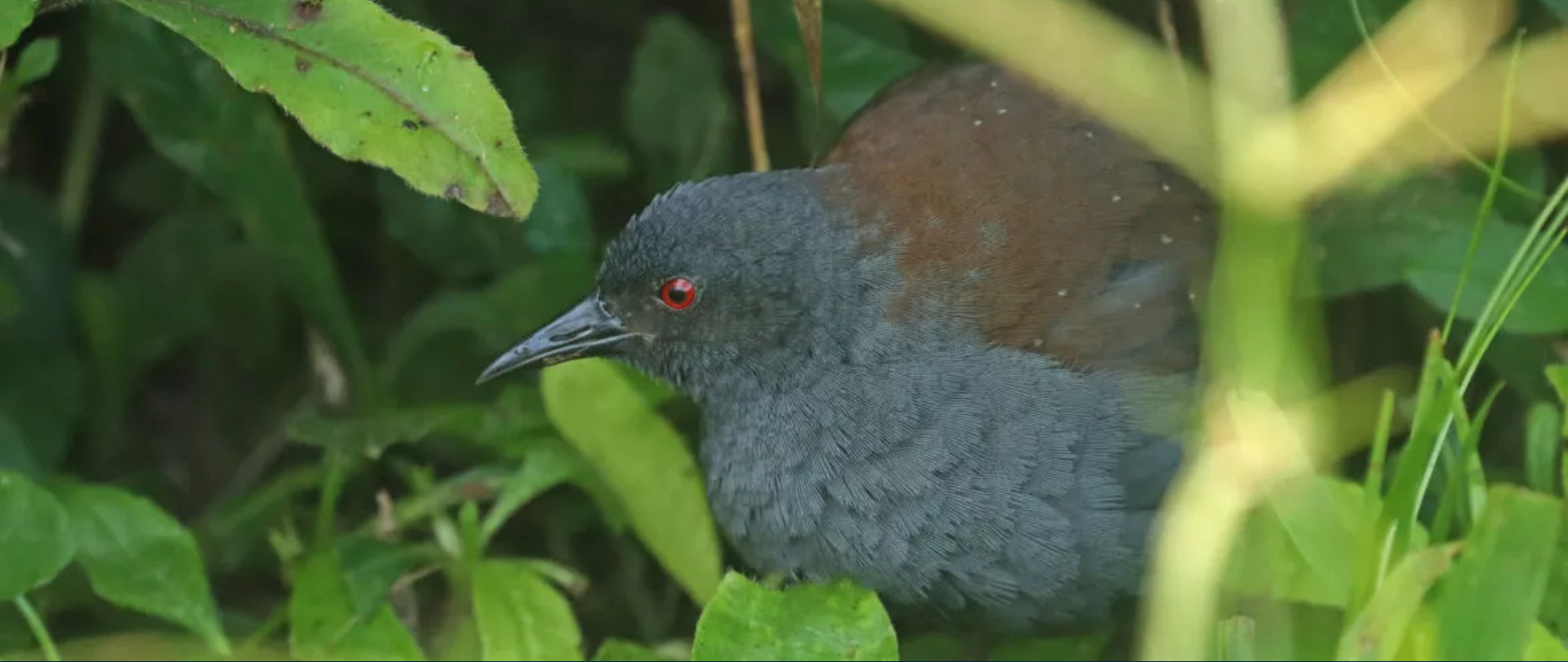
A locally-extinct species of ground-dwelling bird was found on Floreana Island!
January 15, 2025
We're joining the Global Rewilding Alliance, a network of environmental organizations around the world!
January 6, 2025
Some truly good news to brighten your day. Enjoy these stories of people helping to heal the natural world--and succeeding!
November 12, 2024
Endangered Polynesian storm-petrels returning to Kamaka Island, French Polynesia within one month of social attraction tools being deployed. Polynesian storm-petrels have not been recorded on Kamaka Island for over 100 years due to invasive rats. These seabirds are able…
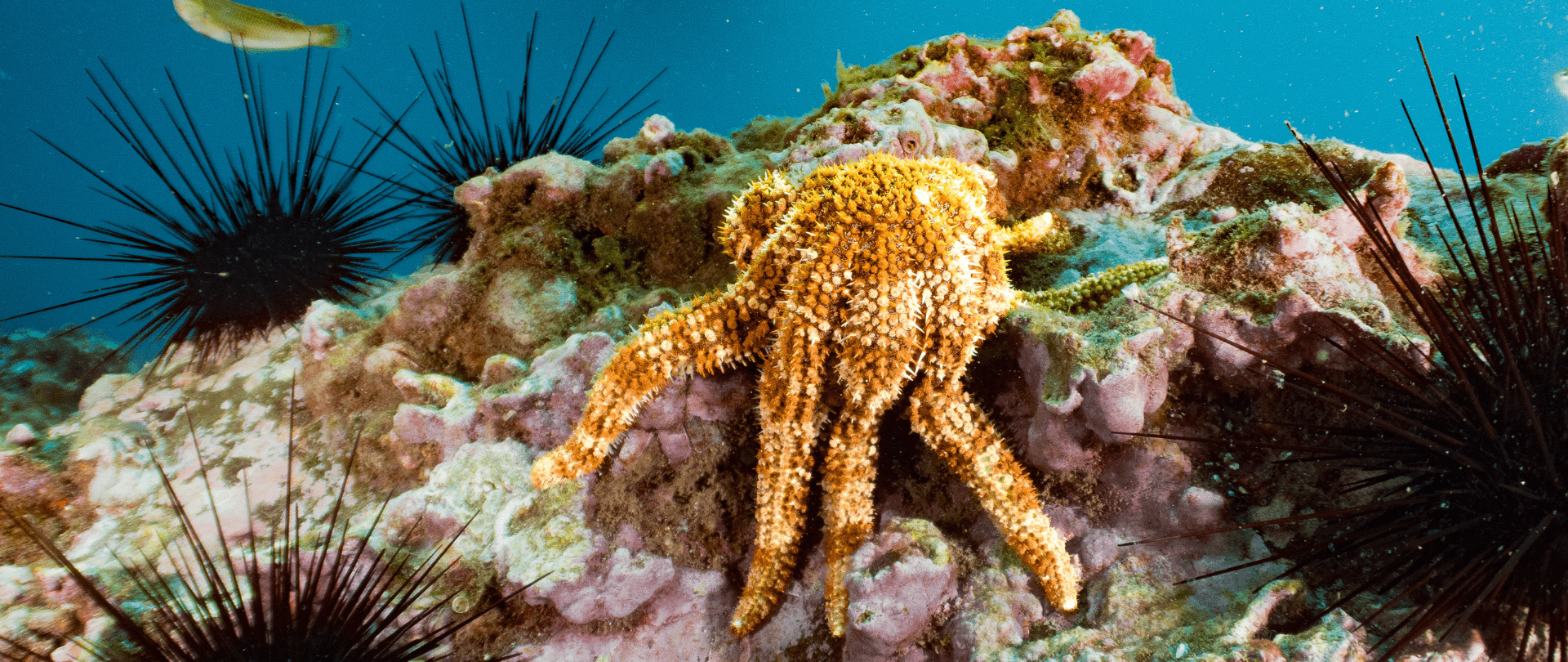
August 6, 2024
New research shows the vital link between island restoration, healthy seabird populations, and resilient, thriving coral reefs!
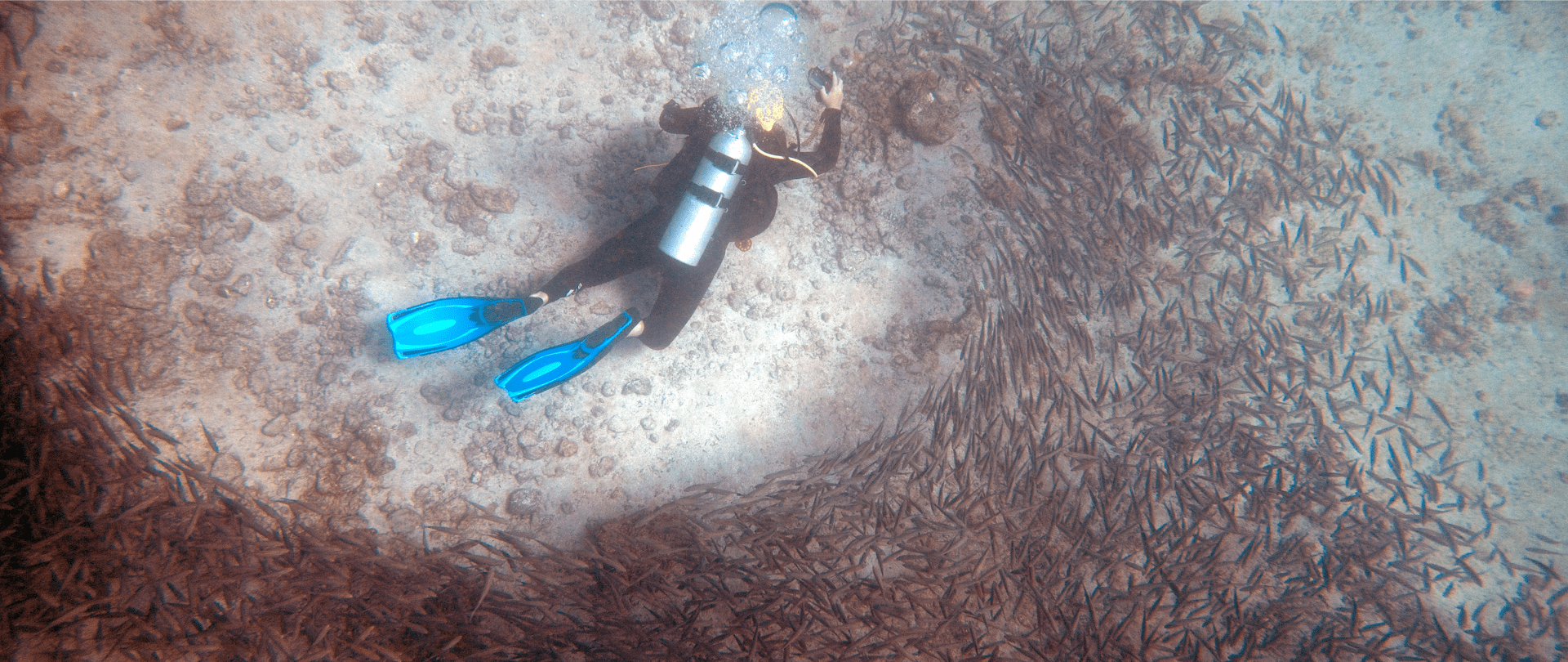
June 11, 2024
Read about Nathaniel Hanna Holloway's experience doing marine monitoring in the Galápagos!
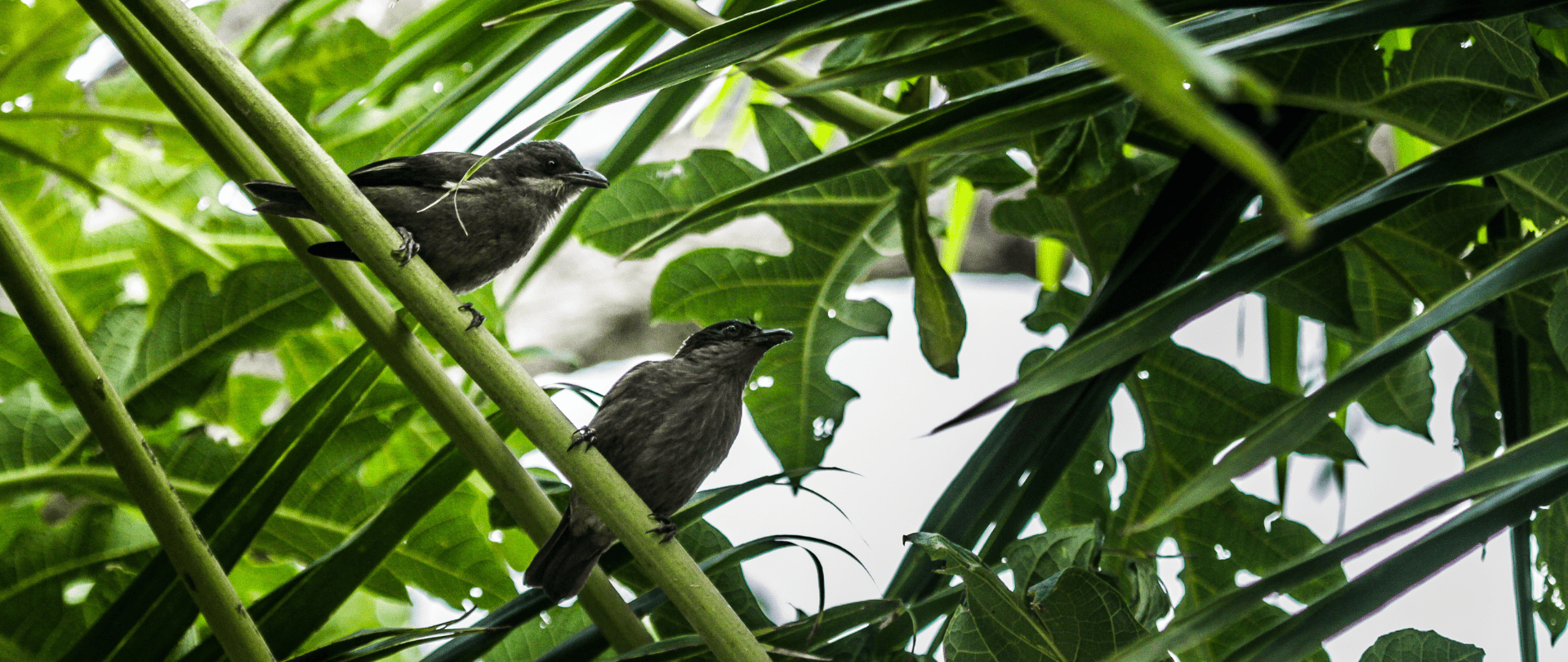
June 5, 2024
A recent monitoring trip to Late Island shows promising results!
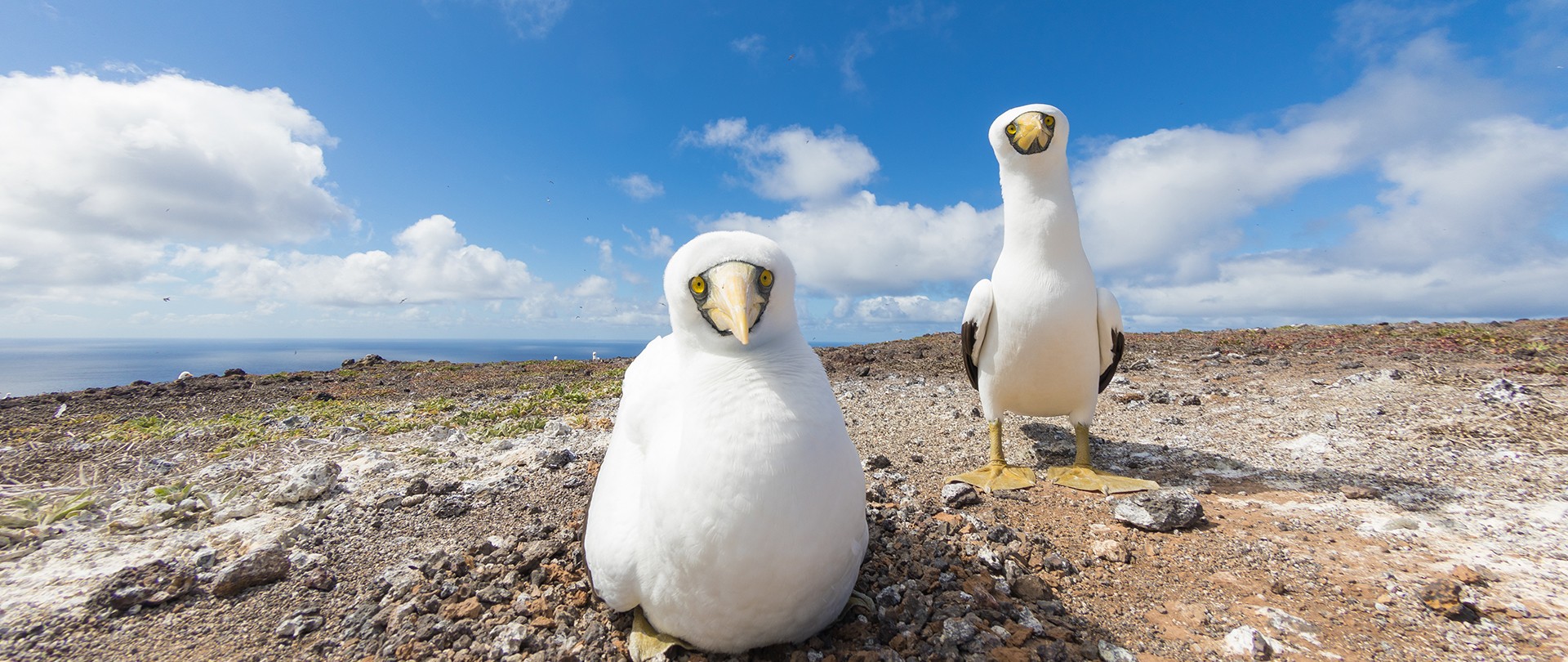
Learn more about the spillover benefits of island restoration.
October 26, 2025
A new study shows the power of seabirds to drive entire ecosystems by circulating nutrients between land and sea!

August 28, 2025
A new paper reveals the benefits of holistic restoration on Australia's Lord Howe Island!
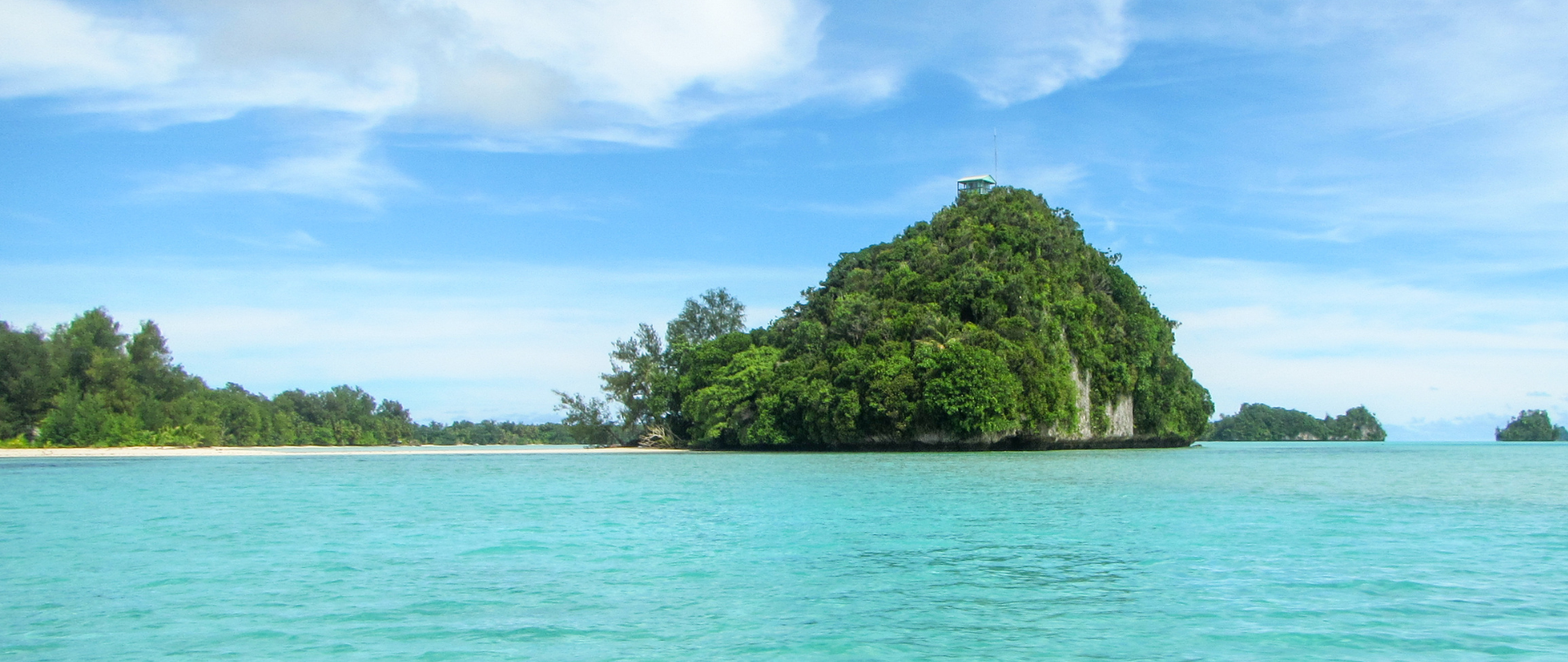
August 14, 2025
A new scientific paper reveals how seabird-derived nutrients can rebalance the relationship between turf algae and herbivorous fish, ultimately helping coral reefs thrive!
July 22, 2025
A species once thought extinct just made its comeback. A study published in PLOS ONE confirms the Leaf-toed Gecko has been rediscovered on Rábida Island in the Galápagos.
January 13, 2025
How do islands support the world's plant biodiversity? A new study in Nature reveals just how important islands are for plants around the world.
December 9, 2024
Groundbreaking research has the potential to transform the way we monitor invasive species on islands!
October 3, 2024
Island Conservation and partners have published a new paper quantifying ecosystem resilience on restored islands!
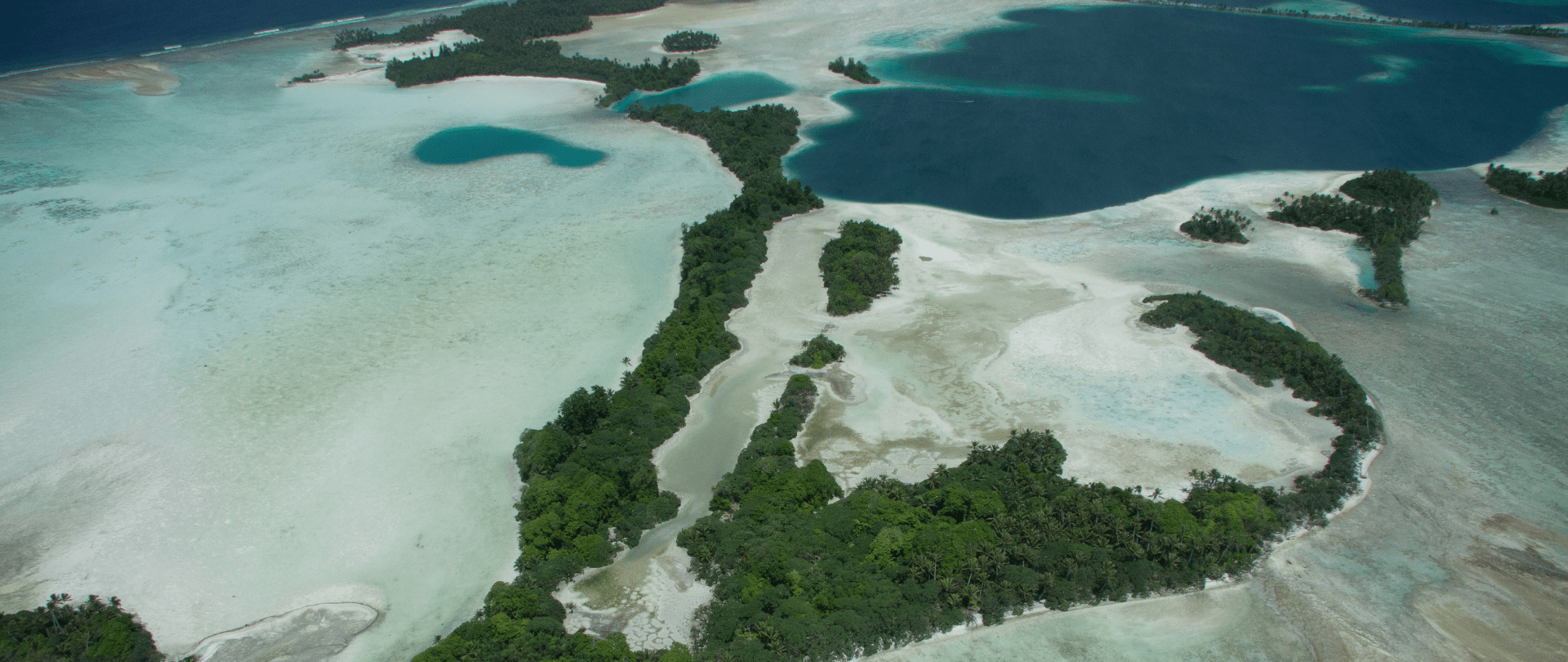
September 5, 2024
With sea levels on the rise, how are the coastlines of islands transforming? Read on to find out how dynamic islands really are!
August 6, 2024
New research shows the vital link between island restoration, healthy seabird populations, and resilient, thriving coral reefs!

April 18, 2024
Everything you need to know about nature-based carbon capture and how it helps islands build climate resilience!
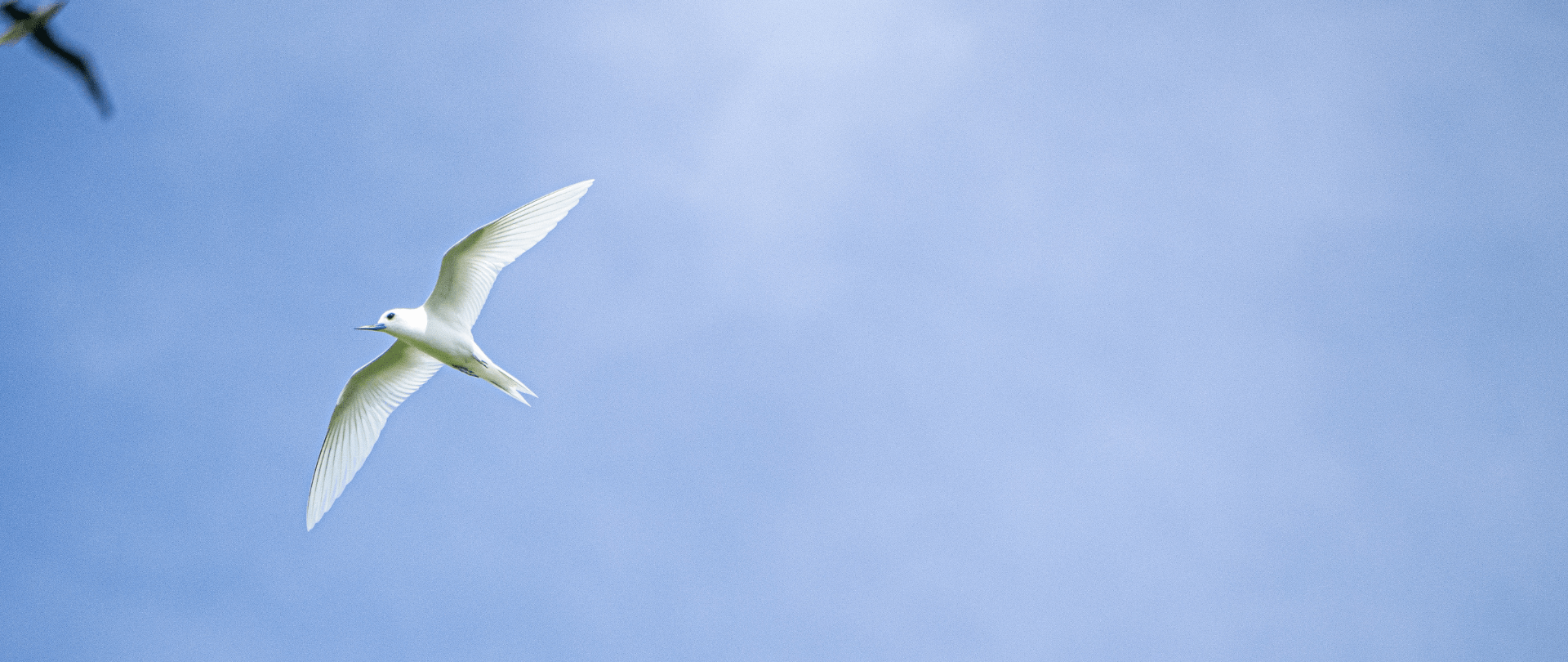
March 25, 2024
Penny Becker, Island Conservation’s Vice President of Conservation, wrote an article about connector species that was recently featured by our partners at Galapagos Conservation Trust. Her groundbreaking research has helped uncover the vital connections between land and sea, sparking a…
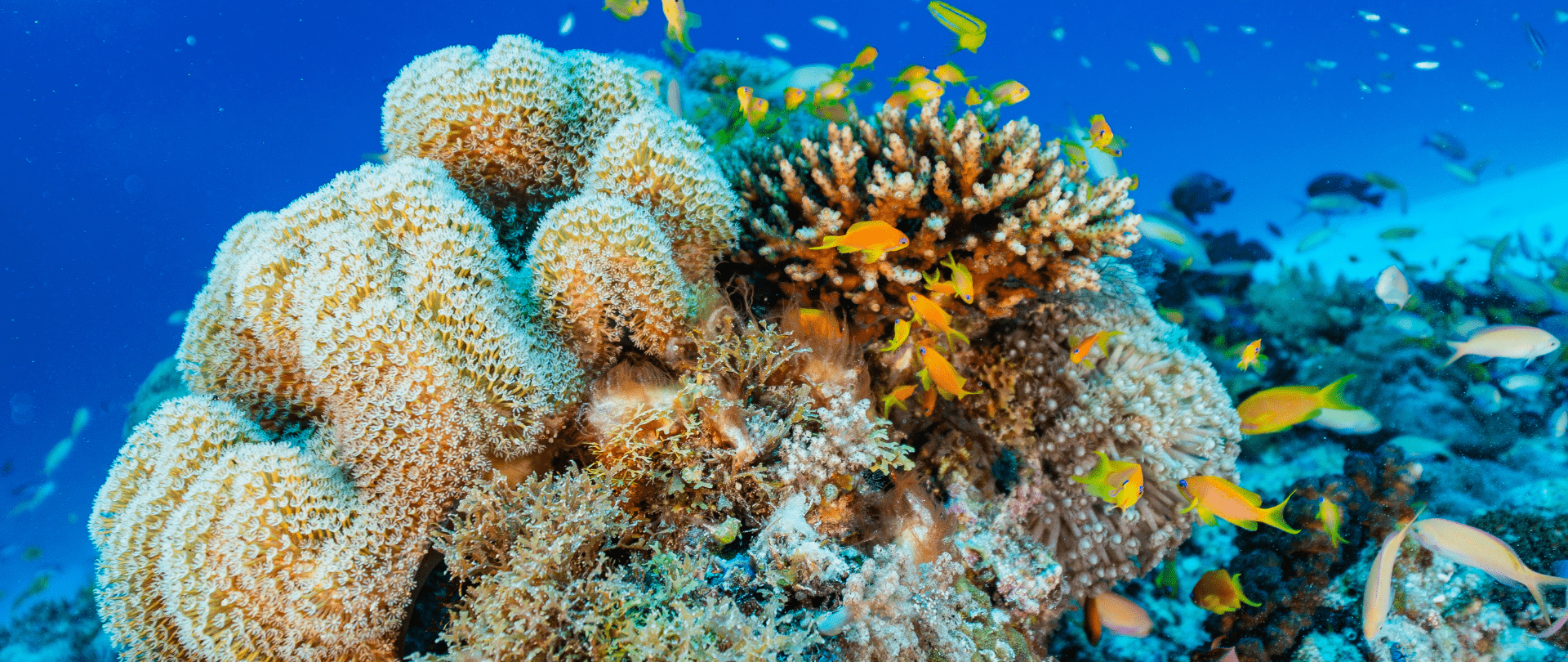
January 18, 2024
As climate change continues to threaten coral reefs globally, a recent study published in Science sheds light on a natural ally in the fight for reef resilience: seabirds. The connection between seabird-derived nutrient subsidies, invasive species, and coral recovery holds…
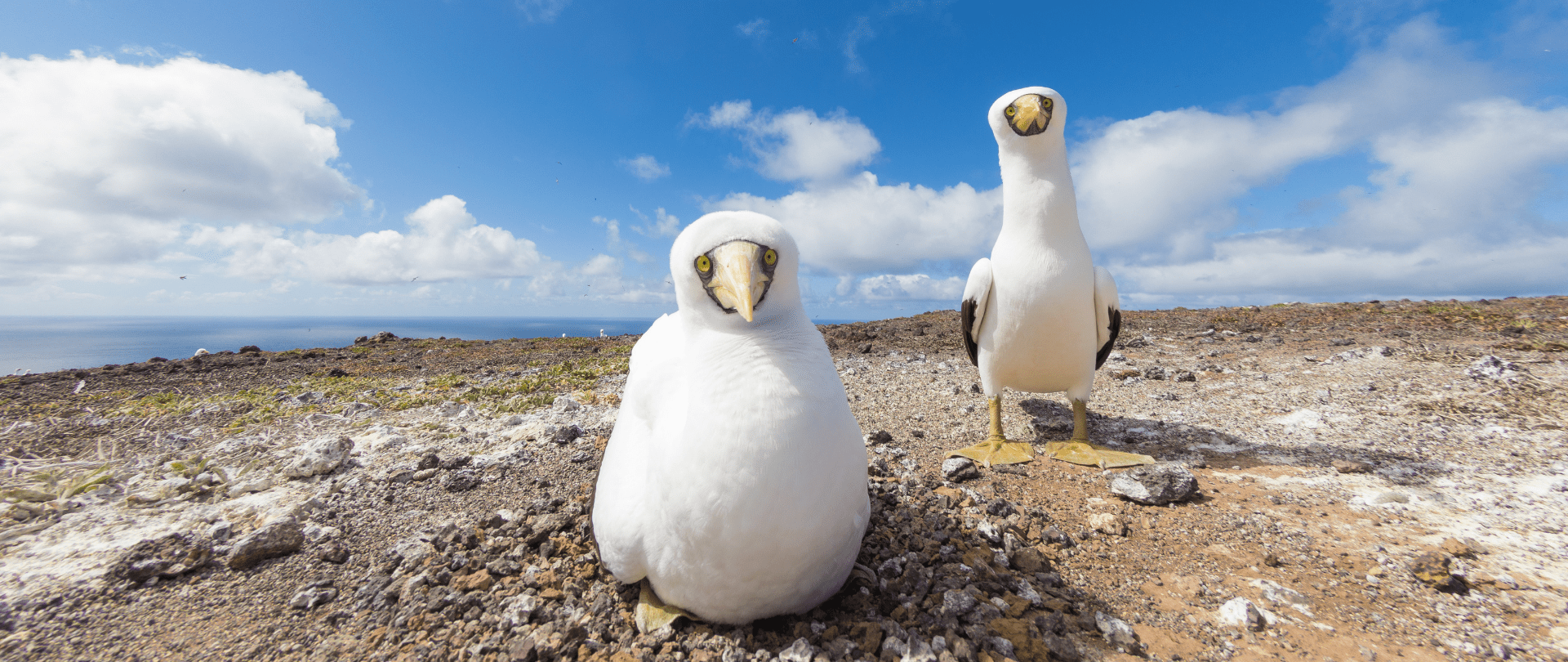
December 29, 2023
Everything is connected. Atoll islands have often been deemed an inevitable lost cause when it comes to climate change and sea level rise due to their low-lying elevations. A new article in Cell Press aims to bust this myth as…
July 17, 2023
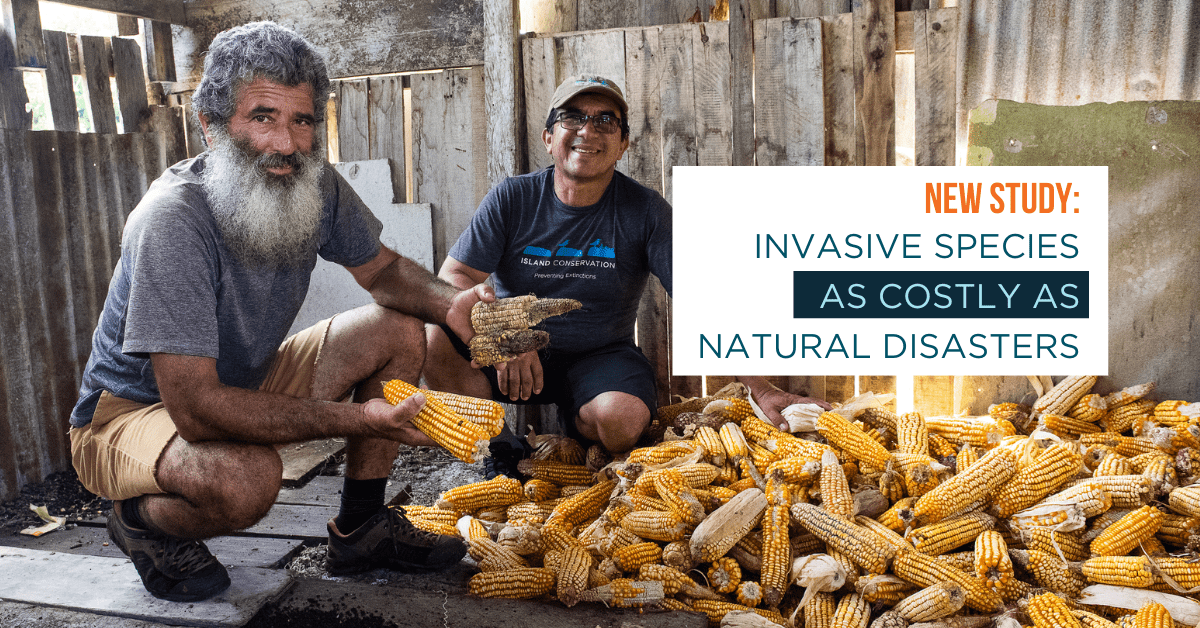
A new study in ScienceDirect led by Anna J. Turbelin analyzes biological invasions (invasive species) and natural hazards (storms, floods and wildfires) damage cost data over 1980–2019 and finds that invasion costs are as costly and increased faster over time…
May 31, 2023
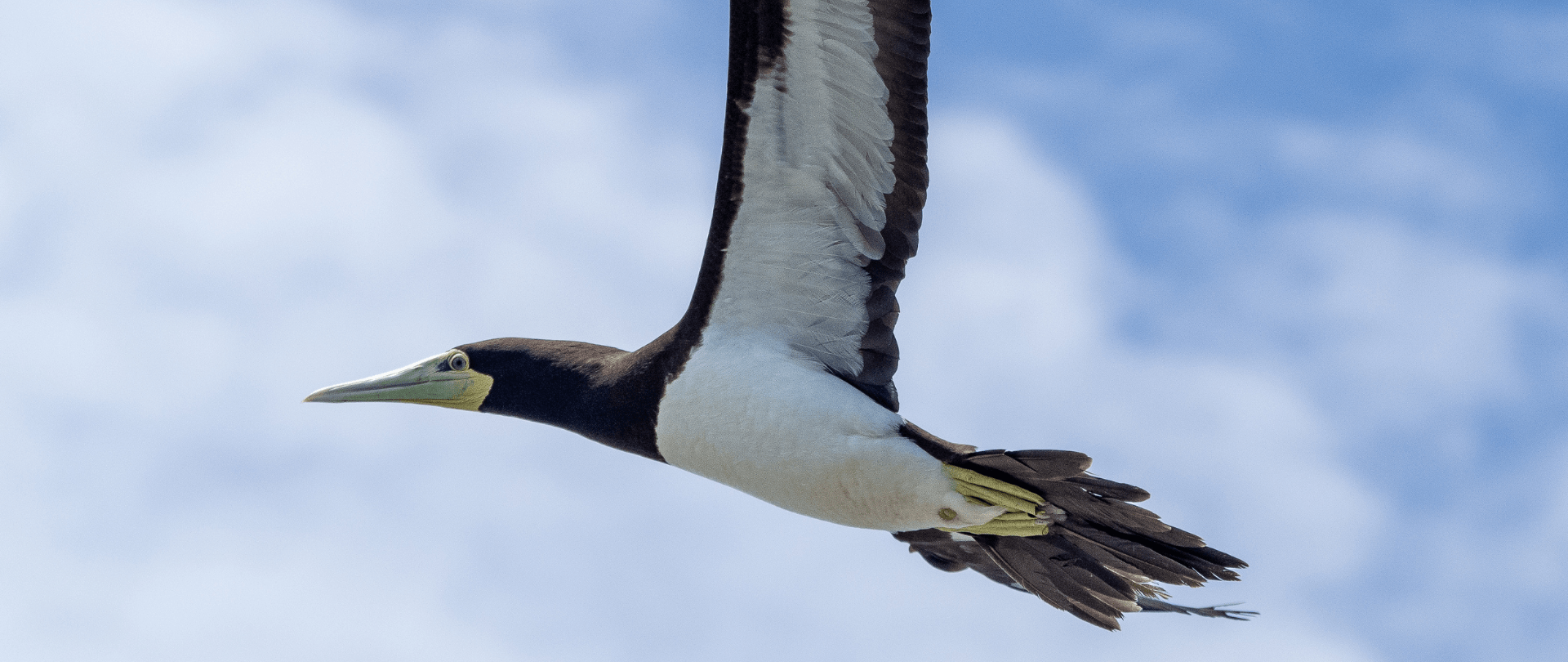
Let’s say you’re trying to kickstart the economy of a small town that once used to thrive. You tell all your friends to go visit the town. You send out a rallying cry for investors. You pay for advertising that…
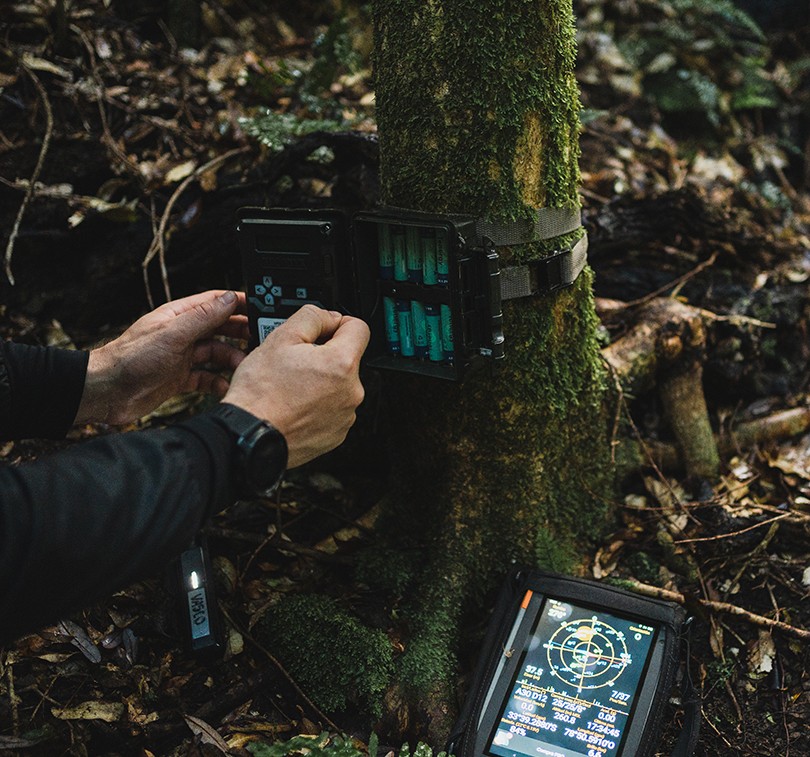
In recent years, we launched our Drone Program which has already resulted in new levels of efficiency and scalability for our projects.
We utilized the power of drones to increase our number of projects by 67%, are employing them in species monitoring, and are now working to see how we can pair them with cutting-edge imaging to classify animals more efficiently.