August 25, 2026
Fungi Connectors Underground: What Palmyra Atoll Is Teaching Us About How Island Ecosystems Recover
A new study reveals the role fungi play in the restoration and recovery of rare, resilient atoll ecosystems!
 Island Conservation
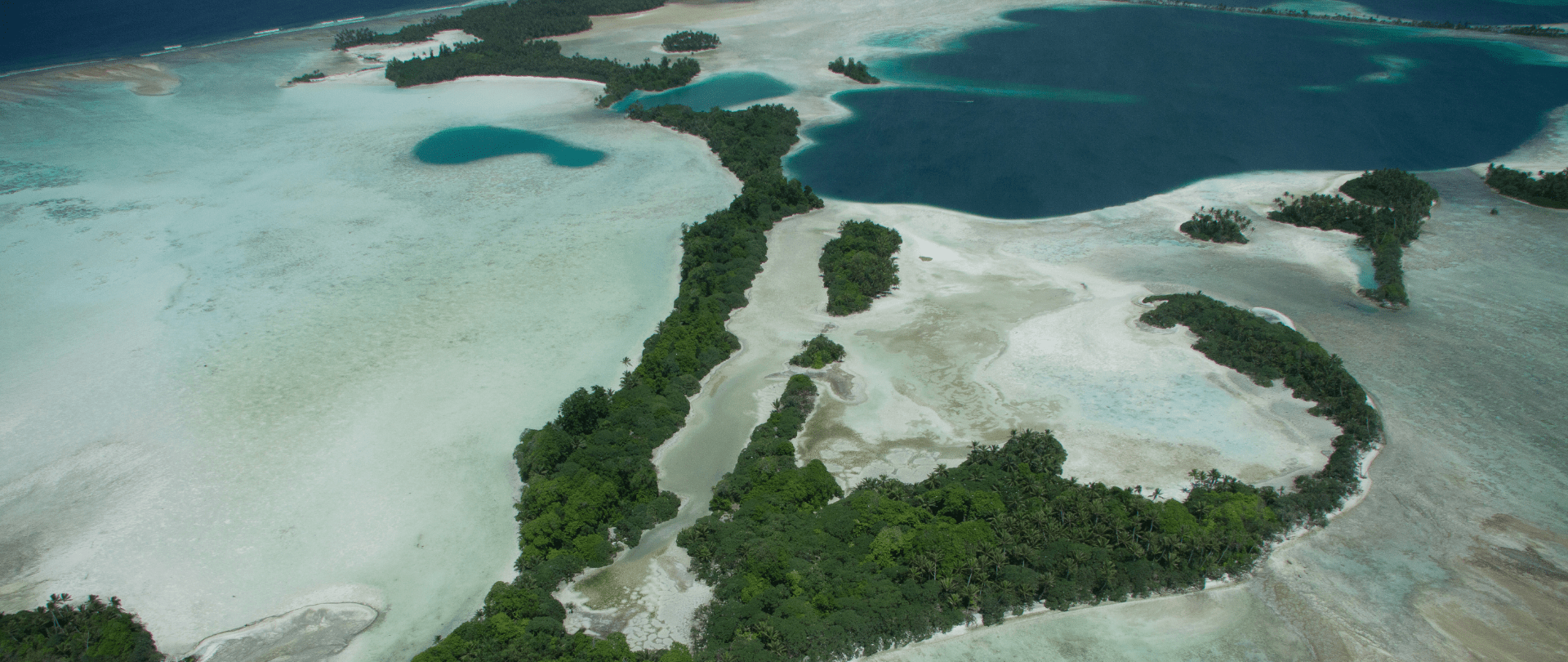
Land is growing and changing all the time—but we don’t always see it. Our planet is alive with geologic activity, and our world’s islands are formed over millenia of growth, transformation, and subsidence. But as rising sea levels threaten these vital ecosystems, their vulnerability increases. How do island coastlines respond to changes in their environment? Are they solely at the mercy of the waves? A new paper in the International Journal of Digital Earth indicates that the answer might be more dynamic than it appears.
The article, titled “Evolutionary dynamics of island shoreline in the context of climate change: insights from extensive empirical evidence,” examined about 13,000 islands across Southeast Asia, the Indian Ocean, and the Mediterranean sea, using remote sensing data gathered from 1990 to 2020. The results of the study complicate the seemingly simple story of erosion and coastline loss, instead indicating that island coastlines are dynamic and change often. 7.57% of the coastlines in the study eroded inward, but a surprising 6.05% have actually expanded seaward.
The study indicates that there are multiple factors, both natural and human-caused, that influence coastlines. Human factors include such coastline-reducing phenomena as population growth and sand mining, but humans can also reclaim land and extend island coastlines, as was the case in Tuvalu, where the coastline has extended by 73.5 hectares (almost 3%) in the last 30 years.

The same can be said of natural factors: sea level rise and erosion reduce coastlines, but ecosystem dynamics tied to mangroves and coral reefs can build them back up. Interestingly, the existential threat of sea level rise was not the “predominant” cause of coastline loss—although in coming years, it will likely become the driving factor.
As island communities prepare for coming decades of extreme weather and sea level rise, adaptation and mitigation strategies are more and more necessary. The article stresses the importance of nature-based solutions, which tend to be more effective and sustainable than mitigating strategies such as the construction of seawalls. Restoring and protecting island ecosystems and their near-shore counterparts, such as coastal wetlands, coral reefs, and seagrass beds is a favored solution for coastal protection. The article also argues that community involvement is essential to the survival of islands and their ecosystems.
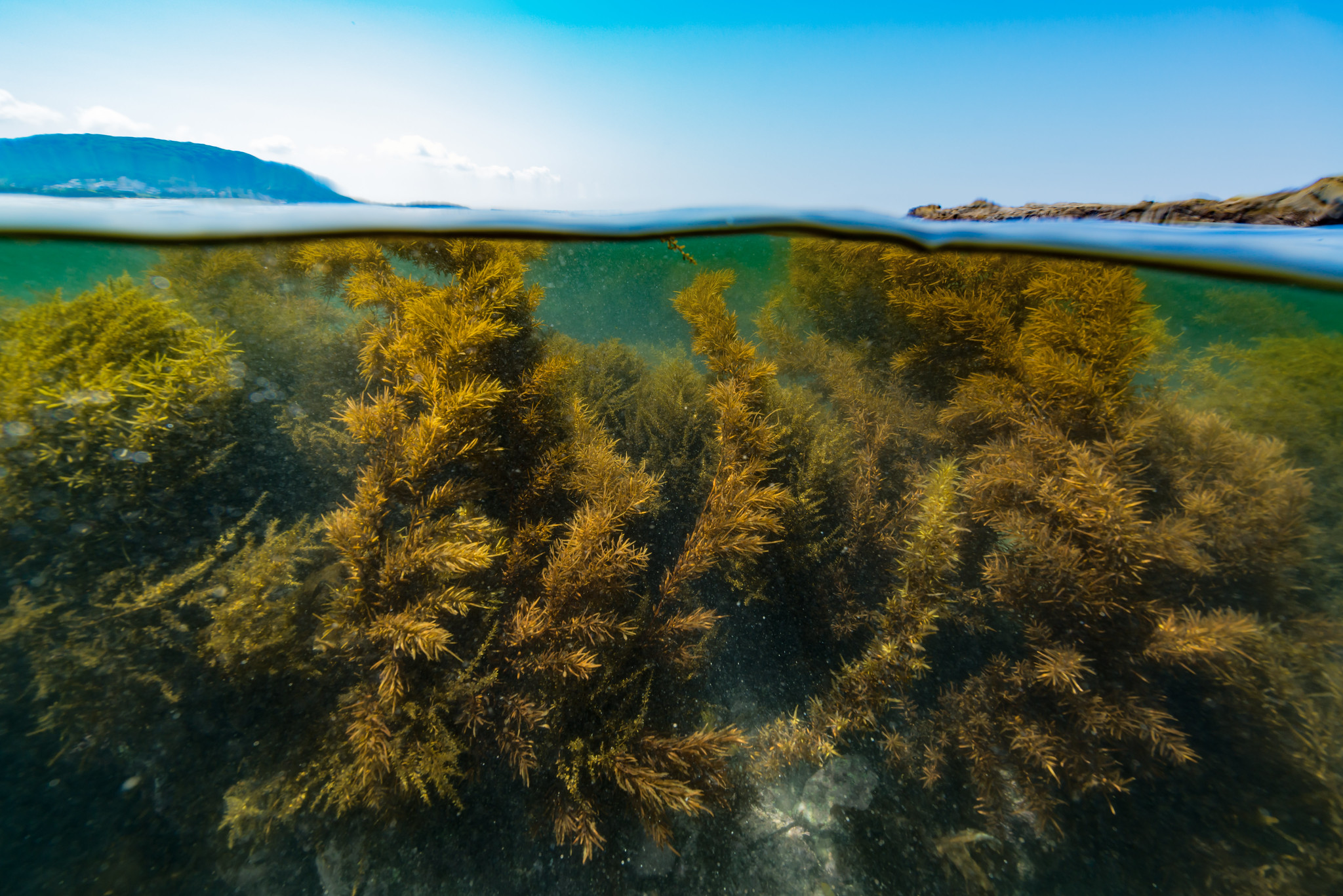
At Island Conservation, we know that nature-based solutions provide cascading and lasting benefits throughout an ecosystem. By removing invasive species, for example, we can make islands safe for native species to nest and bring nutrients from sea to land. These nutrients enrich the soil and strengthen nearby systems, increasing fish biomass and the speed of coral growth. In the islands where we work—especially the low-lying coral atolls—our projects are vital signs of hope that ecosystems on the brink can recover and thrive.
Sustainable development for island communities involves the recognition that the land they live on is precious, but not a lost cause. The dynamism of island coastlines, and their endurance over millions of years of sea level change, is proof that with strong community-led conservation efforts these islands can support life for generations to come.
Donate today to support Island Conservation and our community-focused efforts to holistically restore and rewild islands around the world! To keep up with the latest in conservation science and stories from our amazing team, sign up for our newsletter!
Check out other journal entries we think you might be interested in.

August 25, 2026
A new study reveals the role fungi play in the restoration and recovery of rare, resilient atoll ecosystems!
July 2, 2026
Invasive species have caused over $12 billion in damages to island ecosystems, creating an urgent need for strengthened biosecurity measures!
June 8, 2026
A world-first controlled experiment shows connection between seabird activity and marine health on Ulong Island!
April 14, 2026
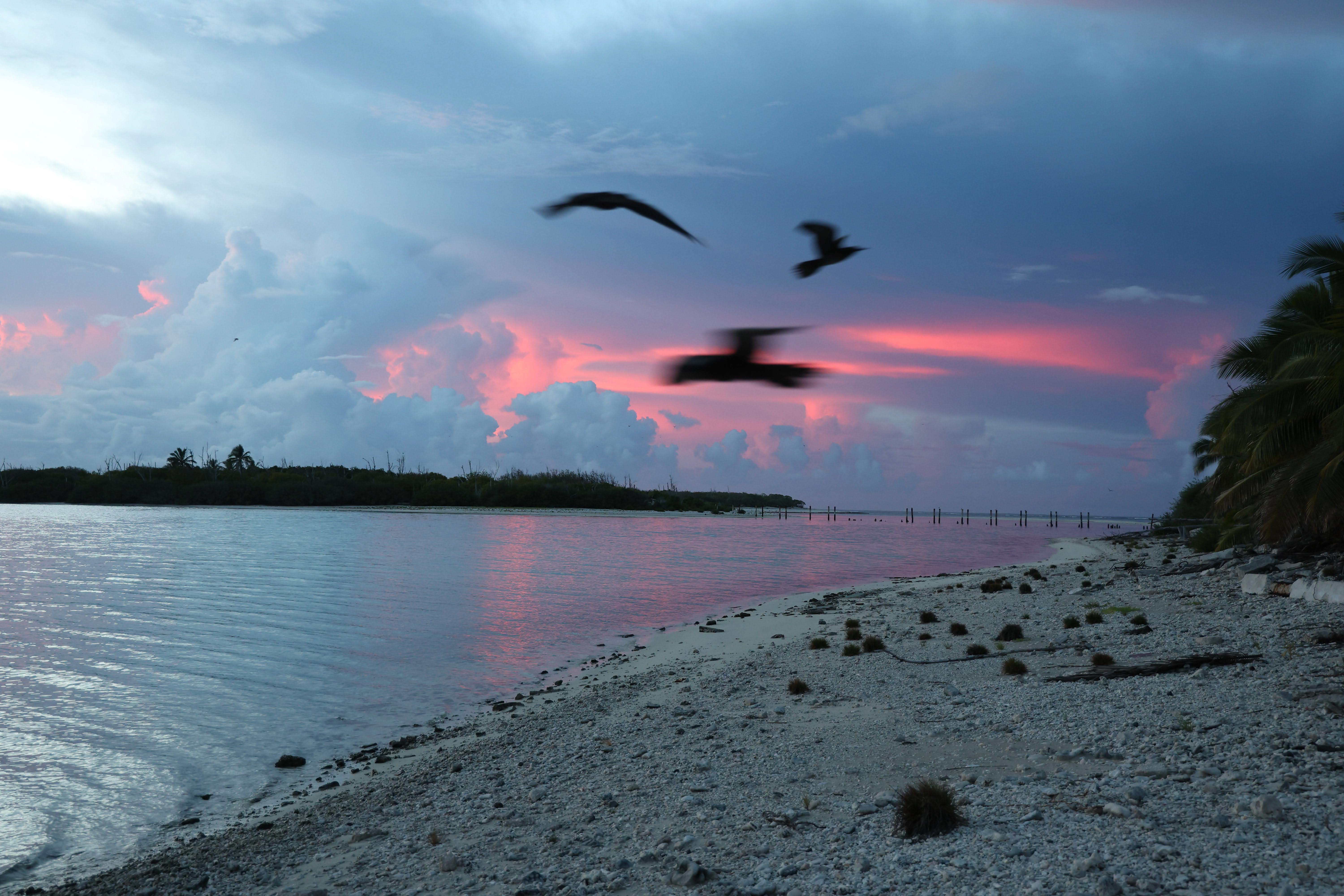
A historic moment: Wake Atoll is restored and thriving!

January 22, 2026
Our Senior Director of Impact & Innovation, David Will, explains the importance of the Circular Seabird Economy for nutrient transfer!
December 4, 2025
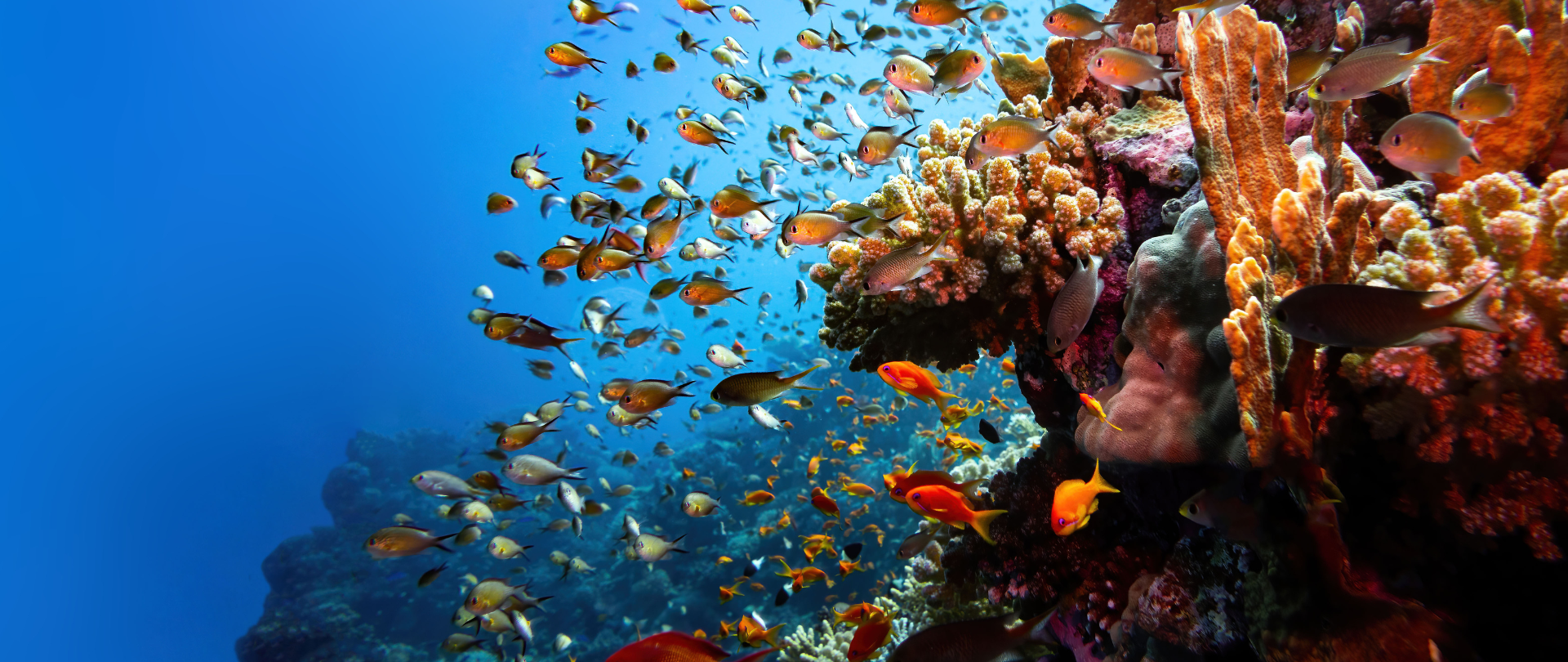
A new study reveals how seabirds, connector species between land and sea, play a huge role in the health of coral reefs!
November 25, 2025
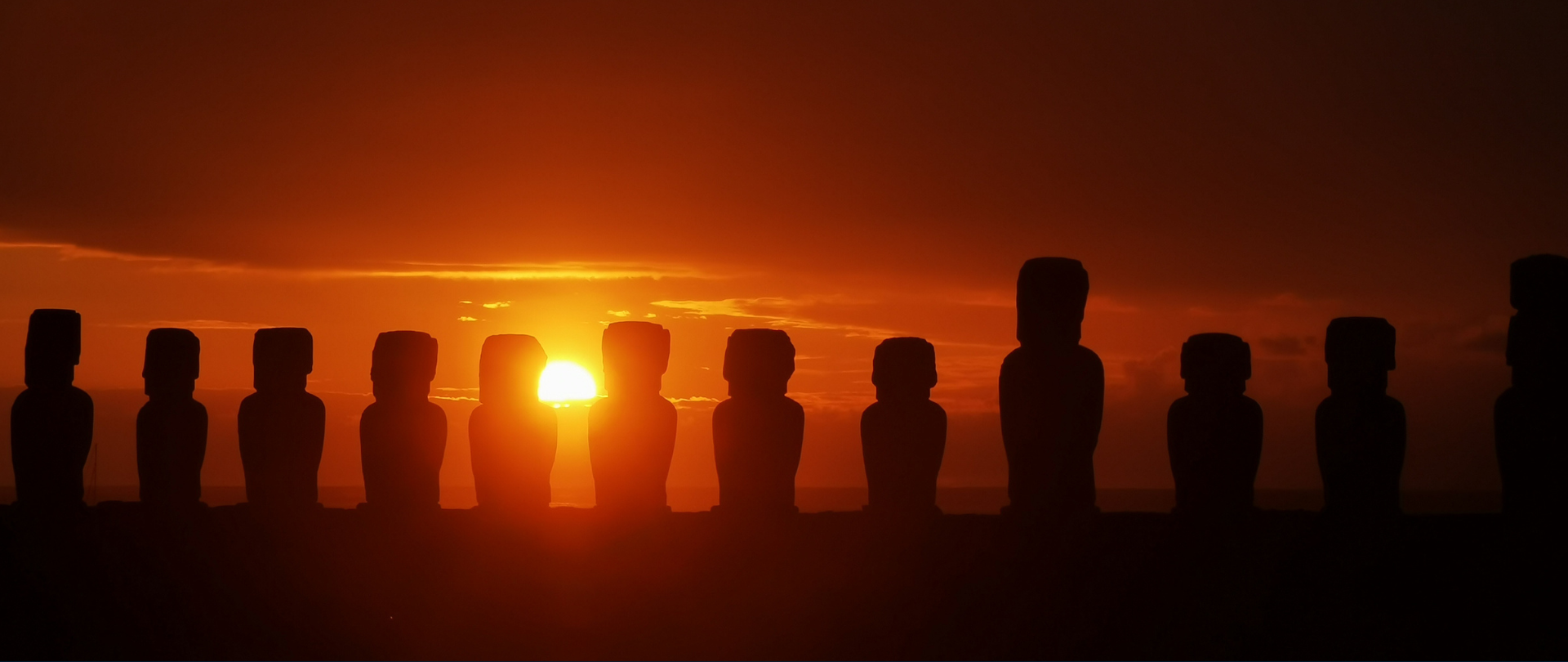
A new scientific paper is changing the way we understand Rapa Nui (Easter Island)'s ecological history!

October 29, 2025
Astounding evidence of recovery on Ulong Island in Palau after just one year!
October 26, 2025
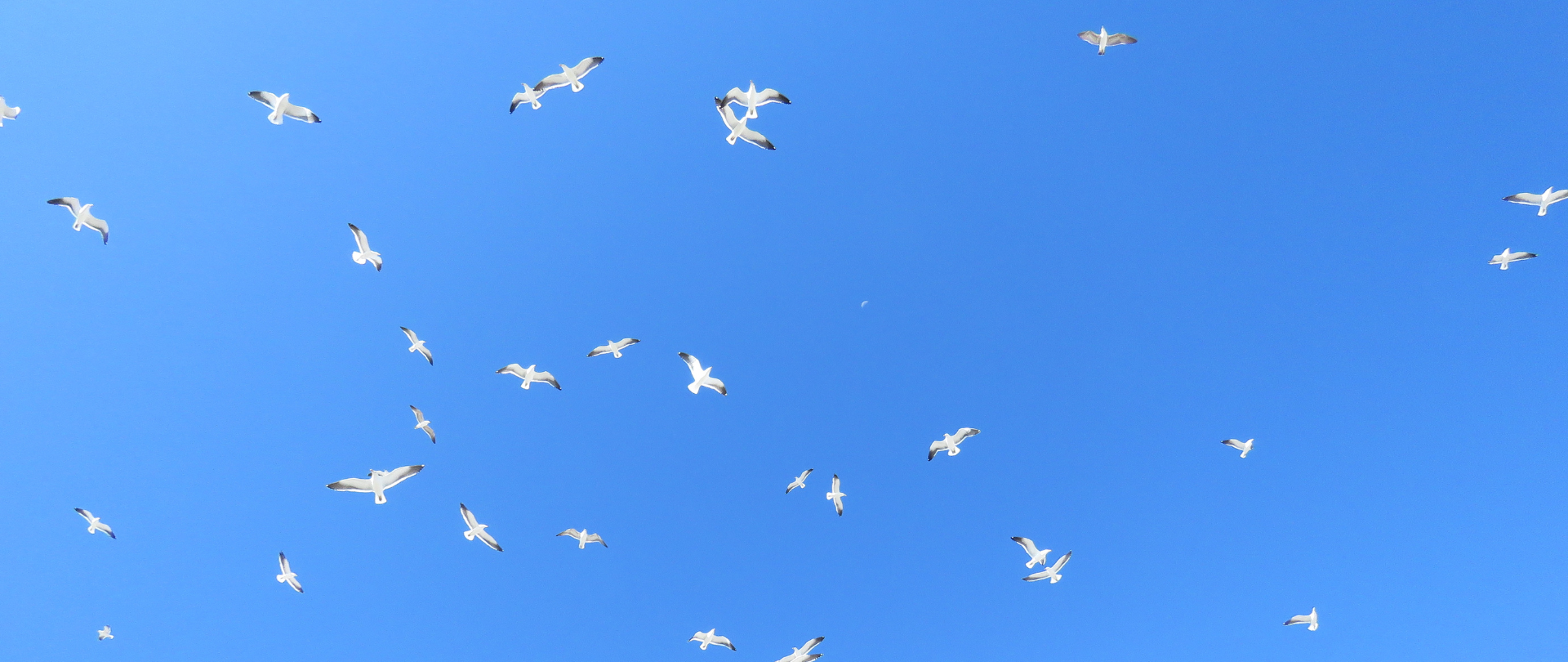
A new study shows the power of seabirds to drive entire ecosystems by circulating nutrients between land and sea!

August 28, 2025
A new paper reveals the benefits of holistic restoration on Australia's Lord Howe Island!