September 17, 2026
Island Conservation and Robinson Crusoe Island, Chile: Growing Hope Together
On the island of Robinson Crusoe in Chile, a greenhouse feeds both a community and an islander-led conservation movement!
 Island Conservation
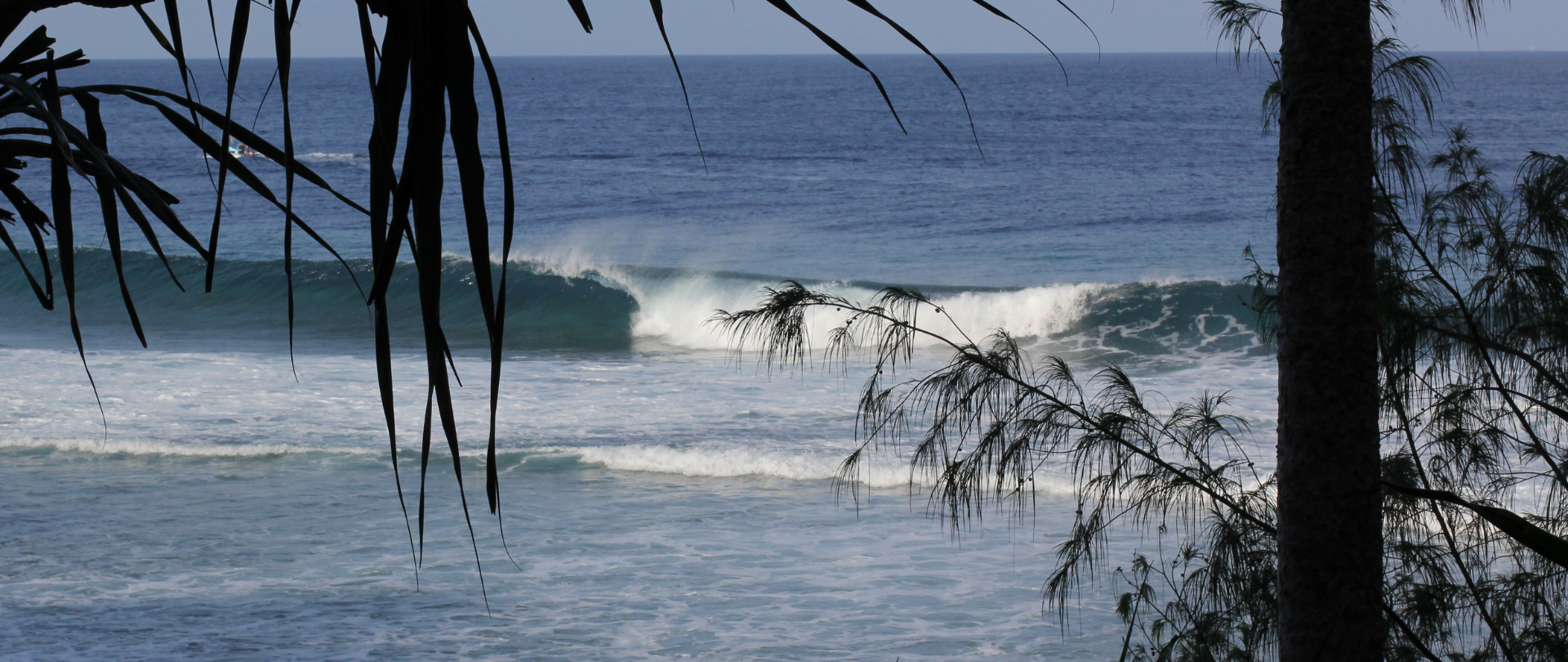
Sonsorol State, in the remote Southwest Islands of Palau, is a place of deep cultural heritage and ecological significance. With four islands, just 40 residents, and a rich history of traditional leadership, this island community has invited Island Conservation to provide support in forging a bold path toward restoration.
In partnership with the elected Sonsorol State Government and the councils of each island, Island Conservation is preparing to launch a transformative project in late 2025. Together, we’re pursuing a shared vision: a thriving, biodiverse Sonsorol free from invasive predators.
Though small in size, Sonsorol’s islands are steeped in legend and resilience. Oral histories trace the first settlers to the islands of Yap, with tales of clever contests for land ownership and enduring kinship ties with neighboring Hatohobei. Over centuries, the Sonsorolese developed sustainable practices to thrive on limited resources—smoking fish, preserving breadfruit, and crafting earth ovens to make food last. Their language and customs remain distinct from mainland Palau, echoing connections to Outer Island Yap and Chuuk. Despite colonial upheavals and typhoons that once washed out entire islands, the people of Sonsorol have preserved their cultural identity and continue to steward their islands with wisdom and pride.
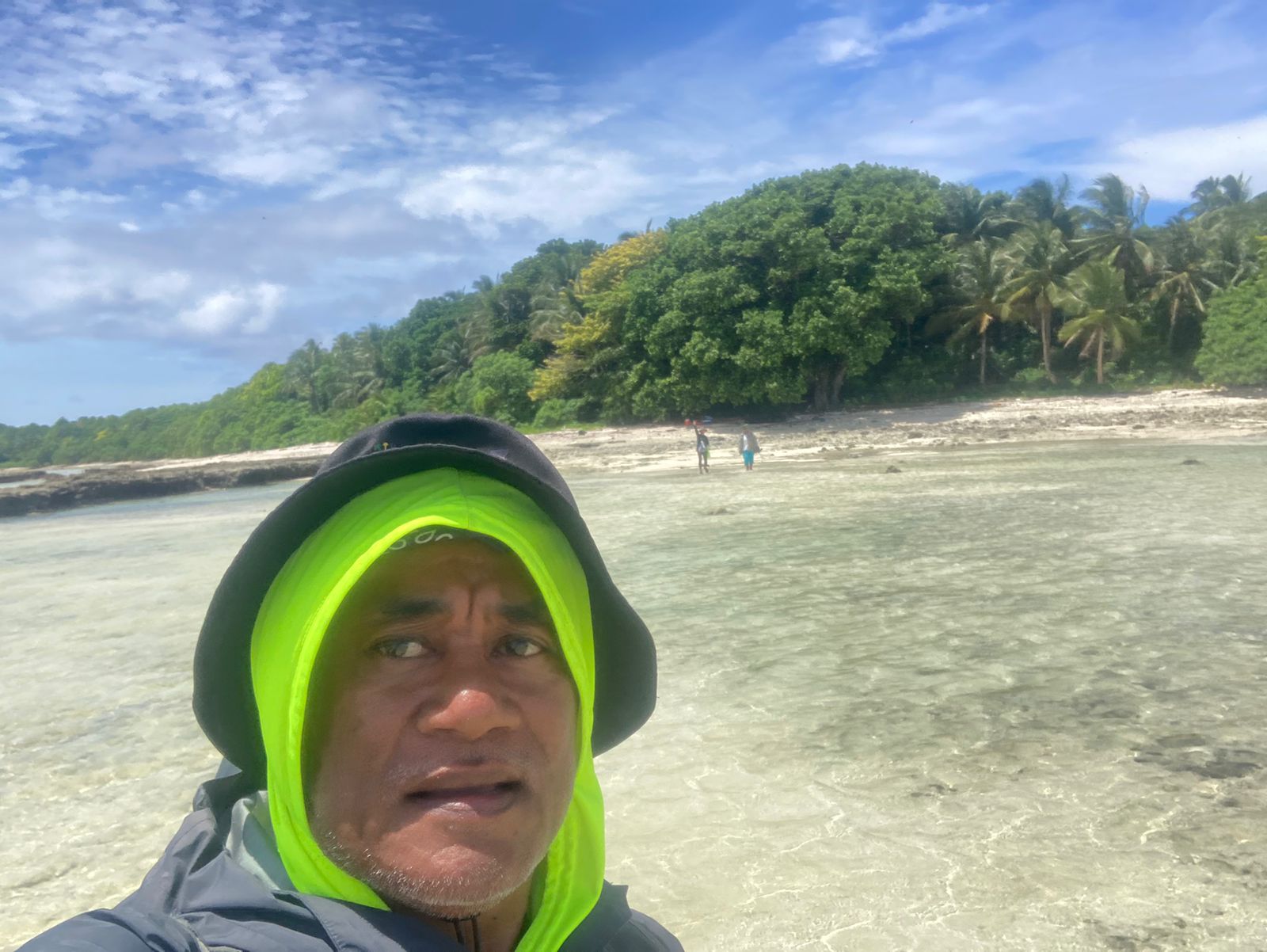
Now, they take aim at invasive species like damaging, non-native rats and Coconut Rhinoceros Beetles, which have devastated local ecosystems. Fanna Island, once lush with coconut palms, now has none. Invasive rats threaten food security, spread disease, and decimate seabird populations—species that are vital connectors between land and sea. Their guano nourishes soil and reefs, supporting fish populations and coral resilience.
Island Conservation and our partners, including SPREP and PRISMSS, aims to restore the natural balance by removing invasive rodents and providing assistance with beetle control. These seemingly small interventions can make an outsized impact for communities who aim to holistically improve the health of their ecosystems. Sonsorol’s traditional leaders and government are guiding this effort, ensuring it reflects local values and priorities.
Keep updated with our team as the work in Sonsorol commences by joining our newsletter, and help support island restoration for nature and people by making a donation today!
This project is made possible through funding from UK FCDO (Foreign Commonwealth Development Office) and New Zealand’s Ministry of Foreign Affairs and Trade (NZMFAT), through support from Restoring Island Resilience (RIR) Predator Free Pacific (PFP).
Check out other journal entries we think you might be interested in.
September 17, 2026
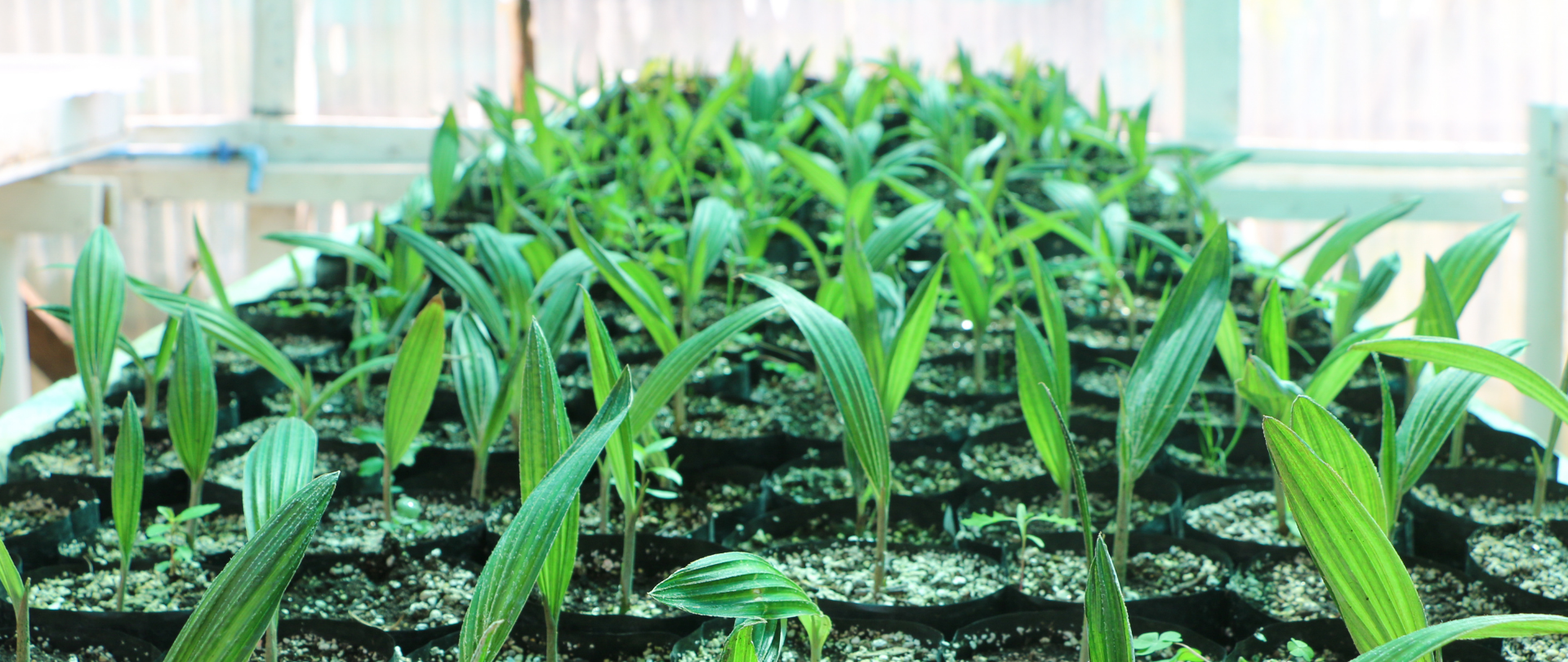
On the island of Robinson Crusoe in Chile, a greenhouse feeds both a community and an islander-led conservation movement!
September 1, 2026
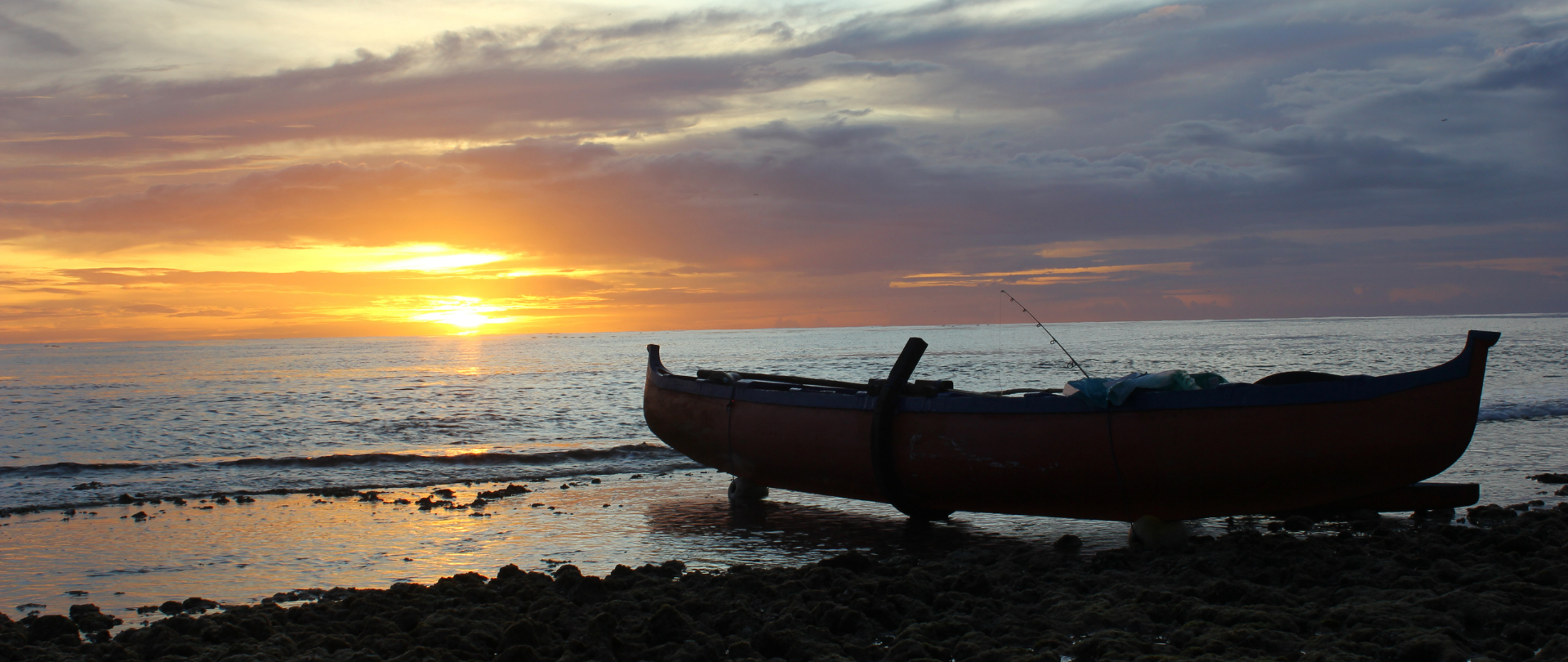
Linden Brown shares the incredible things he saw and experienced while working to restore islands in Sonsorol State, Palau!
August 18, 2026
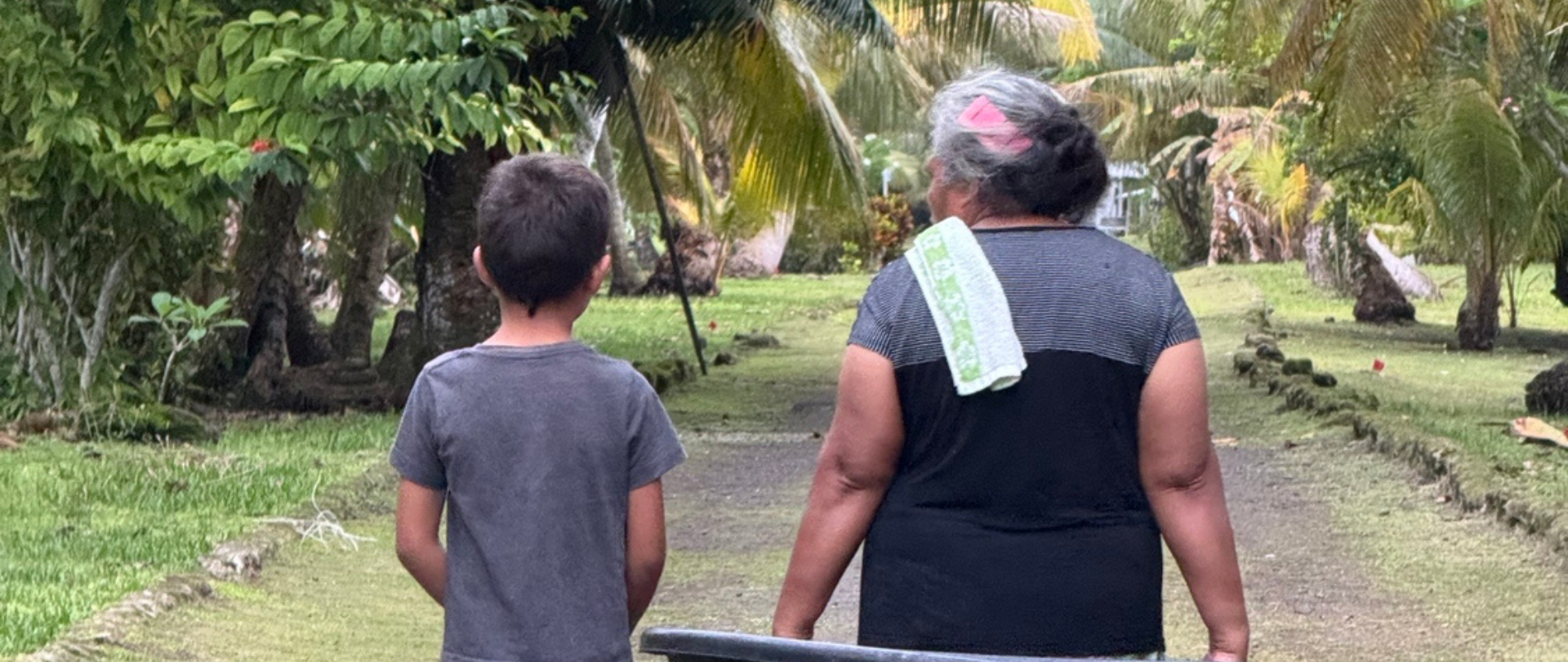
Meet Evelyn, one of the people who holds the wisdom of Sonsorol State, Palau in her lived experiences and stories.
August 4, 2026
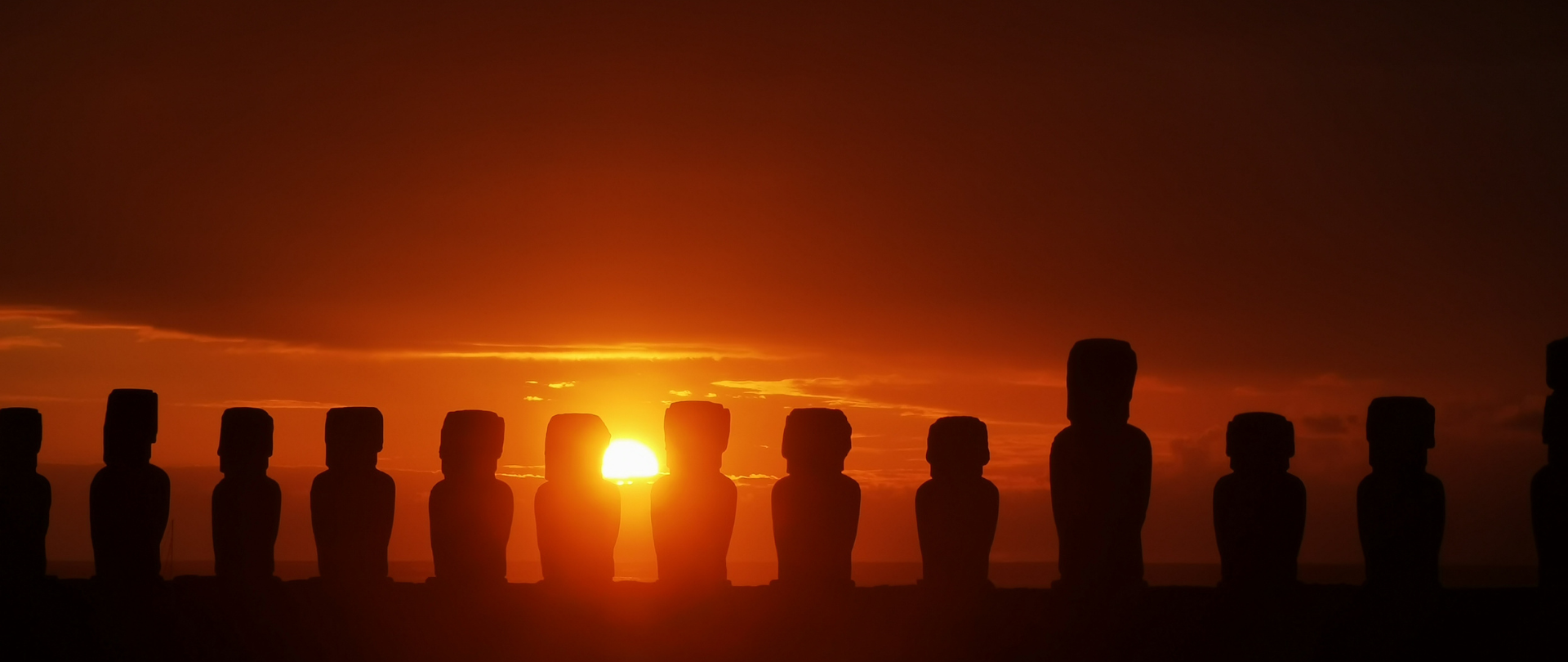
Indigenous-led conservation takes a leap forward with Rapa Nui (Easter Island)'s new partnership with Island Conservation!
July 9, 2026
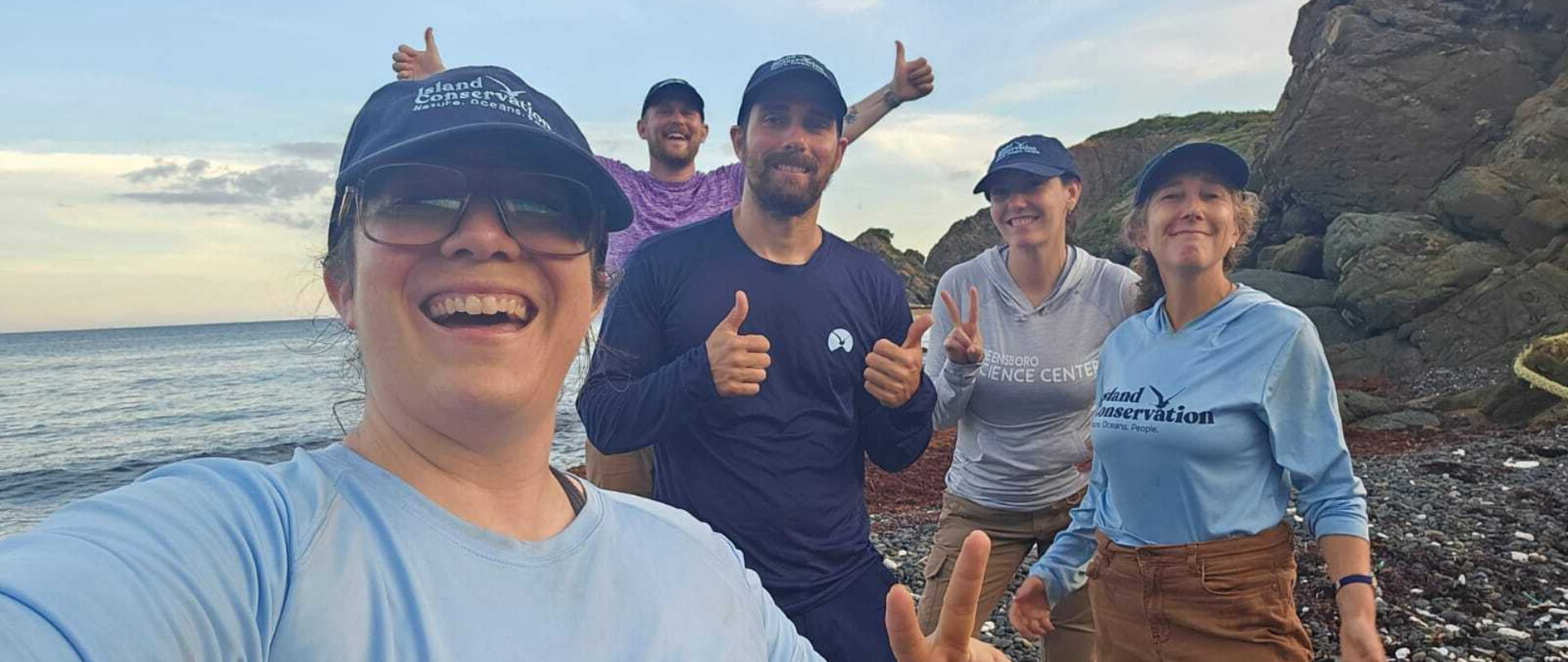
Senior Major Gifts Officer Jen Sachs shares her experience on one of Island Conservation's exciting restoration projects in the US Virgin Islands!
June 23, 2026
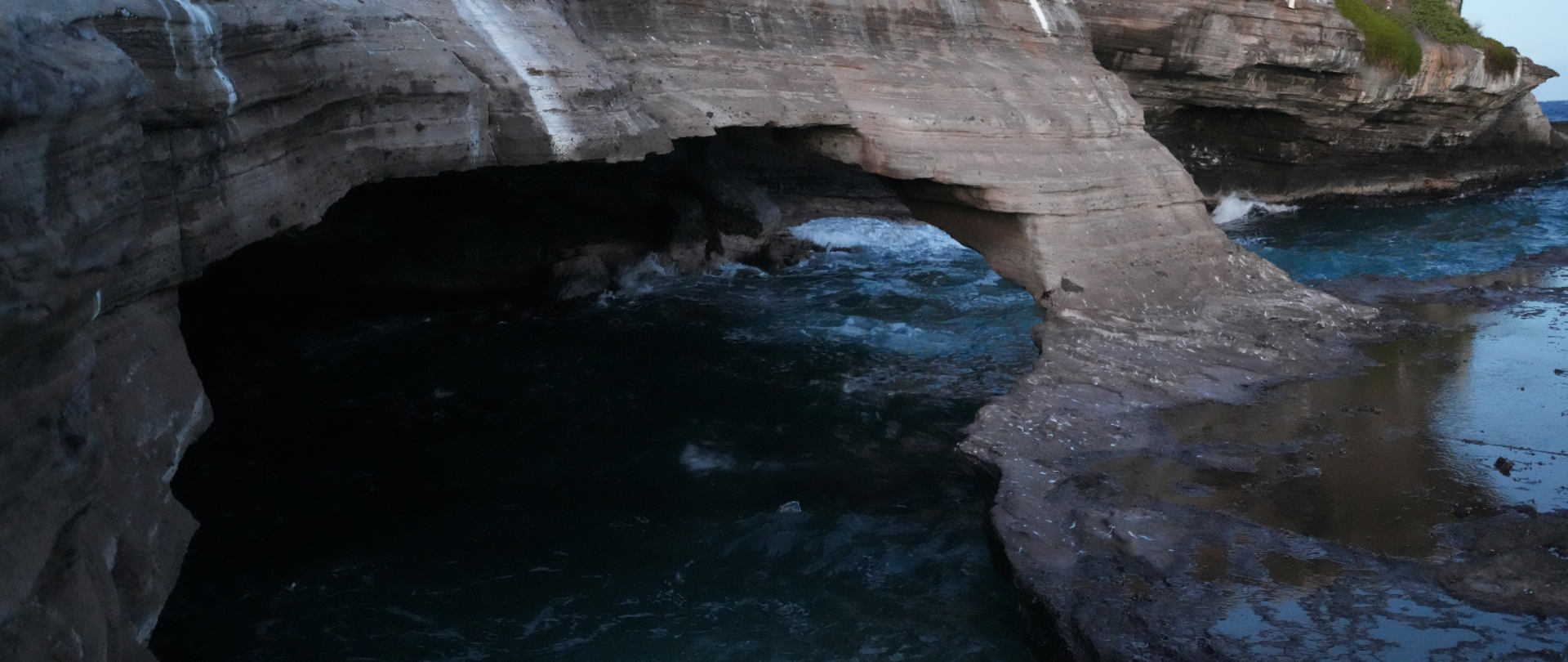
The Island-Ocean Connection Challenge announced four new restoration projects—Lehua, Tavolara, Grand Rouveau, and Zembra—at London Climate Week, expanding its global effort to restore 40 island-ocean ecosystems by 2030!
June 18, 2026
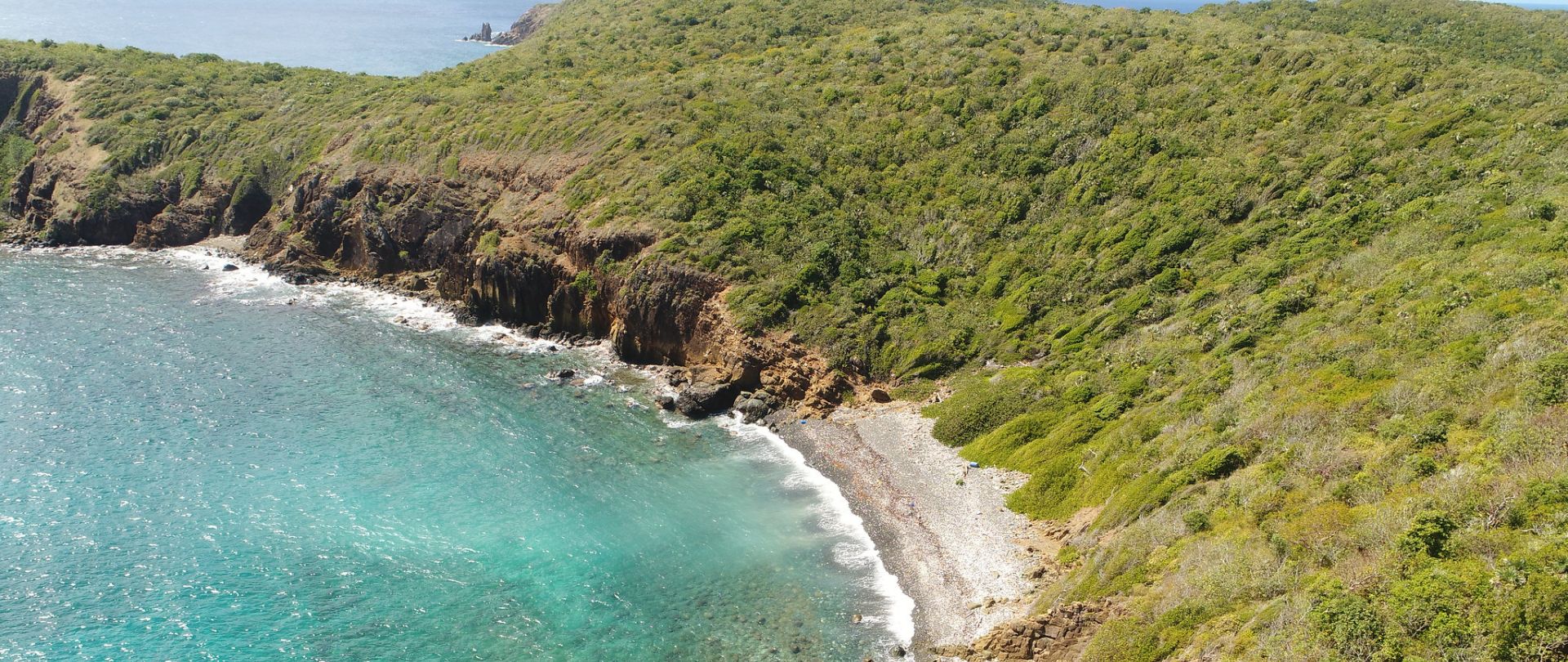
A new project to expand the range of an endangered Tree Boa is one step closer to completion!
June 8, 2026
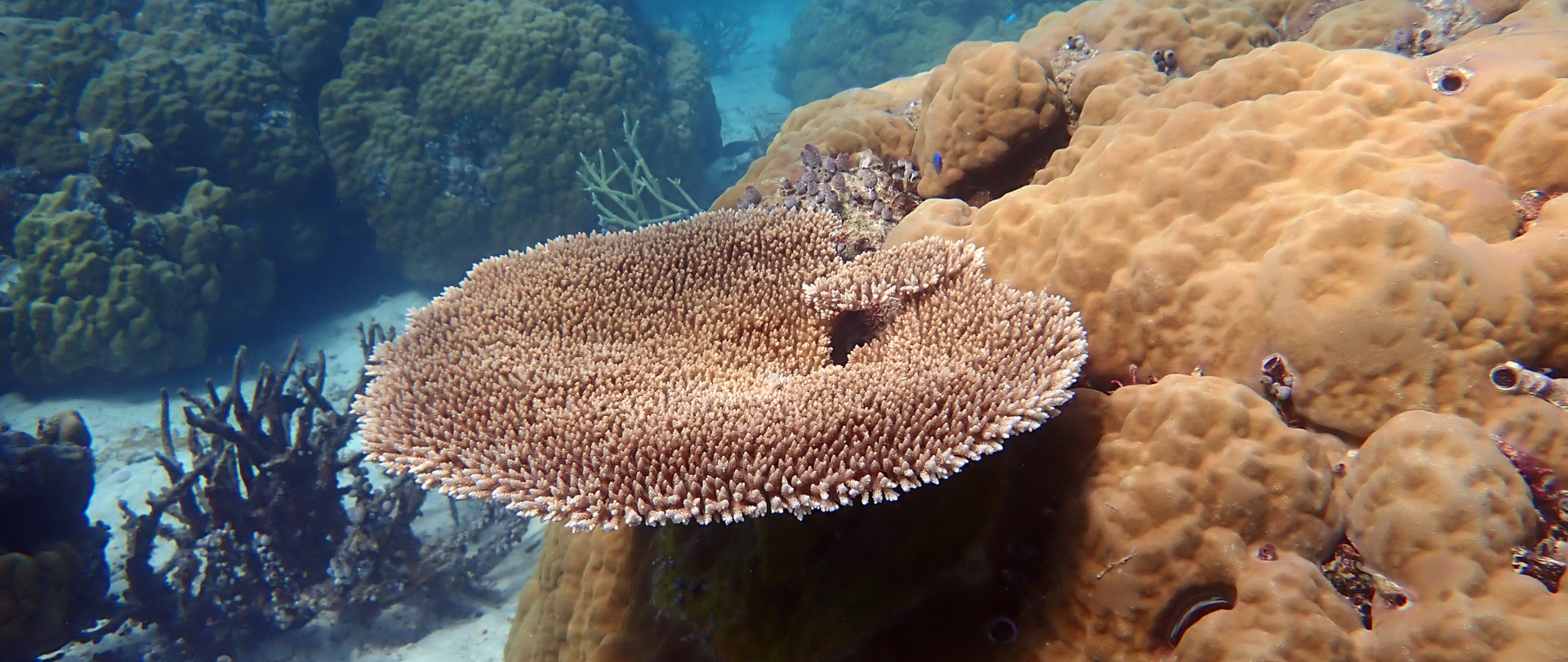
A world-first controlled experiment shows connection between seabird activity and marine health on Ulong Island!
May 20, 2026
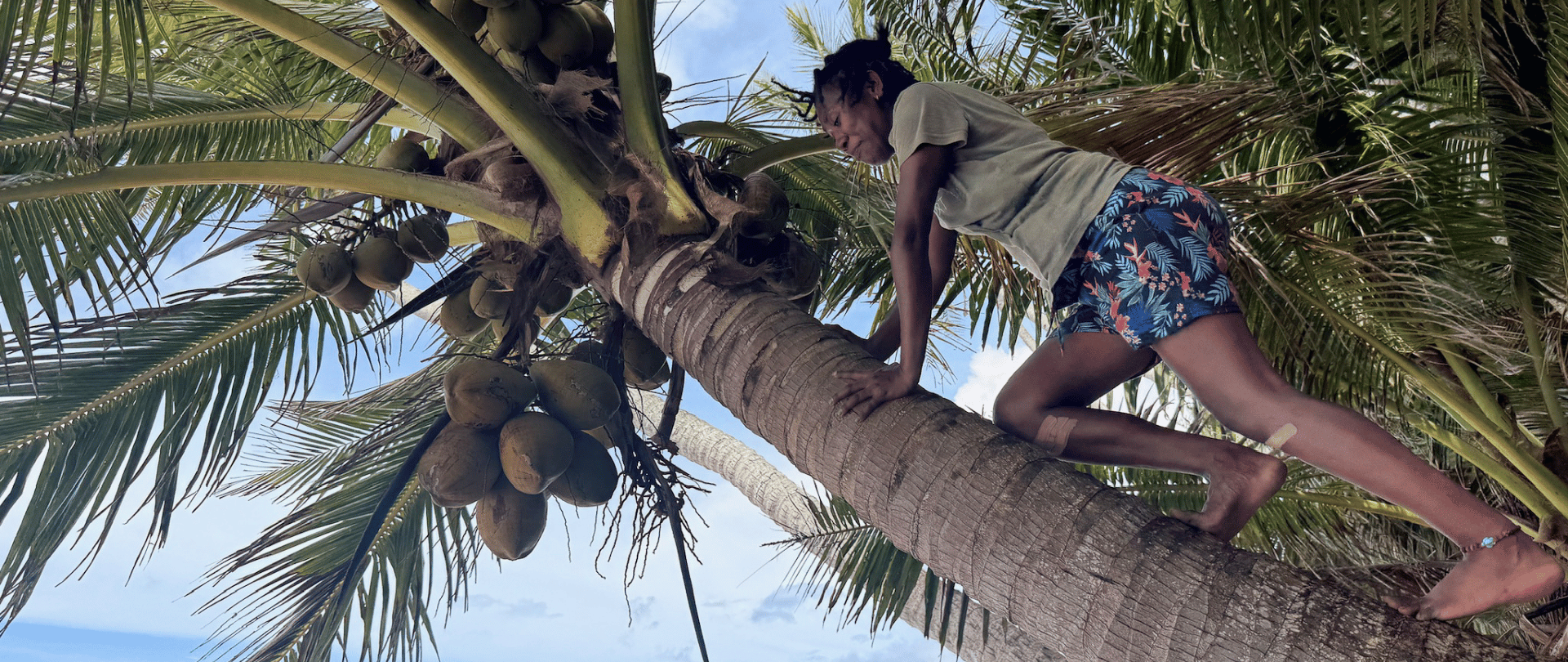
Seasonal Monitoring Specialist Cozette Romero writes about her time working and living on Niulakita in Tuvalu, helping protect the food security and livelihood of an island community!
May 13, 2026
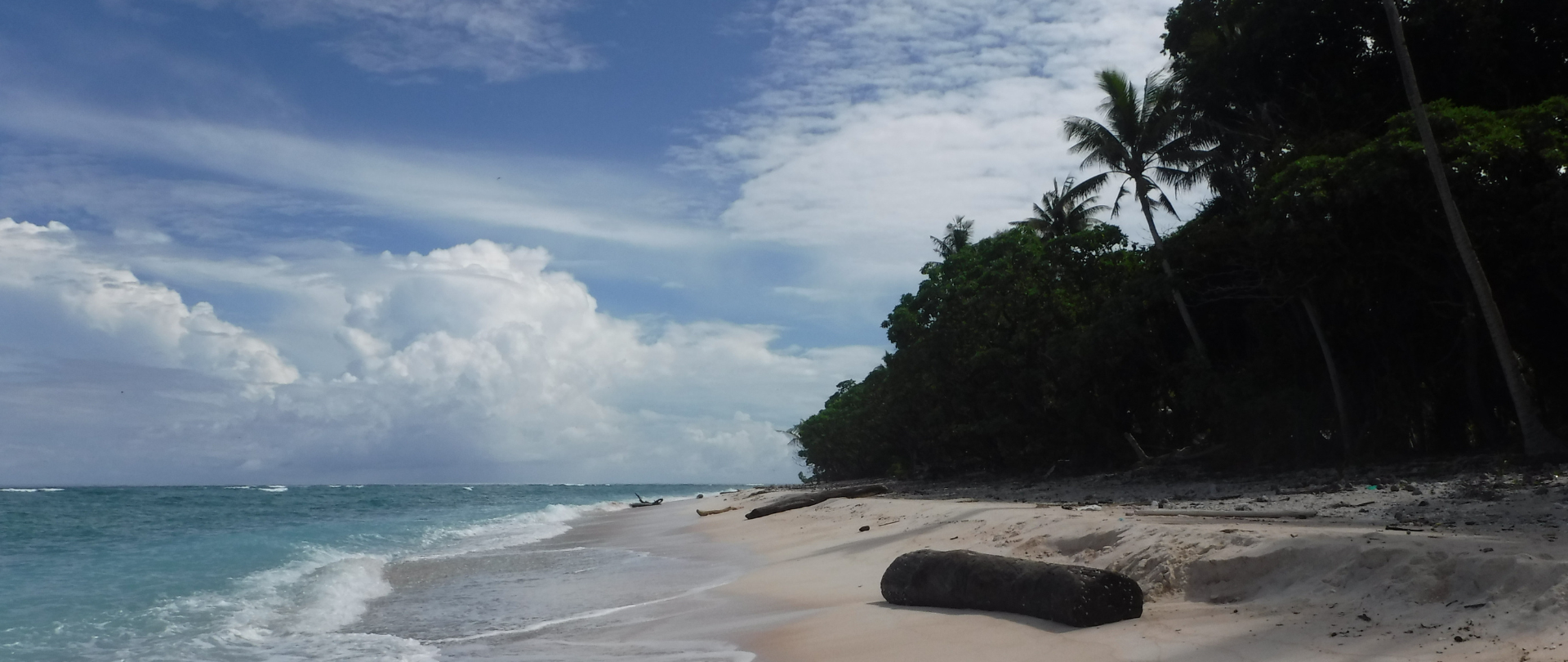
A new project in Sonsorol State, Palau aims to improve livelihoods and climate resilience through holistic environmental restoration!