September 17, 2026
Island Conservation and Robinson Crusoe Island, Chile: Growing Hope Together
On the island of Robinson Crusoe in Chile, a greenhouse feeds both a community and an islander-led conservation movement!
 Island Conservation
Imagine there is a leak in your ceiling at home and every time it rains, it just keeps getting worse. You keep replacing the buckets to collect the dripping water, but you and your family are frustrated that it is a continuous problem. One day, you decide to find and fix the source of the leak so you no longer have to worry about changing the bucket when it starts to fill up. Sounds logical, but what does this have to do with island restoration?
At a global scale, conservation has good reason to focus on islands. Islands have seen the highest numbers of extinctions in our modern age, and today are home to almost 40% of all animals known to be critically endangered. Shockingly, invasive species are linked to 86% of these extinctions. The removal of invasive species from islands is a proven tool for preventing extinctions.
Nearly 30 years ago, two professors from the University of California, Santa Cruz – Bernie Tershy and Don Croll – took this idea and ran with it: We can save extraordinary diversity of life from disappearing forever by addressing the primary threat – invasive species.
Now, almost three decades and hundreds of success stories later, we are continuing the work that the small but mighty team started. And along the way, we noticed the window we opened up for connector species to shine.
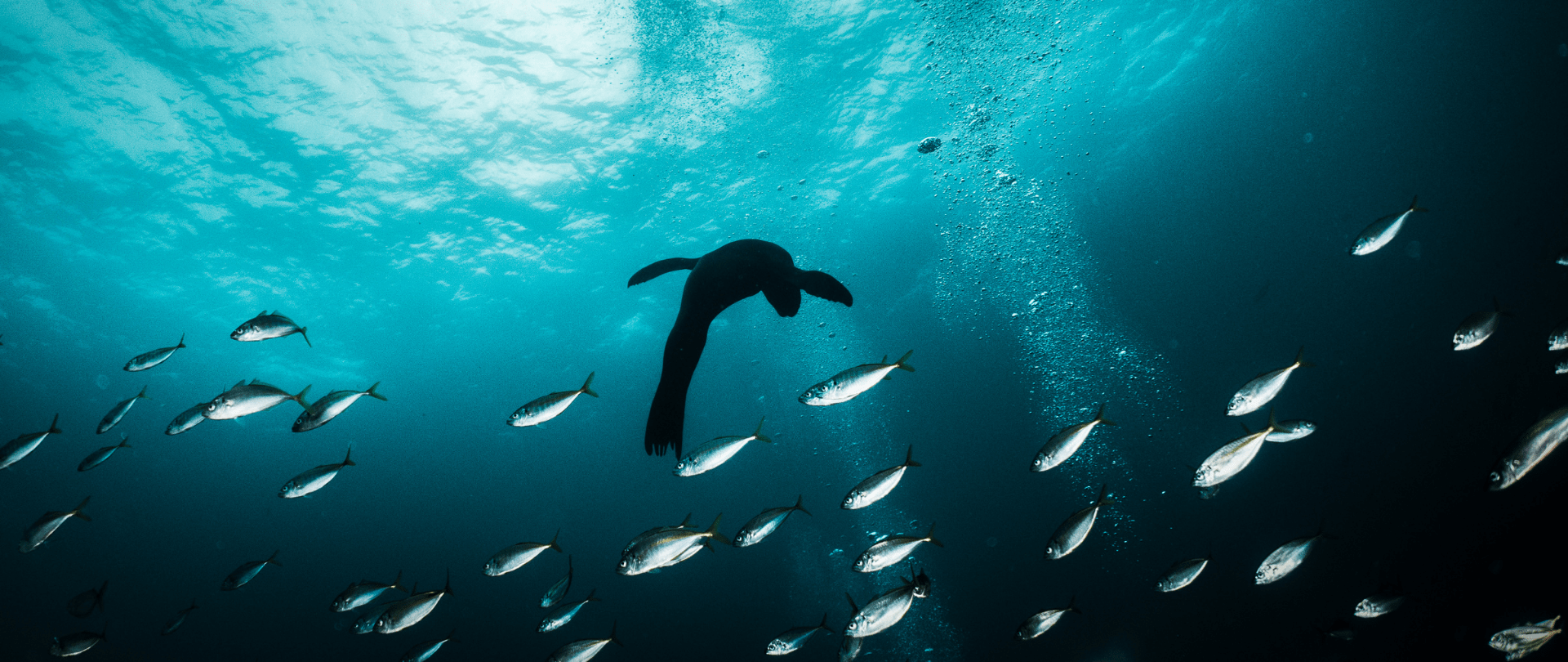
We know that islands support some of the most valuable ecosystems on Earth, with a disproportionate amount of rare plants, animals, communities, and cultures found nowhere else. But healthy island-ocean ecosystems depend on a flow of nutrients in a process that connector species (like seabirds and seals) help facilitate. For example, research shows that islands with high seabirds populations that feed in the open ocean and bring large quantities of nutrients to island ecosystems through guano deposits, are associated with larger fish populations, faster-growing coral reefs, and increased rates of coral recovery from climate change impacts.
However, many seabird species have been driven to local or global extinction (or near-extinction) due to invasive non-native mammals, such as rats. The consequence when we lose these connector species is often an ecosystem collapse – both on land and in the sea. This is how we address the root cause of the issue, you know – fixing the leak, not changing the bucket – and it is why Island Conservation offers one of the largest returns on investment in the environmental space.
On Palmyra Atoll, we found a 5000% increase in native trees after the removal of invasive rats. On Pinzón Island in the Galápagos, the Giant Tortoises returned to nest after more than 150 years. And on many islands where invasive species ravage the local food supply, restoration efforts rebuild food security.

Bird-lover, novelist, and Island Conservation supporter Jonathan Franzen once said:
“If you care about endangered species, there’s no bigger bang for your buck than island restoration, and Island Conservation is the world leader in this crucial work.
Money given to intelligently targeted conservation groups, such as Island Conservation, produces immediate, concrete, and lasting results. If you want to do something for biodiversity, this is how you do it. The need is urgent, and the goals are achievable.”
If you want to make a big change toward a healthier planet, this is it – and donating to Island Conservation is how you can make it happen.
We have some big things in the works that we have laid out for 2024 and beyond. Help us take flight as we hit our 30th year by donating today! We recently were awarded a 100% rating on Charity Navigator, indicating our organization is using its donations effectively, allowing you to give with confidence. If you are searching for another way to support the work of Island Conservation, such as gifts of stock, employer matching gifts, cryptocurrency or non-cash gifts, you can find your path here!
Thank you for helping securing a future for the animals and people that depend on islands worldwide. Together, we are building bright spots of thriving healthy ecosystems across the globe.

Check out other journal entries we think you might be interested in.
September 17, 2026
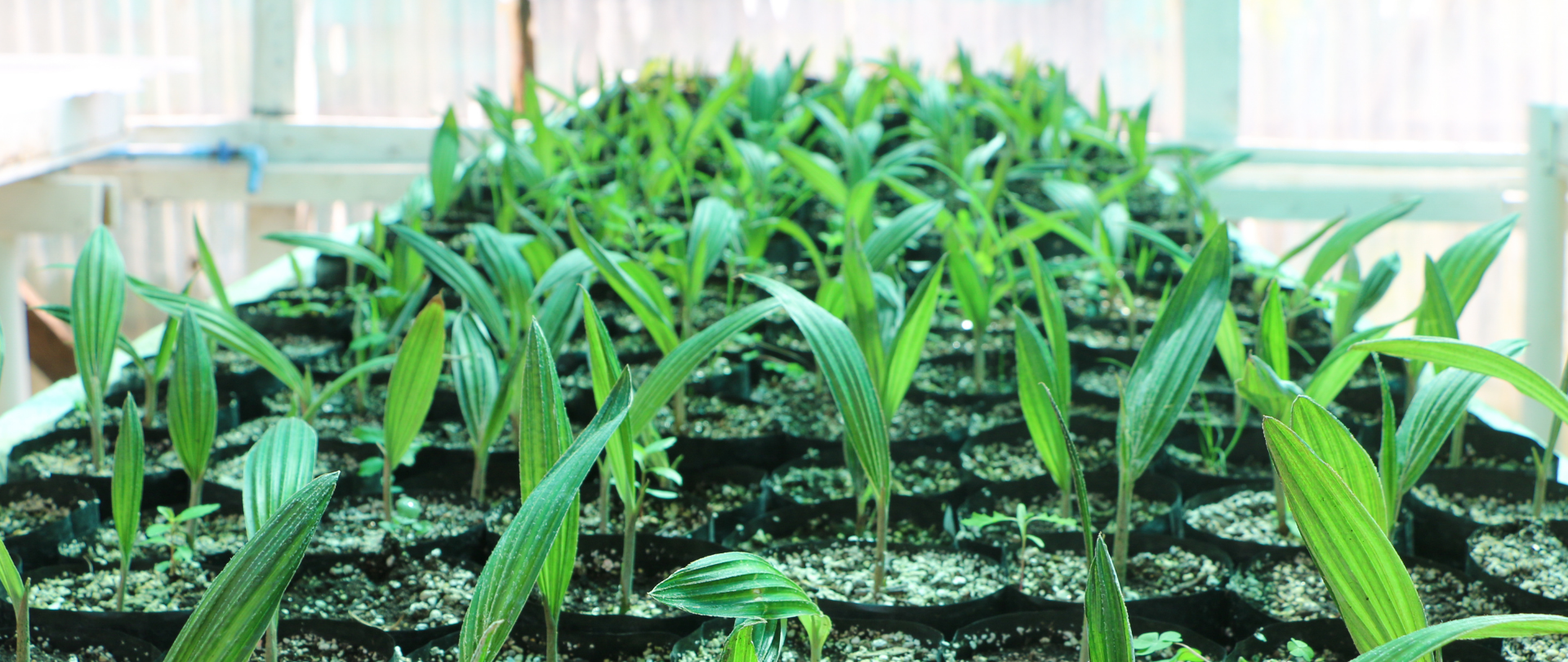
On the island of Robinson Crusoe in Chile, a greenhouse feeds both a community and an islander-led conservation movement!

September 9, 2026
El Niño doesn't create weak ecosystems; it reveals them. Find out how resilient islands can survive and bounce back from stress caused by El Niño!

August 25, 2026
A new study reveals the role fungi play in the restoration and recovery of rare, resilient atoll ecosystems!

July 28, 2026
Happy World Nature Conservation Day! Read Penny Becker's article published by the Outreach Network for Gene Drive Research.

July 17, 2026
Three different animals show how connector species prop up island-ocean ecosystems!
July 9, 2026
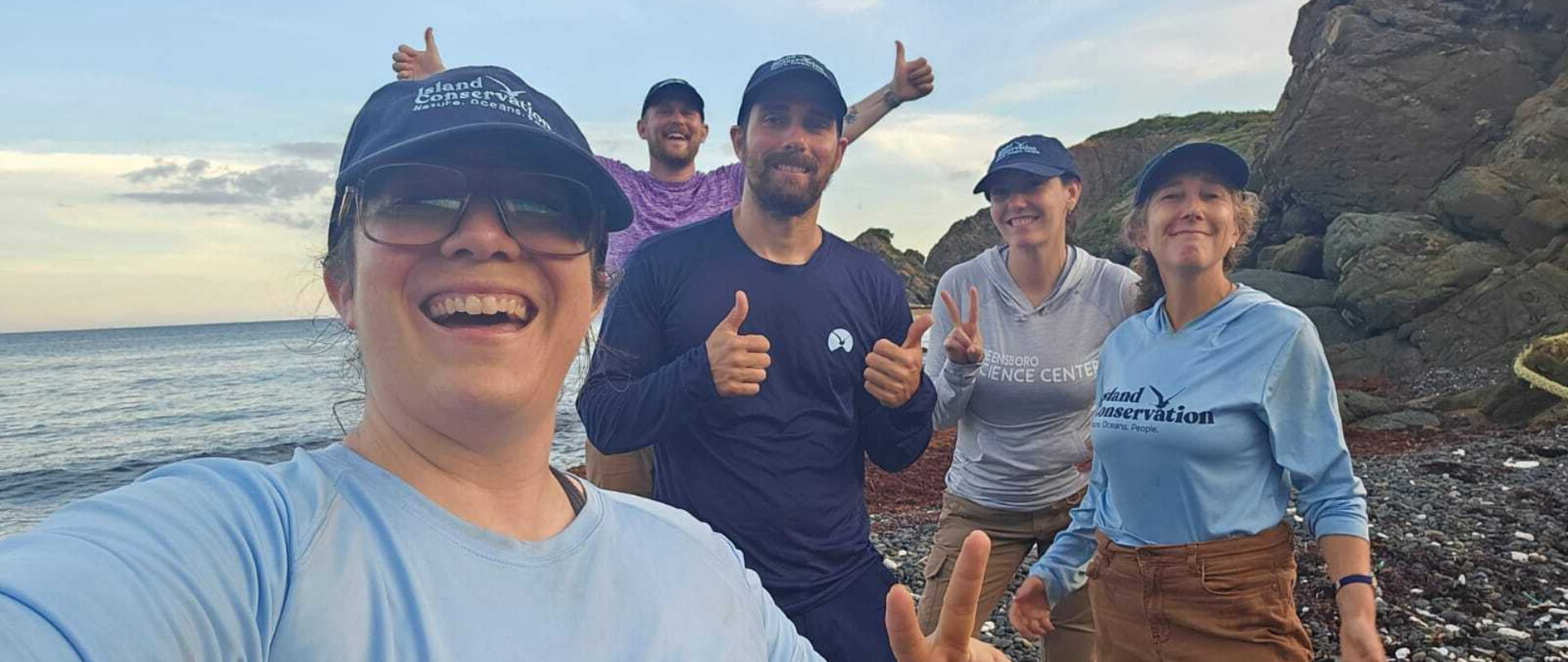
Senior Major Gifts Officer Jen Sachs shares her experience on one of Island Conservation's exciting restoration projects in the US Virgin Islands!
July 2, 2026
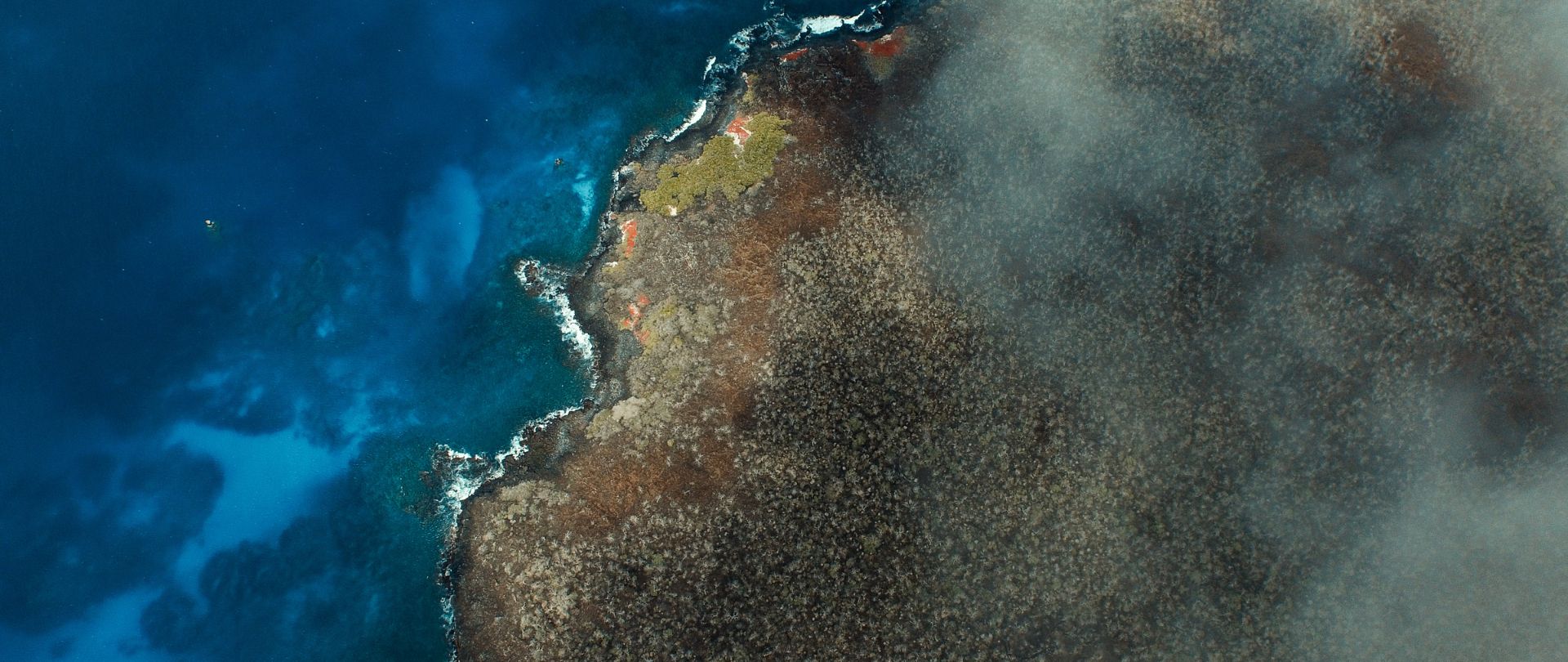
Invasive species have caused over $12 billion in damages to island ecosystems, creating an urgent need for strengthened biosecurity measures!
June 23, 2026
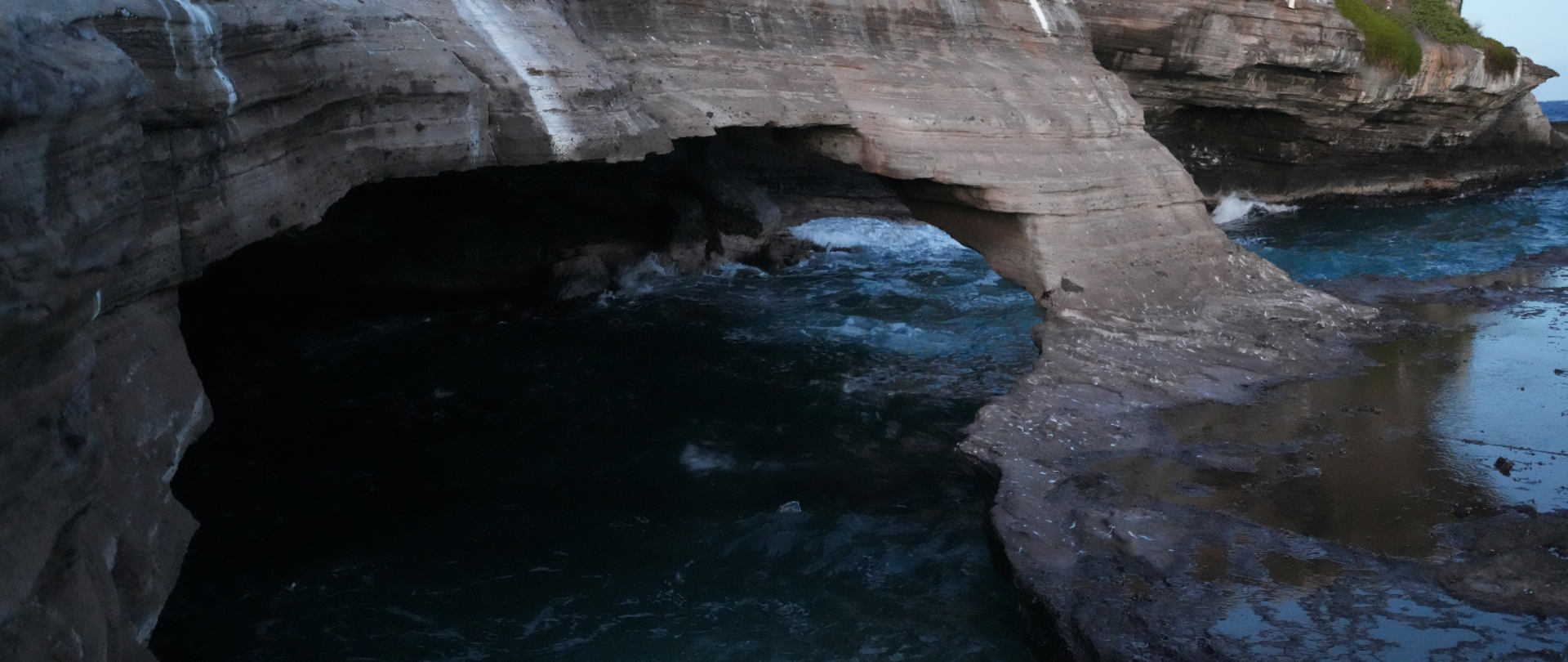
The Island-Ocean Connection Challenge announced four new restoration projects—Lehua, Tavolara, Grand Rouveau, and Zembra—at London Climate Week, expanding its global effort to restore 40 island-ocean ecosystems by 2030!
June 8, 2026
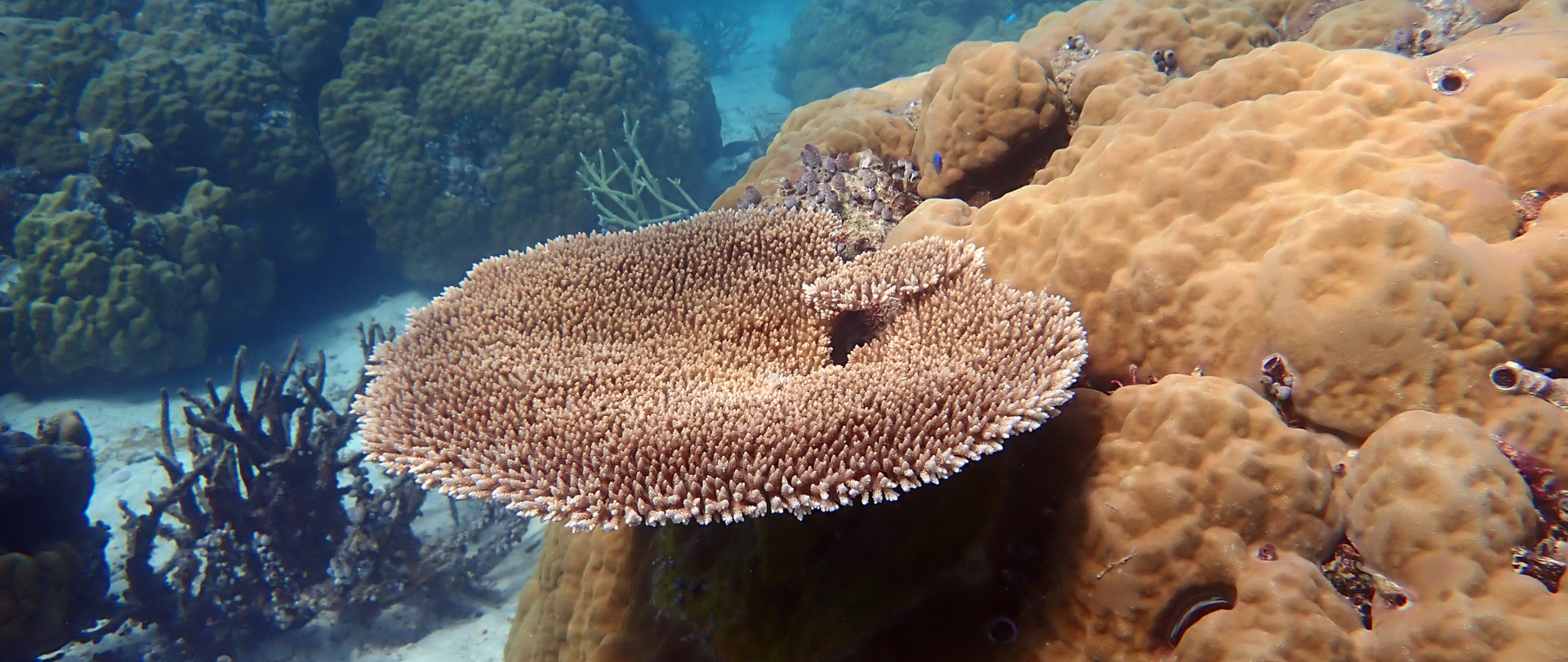
A world-first controlled experiment shows connection between seabird activity and marine health on Ulong Island!
April 14, 2026
A historic moment: Wake Atoll is restored and thriving!