August 25, 2026
Fungi Connectors Underground: What Palmyra Atoll Is Teaching Us About How Island Ecosystems Recover
A new study reveals the role fungi play in the restoration and recovery of rare, resilient atoll ecosystems!
 Island Conservation

Ecosystem recovery actions completed
Restoration sites
Islands monitored with satellite technology
Local community members building conservation skills and sharing knowledge
Increase in monitoring efficiency
Papers co-authored by staff
This year, together with island communities, partners, and donors, we restored habitats, removed damaging invasive species, protected islands and the ocean, and brought back native and at-risk wildlife across 20 island ecosystems.
The result of these actions? Improved livelihoods, stronger climate resilience, bolstered food and economic security, enhanced ocean health, species protected that were on the brink of collapse, and incredible transformations from ecosystems in decline to stories of hope.
We teamed up with National Geographic photographer Andy Mann to create our latest short film about our work.
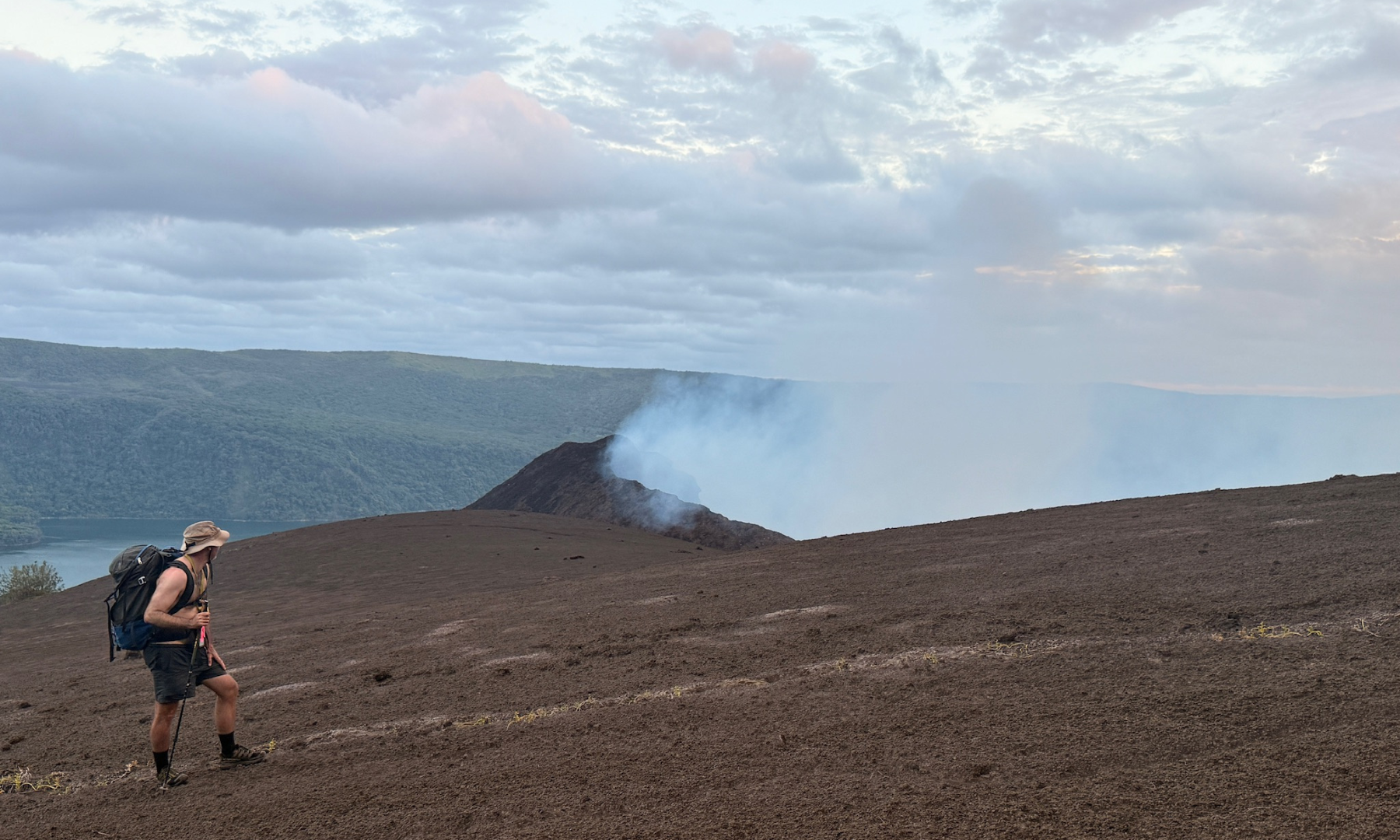
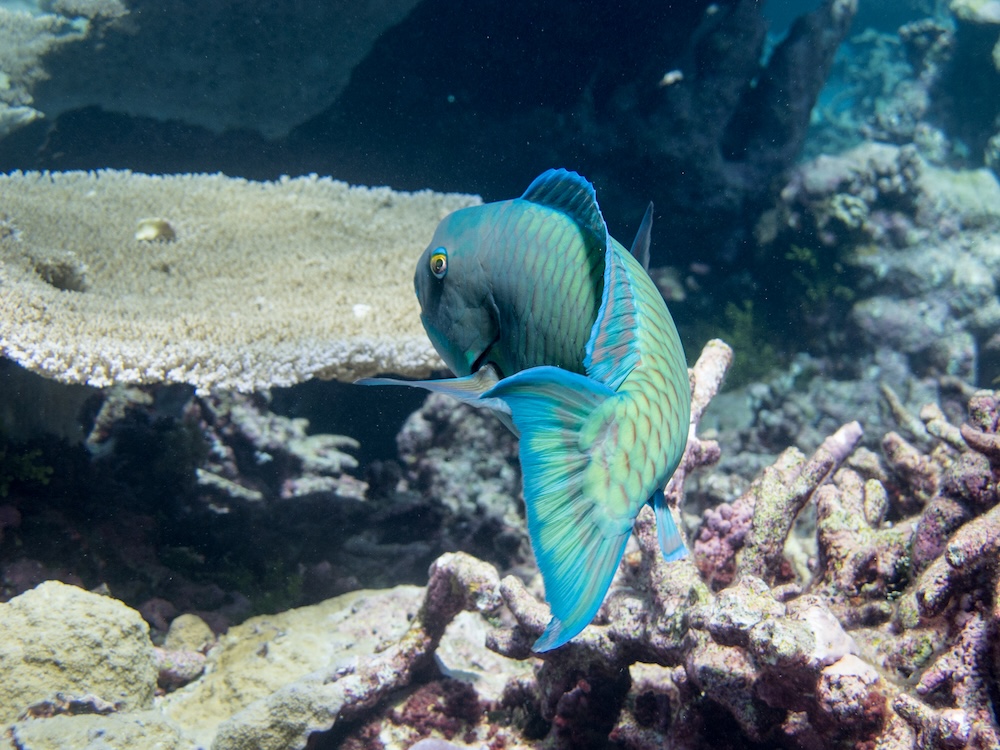
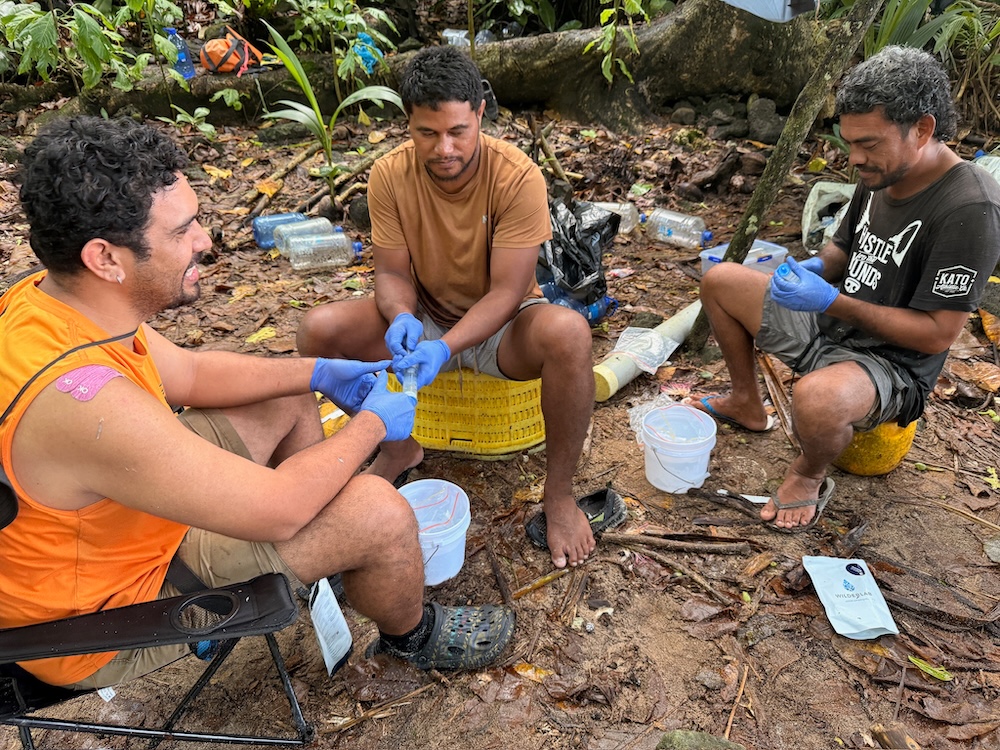
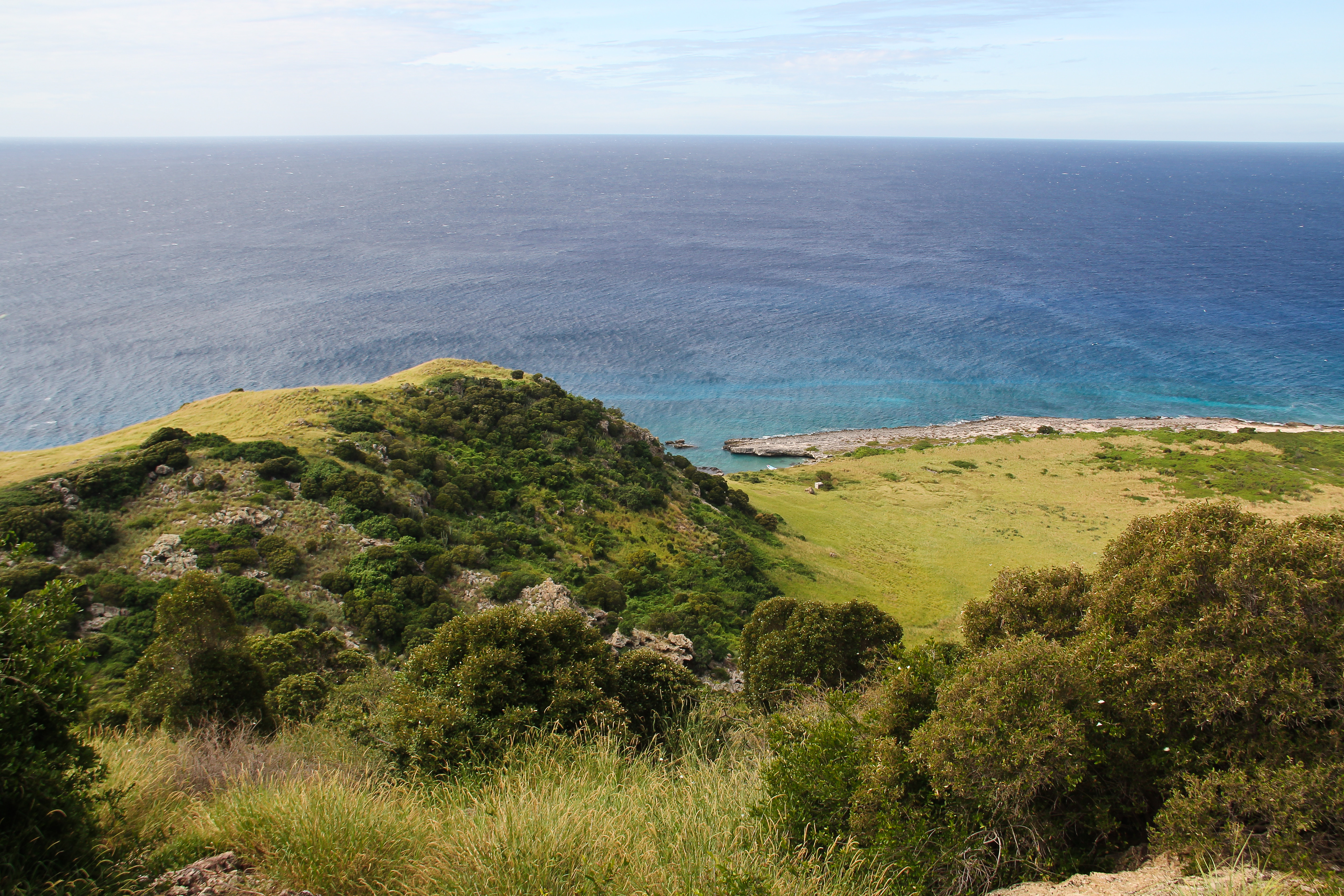

Our Innovation Team is helping conservationists do more with less in remote island environments.
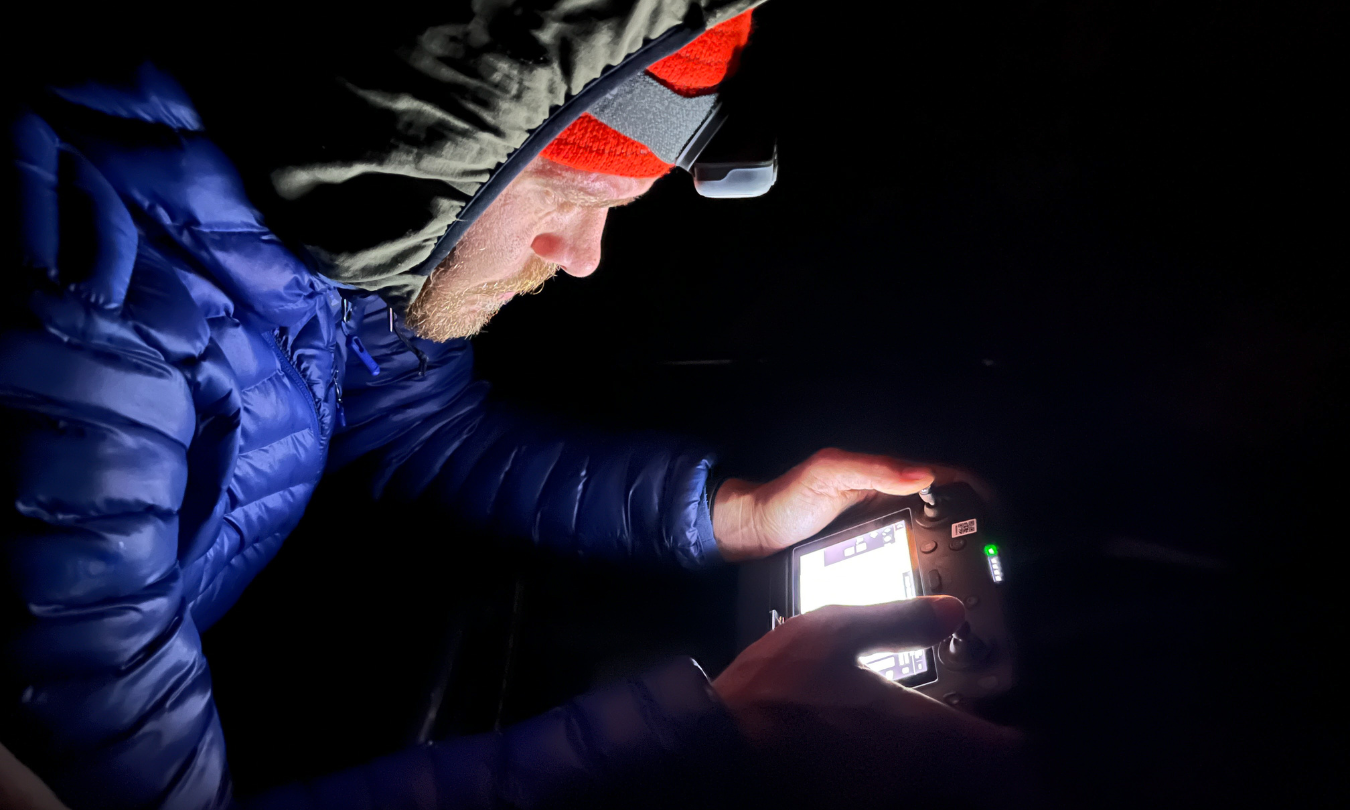
This year, we developed and installed the Smart Islands Monitoring System on Floreana Island, Galápagos, combining AI-enabled cameras, long-range connectivity, wildlife tracking, and real-time data to speed up decisions. We also advanced heavy-lift drone tools on Niulakita Island, Tuvalu, making restoration possible where conventional methods are too costly, difficult, or impossible.

Island Conservation Island Restoration Specialist, Cozette, with the Niulakita community in Tuvalu.
The most powerful stories about islands come from the people who know them best.
This year, we launched the Island Restoration Storytellers Circle to amplify voices from island communities engaged in restoration. So far, seven Storytellers have joined the circle to share their own words on what connects healthy islands, thriving communities, and resilient oceans.


Verónica Jimena Mora Flores
Floreana Island, Galápagos
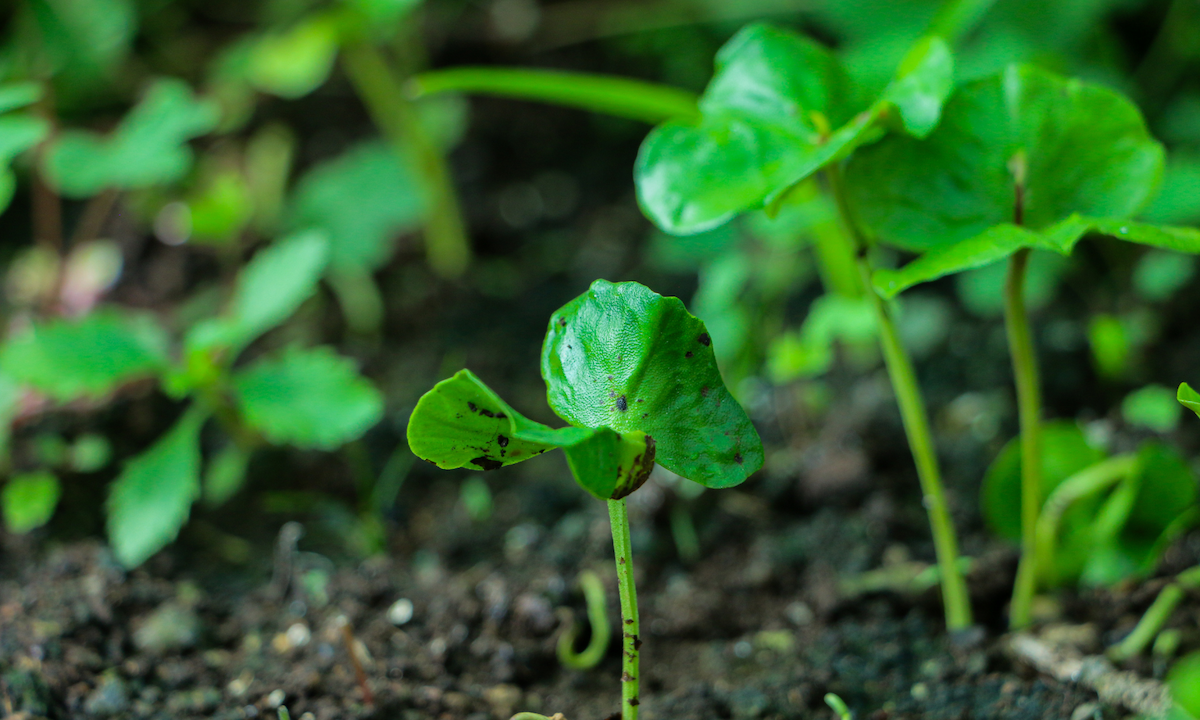
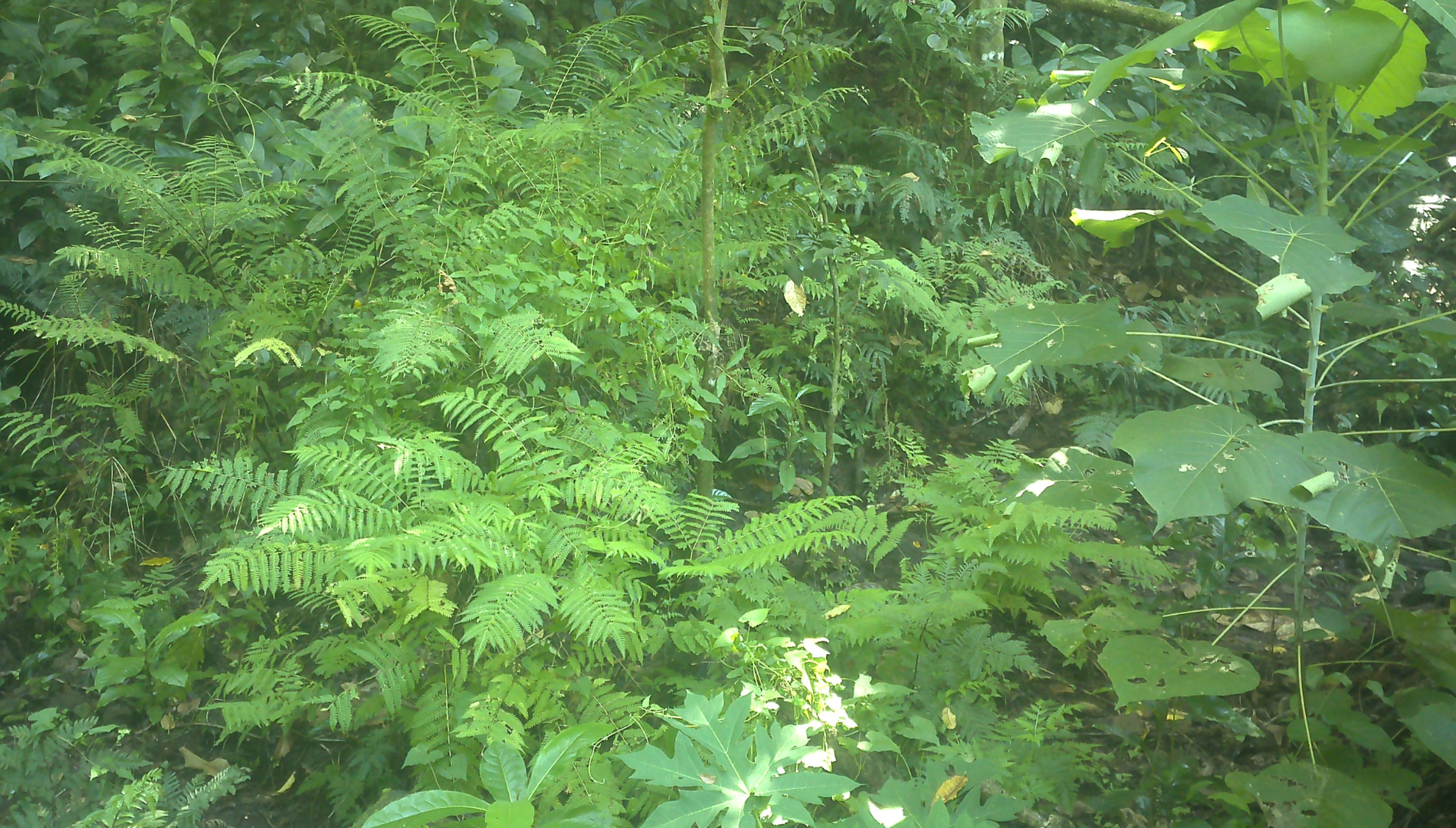
Nu’utele Island is home to one of the last native forests in Samoa, but in 2025 we saw a degraded ecosystem with accelerating erosion due to the impacts of invasive species. In 2026, just seven months after restoration, we saw big changes. The forest is coming back to life, with booming native plants that are now stabilizing the soil and preventing erosion.
Use the slider to move between September 2025 and April 2026.
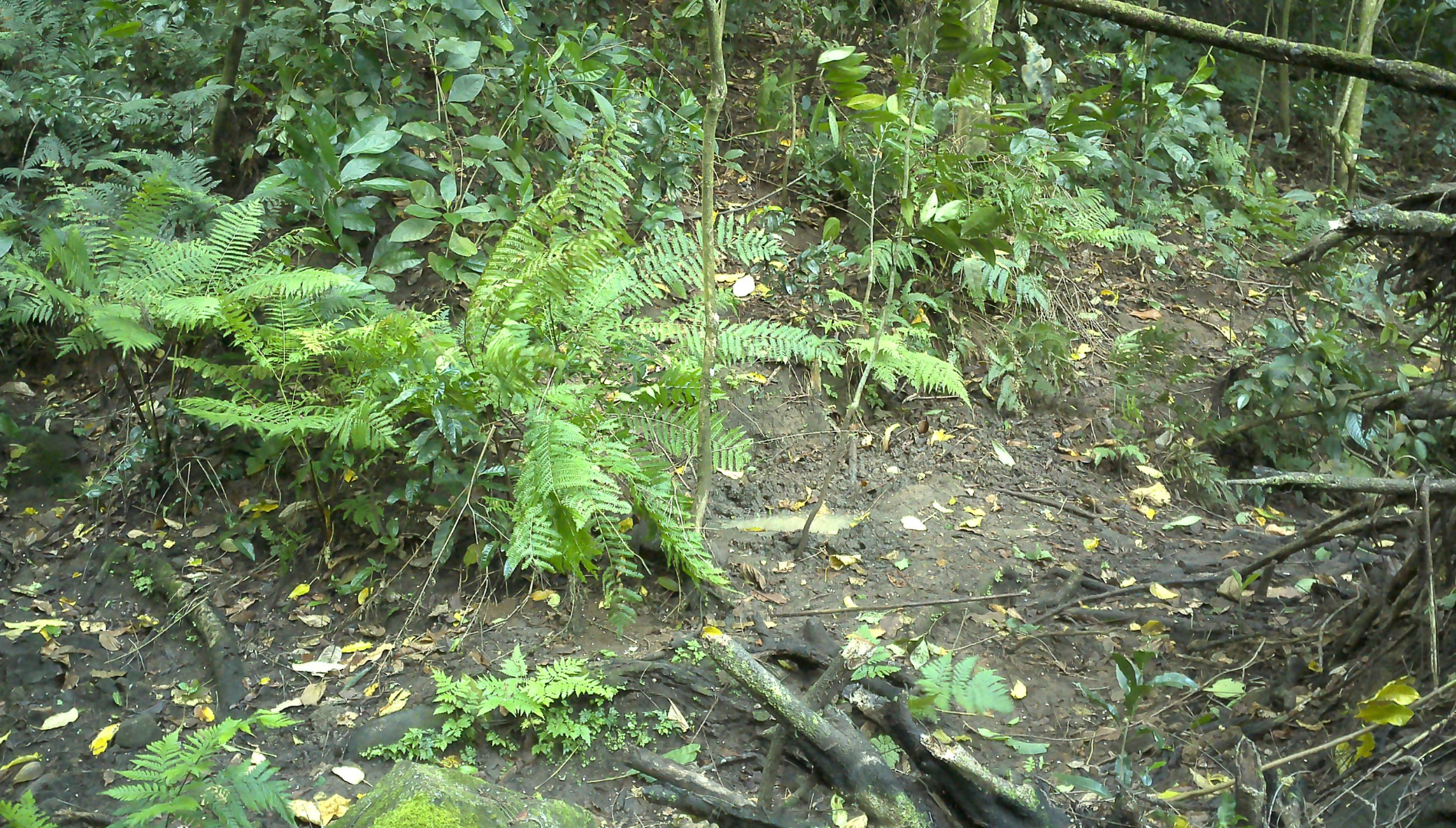
Our work is rooted in science, and our team is the force driving it forward. Alongside our partners, we’re building a growing body of research and evidence for how island restoration benefits nature, climate, and communities, turning new knowledge into more effective conservation.

August 25, 2026
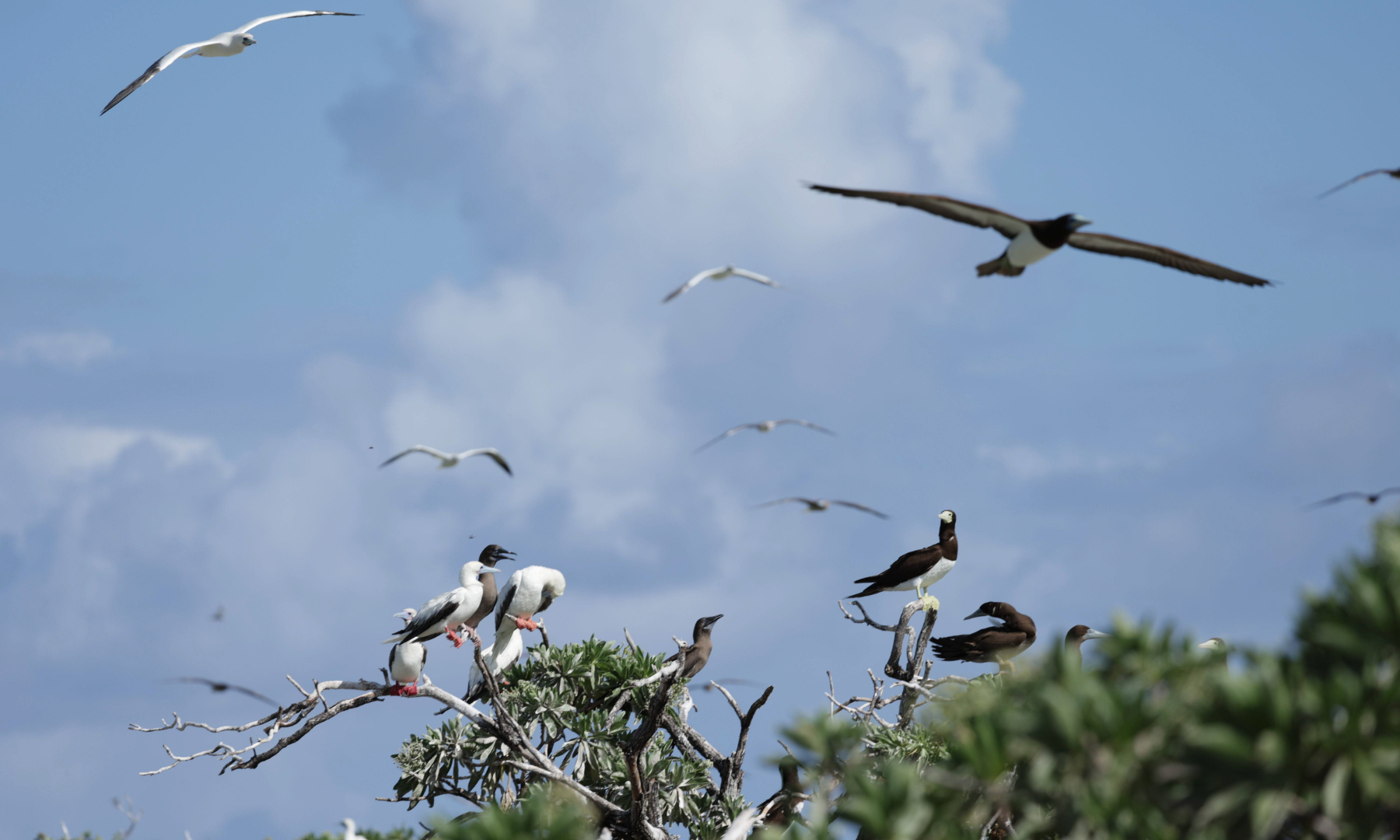
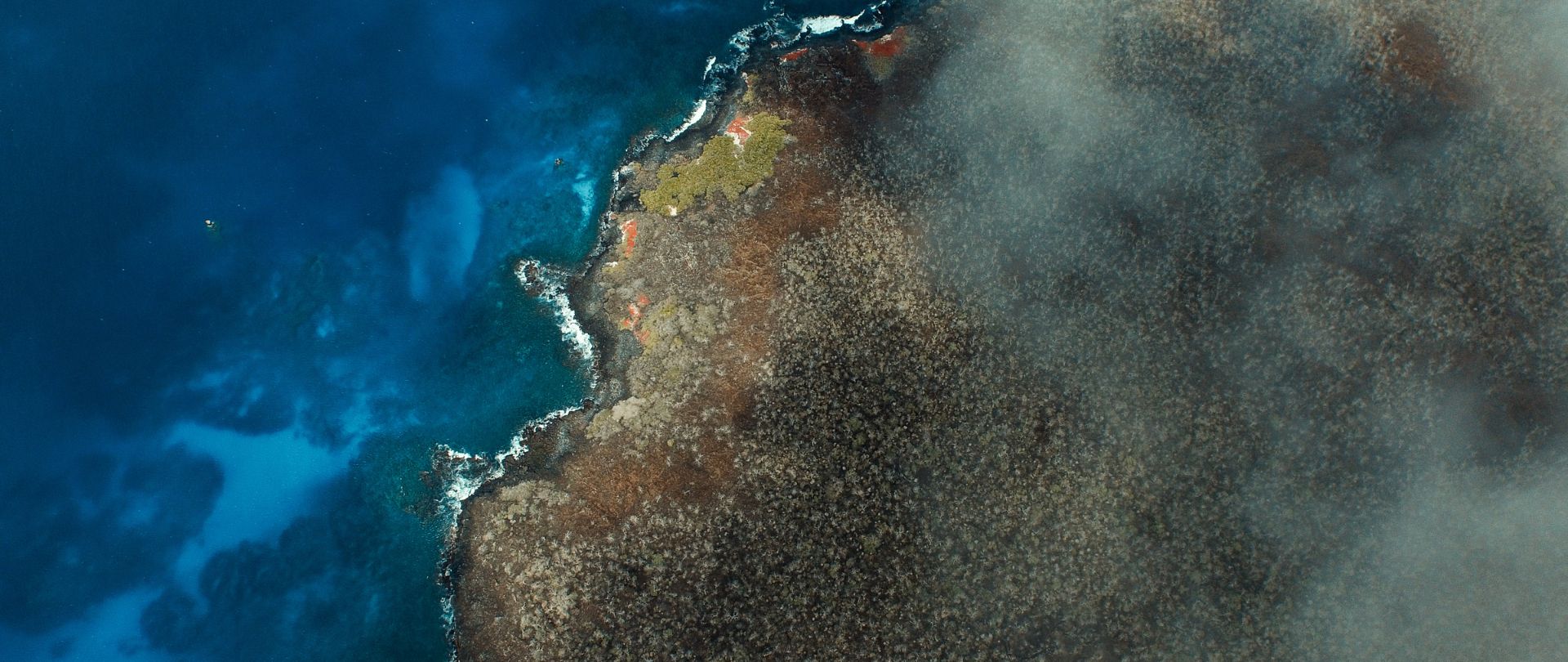
A new study reveals the role fungi play in the restoration and recovery of rare, resilient atoll ecosystems!
July 2, 2026
Invasive species have caused over $12 billion in damages to island ecosystems, creating an urgent need for strengthened biosecurity measures!
June 8, 2026
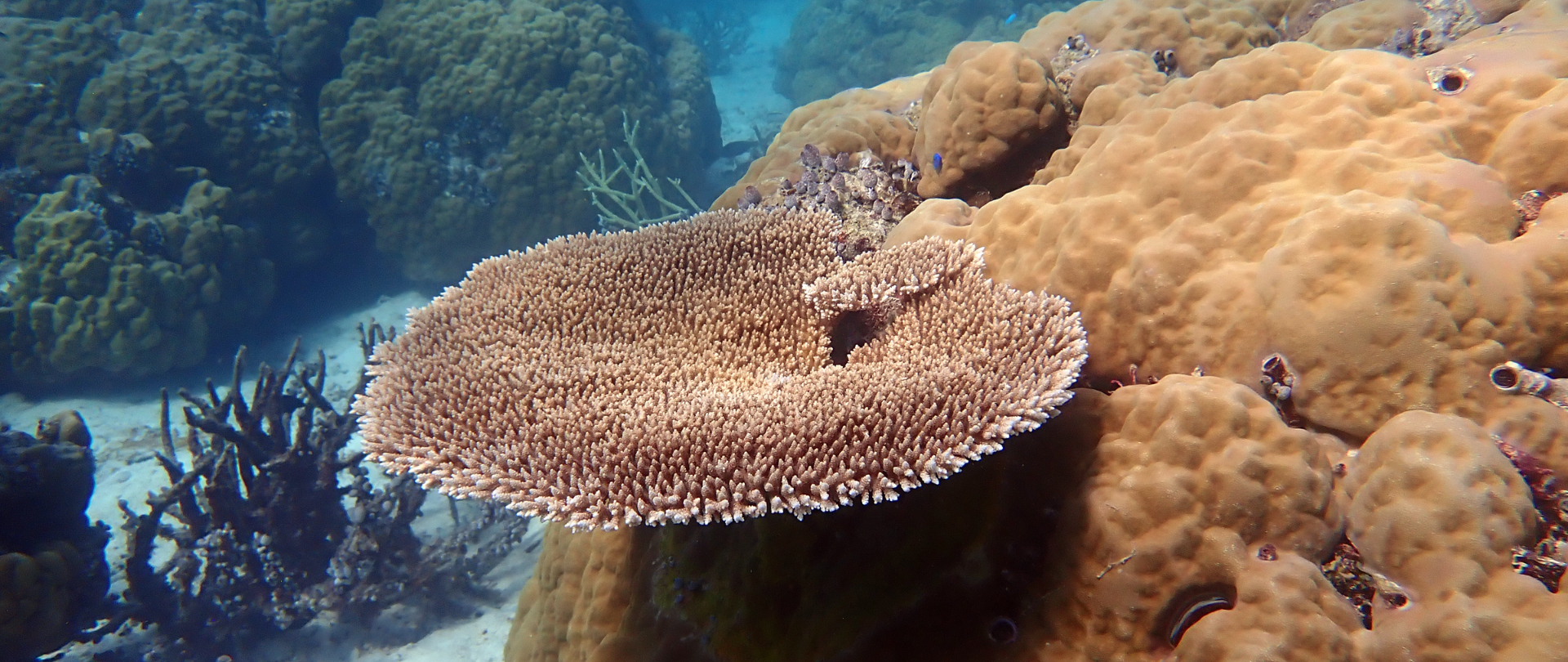
A world-first controlled experiment shows connection between seabird activity and marine health on Ulong Island!

January 22, 2026
Our Senior Director of Impact & Innovation, David Will, explains the importance of the Circular Seabird Economy for nutrient transfer!
December 4, 2025
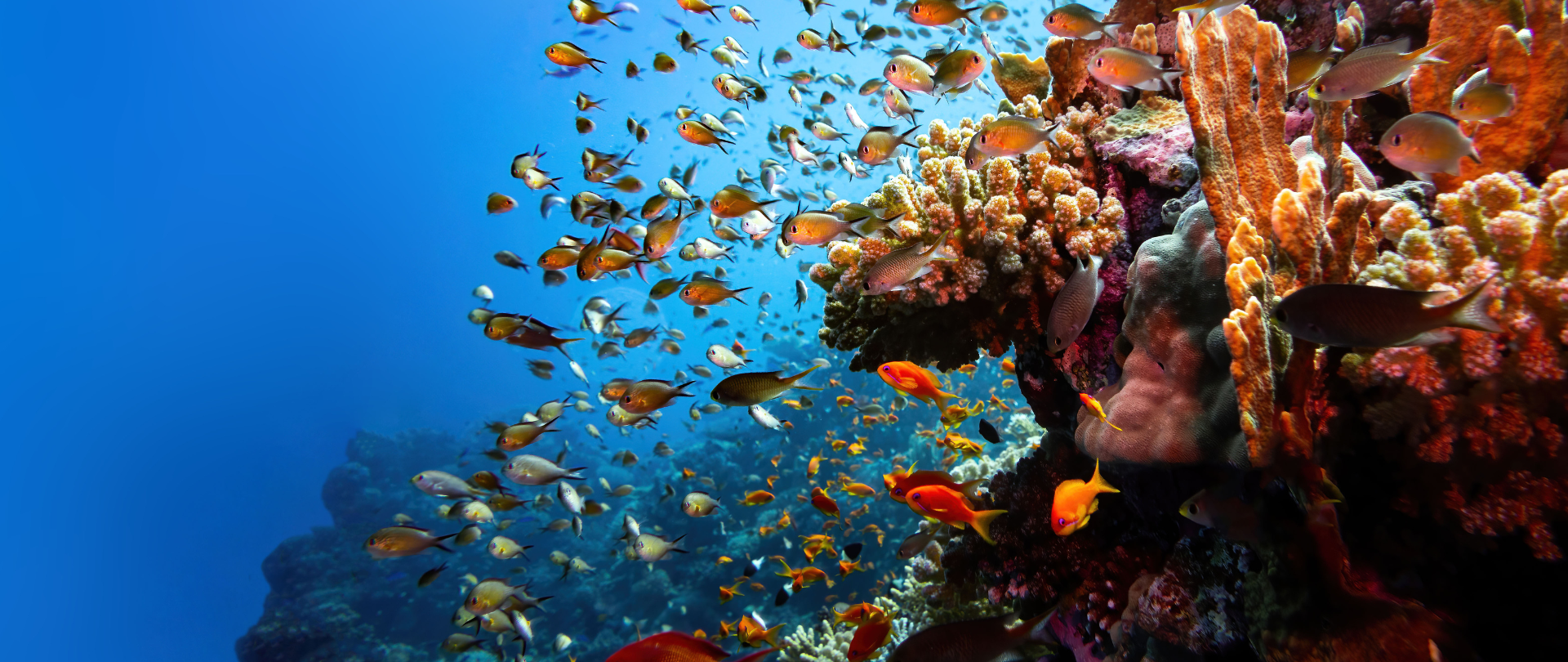
A new study reveals how seabirds, connector species between land and sea, play a huge role in the health of coral reefs!
November 25, 2025
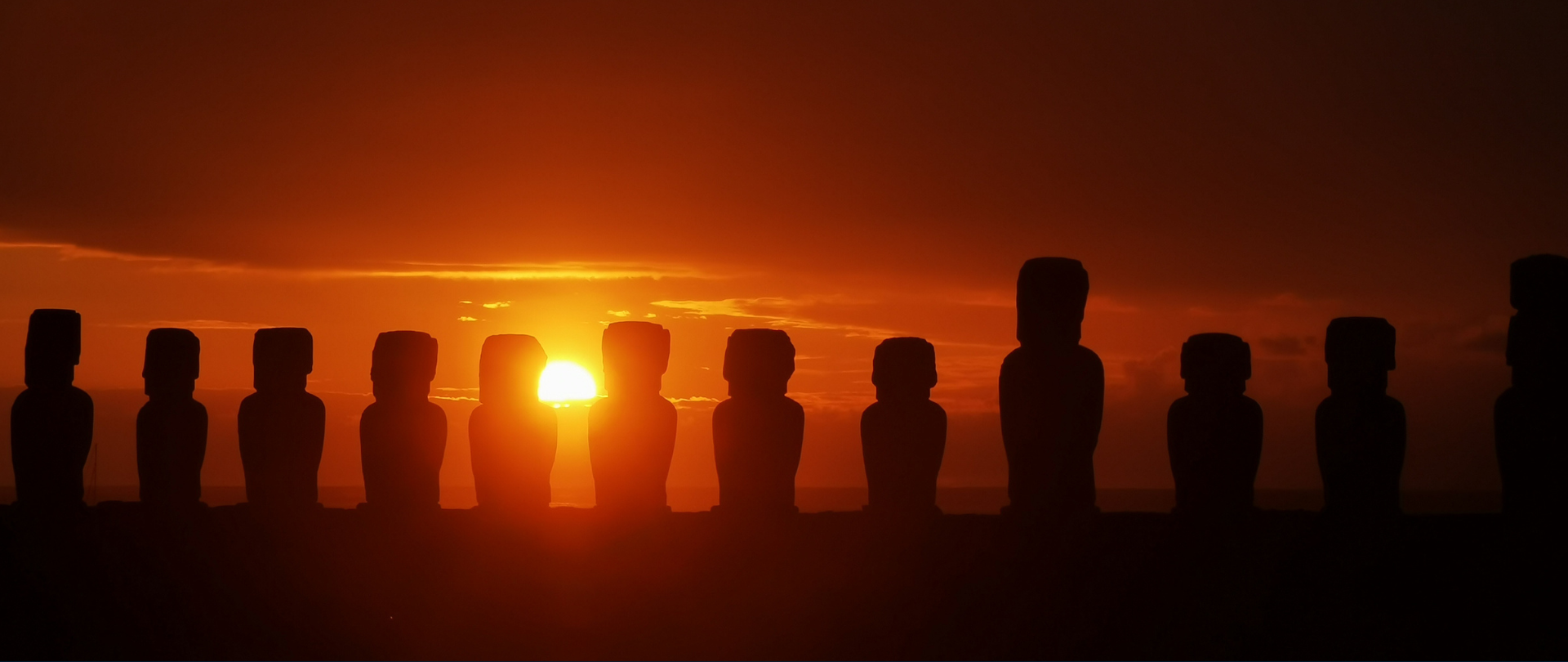
A new scientific paper is changing the way we understand Rapa Nui (Easter Island)'s ecological history!
October 26, 2025
A new study shows the power of seabirds to drive entire ecosystems by circulating nutrients between land and sea!
In 2022, we launched the Island-Ocean Connection Challenge (IOCC) campaign to restore and rewild 40 globally significant island-ocean ecosystems by 2030. This year, we expanded its reach, welcoming 5 new projects and growing to 27 islands across the Pacific, Atlantic, Caribbean, and Mediterranean.
Ecosystem recovery is already emerging at IOCC restoration sites. Manx Shearwaters bred on Rathlin Island in Northern Ireland for the first time in decades, while Ulong Island, Palau’s landmark study documented the first-ever evidence of seabird-driven land-sea recovery.
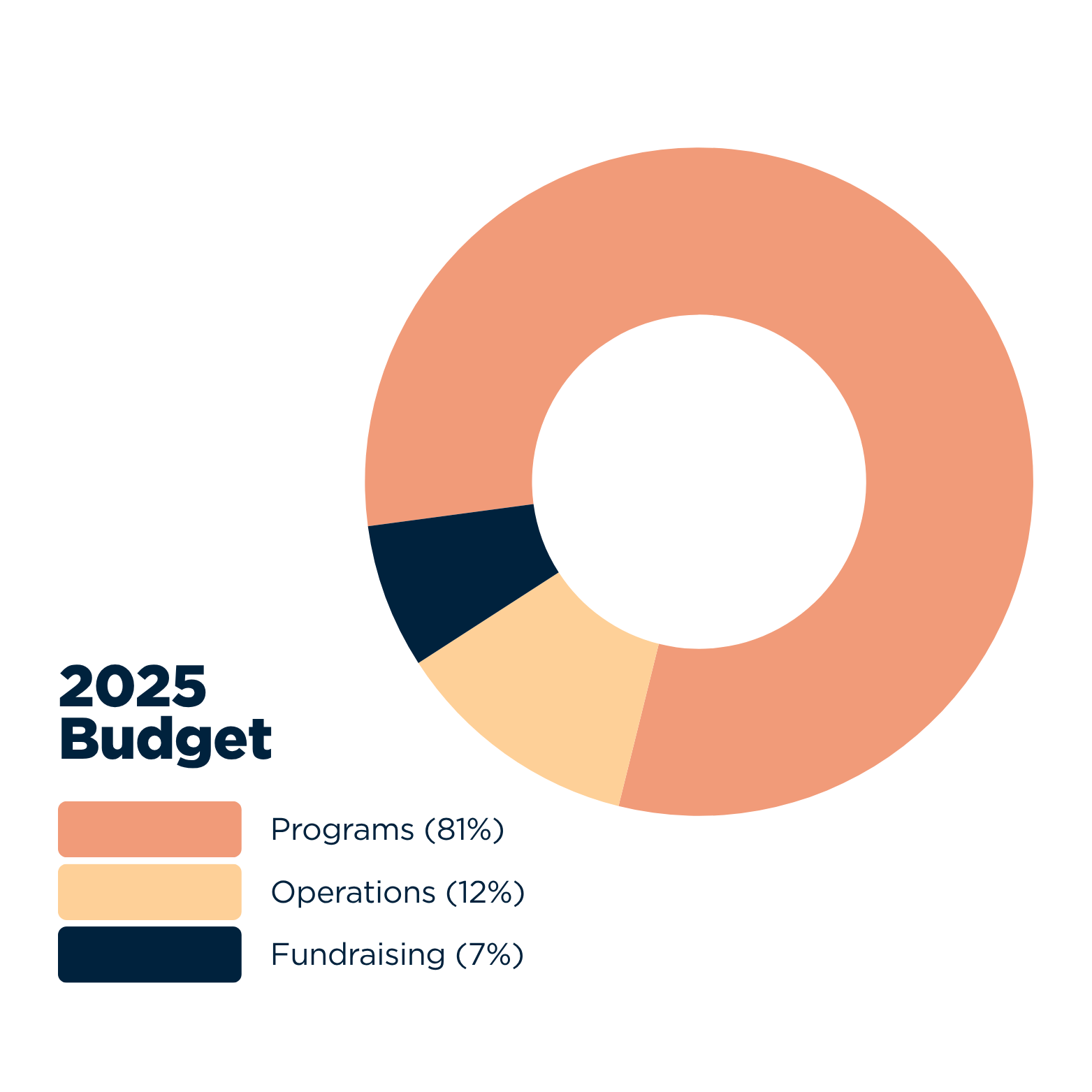
Together, we’re putting your generosity to work where restoration is needed most. With 81% of our budget dedicated to conservation programs, we’re advancing island restoration worldwide and scaling approaches that deliver lasting results.
Our commitment to financial health, accountability, and transparency has earned Island Conservation another four-star rating from Charity Navigator. Growing our Endowment Legacy Fund strengthens that foundation for generations to come.
Interested in leaving a legacy for nature, the ocean, and people? Explore our Gift Planning Guide to learn how you can join the Islands Forever Society.
Thank you to our inaugural Islands Forever Society members: Amy Belledin, Scott and Vicki Fields, Floyd and Brenda Goolsby, Alice Hoffman, Euan Kennedy, Richard and Nancy Mack, J. Bailey Smith and Trudi Green Smith, and James Torgerson
Every accomplishment in this report belongs to our supporters. Thank you to everyone who was part of our collective mission this past year. You made a real difference for the planet, and we hope you’re as proud of these results as we are.
We would like to thank and acknowledge our inaugural Sea of Islands Circle members. These members, like the network of islands that inspired the name, reflect the power of individuals coming together to create something far greater than any one of us could accomplish alone.

The members of our Board of Directors and Advisory Council contribute their time, share their expertise, help fund our programs, and bring others into this work because they believe in what we can accomplish together.
Much of that commitment happens behind the scenes but is part of every success celebrated in this report. We are deeply grateful for their generosity that strengthens our organization, opens doors, and helps guide our work forward.

Ted Haffner
Island Conservation Advisory Council Member
Our impact is rooted in partnership. Working with more than 200 institutional partners, including community organizations, governments, and conservation groups, we bring together people, resources, and shared knowledge to advance restoration efforts that are grounded in local leadership.
We are grateful for the commitment, collaboration, and support that expand what we can accomplish together.


Behind every result in this report are people who bring their skills, time, and determination to our mission every day. Across islands, offices, and time zones, our global team of staff and volunteers turn a shared vision into impact.
Thank you to our team for the perseverance and heart they bring to restoring islands every day.
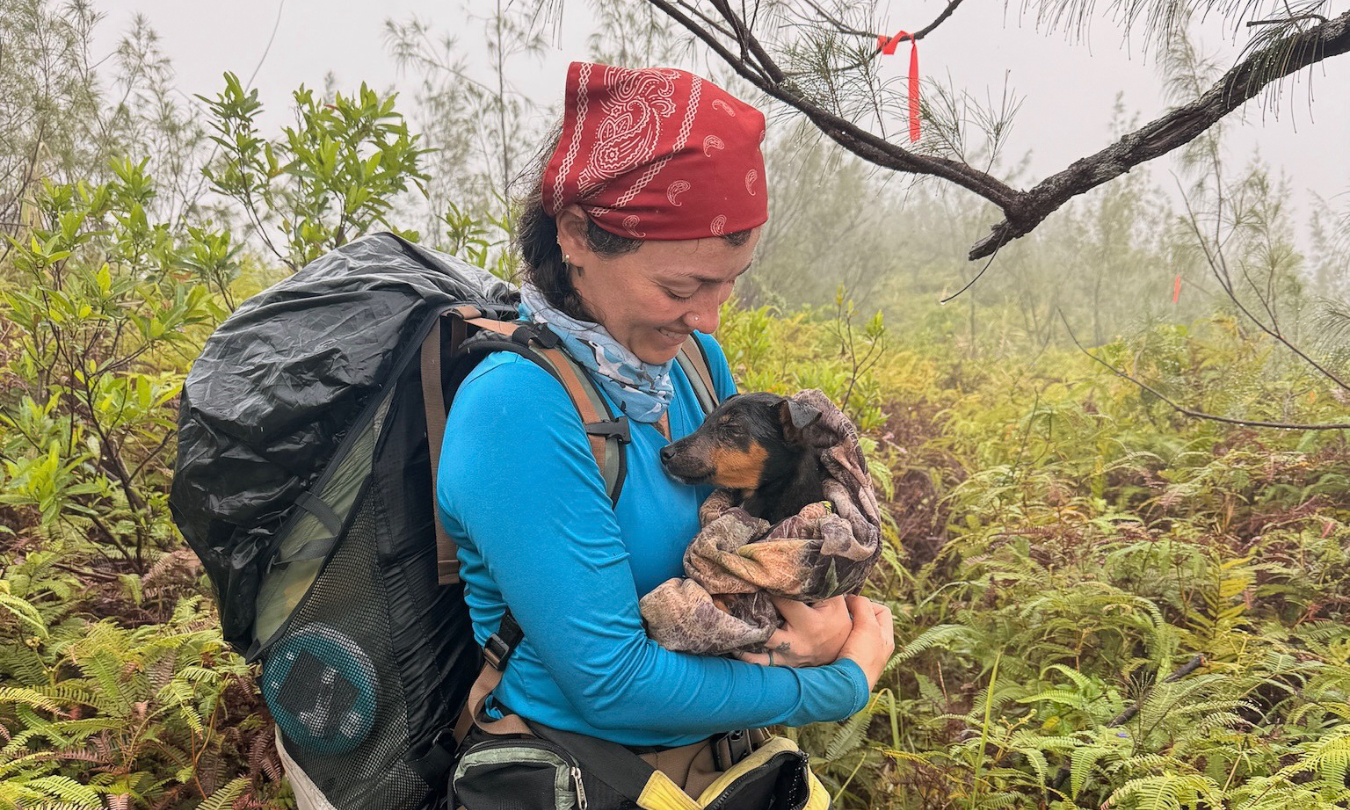
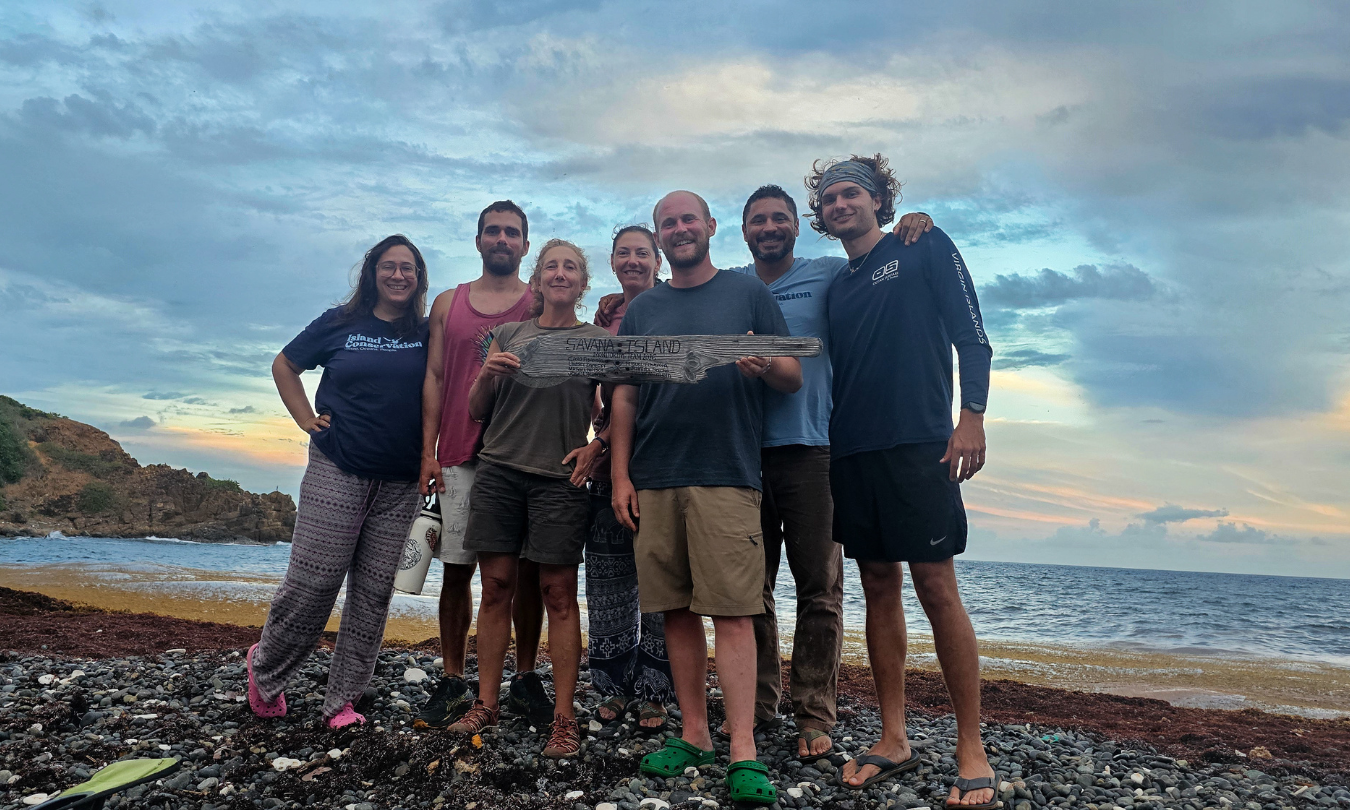
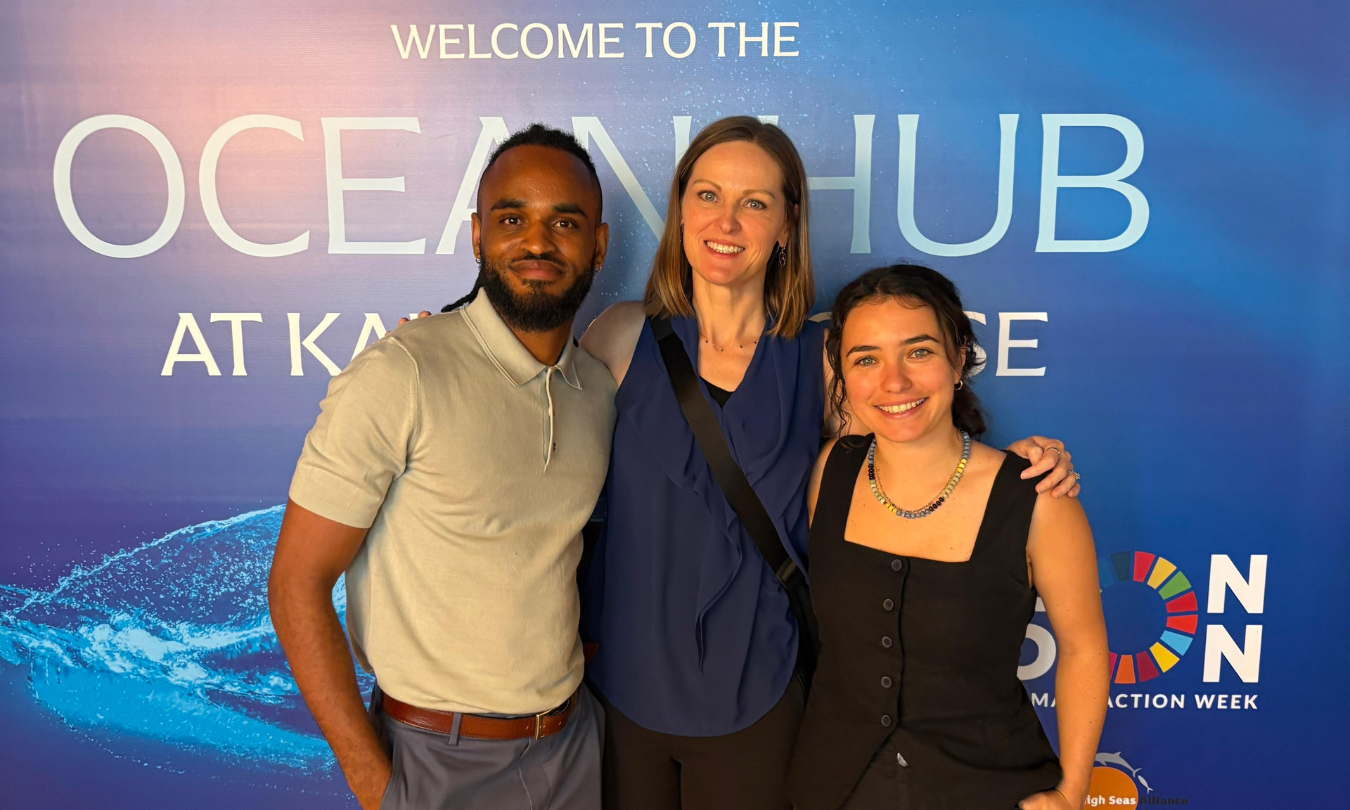
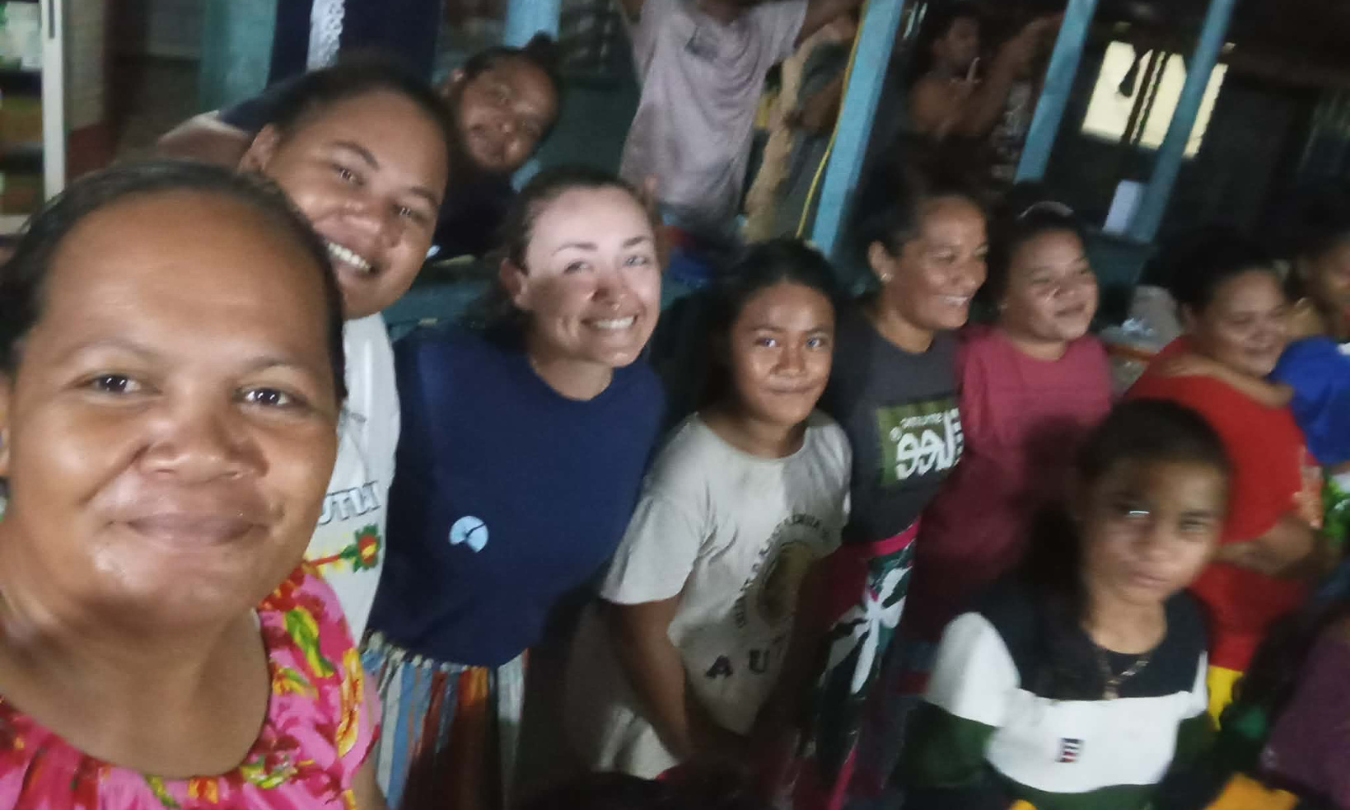
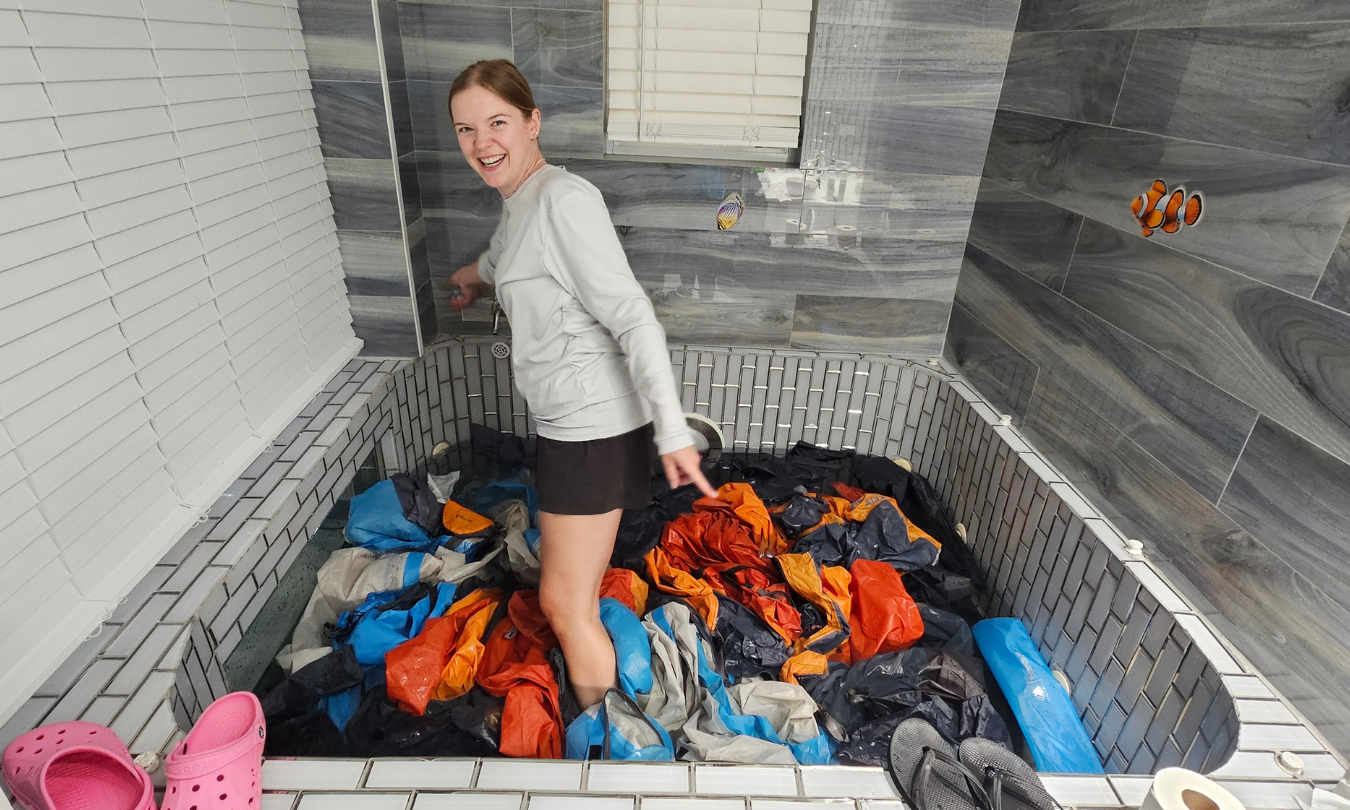
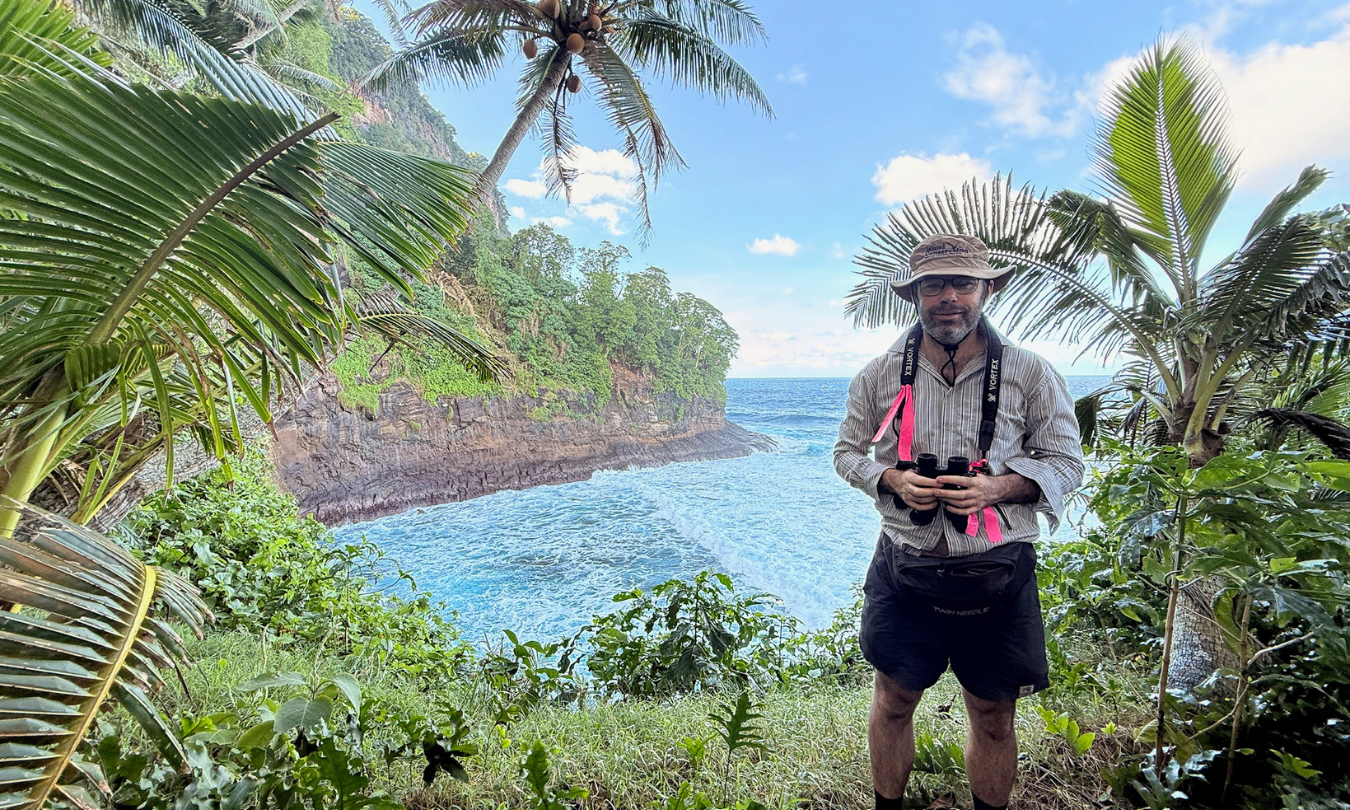
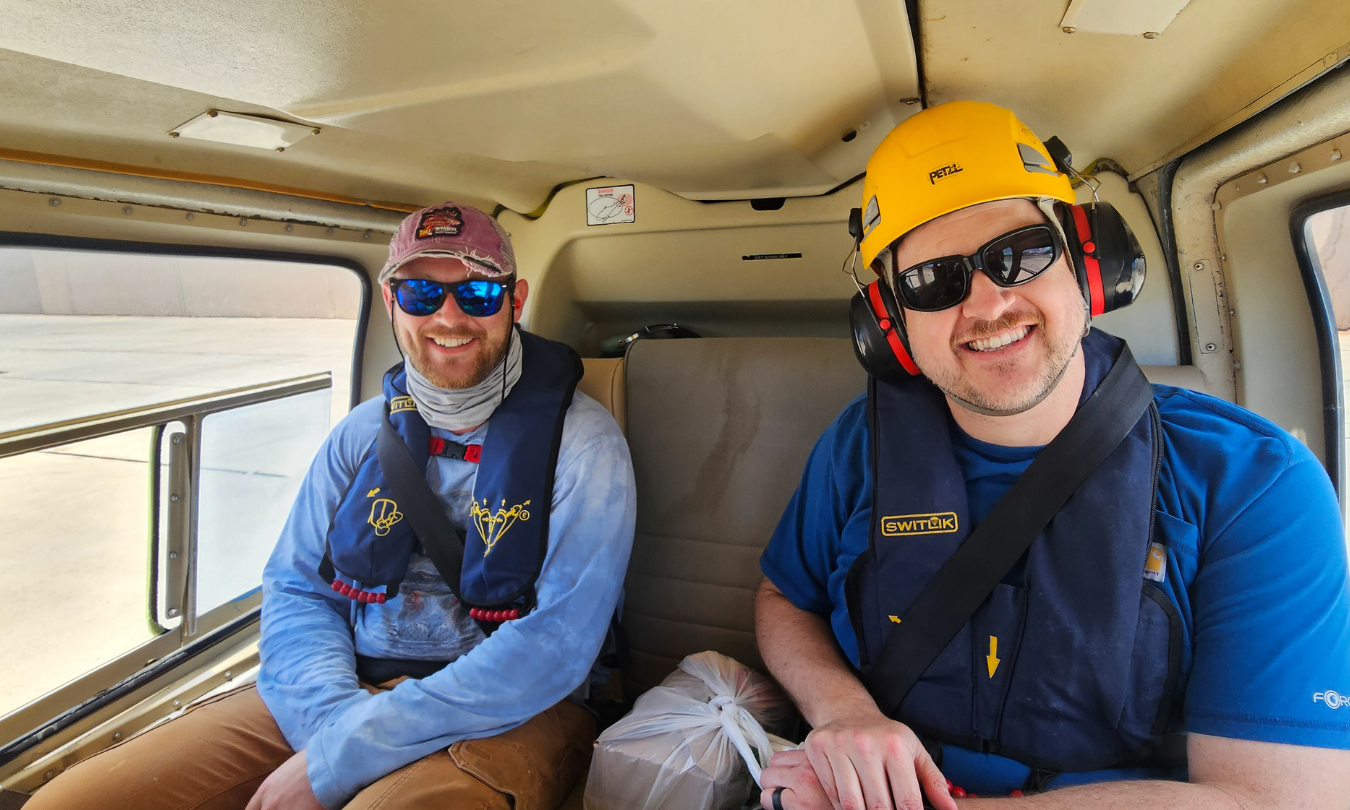
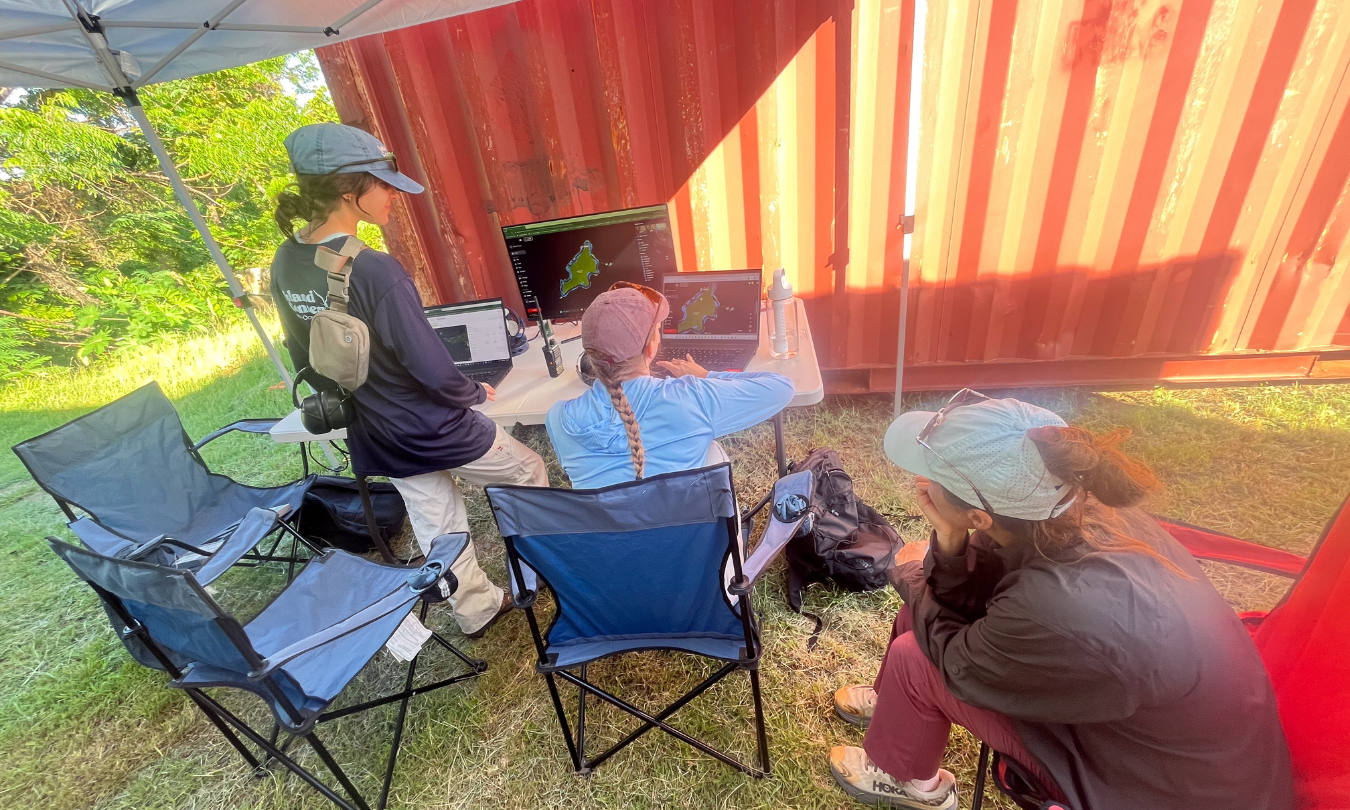
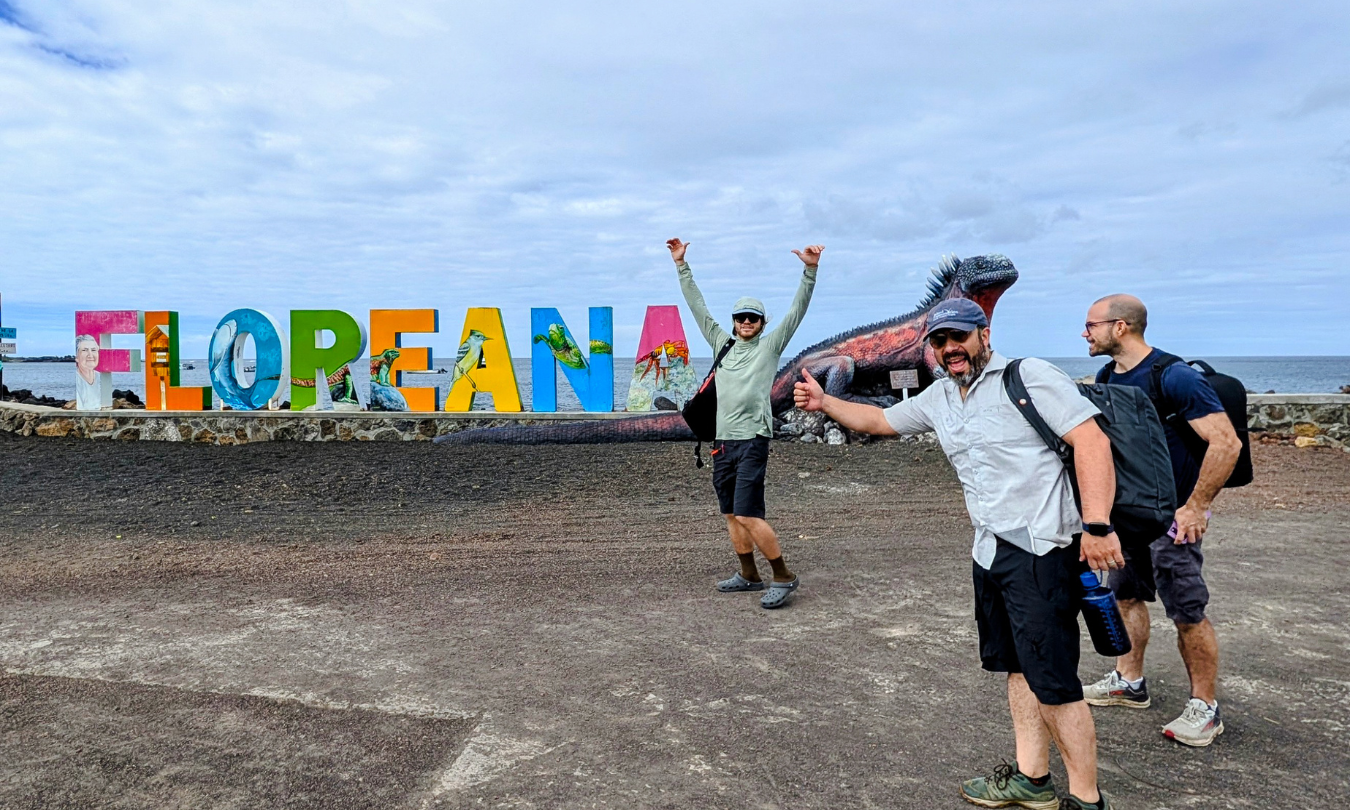
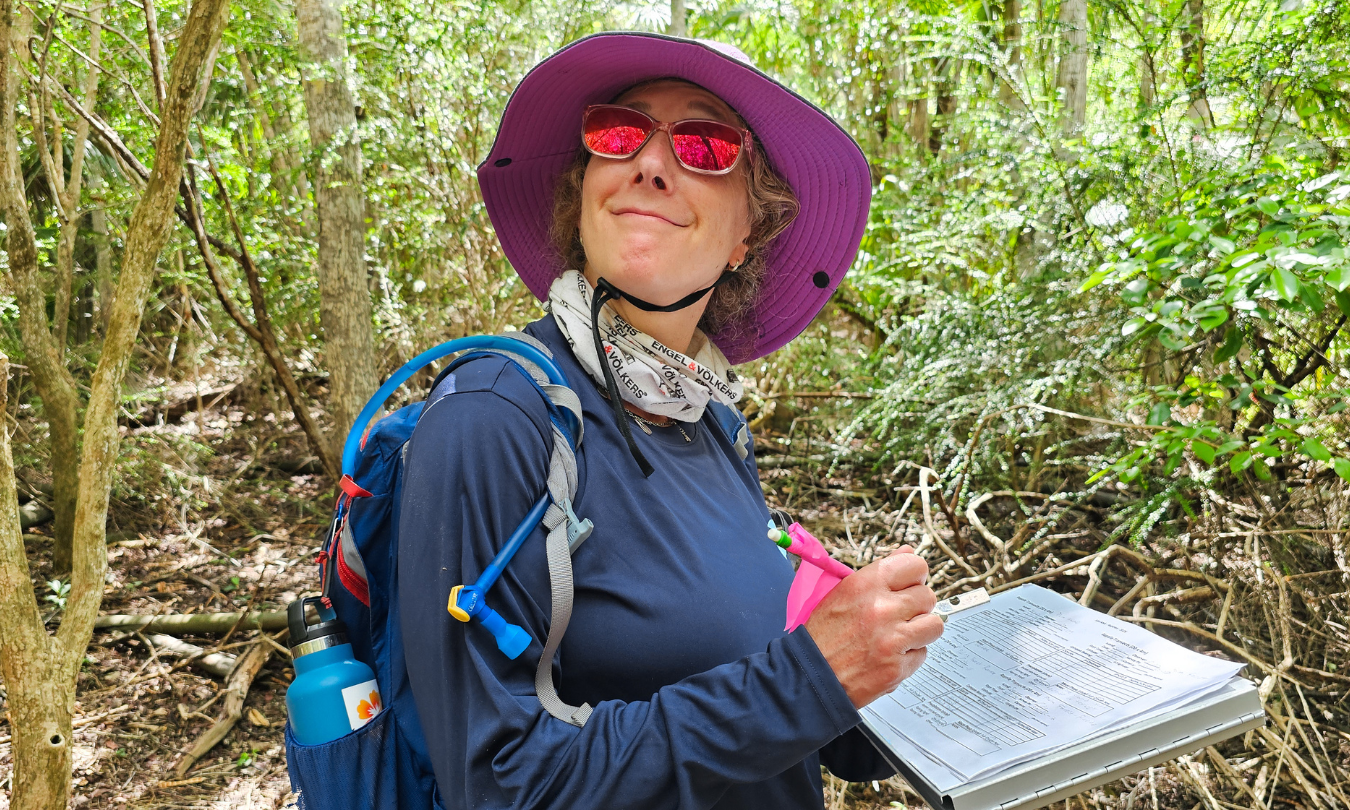
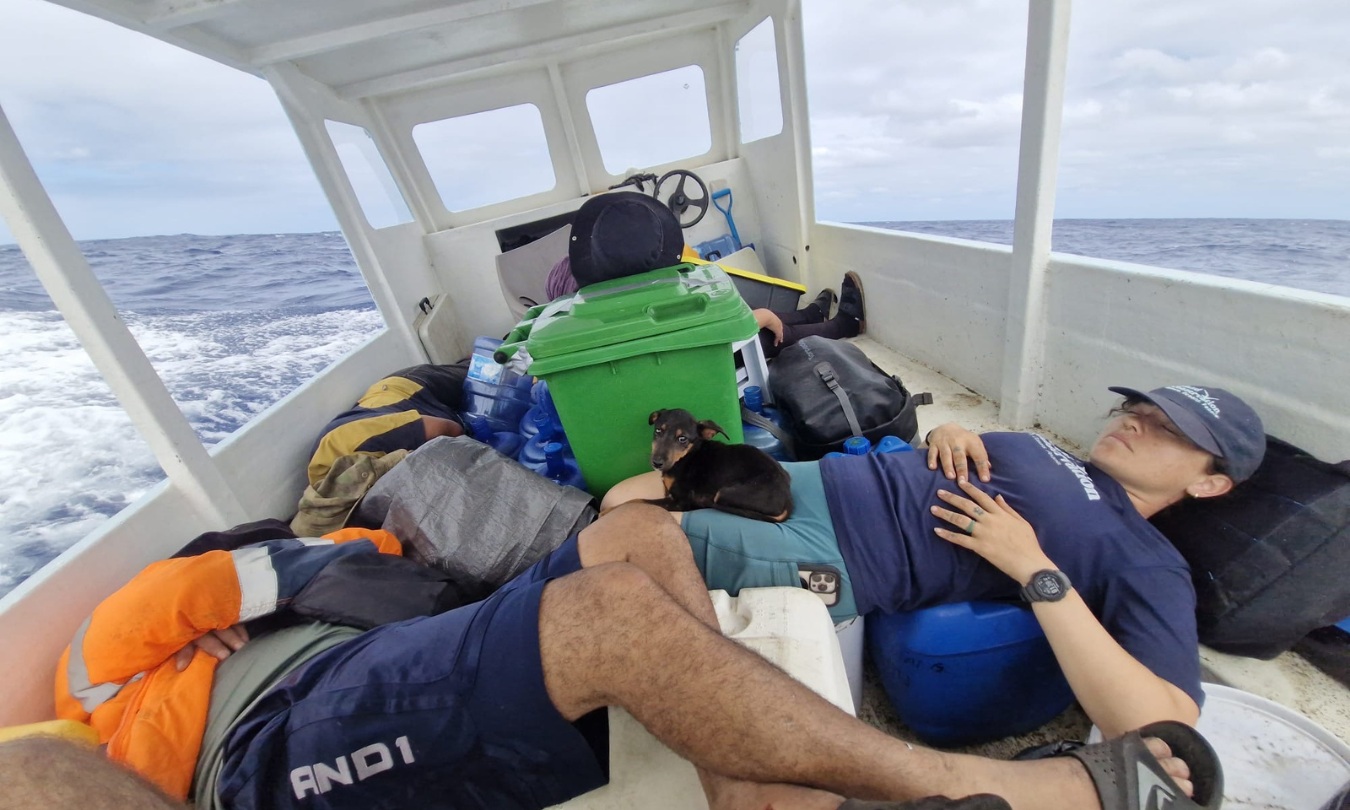
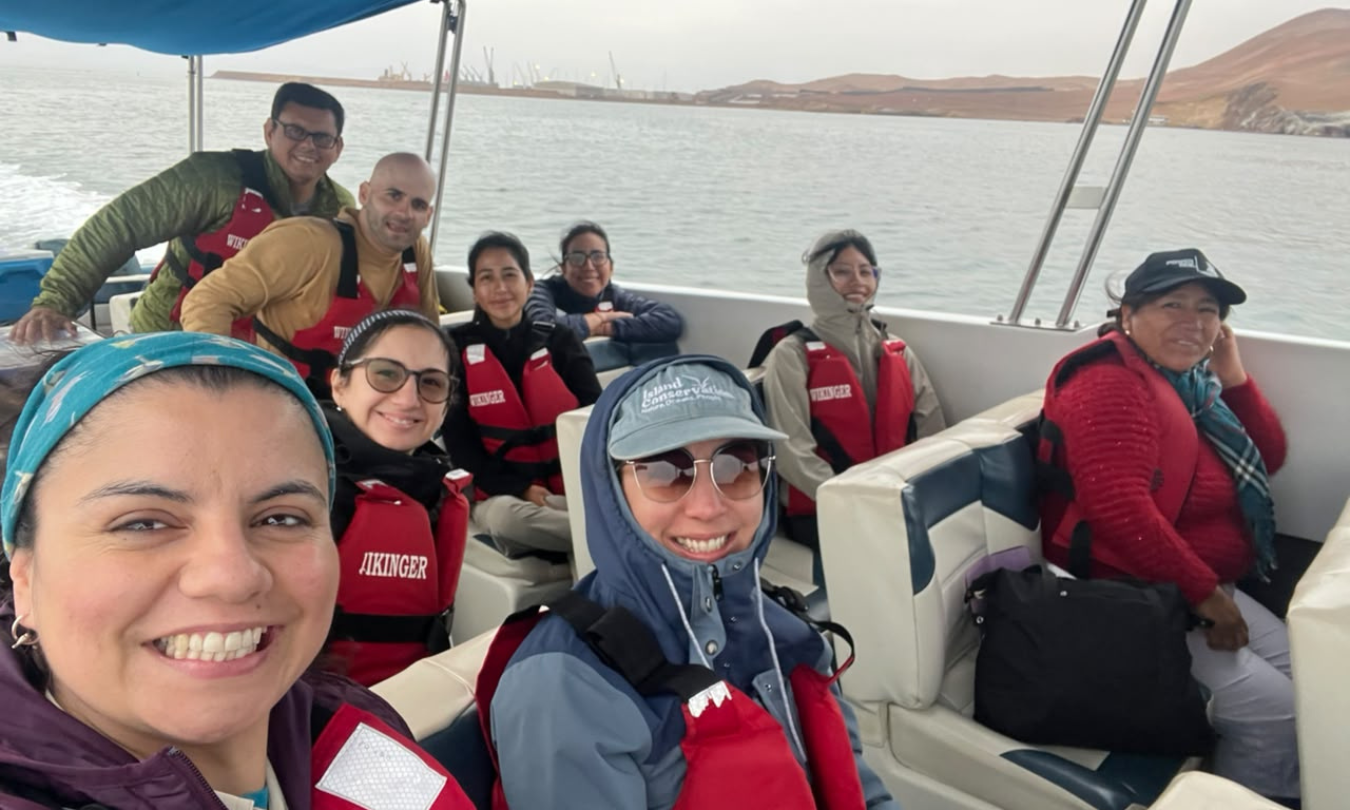
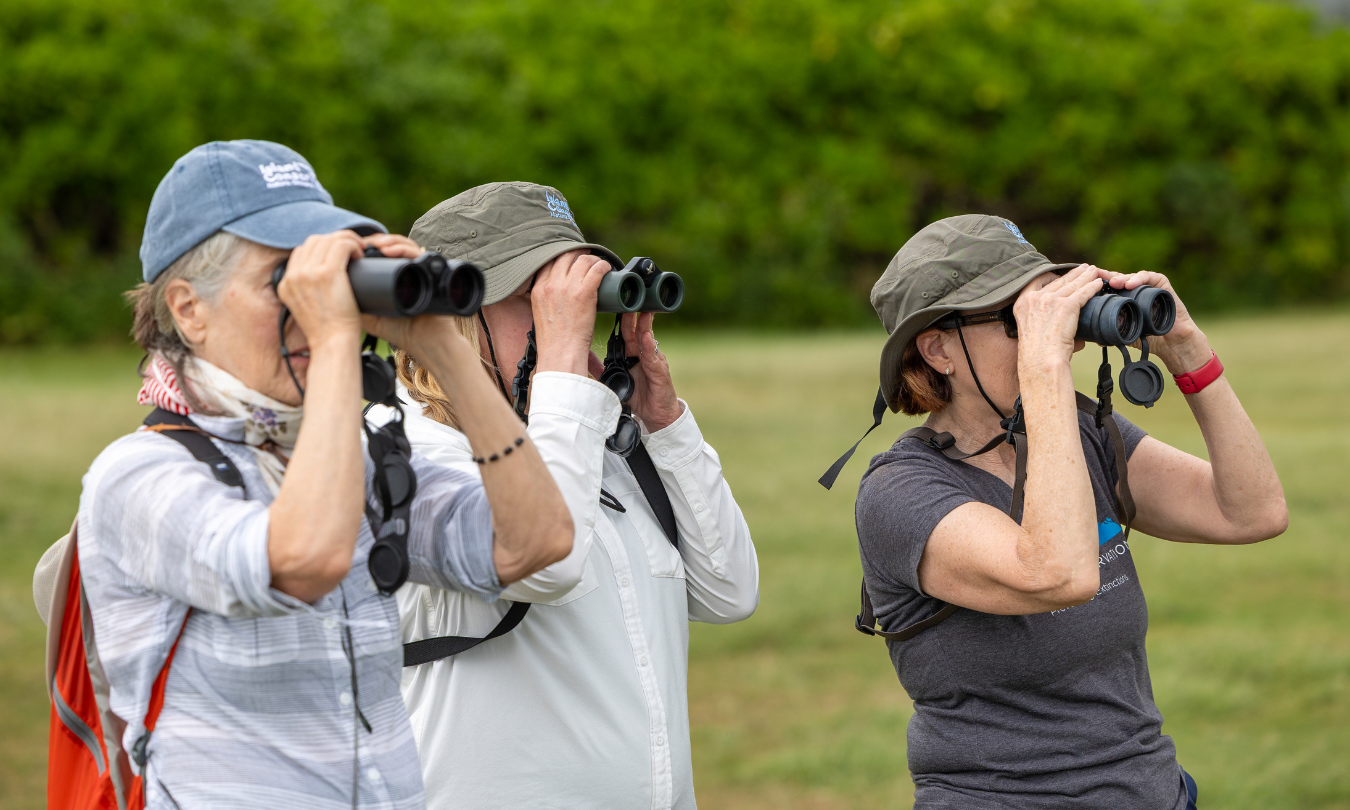
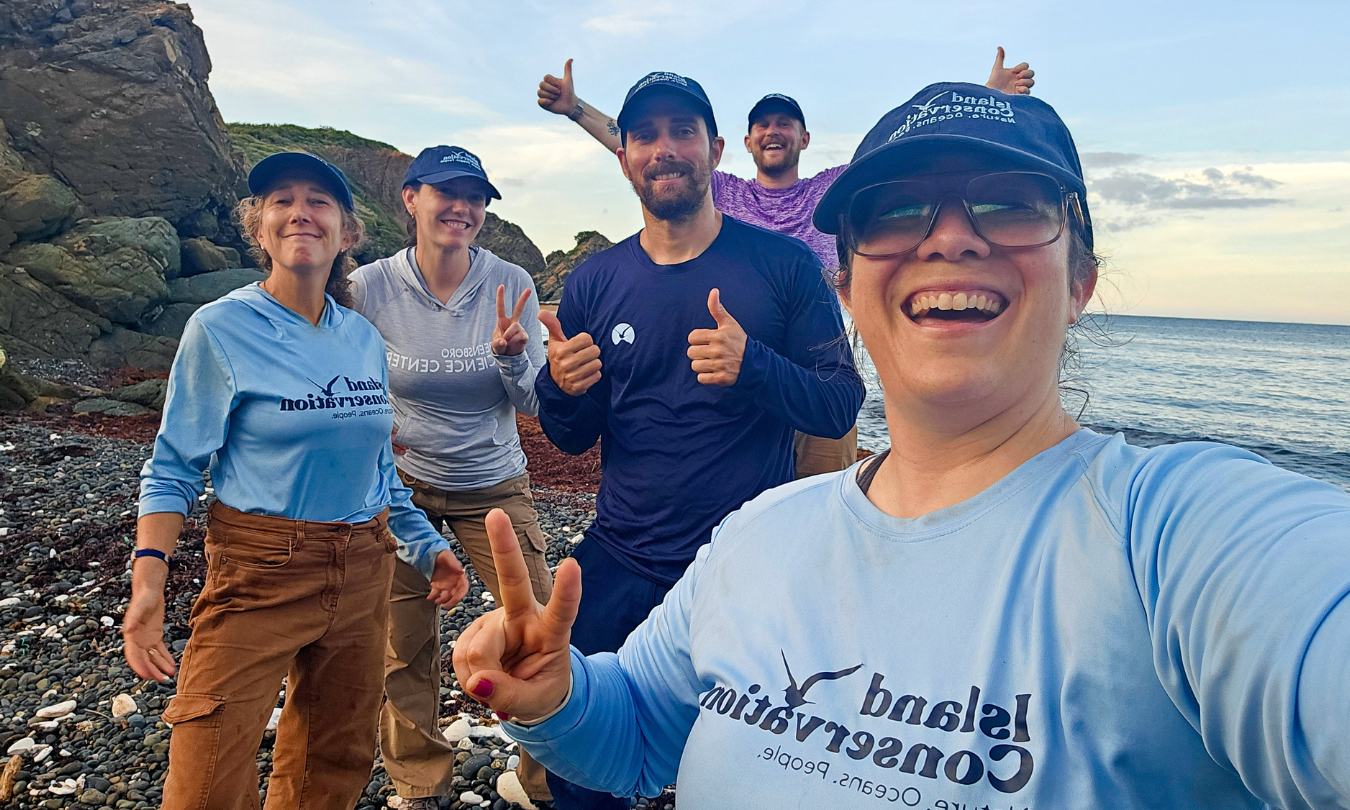
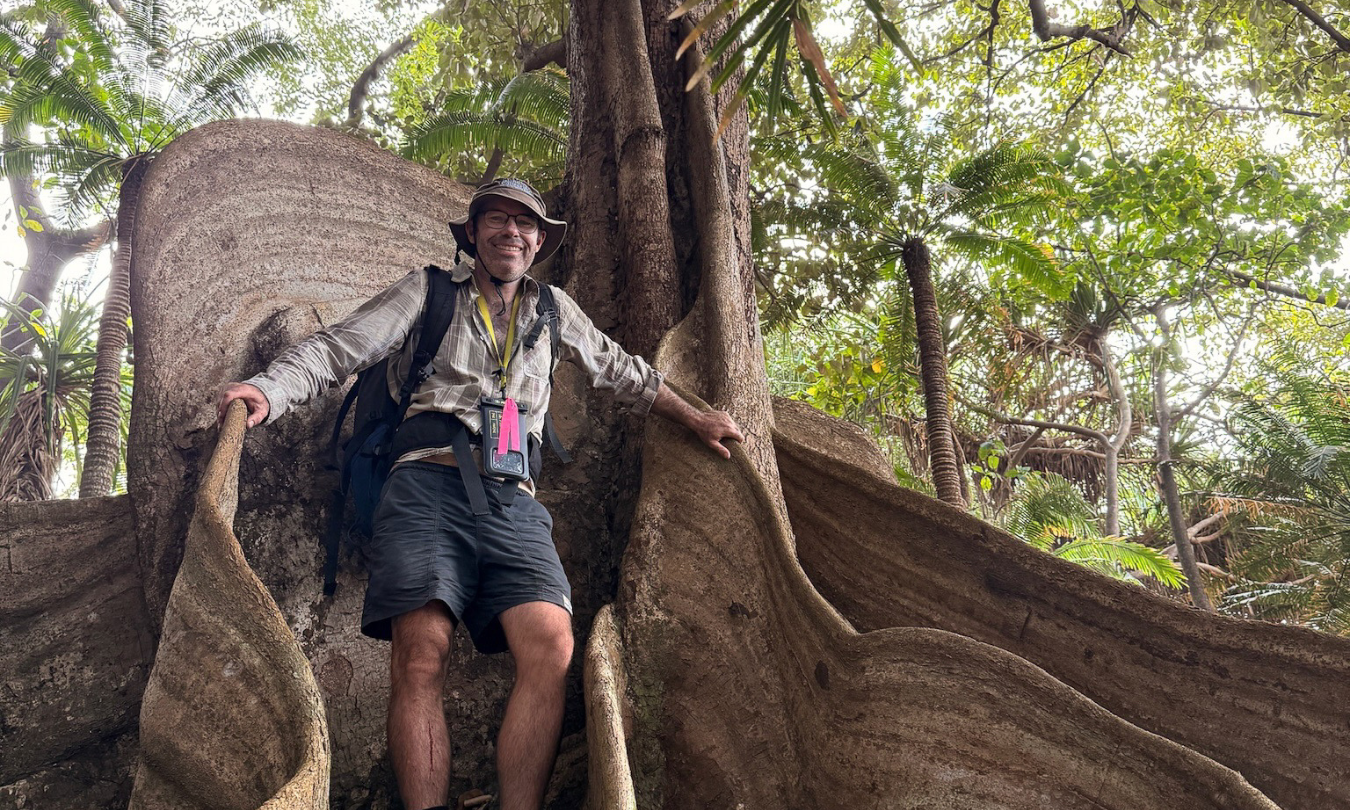
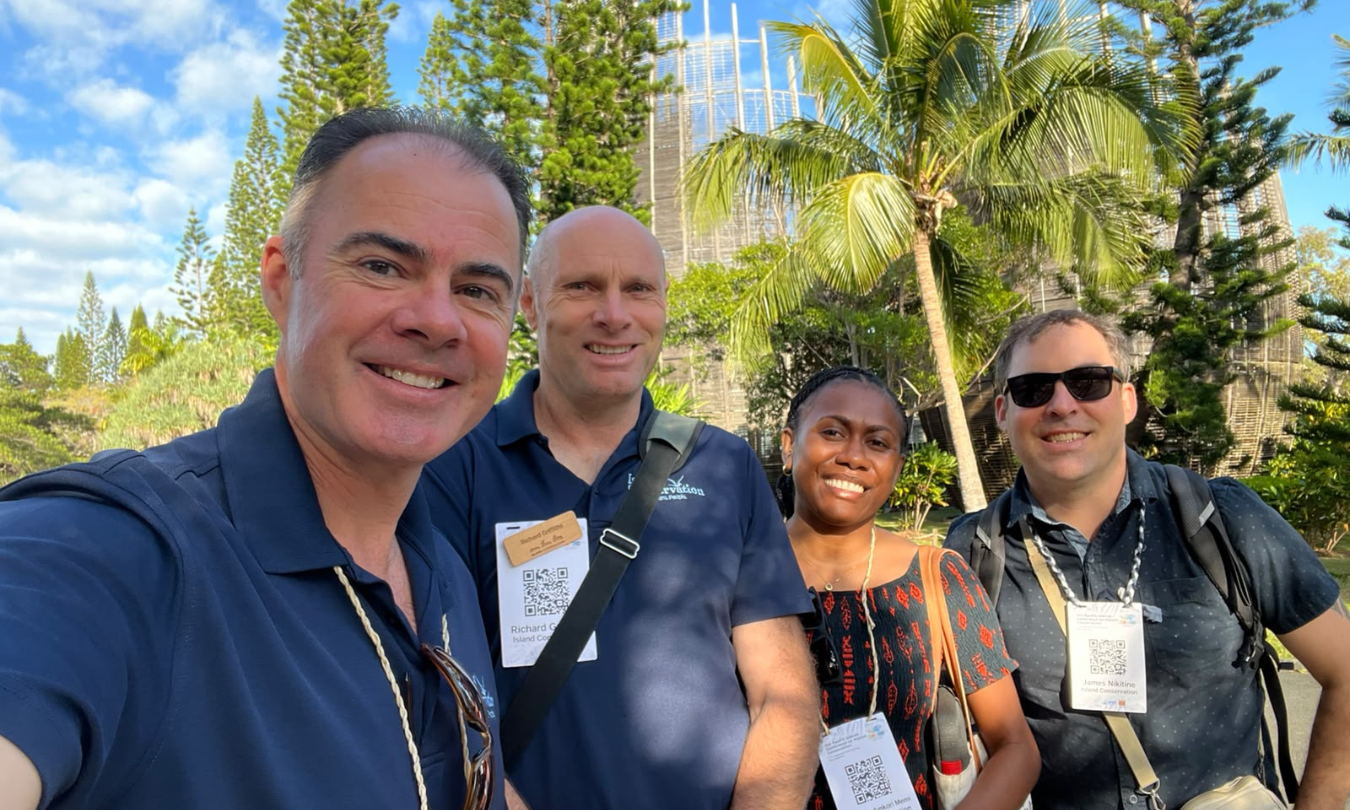
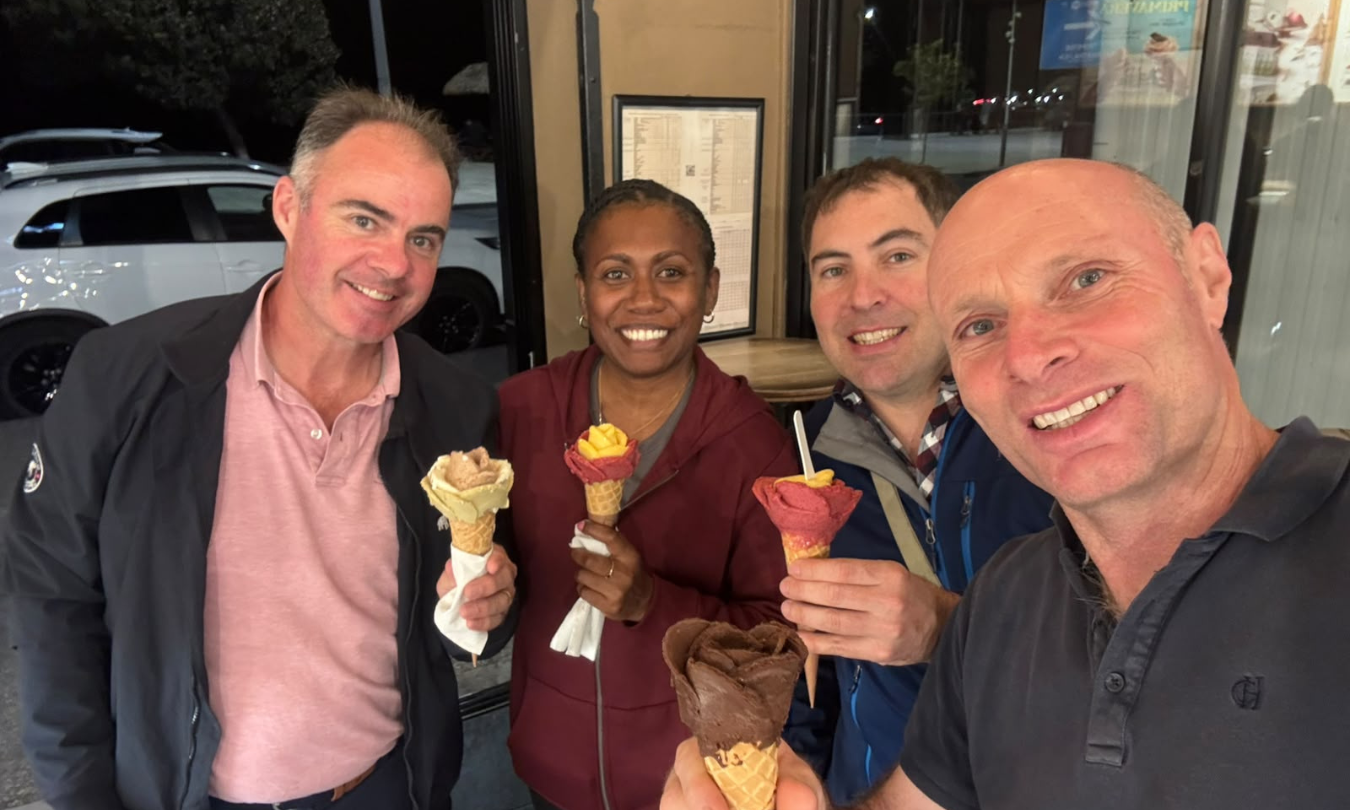
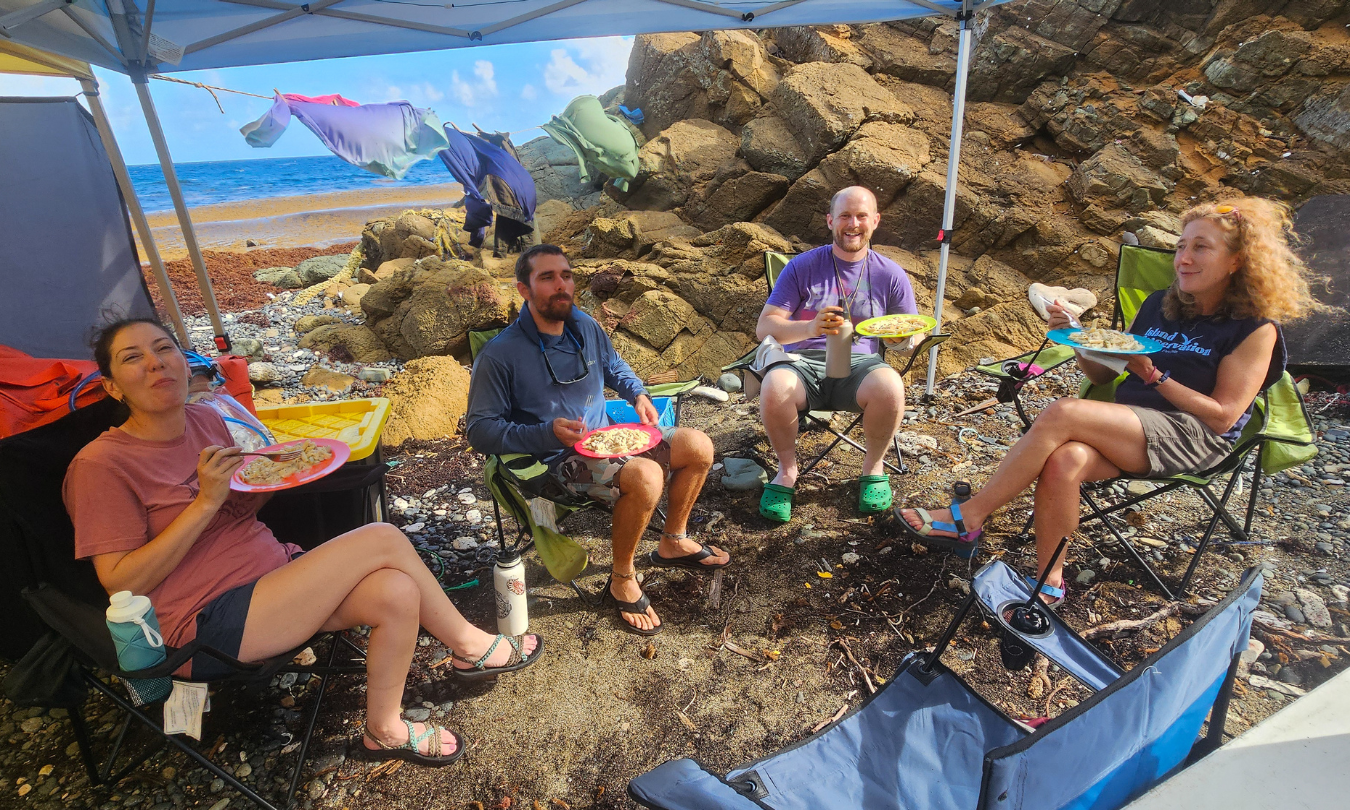
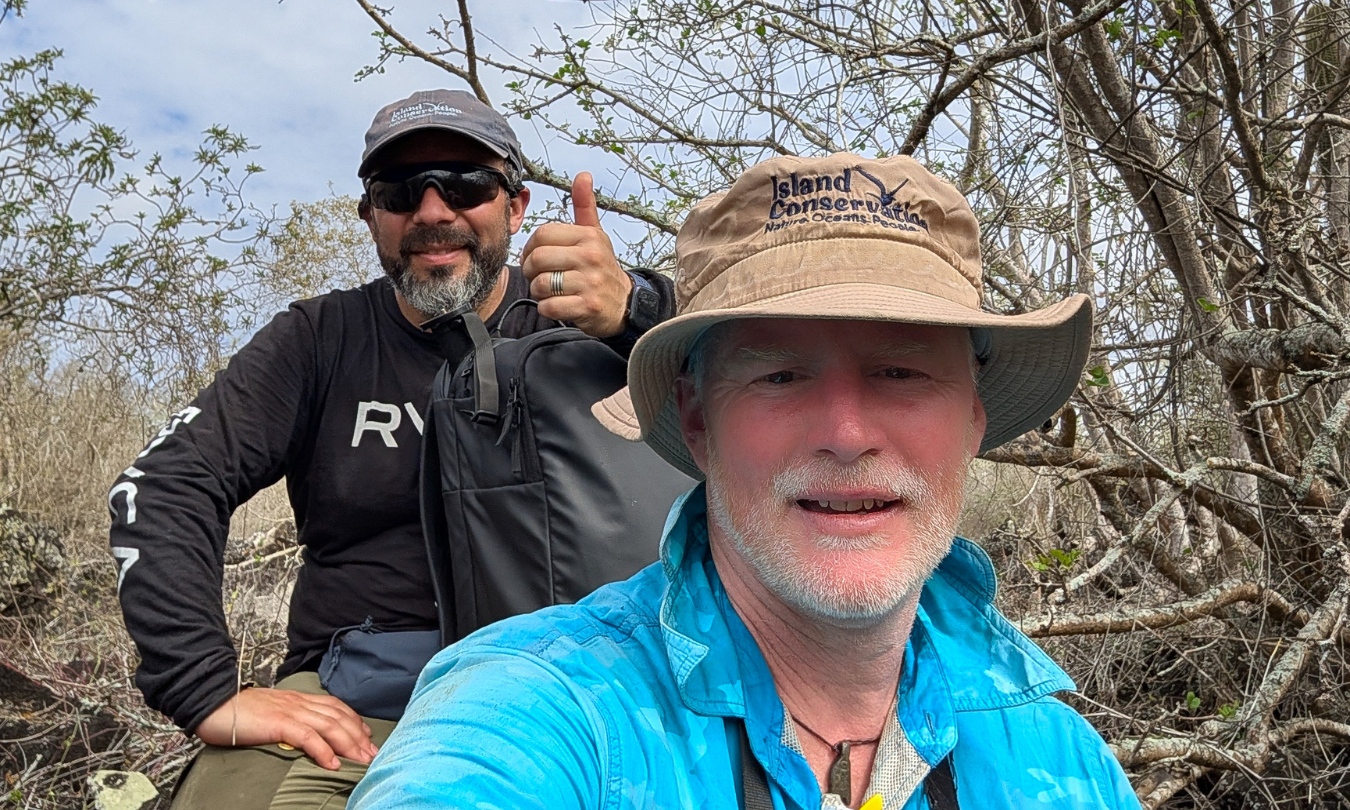
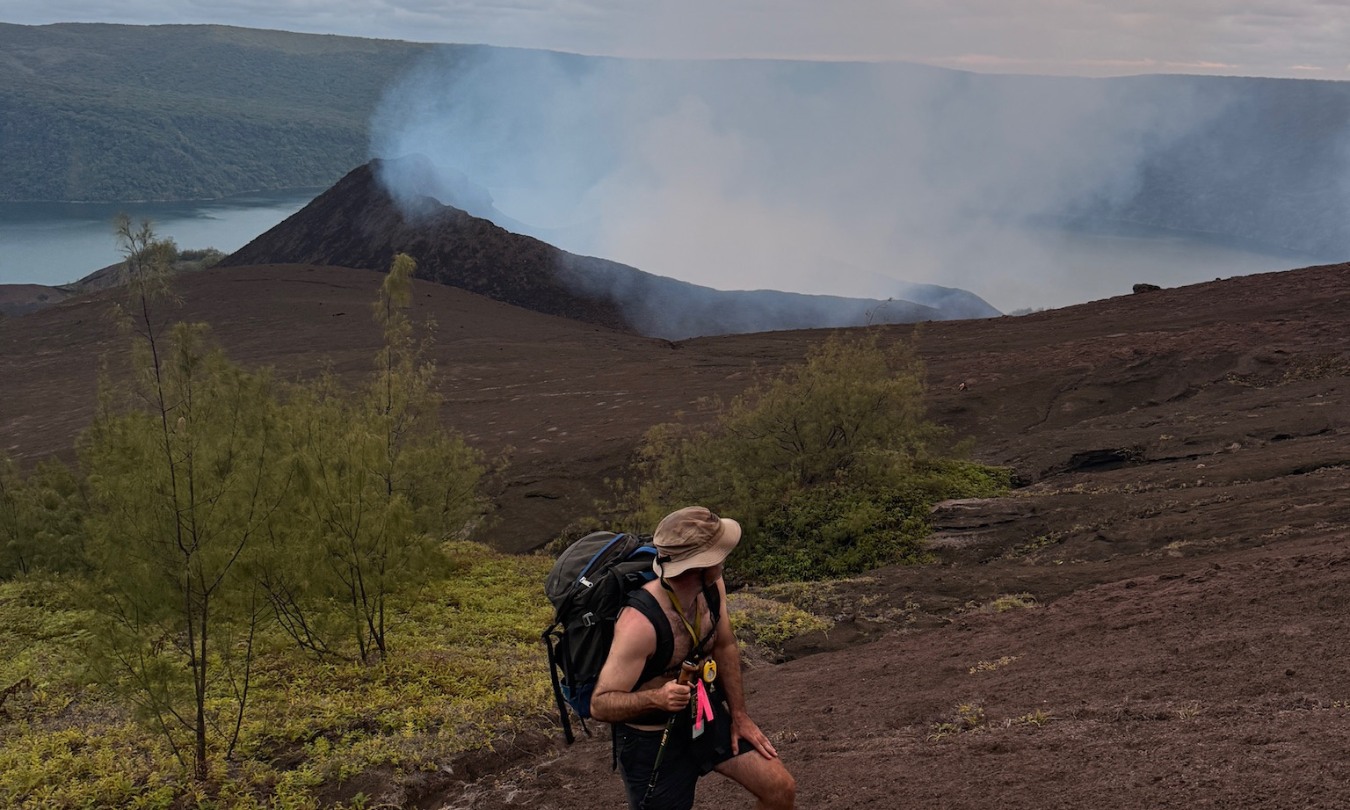
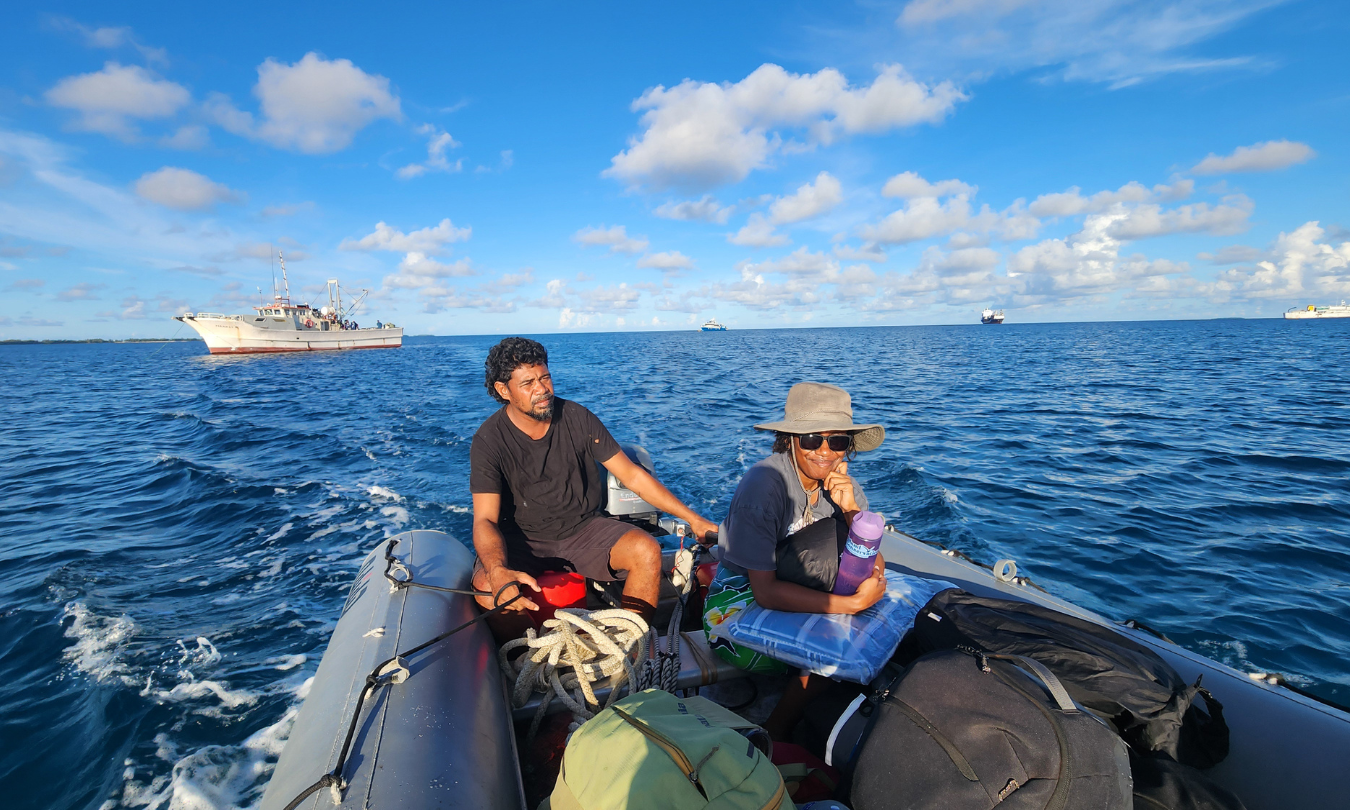
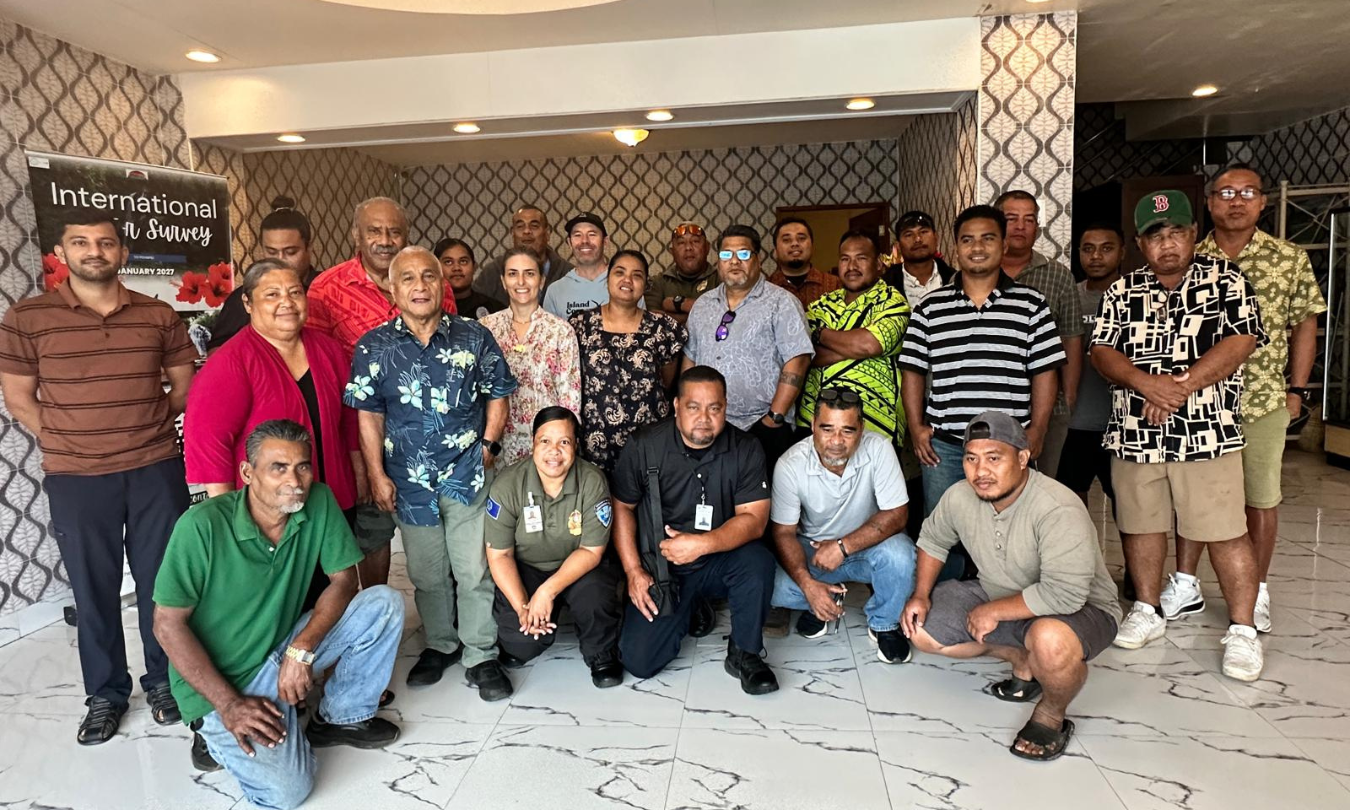
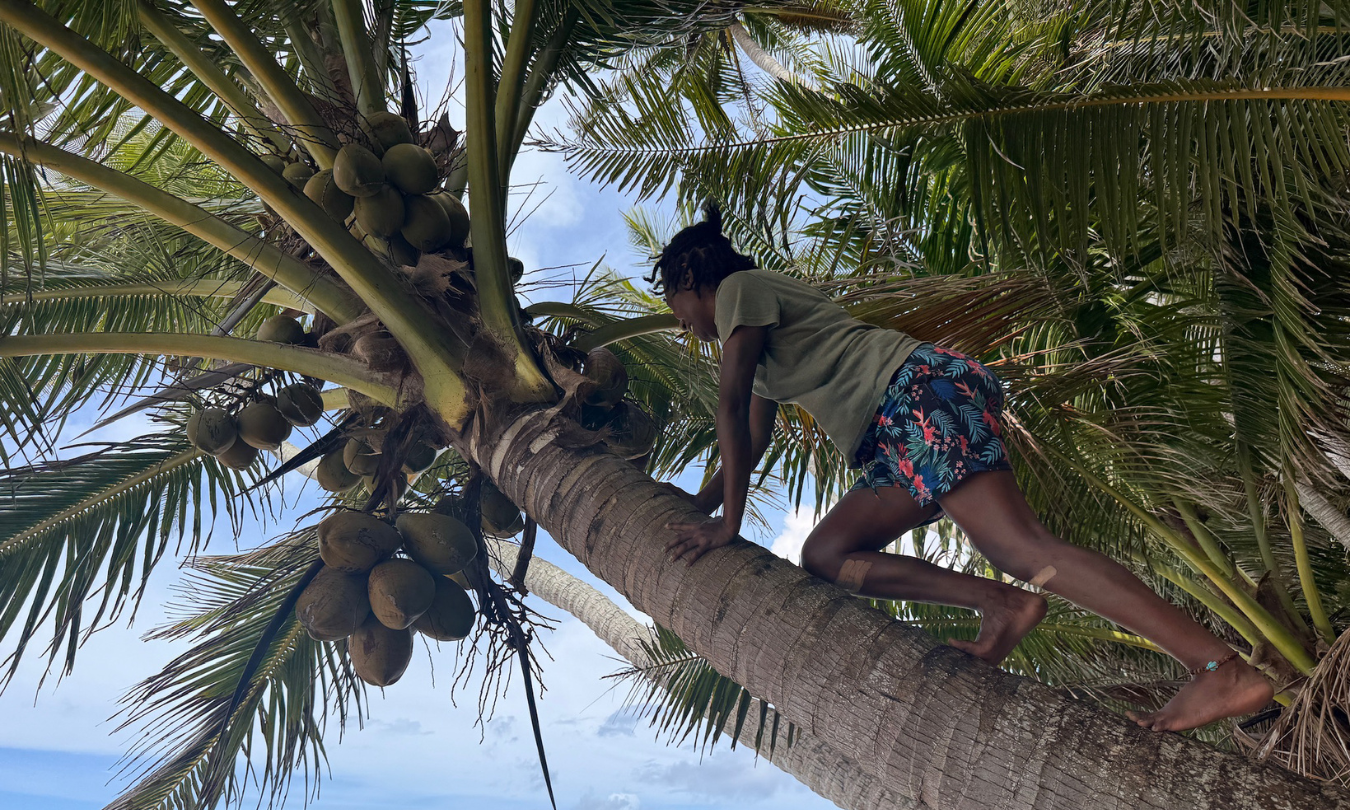
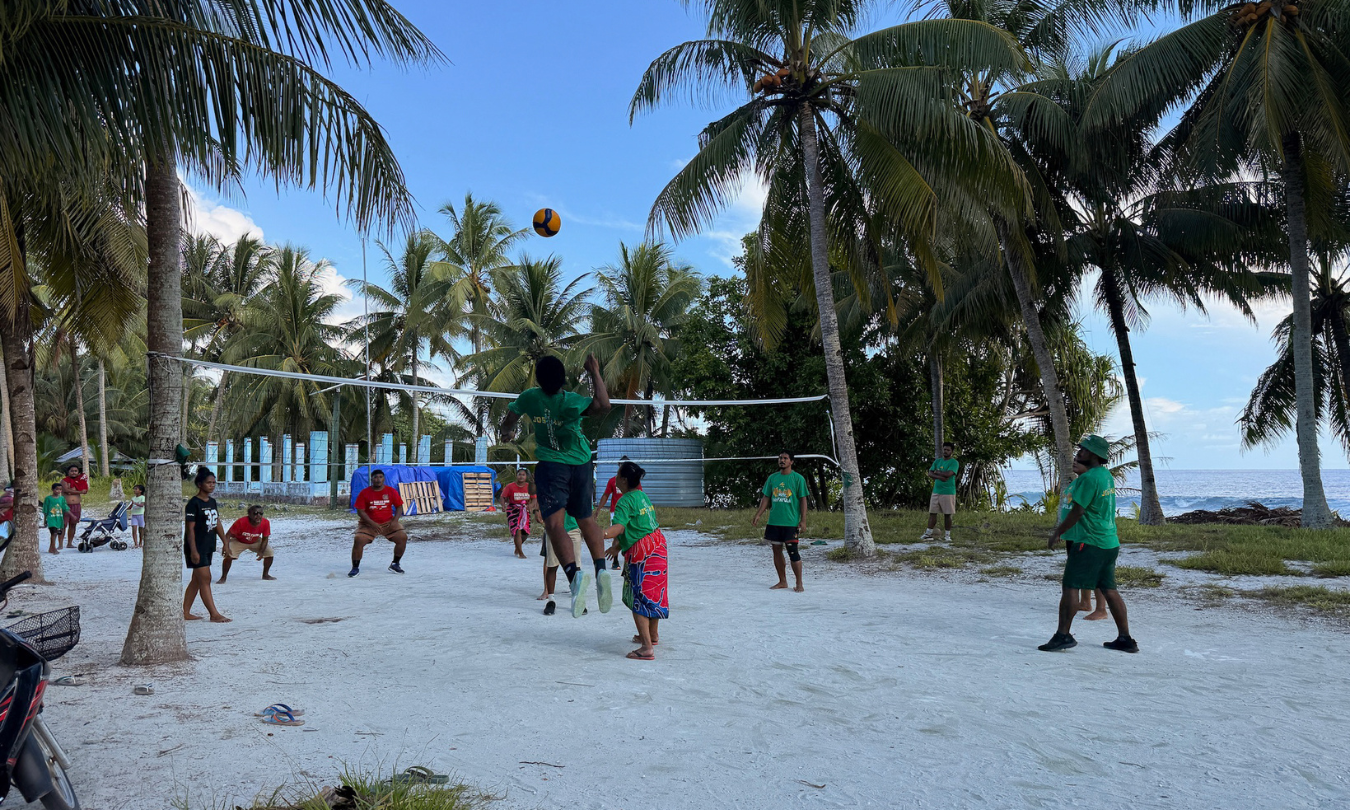
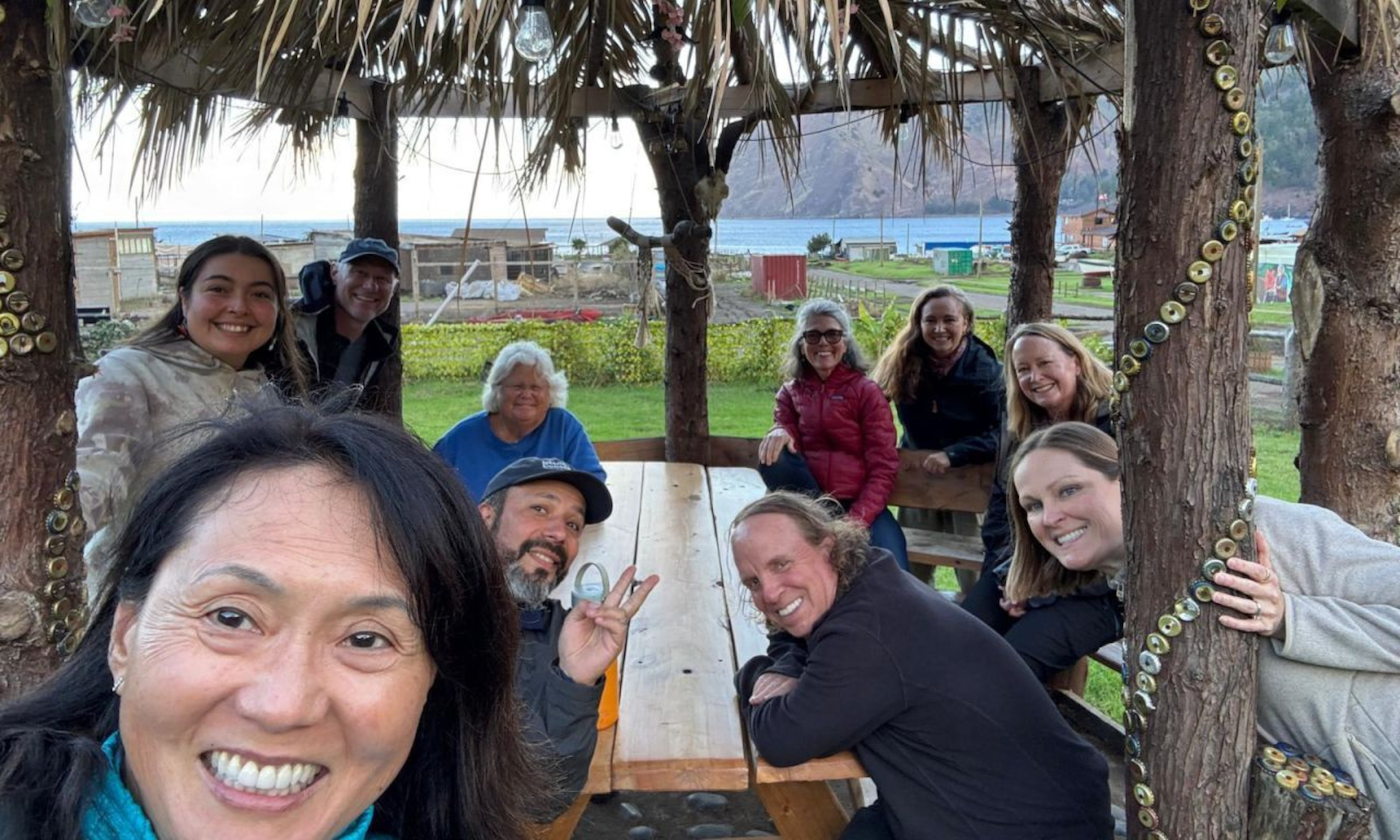
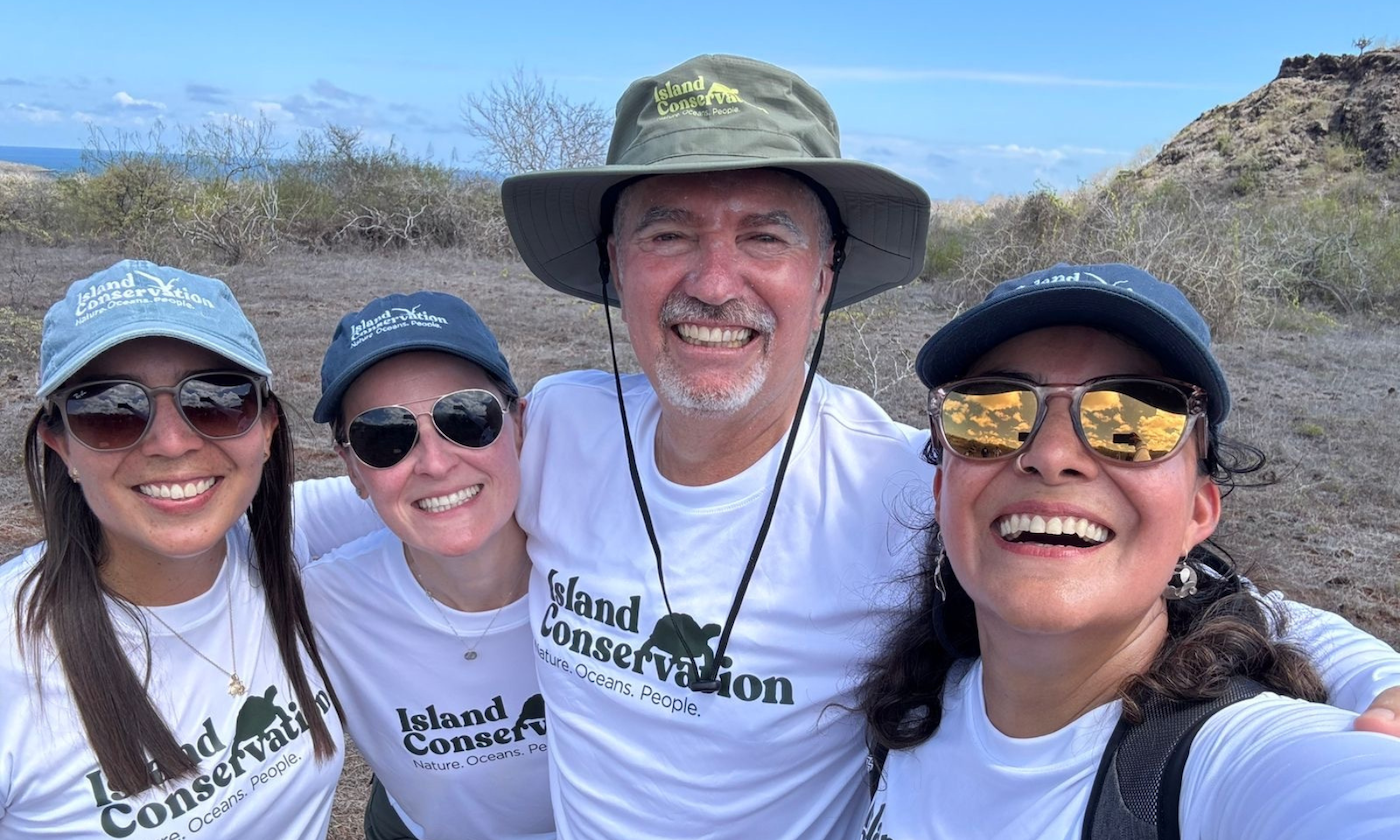
Together this year, we completed 20 ecosystem recovery actions across 17 sites, partnering with communities around the world to advance conservation solutions that are protecting biodiversity while strengthening climate resilience. Of equal importance, we demonstrated again and again that positive change is possible.

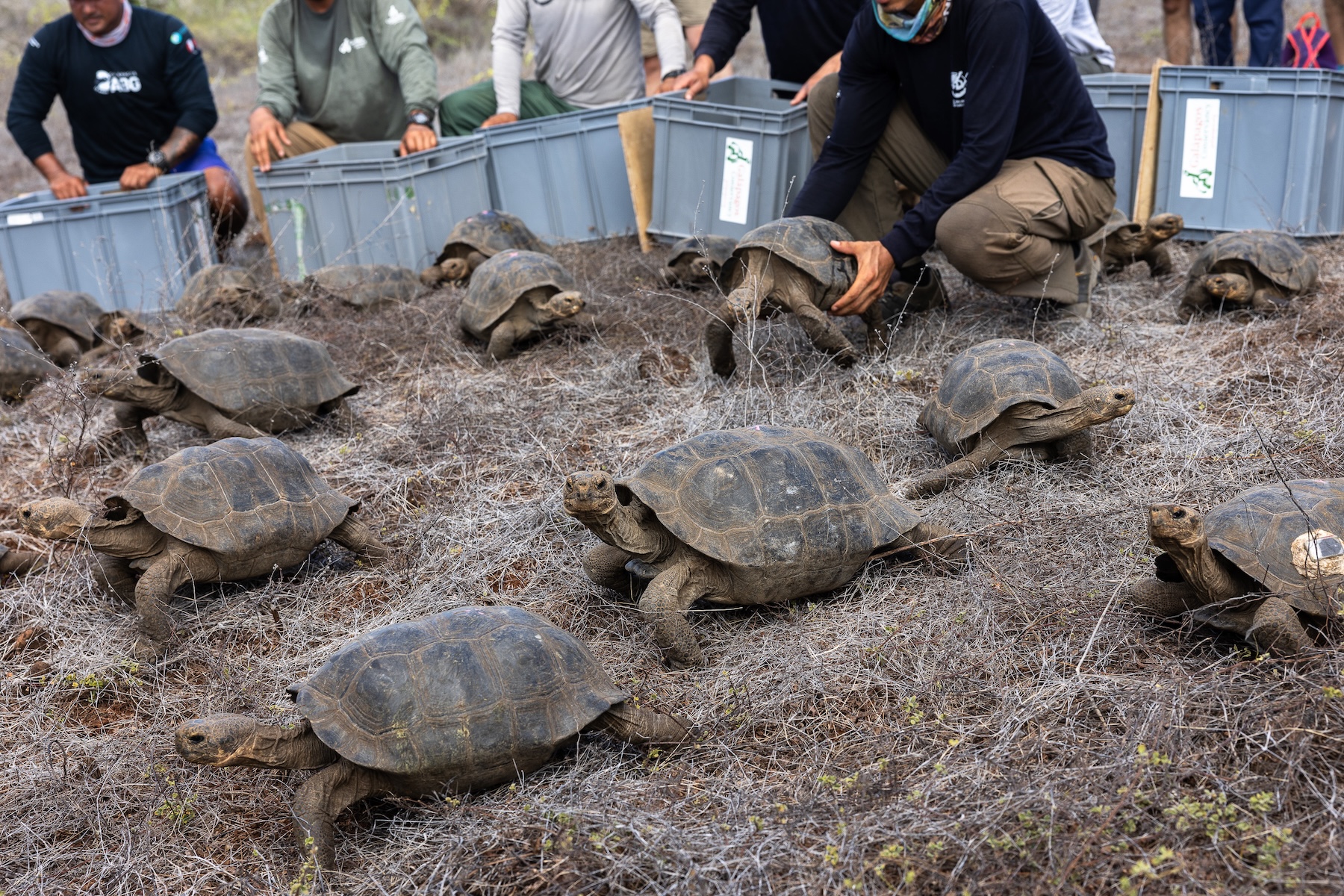
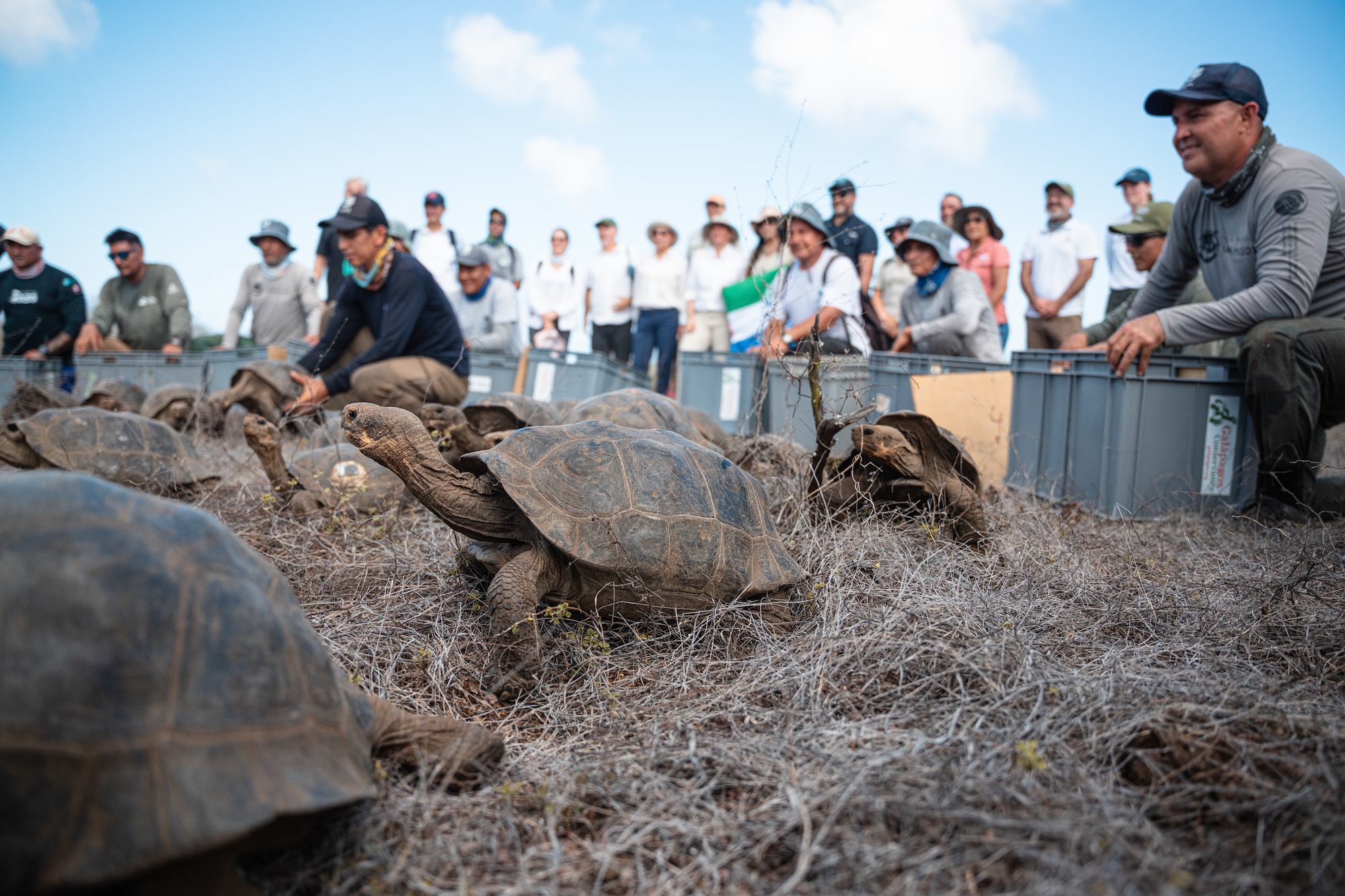
Floreana Giant Tortoise.
Photo By Carlos Espinosa.
As 2026 winds down, we want to express our gratitude for your support. We hope seeing the full scope of what we accomplished together makes you feel as proud as we do.
At a time when headlines about biodiversity loss and climate change can feel overwhelming, the stories in this report offer something increasingly valuable: proof that conservation works, recovery is possible, and your investment in hope matters.

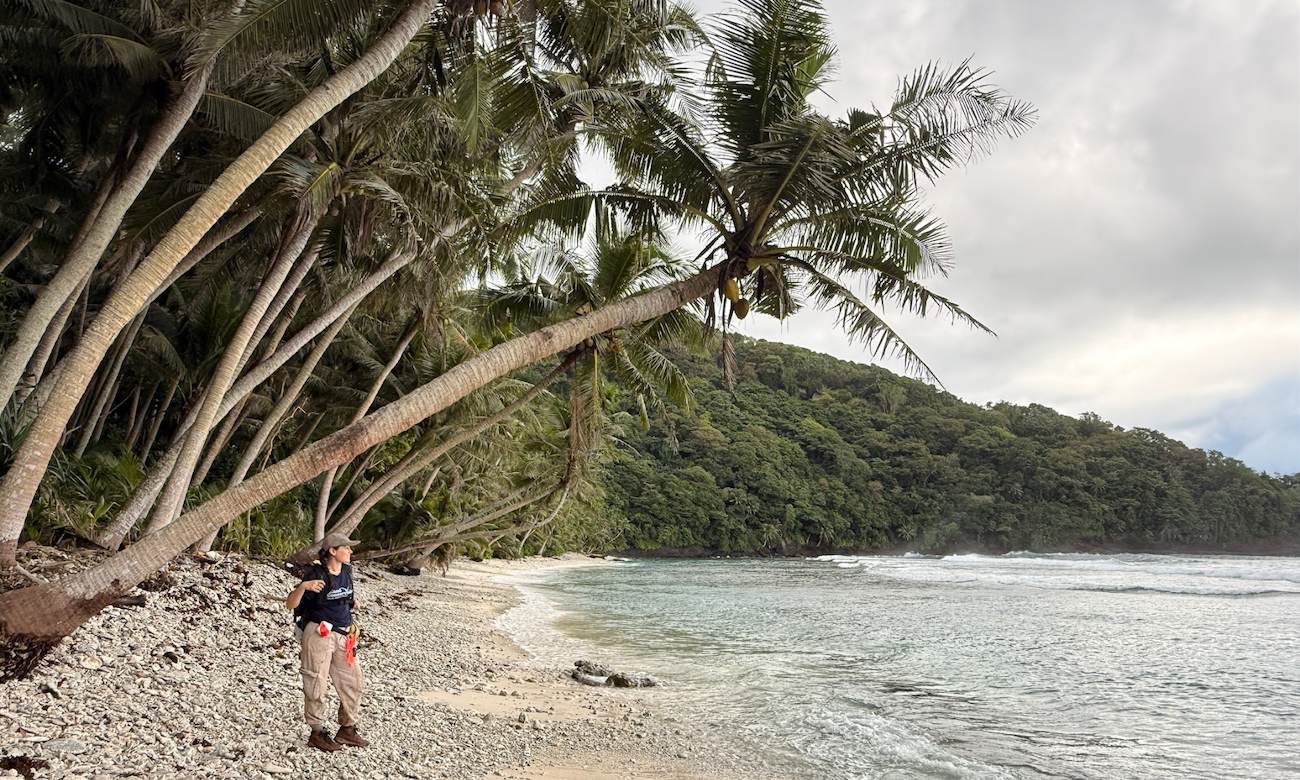
Community members enjoying the beach on Niulakita Island in Tuvalu.
Thank you for being part of this work and believing, alongside us, that a future where both people and nature can thrive is possible.
Chief Executive Officer
Board of Directors Chair
Verónica Mora is a community member, resident, and President of the Parish Council (GAD Parroquial) of Floreana Island in the Galápagos.
Sebastián Yancovic Pakarati is part of the Rapa Nui community in Polynesia, he has a Master’s degree in Natural Protected Areas. Is a member of the Chilean committee of the IUCN World Commission on Protected Areas (WCPA). Since 2014 is a member of the Advisory Council of National Monuments in Rapa Nui and represents that institution in the monitoring committee for the construction of the new museum. He has been leading conservation processes on the island for the last 14 years, highlighting his participation in the Ma’u Henua proposals (which allowed the Rapa Nui community to have the administration of 43% of the territory through the Rapa Nui National Park) and from 2014 working and promoting the creation of the Rapa Nui MPA. Since 2022, he has been elected in an indigenous referendum to be part of Koro Nui o te Vaikava to manage the Marine Protected Areas, which includes Motu Motiro Hiva Marine Park, the Marine Coastal Protected Area of Multiple Uses Rapa Nui, and Motu Tautara, Coral Nui Nui and Hanga o Teo Underwater Parks. These units make up Te Moana Tapu a Hotu Matu’a, a marine area for conservation, sustainable and traditional use for present and future generations in Rapa Nui. He has published various scientific articles on different topics related to his island. Today, he is writing his second book Rapa Nui Birds and coordinating the cultural chapter for the creation of one of the first high seas MPAs (BBNJ), called Salas & Gomez and Nazca Ridges: Honga’a o te Moana Nui.
My name is John B. Rulmal Jr., Magul—my traditional Ulithian name—and I’m from Ulithi Atoll. I work with elders, youth, and community partners as a steward of our shared values, seas, and lands, supporting island-led development and long-term resilience across Ulithi and Yap’s Outer Islands.
Lucy Pedro is from Dongosaro island. Currently, she is the Governor of Sonsorol State, Palau. While working with the state for over three decades, Lucy has worked with several organizations in her community in preserving their identity, inspiring pride in their tradition and culture, and motivating future generations.
Kaipo “Mwareholumaho” Recheungel is an aspiring entrepreneur, and his personal goal is to revive traditional practices in his community. His small business, Road Runner Palau, was established in 2017 to provide labor work in logistics and yard clearing. He is also a presiding officer for the Sonsorol Mens Association, which started in 2016 for the purpose of serving the environmental, social, and cultural needs of the community. Kaipo was also elected to be a Municipal Magistrate for the island of Melieli.
Julio Chamorro Solis is President of the Local Management Council for the Marine Protected Areas of the Juan Fernández Archipelago and Desventuradas Islands in Chile.
Francine Elisaia is from Samoa and currently works at Pacific Islands Students Fighting Climate Change (PISFCC), leading the organisation’s communications and media. She brings extensive experience and expertise in environmental science, communications, conservation biology and ecology, and journalism. Her work with the Government of Samoa’s Ministry of Natural Resources and Environment and with Conservation International provided her with hands-on fieldwork experience and a deep affinity for the land and water. Her role at PISFCC has further fueled her fight for climate justice, where she works alongside many great individuals in the movement.
Francine’s early exposure to climate and environmental justice, coupled with her deep-rooted pride in being a Pacific Islander, sparked her passion to advocate not just for Samoa, but for the entire Pacific region. She works to bring young Pacific voices not only to the table, but into the inception, development, and implementation of climate and environmental solutions.