October 1, 2026
What Mangroves Teach Us about Conservation
Mangrove forests are one-of-a-kind ecosystems--literally! Find out how conservationists can learn from mangroves and why it matters for islands.
 Island Conservation

Coconut Crabs, Blue-footed Boobies, and Galápagos Marine Iguanas have something surprising in common: they’re all connector species. Connector species are animals whose everyday behaviors physically link land and sea, move nutrients across ecosystems, and shape the health of entire island environments. While they are all in completely different classes and perform their roles in different ways, all three species are vital to the island-ocean ecosystems they call home–and the ways they participate in their ecosystems shed light on the surprising variety of ways islands and oceans are connected.
Connector species are animals that move energy, nutrients, or materials between ecosystems. On islands—where biodiversity is concentrated and ecological processes are tightly coupled—connector species are often the engines that keep everything running.
Seabirds are already recognized globally as major land–sea connectors, transporting ocean nutrients to islands and boosting productivity on land and in surrounding waters.
Marine iguanas and other keystone fauna in the Galápagos act as ecosystem engineers that shape vegetation, nutrient cycling, and landscape structure.
Crabs, including detritivorous species (an organism that obtains its nutrients by feeding on detritus—decomposing plant and animal parts, as well as feces), play roles in decomposition and nutrient redistribution in marine food webs.
These are just three examples of connector species; any creatures that participate meaningfully in more than one ecosystem can play these roles. The remarkable diversity of methods by which nutrients can move between land and sea is evidence of the resilience that makes islands so special!
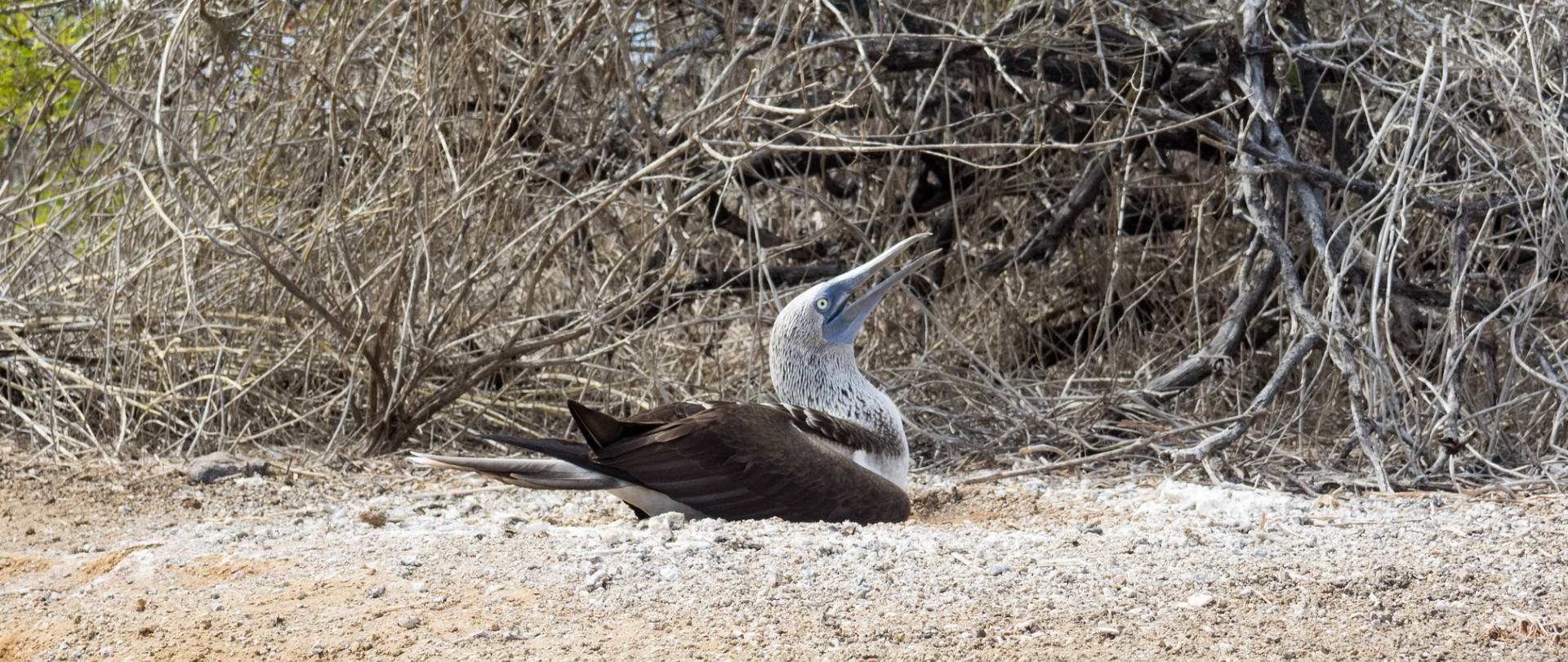
Blue-Footed Boobies are well-known for their colorful feet, silly expressions, and dance moves, but they’re just one of many different species of Boobies that can be found at sea all around the world. All boobies, like other seabirds, are classic connector species because they feed at sea and deposit nutrients on land.
Blue-footed Boobies nest directly on the ground, which makes them vulnerable to invasive species and predators. Helping restore healthy colonies of seabirds is one of the most effective ways to repair links in the food web, making sure that the circular seabird economy is enriching land and sea together.
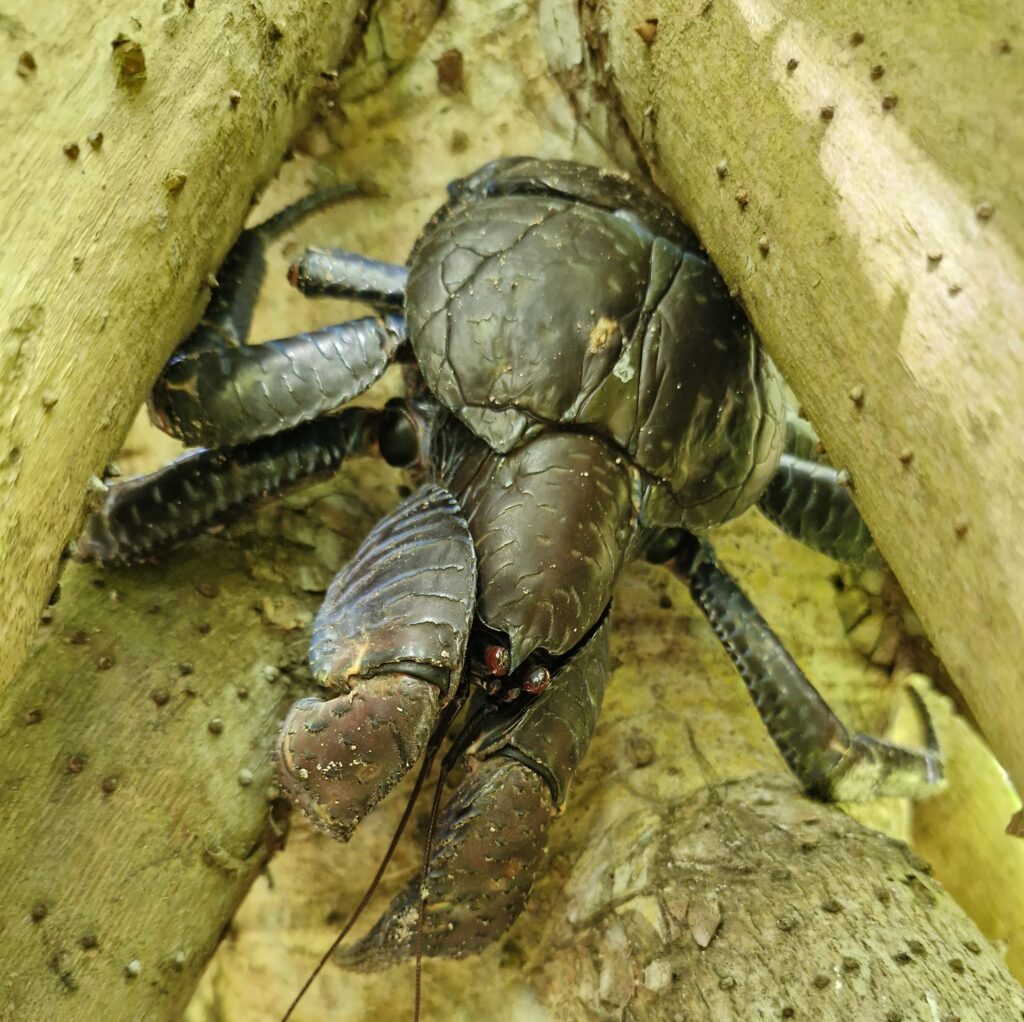
Coconut Crabs are giant, charismatic crabs that can grow up to 9 pounds, making them the world’s largest terrestrial arthropod. Their physical size is proportionate to the weight they pull in the places where they live: they’re ecosystem engineers. Their digging, scavenging, and nutrient redistribution reshape soils, influence plant communities, and accelerate decomposition.
This makes Coconut Crabs key players in maintaining healthy island forests and nutrient-rich soils. When soils are well-aerated, plant roots are able to penetrate more deeply, helping prevent erosion. By recycling and processing organic matter, Coconut Crabs and other detritivores increase the amount of bioavailable nutrients for these plants to flourish.
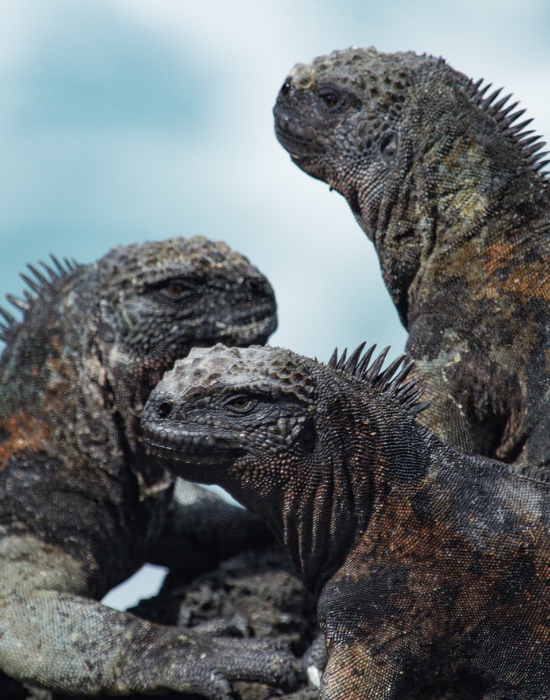
Galápagos Marine Iguanas: Earth’s Only Sea-Grazing Lizard
Marine Iguanas are endemic to the Galápagos islands, meaning they can be found nowhere else on Earth. That’s not the only thing that makes them special; they live like no other lizard, diving into the ocean and grazing on algae. Because these plants are primary producers–meaning they make energy directly out of inorganic materials, such as sunlight–the Marine Iguanas’ grazing directly connects marine primary production to terrestrial nutrient cycles.
Like the Blue-Footed Boobies, Marine Iguanas literally embody the land–sea connection. The whole land-sea food web depends on them, and their population dynamics are key indicators for the broader impacts of climate change and weather events in the Galápagos.
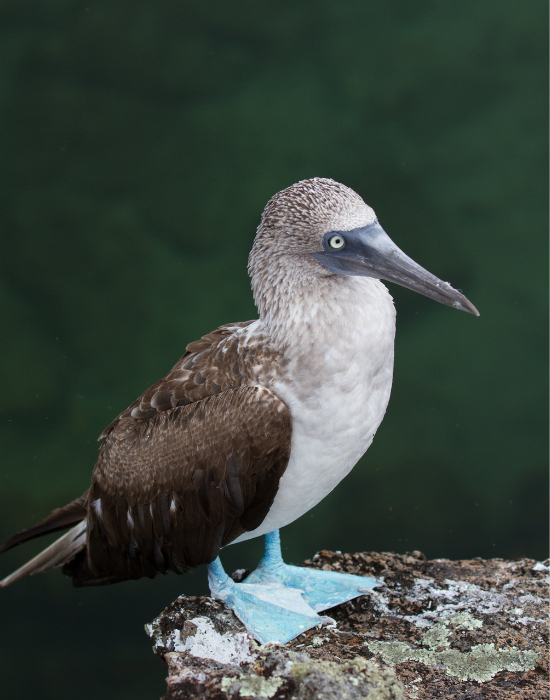
Together, Coconut Crabs, Blue-Footed Boobies, and Marine Iguanas are three examples that demonstrate the incredible variety of roles that connector species can play. Although they are all keystone species, the term “connector species” may be more useful to describe them, since it illustrates exactly what they do: weave the nutrients of two ecosystems together.
Here at Island Conservation, we’ve found that islands with healthy populations of connector species such as seabirds have more bioavailable nitrogen and are healthier overall than places where the populations aren’t so strong. This bears out in the near-shore ecosystems, where coral is healthier and fish biomass is greater. It’s the logic behind one of the most cost-effective nature-based environmental solutions in the world:
Protecting connector species protects entire ecosystems.
Because they move nutrients, shape habitats, and link land and sea, these species enable the ecological processes that keep islands resilient—from coral reef recovery to forest regeneration to fish productivity.
This is why restoring island ecosystems is one of the fastest, most measurable ways to strengthen biodiversity and climate resilience. Sign up for our newsletter to learn more about the fascinating island species we’re working to protect!
There’s more than one way to make an impact. Join our collective of dedicated supporters by donating today or signing up for our newsletter to stay informed.
Check out other journal entries we think you might be interested in.

October 1, 2026
Mangrove forests are one-of-a-kind ecosystems--literally! Find out how conservationists can learn from mangroves and why it matters for islands.

September 24, 2026
Species extinctions don't just affect the ecosystems where they happen. Economies around the world depend on biodiversity, from local to international!

September 9, 2026
El Niño doesn't create weak ecosystems; it reveals them. Find out how resilient islands can survive and bounce back from stress caused by El Niño!

August 25, 2026
A new study reveals the role fungi play in the restoration and recovery of rare, resilient atoll ecosystems!
April 9, 2026
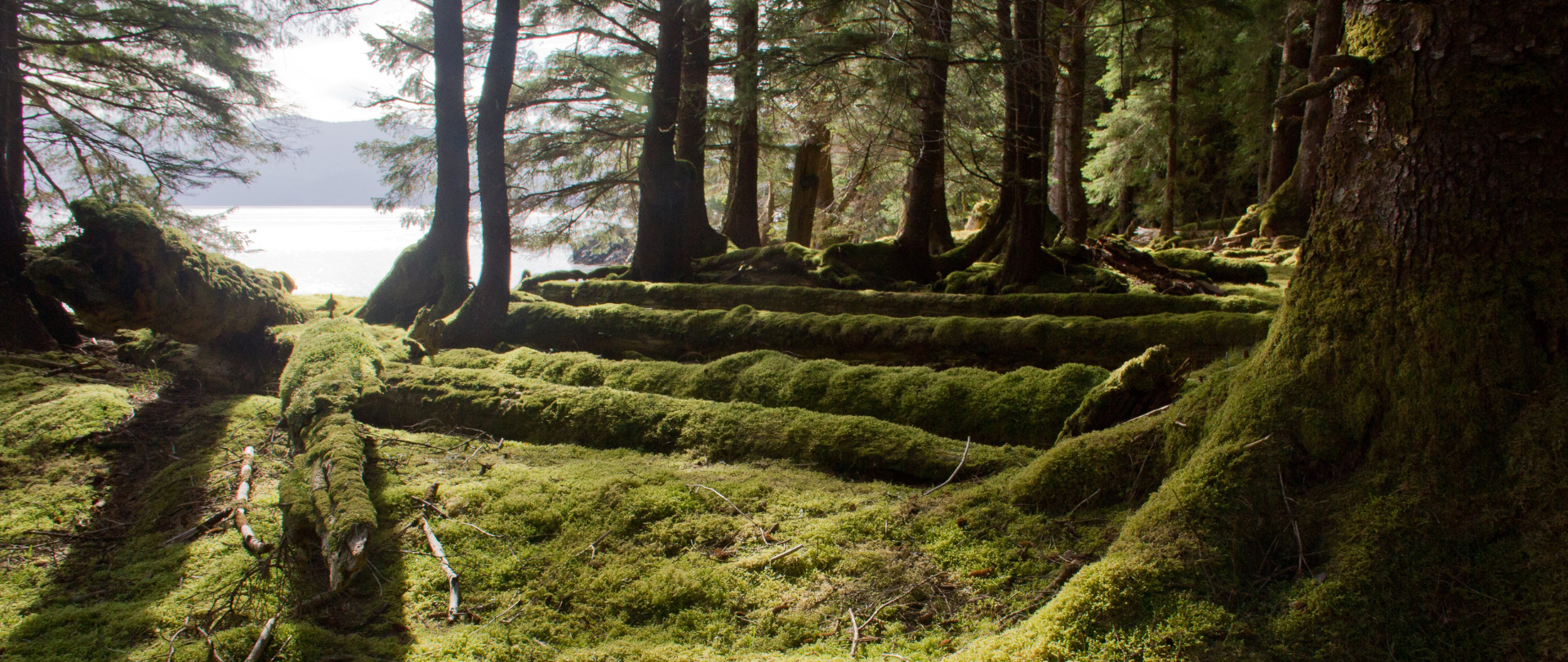
We made a list of easy ways you can show your support for the environment--during April and all year long!
March 3, 2026
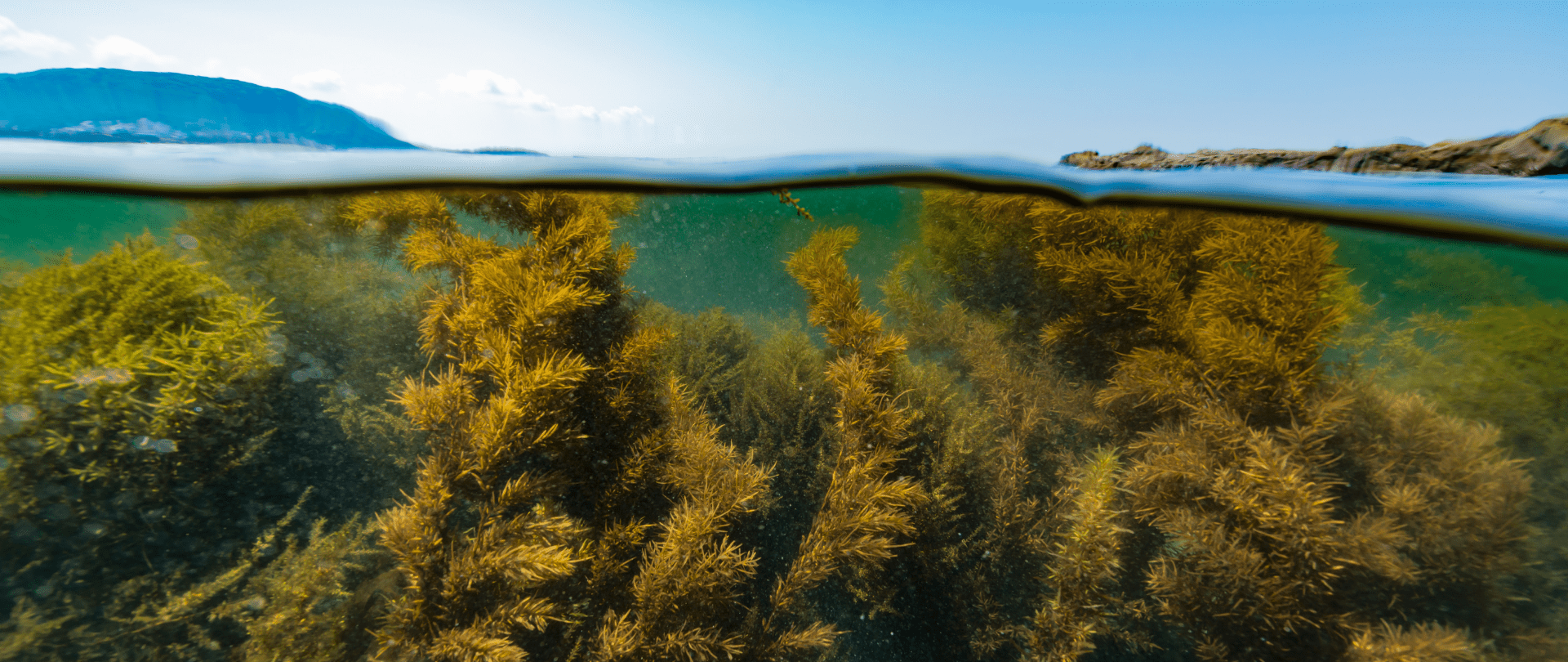
What is holistic restoration? Read all about this incredible method to restore ecosystems for people and nature!
February 6, 2026
¡Mira el video de Solange y lee una entrevista sobre Robinson Crusoe! Watch Solange's video and read an interview about Robinson Crusoe!

January 22, 2026
Our Senior Director of Impact & Innovation, David Will, explains the importance of the Circular Seabird Economy for nutrient transfer!

January 15, 2026
Not all Marine Protected Areas are equally effective. A new study shows how high-quality, well-implemented MPAs provide outsized impacts for biodiversity!
December 22, 2025
Elke Windschitl, our Conservation Impact Data Specialist, gives us the lowdown on