September 17, 2026
Island Conservation and Robinson Crusoe Island, Chile: Growing Hope Together
On the island of Robinson Crusoe in Chile, a greenhouse feeds both a community and an islander-led conservation movement!
 Island Conservation
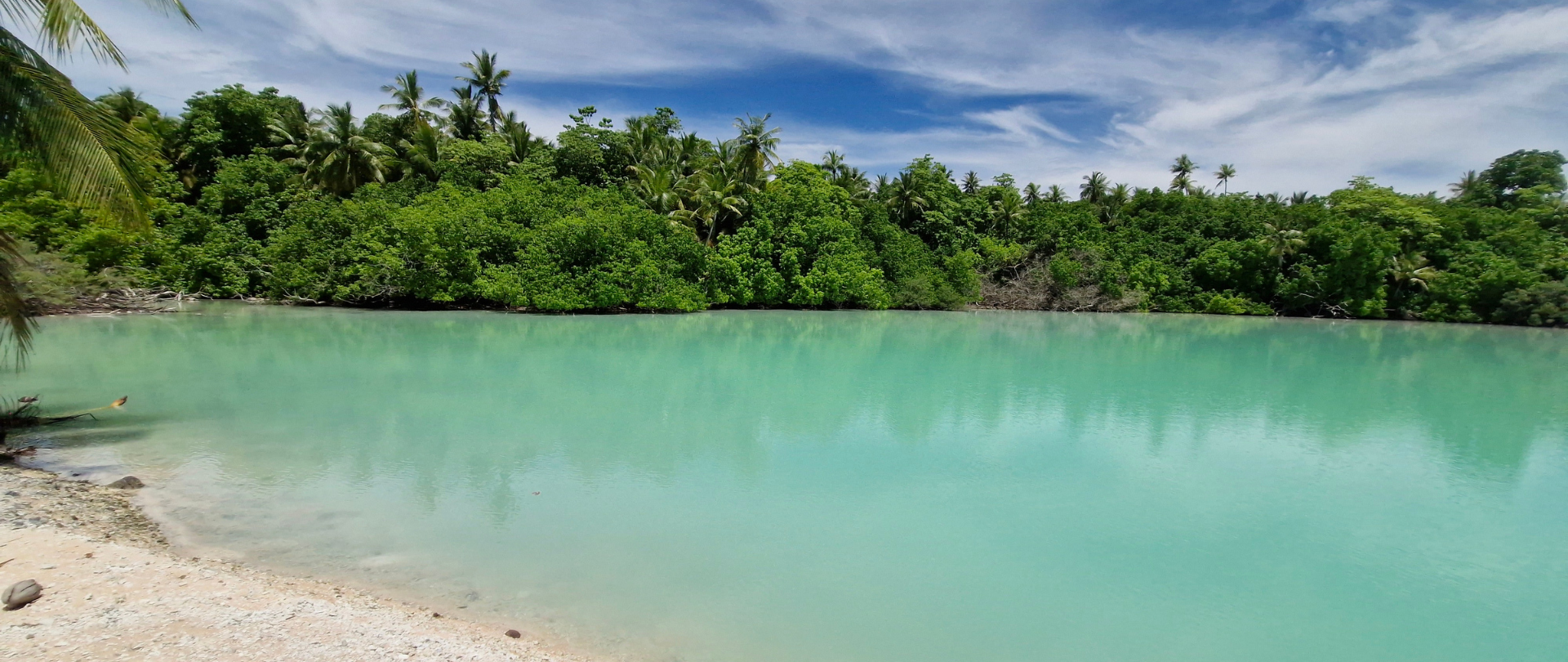
Though small in landmass, the three atolls that make up Tokelau, a dependent territory of New Zealand in the Southern Pacific Ocean, have long punched above their weight in environmental leadership. It’s on the front lines of climate change, with low-lying islands and surrounding reefs vulnerable to sea level rise and tropical cyclones. Nonetheless, Tokelau has hosted some of the earliest formal restoration efforts in the Pacific. Today, Tokelau continues to shape the future of island resilience.
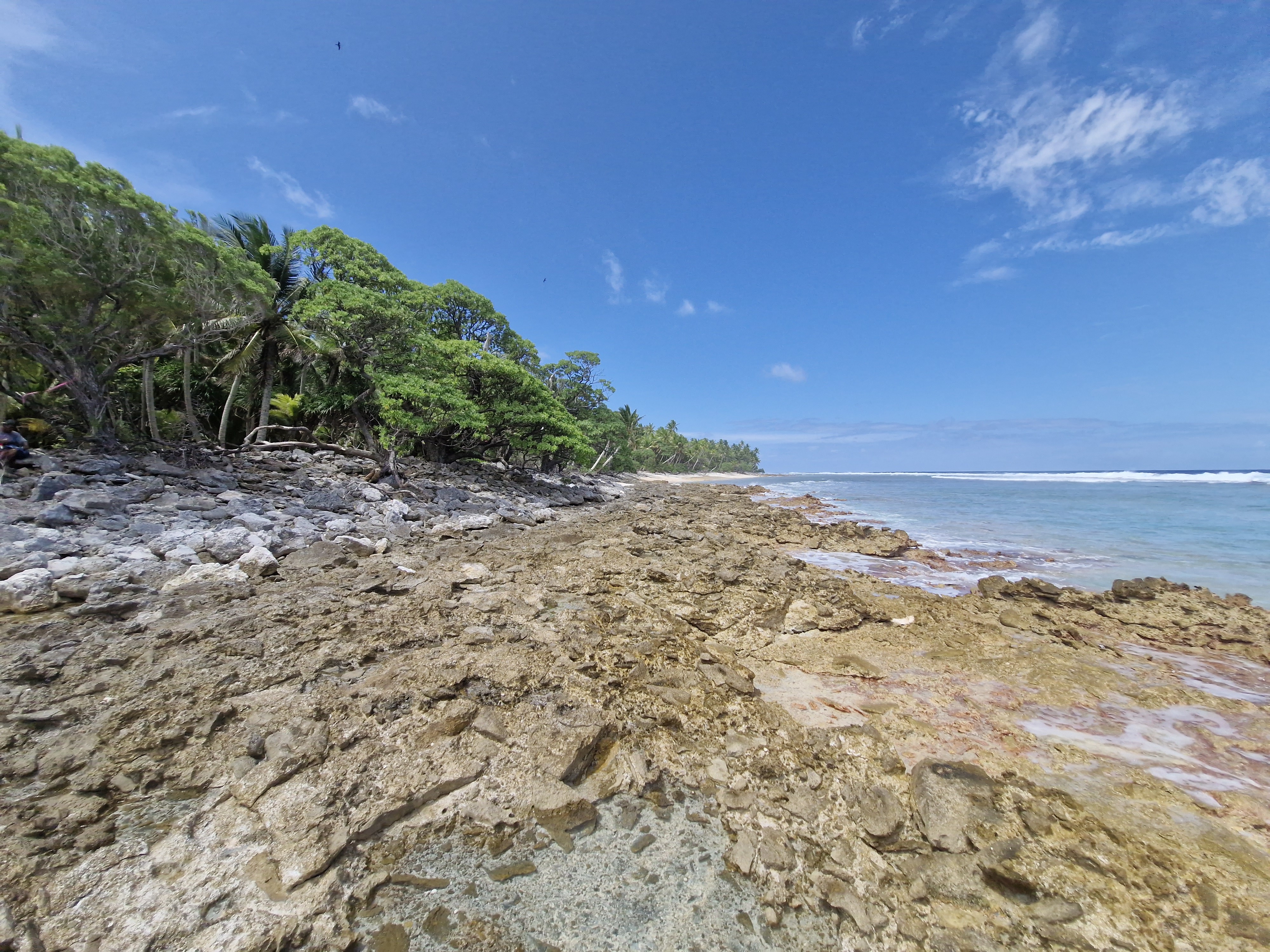
Island Conservation is honored to support Tokelau’s ongoing efforts to protect native biodiversity and strengthen climate resilience through the Pacific Regional Invasive Species Management Support Service (PRISMSS). Our field staff traveled to Tokelau in 2024 to work alongside Tokelau’s Department of Economic Development, Natural Resources & Environment (EDNRE) and PRISMSS, funded in part by New Zealands Ministry of Foreign Affairs and Trade, aiming to help rebalance the ecosystem. We’re taking cues from Tokelau’s leadership: from invasive species removal trials in the 1960s and 70s to today’s integrated ocean acidification initiatives, Tokelau is making a global impact.
Tokelau’s early ecological studies and invasive species control trials laid the groundwork for modern invasive species removal across the Pacific. These historic efforts, which focused on protecting coconut palms and native ecosystems that were essential to Tokelauan livelihoods, were among the first to combine scientific research with community training. The lessons learned continue to inform restoration strategies today, including those led by PRISMSS, which coordinates regional expertise to support island nations in achieving predator-free goals. Island Conservation is proud to be a PRISMSS partner.
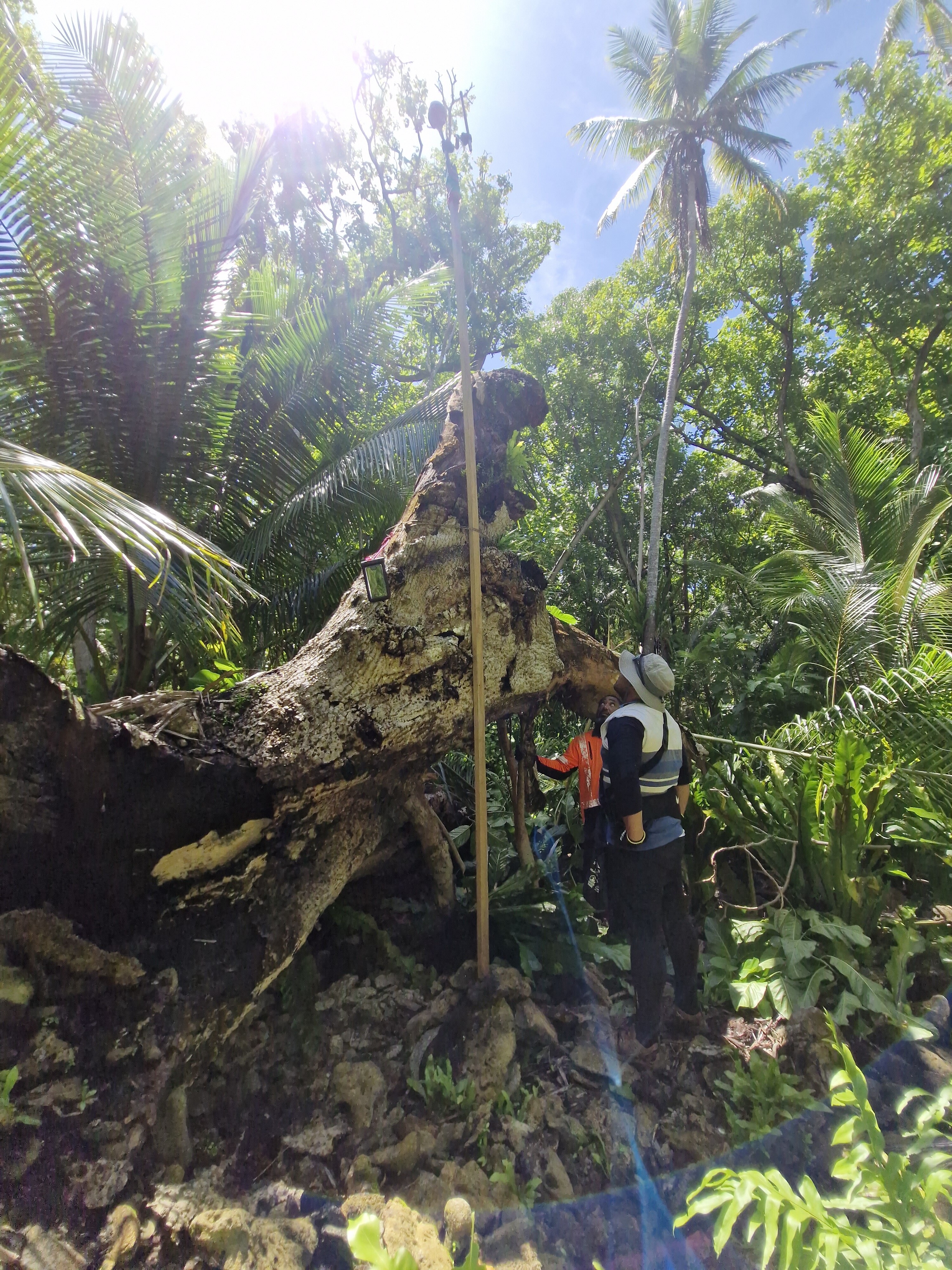
For Tokelauans, as with many other residents of low-lying coral atolls, the ocean sustains their way of life. Their Climate Change Strategy, Living with Change, centers ocean protection and reflects a deep cultural commitment to environmental harmony. Tokelau’s participation in the New Zealand Pacific Partnership on Ocean Acidification (NZPPOA) exemplifies this leadership. Through ecosystem mapping, community education, and coastal monitoring, the islands are building resilience against the damaging effects of introduced invasive species and other stressors like a changing climate.
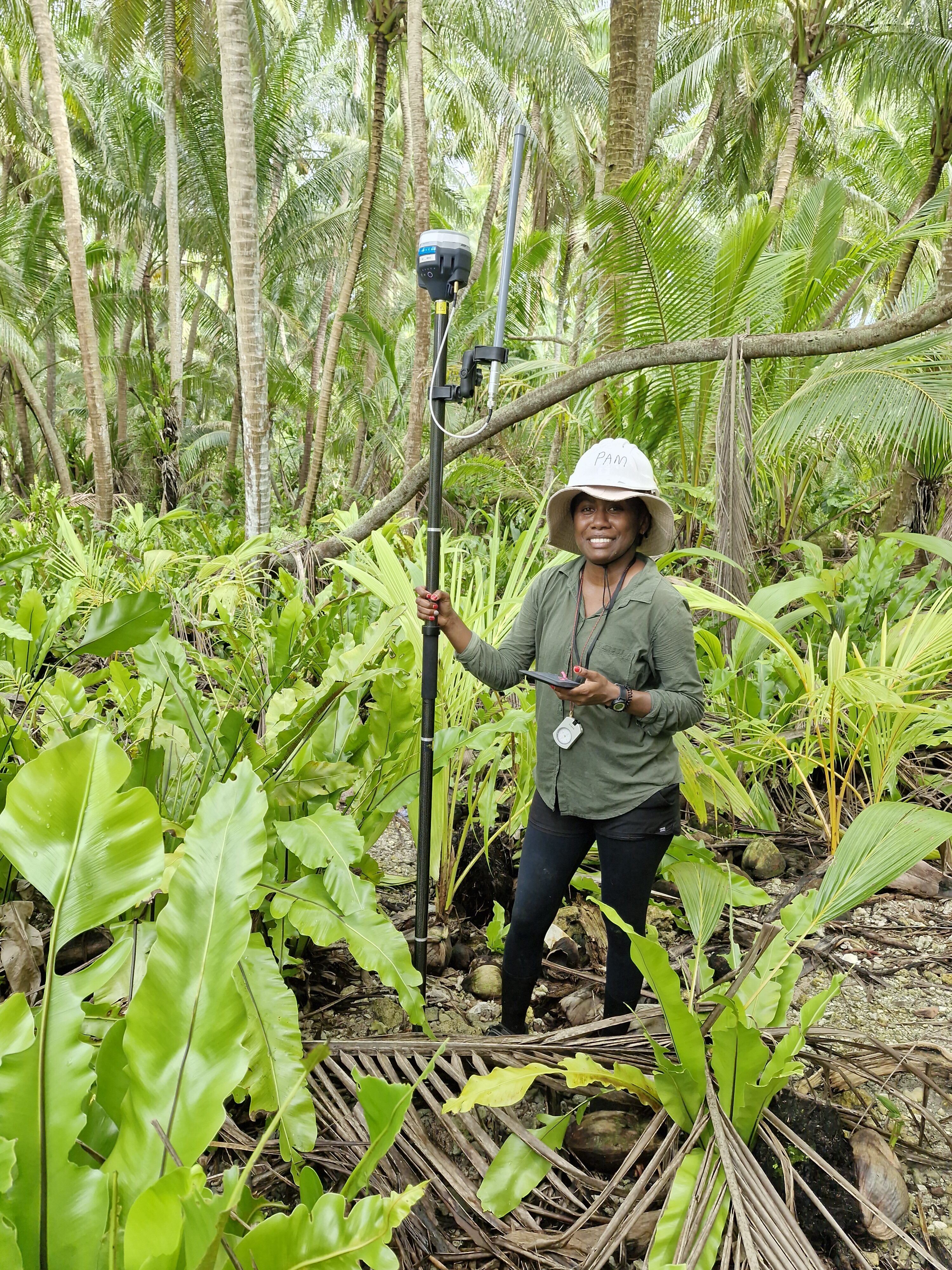
By acting as leaders in ocean conservation, Tokelau also boosts its island ecosystems. The ocean and islands are connected, with nutrients flowing back and forth when both ecosystems are healthy. Invasive species can interrupt this flow, and by taking action to remove them, Tokelau will also help its vast and precious marine ecosystems become stronger in the face of a changing climate.
Tokelau’s conservation success is grounded in the wisdom of its people. By blending ancestral knowledge with modern science, communities are protecting their livelihoods and ecosystems. Their work is a model for other island nations, as it has been since the middle of the 20th Century. And they demonstrate that, along with all the latest technology and conservation science, hope, collaboration, and cultural pride are powerful conservation tools.
There’s more than one way to make an impact. Join our collective of dedicated supporters by donating today or signing up for our newsletter to stay informed.
Check out other journal entries we think you might be interested in.
September 17, 2026
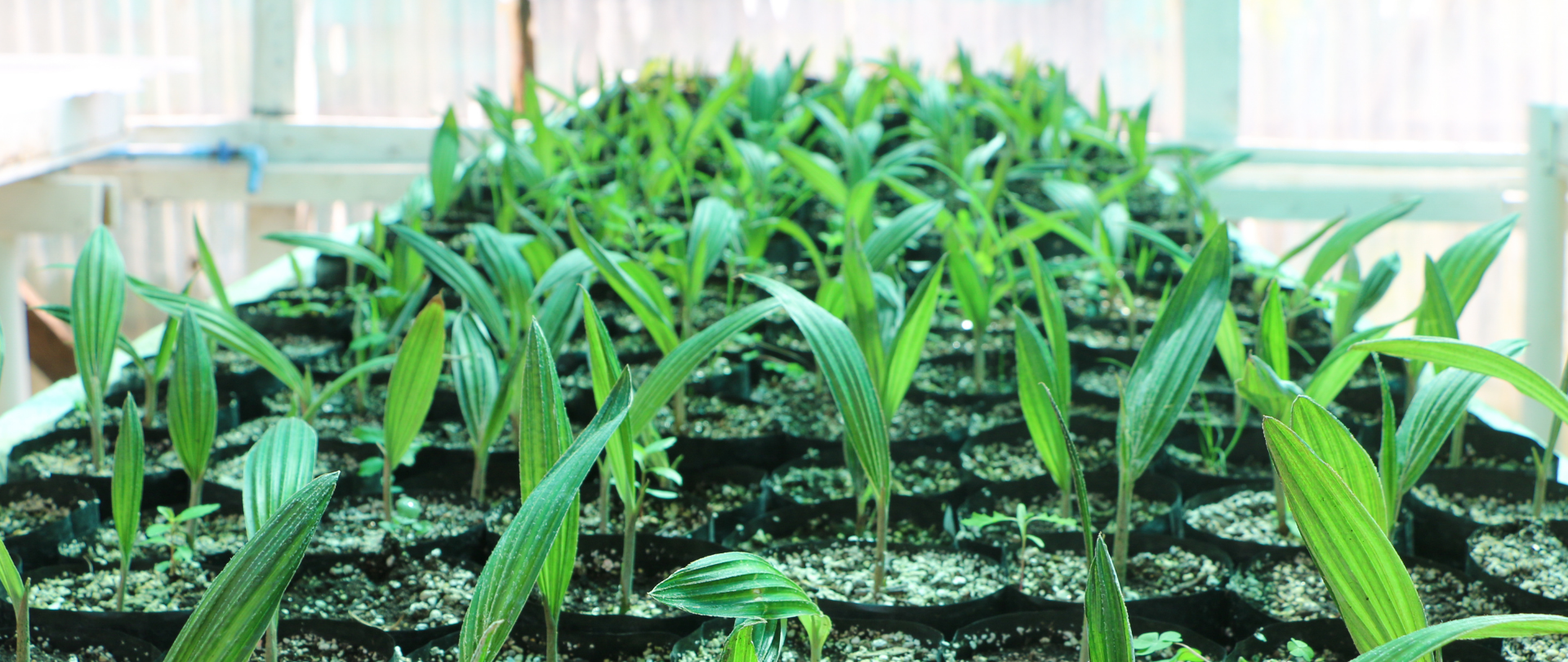
On the island of Robinson Crusoe in Chile, a greenhouse feeds both a community and an islander-led conservation movement!
September 1, 2026
Linden Brown shares the incredible things he saw and experienced while working to restore islands in Sonsorol State, Palau!
August 18, 2026
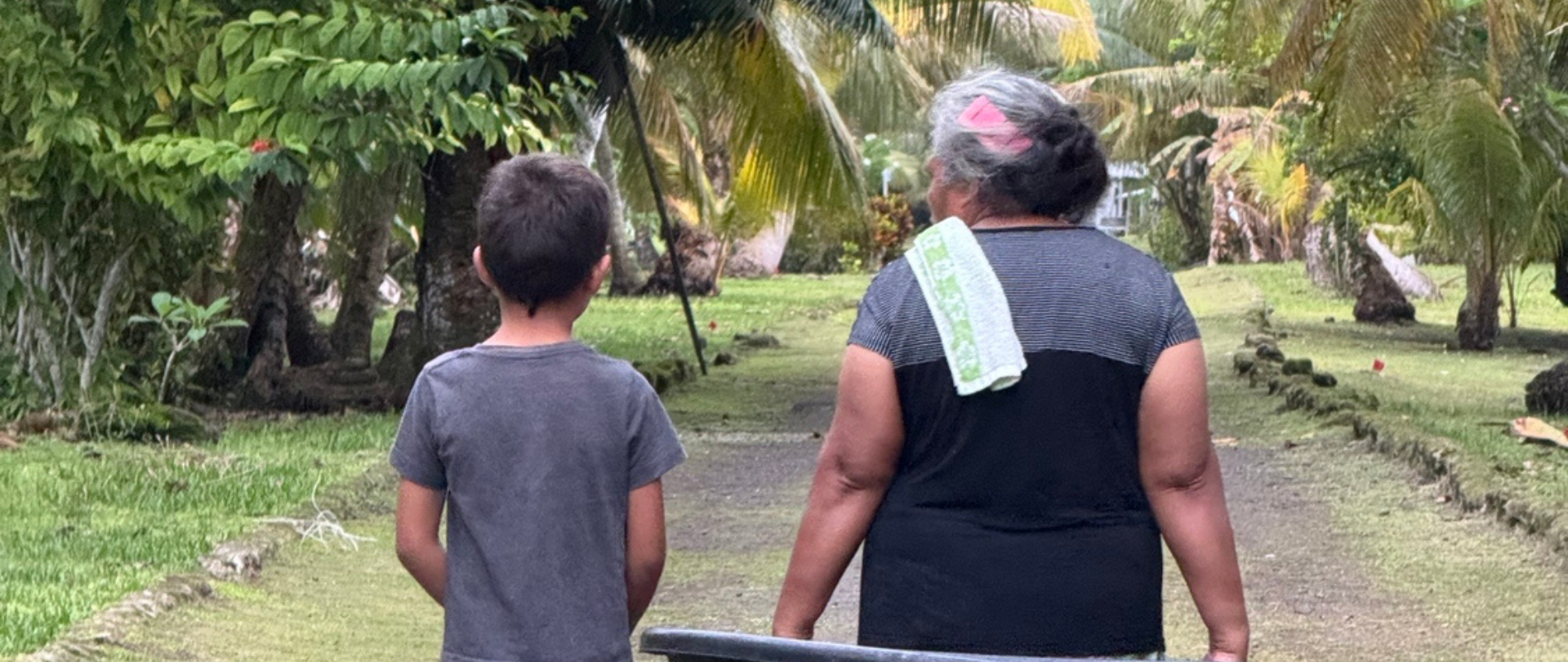
Meet Evelyn, one of the people who holds the wisdom of Sonsorol State, Palau in her lived experiences and stories.
August 4, 2026
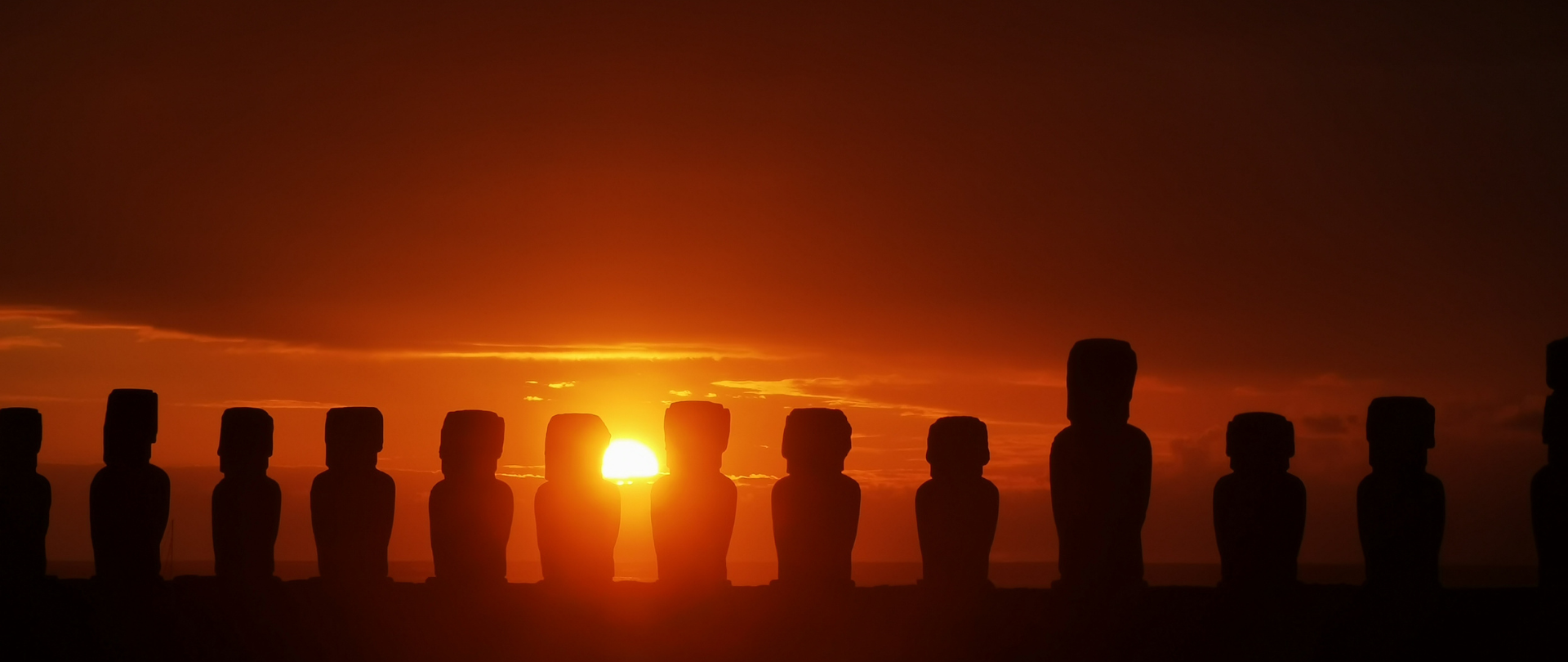
Indigenous-led conservation takes a leap forward with Rapa Nui (Easter Island)'s new partnership with Island Conservation!
July 9, 2026
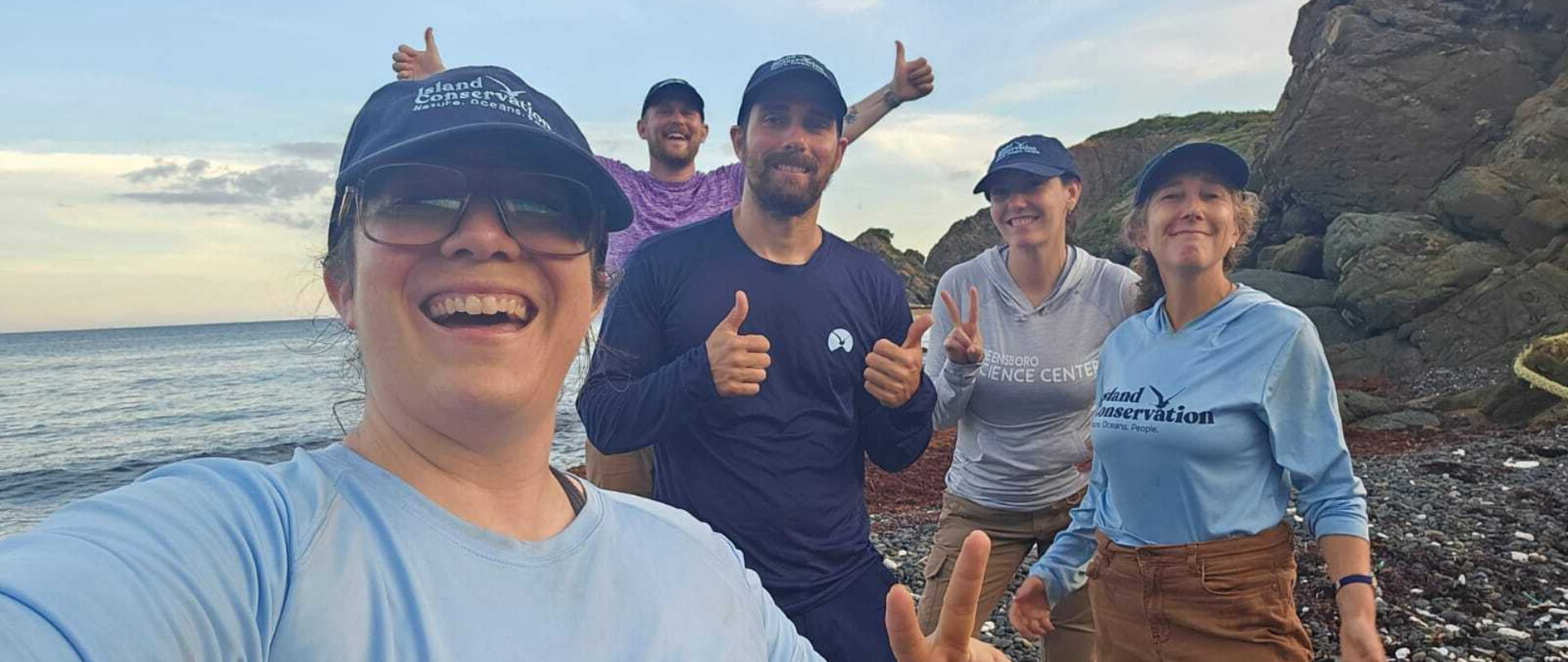
Senior Major Gifts Officer Jen Sachs shares her experience on one of Island Conservation's exciting restoration projects in the US Virgin Islands!
June 23, 2026
The Island-Ocean Connection Challenge announced four new restoration projects—Lehua, Tavolara, Grand Rouveau, and Zembra—at London Climate Week, expanding its global effort to restore 40 island-ocean ecosystems by 2030!
June 18, 2026
A new project to expand the range of an endangered Tree Boa is one step closer to completion!
June 8, 2026
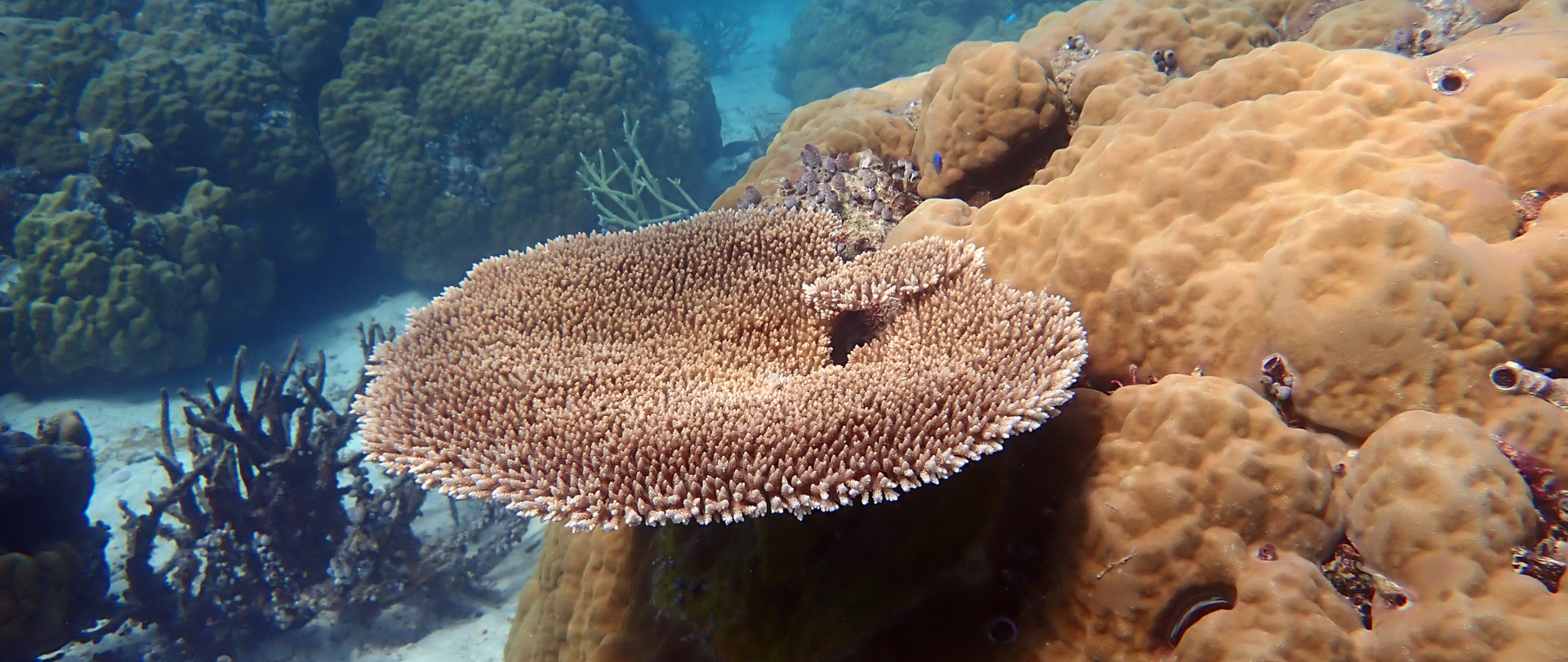
A world-first controlled experiment shows connection between seabird activity and marine health on Ulong Island!
May 20, 2026
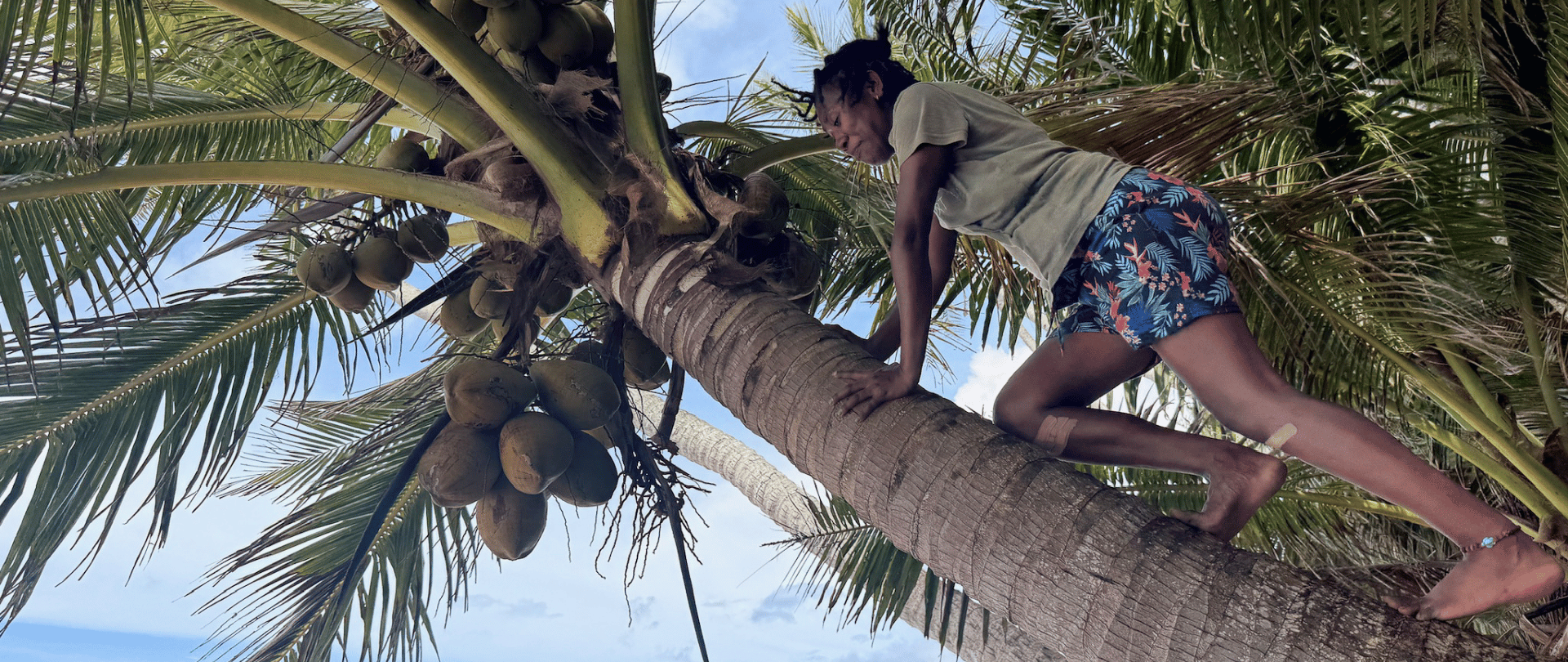
Seasonal Monitoring Specialist Cozette Romero writes about her time working and living on Niulakita in Tuvalu, helping protect the food security and livelihood of an island community!
May 13, 2026
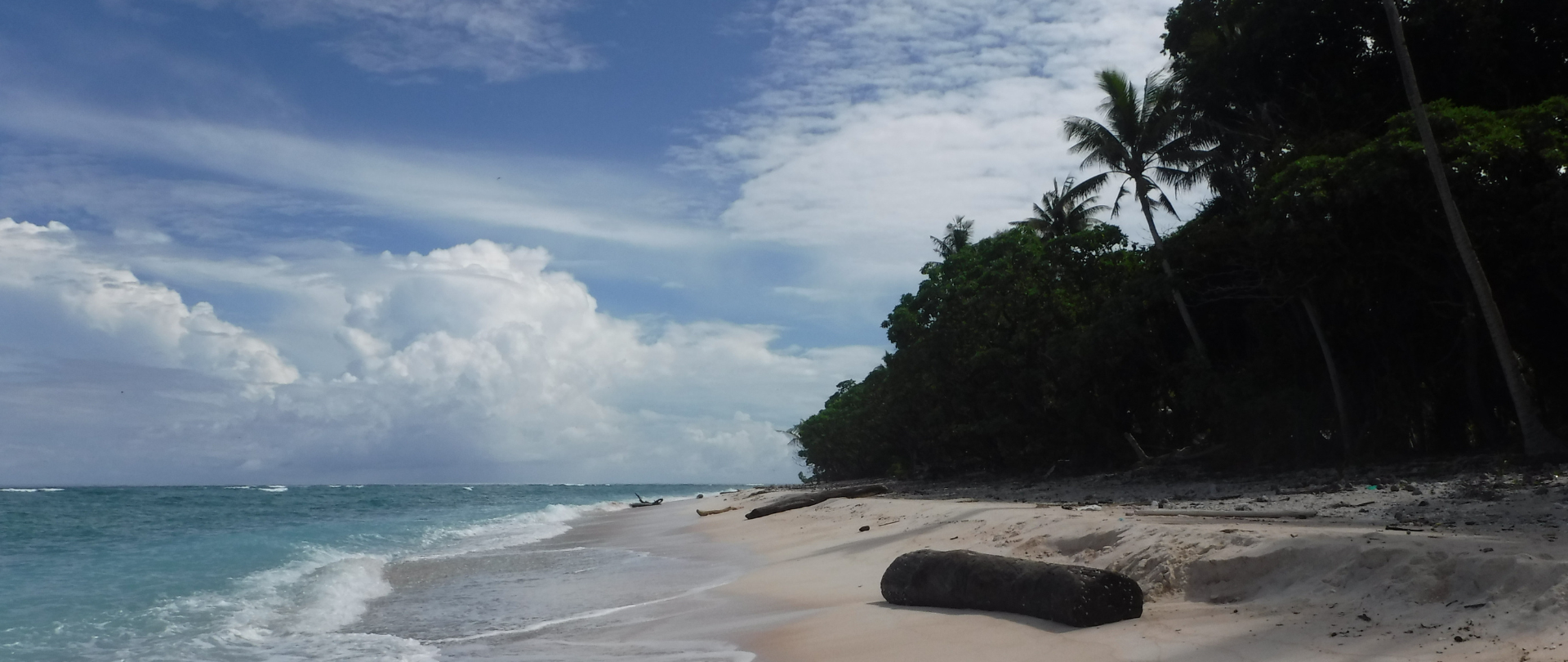
A new project in Sonsorol State, Palau aims to improve livelihoods and climate resilience through holistic environmental restoration!