
Invasive Species

Tag: Invasive Species

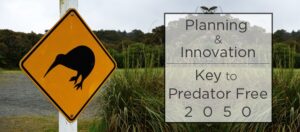
Planning and Technology Key to Predator Free 2050

Careful planning and technological innovation are key to the realization of New Zealand’s project: Predator Free 2050. New Zealand’s first invasive rat eradication took place on a one-hectare island in 1963. Half a century of experience and accumulated wisdom later, the country is rolling out Predator Free 2050, a plan to remove all invasive rats, possums, […]
Written by on January 17, 2017

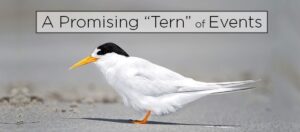
Fairy Tern: A Promising Turn of Events

Four Fairy Tern chicks (classified Vulnerable) just hatched on beaches from Waipu to Mangawhai, New Zealand. The Fairy Tern is a beautiful seabird species classified by the International Union for the Conservation of Nature as Vulnerable. This seabird nests on mainland coastlines as well as on offshore islands. The species faces a number of threats, including […]

Written by on January 11, 2017

Turning Over a New Leaf: Restoration of Midway Atoll

A story of change and recovery on Midway Atoll National Wildlife Refuge, a novel environment. By: Wieteke Holthuijzen Located at the far end of the extensive Northwestern Hawaiian Islands, Midway Atoll National Wildlife Refuge (NWR) is one of the most remote atolls in the world—more than 1,500 miles north-west from Honolulu, Hawai’i. Home to the world’s […]

Written by on January 9, 2017

Iguanas for Lunch

When an invasive iguana begins to take over the Cayman Islands in the Caribbean, solve the problem by serving them up for lunch. Imagine — two iguana species living on Grand Cayman Island. One is the invasive Green Iguana and one is the Endangered Blue Iguana, which is native to the island. The Green Iguana […]

Written by on December 22, 2016

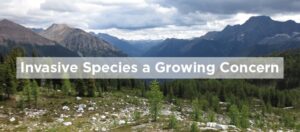
Invasive Plant Species a Growing Concern

Invasive plant species  can degrade ecosystems, as is the case in British Columbia.  When it comes to invasive species, prevention and early treatment are much better options than delaying intervention. This is true of invasive animals and plants alike. Todd Larsen, executive director of the East Kootenay Invasive Species Control, said: We deal with dozens of […]

Written by on December 15, 2016

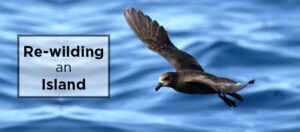
Re-wilding an Island

Great Mercury Island, New Zealand is recovering following removal of invasive predators. In 2014, a population of invasive predators was completely removed from Ahuahu (Great Mercury Island) by the Department of Conservation. Following this intervention, the island’s original predators and keystone species have begun to return. The Pycroft’s Petrel was recorded on the island after […]

Written by on December 15, 2016

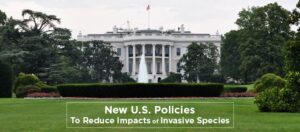
Executive Order — Safeguarding the Nation from the Impacts of Invasive Species

Following the first annual Innovation Summit for Invasive Species management in Washington D.C., President Barack Obama signed an executive order outlining policies for the prevention and reduction of impacts of invasive species. This marks an important step toward improved environmental, economic, and health conditions in the U.S. and worldwide. The White House Office of the Press […]

Written by on December 15, 2016

Pacific Islands Take Invasive Species Problems Head-on

At the 2016 UN Biodiversity Conference in Cancun, Mexico, Pacific Islands outline action plan to manage invasive species and their impacts. The Pacific Regional Environment Programme (SPREP) announced commitments to empower and support Pacific Islands in repairing and preventing damages from invasive species. The Pacific Islands face some of the highest extinction rates in the world. […]

Written by on December 10, 2016

New Zealand Takes World Leadership Role To Reduce Impacts of Invasive Species

NZ taking world leadership role against invasive species. New Zealand is taking action to protect its native species. The country has vowed to remove 100% of invasive rats, stoats, and possums by 2050. New Zealand Minister of Conservation Maggie Barry said: New Zealand’s commitment to Predator Free 2050 is the largest and most ambitious invasive species eradication […]

Written by on December 8, 2016

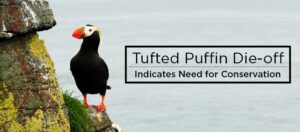
Puffin Die-off Alarms Scientists

Scientists suspect ocean warming explains the hundreds of dead, starved Tufted Puffins that are washing up on the shores of the Pribilof Islands off the coast of Alaska. Imagine a shoreline littered with the starved bodies of Tufted Puffins. The eerie scene is unlike anything seen before in the Pribilof Islands. University of Washington professor Julia Parrish noted: In […]

Written by on December 7, 2016