August 4, 2026
Rapa Nui Advances Community-Led Management of Marine Protected Areas with New Conservation Partnerships
Indigenous-led conservation takes a leap forward with Rapa Nui (Easter Island)'s new partnership with Island Conservation!
 Island Conservation
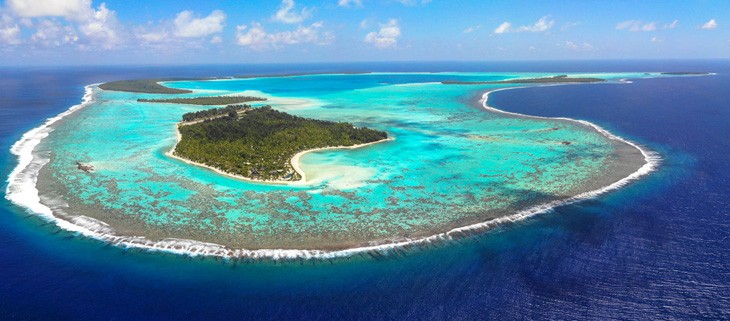
Tetiaroa Atoll, French Polynesia, is famous for its luxury resort inspired by Marlon Brando, who purchased Tetiaroa’s islets after filming Mutiny on the Bounty in Tahiti.
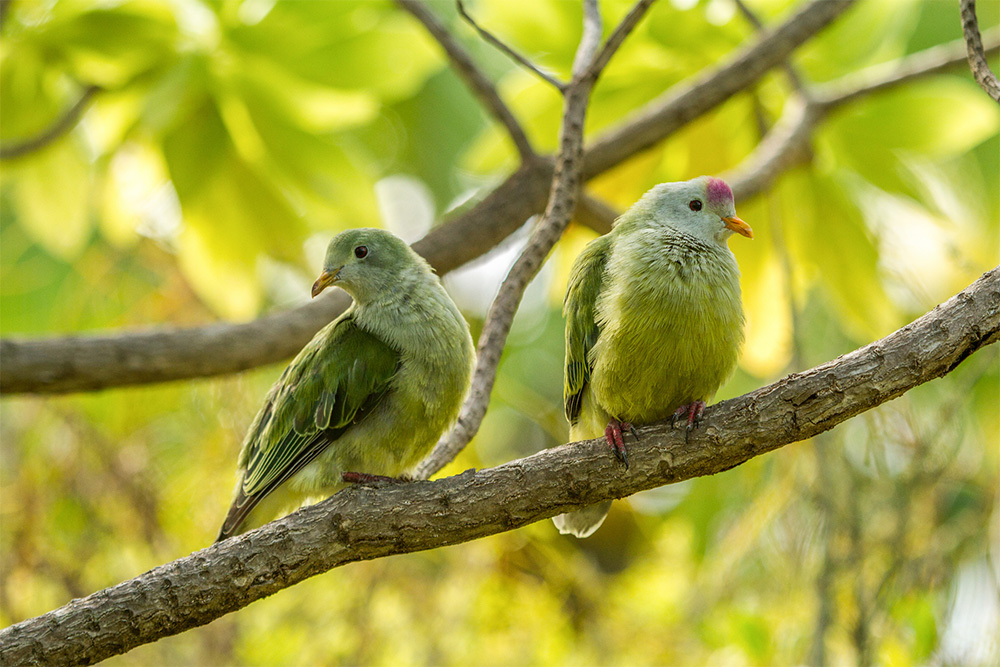
However, these islands are also home to important native wildlife. The atoll is rich in biodiversity and is the most important seabird nesting site in the Leeward Society Islands.
For decades now, Tetiaroa’s islets hosted multiple invasive species including two species of rats, insects, and plants. In an effort to restore the atoll and prevent the spread of invasive rats to more islands, conservationists from around the world came together to find the most effective means of saving native wildlife.
In 2017, the Tetiaroa Society, Island Conservation, the University of Auckland, and the Royal Society for the Protection of Birds (RSPB) led by Dr. Araceli Samaniego began studying key islands including
In 2018, after studies found the removal of invasive rats is feasible and will overwhelmingly benefit native wildlife, the first phase of the project was put into place. Informed by similar projects around the world including the restoration of Palmyra Atoll, the partners implemented the removal of invasive rats from Motu Reiono.
Although an official declaration of success will have to wait at least a year, this is a positive sign for native plants and animals.
The restoration of the atoll is set to benefit the locally threatened birds, prevent the further spread of invasive species, and could lead to the translocation of other native wildlife currently facing population declines in the region.
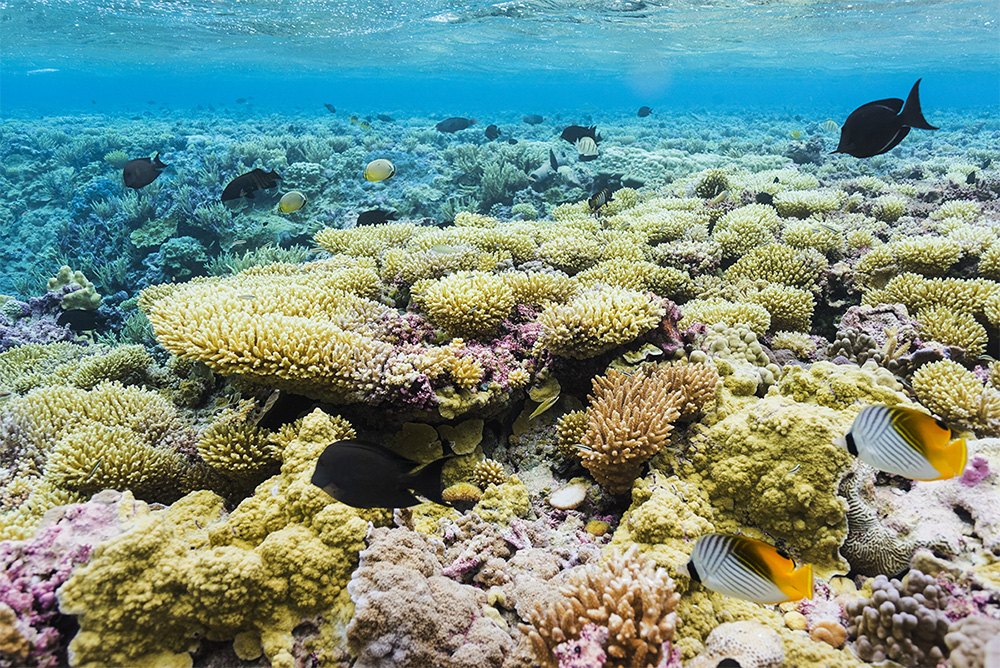
Conservationists are also hopeful that the removal of rats will have cascading ecological benefits including thriving coral reefs such as been recorded surrounding the Chagos Archipelago. The partners hope that one day Tetiaroa Atoll’s habitat is protected and thriving free from the threat of invasive species.
This project was possible with support from the National Fish and Wildlife Foundations and other donors.
Featured photo: Aerial view of Marlon Brando’s island in the Tetiaroa Atoll. Credit: Pierre Lesage
Check out other journal entries we think you might be interested in.
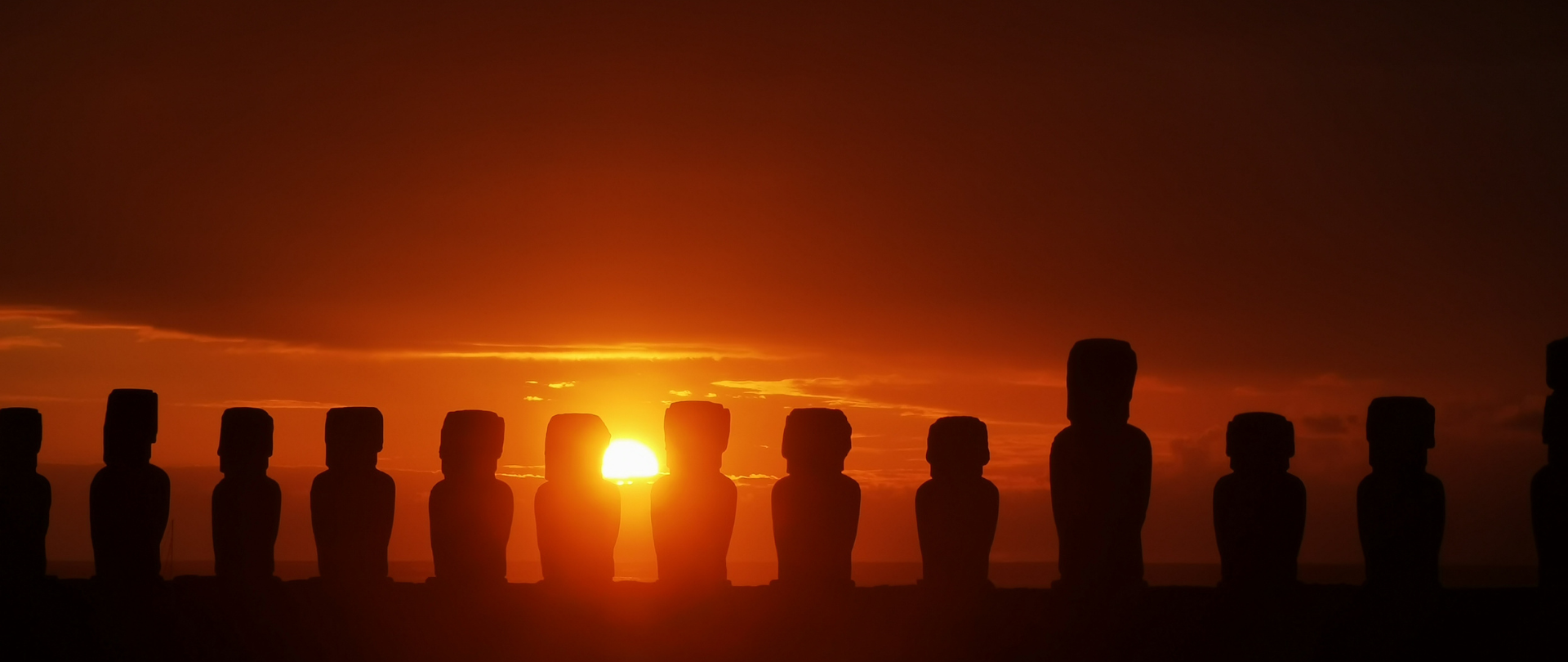
August 4, 2026
Indigenous-led conservation takes a leap forward with Rapa Nui (Easter Island)'s new partnership with Island Conservation!
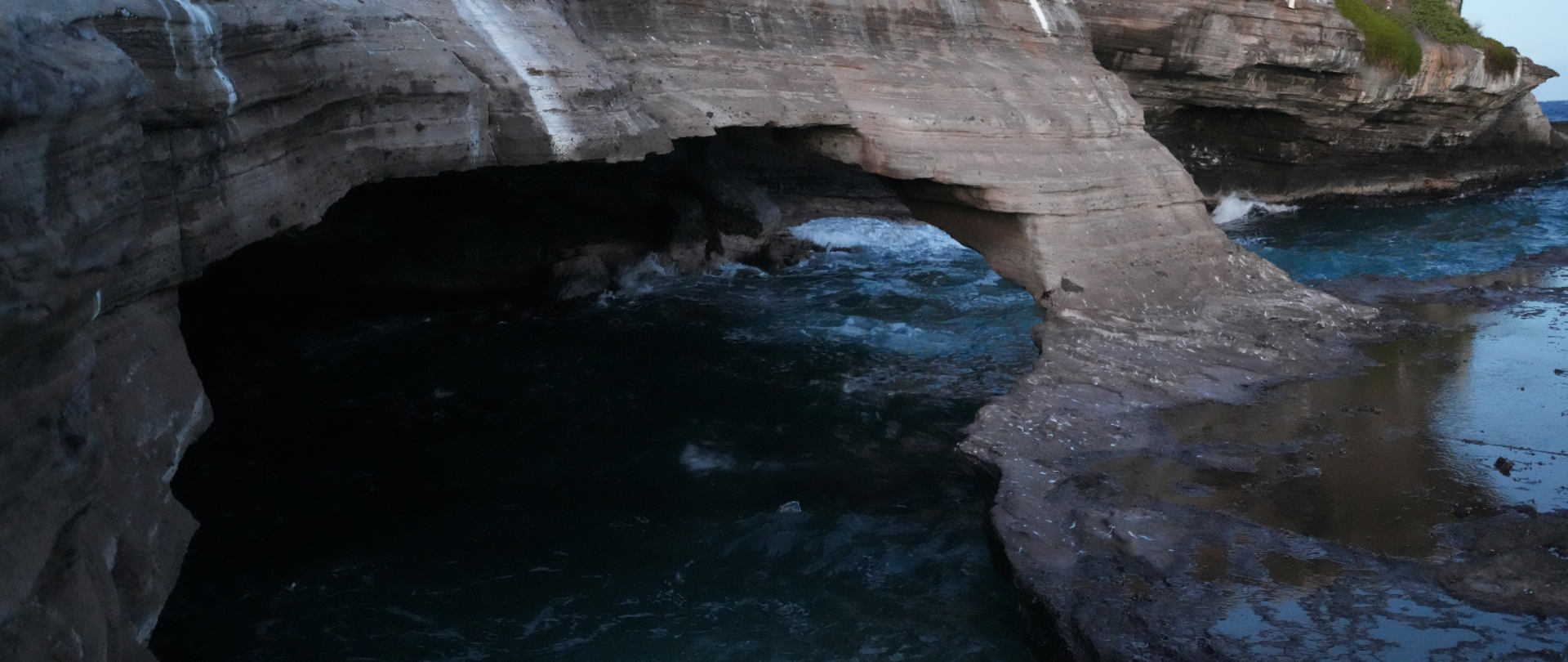
June 23, 2026
The Island-Ocean Connection Challenge announced four new restoration projects—Lehua, Tavolara, Grand Rouveau, and Zembra—at London Climate Week, expanding its global effort to restore 40 island-ocean ecosystems by 2030!
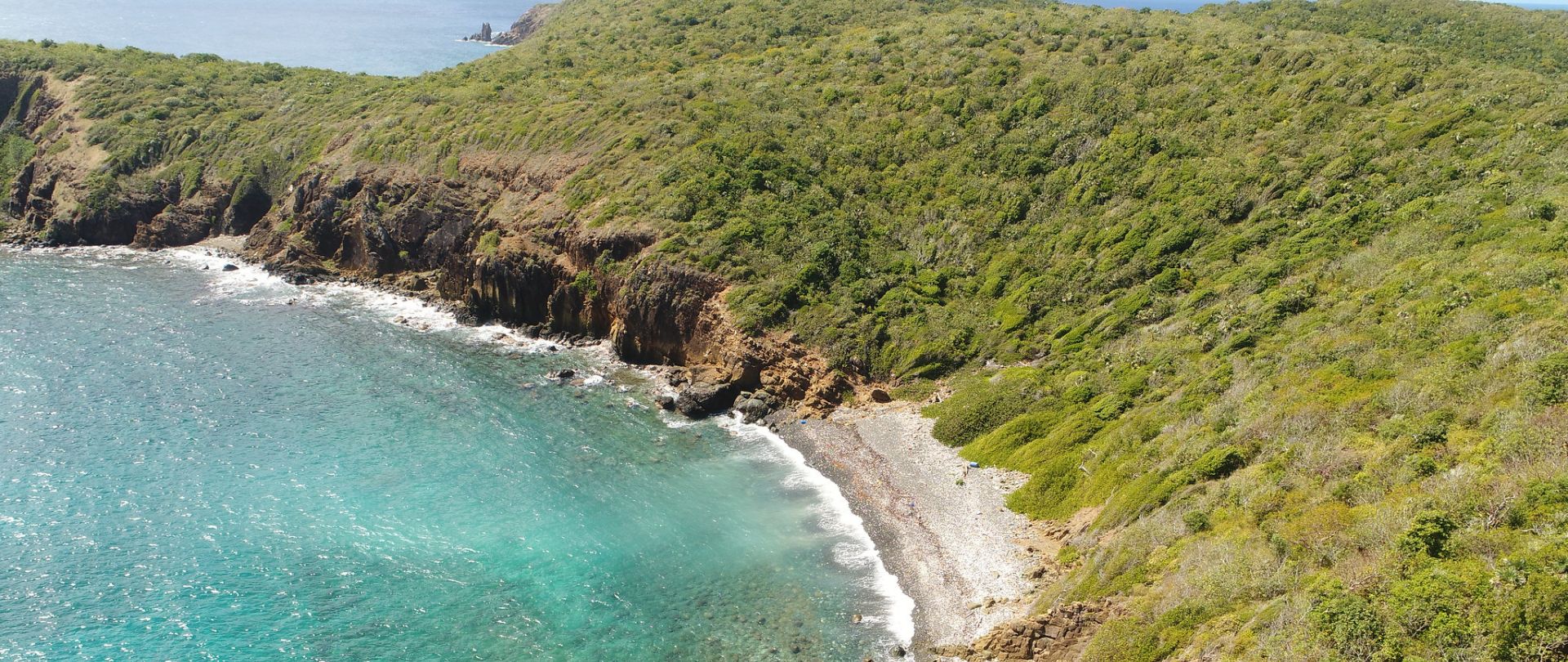
June 18, 2026
A new project to expand the range of an endangered Tree Boa is one step closer to completion!
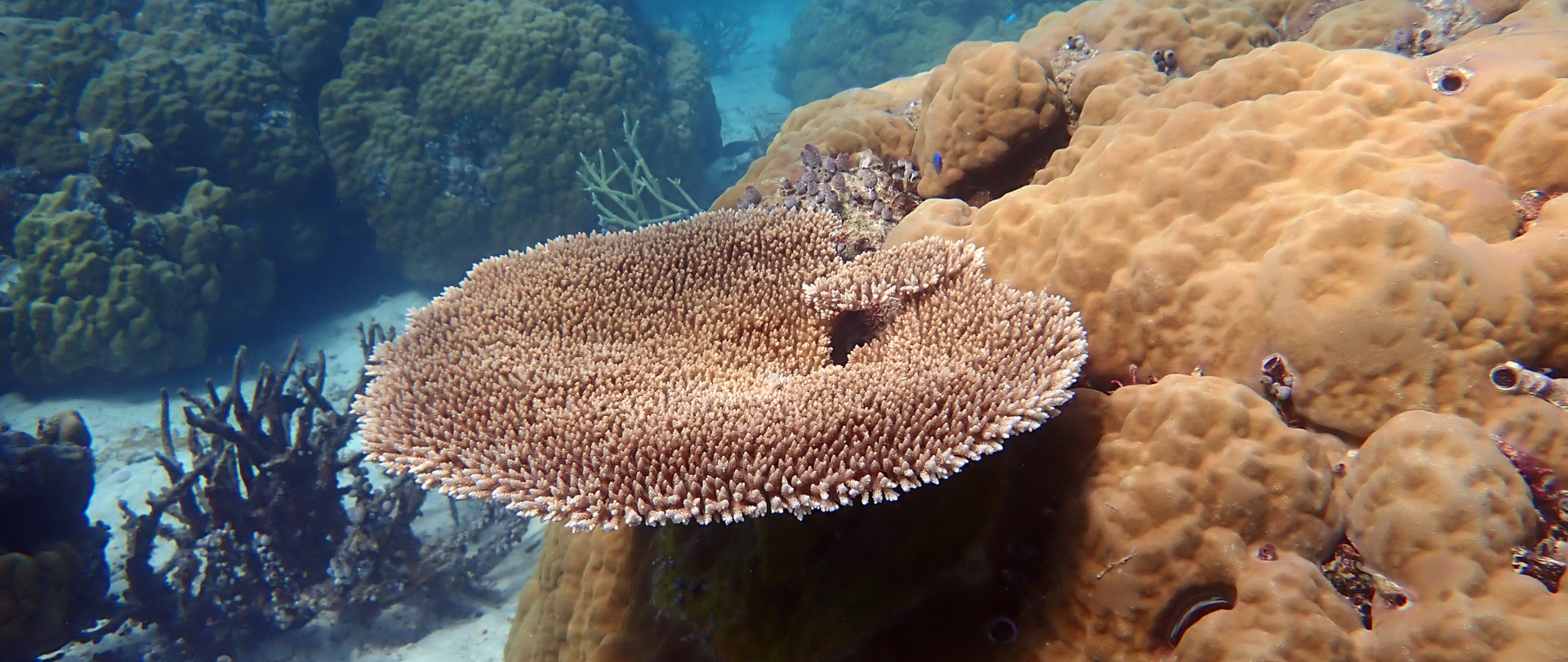
June 8, 2026
A world-first controlled experiment shows connection between seabird activity and marine health on Ulong Island!
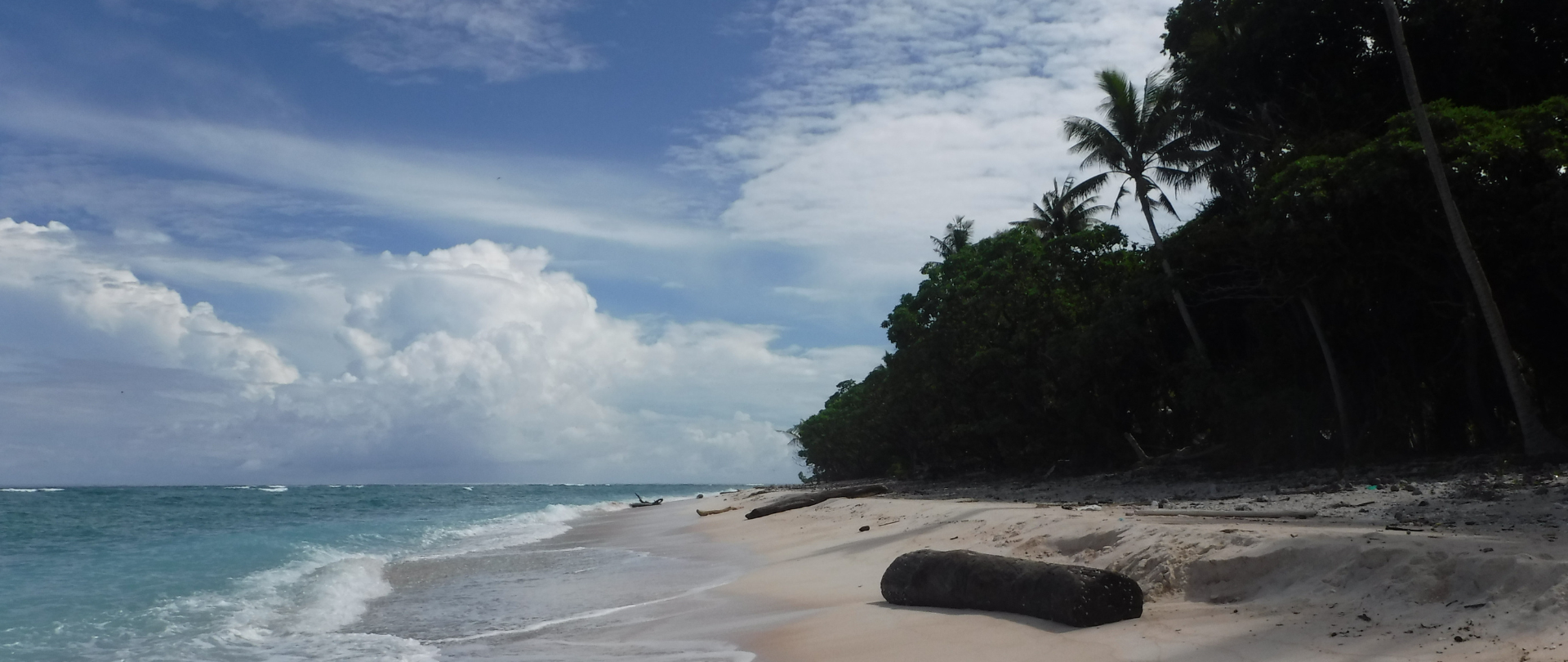
May 13, 2026
A new project in Sonsorol State, Palau aims to improve livelihoods and climate resilience through holistic environmental restoration!
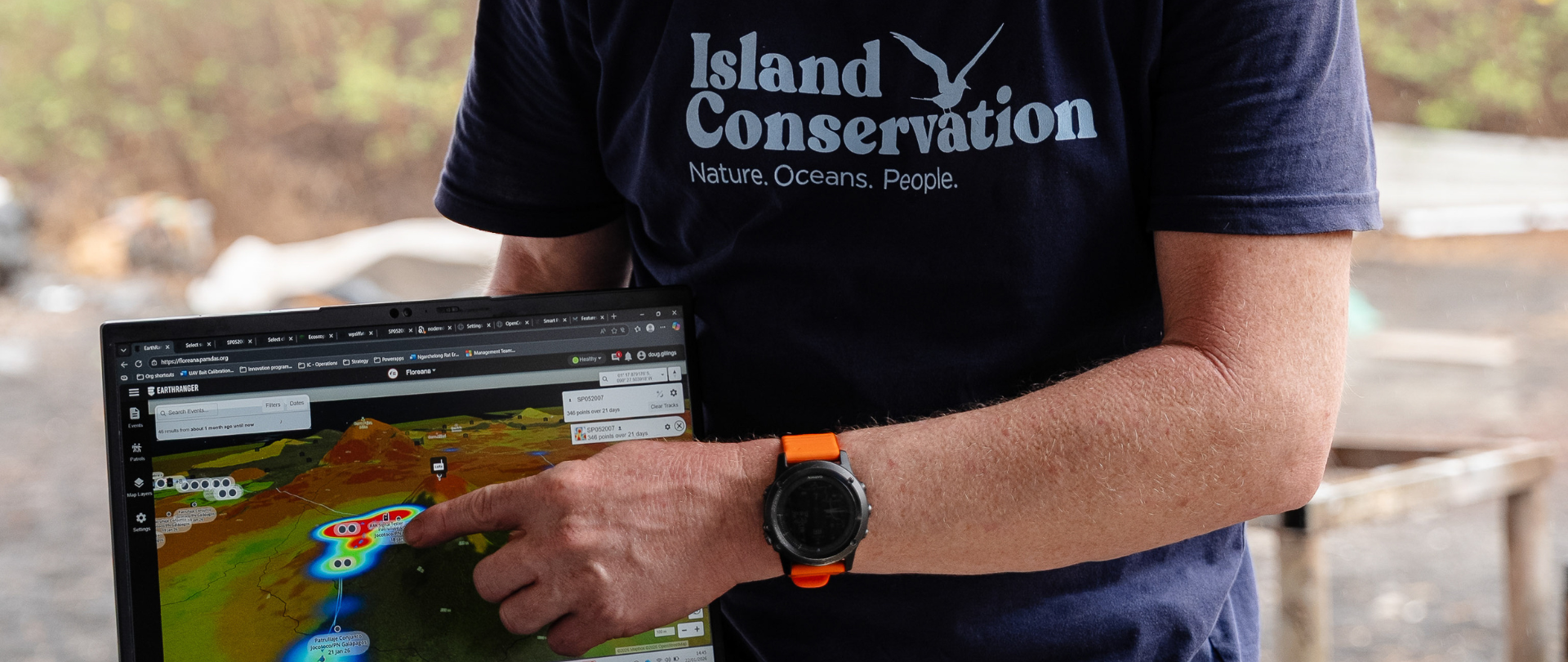
May 5, 2026
Thrilling new tech brings conservation solutions to a remote island in the Galápagos!
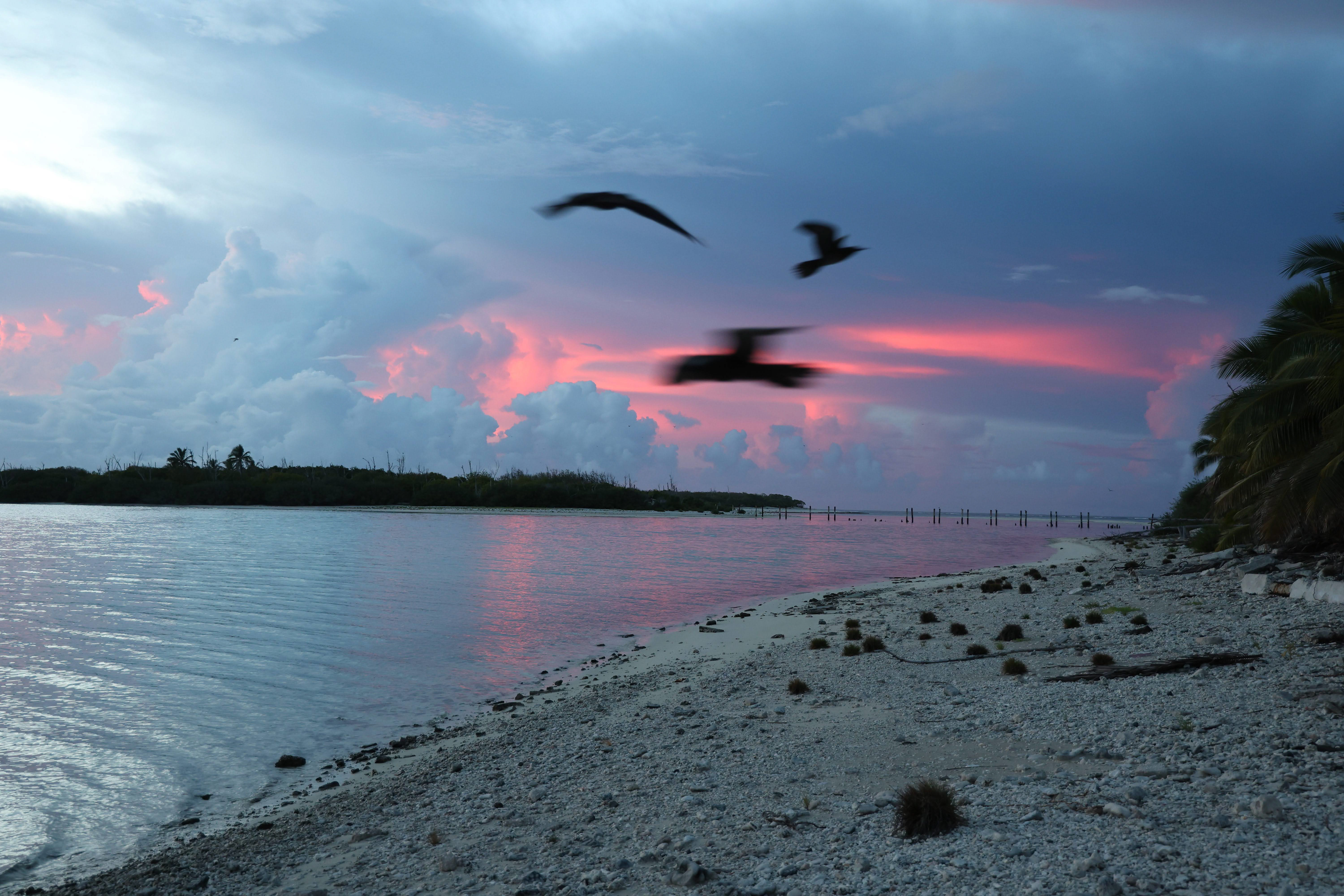
April 14, 2026
A historic moment: Wake Atoll is restored and thriving!
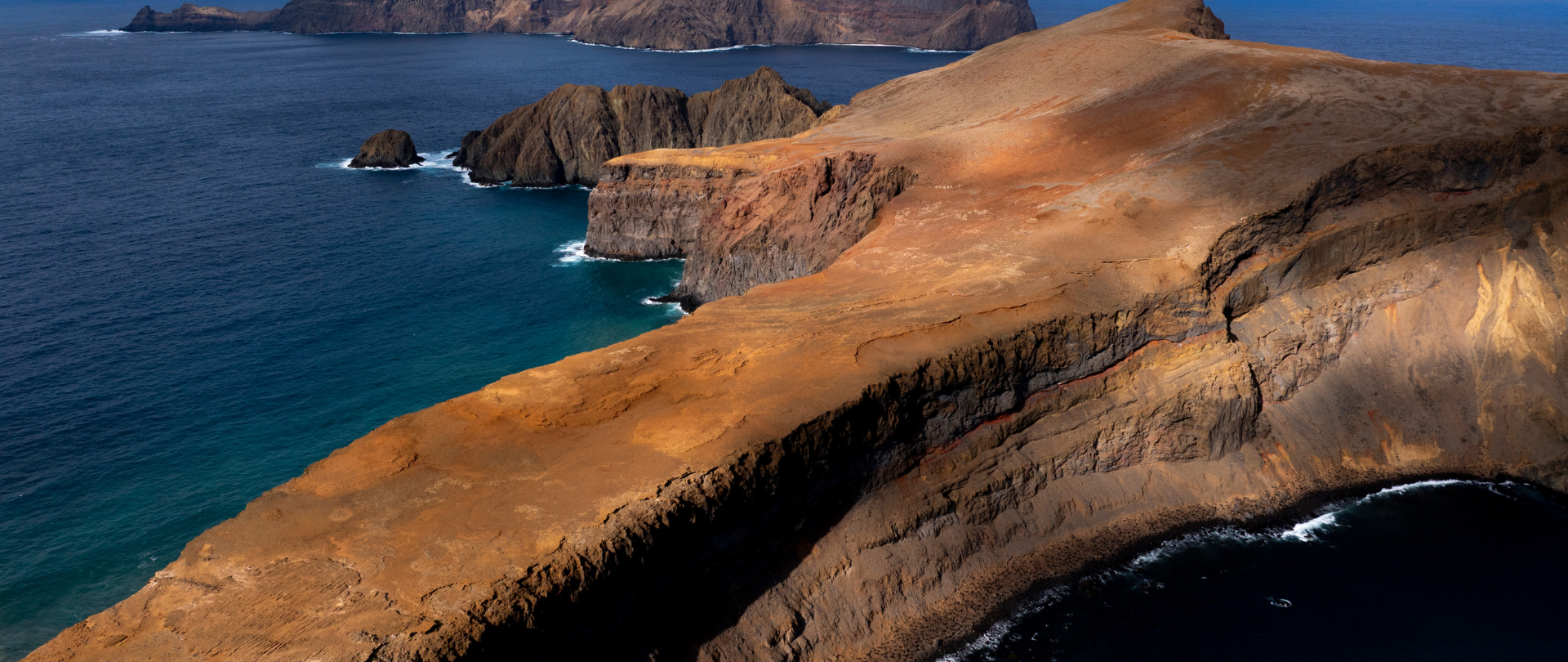
March 10, 2026
The Juan Fernández Archipelago is part of a new Marine Protected Area that protects the highest concentration of marine species found nowhere else on Earth!
February 20, 2026
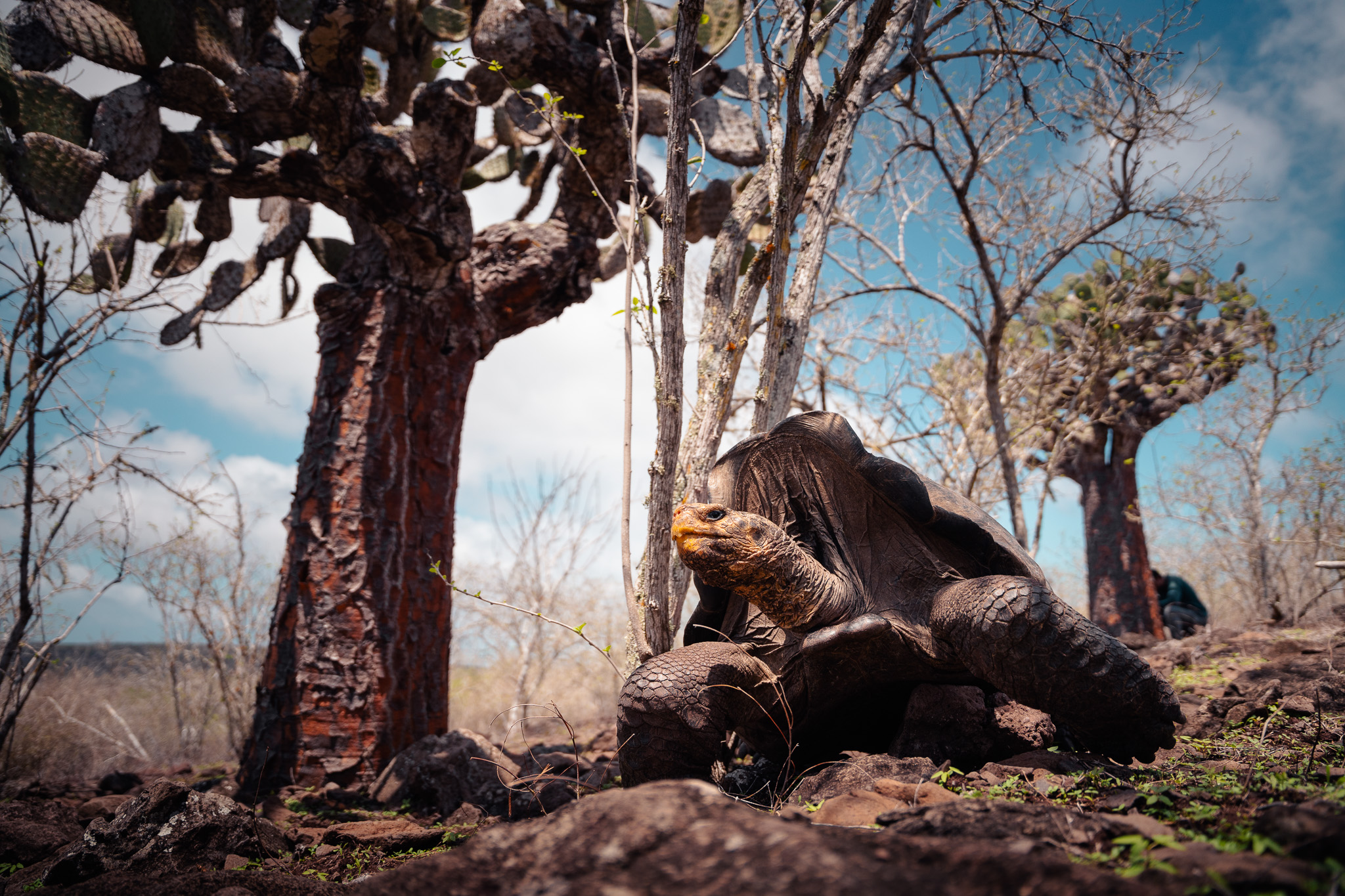
For the first time in more than 180 years, giant tortoises are once again walking the landscapes of Floreana Island!
October 30, 2025
Our proposal for a United Nations-sanctioned Decade of Island Resilience spotlights the power of global small islands!