March 3, 2026
What is holistic restoration?
What is holistic restoration? Read all about this incredible method to restore ecosystems for people and nature!
 Island Conservation
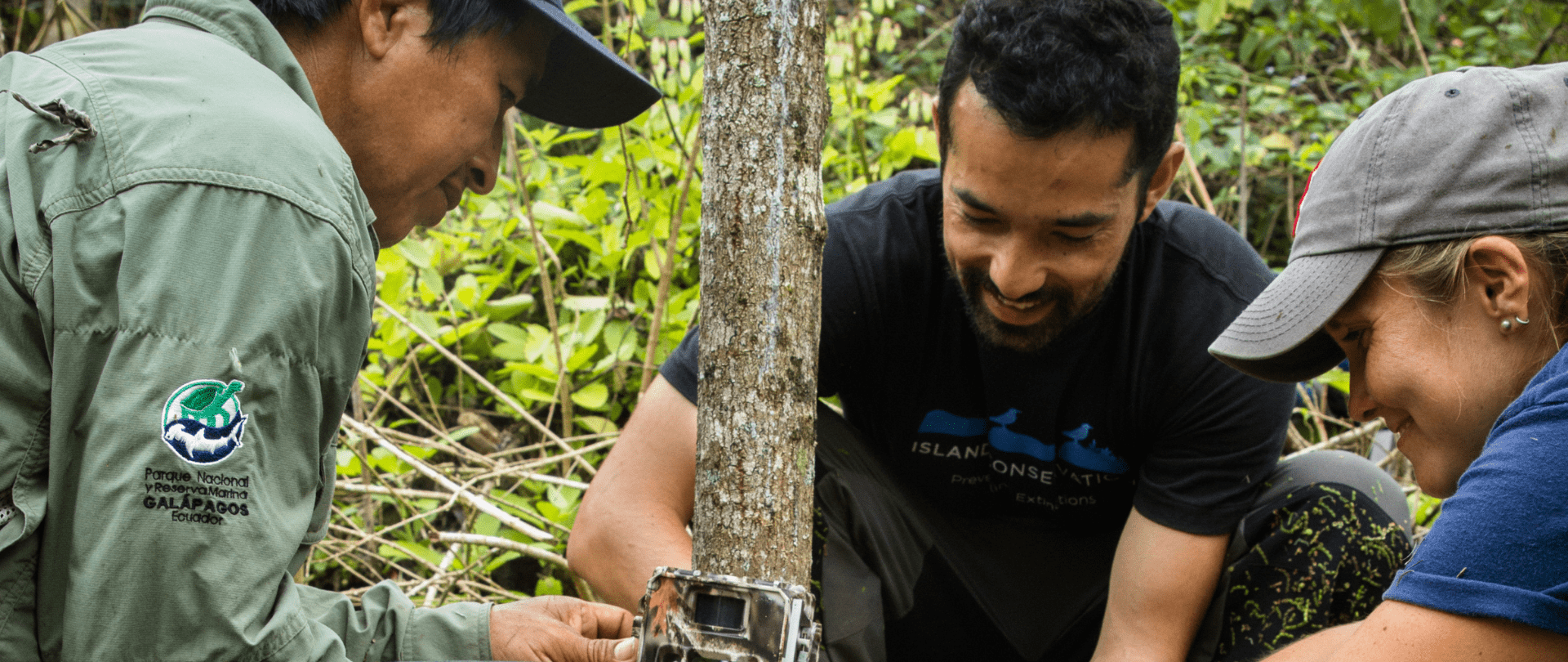
At Island Conservation, we work above the surf to make island ecosystems safe for native species. However, our decades of success and experience, supported by research, show that when terrestrial restoration and rewilding is successful, the benefits of a healthy ecosystem spill over into the surrounding reefs and marine ecosystems.
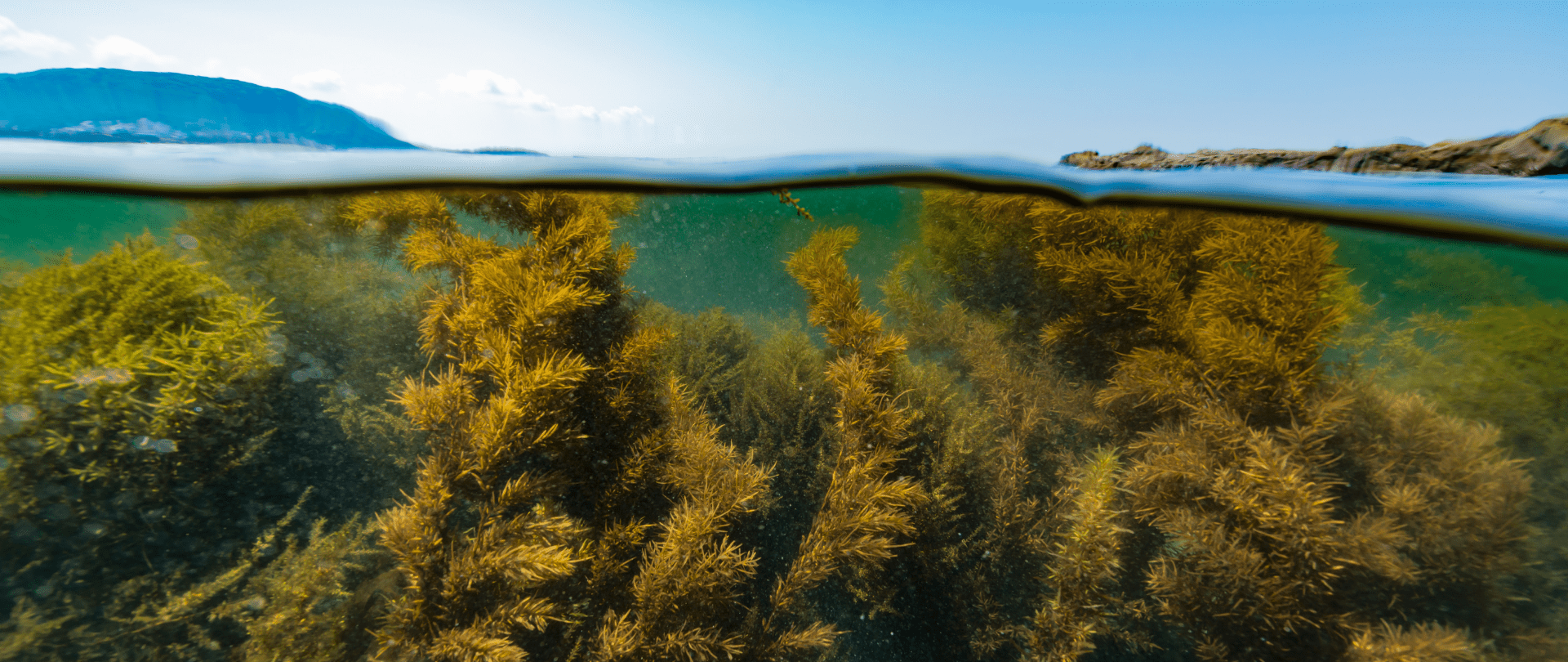
When native plants and animals thrive on islands, they circulate rich nutrients into its surrounding waters, which in turn become a safer home for corals and fish to thrive. Healthy corals also protect islands from damaging weather events and are more resistant to ocean acidification and rising temperatures. In ecology, everything is connected—so, as we work to build sustainable, resilient ecosystems on islands around the world, we want to highlight 5 other incredible conservation organizations that are working hard to protect our islands and oceans!
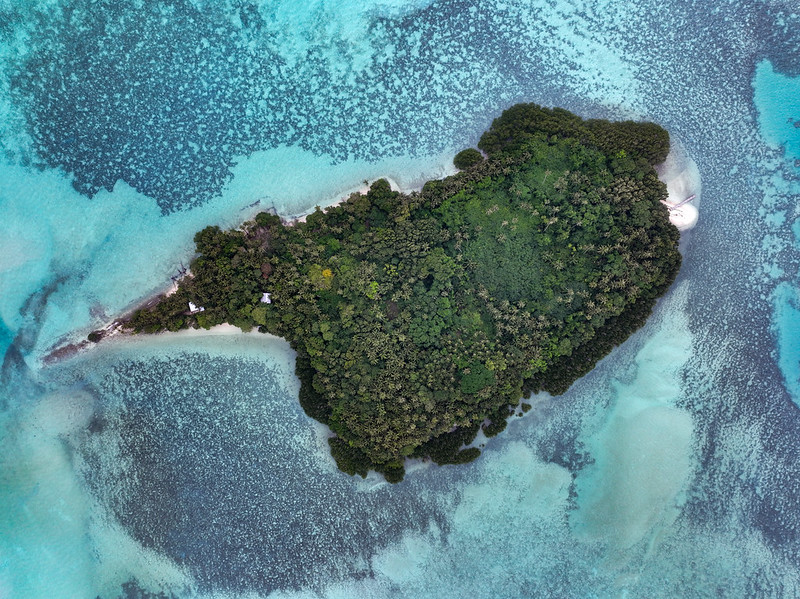
Studies show again and again that the best conservation practices are led by the knowledge and expertise of indigenous people. The mission of the Ebiil Society in Palau is to teach indigenous knowledge of environmental protection and natural resource management to local communities. We partnered with the Ebiil Society to implement restoration and rewilding projects on Ngerkeklau, an island recovering now that it is free from the threat of invasive rats.
As Ngerkeklau’s biodiversity recovers and native species such as the Palauan Megapode and Hawksbill Sea Turtle begin to thrive again, the Ebiil Society has taken charge to make the island a beautiful reserve that benefits people and nature. Well-preserved historical and cultural sites, reforestation and rewilding projects, sea cucumber recovery, and summer camps that teach youths and community members essential knowledge about ecology and local traditions make Ngerkeklau the shining example of what we stand to gain when indigenous leaders are empowered to steward their land.
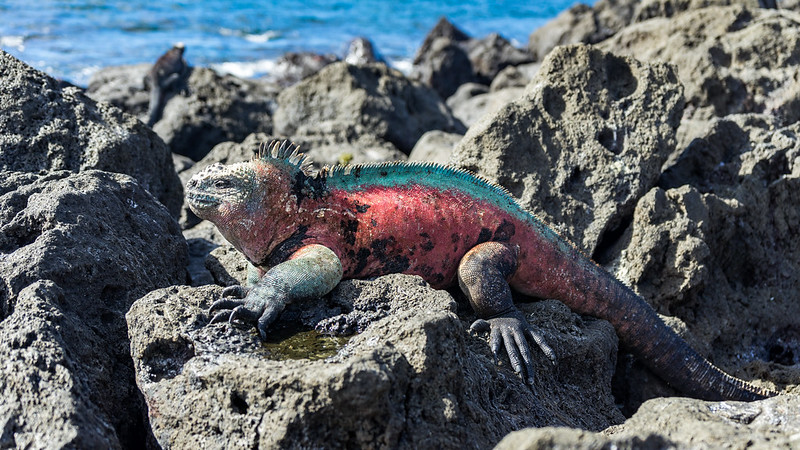
Ecuador is home to some of the most densely biodiverse habitats in the world. Jocotoco is an organization committed to conserving and maintaining these habitats, especially for endangered and critically endangered bird species that can be found nowhere else. Their expertise in managing land to preserve endemic species has made them an incredible partner for Island Conservation’s work in the Galápagos, famously described by Charles Darwin as “a little world within itself.”
We’re currently partnering with Jocotoco to support the Galapagos National Park and the Floreana community in restoring and rewilding Floreana Island, which has the highest concentration of species threatened by invasive mammals of any Galápagos Island.
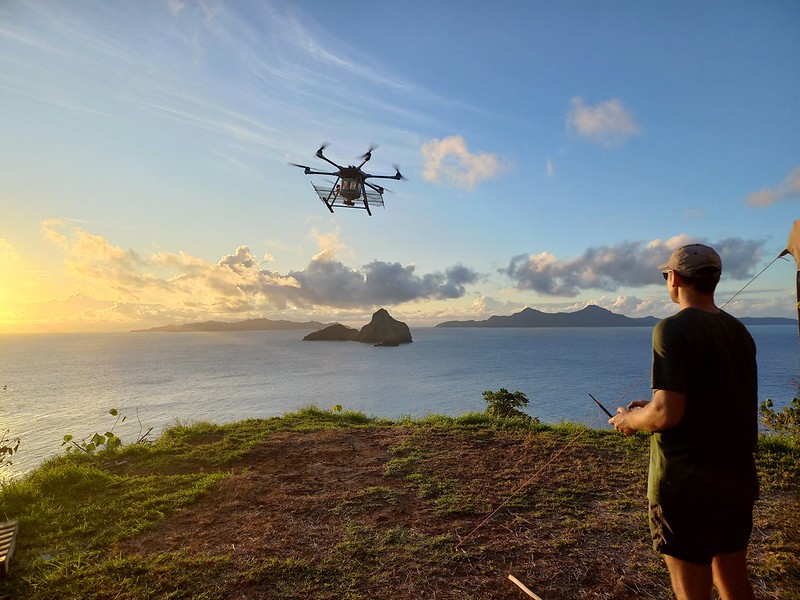
SOP “Manu,” a local representative of BirdLife International, does excellent and wide-ranging work to protect birds in French Polynesia, especially in Tahiti. Island Conservation recently partnered with SOP Manu to restore and rewild Kamaka Island, a small territory in the Gambier Islands known for its density of petrels and other seabirds. Having seen success working together in 2019 to rewild Teuaua in the Marquesas, we found SOP Manu’s logistical expertise indispensable on Kamaka, where we implemented some of the most exciting conservation technologies available today. Drones, in particular, helped us navigate difficult terrain, including steep cliffs, and made conservation much more cost-effective! Now that Kamaka is safe for birds, Manu and local community partners will encourage the petrels to come back using social attraction methods, such as decoys and audio recordings.
The French Caribbean contains so many diverse ecosystems, it’s hard to count. Luckily, the amazing conservationists at Reserve Naturelle Nationale de Saint-Martin have numbered them for us: the coral reef, the mangroves, the phanerogam seagrass bed, ponds and the coastal forest. These five unique habitats provide homes for myriad threatened and endangered species—along with some amazing cetaceans, such as humpbacks and bottlenose dolphins, which often visit the nature reserve. For decades, but especially since hurricane Irma devastated the region in 2017, the Reserve Naturelle Nationale de Saint-Martin has worked ceaselessly to develop long-term management plans to protect these delicate environments. Collecting data on the spread of mangroves, indexing all the invertebrates, identifying and tracking key connector species—all contribute to science-based holistic management that keeps these beautiful islands vibrant and pristine.

We know that restoration and rewilding produces multiple benefits across ecosystems—but it also strengthens communities. That’s why we love OneReef, an organization that focuses on the knowledge and expertise that communities bring to their island and near-shore ecosystems. Combining traditional stewardship with modern resources, OneReef is a master engineer of partnerships that empower and protect both vibrant reefs and thriving communities.
We especially admire their work on Yap Island in the Federated States of Micronesia, a region where we’re also involved. Making sure that continued effective, local management strategies are in place, OneReef supports community-designated no-fishing zones that show marked results, with the nearby reef measured among the best in the region. As Island Conservation seeks to deepen our understanding of human metrics and community engagement, OneReef is our guiding star and a rich source of partnership know-how!
Check out other journal entries we think you might be interested in.
March 3, 2026
What is holistic restoration? Read all about this incredible method to restore ecosystems for people and nature!
February 6, 2026
¡Mira el video de Solange y lee una entrevista sobre Robinson Crusoe! Watch Solange's video and read an interview about Robinson Crusoe!

January 22, 2026
Our Senior Director of Impact & Innovation, David Will, explains the importance of the Circular Seabird Economy for nutrient transfer!

January 15, 2026
Not all Marine Protected Areas are equally effective. A new study shows how high-quality, well-implemented MPAs provide outsized impacts for biodiversity!
December 22, 2025
Elke Windschitl, our Conservation Impact Data Specialist, gives us the lowdown on
December 4, 2025
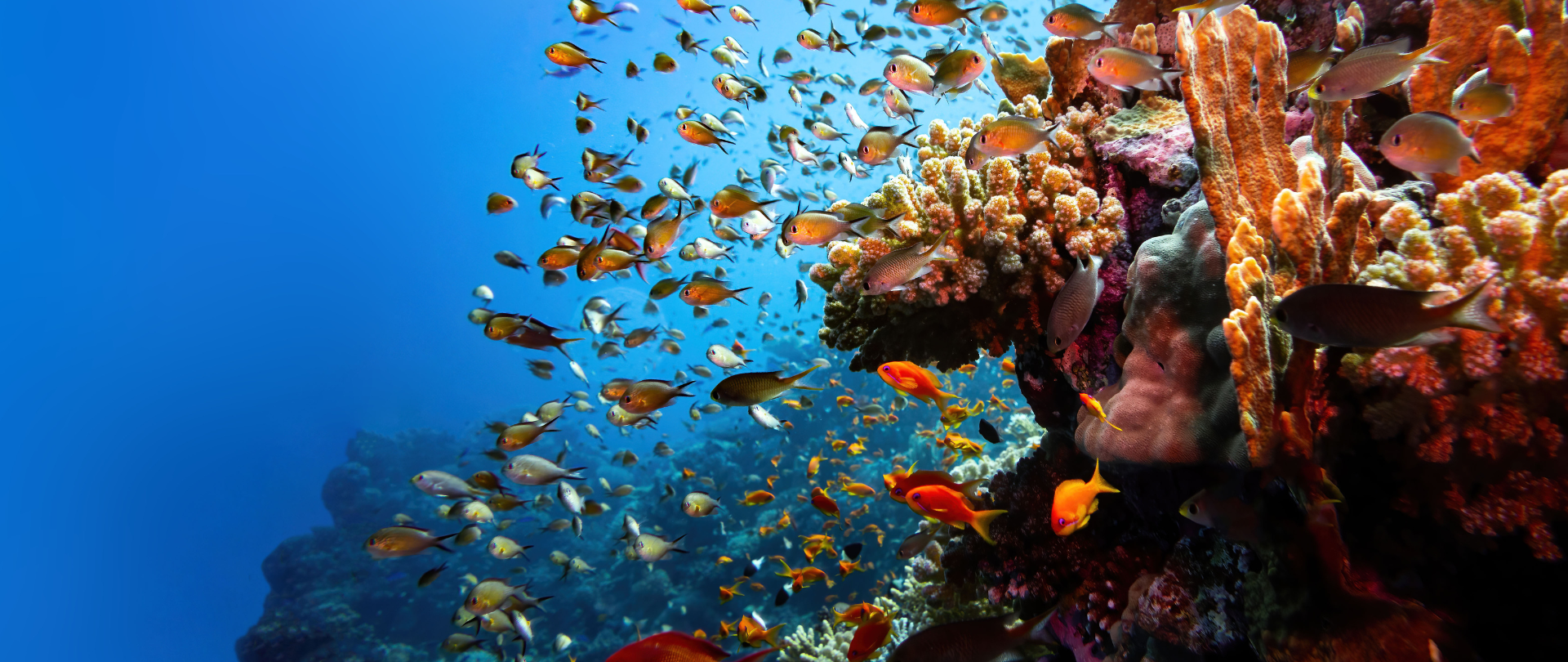
A new study reveals how seabirds, connector species between land and sea, play a huge role in the health of coral reefs!
November 25, 2025
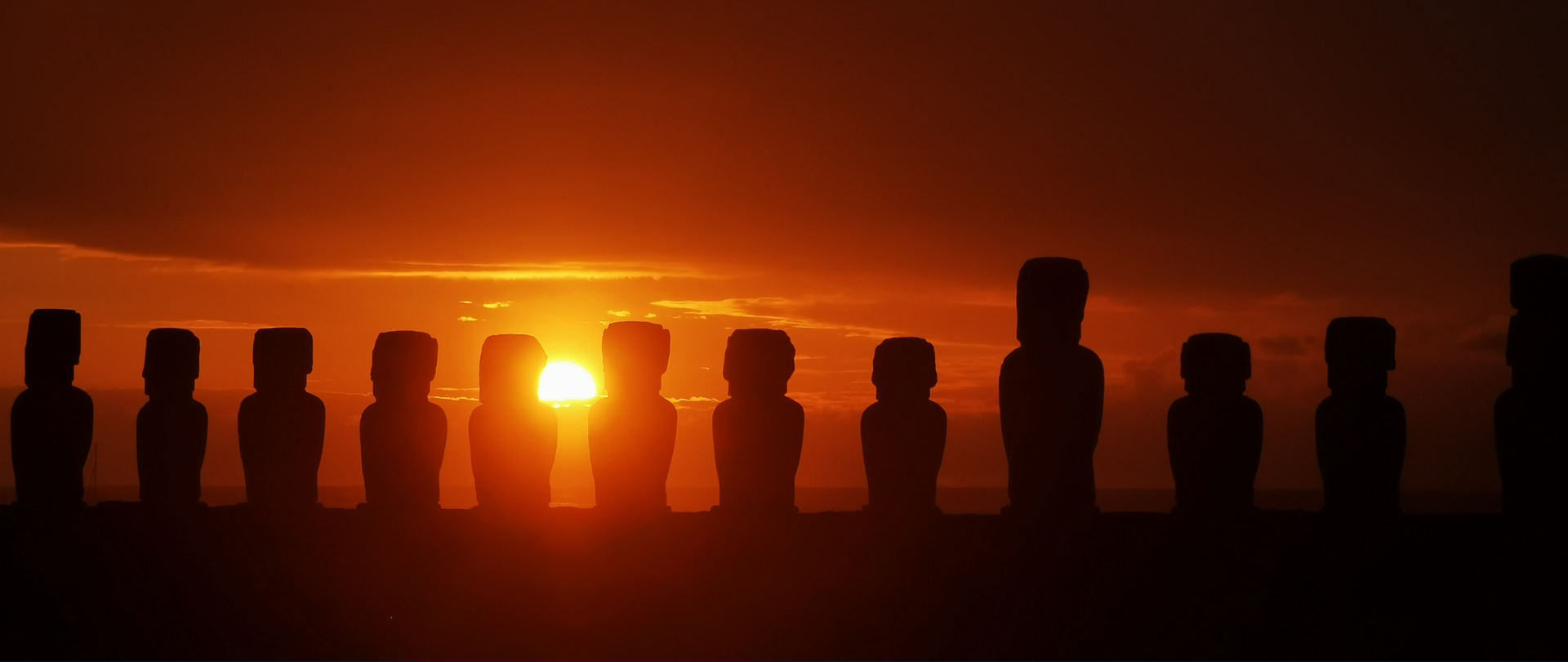
A new scientific paper is changing the way we understand Rapa Nui (Easter Island)'s ecological history!
November 21, 2025
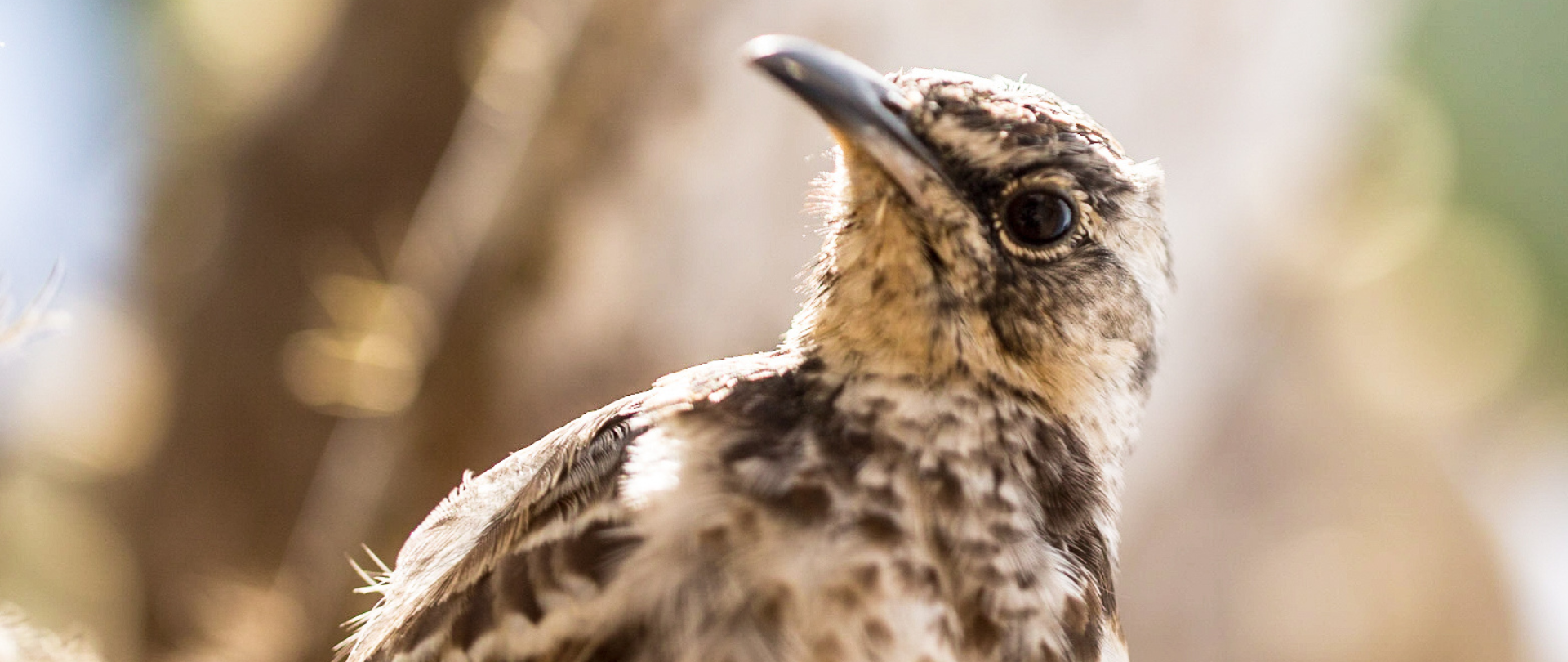
Holistic restoration is at work on Floreana Island, where the largest conservation project in the history of the Galápagos is underway!
October 30, 2025
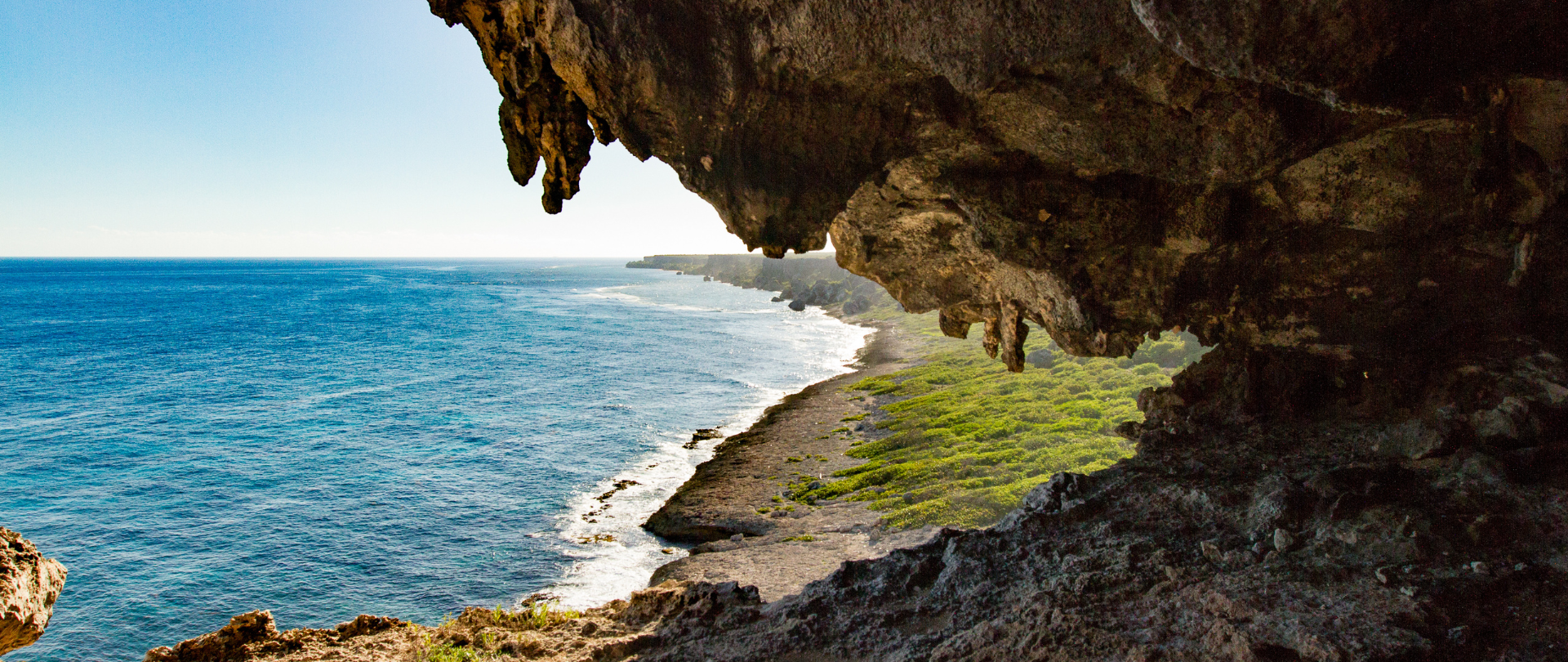
Our proposal for a United Nations-sanctioned Decade of Island Resilience spotlights the power of global small islands!
October 26, 2025
A new study shows the power of seabirds to drive entire ecosystems by circulating nutrients between land and sea!