December 4, 2025
New Science: Seabirds on Restored Islands Boost Coral Reef Health
A new study reveals how seabirds, connector species between land and sea, play a huge role in the health of coral reefs!
Published on
April 18, 2024
Written by
Island Conservation
Photo credit
Island Conservation
The fact that healthy ecosystems are more resilient to the effects of climate change is a well-established fact—and nowhere is this more obvious than on islands. With extreme weather events increasing in frequency, island communities rely on strong, resilient reefs to disrupt storm surges and lush terrestrial vegetation to prevent erosion. And as sea levels rise, atoll nations benefit from well-populated colonies of seabirds, which bring sediment from reefs to the land, building up its mass. At Island Conservation, our 30 years of experience have taught us that improving nutrient flows through holistic restoration is the best defense for islands on the front lines of climate change. But what if it was offense, too?
Islands are often dismissed as lost causes in the fight against climate change—not just because of the threat of sea level rise, but also because many people see emissions-related decisions as happening on the mainland, with islands the unfortunate victims of decisions made without them. While curbing global emissions remains one of the most important climate goals, proactively removing carbon from the atmosphere is gaining traction to undo the harm that’s already been done. Capturing carbon from the air might sound like a futuristic techno-fix, but plants have already been doing it for millions of years. Here’s everything you need to know about nature-based carbon capture and how it helps islands build climate resilience.
Carbon is the primary component of carbon dioxide (CO2), one of ten greenhouse gases that trap heat inside the atmosphere. Although the molecule is naturally occurring—animals like humans produce it in our bodies—the burning of fossil fuels, such as coal, oil, and natural gas has significantly increased the concentration of atmospheric CO2 since the start of the Industrial Revolution in the 1700s. While other greenhouse gases may trap more heat, CO2 is by far the most prevalent, with current levels more than 50% higher than pre-industrial levels.
The Intergovernmental Panel on Climate Change, the United Nations’ foremost authority on climate change, recommends that emissions be steeply reduced to avoid the very worst effects of climate change. But even if we cut all emissions tomorrow, there would still be hundreds of parts per million of CO2 in the atmosphere. Proactively trapping carbon would play an essential role in returning our planet’s systems to equilibrium.
The carbon cycle is the earth’s natural mechanism for circulating carbon through the atmosphere, oceans, soil, and living organisms. On our planet, all life is carbon-based, from the soil that plants use to grow to the cells that make up your body. To make energy, animals breathe in oxygen and transform it into carbon dioxide in their bodies; plants take it in and use sunlight to convert it into energy and oxygen.
The carbon cycle describes the processes that keeps carbon moving between the atmosphere, living organisms, and the surface of the earth. Photosynthesis, respiration, and decomposition play a crucial role in cycling carbon throughout all the systems and organisms that need it. Plants and algae remove carbon from the atmosphere, and then decomposing plants and animals release CO2 into the soil or water. Over millions of years, some organic matter gets buried and compressed, which can turn it into fossil fuels such as coal, oil, and natural gas made up of carbon.
Through these processes, the carbon cycle maintains a delicate balance, where each organism and system uses and exchanges carbon to keep our planet alive.
Certain human activities throw the carbon cycle out of balance. Deforestation, industrial processes, and the burning of fossil fuels to create energy all release additional CO2 into the atmosphere, contributing to the greenhouse gas effect that warms our planet. The natural systems of the carbon cycle cannot keep up with the rate at which humans are adding carbon to the atmosphere.
Removing carbon from the atmosphere reduces the greenhouse effect and could help rebalance the carbon cycle. Reducing the overload of CO2 in the Earth’s atmosphere is a major step to increasing resilience, and it goes hand in hand with thriving, biodiverse ecosystems!
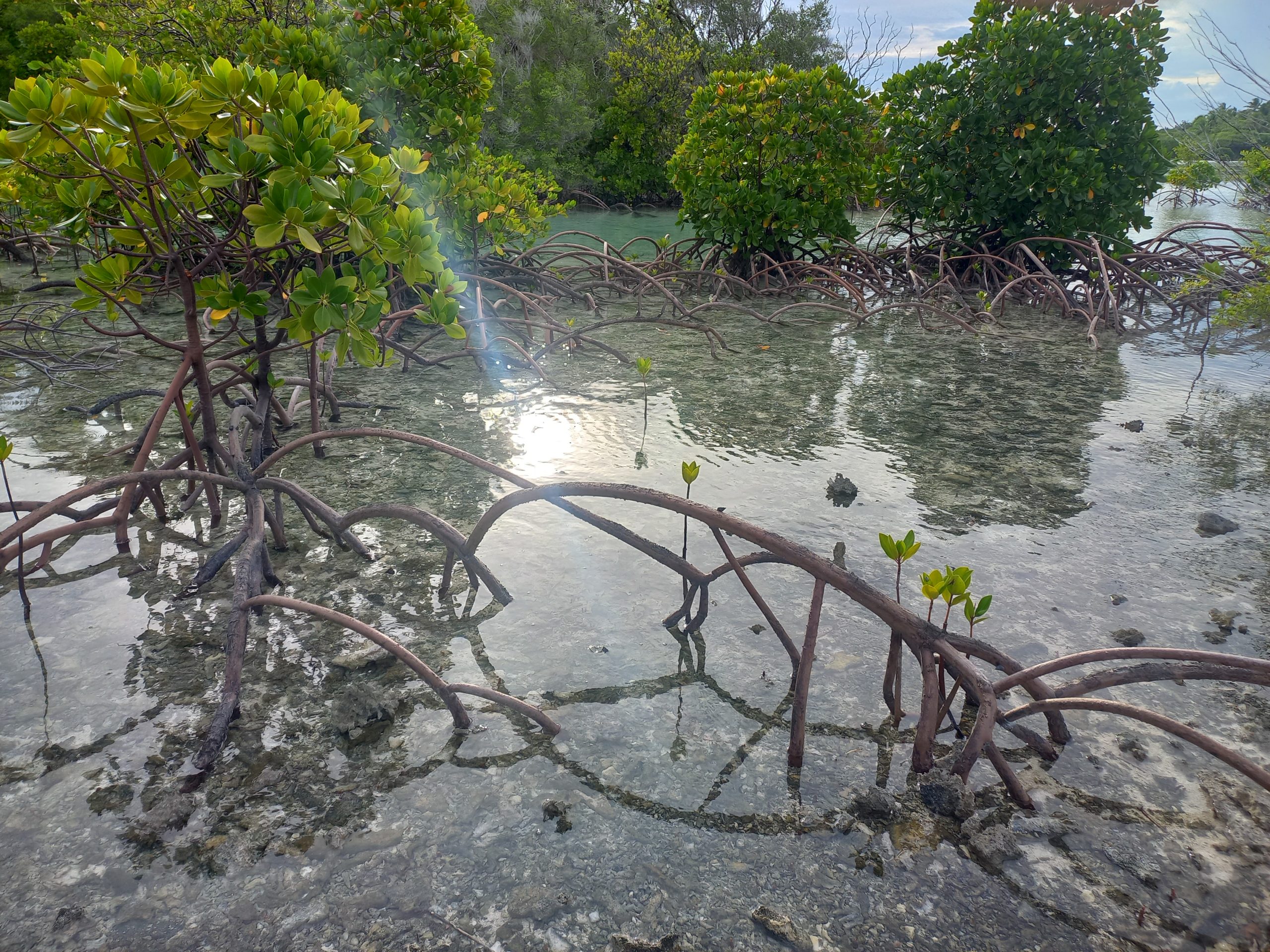
Our species can use many techniques to protect our planet—and we can work with the planet’s natural systems to do it! Nature-based solutions use natural processes to protect people and nature, seeking inspiration from ecosystems and working to undo the damage humans have caused. Nature-based solutions involve the protection, sustainable management, and restoration of ecosystems rather than relying on human technologies or interventions. For instance, instead of using a sea wall to prevent flooding and erosion, a healthy mangrove forest can lock in sediment and provide protection from extreme weather. Nature-based solutions have the added benefit of spilling over into multiple benefits—for example, mangroves provide a perfect habitat for fish and wetland birds, and the presence of these animals can help boost food security for local populations.
Engineered solutions involve technological and engineering methods to stop the worst effects of climate change, such as reducing or capturing greenhouse gas emissions. People can use specialized equipment to remove CO2 from the air or capture emissions from industrial processes, storing them underground or transforming them into other materials. These solutions, while precise and producing rapid results, don’t go as far in addressing the imbalance of our planet’s natural processes.
So, capturing carbon is not necessarily a nature-based or engineered solution—it all depends on how you do it! At Island Conservation, our focus on holistic restoration and complete ecosystem health leads us to invest in nature-based solutions, which are scalable, longer-lasting, and provide multiple spillover benefits to people and nature.
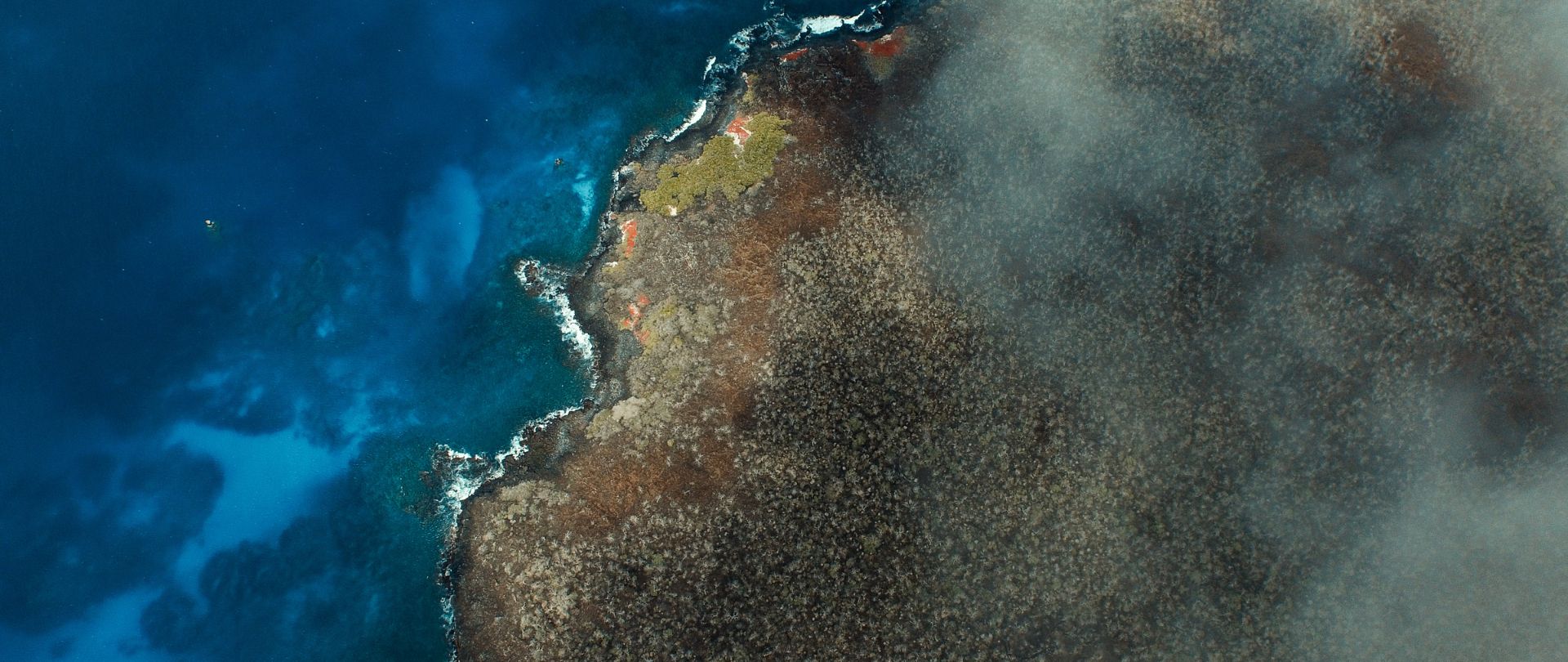
It’s easy to think of islands as small, but their impact is anything but. The lush, biodiverse ecosystems they support can capture millions of metric tons of carbon per year in the form of plants, animals, and soils. In fact, they’re some of the most biodiverse places on Earth.
Mangroves and wetlands, which are abundant in coastal island biomes, act as natural carbon sinks, storing and trapping carbon in their soil and vegetation, in addition to preventing erosion. Their rich soil keeps carbon underwater and out of the atmosphere but make it available for microorganisms and plants to use.
Seagrass meadows, like those found in Palau, also possess extraordinary capacity to capture carbon. In addition to providing safe habitats for marine life, their root systems store carbon in underwater sediment.
Because of their relative isolation, island ecosystems can enjoy biodiversity and vegetation growth free from many of the threats that mainland ecosystems face. Nature-based carbon capture on islands not only helps them build resilience against climate change and extreme weather—it helps the whole planet.
Holistic restoration focuses on all aspects of ecosystems, including the reintroduction of missing species. At Island Conservation, we remove a primary threat to island ecosystems—invasive species—and accelerate the return of native plants and animals using social attraction and active reintroduction.
Over our 30 years of experience, we’ve seen firsthand how a rebalanced ecosystem can recover on every level, across the entire food web. The most important aspect of this recovery is the movement of nutrients between land and sea.
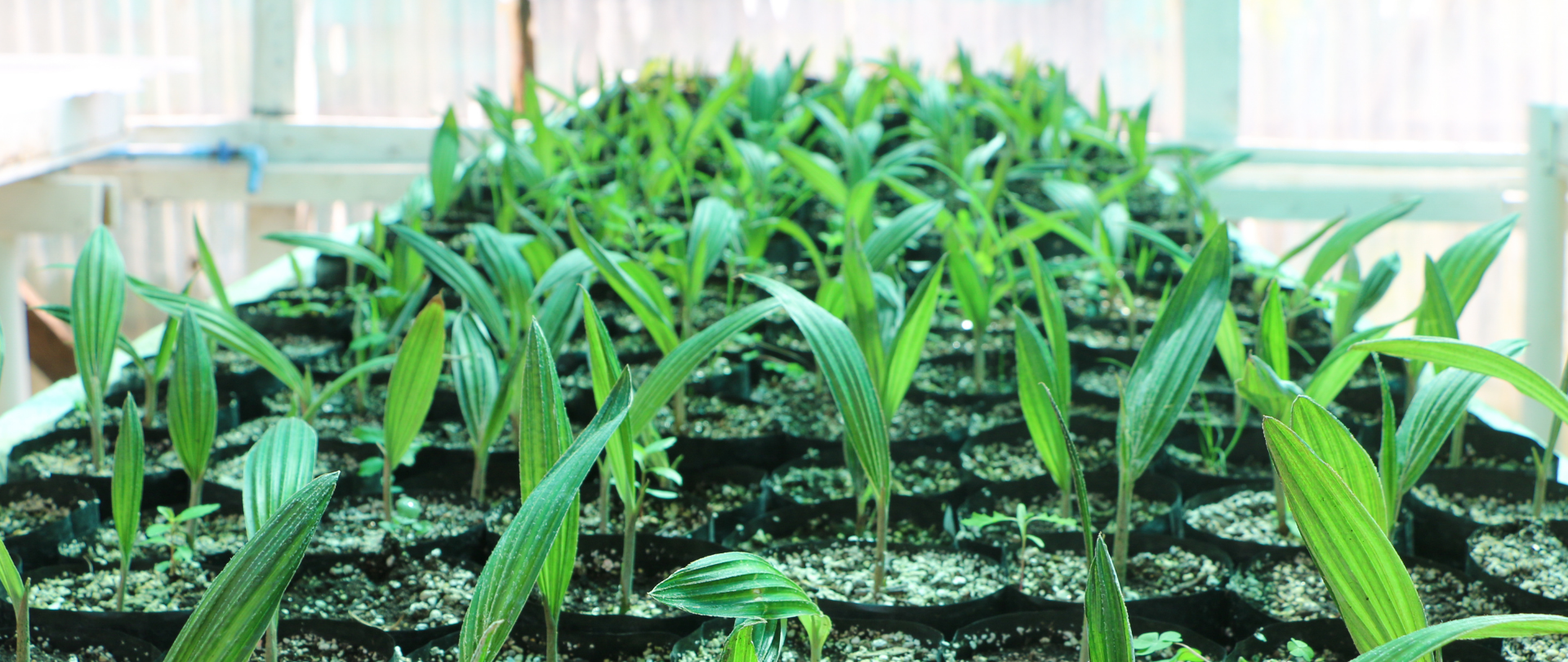
Connector species, such as seabirds, turtles, and seals, forage for food out at sea, then bring the nutrients they digest to the land in the form of their guano, or poop. When their ecosystems are healthy, islands are safe habitats for these connector species to rest, nest, and reproduce. This activity makes the islands’ soil more nutrient-rich, which helps native vegetation flourish. For example, on Palmyra Atoll, we saw a 5000% increase in native plants after our restoration efforts! Revitalized vegetation on islands captures billions of metric tons of carbon.
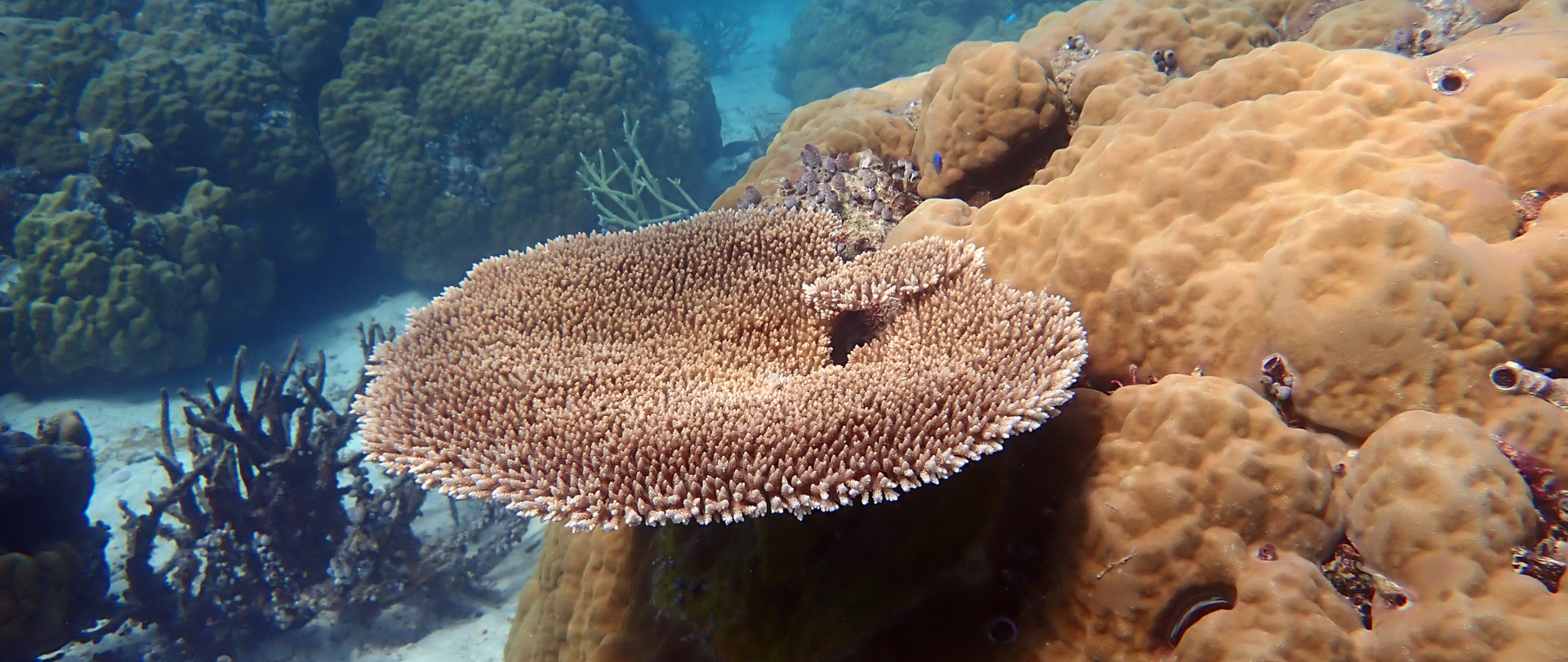
When it rains, the nutrients from guano also make their way into the surrounding near-shore ecosystems. These ecosystems, such as coral reefs, seagrass beds, and kelp forests, enjoy faster growth and greater resilience when their nearby terrestrial ecosystems are restored. Corals, for instance, experience faster growth rates, resilience to ocean acidification, and quicker recovery from bleaching events. In addition to improving food security and protecting islands from extreme weather, these near-shore ecosystems are essential components of the carbon cycle and play a huge role in capturing and sequestering carbon.
If nature-based solutions to climate change are important to you, there’s no more impactful investment than restoring islands. In these places, every dollar goes farther towards our goals than anywhere else. Supporting communities, stopping extinctions, and capturing carbon are only a few of the many benefits that come from Island Conservation’s work!
You can support us by joining our newsletter to see team updates and learn more about holistic restoration and nature-based solutions, or by donating to support islands today!
Check out other journal entries we think you might be interested in.
December 4, 2025
A new study reveals how seabirds, connector species between land and sea, play a huge role in the health of coral reefs!
November 25, 2025
A new scientific paper is changing the way we understand Rapa Nui (Easter Island)'s ecological history!
November 21, 2025
Holistic restoration is at work on Floreana Island, where the largest conservation project in the history of the Galápagos is underway!
October 30, 2025
Our proposal for a United Nations-sanctioned Decade of Island Resilience spotlights the power of global small islands!
October 29, 2025
Astounding evidence of recovery on Ulong Island in Palau after just one year!
October 26, 2025
A new study shows the power of seabirds to drive entire ecosystems by circulating nutrients between land and sea!
September 30, 2025
Astonishing results from our work to restore sites in the Republic of the Marshall Islands, boosting climate resilience and ocean health!
September 12, 2025
How can you make the maximum impact on the planet with your donation? Some conservation actions are most cost-effective than others!
September 4, 2025
Incredible collaboration and success in the Juan Fernández Archipelago, with thousands of threatened trees benefiting from bold conservation action!
August 28, 2025
A new paper reveals the benefits of holistic restoration on Australia's Lord Howe Island!