August 4, 2026
Rapa Nui Advances Community-Led Management of Marine Protected Areas with New Conservation Partnerships
Indigenous-led conservation takes a leap forward with Rapa Nui (Easter Island)'s new partnership with Island Conservation!
 Island Conservation

Yelkouan Shearwaters (Puffinus yelkouan) are small black-and-white seabirds which breed and nest on islands throughout the Mediterranean. Tavolara Island, located off the coast of Sardinia, Italy is one of the most significant nesting grounds for the species and hosts an estimated one to two-thirds of the world population. Almost all known colonies of Yelkouan Shearwaters, including the population of Tavolara Island, face the same threat – invasive (damaging) species.
Invasive species have historically posed a serious threat to island wildlife with 86% of recorded extinctions linked to invasive species have occurred on islands. Since islands are home to 19% of the world’s avian biodiversity, this poses an even more serious threat to seabirds around the world and makes invasive species one of the leading causes of extinction for seabirds.
A monitoring program that took place from 2006 – 2011 found that all examined nests were predated by invasive rats and the only nests that remained safe were located on sheer cliffs which are inaccessible.
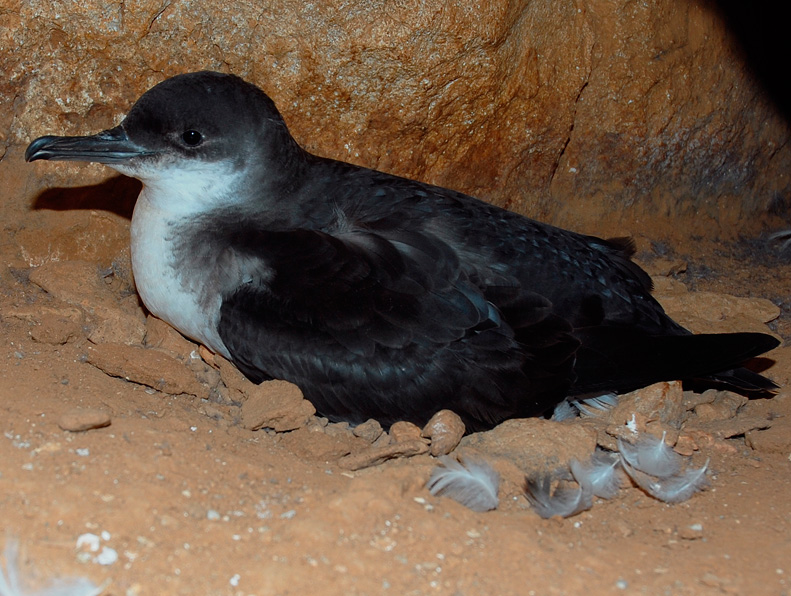
Luckily, there is new hope on Tavolara Island. Due to a conservation intervention by Città di Olbia, Life Puffinus Tavolara, Natura 2000, Ministero Dell’Ambiente E Della Tutela Del Terrirorio E Del Mare, Area Marina Protetta Tavolara Punta Coda Cavallo, Nature Environment Management Operators (NEMO), and Island Conservation to remove invasive rodents, the Yelkouan Shearwater population can now thrive once again.
Now that invasive rats have been removed from the island, researchers expect a 5,000-8,000 increase in the number of fledged juveniles each year. This is likely greater than the number of juveniles currently fledged each year by the global population of Yelkouan Shearwaters.
Although Yelkouan Shearwaters were considered to be the main focus of this restoration efforts, the project will also benefit other species that could potentially breed on the island including Mediterranean Storm Petrels (Hydrobates pelagicus melitensis) and Scopoli’s Shearwaters (Calonectris diomedea).
For decades, scientists have also suspected that the smallest mammal in the world, the Etruscan shrew (Suncus etruscus) which weighs 3 grams as an adult was present on the island due to its wide distribution on nearby islands. Despite extensive efforts, it was never detected prior to project implementation. There were signs of the species including bone remnants but no live shrews were found.
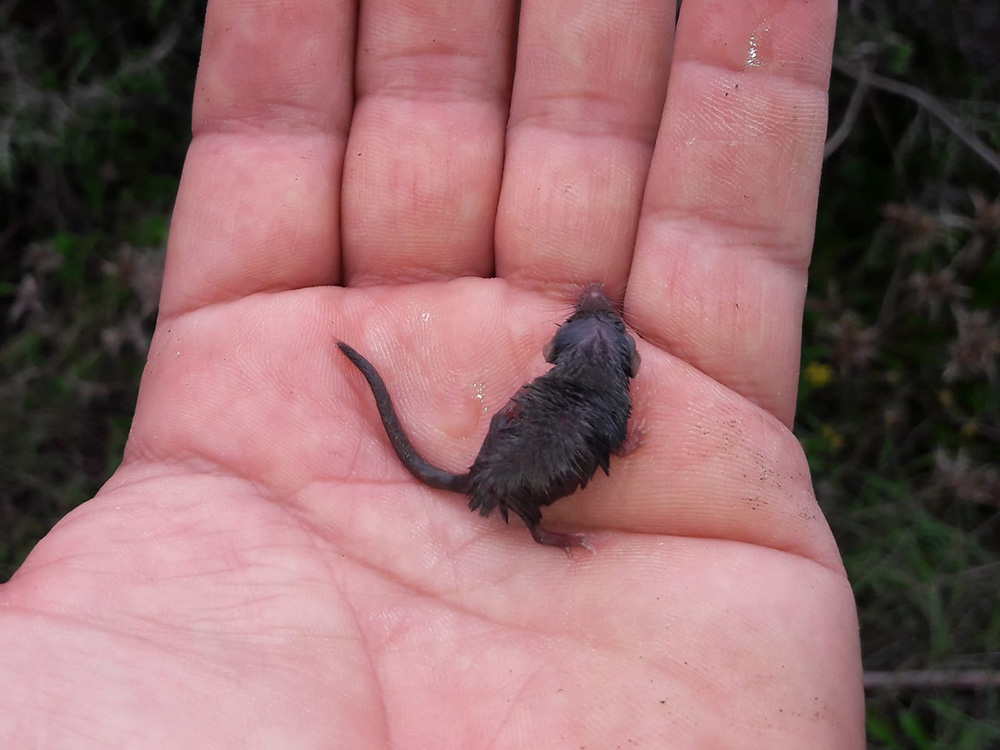
Now that the island is free of invasive rodents, our partners at Nature Environment Management Operators tried once more to locate the shrew and with great success, two shrews were captured. This is a great sign for the species since their elusive nature makes them difficult to catch, finding two suggests the species is thriving in the absence of invasive rodents.
The completion of this operation is an important stepping stone for island restoration projects in the region moving forward. Island Conservation has been proud to be a part of this project and looks forward to watching the island recover.
Check out other journal entries we think you might be interested in.

August 4, 2026
Indigenous-led conservation takes a leap forward with Rapa Nui (Easter Island)'s new partnership with Island Conservation!
June 23, 2026
The Island-Ocean Connection Challenge announced four new restoration projects—Lehua, Tavolara, Grand Rouveau, and Zembra—at London Climate Week, expanding its global effort to restore 40 island-ocean ecosystems by 2030!
June 18, 2026
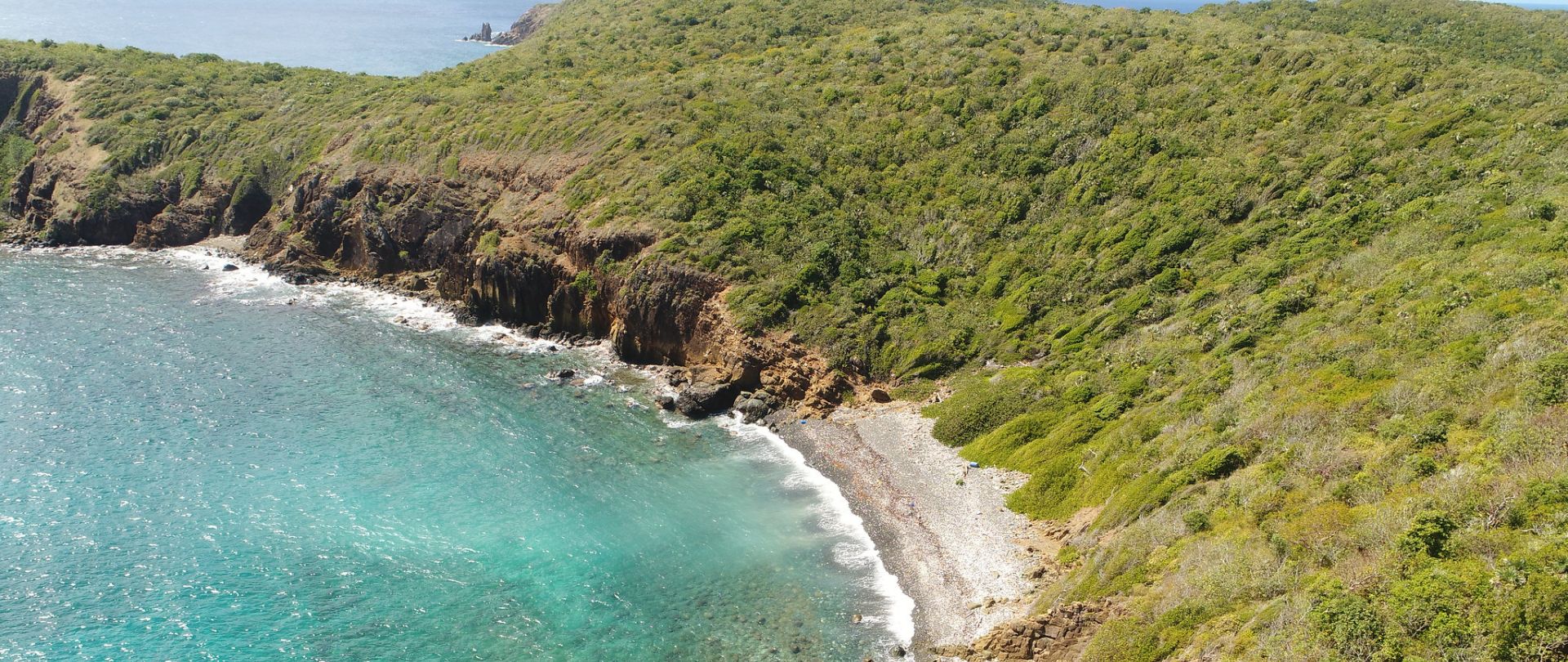
A new project to expand the range of an endangered Tree Boa is one step closer to completion!
June 8, 2026
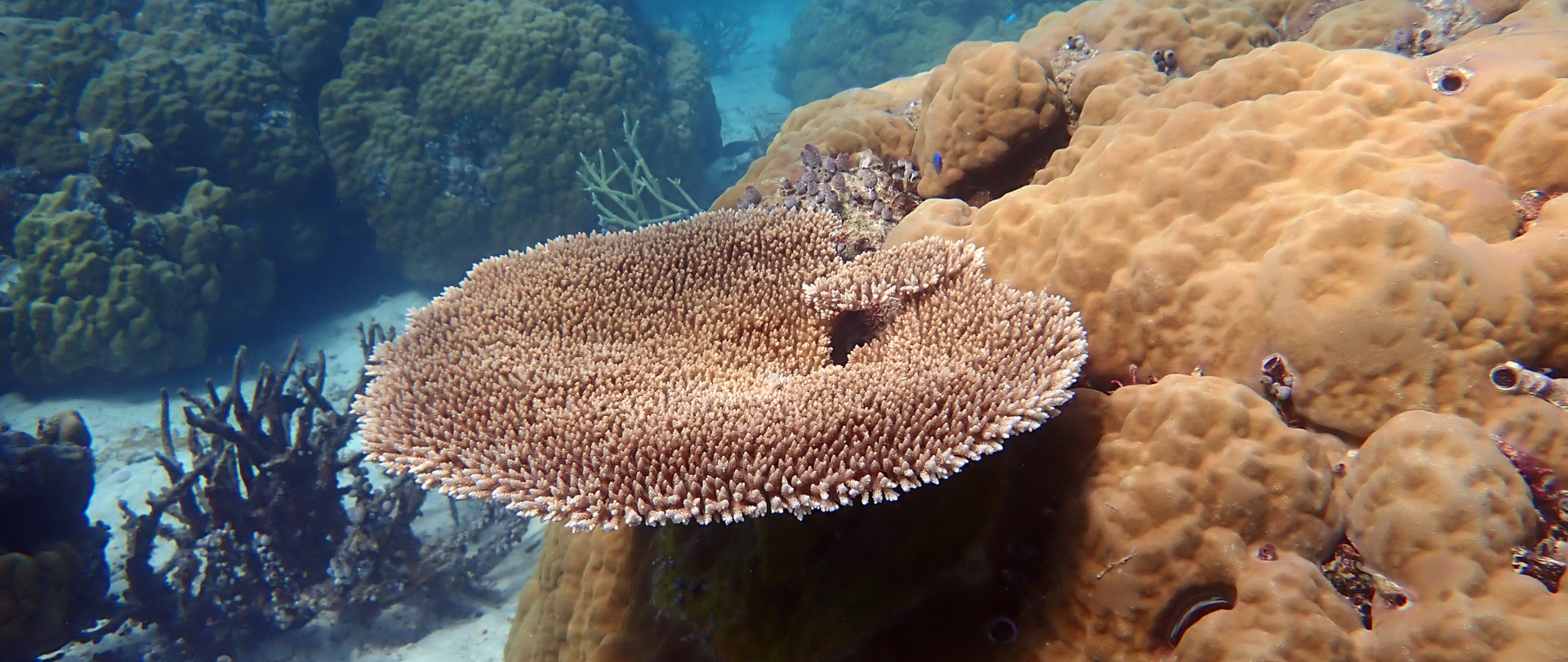
A world-first controlled experiment shows connection between seabird activity and marine health on Ulong Island!
May 13, 2026
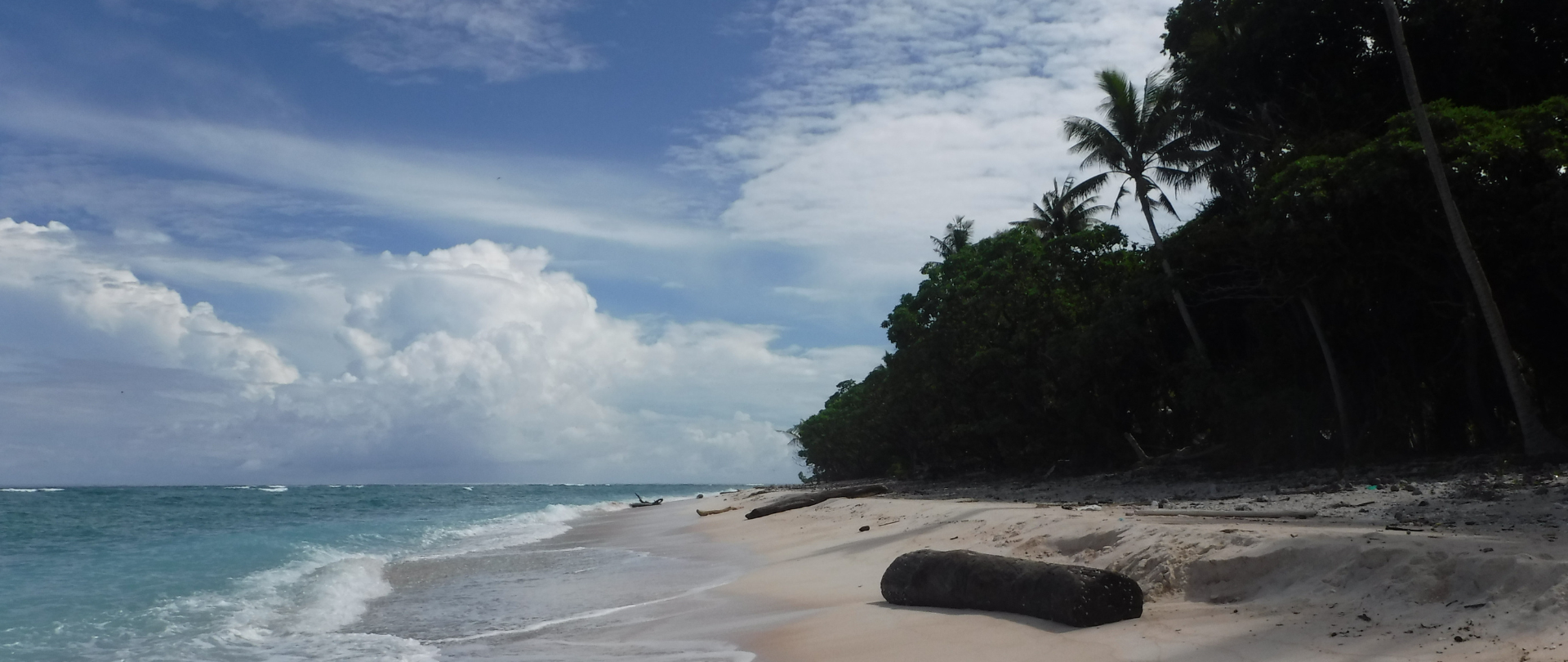
A new project in Sonsorol State, Palau aims to improve livelihoods and climate resilience through holistic environmental restoration!
May 5, 2026
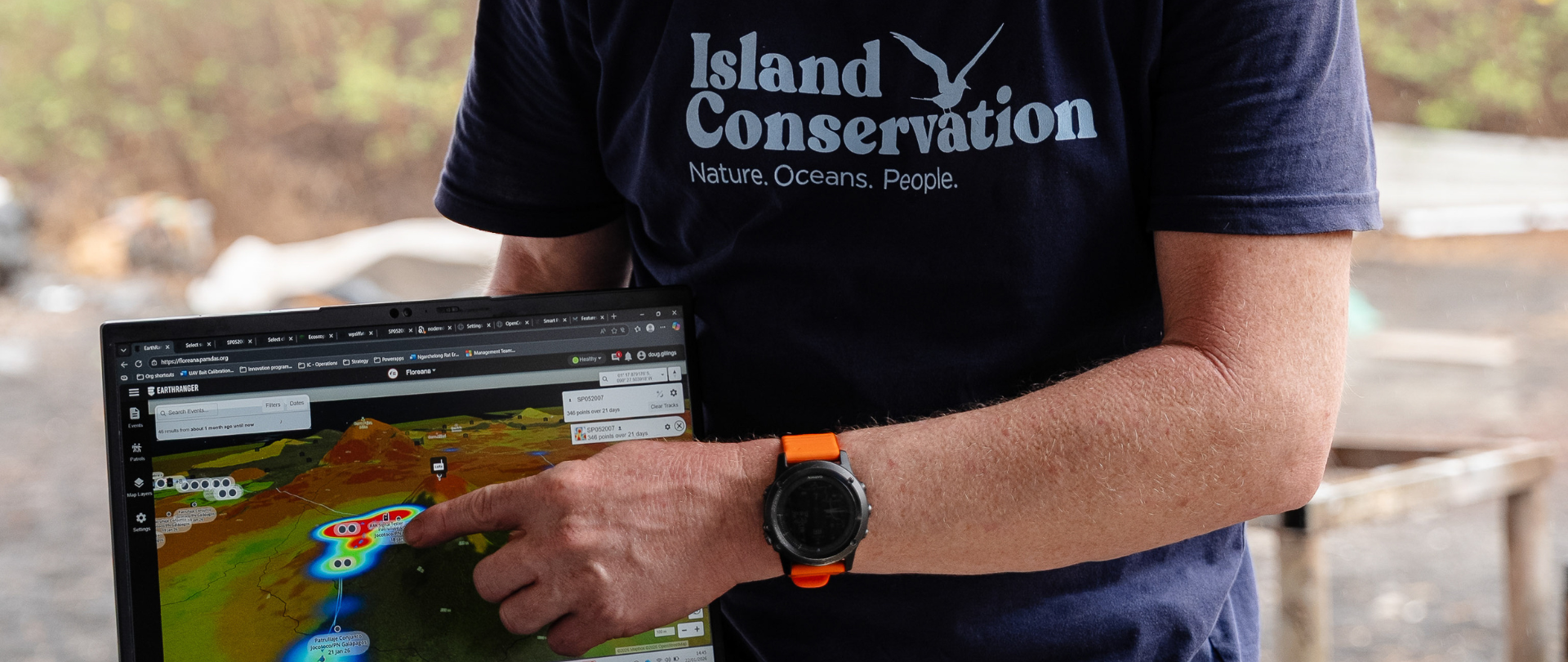
Thrilling new tech brings conservation solutions to a remote island in the Galápagos!
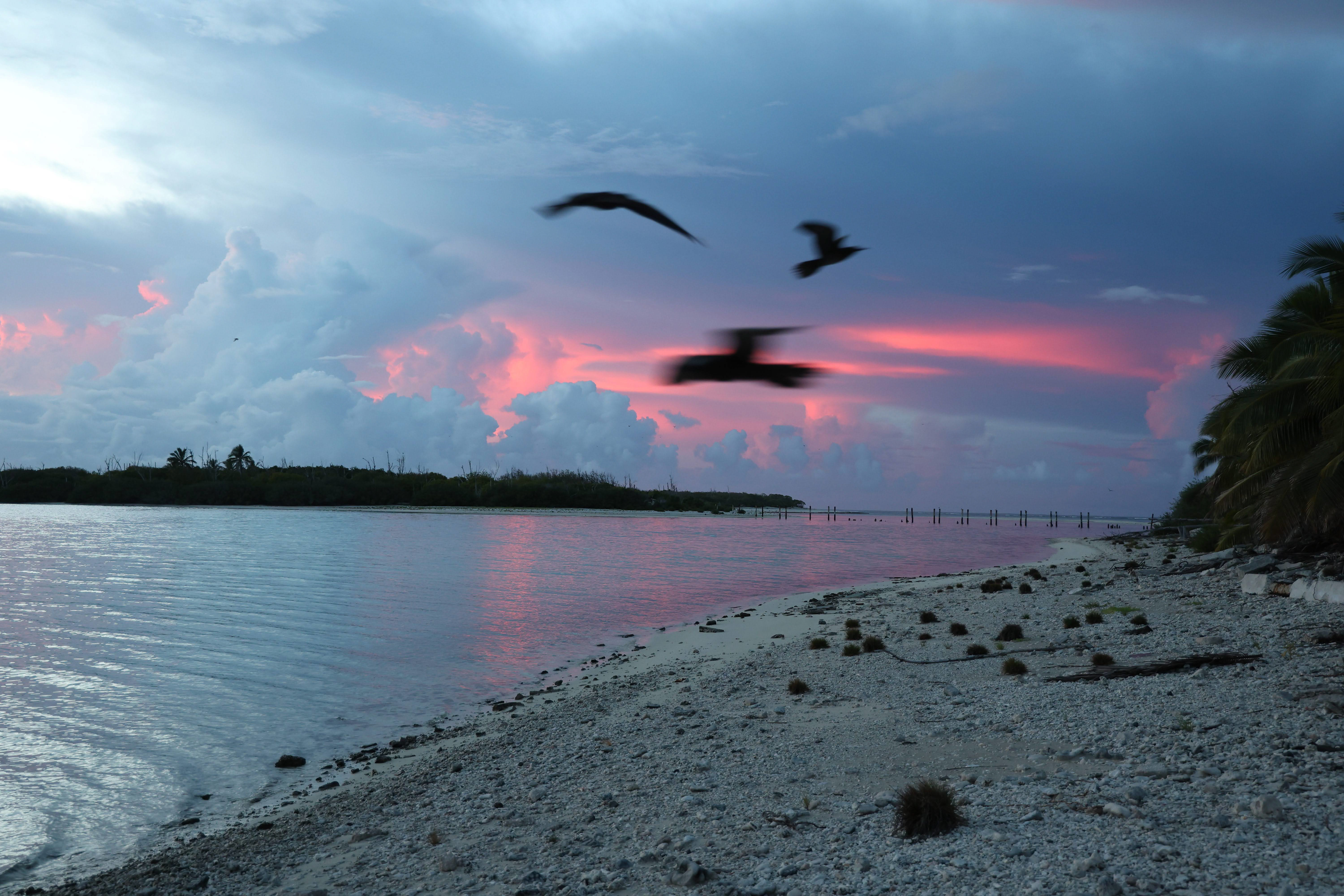
April 14, 2026
A historic moment: Wake Atoll is restored and thriving!
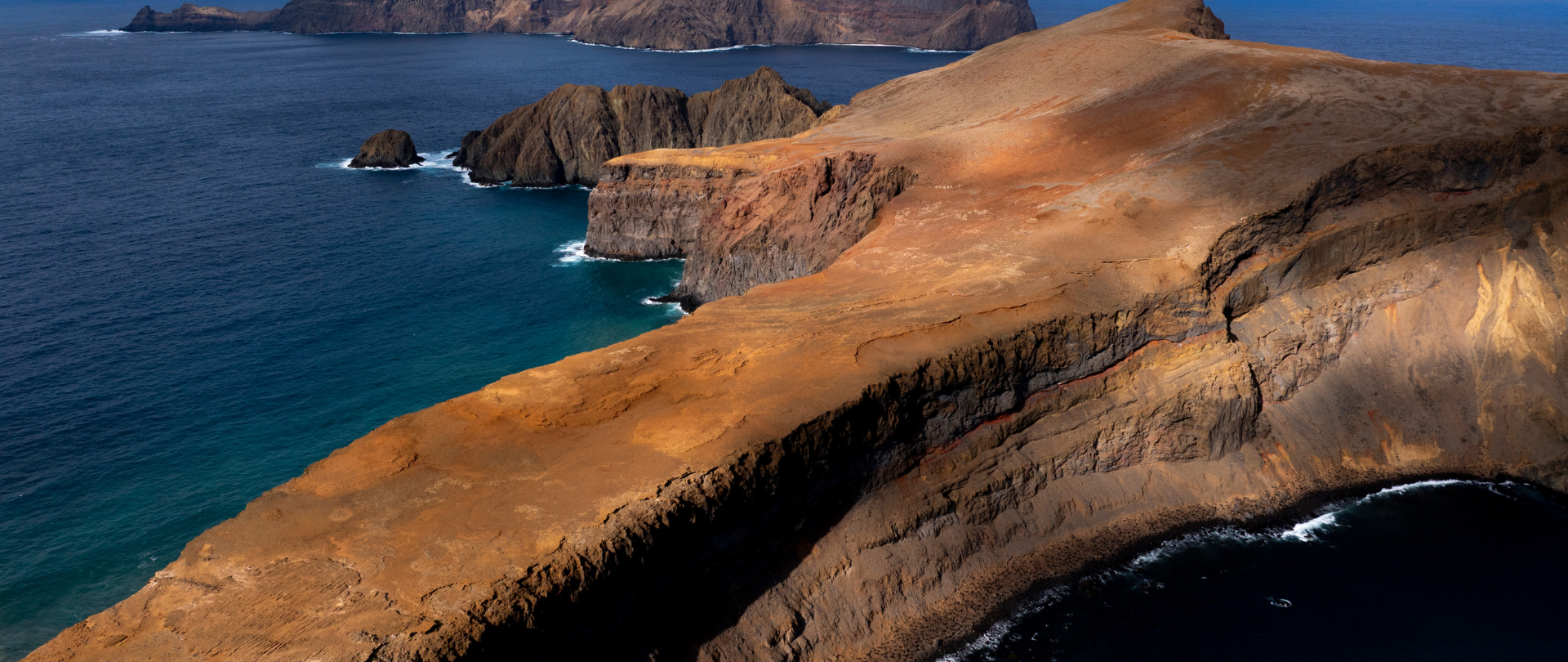
March 10, 2026
The Juan Fernández Archipelago is part of a new Marine Protected Area that protects the highest concentration of marine species found nowhere else on Earth!
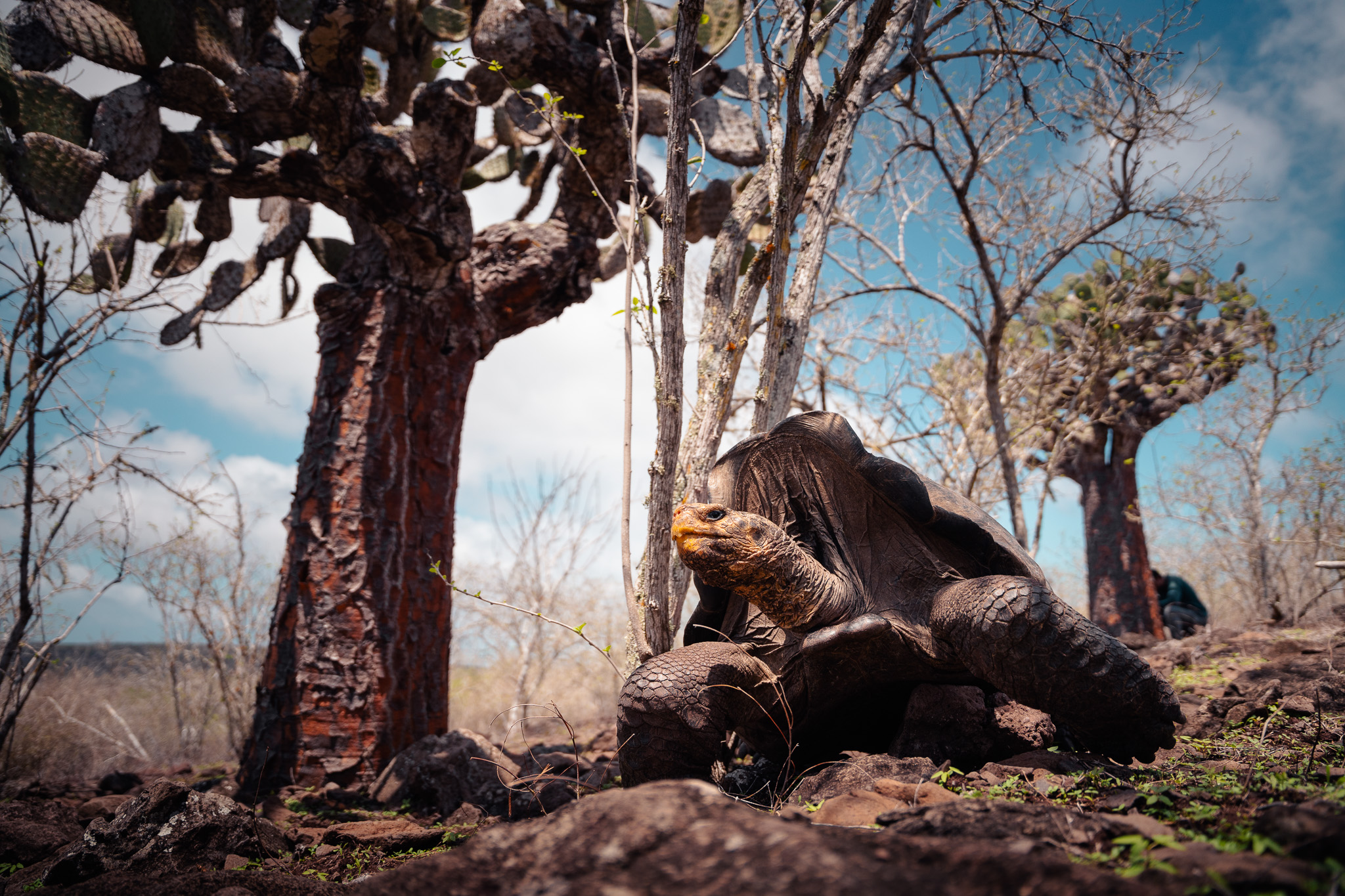
February 20, 2026
For the first time in more than 180 years, giant tortoises are once again walking the landscapes of Floreana Island!
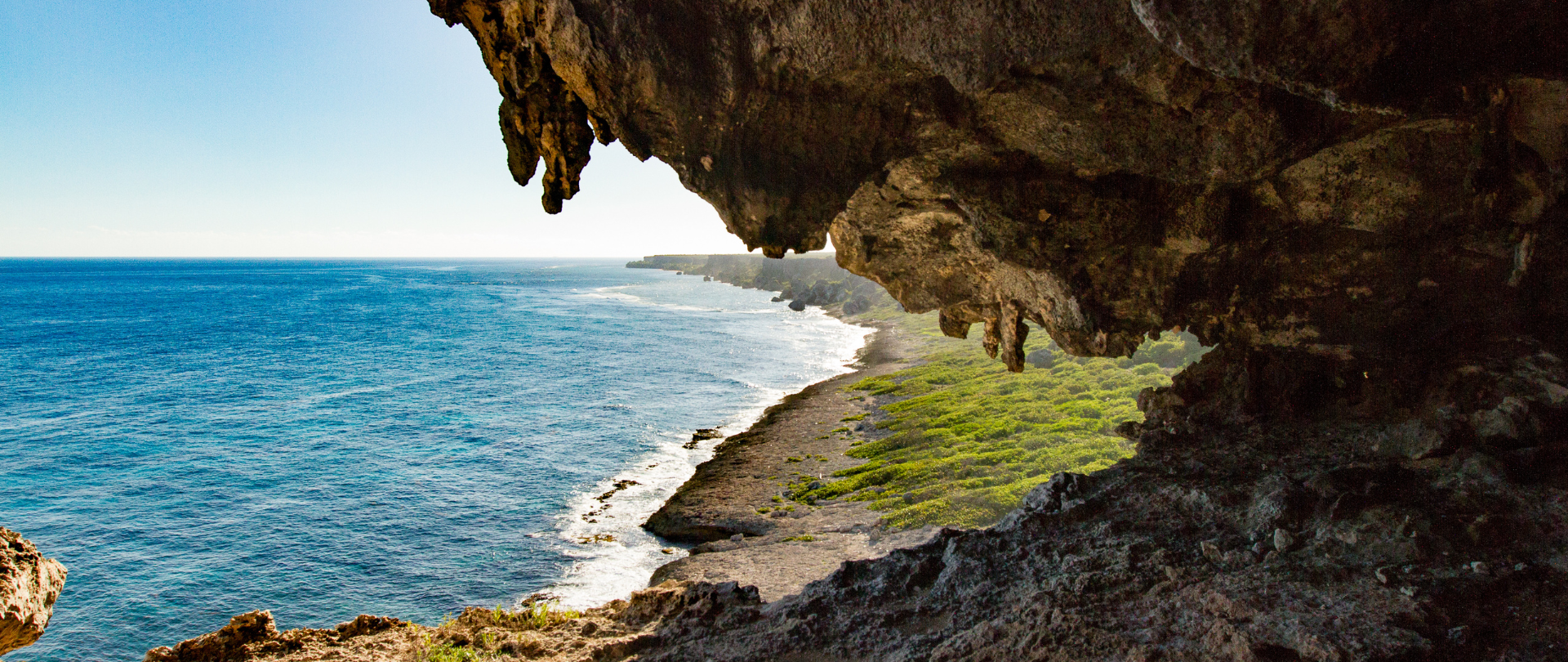
October 30, 2025
Our proposal for a United Nations-sanctioned Decade of Island Resilience spotlights the power of global small islands!