August 4, 2026
Rapa Nui Advances Community-Led Management of Marine Protected Areas with New Conservation Partnerships
Indigenous-led conservation takes a leap forward with Rapa Nui (Easter Island)'s new partnership with Island Conservation!
 Island Conservation

Some might imagine that seabirds which nest on remote islands and spend the majority of their lifetime at sea would be safe from many environmental concerns. However, seabirds are one of the most threatened groups of birds worldwide. To understand what is threatening them, we must look at the habitats they depend on for survival—islands and oceans. For seabirds, invasive species on islands pose the largest threat of extinction. When this is compounded with pollution, climate change, plastics, and commercial fishing, it’s amazing seabirds are able to survive at all.
Jonathan Franzen, an award-winning novelist and conservationist, has delved into the impacts that invasive species and other environmental concerns pose to seabirds on islands around the world. From the Farallon Islands of the coast of San Francisco to Gough Island in the South Atlantic Ocean, Franzen points to dedicated conservation efforts and organizations such as Island Conservation that are striving to prevent extinctions of seabirds. Franzen explains:
Organizations such as Island Conservation, a nonprofit based in California, have perfected the use of helicopters and GIS technology to target predators with poisoned mammal-specific bait. Animal lovers may grieve at the mass killing of small furry mammals, but human beings have an even greater responsibility to the species they’ve threatened with extinction, however inadvertently, by introducing predators.”

The article is featured in National Geographic’s July issue and explores the issues that seabirds face and the hope that conservation efforts bring. Dr. Nick Holmes, Island Conservation’s Director of Science commented:
Seabirds respond well to restoration. Addressing the terrestrial threat bolsters their resistance to all the other threats.”
The article also features a map exploring the leading threats to seabirds which uses data from the Threatened Island Biodiversity Database.
Removal of invasive species is one of the most critical interventions for saving threatened plants and animals and restoring island ecosystems, with remarkable recovery of native species worldwide.
Read the full article at National Geographic
Featured photo: Invasive carnivorous mice are threatening Gough Island‘s native species, including Tristan and Yellow-nosed Albatross. The Royal Society for the Protection of Birds and Island Conservation are working together to remove invasive mice from Gough Island in 2019. Credit: Ben Dilley
Check out other journal entries we think you might be interested in.
August 4, 2026
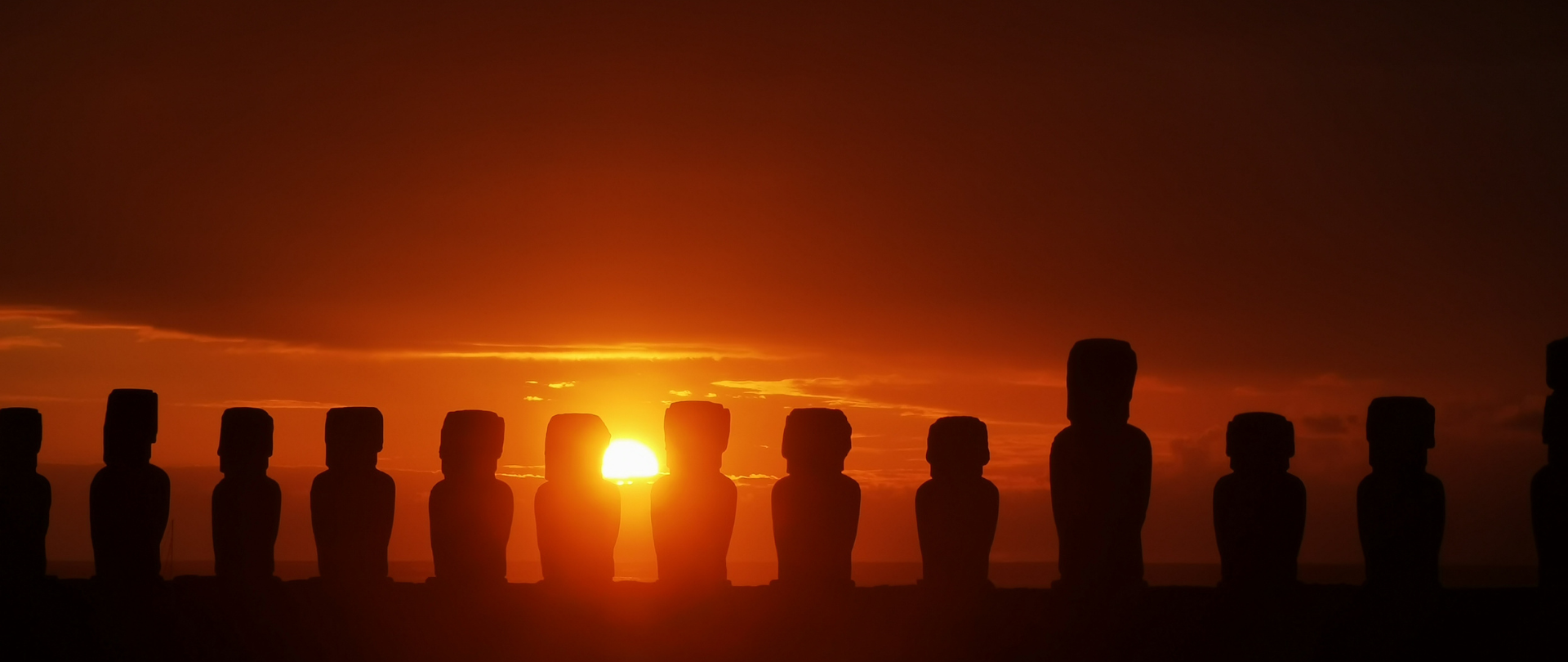
Indigenous-led conservation takes a leap forward with Rapa Nui (Easter Island)'s new partnership with Island Conservation!
June 23, 2026
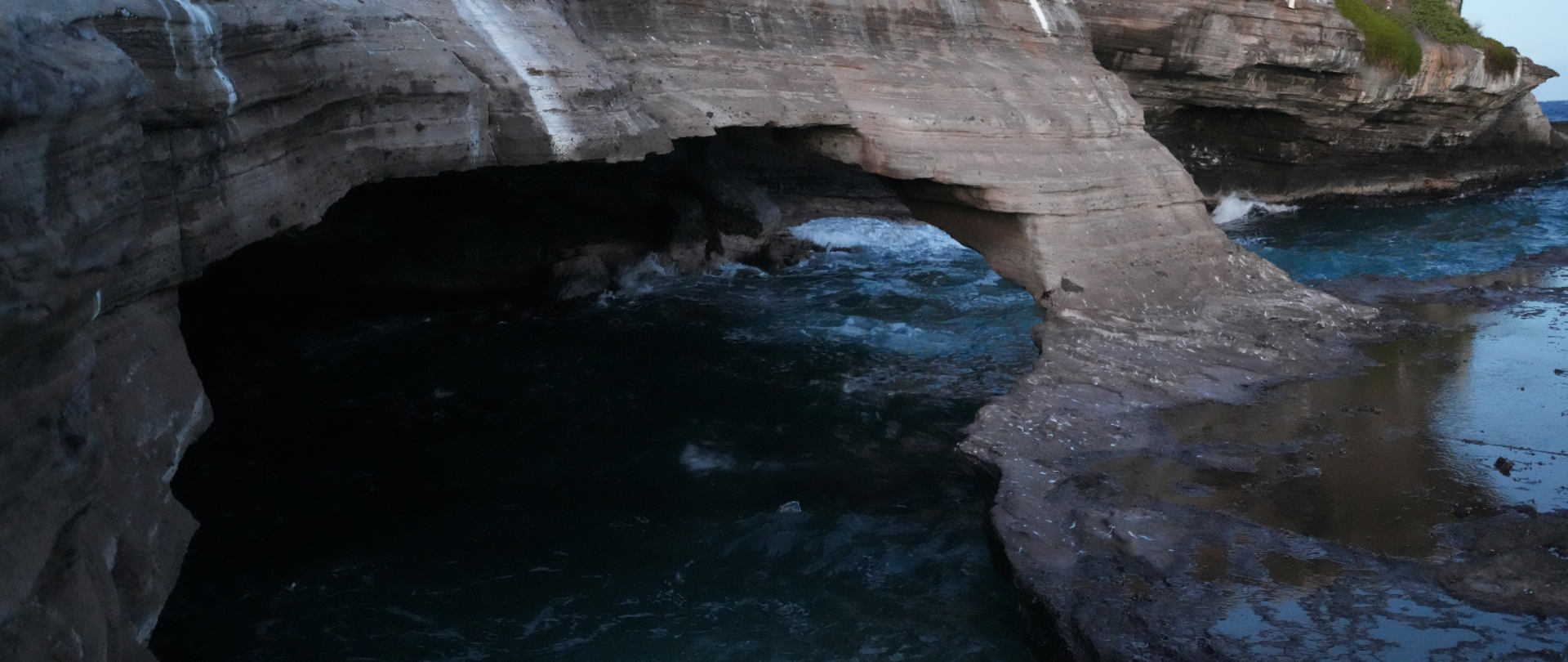
The Island-Ocean Connection Challenge announced four new restoration projects—Lehua, Tavolara, Grand Rouveau, and Zembra—at London Climate Week, expanding its global effort to restore 40 island-ocean ecosystems by 2030!
June 18, 2026
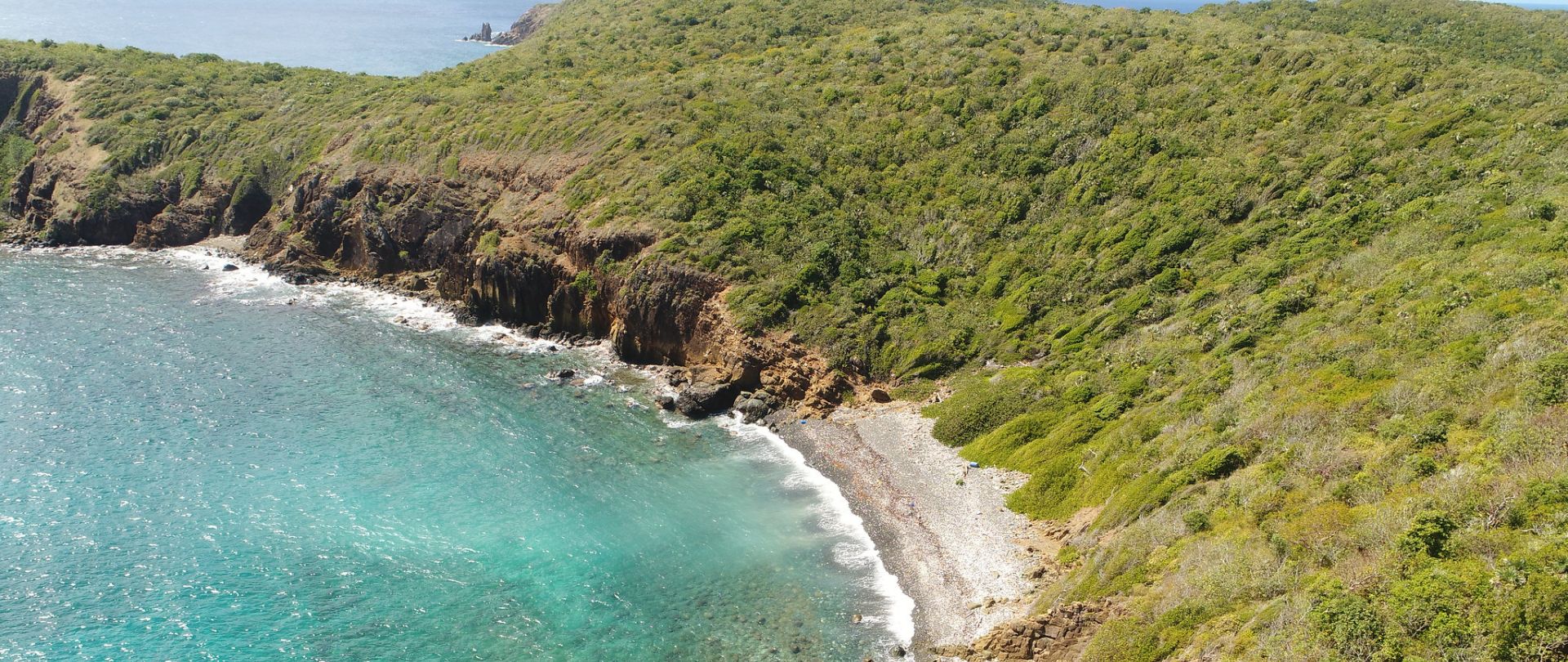
A new project to expand the range of an endangered Tree Boa is one step closer to completion!
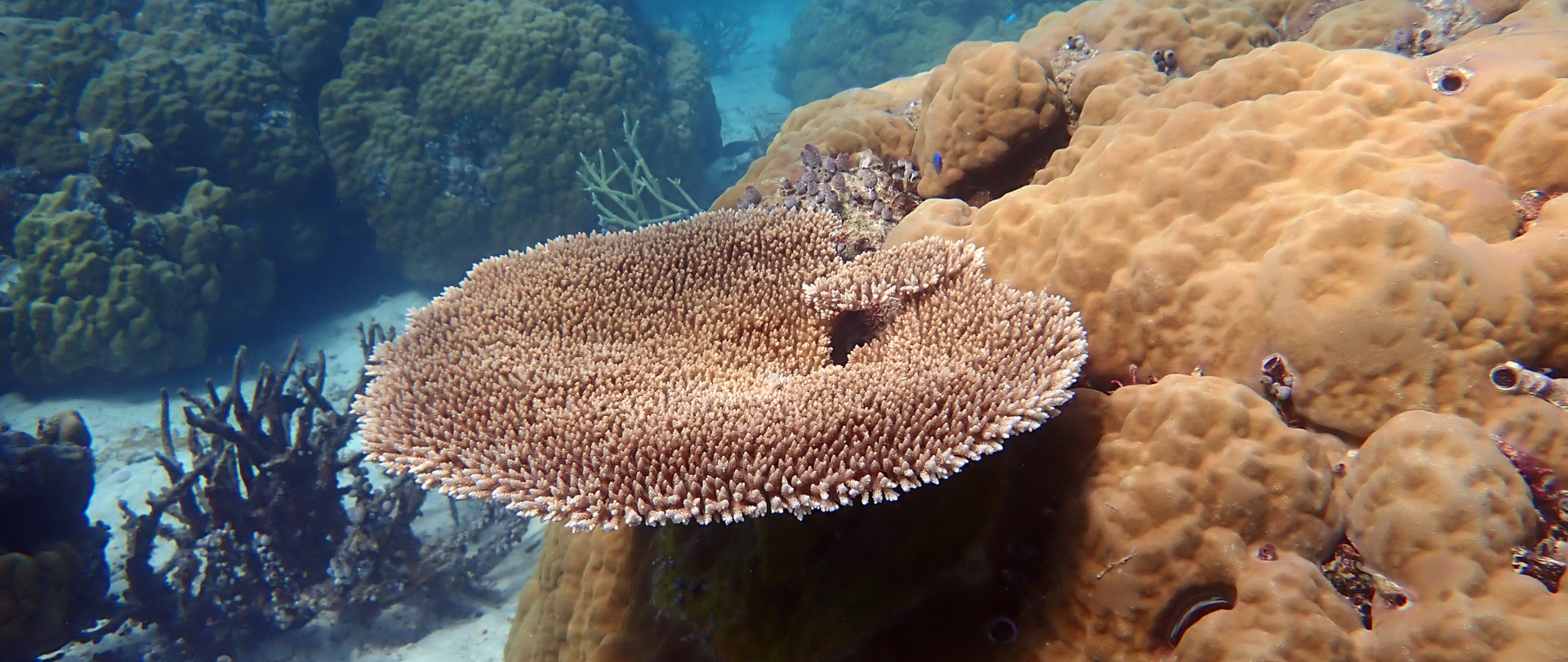
June 8, 2026
A world-first controlled experiment shows connection between seabird activity and marine health on Ulong Island!
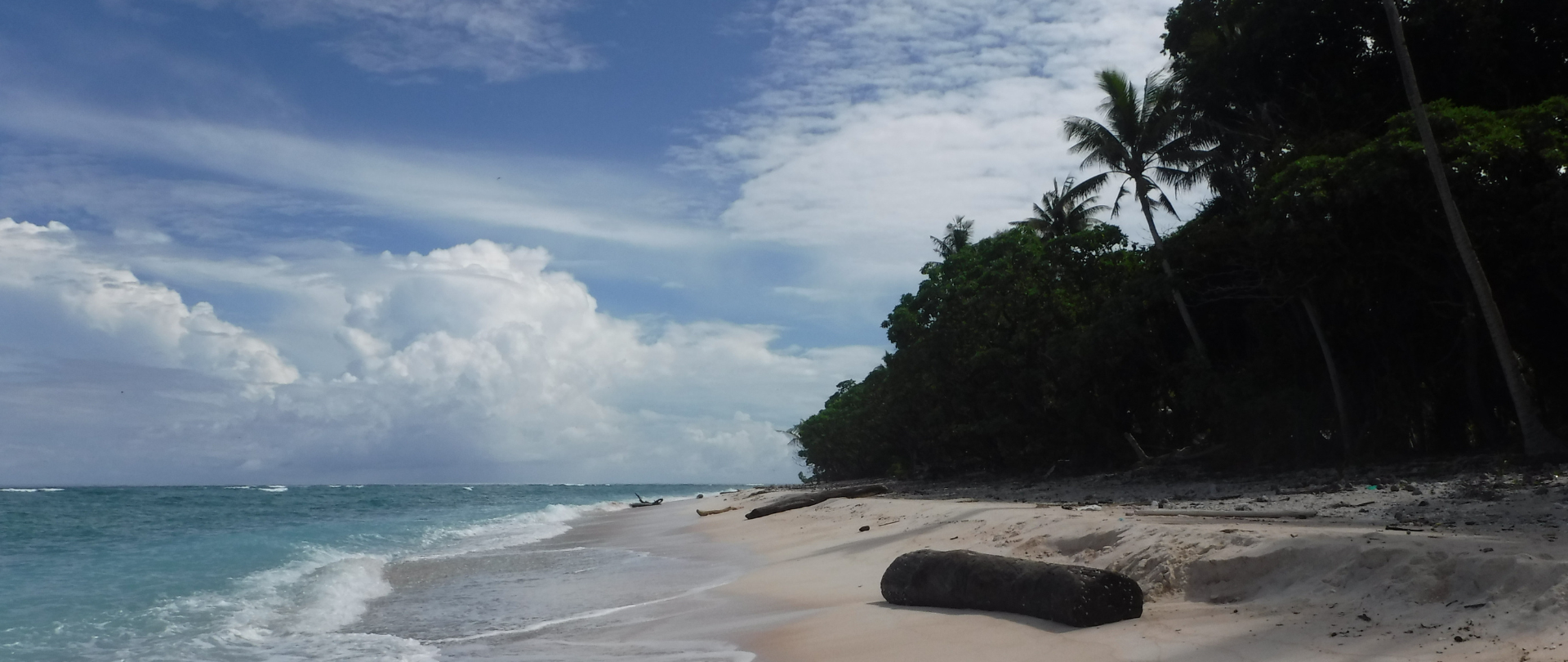
May 13, 2026
A new project in Sonsorol State, Palau aims to improve livelihoods and climate resilience through holistic environmental restoration!
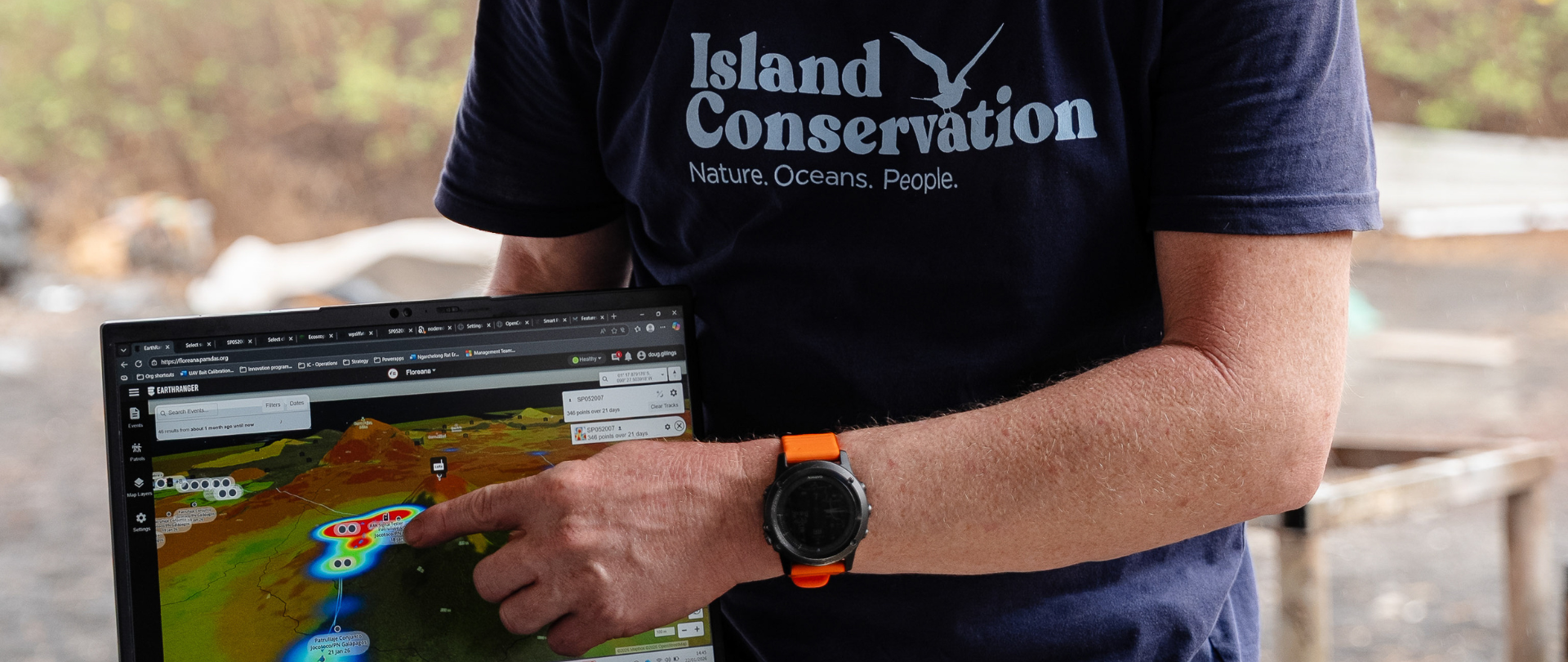
May 5, 2026
Thrilling new tech brings conservation solutions to a remote island in the Galápagos!
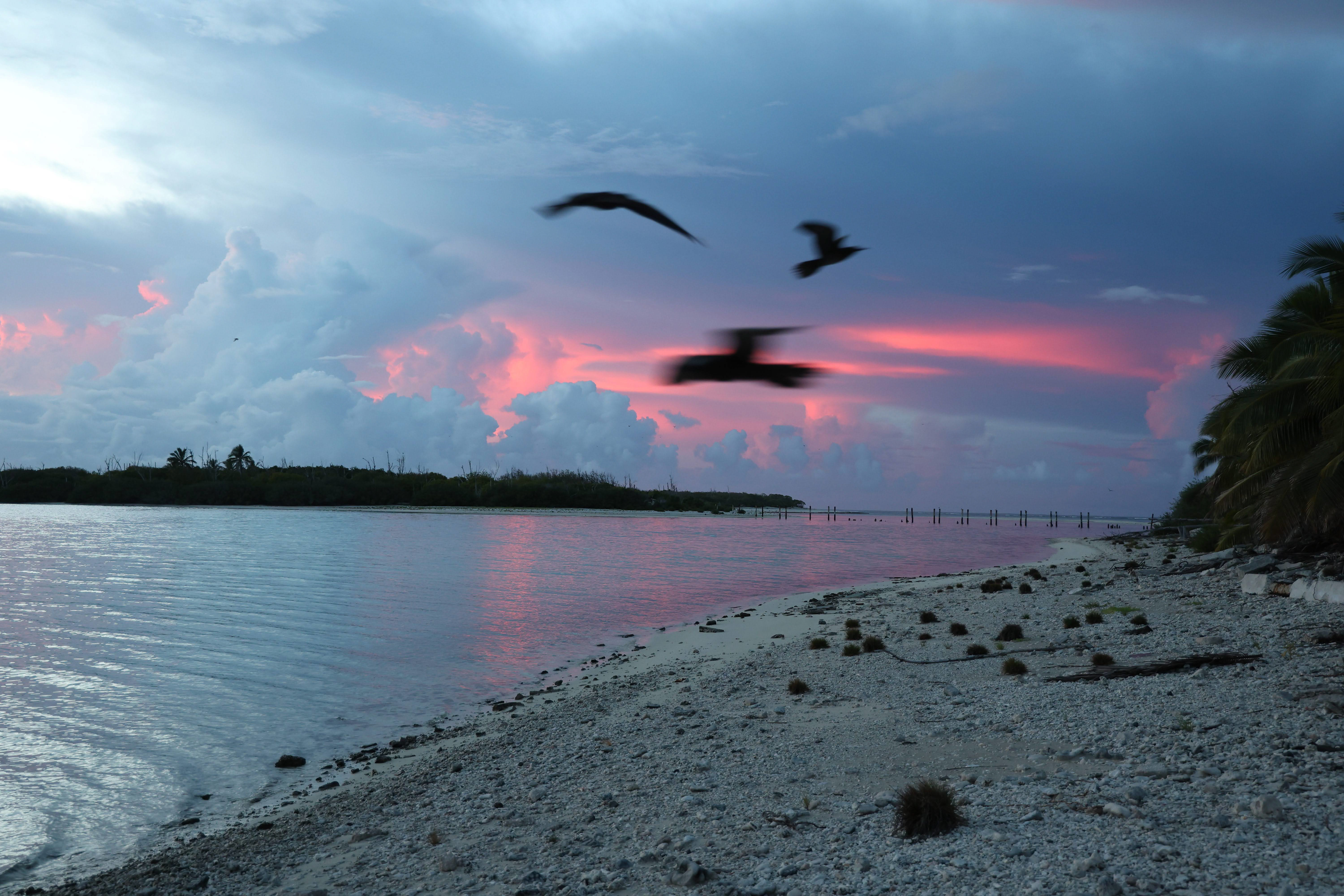
April 14, 2026
A historic moment: Wake Atoll is restored and thriving!
March 10, 2026
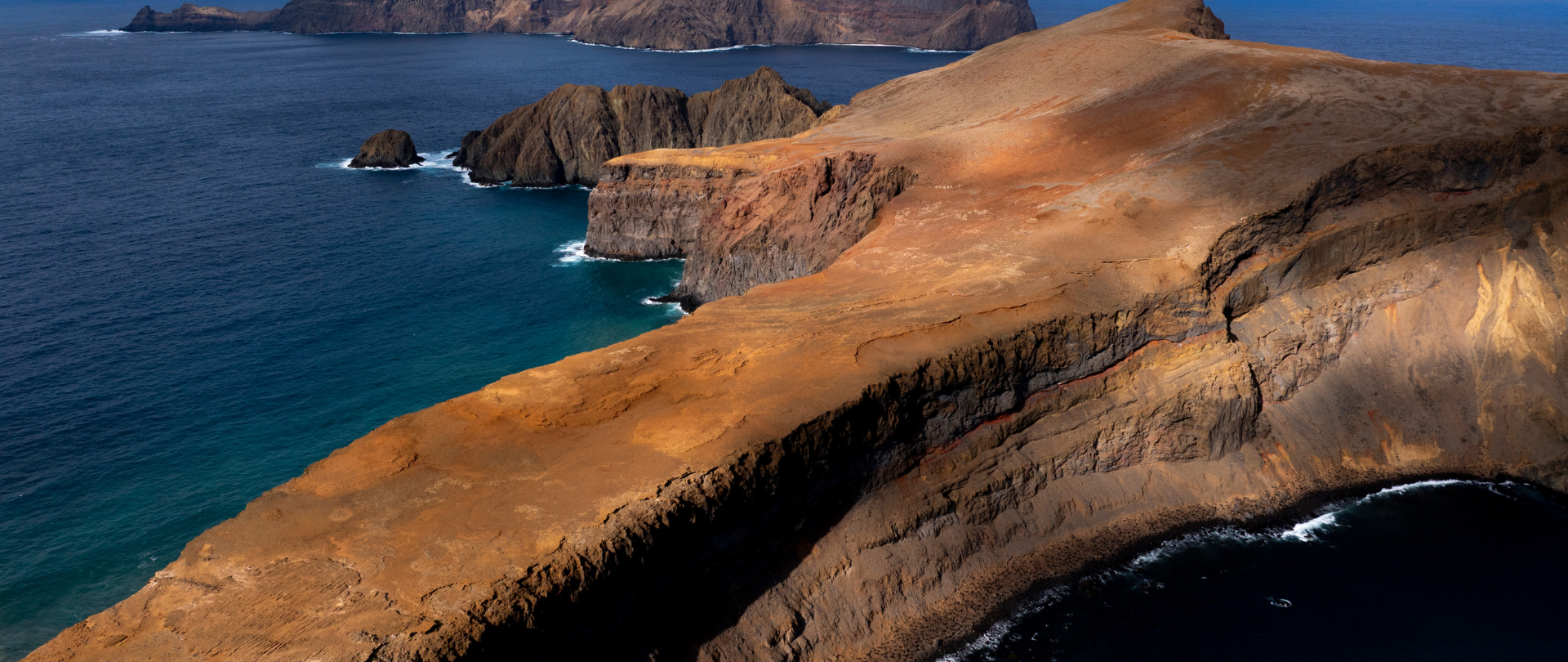
The Juan Fernández Archipelago is part of a new Marine Protected Area that protects the highest concentration of marine species found nowhere else on Earth!
February 20, 2026
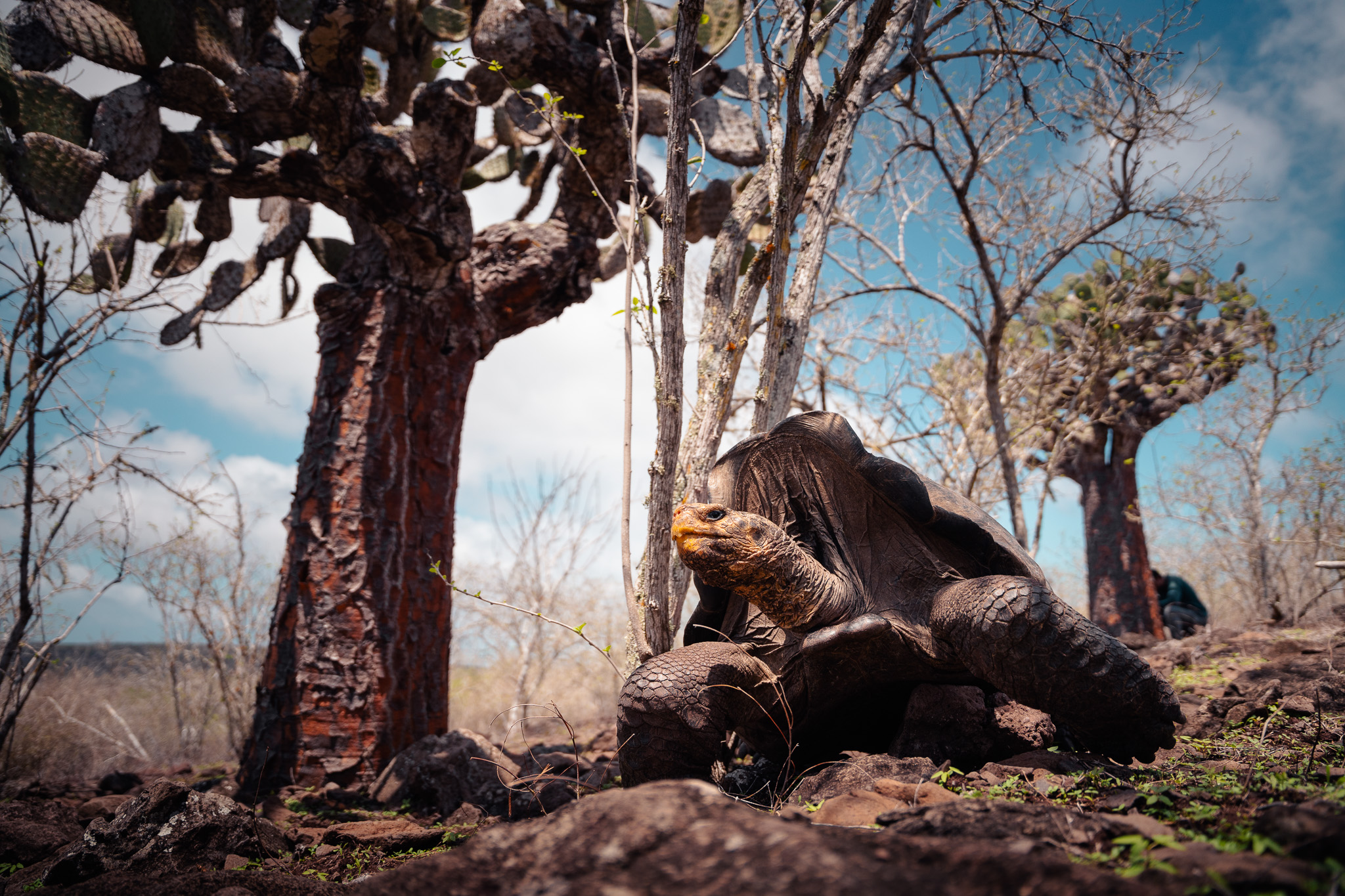
For the first time in more than 180 years, giant tortoises are once again walking the landscapes of Floreana Island!
October 30, 2025
Our proposal for a United Nations-sanctioned Decade of Island Resilience spotlights the power of global small islands!