September 9, 2026
Some Island Ecosystems Are More Resilient to El Niño
El Niño doesn't create weak ecosystems; it reveals them. Find out how resilient islands can survive and bounce back from stress caused by El Niño!
 Island Conservation
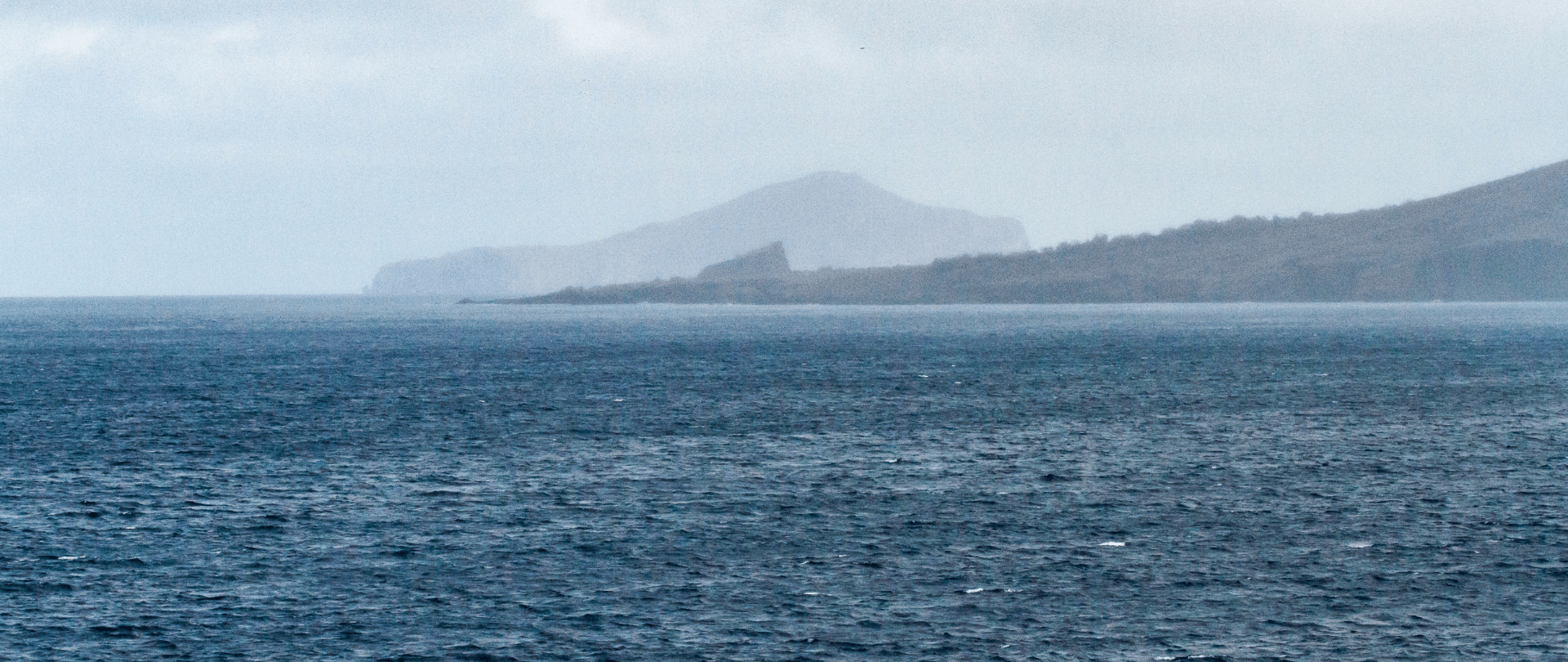
How much do you know about the science of invasive species on islands? If you’re like most people, you’ve probably heard some stories about how animals or plants that are not native to an island can cause problems for the local ecosystem. But do you know why they’re so disruptive, and what we can do to stop their worst effects? Test your knowledge with these nine key facts, backed up by decades of scientific evidence!
Differentiating between invasive species and non-native species is important–and confusion between the terms has caused problems in the past!
On islands–with invasive species as the primary causes!
predation, competition for resources, and habitat destruction. Scientists studied these threats on Gough Island in 2004.
Rodents. Rats and mice, in particular, are extremely pervasive, with the house mouse boasting a range more extensive than any mammal besides humans!
Yes! Humans are at risk of rat bite fever, salmonella poisoning, monkeypox, and a variety of other diseases.
Yes, both intentionally and unintentionally. For example, rats are prolific stowaways on ships, and other species like mongoose and goats are introduced on purpose.
Really fast–in some cases reproducing more than five times a year! A 2017 study found that a single pair of rats could theoretically produce half a billion descendants in just three years. Once introduced, they can swiftly take over the native habitats they invade.
Removing invasive species. It’s unequivocal–and re-introducing native plants and animals, a process called rewilding, is most successful when the invasive species have been removed!
More than 600! The success rates of these projects is huge, and they have a long history–more than 2,000 eradication projects on over 1,200 islands stretching back to the late 1800s!
Every year, we learn more and more about the threats invasive species pose to island ecosystems. A recent report from the Intergovernmental Science-Policy Platform on Biodiversity and Ecosystem Services, in fact, shows that the human costs might be higher than we estimated, stopping island communities from pursuing sustainable development and climate resilience.
While many of these invasive species facts might seem bleak, others point to restoration and rewilding as effective methods to combat their worst effects. At Island Conservation, we are full of success stories about what happens when we take action to stop invasive species and restore healthy ecosystems. Join us to restore islands for people and nature!
Check out other journal entries we think you might be interested in.

September 9, 2026
El Niño doesn't create weak ecosystems; it reveals them. Find out how resilient islands can survive and bounce back from stress caused by El Niño!

August 25, 2026
A new study reveals the role fungi play in the restoration and recovery of rare, resilient atoll ecosystems!

July 17, 2026
Three different animals show how connector species prop up island-ocean ecosystems!
April 14, 2026
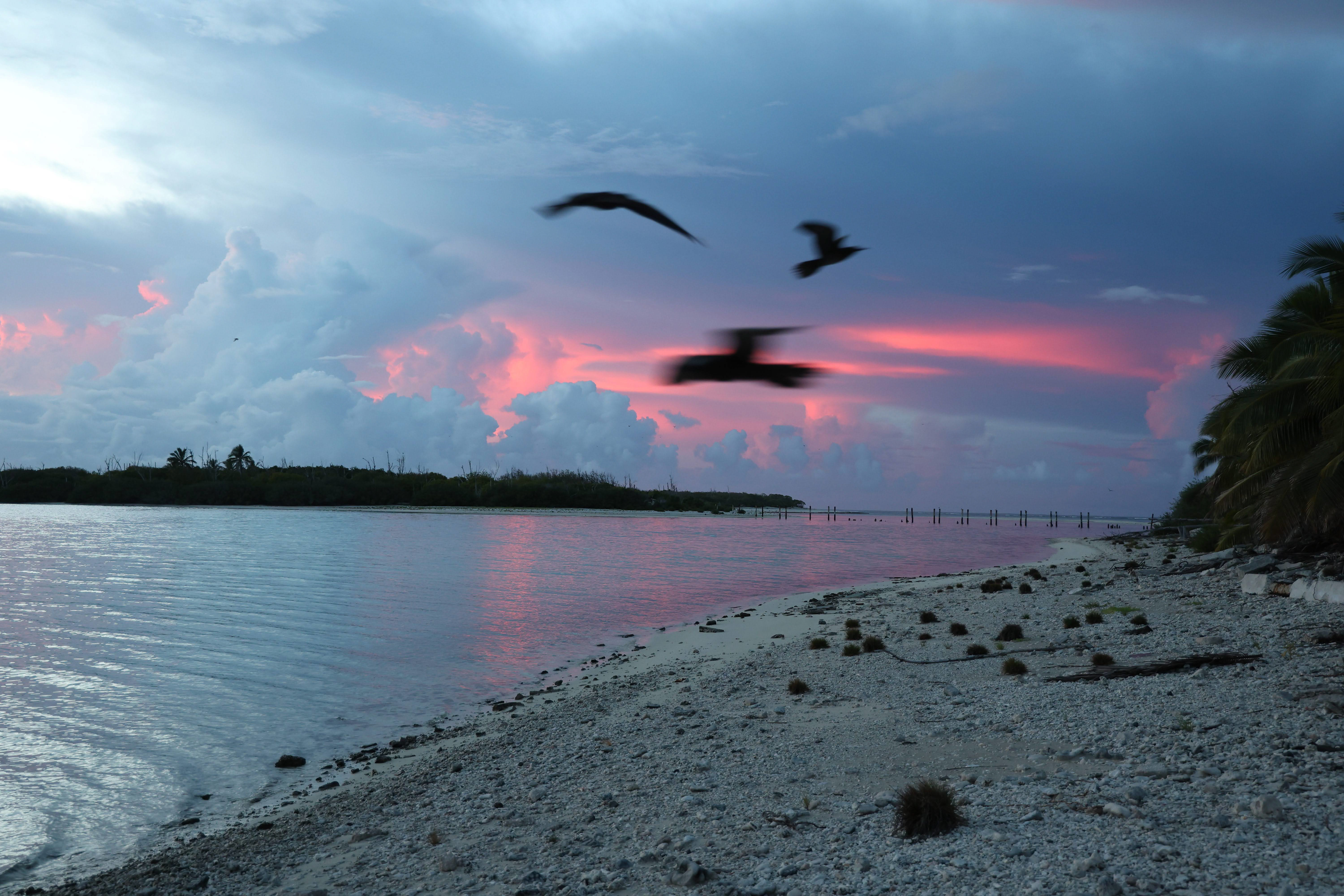
A historic moment: Wake Atoll is restored and thriving!
April 9, 2026
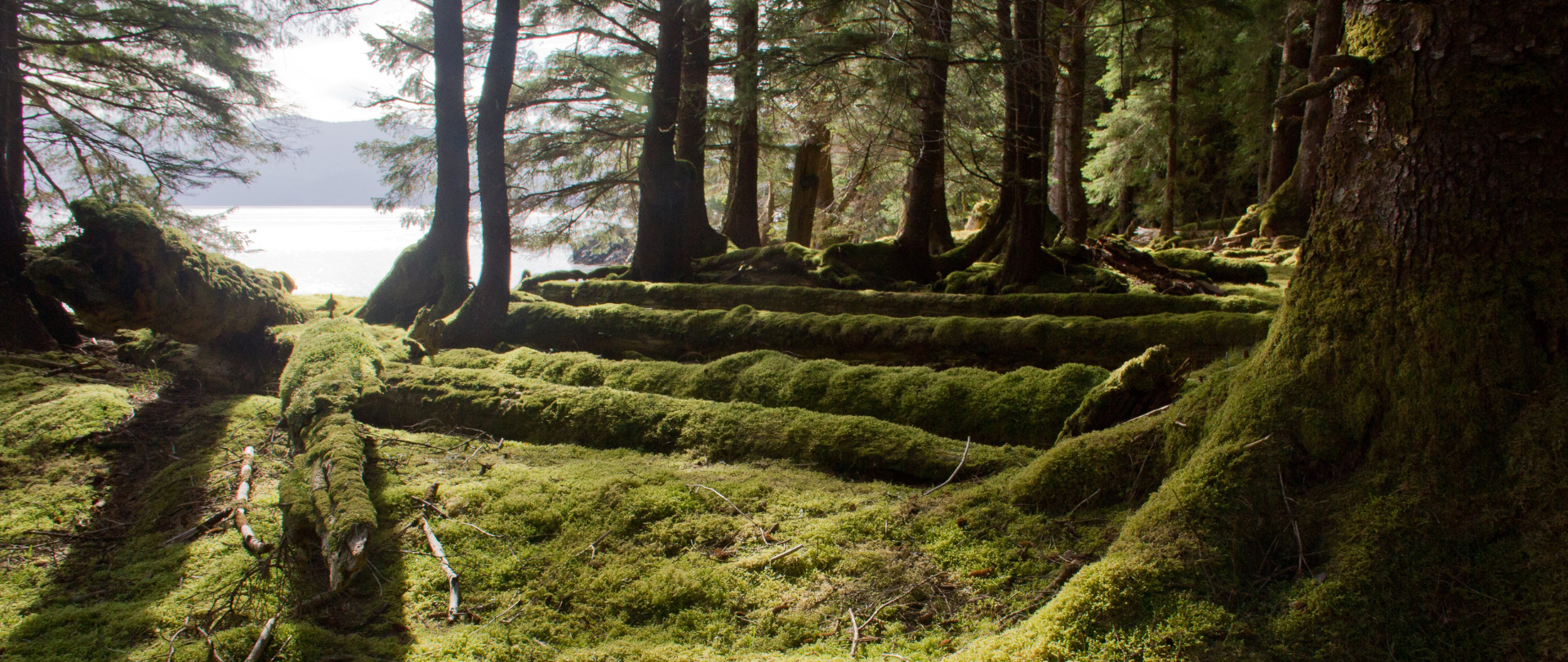
We made a list of easy ways you can show your support for the environment--during April and all year long!
March 3, 2026
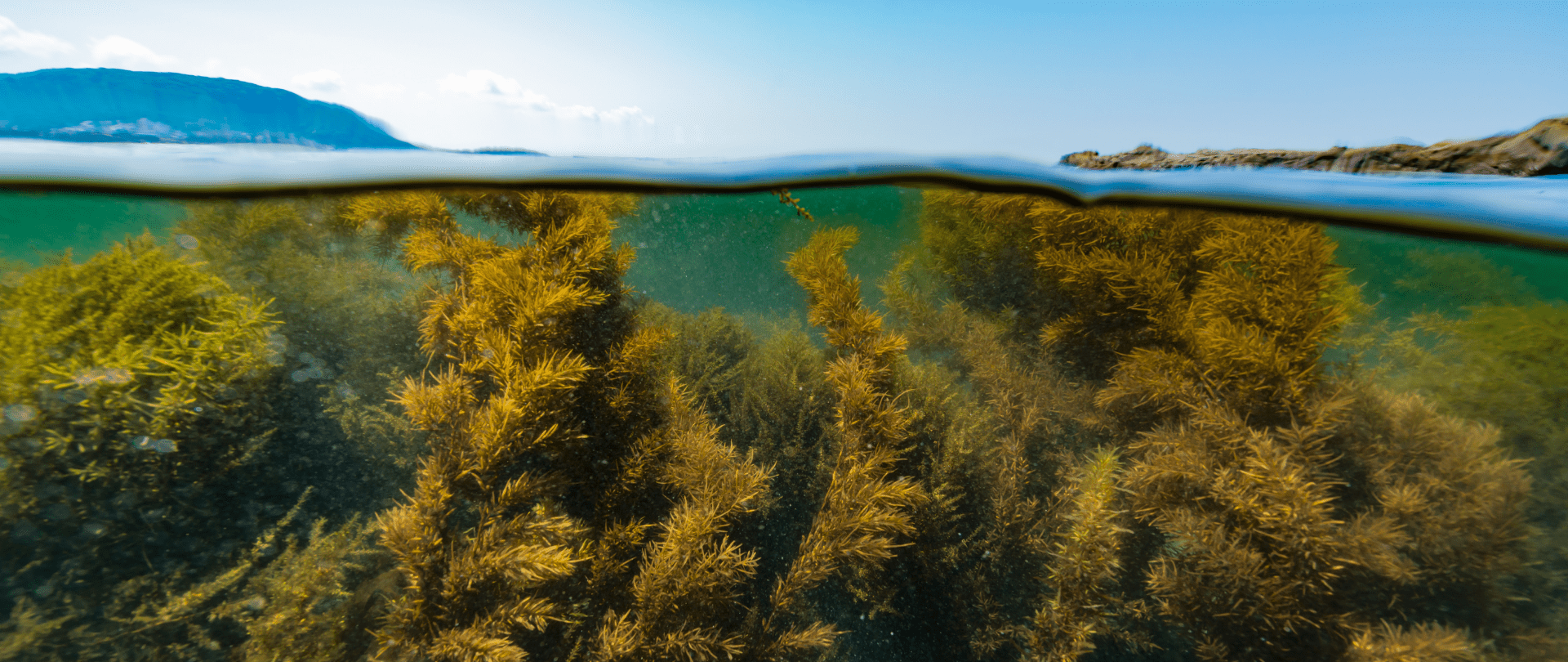
What is holistic restoration? Read all about this incredible method to restore ecosystems for people and nature!
February 6, 2026
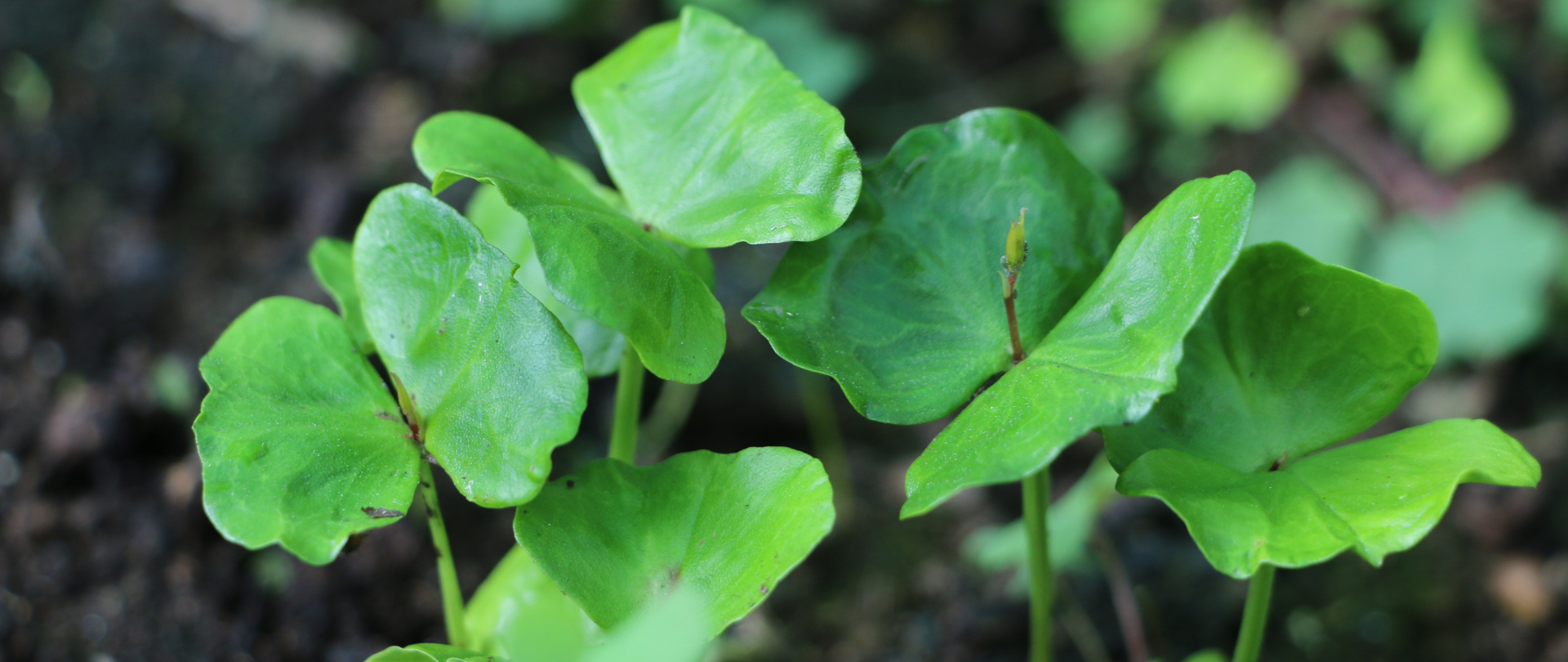
¡Mira el video de Solange y lee una entrevista sobre Robinson Crusoe! Watch Solange's video and read an interview about Robinson Crusoe!

January 22, 2026
Our Senior Director of Impact & Innovation, David Will, explains the importance of the Circular Seabird Economy for nutrient transfer!

January 15, 2026
Not all Marine Protected Areas are equally effective. A new study shows how high-quality, well-implemented MPAs provide outsized impacts for biodiversity!
December 22, 2025
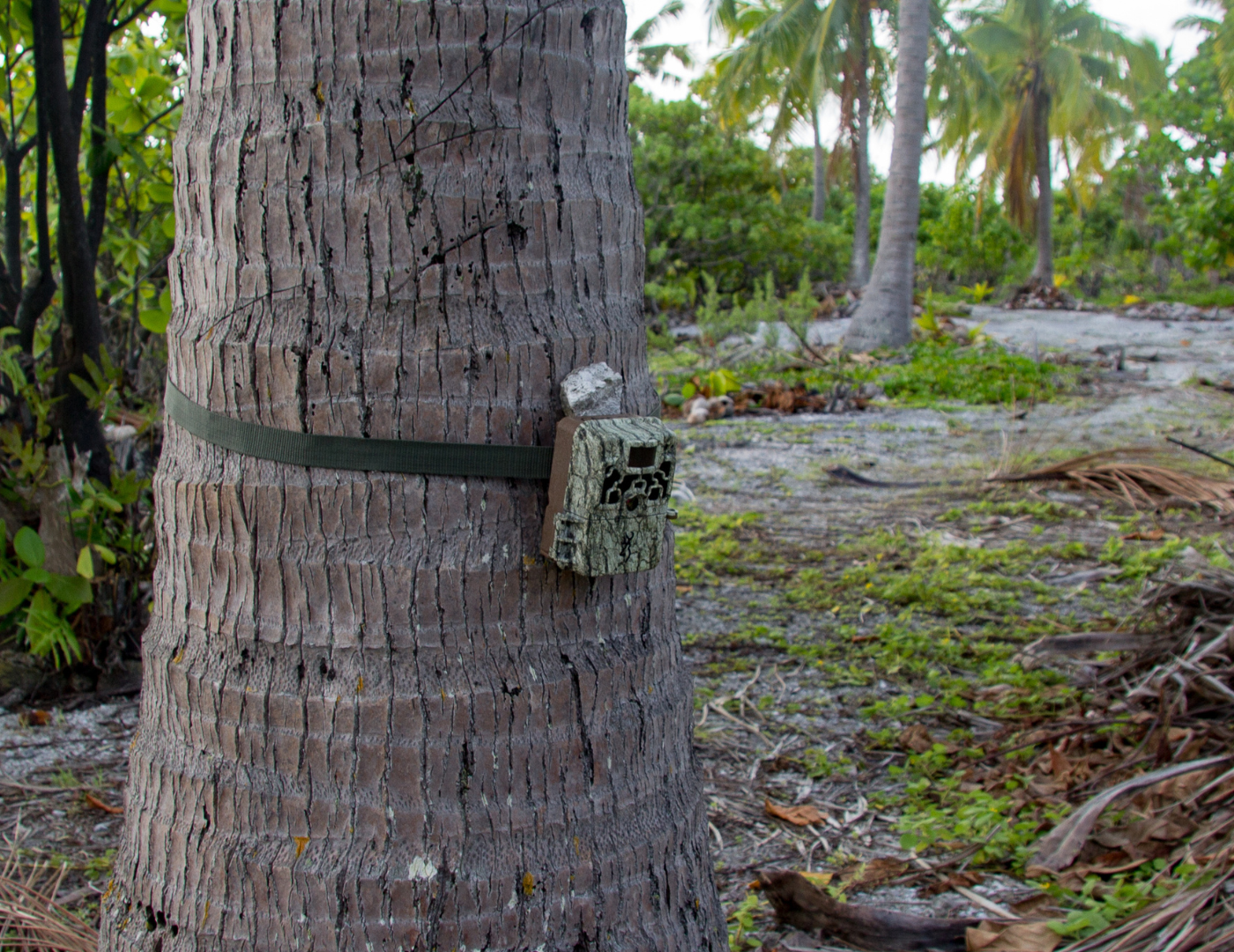
Elke Windschitl, our Conservation Impact Data Specialist, gives us the lowdown on