November 3, 2026
PRESS RELEASE: New Study Reveals 300-Fold Recovery of Peruvian Diving-petrel Following Island Restoration in Chile
A 300x increase in population for the once-Endangered Peruvian Diving-petrel!
 Island Conservation
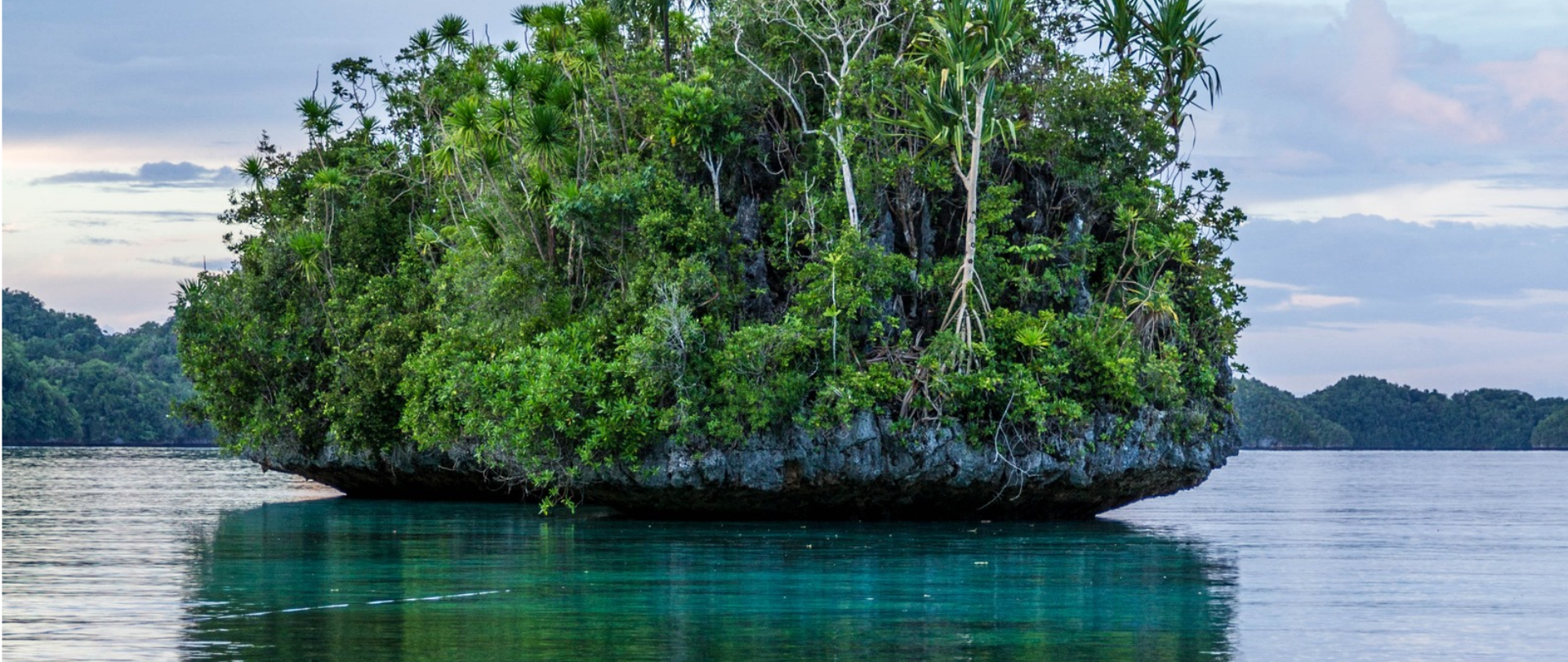
Palau, Samoa, Tonga, Wallis & Futuna | [November 9, 2026] — For communities in Palau, Samoa, Tonga, and Wallis and Futuna, healthier islands mean greater climate resilience, thriving biodiversity, and more secure livelihoods. A new multi-year program, funded by the German Federal Government through the International Climate Initiative (IKI), will work alongside national governments, customary authorities, and local communities to explore and co-design restoration of the region’s ecologically and culturally significant islands.
The €20-Million Euro ($23,079,800 USD) grant will support the Restoring Pacific Islands for Nature and People project, which will now enter a period of formal consultation, partnership development, and joint planning. The project invites collaboration between national governments, regional agencies, local conservation organizations, and communities to address biodiversity loss, failing ocean health, and climate impacts by focusing on places where we can have the greatest impact: islands. The consultation phase will ensure that any future activities are shaped by national priorities, culturally appropriate processes, and community leadership.
Dr. Penny Becker
Chief Executive Officer, Island Conservation
Together, the partners will restore native plants and wildlife on islands and islets over seven years across Palau, Samoa, Tonga, and Wallis and Futuna, repairing nutrient cycles and creating healthy, functioning ecosystems by removing primary threats, helping native species return, and strengthening long‑term interisland biosecurity systems to safeguard success. By holistically restoring ecosystem functions, the programme delivers tangible benefits for both nature and people—from healthier forests and seabird populations to stronger food security, improved public health, and greater resilience against the effects of climate change.
“It is great to see ambition in the region growing,” said David Moverley, Invasive Species Adviser, Secretariat of the Pacific Regional Environment Programme (SPREP). “The huge increase in consolidated outcomes achieved over the past six years through key partnerships such as Pacific Regional Invasive Species Management Support Service (PRISMSS) has been magnificent and this project will be a great contribution to sustaining and building this effort over the next six years.”
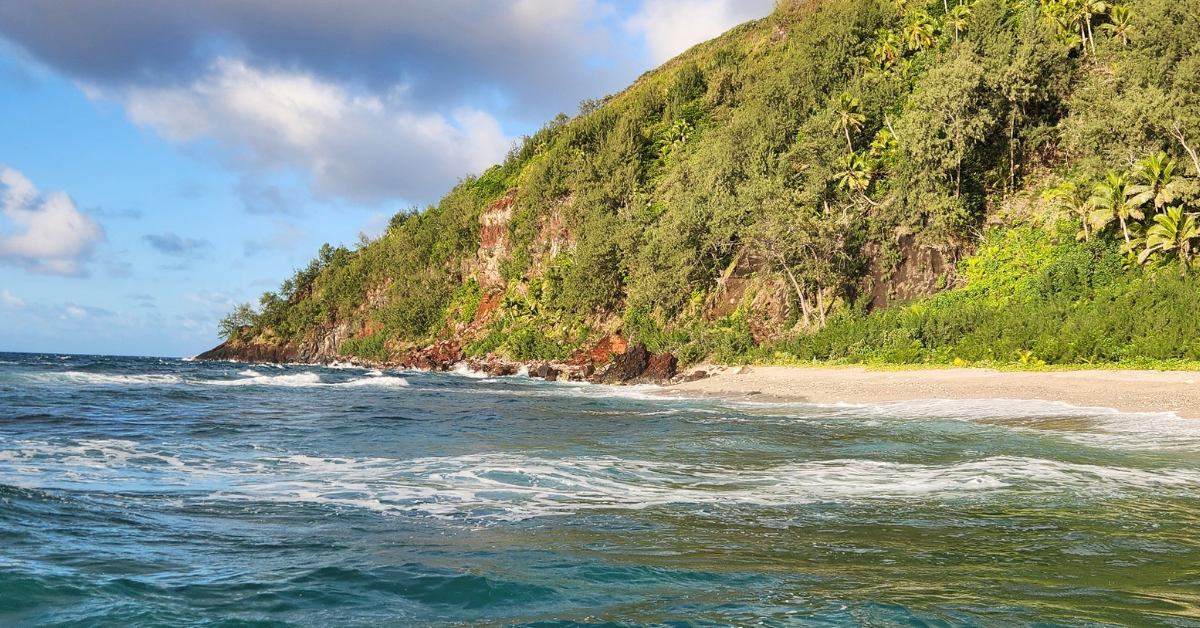
Over the coming period, the initiative will focus on engaging national governments, customary authorities, and local communities through consultation processes; aligning potential activities with national development priorities and regional frameworks; and strengthening collaboration among all organizations. Decisions about specific sites, timelines, and restoration methods will be reached through this consultation process.
“This project shows what’s possible when global ambition is matched by Pacific leadership,” said Alister Scott, Executive Director, Global Rewilding Alliance.
The programme is implemented through a regional consortium that combines global technical expertise with deep local knowledge, including SPREP, Palau Conservation Society (PCS), Vava’u Environmental Protection Association (VEPA), BirdLife International Pacific, and Island Conservation, working in close partnership with national and territorial governments.
“Restoring Pacific Islands for Nature and People is a transformational investment helping mainstream and scale island restoration as a nature-based solution through a Pacific-led model integrating science, traditional knowledge, policy reform, and community leadership,” said Steve Cranwell, Pacific Acting Deputy Director Conservation of BirdLife International Pacific. “As climate impacts intensify, healthy islands are among the most effective defence for adaptation, benefiting both people and nature.”

The grant is matched by a significant co‑financing commitment from project partners, underscoring broad confidence in the programme and a shared responsibility for its success. SPREP and BirdLife have committed more than €460,000 and €620,000 respectively, while Island Conservation is working to raise an additional €1.5 million to support project implementation. The Global Rewilding Alliance has helped secure $1 million USD through an anonymous donor—demonstrating strong early momentum—yet additional philanthropic and institutional support is still needed to fully realize the project’s scale and long‑term impact across the Pacific.
“This project helps to brings back Haapai islands ecosystem, especially for Tofua Island,” said a representative from the Kingdom of Tonga’s Ministry of Meteorology, Energy, Information, Disaster Management, Environment, Climate Change and Communications (MEIDECC). “It also helps these islands to be more resilient to climate change challenges.”
“The Pacific is home to some of the world’s most biodiverse islands, yet invasive species threaten both their ecological integrity and the communities that depend on them,” said a representative from the Palau Conservation Society (PCS). “This project is critical to restoring ecosystems and strengthening resilience, ensuring that island resources continue to sustain life and livelihoods.”
“This project will not only strengthen biodiversity on Tofua but will have far reaching benefits to community and livelihoods in Kotu and surrounding islands,” said a representative from the Vava’u Environmental Protection Association. “The inclusion and engagement with the community and community champions is a critical step to ensure project success.”
“The IKI project is an important step towards protecting the future of our islands,” said a representative from Palau’s Department of Conservation and Law Enforcement in Koror State. “By addressing invasive species and restoring native biodiversity, we are protecting the ecosystems that our communities depend on while strengthening their resilience for generations to come.”
“The support from the German Federal Government through the International Climate Initiative (IKI) represents a transformative milestone for large-scale ecosystem restoration across our region, said Suemalo Tumutalie Foliga, Assistant Chief Executive Officer of Samoa’s Ministry of Natural Resources and Environment—Division of Environment and Conservation. “Samoa is proud to partner in this visionary initiative, which directly accelerates our national climate adaptation goals and contributes significantly to the realization of our National Biodiversity Strategy and Action Plan (NBSAP). This project provides a critical boost to Samoa’s national conservation priorities. By building on feasibility studies and community groundwork laid by projects such as the Managing Invasive Species for Climate Change Adaptation in the Pacific (MISCCAP) project, this funding will take us across the finish line with rat eradication on a key inhabited island that has long been plagued by this invasive predator species. Furthermore, it will boost Samoa’s inter-island biosecurity to prevent future re-invasions, directly advancing the core objectives of our National Invasive Species Strategy and Action Plan (NISSAP). It also allows us to move forward with possible vital native species initiatives such as translocations on the now predator-free Nu’utele Island, with rats and feral pigs eradicated through the PRISMSS Restoring Island Resilience Project, securing a resilient future for our ecosystems and communities.”
“Both biodiversity and people strongly depend on the integrity of Pacific ecosystems,” said a representative from the Service de l’Environnement from Wallis et Futuna. “This project
will help Pacific islands face invasive species and climate change threats by restoring ecosystems and strengthening resilience, with and for local communities.”
There’s more than one way to make an impact. Join our collective of dedicated supporters by donating today or signing up for our newsletter to stay informed.
Photos, b‑roll, and additional materials available here: https://drive.google.com/drive/folders/1blxIbtw_rfRq4zBQ3o3JzulahT-M9ycC
Interviews available upon request.
Island Conservation
Sally Esposito, Senior Communications Director
sally.esposito@islandconservation.org
Partner Organizations (upon request)
Restoring Pacific Islands for Nature and People is a multi‑year regional initiative supporting ecosystem restoration, invasive species management, inter‑island biosecurity, and community leadership across Palau, Samoa, Tonga, and Wallis & Futuna. Supported by the German Federal Government through the International Climate Initiative (IKI), the project contributes to global biodiversity goals, climate adaptation, and sustainable development by restoring island ecosystems that are critical for nature and people.
Island Conservation‘s mission is to restore islands for nature and people worldwide. We are a United States–based 501(c)(3) charitable organization with a globally distributed team—often made up of local islanders who bring deep knowledge and connection to the places where we work. Together, we collaborate with local communities, government management agencies, and conservation organizations to holistically restore islands by bringing back biodiversity, the foundation of all healthy ecosystems. We do this by removing a primary threat (introduced, damaging invasive species) and accelerating the return of native plants and animals. We utilize innovative technology and techniques to work more efficiently and showcase the many benefits of holistically restored islands for biodiversity, climate resilience, ocean health, and sustainable development across the globe.
Secretariat of the Pacific Regional Environment Programme (SPREP) is the regional organization responsible for promoting cooperation and supporting action to protect and improve the Pacific environment and ensure sustainable development for present and future generations.
Palau Conservation Society (PCS) works with communities and government partners to conserve Palau’s natural heritage and promote the sustainable use of natural resources for the benefit of present and future generations.
Vava’u Environmental Protection Association (VEPA) is a Tonga‑based organization strengthening community‑led conservation, environmental monitoring, and sustainable resource management across Tonga.
BirdLife International is the only global Partnership conserving birds and all life on our planet. We exist to give one voice to nature, and to unite and strengthen conservation across borders. We’re made up of 125 national conservation organisations in 120 countries and territories. In the Pacific, we work with Partners across the region to conserve birds, biodiversity, and the habitats that support island communities and cultures.
Check out other journal entries we think you might be interested in.
November 3, 2026
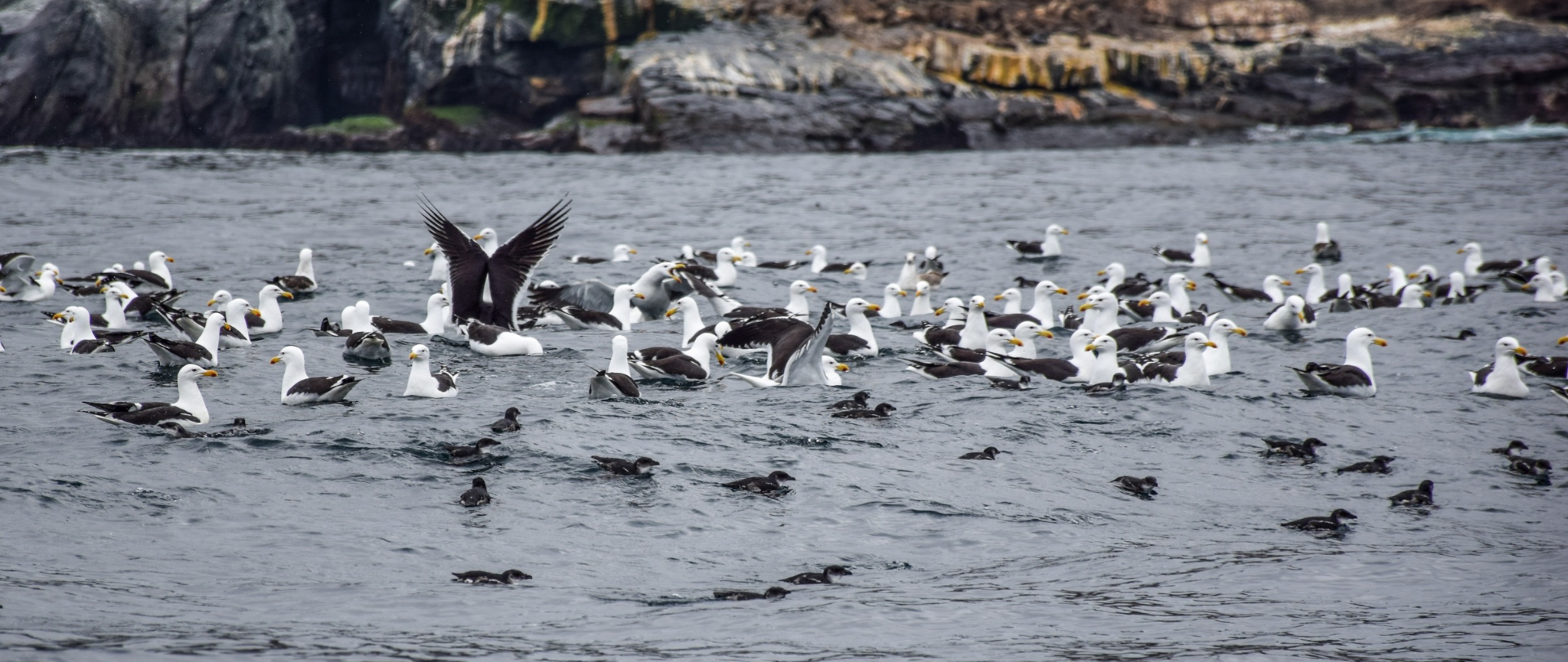
A 300x increase in population for the once-Endangered Peruvian Diving-petrel!

October 23, 2026
The Smart Islands Monitoring Network was honored by Premios Verdes in Ecuador!
October 20, 2026
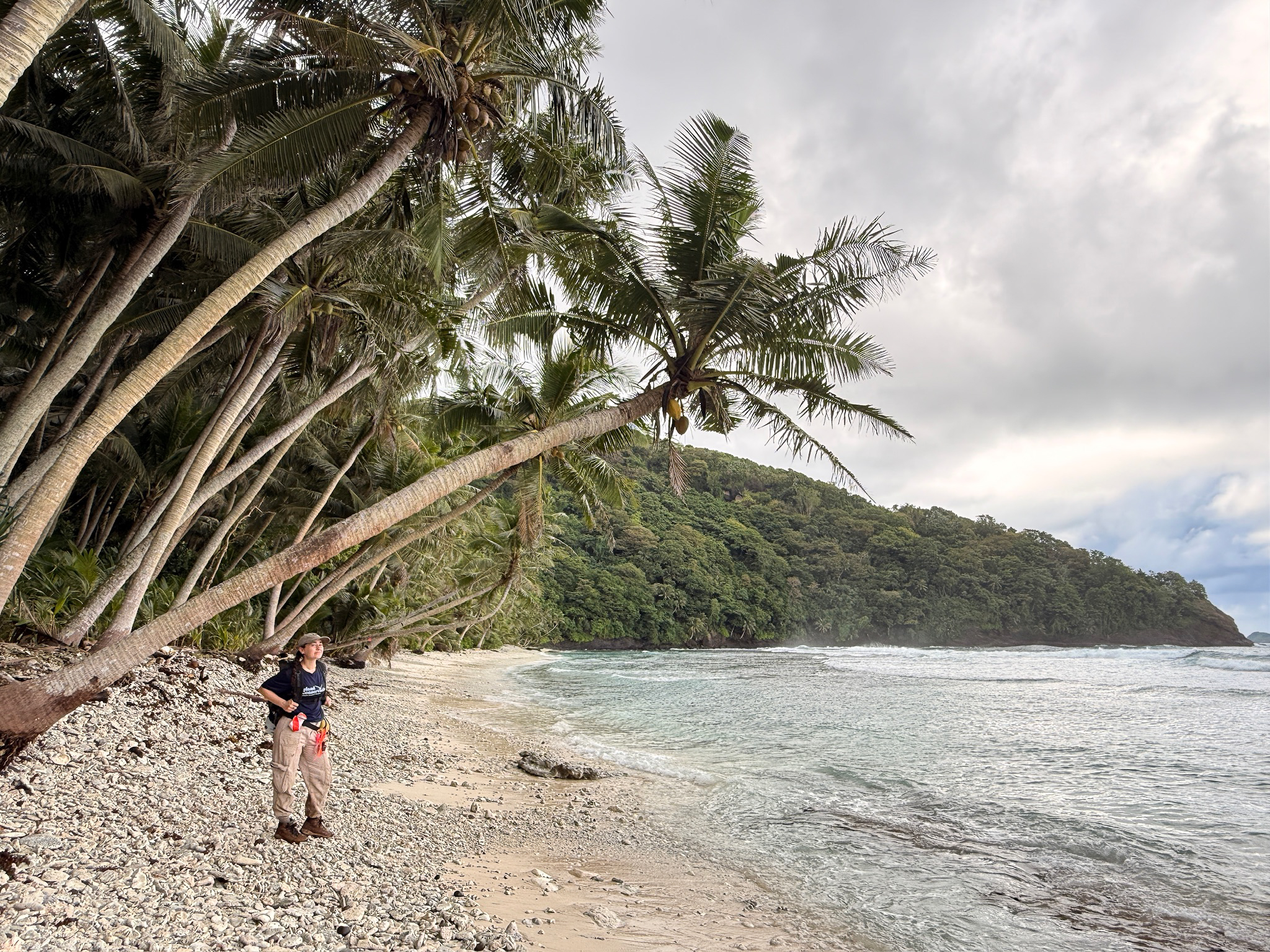
Nu’utele Island shows encouraging signs of ecological recovery, demonstrating how healthy island ecosystems strengthen climate resilience.

October 14, 2026
What makes a donation to Island Conservation such a great investment? Our CEO, Penny Becker, explains in an NPR podcast!

September 9, 2026
El Niño doesn't create weak ecosystems; it reveals them. Find out how resilient islands can survive and bounce back from stress caused by El Niño!

August 25, 2026
A new study reveals the role fungi play in the restoration and recovery of rare, resilient atoll ecosystems!

August 12, 2026
The new Phoenix Species Project highlights species on the brink of extinction that are primed for recovery--and a lot of them live on islands!
August 4, 2026
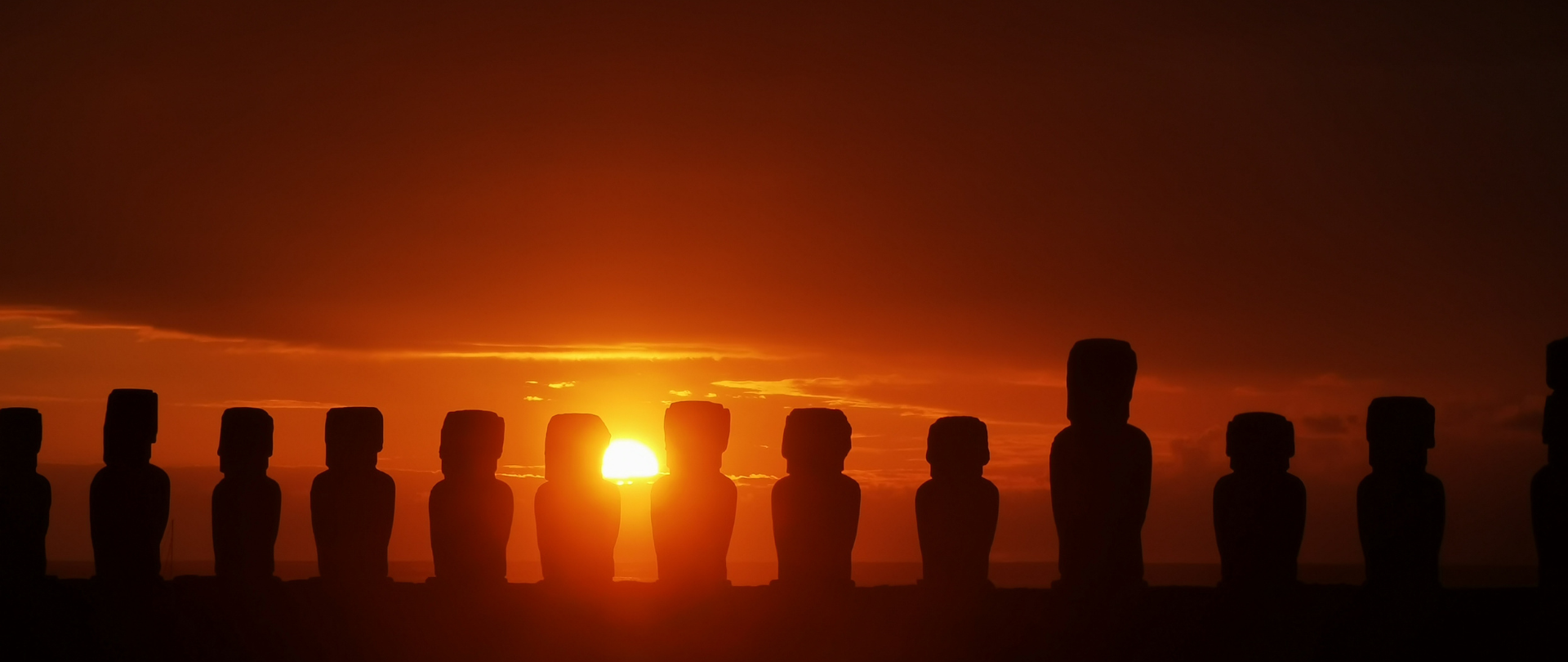
Indigenous-led conservation takes a leap forward with Rapa Nui (Easter Island)'s new partnership with Island Conservation!

July 31, 2026
We interviewed artist Laura Shape to learn about the luminous abstracts she creates from leather sourced from invasive species!

July 28, 2026
Happy World Nature Conservation Day! Read Penny Becker's article published by the Outreach Network for Gene Drive Research.