Tonga Marks Conservation Victory: Seabirds and Turtles to Benefit from Restoration Campaign
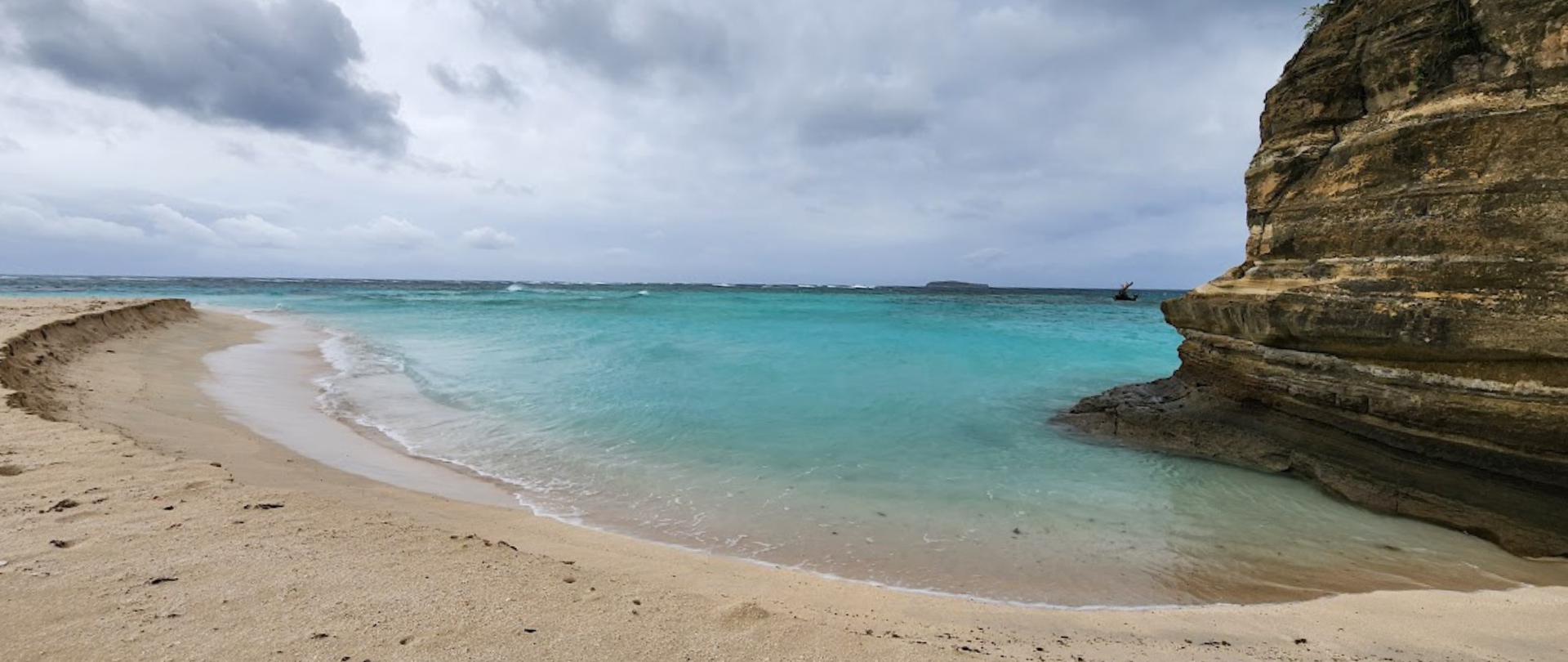
Seabird populations are bouncing back and native florea is recovering as Tonga’s ongoing efforts to restore island ecosystems and build climate resilience have reached another major milestone. A massive effort to remove invasive rats and feral pigs from Kelefesia and Tonumea in the Ha’apai Group was successful, as conservationists from the Government of Tonga, the Pacific Regional Invasive Species Management Support Service (PRISMSS), and Island Conservation have confirmed.
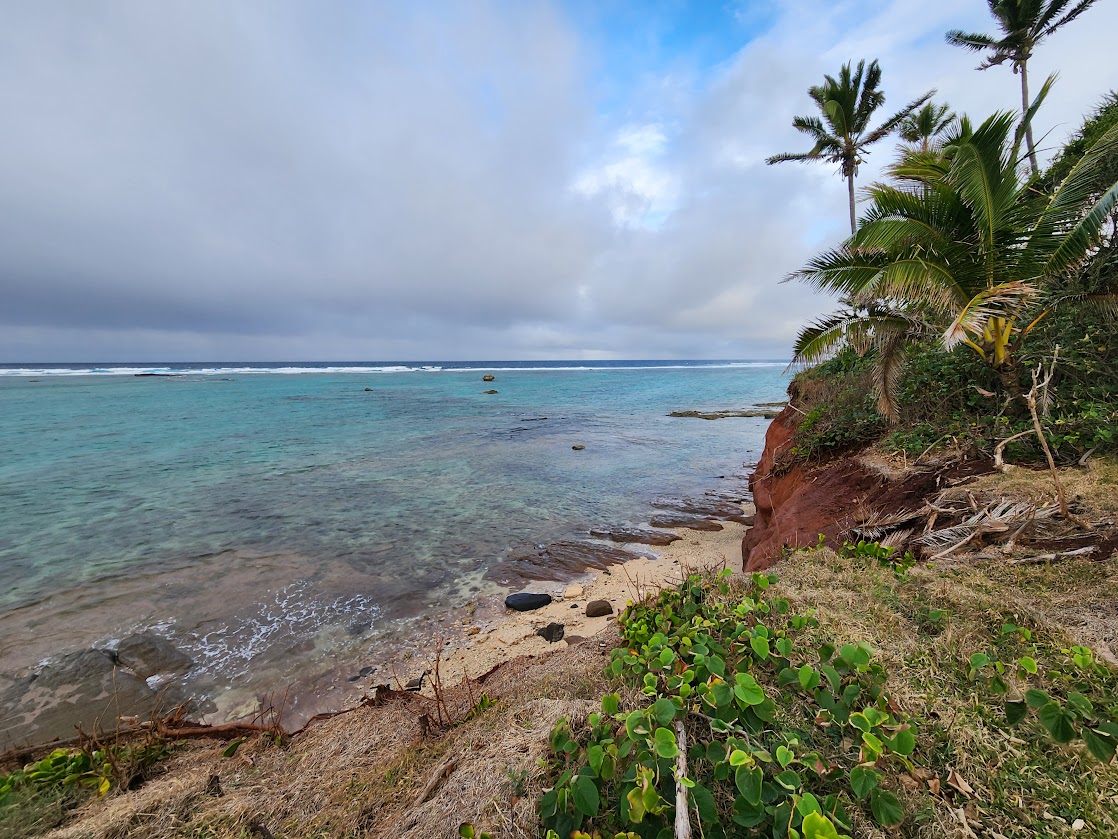
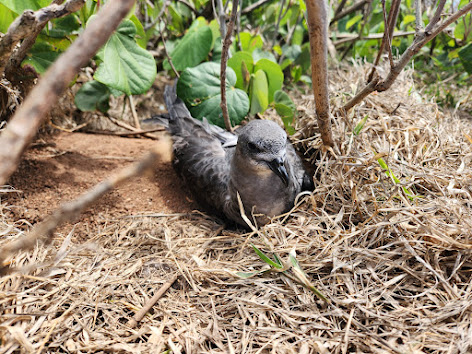
When conservationists visited the two islands to confirm the success of the 2024 restoration campaign, the ecological benefits of the success were already evident. Ground-nesting birds such as Herald Petrels, which had never before been recorded on Kelefesia, are very vulnerable to invasive species. Now, there are new pairs breeding in a secure habitat!
This success also makes the ecosystems more resilient to climate change impacts, such as sea-level rise and extreme weather events. More nesting seabirds bring nutrients to the islands and their surrounding waters, which can then support stronger reefs and larger fish populations. By stabilizing coastal habitats and enhancing biodiversity, the project contributes directly to Tonga’s national climate adaptation goals and regional resilience frameworks.
The seabirds will now be able to nest without predation, restoring natural nutrient cycles that enrich both our land and ocean. With the PRISMSS PFP programme, endangered turtles will now have a better chance of survival, with nests safe from pigs and rats and native plants can regenerate, strengthening coastal resilience against climate change.”
Viliami Hakaumotu
Tonga National Invasives Species Coordinator
The 2024 project was carried out over five weeks by a team of local “invasive battlers” with technical experts from Island Conservation and Tonga’s Department of Environment.
“It was not easy work,” said one team member. “We lived simply on the islands, carrying out daily checks and monitoring. But we knew every step brought us closer to giving seabirds and turtles a safe home again.”
Community members from the nearby island of Nomuka also played a critical role in the operation. Their expertise was critical, as the team used traditional techniques to catch feral pigs and relied on their local insights into seasonal patterns, species behaviour, and land-use history. In return, they received training in biosecurity and eradication techniques.
The planning phase of the programme included community consultations where all were welcome, and a diversity of gender and age were in attendance. The implementation phase of the project included young women and man in their twenties from the Department of the Environment (MEIDECC) who assisted in all phases of the implementation, received training on how to use the instruments including Real Time Kinectic GPS system, and were placed into leadership roles as we broke out into smaller project teams.”
Julie Sullivan
Project Manager, Island Conservation
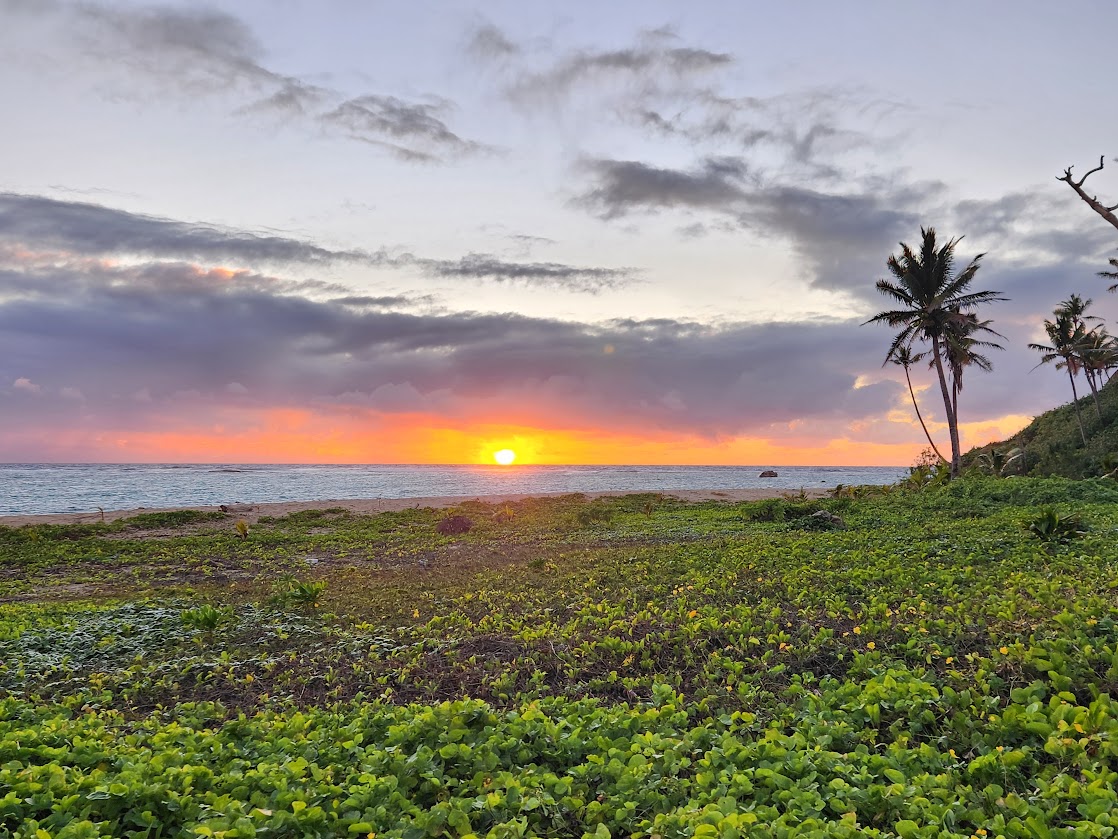
Future phases of the programme will build on this framework of inclusivity to ensure accessibility for people with disabilities and marginalised groups, particularly in biosecurity education and long-term monitoring.
SPREP Invasive Species Adviser David Moverley reflected that, “this project demonstrates the power of regional collaboration, community engagement, and science-based action in addressing the threats posed by invasive species. The success on Kelefesia and Tonumea demonstrates genuine partnerships with government leadership, community commitment and regional expertise working hand in hand and providing a model for other Pacific nations facing similar invasive species challenges where integrated conservation delivers ecological, social, and climate resilience benefits. Continued support will be essential to maintain biosecurity, expand restoration to additional islands, and ensure that the gains made are sustained.”
This achievement is part of Tonga’s National Invasive Species Strategy and Action Plan (NISSAP) and part of the broader PRISMSS Predator Free Pacific (PFP) programme funded by New Zealand Ministry of Foreign Affairs and Trade (MFAT) and UK International Development through the PRISMSS Restoring Island Resilience (RIR) project.
PRISMSS in partnership with Island Conservation remains committed to protecting its biodiversity and ensuring that future generations inherit healthy, resilient ecosystems through the PFP programme across the region.
How to Help
There’s more than one way to make an impact. Join our collective of dedicated supporters by donating today or signing up for our newsletter to stay informed.
Media Contacts:
Sally Esposito, Island Conservation, Strategic Communications Director: sally.esposito@islandconservation.org
Photos: https://drive.google.com/drive/folders/1ByHSR0YowpVrDvuKp2OANx48VgPzbfSy?usp=sharing
About PRISMSS: The Pacific Regional Invasive Species Management Support Service (PRISMSS) is a coordinating mechanism designed to facilitate the scaling up of operational management of invasive species in the Pacific. PRISMSS, which is led by the Secretariat of the Pacific Regional Environment Programme (SPREP) brings together experts to provide support within the Pacific region with a focus on protection of indigenous biodiversity and ecosystem function. As a service provider, PRISMSS provides a comprehensive suite of support services in a cohesive, effective, efficient, and accessible manner to Pacific Island countries and territories.
Restoring Island Resilience (RIR): The PRISMSS – Restoring Island Resilience (RIR) is a New Zealand-PRISMSS collaboration project that aims to improve Pacific Island Countries and territories livelihoods and resilience to climate change by reducing the impact of invasive species on natural and agricultural ecosystems through the six PRISMSS programmes.
PRISMSS Powered by: New Zealand Foreign Affairs & Trade, UK International Development, GEF, United Nations Environment Programme & SPREP
PRISMSS Partners: Birdlife International, Earth Sciences New Zealand, New Zealand Department of Conservation, Island Conservation, Bioeconomy Science Institute-Manaaki Whenua Landcare Research, Pacific Community and SPREP
PRISMSS Programmes: Natural Enemies Natural Solutions (NENS), Predator Free Pacific (PFP), Protect Our Islands (POI), Protect Our Marine Areas (POMA), Resilient Ecosystems Resilient Communities (RERC), War On Weeds (WOWs)
For additional information please contact Mr Dominic Sadler, PRISMSS Manager on dominics@sprep.org or Mr Nitish Narayan, PRISMSS Communications & Liaison Officer on nitishn@sprep.org
Island Conservation‘s mission is to restore islands for nature and people worldwide. We are a United States-based 501(c)(3) charitable organization with a globally distributed team—often made up of local islanders who bring deep knowledge and connection to the places where we work. Together, we collaborate with local communities, government management agencies, and conservation organizations to holistically restore islands by bringing back biodiversity, the foundation of all healthy ecosystems. We do this by removing a primary threat (introduced, damaging invasive species) and accelerating the return of native plants and animals. We utilize innovative technology and techniques to work more efficiently and showcase the many benefits of holistically restored islands for biodiversity, climate resilience, ocean health, and sustainable development across the globe. Visit us at islandconservation.org. For additional information please contact, Sally Esposito, Island Conservation, Strategic Communications Director: sally.esposito@islandconservation.org