October 23, 2026
PRESS RELEASE: Galápagos Smart Island Monitoring System Earns Premios Verdes 2026 Recognition for Conservation Innovation
The Smart Islands Monitoring Network was honored by Premios Verdes in Ecuador!
 Island Conservation
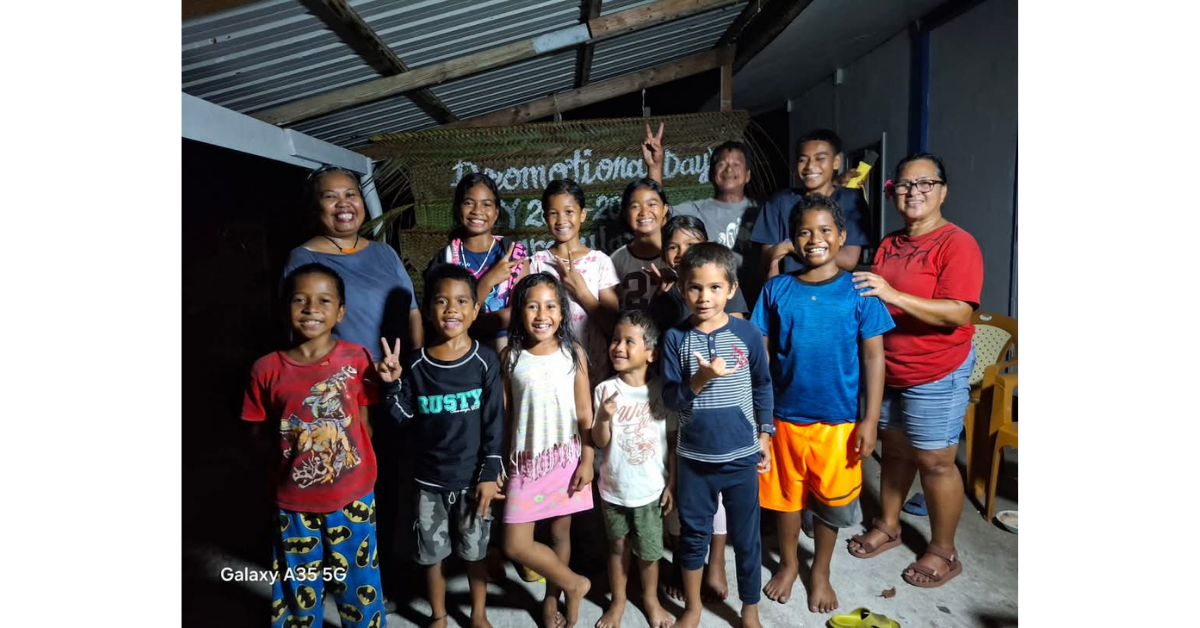
Traveling by boat more than 300 kilometers away from home to live and work on a remote island for two months was not easy. It meant being far from my family and adjusting to a completely different environment. Yet, what made the experience worthwhile were the people of Sonsorol, especially the children, whose kindness, generosity, and enthusiasm left a lasting impression on me.
Throughout my stay, I learned as much from the students of Sonsorol and their teachers as they learned from me. They welcomed me into their daily lives and generously shared their culture and traditions. They taught me words in their language, took me to watch breathtaking sunrises in the early mornings, invited me to join them on evening fishing trips, and shared their catch with me. Through these simple yet meaningful experiences, they opened their homes and hearts, creating memories that I will cherish for a lifetime.
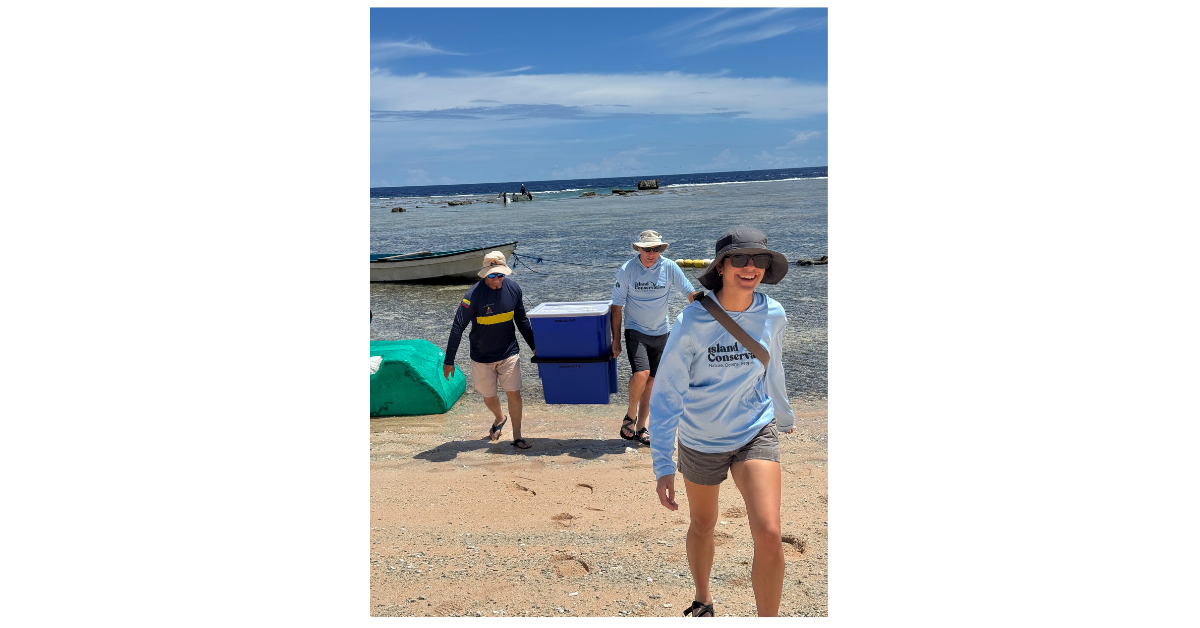
One thing that particularly impressed me was how knowledgeable the students were about the natural world around them. There was a constant exchange of learning between us. While on Sonsorol, our team helped kick off a new initiative called IslandScope, where we use water samples to determine what organisms are present in nearshore ecosystems. As part of this project, we gave students a scavenger hunt to identify visible signs of animals nearby. The students eagerly pointed out feathers they had collected, identified different birds and fish, and highlighted many of the living things that surrounded us. Their excitement was contagious, and it quickly became clear how well they knew and appreciated their environment.
IslandScope project manager Grace Klinges developed the scavenger hunt to help show the kids how traces of animals can tell us about creatures nearby without disturbing them. Feathers, for example, can tell us about the bird species that come to a beach even if they aren’t visible anymore. When I told Grace that the school children knew how to ID local birds, we agreed it would be a great opportunity for us to learn about seabirds that might show up in our water samples while communicating with the community about how birds are impacted by invasive species.
I appreciated how the IslandScope scavenger hunt created an opportunity for students to demonstrate their own knowledge. The most important experts on island ecosystems are islanders themselves, and I found it touching to see how Sonsorol’s next generation is already so connected to and proud of their home environment. Their eagerness to share what they knew reflected a deep connection to their land, their culture, and their natural resources. Through their stories, observations, and discoveries, they were not only teaching me about Sonsorol, they were sharing a piece of their island with me.
Looking back, the experience was about much more than conservation. It was about the relationships formed, the knowledge exchanged, and the generosity of a community that welcomed me as one of their own. The people of Sonsorol, especially the children, reminded me that some of life’s most meaningful lessons come from listening, learning, and appreciating the places and people around us.
There’s more than one way to make an impact. Join our collective of dedicated supporters by donating today or signing up for our newsletter to stay informed.
This initiative is delivered in partnership with the Pacific Regional Invasive Species Management Support Service (PRISMSS) through the Predator Free Pacific programme. It is part of the broader Restoring Island Resilience project led by the Secretariat of the Pacific Regional Environment Programme (SPREP), with support from the New Zealand Ministry of Foreign Affairs and Trade, United Kingdom International Development, and additional conservation funders across the Pacific region. It was also funded in part by Richard Mack, and Scott and Vicki Fields.
Check out other journal entries we think you might be interested in.
October 23, 2026
The Smart Islands Monitoring Network was honored by Premios Verdes in Ecuador!
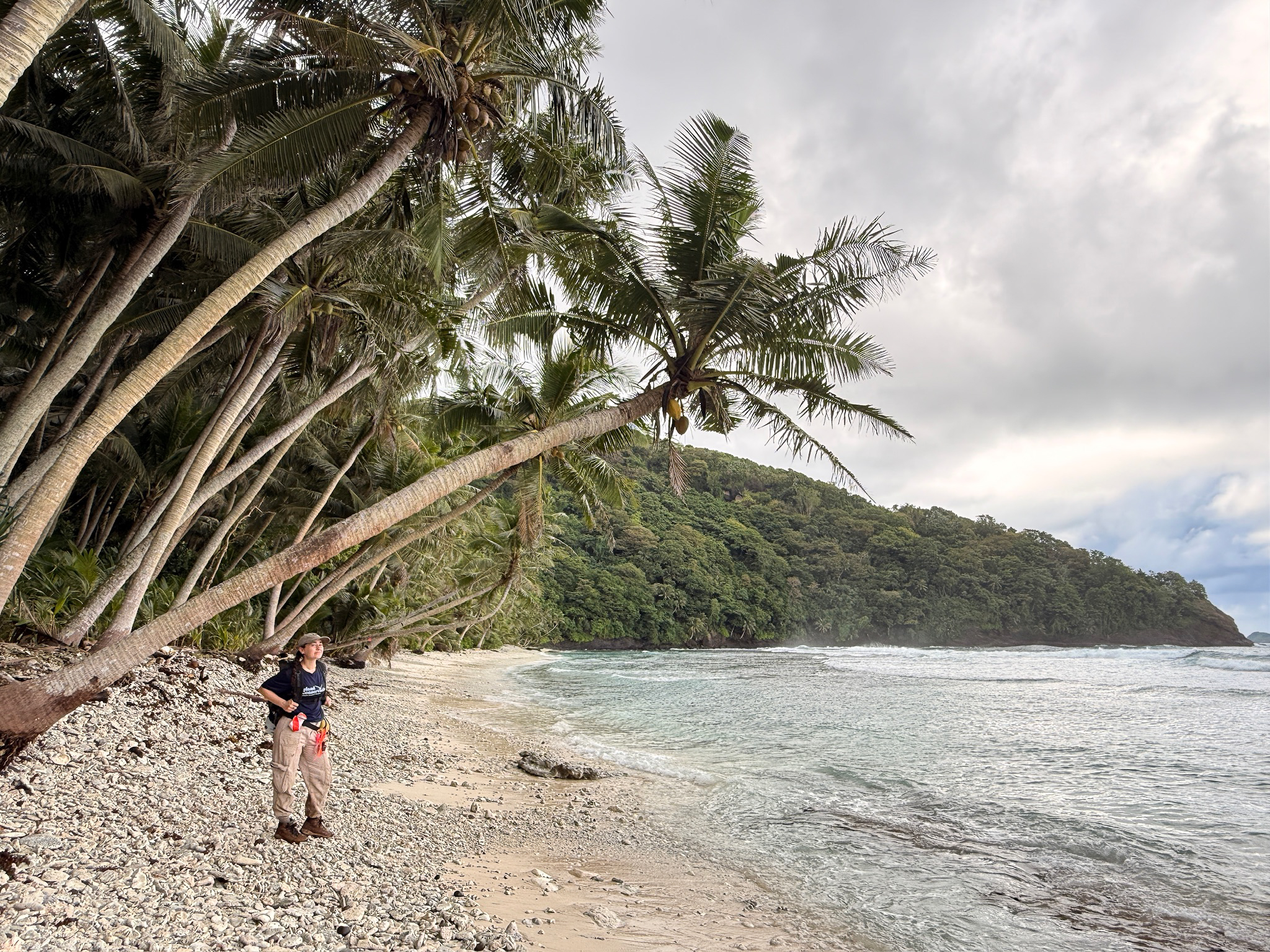
October 20, 2026
Nu’utele Island shows encouraging signs of ecological recovery, demonstrating how healthy island ecosystems strengthen climate resilience.

October 14, 2026
What makes a donation to Island Conservation such a great investment? Our CEO, Penny Becker, explains in an NPR podcast!

October 6, 2026
Welcome four new Storytellers to the Island Restoration Storytellers Circle!
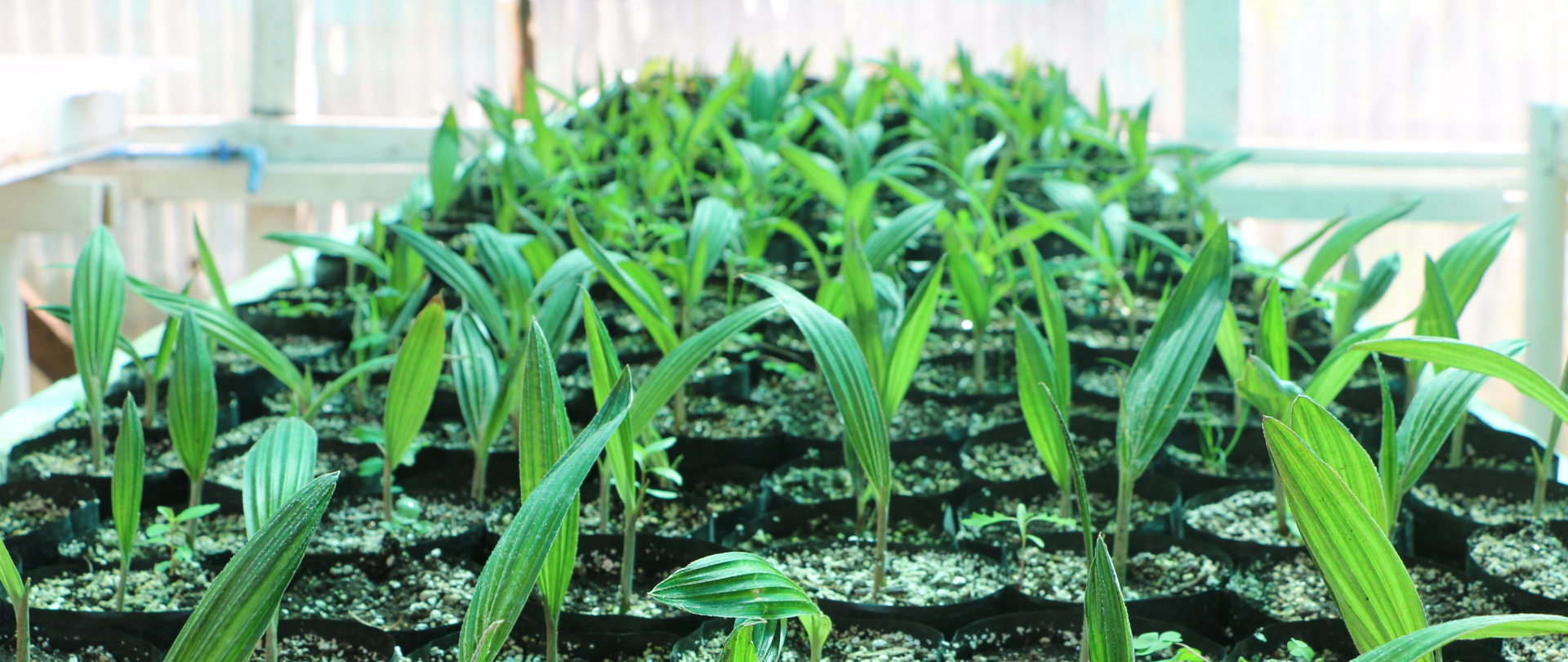
September 17, 2026
On the island of Robinson Crusoe in Chile, a greenhouse feeds both a community and an islander-led conservation movement!
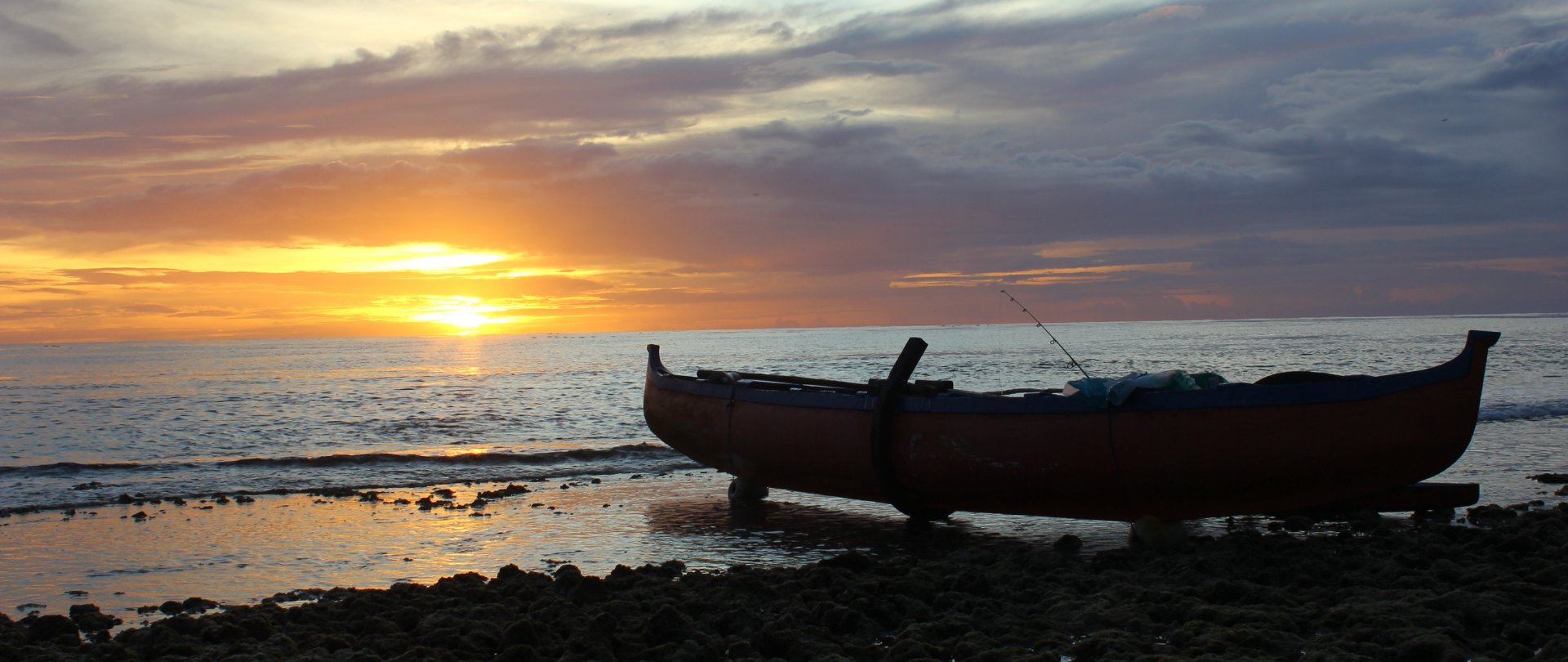
September 1, 2026
Linden Brown shares the incredible things he saw and experienced while working to restore islands in Sonsorol State, Palau!
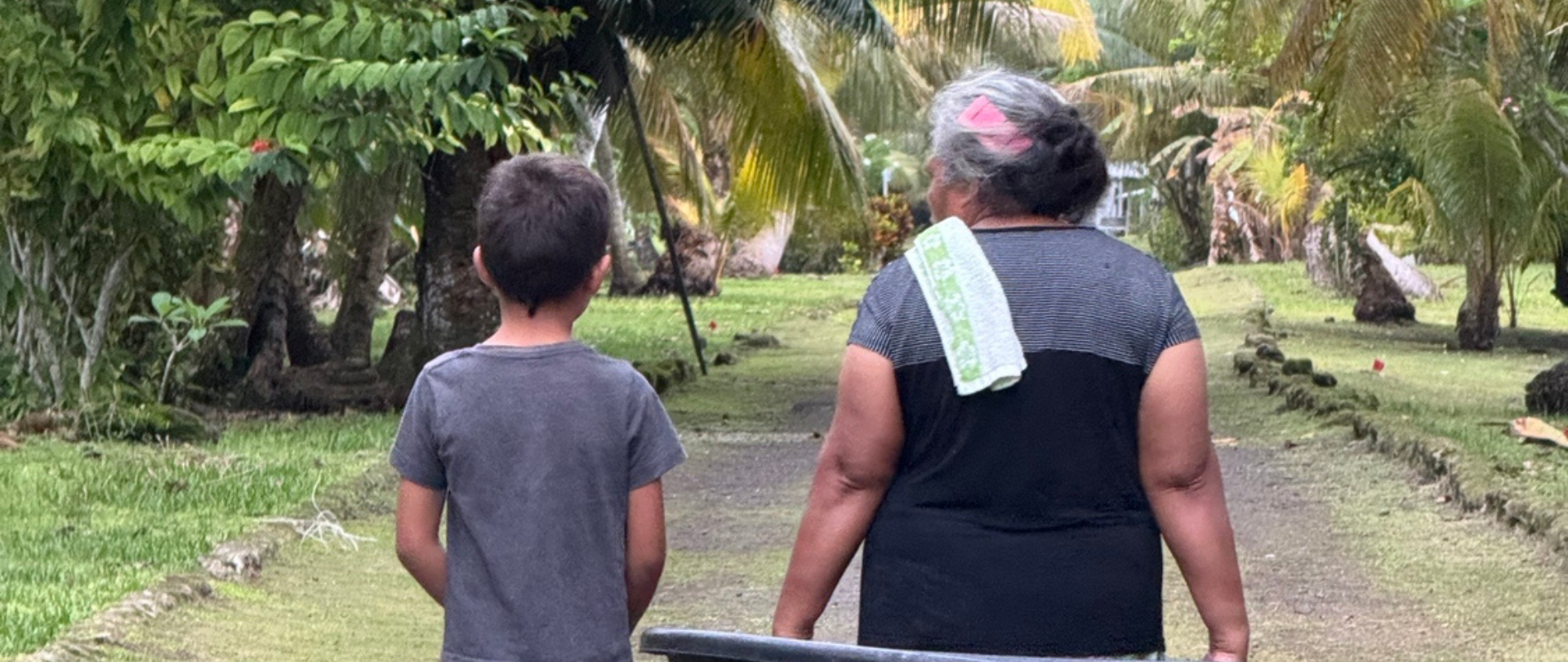
August 18, 2026
Meet Evelyn, one of the people who holds the wisdom of Sonsorol State, Palau in her lived experiences and stories.
August 4, 2026
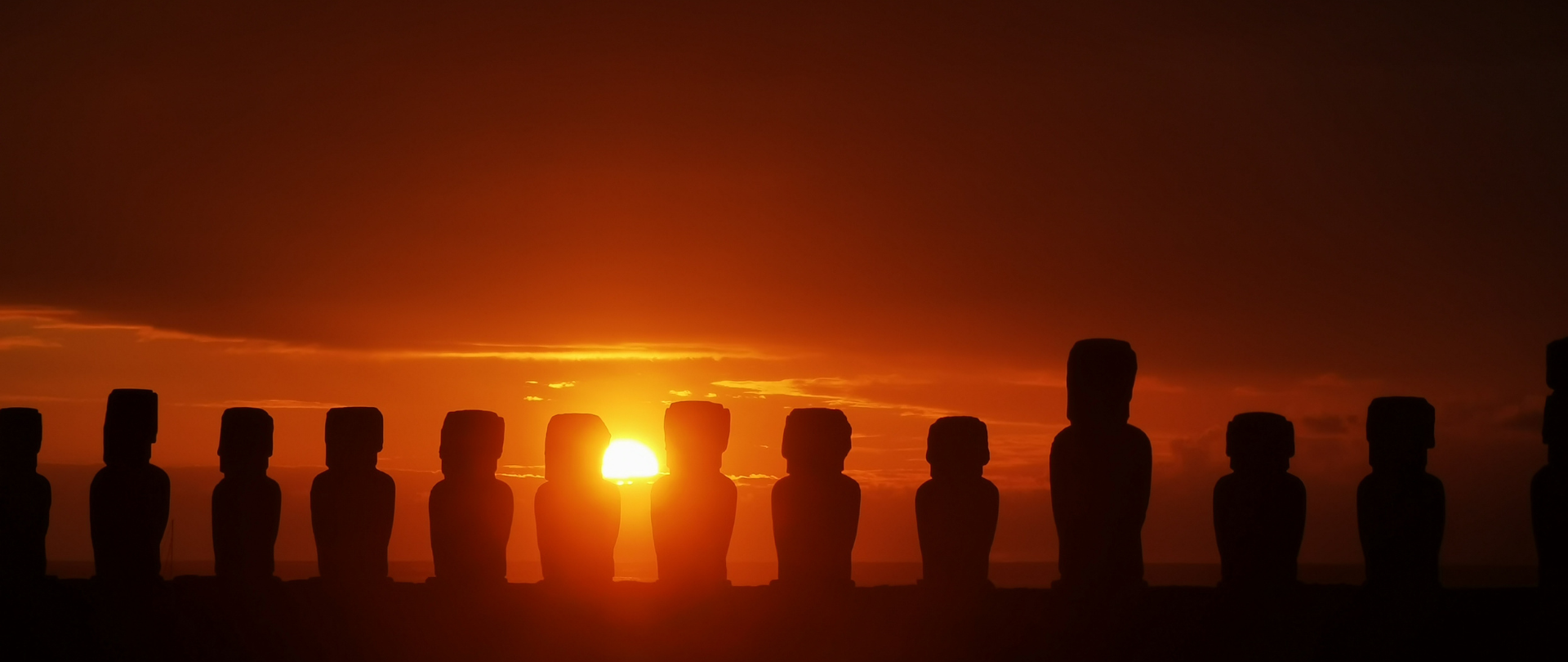
Indigenous-led conservation takes a leap forward with Rapa Nui (Easter Island)'s new partnership with Island Conservation!

July 31, 2026
We interviewed artist Laura Shape to learn about the luminous abstracts she creates from leather sourced from invasive species!
July 9, 2026
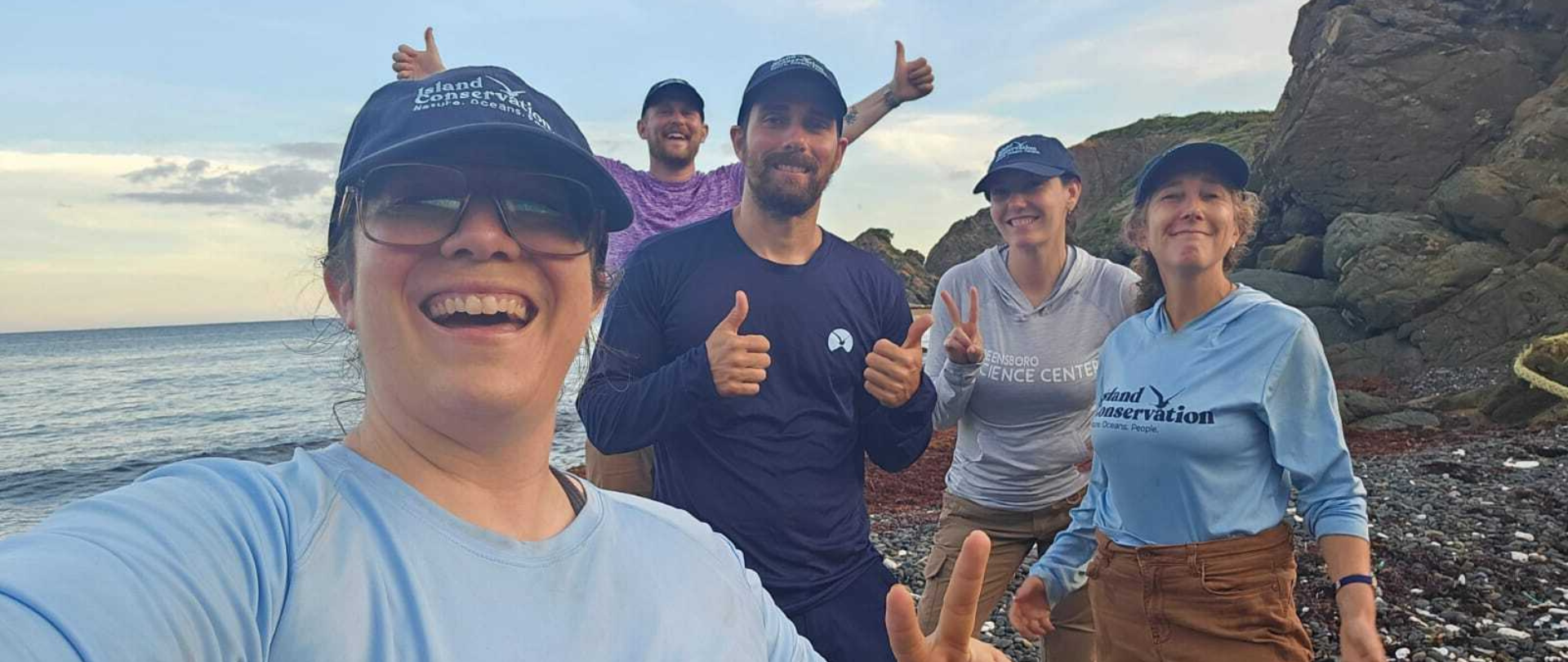
Senior Major Gifts Officer Jen Sachs shares her experience on one of Island Conservation's exciting restoration projects in the US Virgin Islands!