August 4, 2026
Rapa Nui Advances Community-Led Management of Marine Protected Areas with New Conservation Partnerships
Indigenous-led conservation takes a leap forward with Rapa Nui (Easter Island)'s new partnership with Island Conservation!
 Island Conservation
Media contact: Claudio Uribe - claudio.uribe@islandconservation.org
Photos available
The Galapagos National Park Directorate of the Ministry of Environment and Water, together with the not-for-profit organization Island Conservation have declared Seymour Norte Island and Mosquera islet free of invasive rodents. These conservation actions have been carried out over the last two years, with the intention of eradicating invasive vertebrates that affect native biodiversity and preserving the island ecosystems.
In January 2019, park rangers, Island Conservation staff, and drone pilots from Envicto Technologies Ltd. used groundbreaking drone technology to eliminate the black rat (Rattus rattus) and the Norwegian rat (Rattus norvegicus) from Seymour Norte and Mosquera. The drone was equipped with a dispersal bucket and followed GPS-guided transects to distribute a conservation bait manufactured by Bell Laboratories across the island and available rodent habitat. Following initial implementation, bait was placed in stations along the coastline, ensuring no rodents re-invaded the island.
Danny Rueda, director of the Galapagos National Park, confirmed:
After two years of waiting, we can declare these islands are free of rodents. This project has given the expected results, according to the planning and according to the highest protocols for these cases. Galapagos, once again, is a benchmark in terms of the protection of this globally important ecosystem. The impact of this management activity was recorded through appropriate monitoring .”
Víctor Carrión, Ecuador Program Manager at Island Conservation, noted:
In collaboration with the team of experts from the Galapagos National Park Directorate, strict biosecurity measures have been implemented to prevent future invasive rodent reintroductions while enabling tourists to visit Seymour Norte and Mosquera safely.”
As a long-term preventive measure, a biosecurity barrier consisting of 289 bait stations will remain installed to prevent a reinvasion of rodents from Santa Cruz or Baltra.
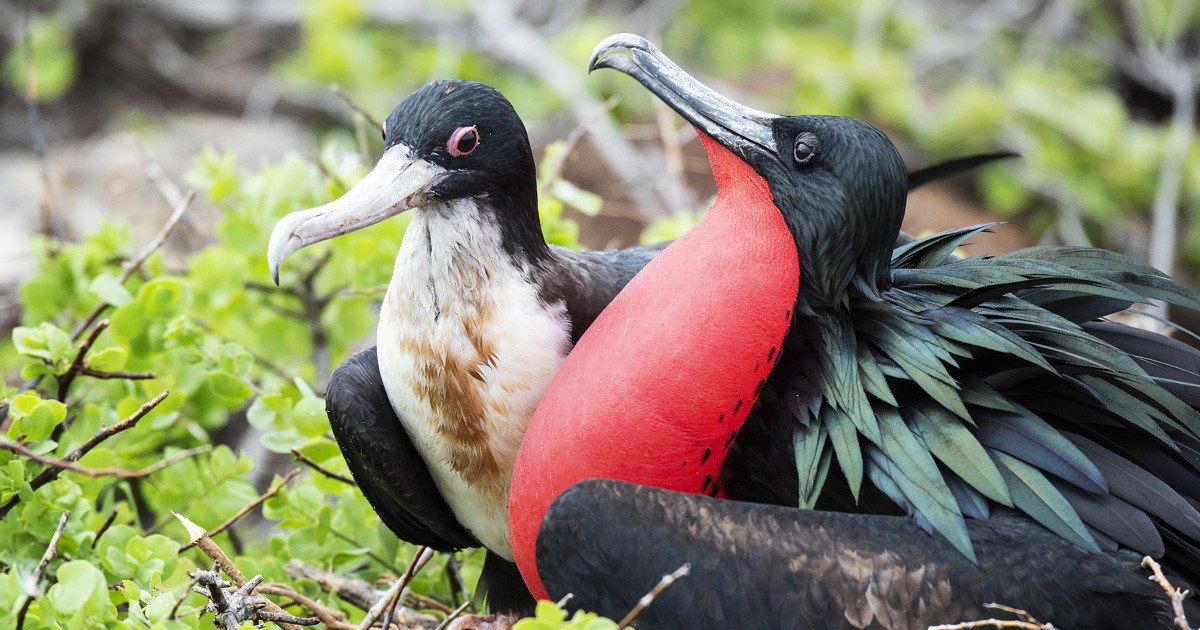
Free of invasive rodents, Seymour Norte Island and Mosquera Islet will be able to recover; endemic and native plants and animals will be able to fulfill their ecological roles, guaranteeing the hatching of nests and survival of birds and reptiles, including Galapagos Land Iguanas, Blue-footed Boobies, Frigatebirds, and Swallowed-tailed Gulls (the only nocturnal gull on the planet). Restoration also contributes to protecting the habitat of the Lava Gull, one of the rarest species of gulls in the world, categorized as Vulnerable by the International Union for Conservation of Nature (IUCN).
This project was made possible due to support from Lindblad Expeditions-National Geographic Fund, Silversea Cruises, Galapagos Biodiversity & Education for Sustainability fund Ecoventura – Charles Darwin Foundation, Metropolitan Touring, Fondo Especies Invasoras Galapagos, Rapid Response Facility, Bell Labs, International Galápagos Tour Operators Association, individual donors that gave their support through the SOS North Seymour campaign, and other private and public donors.
###
About the Partners
The Galapagos National Park Directorate, established in 1959, covers 97% of the Galapagos Islands’ land surface area while the Galapagos Marine Reserve protects 138,000 km2 / 53,000 square miles of surrounding ocean. The Galapagos National Park Directorate is responsible for the conservation of the ecological integrity and biodiversity of the island and marine ecosystems. They also regulate the community’s sustainable use of Galapagos’ natural resources. The archipelago’s unique fauna and flora inspired Charles Darwin’s origin of species and continues to be a living laboratory of evolution. Acknowledging their global importance, the Galapagos Islands were declared the first UNESCO World Heritage site, a Biosphere Reserve and most recently a Blue Park. Learn more at www.galapagos.gob.ec/en/
Island Conservation is a global, not-for-profit conservation organization that prevents extinctions and restores islands. We work where the concentration of both biodiversity and species extinction is the greatest – islands. Removing a primary threat – introduced invasive vertebrates – is one of the most critical interventions for saving threatened plants and animals. Native island species and ecosystems often recover with little additional intervention, and when animals have gone locally extinct, we reintroduce them. Island Conservation assists land managers and local communities to implement their visions. To date, we have successfully restored 65 islands worldwide, benefiting 1,218 populations of 504 species and subspecies. Learn more at www.islandconservation.org/
Additional Notes
Why Islands – Learn about islands as a conservation priority.
Advancing Drone Technology
Check out other journal entries we think you might be interested in.
August 4, 2026
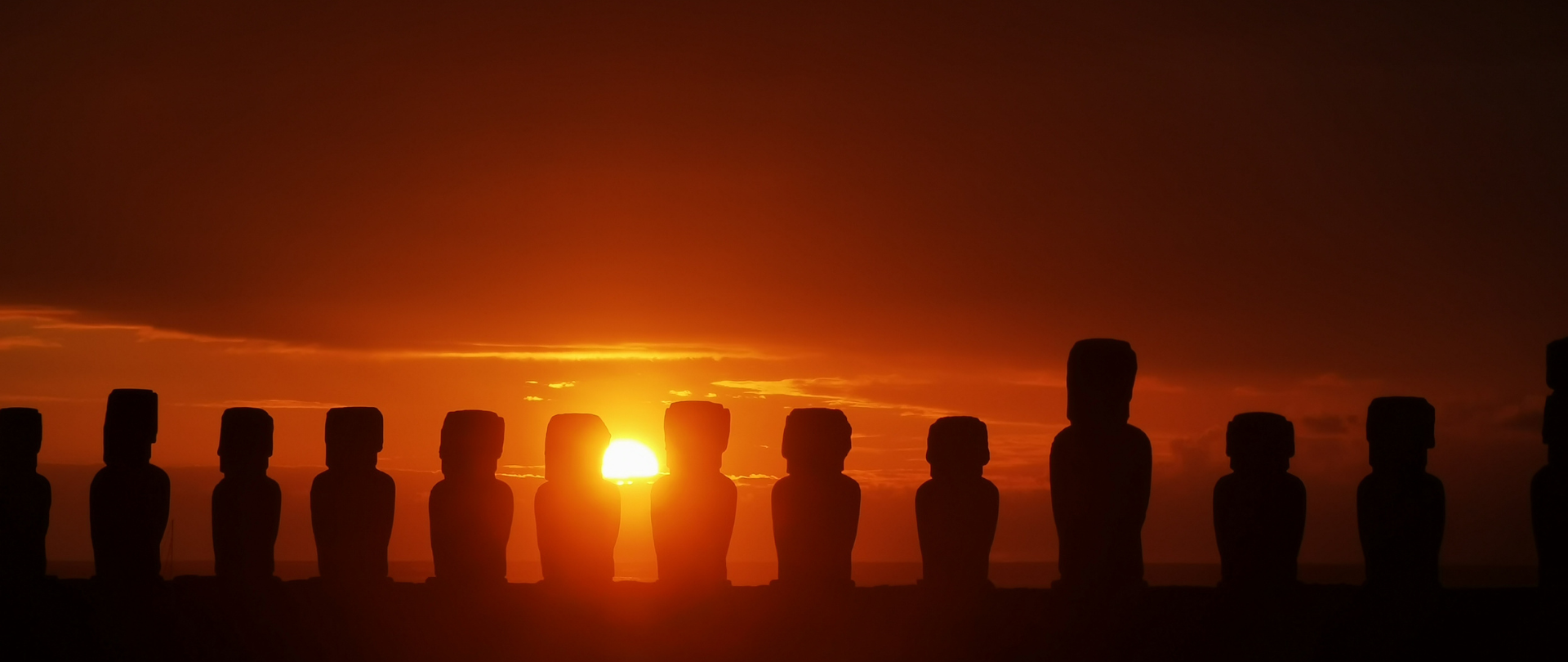
Indigenous-led conservation takes a leap forward with Rapa Nui (Easter Island)'s new partnership with Island Conservation!
June 23, 2026
The Island-Ocean Connection Challenge announced four new restoration projects—Lehua, Tavolara, Grand Rouveau, and Zembra—at London Climate Week, expanding its global effort to restore 40 island-ocean ecosystems by 2030!
June 18, 2026
A new project to expand the range of an endangered Tree Boa is one step closer to completion!
June 8, 2026
A world-first controlled experiment shows connection between seabird activity and marine health on Ulong Island!
May 13, 2026
A new project in Sonsorol State, Palau aims to improve livelihoods and climate resilience through holistic environmental restoration!
May 5, 2026
Thrilling new tech brings conservation solutions to a remote island in the Galápagos!
April 14, 2026
A historic moment: Wake Atoll is restored and thriving!
March 10, 2026
The Juan Fernández Archipelago is part of a new Marine Protected Area that protects the highest concentration of marine species found nowhere else on Earth!
February 20, 2026
For the first time in more than 180 years, giant tortoises are once again walking the landscapes of Floreana Island!
October 30, 2025
Our proposal for a United Nations-sanctioned Decade of Island Resilience spotlights the power of global small islands!