August 4, 2026
Rapa Nui Advances Community-Led Management of Marine Protected Areas with New Conservation Partnerships
Indigenous-led conservation takes a leap forward with Rapa Nui (Easter Island)'s new partnership with Island Conservation!
 Island Conservation
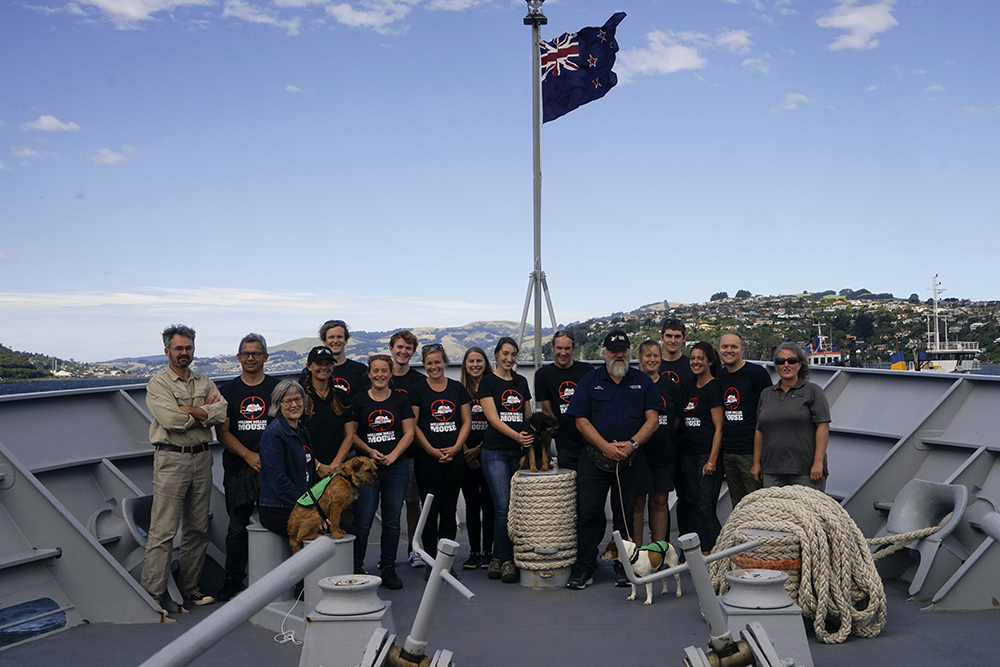
Conservation Minister Eugenie Sage is accompanying a Department of Conservation-led Million Dollar Mouse monitoring team heading to Antipodes Island group in the New Zealand subantarctic. The monitoring team will begin the month-long assessment to determine whether the project was a success.
Ms. Sage said it was an exciting, albeit nerve-wrecking time, for everyone involved.
The Million Dollar Mouse eradication programme was delivered in winter 2016. Now, 18 months and almost two mice breeding seasons later, DOC will be able to determine if it was a success.
As with any island eradication, success is never guaranteed. The Antipodes operation was delivered to international best practice, however, the sheer challenge of eradicating 200,000 mice from such a remote and wild part of New Zealand should never be underestimated.
The Antipodes Island group is located about 760 km south east of New Zealand. The 2,100 hectare islands are protected as a Nature Reserve and are recognised internationally as a World Heritage site for their outstanding natural values.
These islands have incredible bird and plant life – they’re home to 21 species of breeding seabirds and four unique ground bird species, as well as many native and endemic species of insects and plants. Mice can be voracious predators, so they needed to go in order to preserve the islands as a key site for biodiversity.

Mice were first reported on Antipodes Island in 1907, either arriving by shipwreck or with early sealers. Since then, they have had major impacts on a once pristine ecosystem that had not evolved to cope with mammalian predators.
DOC, in partnership with the Morgan Foundation, WWF- New Zealand, Island Conservation and with support from donors to the ‘Million Dollar Mouse’ campaign, set out to remove the invasive predators.
Now, it is time to review the results. Ms. Sage said:
If any mice had survived the operation, the population would have rebounded by now to a level where they should be detectable.
Even so, the 10-person team will take a full three weeks to search the island before the final results will be known. Two rodent-detection dogs from the Kiwibank Conservation Dogs’ Programme will help with the task.

If successful, this will be the largest eradication where mice are the sole mammalian pest species. This would leave Auckland Island as the only place, out of New Zealand’s five subantarctic island groups, with a population of introduced mammalian predators – mice, cats and pigs.
It’s an exciting time for island conservation and pest eradication. The international community will be watching closely.
The Million Dollar Mouse monitoring team travel to the Antipodes Island aboard the HMNZS Wellington, courtesy of the New Zealand Defence Force.
Media Contact:
Maggie Tait 0273 469 570
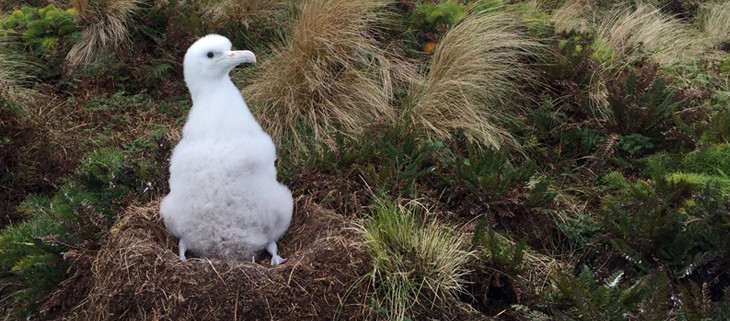
Featured photo: Antipodean Wandering Albatross Chick in Nest. Credit: Jason Zito/Island Conservation
Check out other journal entries we think you might be interested in.

August 4, 2026
Indigenous-led conservation takes a leap forward with Rapa Nui (Easter Island)'s new partnership with Island Conservation!
June 23, 2026
The Island-Ocean Connection Challenge announced four new restoration projects—Lehua, Tavolara, Grand Rouveau, and Zembra—at London Climate Week, expanding its global effort to restore 40 island-ocean ecosystems by 2030!
June 18, 2026
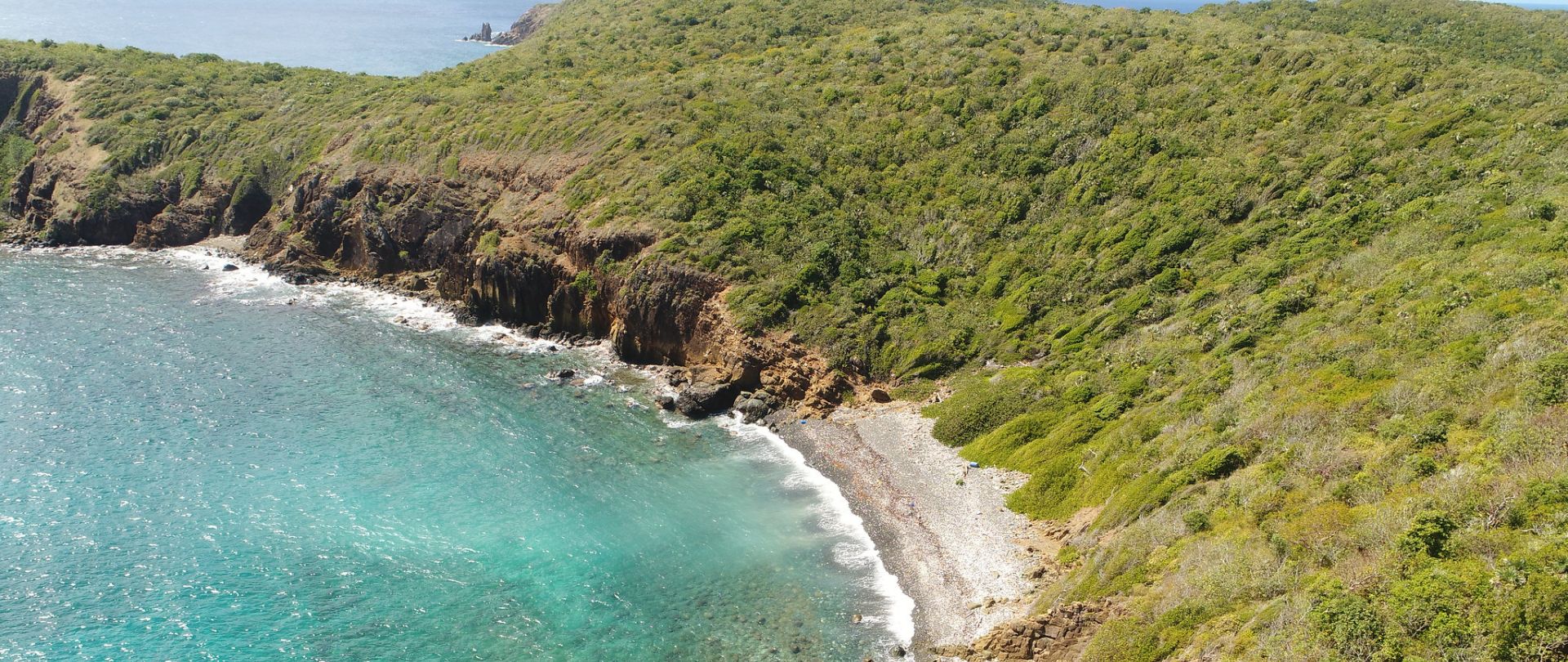
A new project to expand the range of an endangered Tree Boa is one step closer to completion!
June 8, 2026
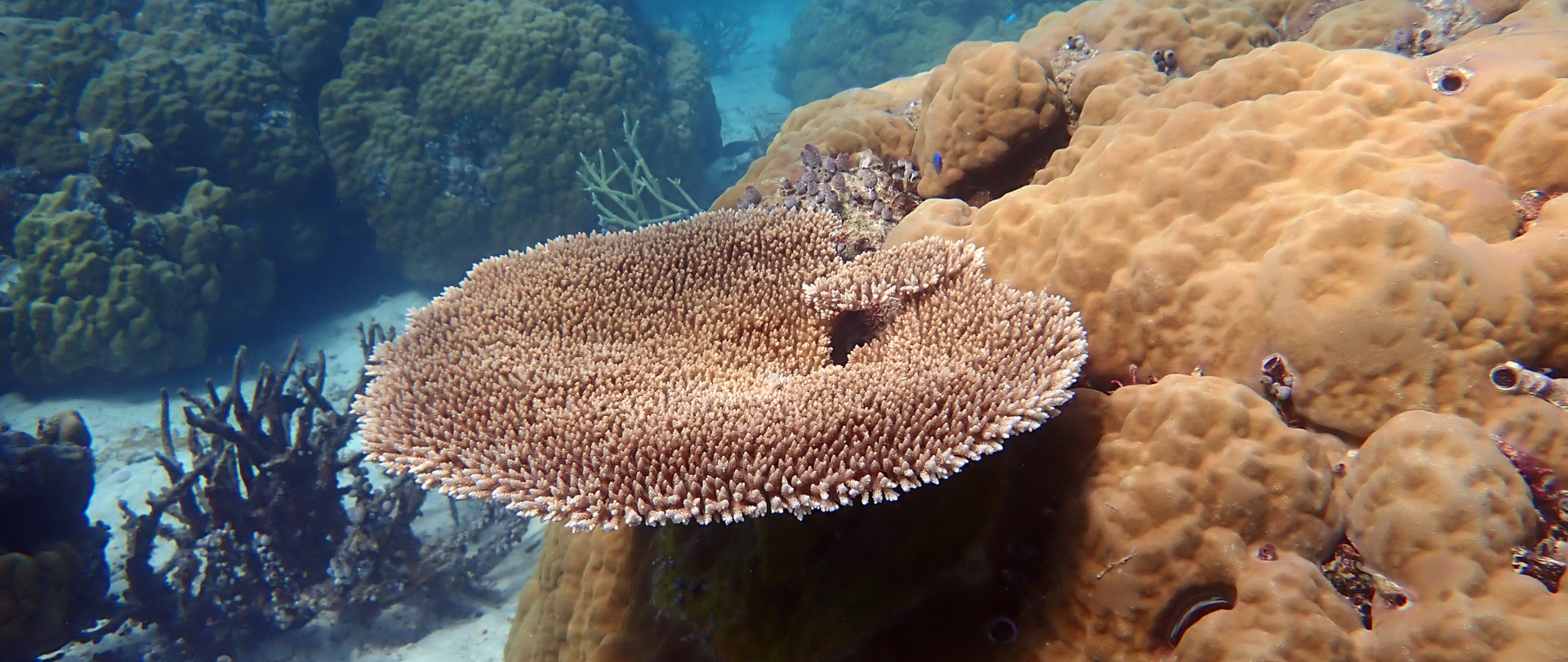
A world-first controlled experiment shows connection between seabird activity and marine health on Ulong Island!
May 13, 2026
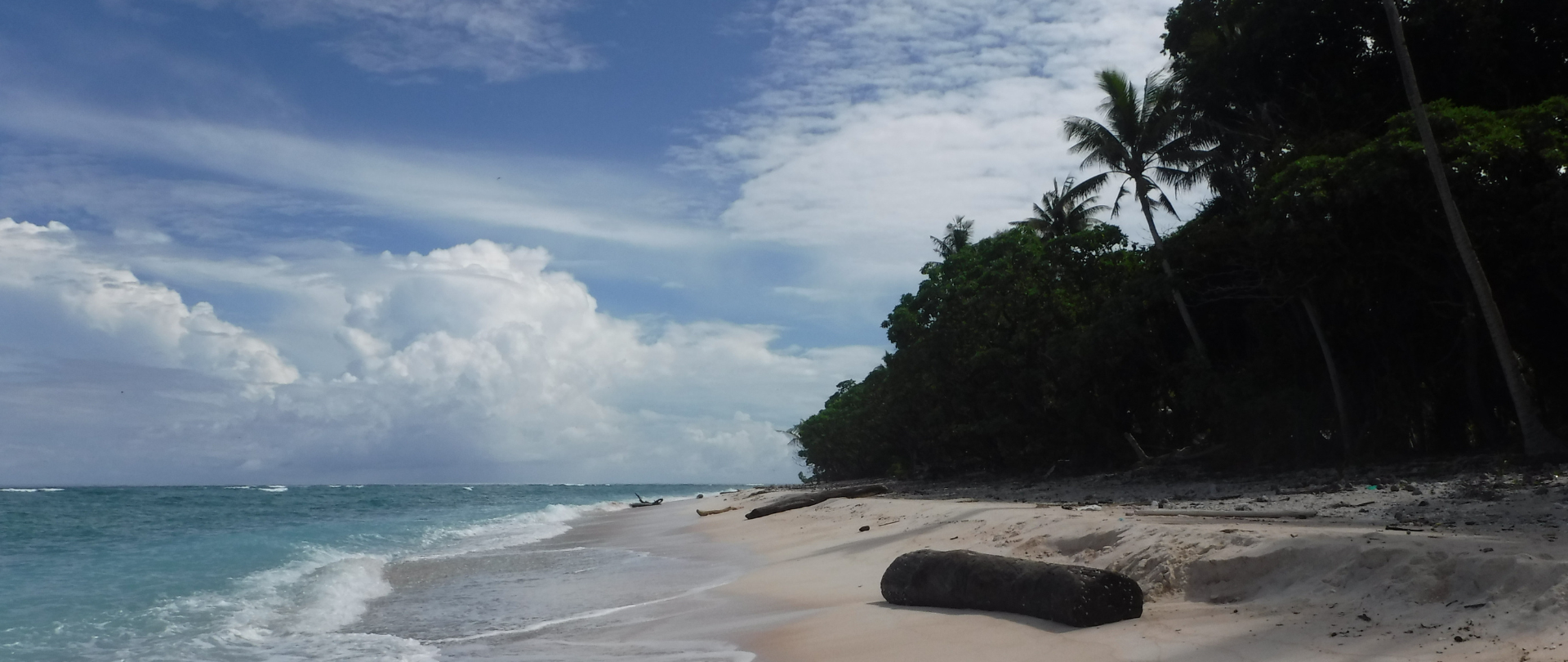
A new project in Sonsorol State, Palau aims to improve livelihoods and climate resilience through holistic environmental restoration!
May 5, 2026
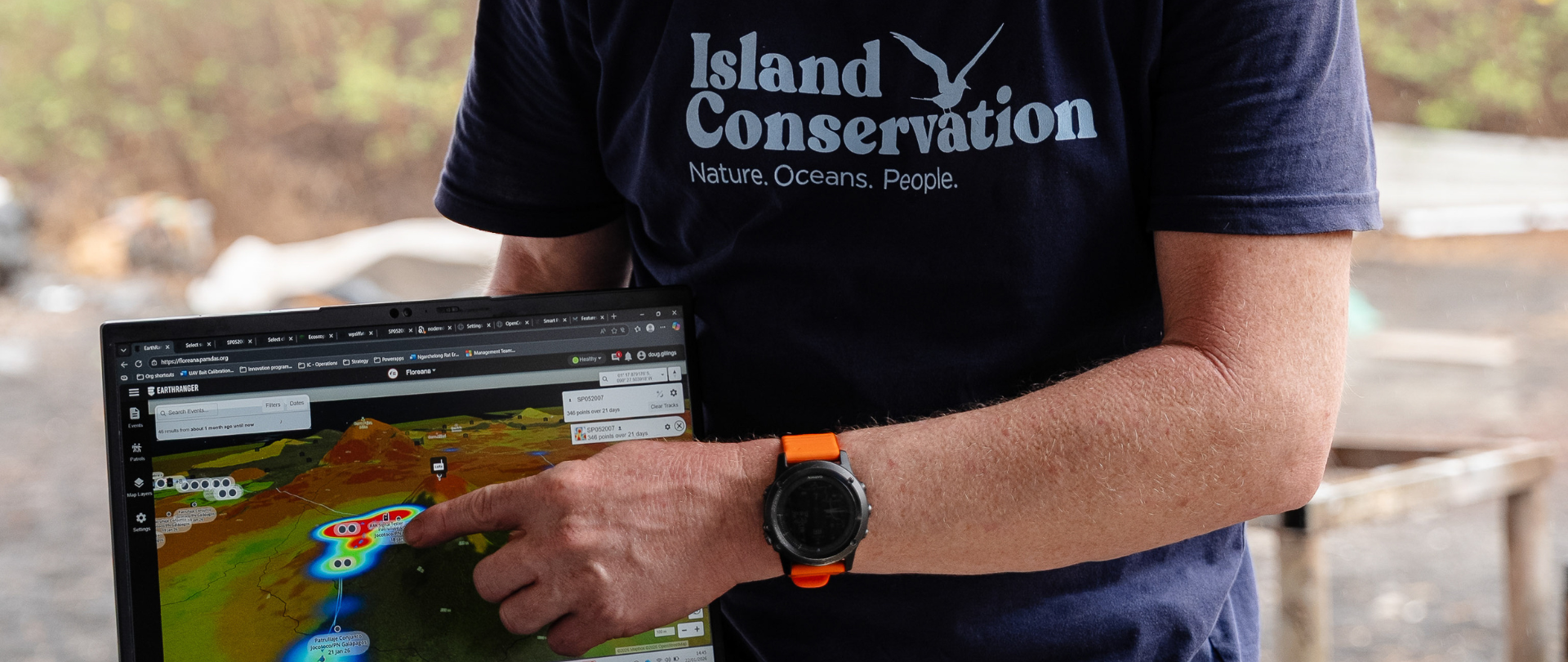
Thrilling new tech brings conservation solutions to a remote island in the Galápagos!
April 14, 2026
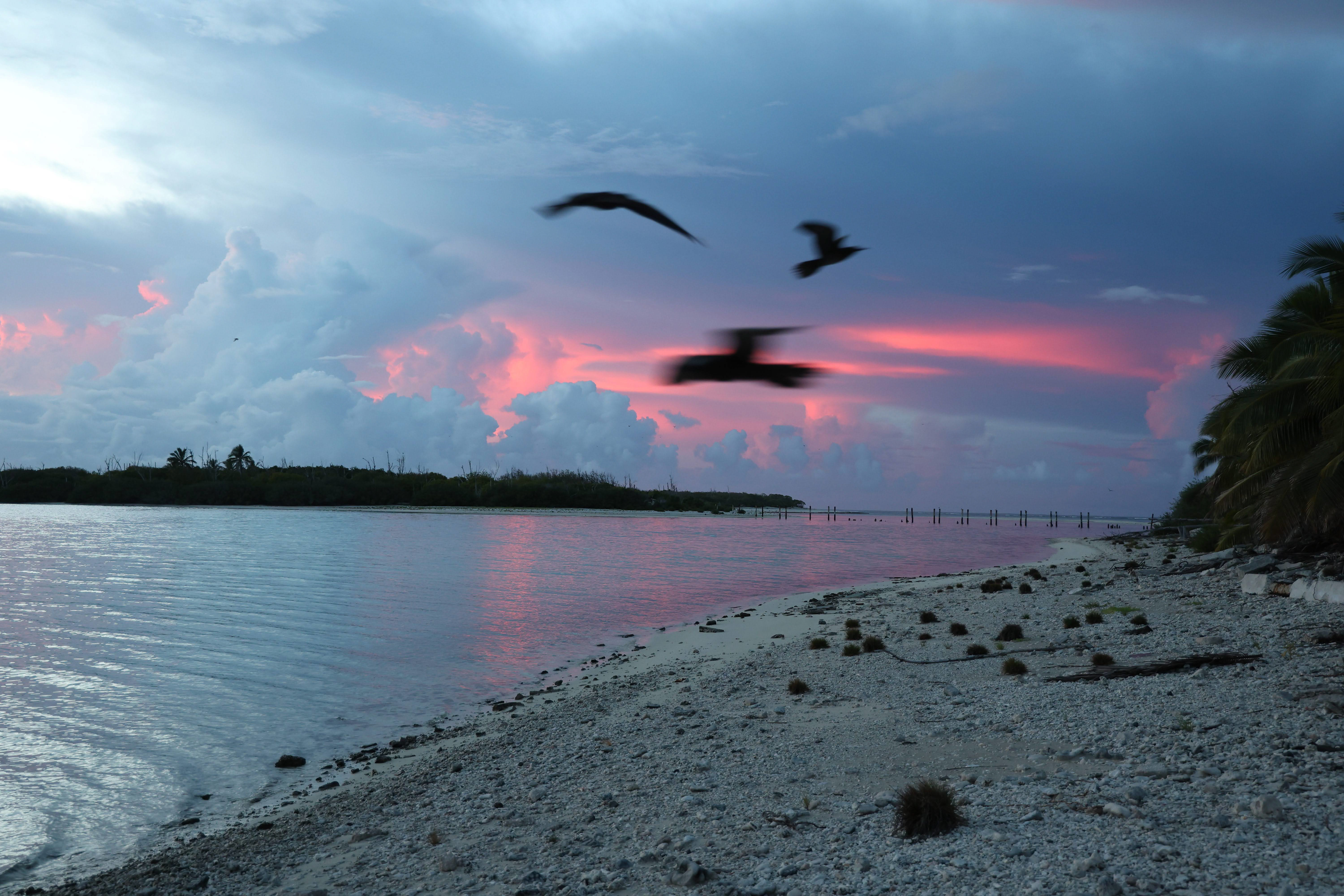
A historic moment: Wake Atoll is restored and thriving!
March 10, 2026
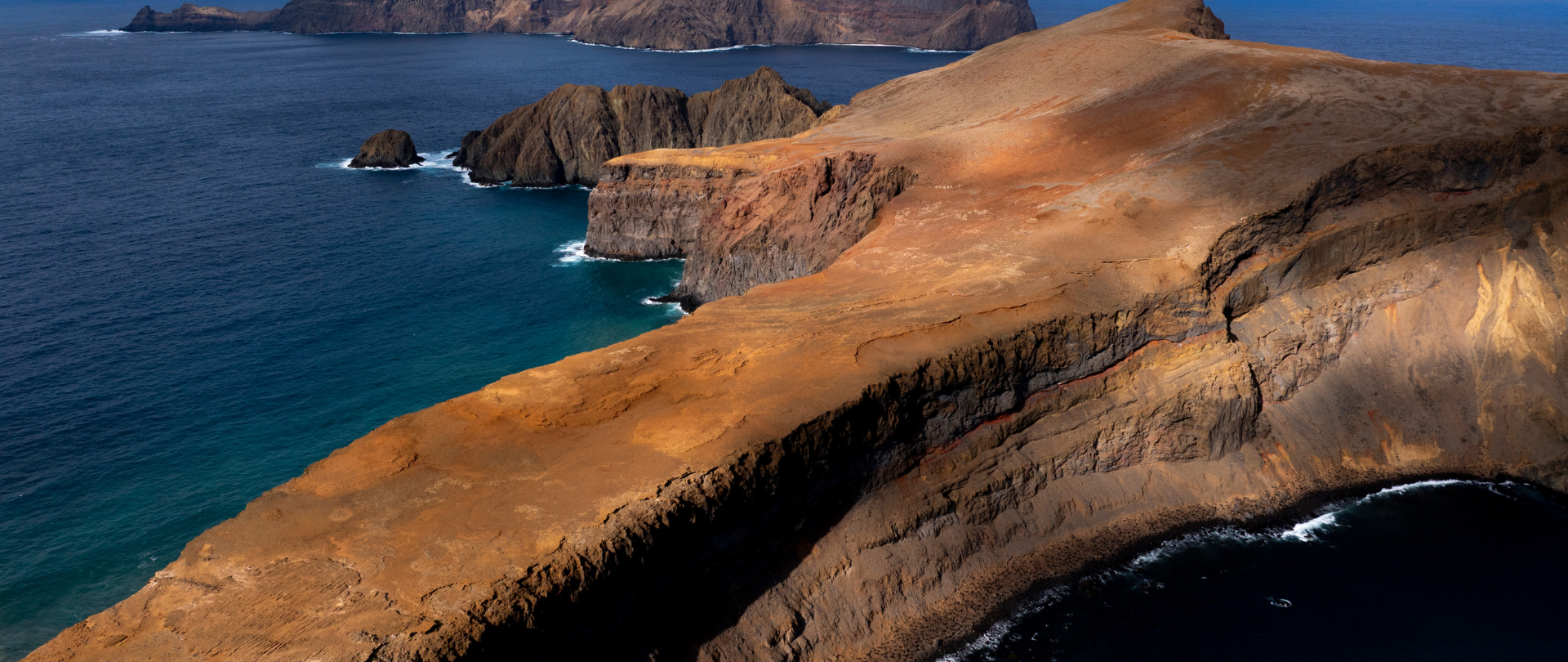
The Juan Fernández Archipelago is part of a new Marine Protected Area that protects the highest concentration of marine species found nowhere else on Earth!
February 20, 2026
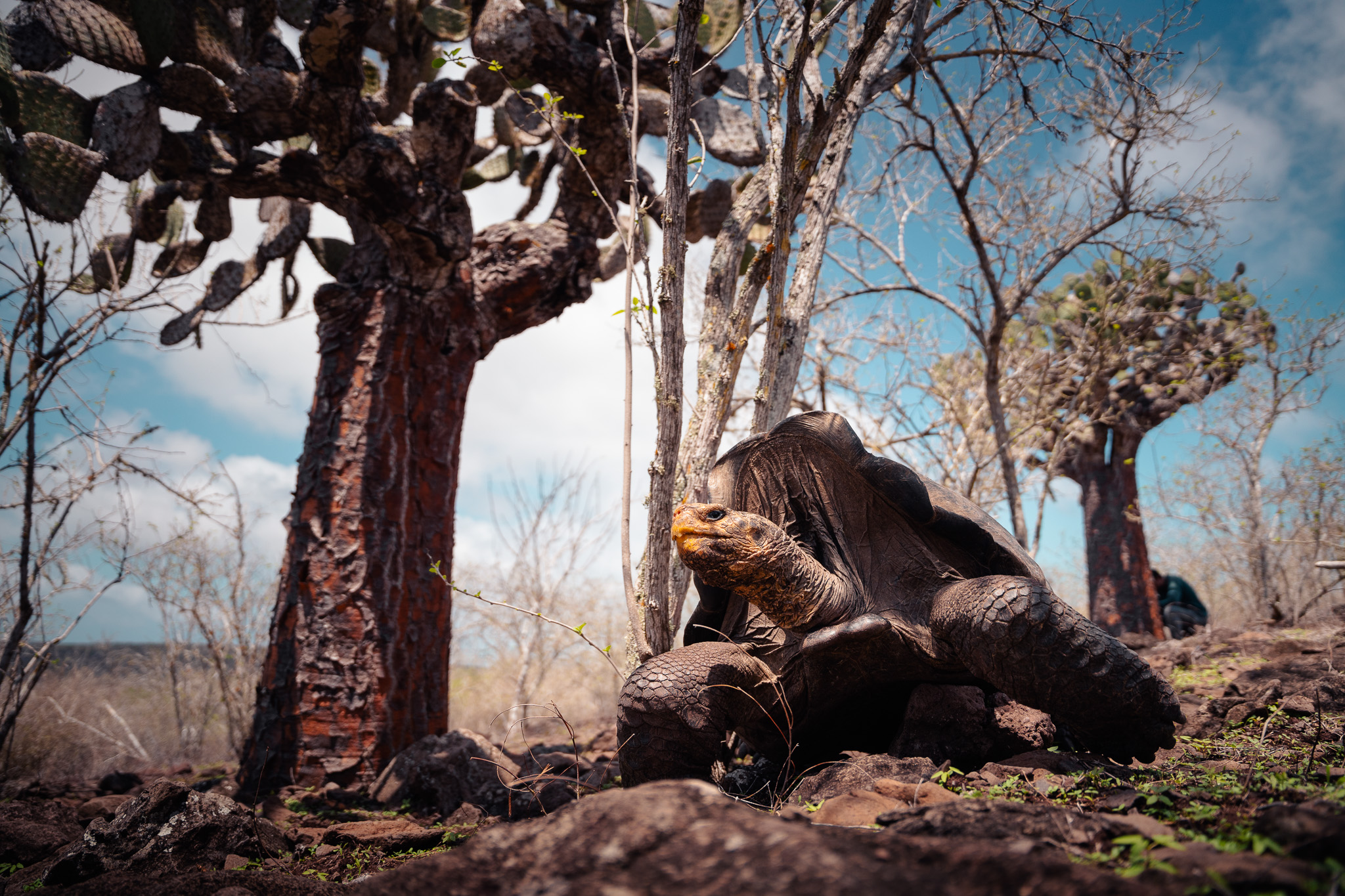
For the first time in more than 180 years, giant tortoises are once again walking the landscapes of Floreana Island!
October 30, 2025
Our proposal for a United Nations-sanctioned Decade of Island Resilience spotlights the power of global small islands!