October 29, 2025
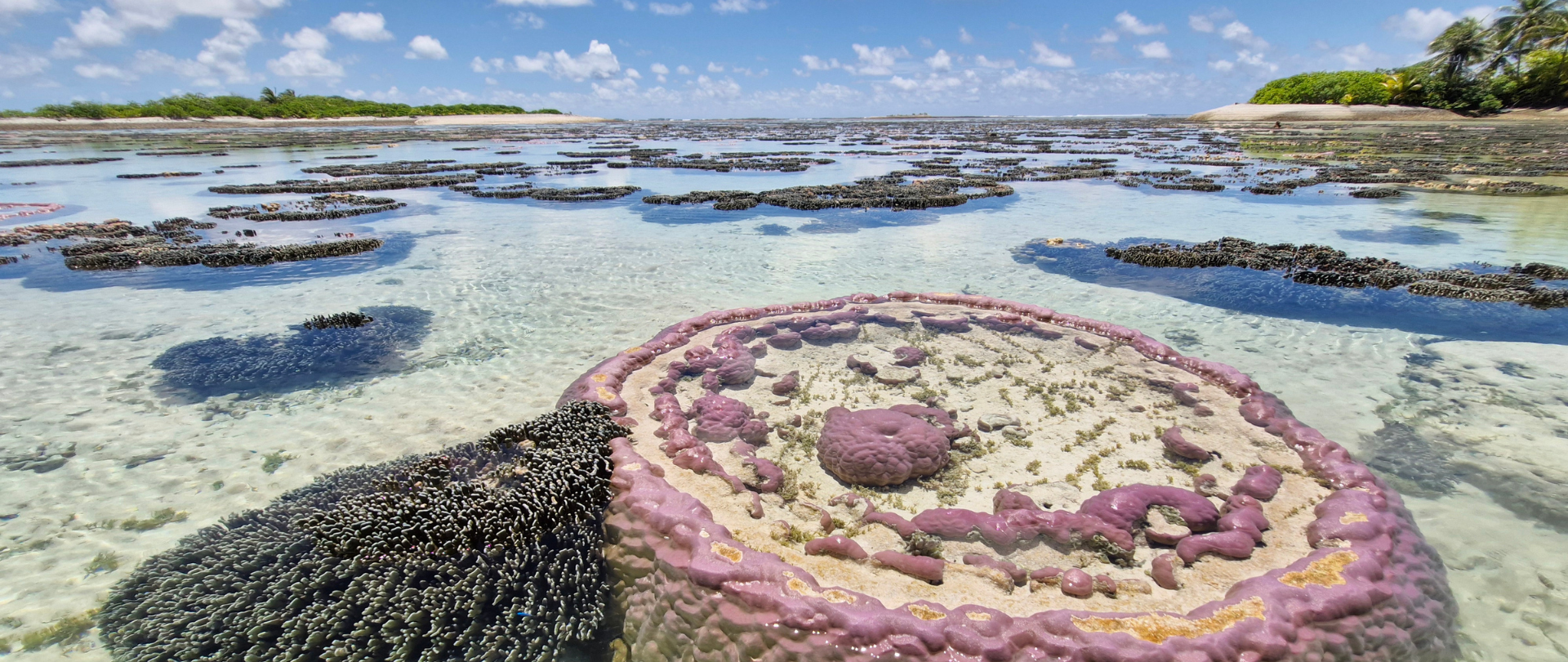
Data Shows Endangered Palau Ground Doves Swiftly Recovering After Successful Palauan Island Conservation Effort
Astounding evidence of recovery on Ulong Island in Palau after just one year!
 Island Conservation

An international conference focused on the impacts and management of invasive alien species on islands is taking place at University of Dundee, Scotland July 10-14. In anticipation of this event, we’re sharing research that will be presented by experts in the field. For more information or to register, visit the conference website.
Removal of invasive rats from island ecosystems is a highly effective tool for conserving biodiversity but one that requires considerable planning effort, a high level of precision during implementation, and carries no guarantee of success. Overall rates of success are high, but lower for tropical islands where most biodiversity is at risk.

We completed a qualitative comparative review on four successful and four unsuccessful tropical rat eradication projects to better understand the factors influencing the success of tropical rat eradications and shed light on how the risk of future failures can be minimized. Among other things, we found that elevated availability of natural resources (primarily fruiting or seeding plants) generated by higher than normal rainfall prior to project implementation (documented for three of the unsuccessful projects) may contribute to project failure. Our analysis highlights that invasive rat eradication can be achieved on tropical islands but suggests that events that cannot be predicted with certainty in some tropical regions can act individually or in concert to reduce the likelihood of project success. We recommend further research to determine the relative importance of these factors in the fate of future tropical projects and suggest that existing practices be re-evaluated for tropical island rodent removal projects.
Featured photo: Egg in nest on Palmyra Atoll. Credit: Island Conservation
Check out other journal entries we think you might be interested in.

October 29, 2025
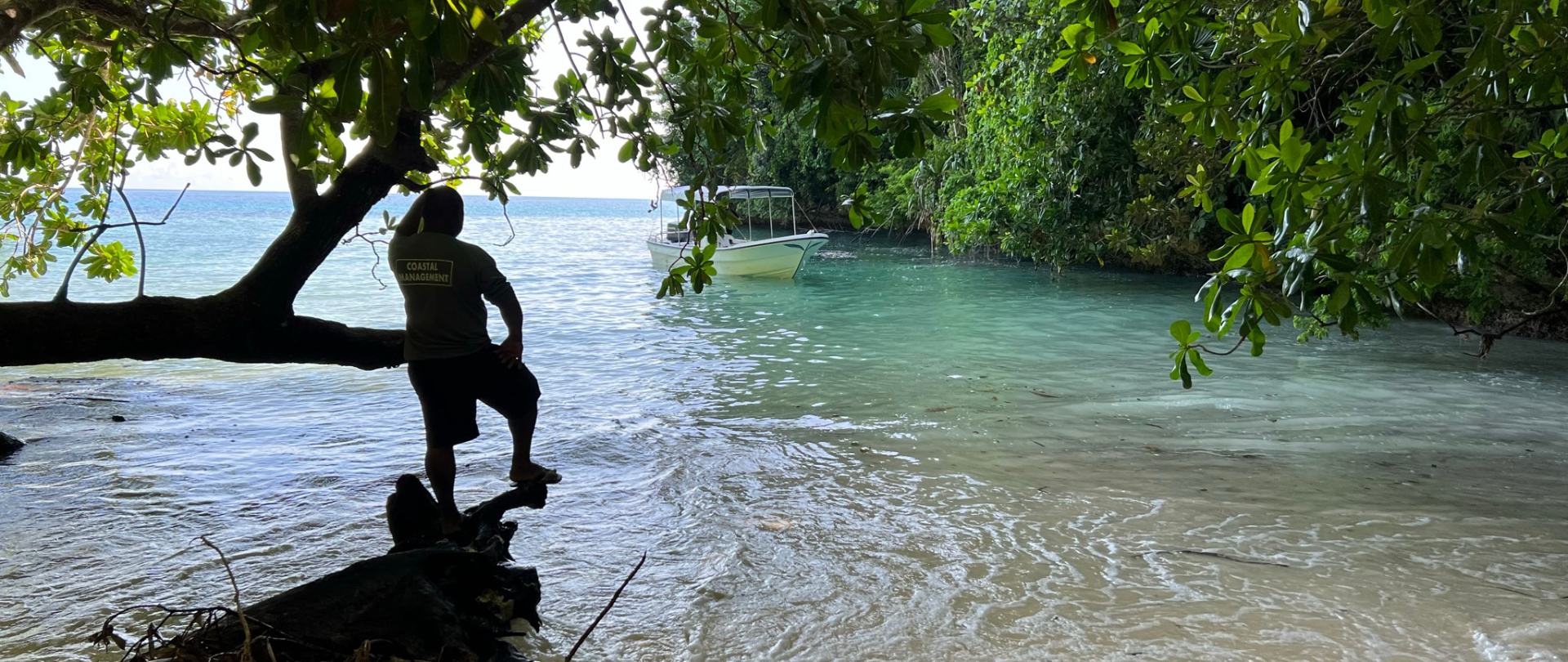
Astounding evidence of recovery on Ulong Island in Palau after just one year!

August 28, 2025
A new paper reveals the benefits of holistic restoration on Australia's Lord Howe Island!
July 22, 2025
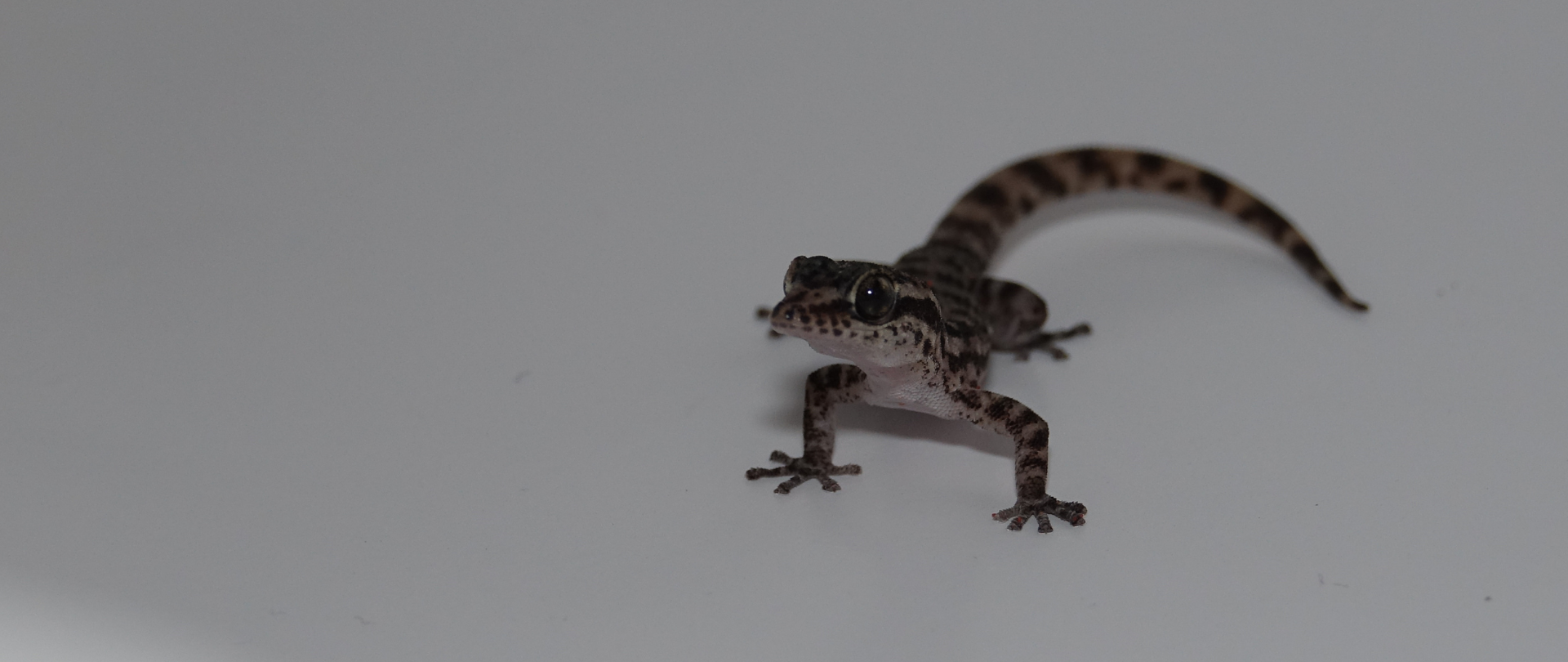
A species once thought extinct just made its comeback. A study published in PLOS ONE confirms the Leaf-toed Gecko has been rediscovered on Rábida Island in the Galápagos.
July 17, 2025
Great news from Tuvalu--our projects to restore Nukufetau Atoll, Tepuka, and Falefatu were successful!

June 17, 2025
Two new islands join the Island-Ocean Connection Challenge, linking terrestrial and marine conservation for maximum impact!
June 13, 2025
Our partner Conservation X Labs has joined the IOCC, committing to deploying transformative technology to protect island ecosystems!
May 19, 2025
Read our position paper on The 3rd United Nations Ocean Conference (UNOC 3) to see why we're attending and what we aim to accomplish!
March 20, 2025
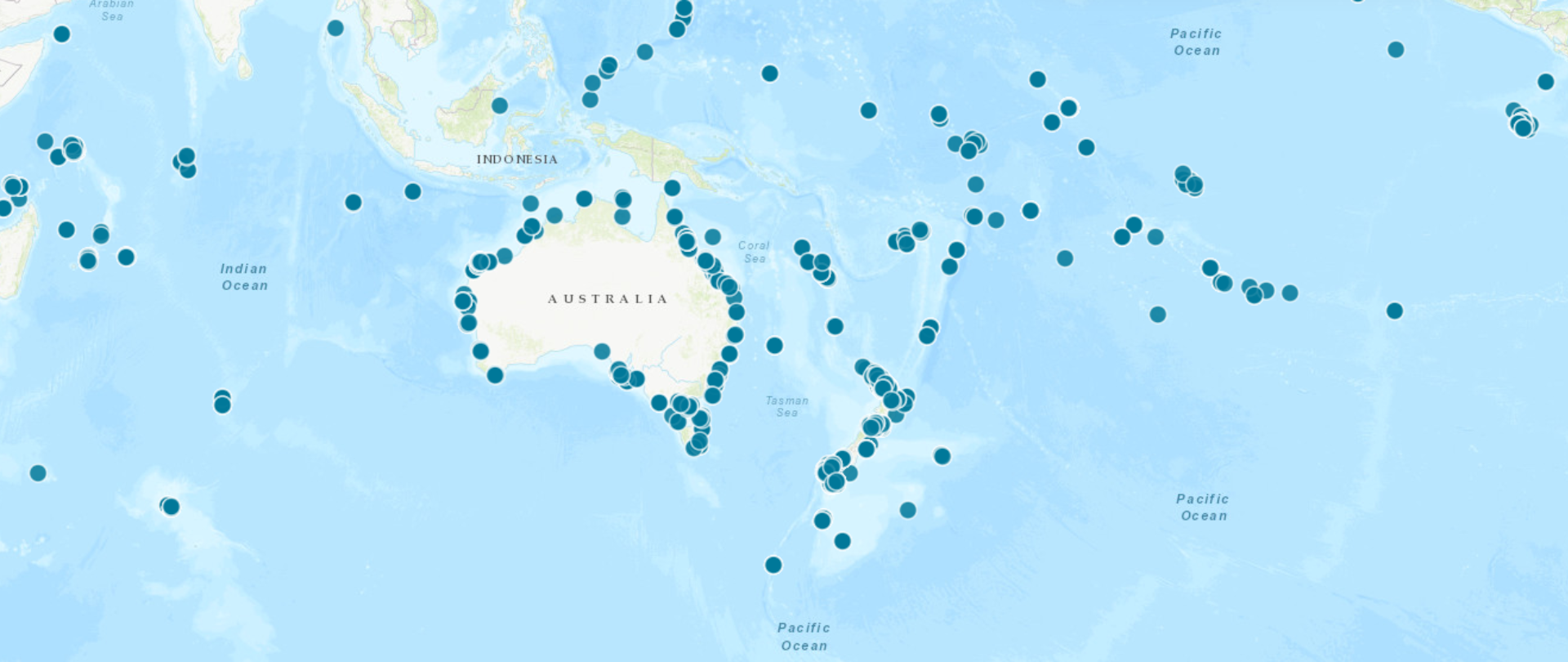
The DIISE is full of important, publicly-accessible data about projects to remove invasive species from islands all around the world!
March 11, 2025
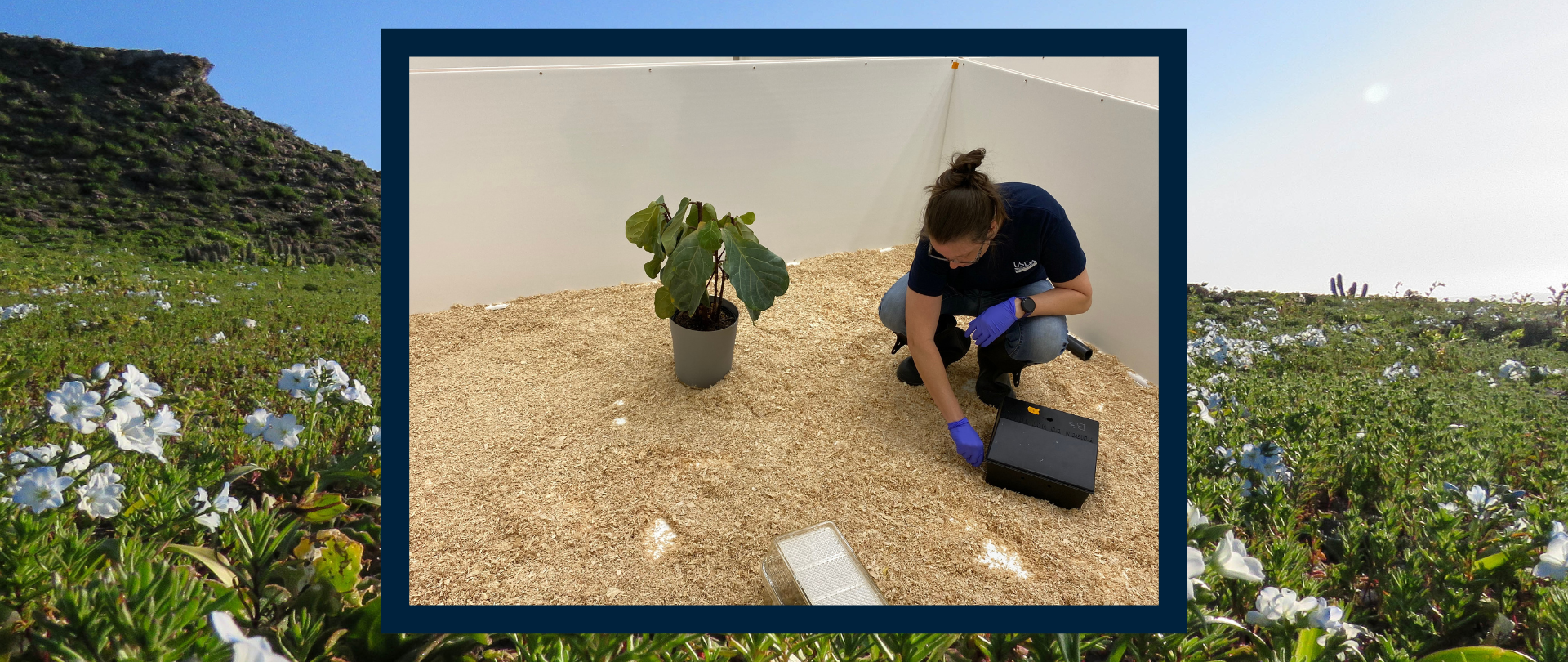
New environmental DNA technology can help protect vulnerable island ecosystems from destructive invasive species.