March 3, 2026
What is holistic restoration?
What is holistic restoration? Read all about this incredible method to restore ecosystems for people and nature!
 Island Conservation

COP28 starts today! Select Island Conservation staff are on their way to Dubai to meet with governmental officials and passionate individuals to talk about how restoring and rewilding islands can promote resiliency against climate change and provide a nature-based solution to sequester carbon. Here are the key elements you need to know as we approach one of the most important climate events in the world.
COP is an acronym, of course: it stands for Conference of the Parties of the UNFCCC. That’s another acronym: the United Nations Framework Convention on Climate Change. Basically, it’s the group of governments that has signed an international treaty to work on climate issues together. Since its founding, the states of the UNFCC have put in place multiple agreements and protocols that try to mitigate the worst effects of climate change.
COP is the name of the annual United Nations Climate Change Conference, held in the UNFCC’s framework. Every year, delegates meet to assess the progress each delegation is making in dealing with climate change. They also use COP as an opportunity to establish legally-binding obligations for different countries having to do with climate change mitigation. The UNFCCC was established by 154 states in 1992, but the first COP wasn’t held until 1995—making 2023’s COP the 28th one. Hence: COP28.
If you only remember two things from the COPs of the past, let it be these: the Kyoto Protocol and the Paris Agreement.
Adopted after intensive negotiations in 1997, the Kyoto Protocol outlines a mandatory emissions reduction for a certain subset of countries. Focusing on CO2 emissions, the Kyoto Protocol sets up mechanisms such as emissions trading and joint implementation for countries considered to be “developed” or “in transition”—thereby placing most of the burden of climate change reduction on those states considered to be most responsible for CO2 emissions in the first place. The United States rejected the protocol in 2001.
The Paris Agreement was adopted in 2016 by 196 parties. In contrast to the Kyoto Protocol, the Paris Agreement makes all signatories determine, plan, and regularly report on emissions reductions—not just high-emitting “developed” countries. It sets the ambitious goal of reducing global emissions to 50% of 2016 levels by 2030, which amounts to a limit in temperature rises to 1.5 degrees Celsius above pre-industrial levels. The United States left the Paris Agreement in 2020 but rejoined in 2021.
These are the binding legal frameworks that guide all the states that are members of UNFCCC. But COP is also an opportunity to have wider conversations about climate change and conservation–which is why Island Conservation is eager to be a part of it!
COP28 will be hosted in Dubai this year and focuses on four key topics:
There are thousands of events taking place across the conference, and they cover an extremely wide variety of topics. With an expected 70,000 attendees, this promises to be the biggest COP ever!
At Island Conservation, we restore and rewild islands for nature and people. Removing invasive species from islands is a nature-based solution to the diseases, food insecurity, and extinctions that they cause. But it’s more than that—it’s a climate solution.
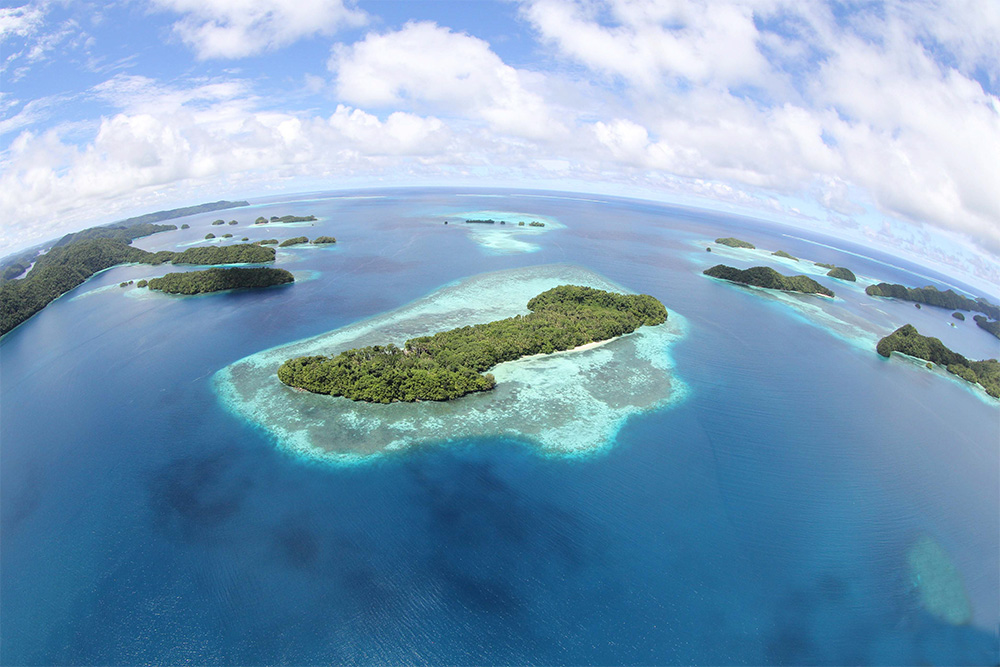
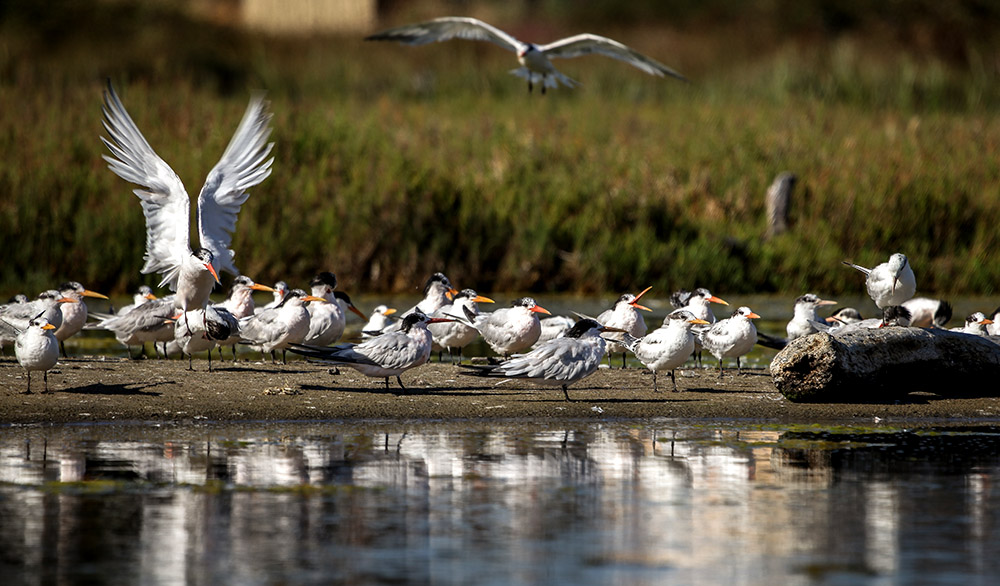
We’re headed to COP28 to share the multiple benefits of invasive species removal on islands. It’s an extremely cost-effective intervention with massive benefits: when invasive species are gone, native connector species return, bringing key nutrients from the sea to the land. These nutrients then flow back into the water to enrich near-shore ecosystems, such as coral reefs, which can then protect islands from erosion and extreme weather. Thriving biodiversity and functioning ecosystems are the first line of defense for climate impacts on islands.
We’re excited to be part of the Island of Hope, a unique platform focused exclusively on islands. By setting up this special stage at the Climate Action Innovation Zone, COP28 sends a signal to the world that islands are on the front lines of climate change and are implementing some of the most innovative solutions on the planet.
The Island of Hope will feature a series of panels, keynotes, dialogues, and networking sessions that will showcase the challenges and opportunities faced by small island developing states and other climate vulnerable regions.
The Island of Hope represents a singular opportunity for knowledge exchange, partnership building, and inspiration among island leaders, experts, investors, donors, and private sector actors who are committed to advancing climate action and sustainable development in islands and beyond.
Penny Becker, our Vice President of Conservation, is speaking on a panel titled Ocean of Opportunity: Nurturing Marine Resources in the Ocean Decade. Alongside ocean experts from around the world, Dr. Becker will share what Island Conservation has learned over our three decades of international collaboration. While economic development and marine conservation can sometimes seem to be at odds, removing terrestrial invasive species is a uniquely cost-effective and economically beneficial action. This panel takes place on December 7th!
The Government of Ras Al Khaimah is holding a parallel Global Warming Conference just outside of Dubai. Dr. Becker will give a keynote address here, too, highlighting the Island-Ocean Connection Challenge and the ways invasive species removal can contribute to ocean health and sustainable development. Her session, titled “Healthy Islands and Oceans: The Key to Climate Resilience,” takes place on December 6th!
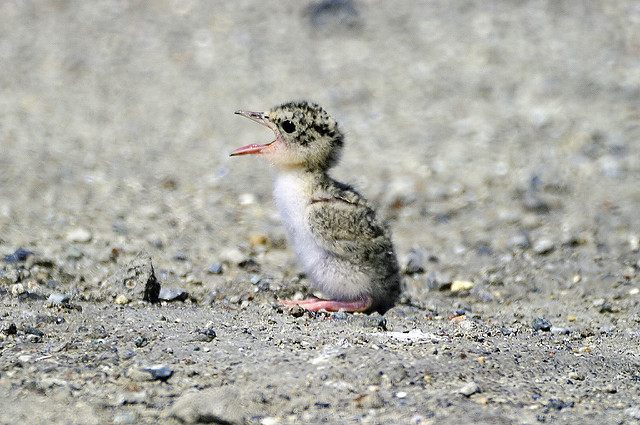
The connection between these environmental concerns is concrete and measurable. Read about the science and the people who do it on our website.
Show people in your network that you care about these key issues and point them to reliable sources. Sharing this page on your social media is a great place to start. You can also use the #COP28 hashtag to see real-time updates and share your thoughts!
Here at Island Conservation, we focus on sharing the most important news and updates on islands, oceans, and invasive species on our website. We believe the more people know about nature-based climate solutions, the better we’ll be able to support vulnerable communities and ecosystems in a changing climate. Subscribe to see updates and stories from the field!
Island Conservation’s Holly Johansson will be taking over our Instagram account during COP. Follow along for updates from her and Penny Becker as they experience the international collaboration of the biggest COP ever!
2023 was a record-breaking year for Island Conservation, with more species saved and islands restored than ever before. If you like our work and want to help protect these key ecosystems and promote climate resilience, support Island Conservation today!
Check out other journal entries we think you might be interested in.
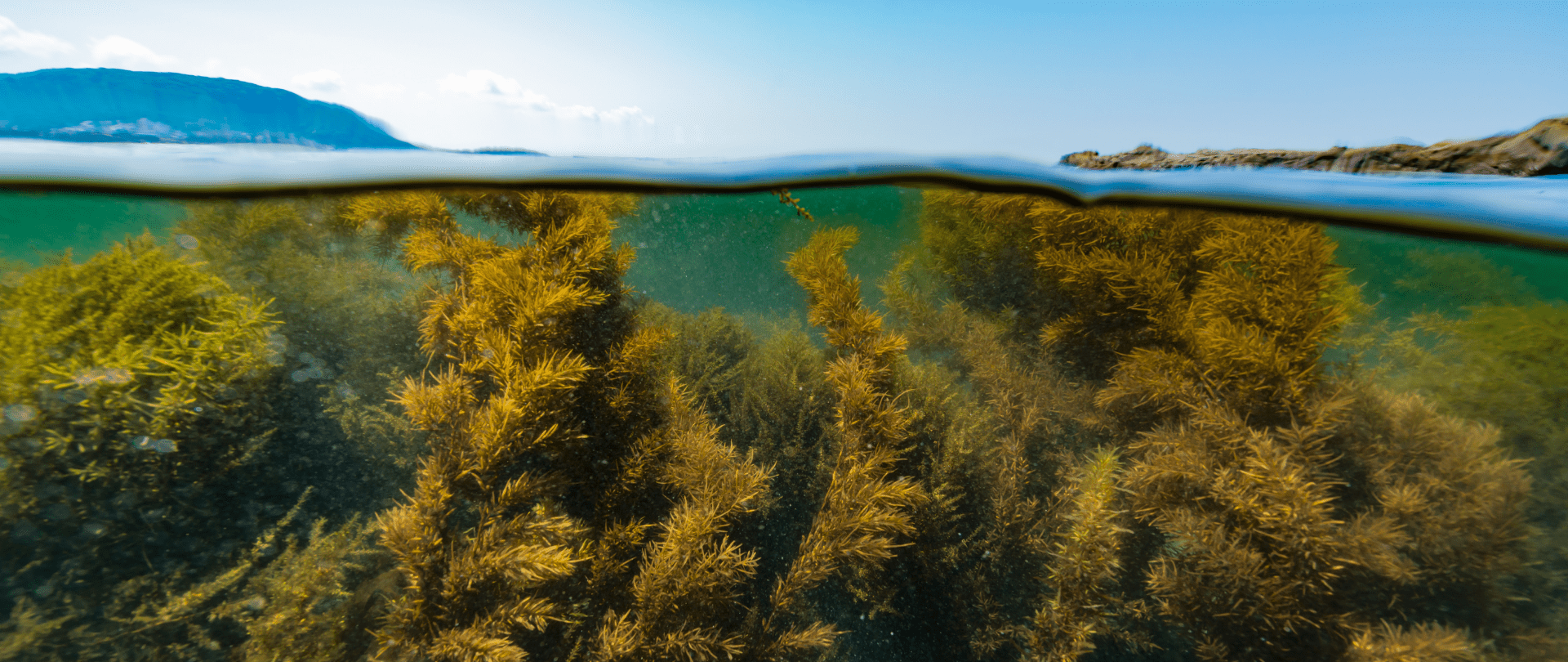
March 3, 2026
What is holistic restoration? Read all about this incredible method to restore ecosystems for people and nature!
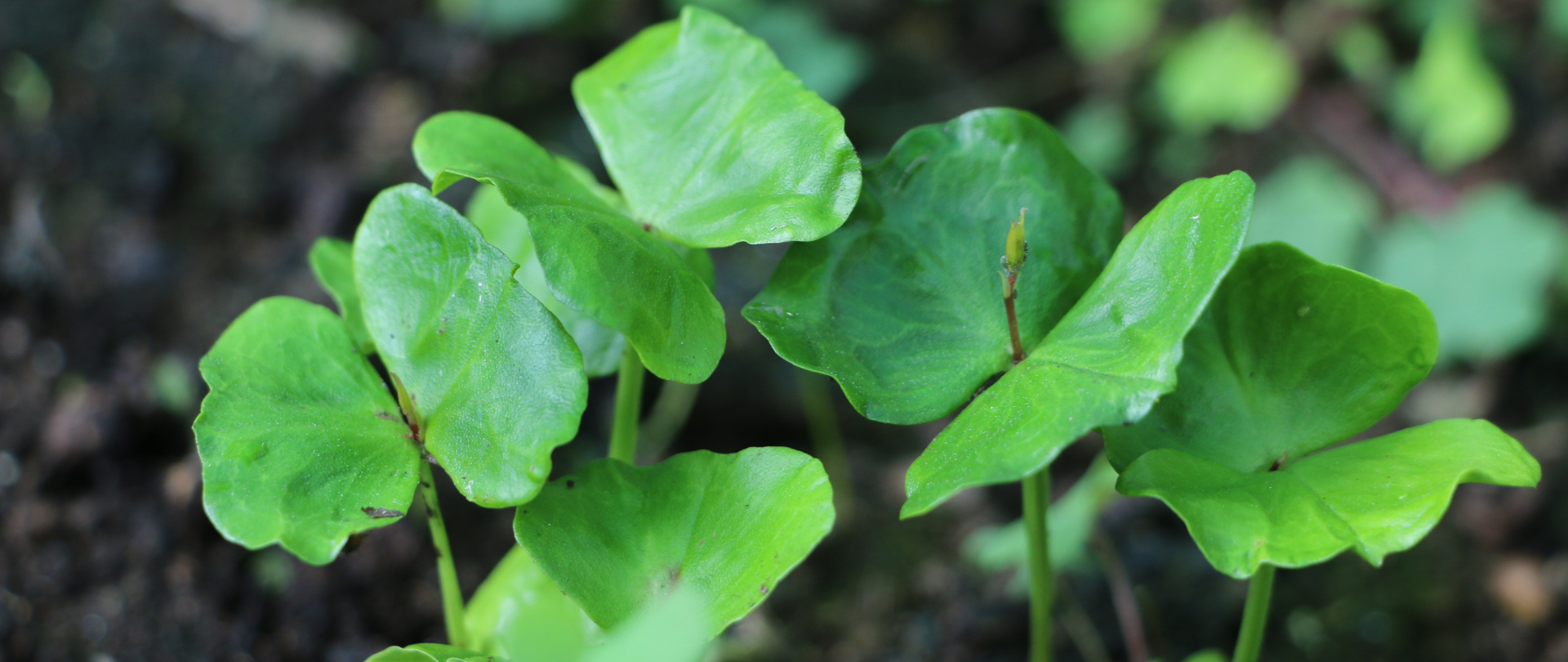
February 6, 2026
¡Mira el video de Solange y lee una entrevista sobre Robinson Crusoe! Watch Solange's video and read an interview about Robinson Crusoe!

January 22, 2026
Our Senior Director of Impact & Innovation, David Will, explains the importance of the Circular Seabird Economy for nutrient transfer!

January 15, 2026
Not all Marine Protected Areas are equally effective. A new study shows how high-quality, well-implemented MPAs provide outsized impacts for biodiversity!
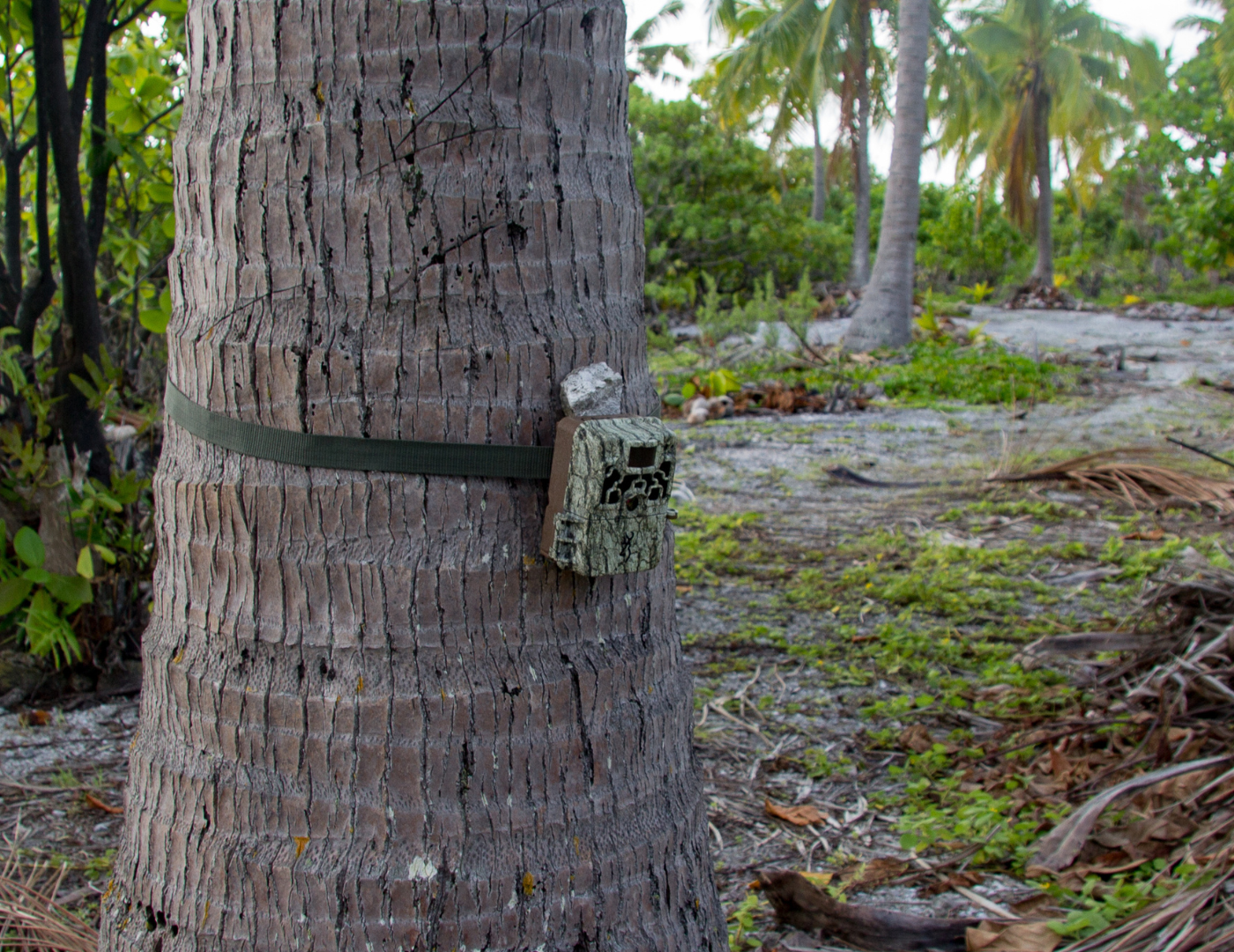
December 22, 2025
Elke Windschitl, our Conservation Impact Data Specialist, gives us the lowdown on
December 4, 2025
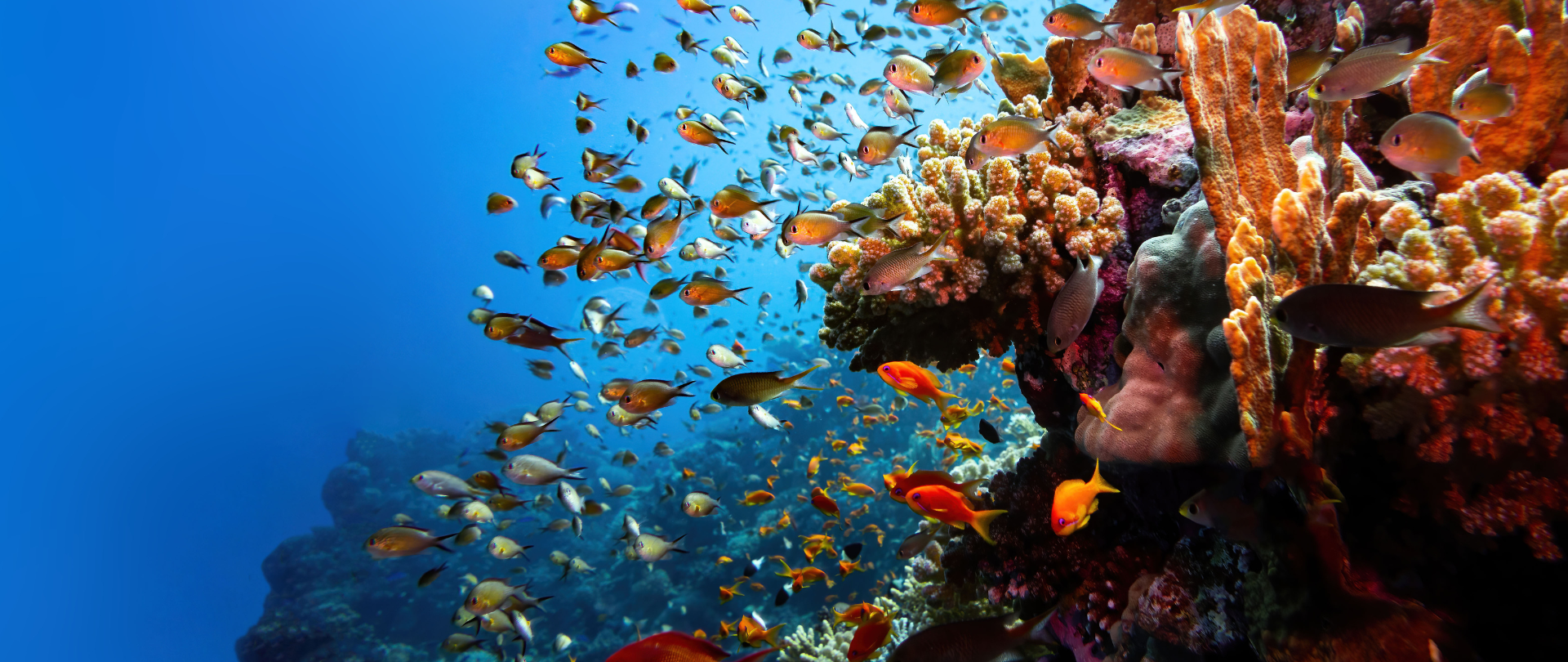
A new study reveals how seabirds, connector species between land and sea, play a huge role in the health of coral reefs!
November 25, 2025
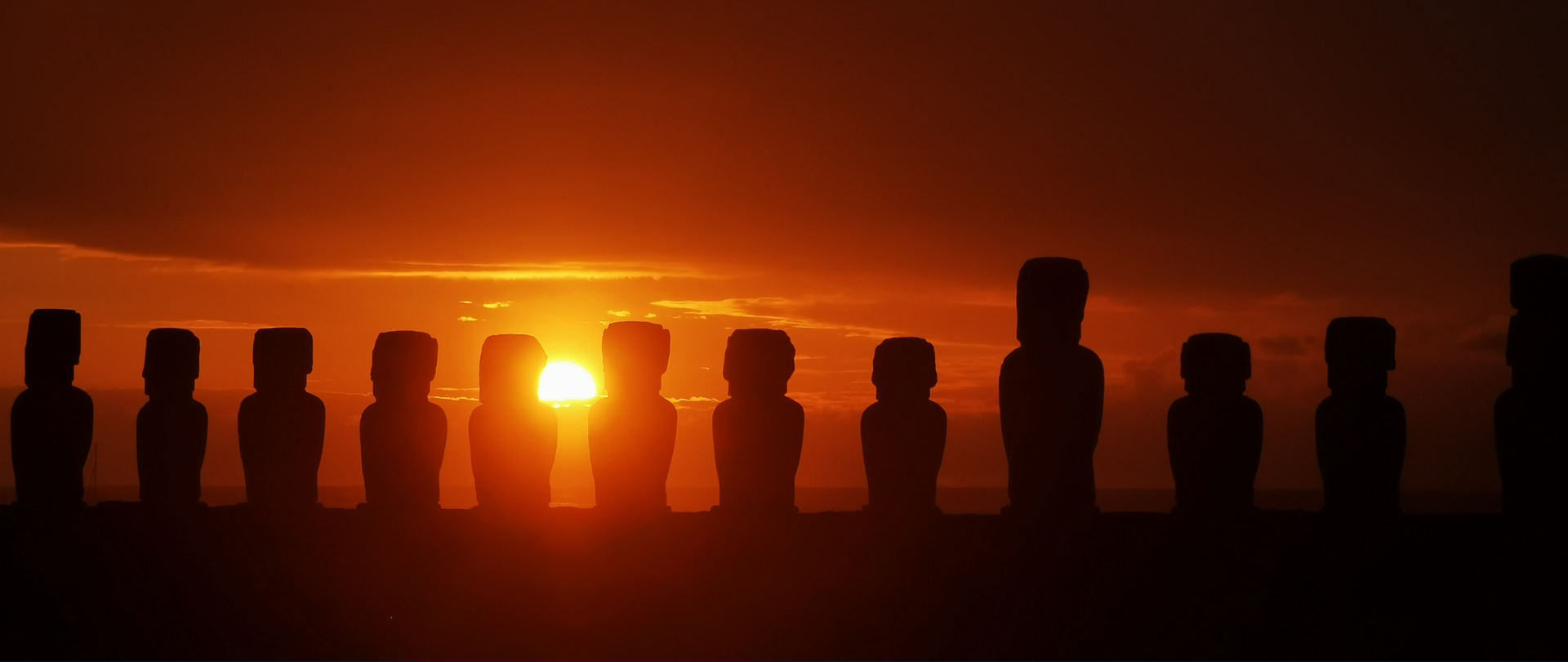
A new scientific paper is changing the way we understand Rapa Nui (Easter Island)'s ecological history!
November 21, 2025
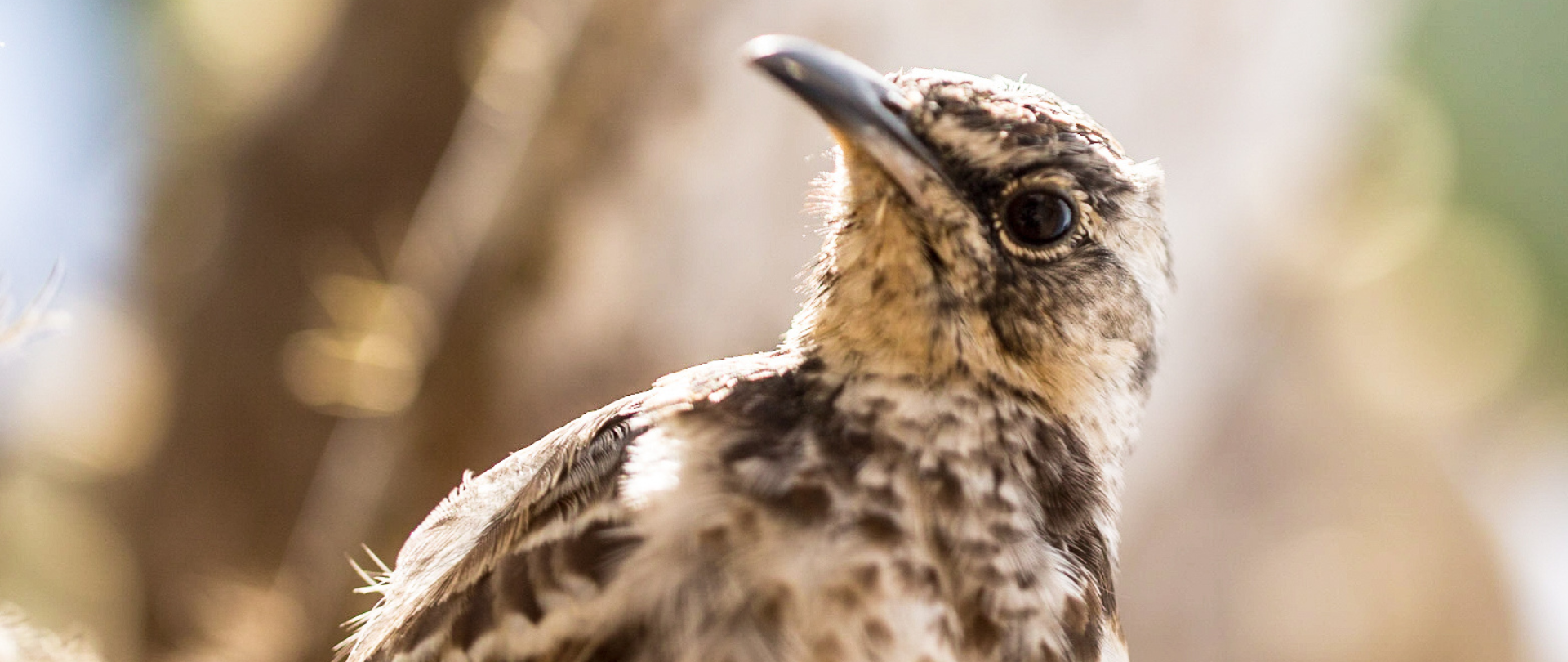
Holistic restoration is at work on Floreana Island, where the largest conservation project in the history of the Galápagos is underway!
October 30, 2025
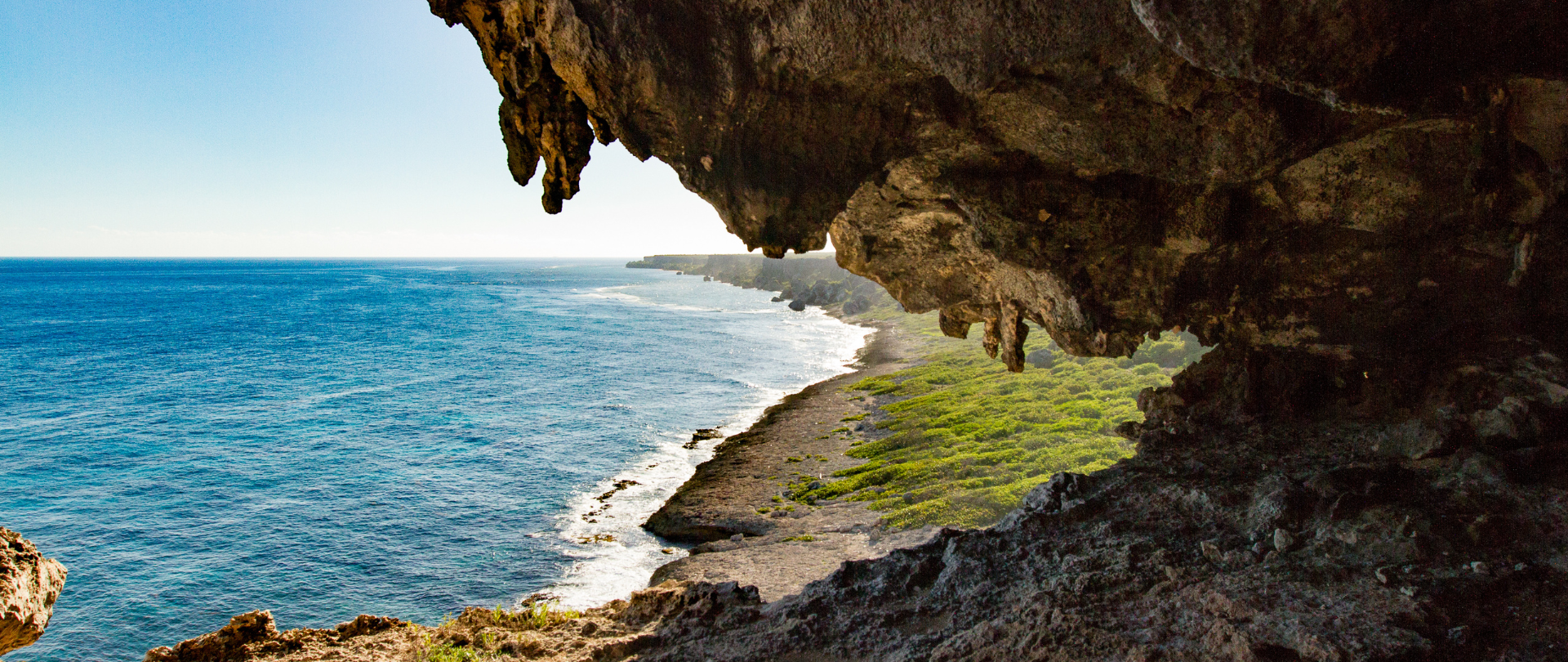
Our proposal for a United Nations-sanctioned Decade of Island Resilience spotlights the power of global small islands!
October 26, 2025
A new study shows the power of seabirds to drive entire ecosystems by circulating nutrients between land and sea!