August 4, 2026
Rapa Nui Advances Community-Led Management of Marine Protected Areas with New Conservation Partnerships
Indigenous-led conservation takes a leap forward with Rapa Nui (Easter Island)'s new partnership with Island Conservation!
 Island Conservation

Press Release, 8 January 2019
Contact: Claudio Uribe, Island Conservation, Director of Communications.
claudio.uribe@islandconservation.org
Resources: photos, interviews
The Directorate of Galápagos National Park (Dirección del Parque Nacional Galápagos – DPNG) and the international nonprofit organization Island Conservation reintroduced 1,436 Galápagos Land Iguanas (Conolophus subcristatus) to Santiago Island on the 4th January 2019. The partners are reintroducing the land iguanas in an effort to restore the island’s ecological health and to provide the opportunity for this iguana species to thrive.
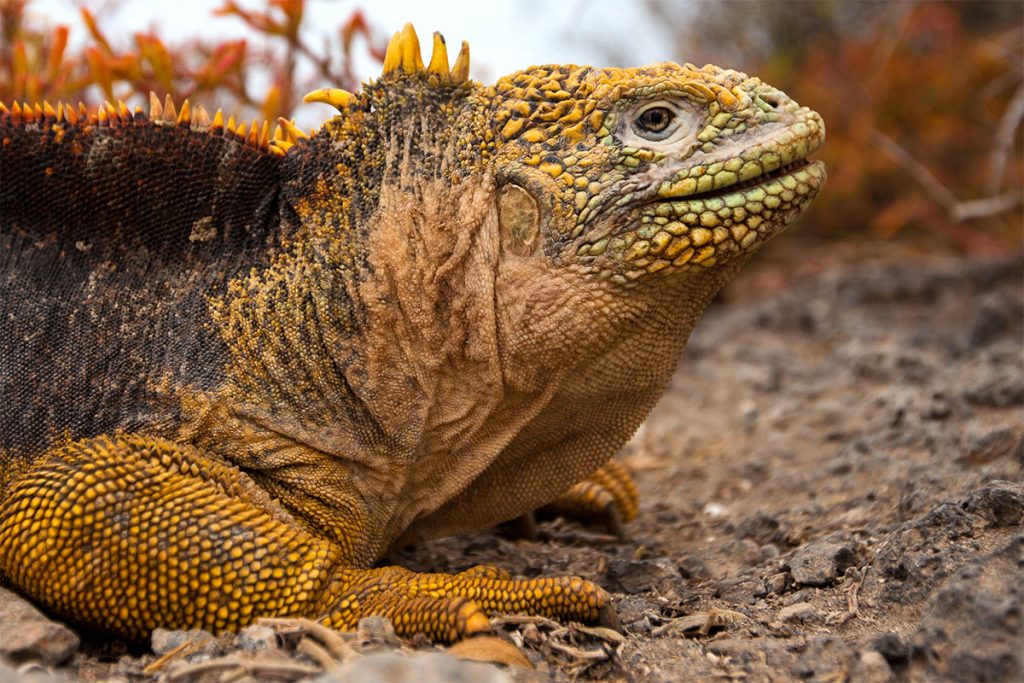
The DNPG and Island Conservation captured the land iguanas in late 2018, and further captures are underway for additional releases. The DNPG and Massey University from New Zealand will begin monitoring the reintroduced iguana population in February.
Karl Campbell, Island Conservation’s South America Regional Director stated:
This is the largest iguana population ever translocated for a reintroduction and sees critical ecosystem processes like seed dispersal reinitiated for the first time in 180 years.”
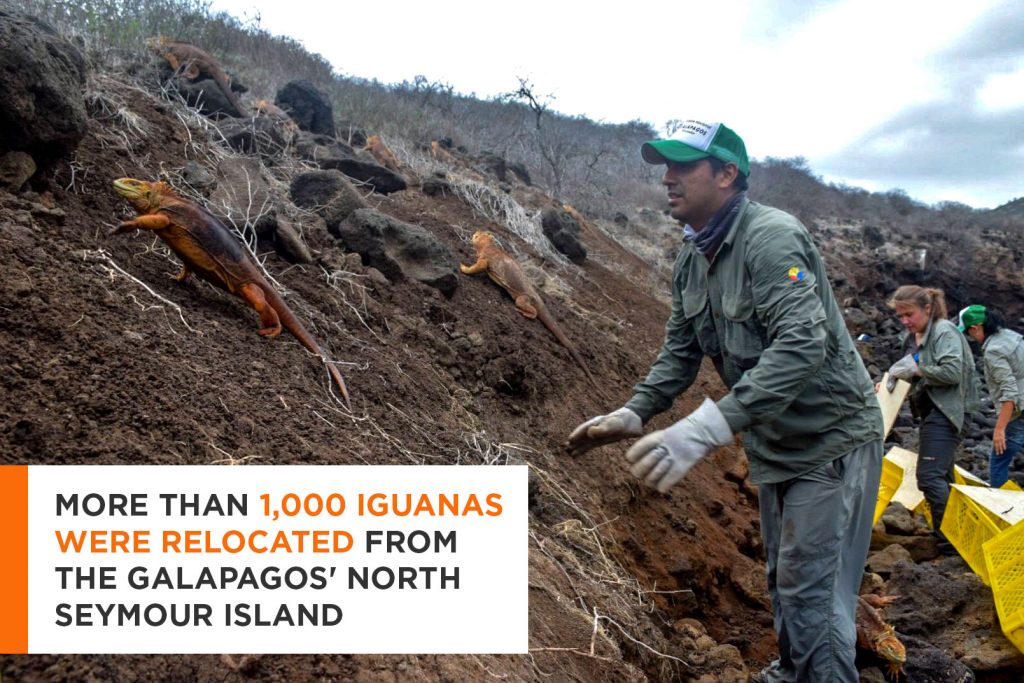
Land iguanas were sourced from North Seymour Island, where they were introduced in the 1930s and have increased to over 5000 and faced a lack of food availability. DNPG’s Ecosystems Director, Danny Rueda, explained, “naturalist guides, DNPG technicians, and Island Conservation staff reported the increasing vegetation loss, particularly cacti, on North Seymour beginning in 2016. Cacti are the land iguana’s primary food source. Relocation of iguanas will protect the North Seymour population.”
After capture on North Seymour, land iguanas underwent 3-4 weeks of quarantine in captive holding facilities on Santa Cruz Island to ensure seeds in the iguana’s guts were not inadvertently transported between islands.
Galápagos Land Iguanas are listed as Vulnerable by the International Union for the Conservation of Nature. The reintroduced iguanas weigh in total over seven tons and are expected to thrive in their new habitat.
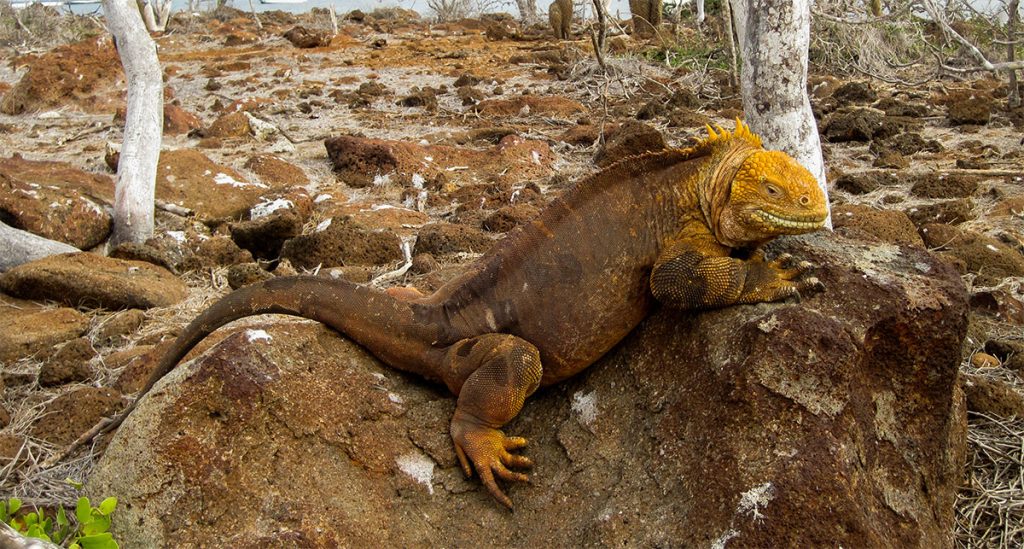
Charles Darwin was the second-last person to record land iguanas alive on Santiago Island in 1835, with Abel du Petit-Thouars being the last in 1838. Introduced feral pigs wiped out the land iguana population. When the California Academy of Sciences visited in 1903 they found only skeletal remains.
Santiago Island (58,465 ha / 144,470 acres) was freed of feral pigs in 2000, and feral goats and donkeys in 2005.
Santiago Island is the largest island worldwide to be freed of feral pigs, goats and donkeys, setting the stage for the next phase of island restoration activities like returning locally extinct species.
Other large scale restoration efforts are planned for other islands in the Galápagos. Funding contingent, in 2020 invasive predators will be eradicated from Floreana Island, protecting 55 endangered species and allowing for the reintroduction of 13 locally extinct species, including the Endangered Floreana Mockingbird and Floreana Giant Tortoise.
Check out other journal entries we think you might be interested in.
August 4, 2026
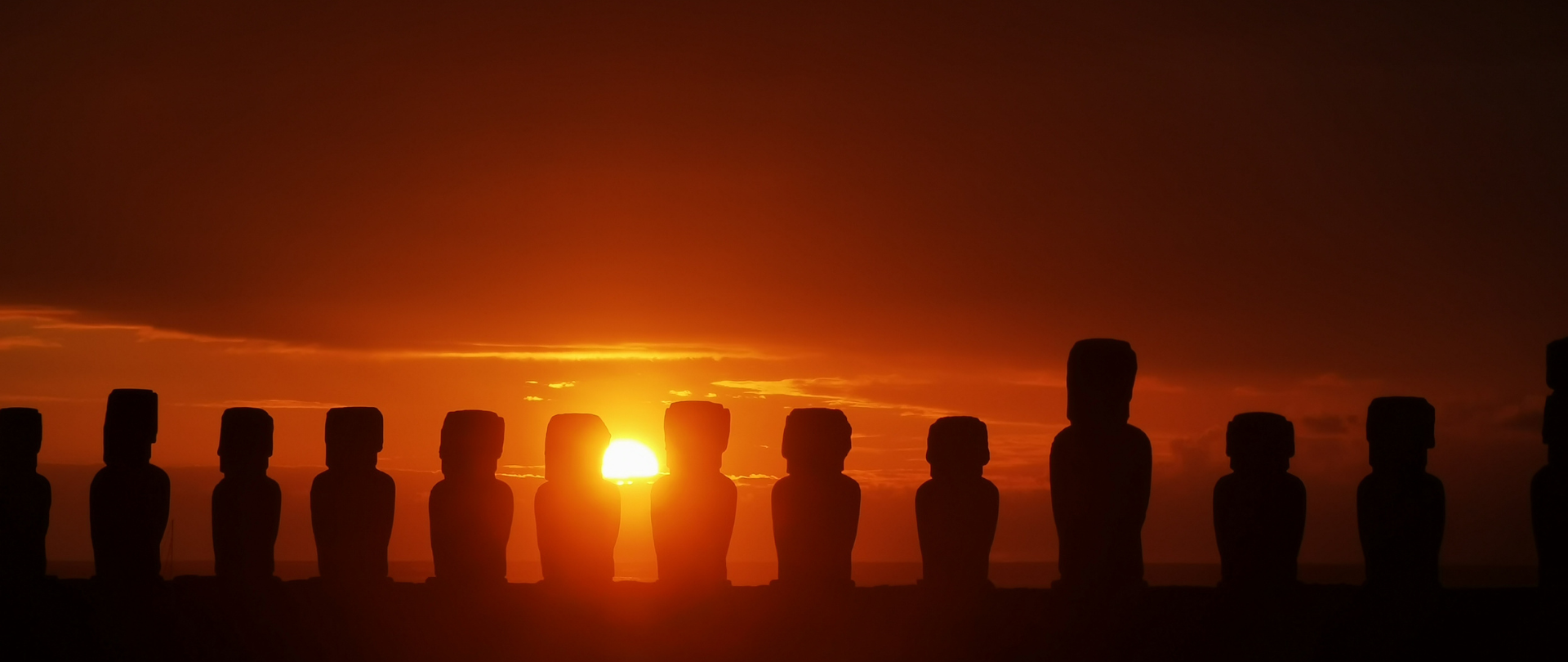
Indigenous-led conservation takes a leap forward with Rapa Nui (Easter Island)'s new partnership with Island Conservation!
July 2, 2026
Invasive species have caused over $12 billion in damages to island ecosystems, creating an urgent need for strengthened biosecurity measures!
June 23, 2026
The Island-Ocean Connection Challenge announced four new restoration projects—Lehua, Tavolara, Grand Rouveau, and Zembra—at London Climate Week, expanding its global effort to restore 40 island-ocean ecosystems by 2030!
June 18, 2026
A new project to expand the range of an endangered Tree Boa is one step closer to completion!
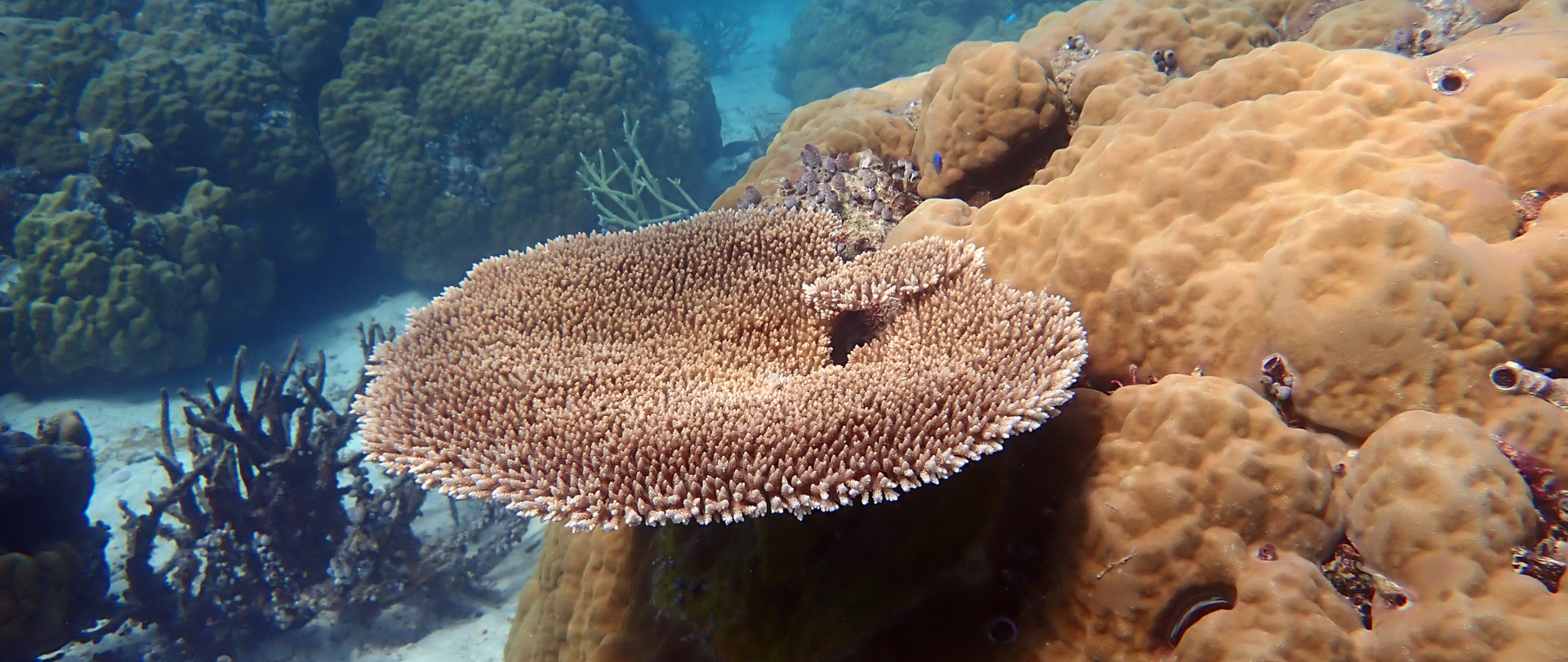
June 8, 2026
A world-first controlled experiment shows connection between seabird activity and marine health on Ulong Island!
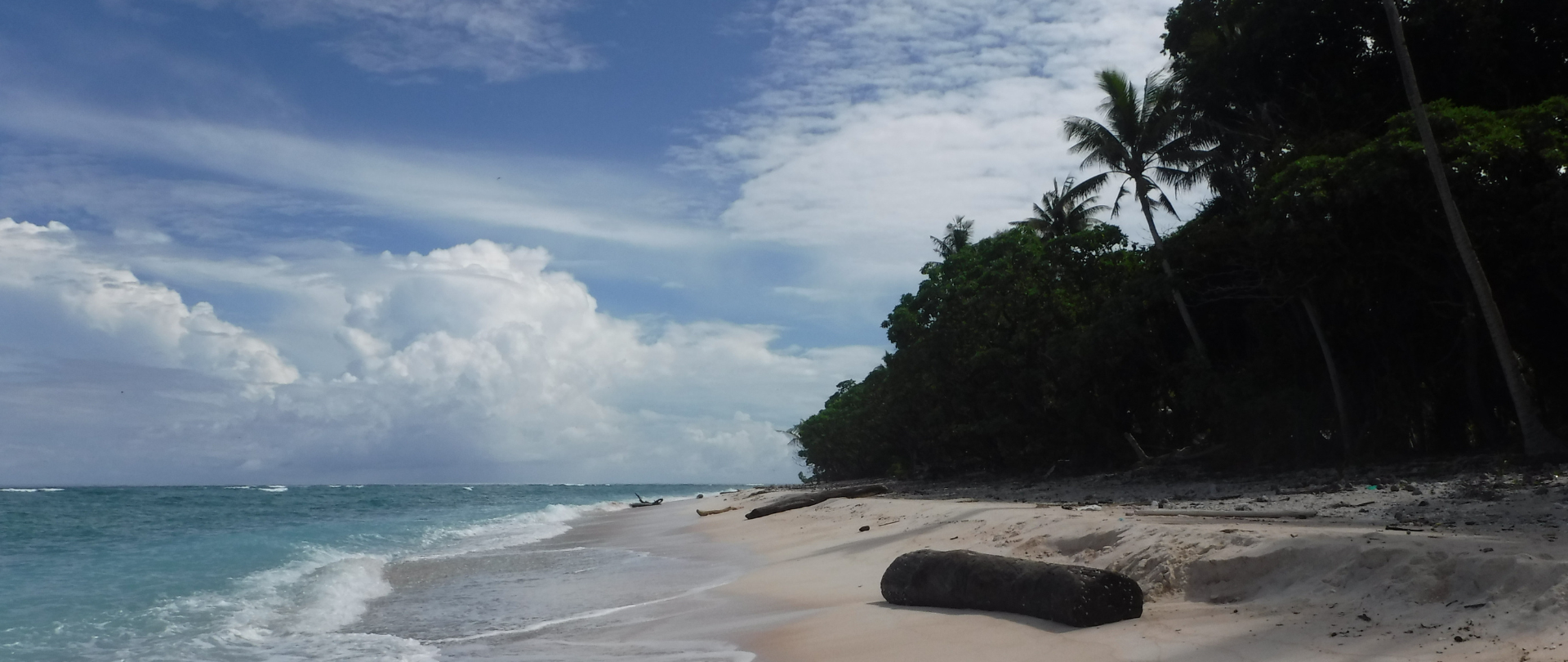
May 13, 2026
A new project in Sonsorol State, Palau aims to improve livelihoods and climate resilience through holistic environmental restoration!
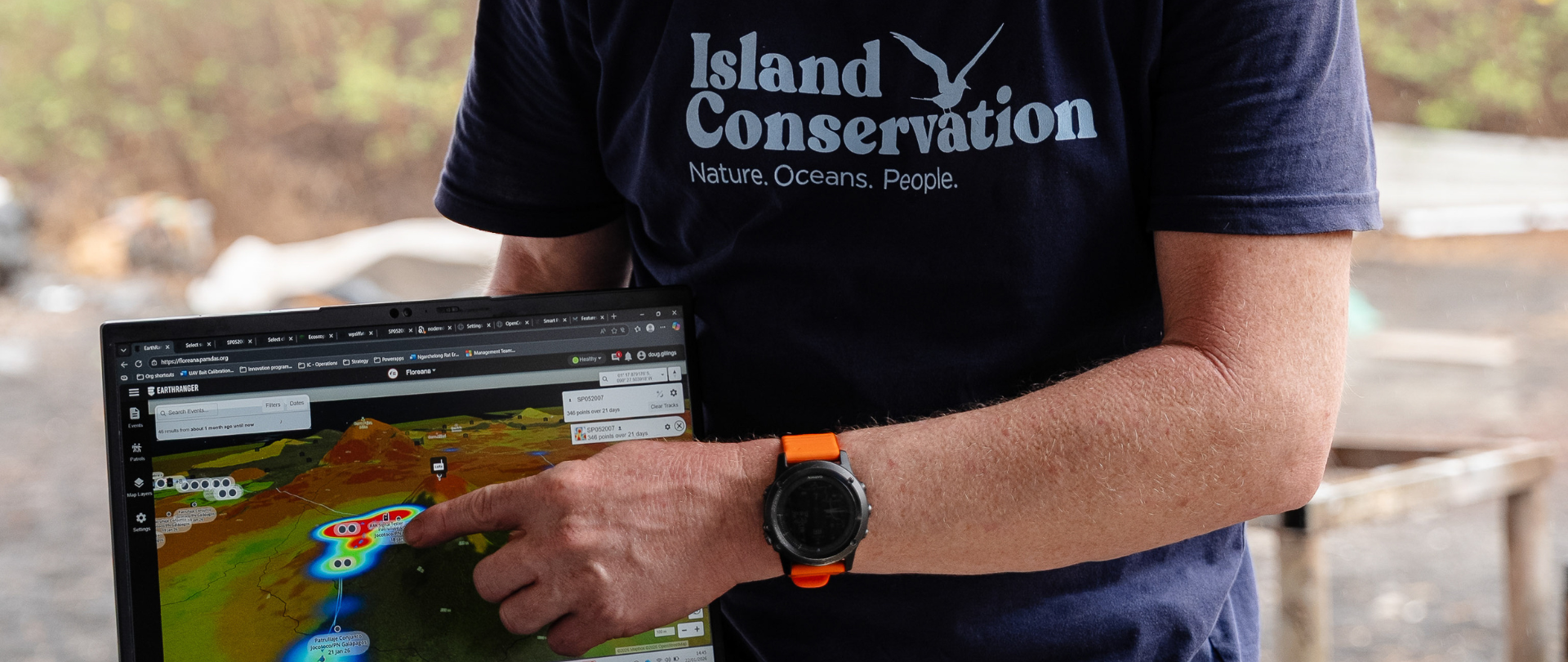
May 5, 2026
Thrilling new tech brings conservation solutions to a remote island in the Galápagos!
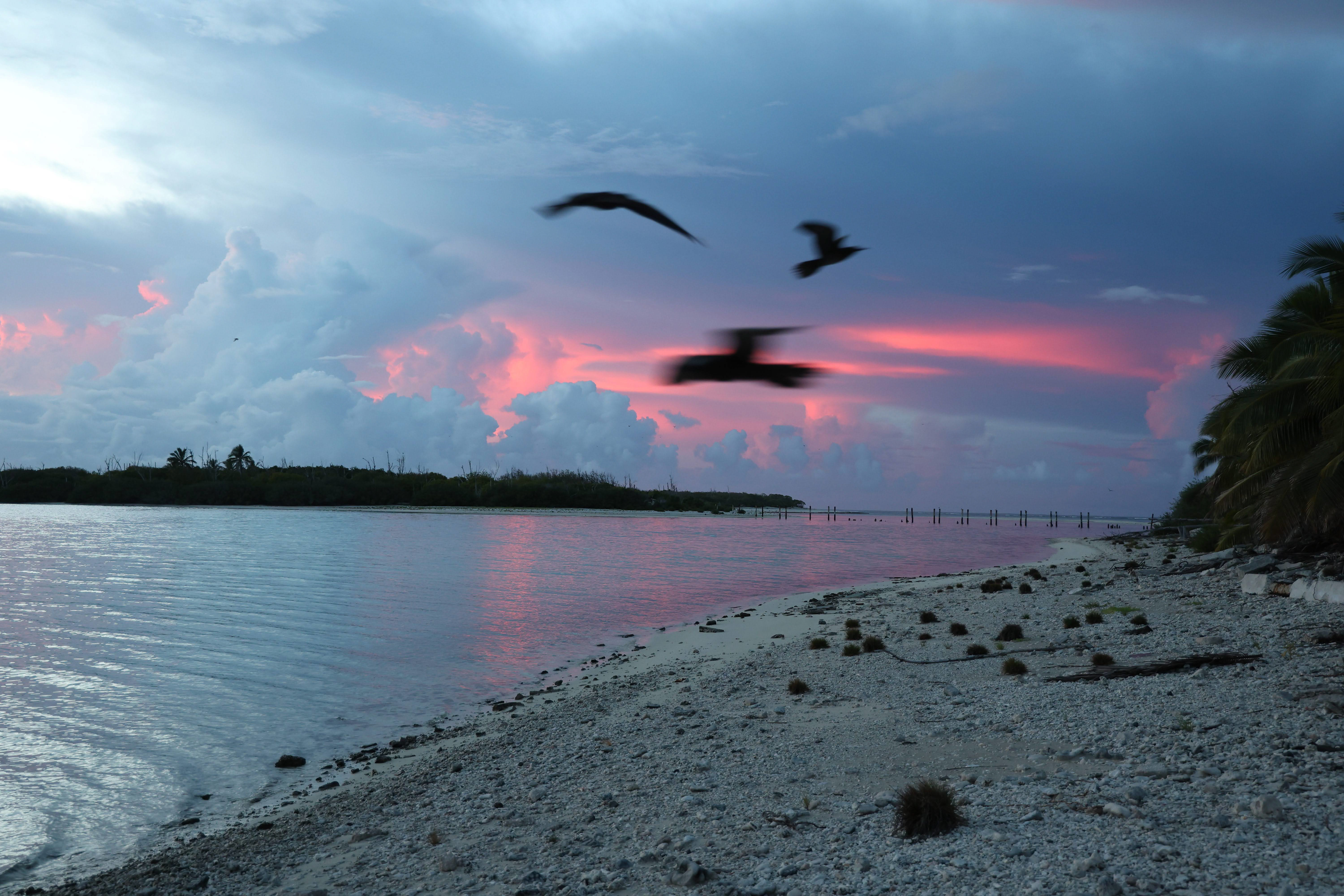
April 14, 2026
A historic moment: Wake Atoll is restored and thriving!
March 10, 2026
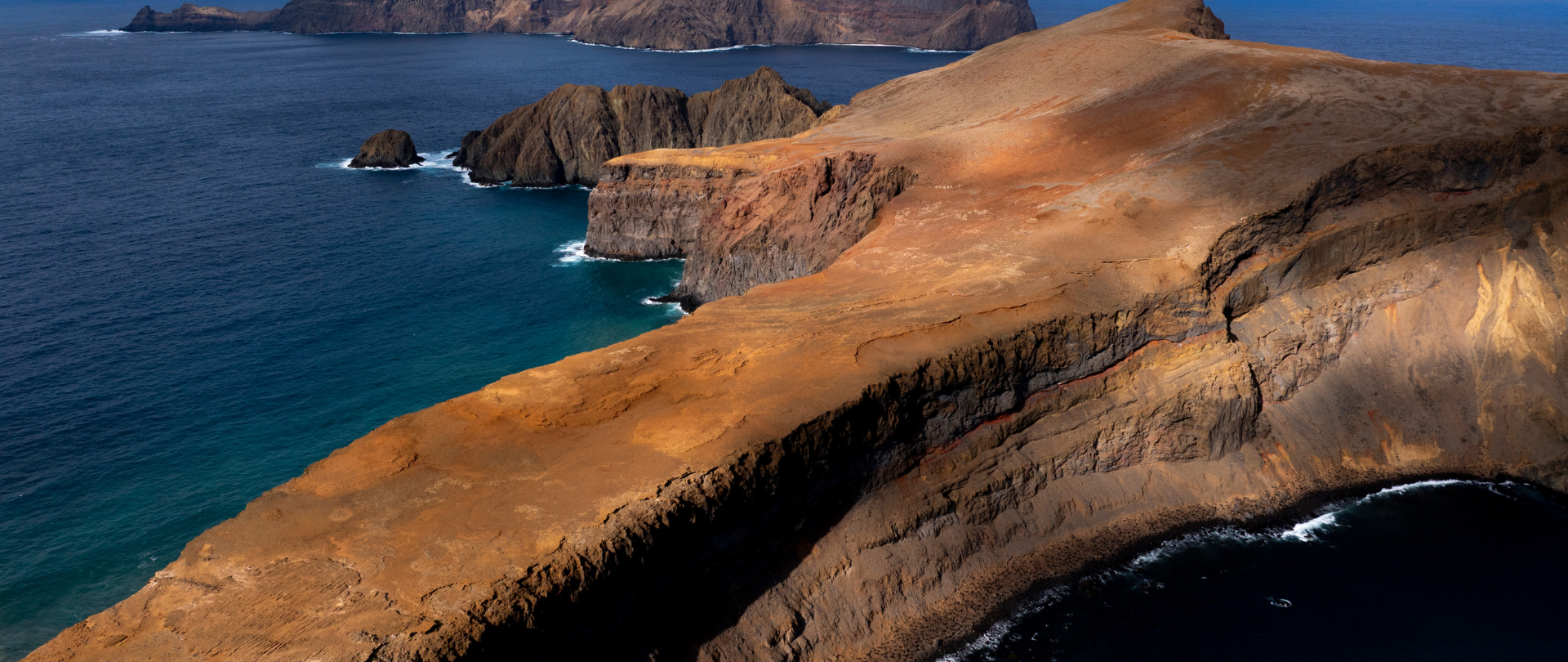
The Juan Fernández Archipelago is part of a new Marine Protected Area that protects the highest concentration of marine species found nowhere else on Earth!
February 20, 2026
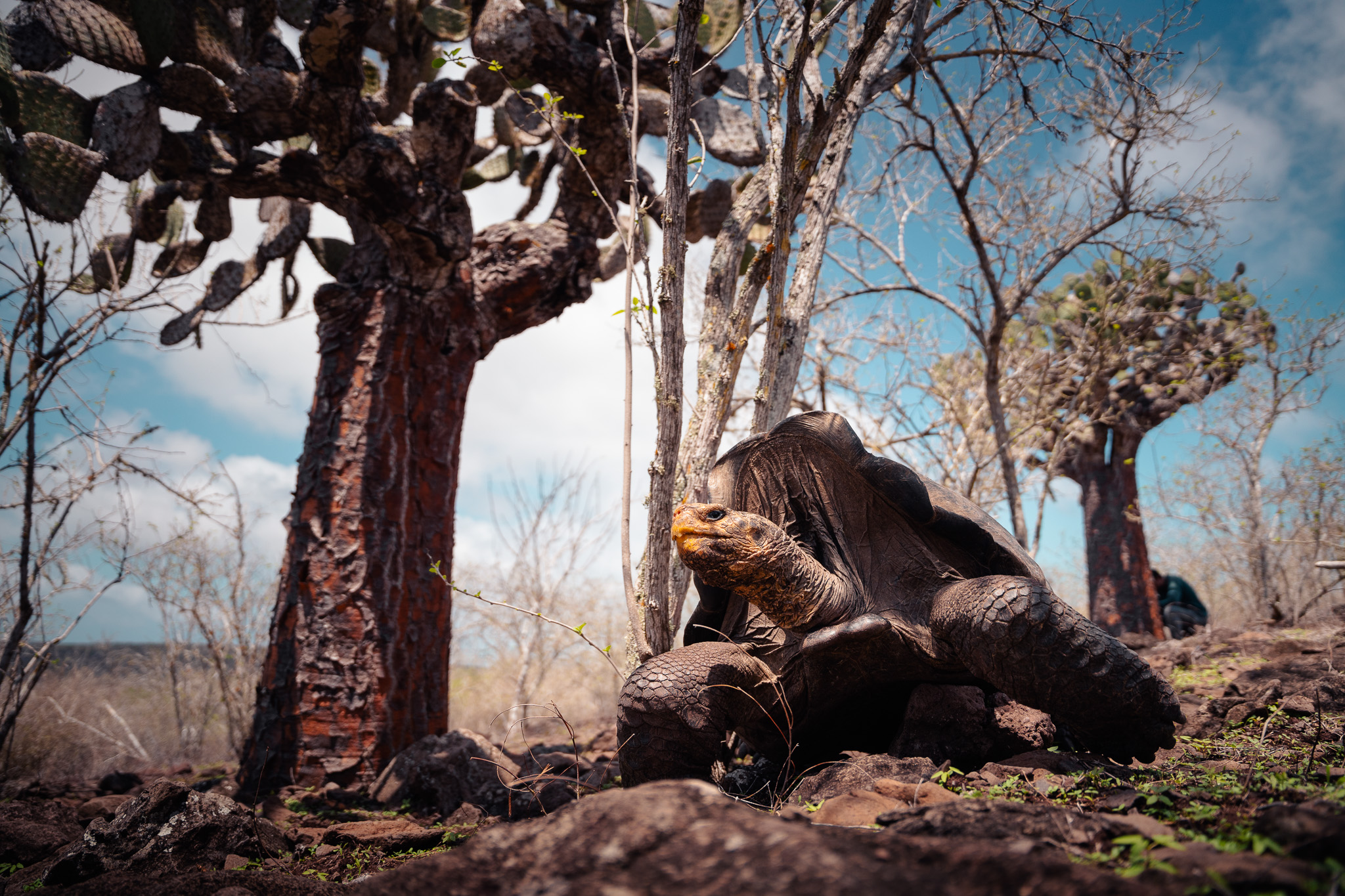
For the first time in more than 180 years, giant tortoises are once again walking the landscapes of Floreana Island!