March 3, 2026
What is holistic restoration?
What is holistic restoration? Read all about this incredible method to restore ecosystems for people and nature!
 Island Conservation
If you’re looking for ways to support conservation this Earth Month, you’re in luck. You’re reading one of the best environmental blogs on the internet: the Island Conservation Journal! We’re a trusted source for all the environmental news you need when you’re looking for real, concrete hope. In this article, we’re sharing easy, practical ways individuals like you can help prevent—and even reverse—biodiversity loss.
If you’re reading this, you already have this one down! Following trusted environmental blogs and science communicators is one of the most powerful ways to stay informed about conservation science, Indigenous stewardship, biodiversity recovery, and climate resilience. The best sources translate complex research into stories that help people understand what’s at stake and what solutions actually work. From explaining how biodiversity hotspots function to breaking down the science behind environmental DNA, high‑quality environmental blogs help readers see the bigger picture and stay connected to the latest breakthroughs.
Island Conservation is just one of many of these trusted sources! When you follow organizations committed to rigorous science and community partnership, you’re taking back your attention, boosting the reach of important stories, and showing algorithms that conservation stories are worth reading. (And you’re learning stuff, too!) We’ve collected a list of other great blogs to read here.
Earth Month is the perfect time to spread hope. When you share real conservation wins, you help people see that biodiversity recovery is happening right now, in places where species were once disappearing. You can be the spark that inspires your friends, family, and community to care a little more, learn a little deeper, or take their own first step toward protecting the planet!
And to make it easy, we’ve put together some ready-to-share success stories for you:
And if you follow Island Conservation on social media, your feed will be full of uplifting, repostable good news from around the world!
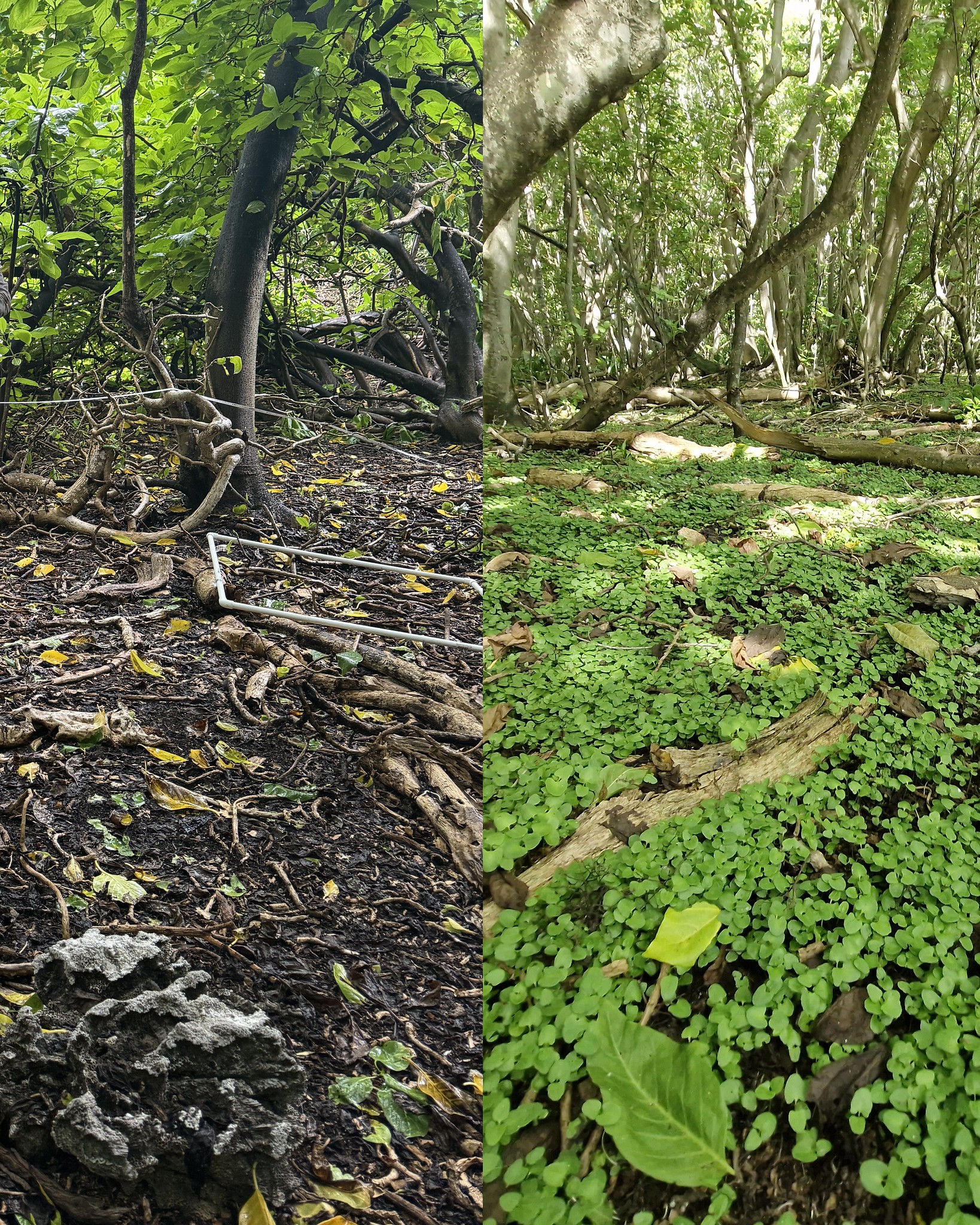
One of the most meaningful ways to make an impact during Earth Month is to support organizations working with holistic restoration—a solution-oriented approach that recognizes that everything in an ecosystem is connected. Effective conservation focuses on the actions proven to reverse biodiversity loss, especially on islands where recovery can be fast and dramatic. These strategies include:
Real-world examples from Island Conservation’s holistic restoration work:
Supporting these solution-oriented, science-backed methods ensures that you’re helping fuel conservation strategies that actually work, helping nature recover faster than most people realize.
Earth Month is when many people decide where to give, but choosing wisely matters. This is the perfect time to donate to the most high-impact conservation organizations you can find. When you invest in organizations doing science-based, repeatedly successful work, your donation fuels solutions that actually help the planet.
Look for groups that demonstrate:
Not to brag, but Island Conservation meets all of these standards—and more. We put 76% of our budget directly into conservation efforts in the field—an impressive percentage, over ten points more than the recommended 65%. According to Charity Navigator, Island Conservation holds a 97% Four-Star rating, with perfect scores in program expense ratio, fundraising efficiency, financial health, and accountability. That means your Earth Month donation goes directly toward restoring islands, protecting threatened species, and delivering measurable, science-backed results for nature and people.

Understanding how ecosystems function—and how policy decisions influence their future—can empower people to engage thoughtfully in conversations about conservation. When communities have access to clear, science‑based information, they are better equipped to participate in public dialogue, ask informed questions, and consider environmental issues as part of their civic life.
Below are examples of conservation approaches that researchers, practitioners, and communities often discuss when exploring ways to support biodiversity and climate resilience.
At Island Conservation, we walk the walk. A real example of our work includes helping co-implement Rapa Nui’s Marine Protected Area, where we support implementation with Indigenous leadership at the center, blending science with cultural stewardship. We’ve also helped strengthen marine protection across the Galápagos and Cocos Island, safeguarding critical swimways for sharks, turtles, and other migratory species!
When you stay informed and speak up, you help create the political will needed to protect biodiversity at scale—and Earth Month is the perfect time to start.
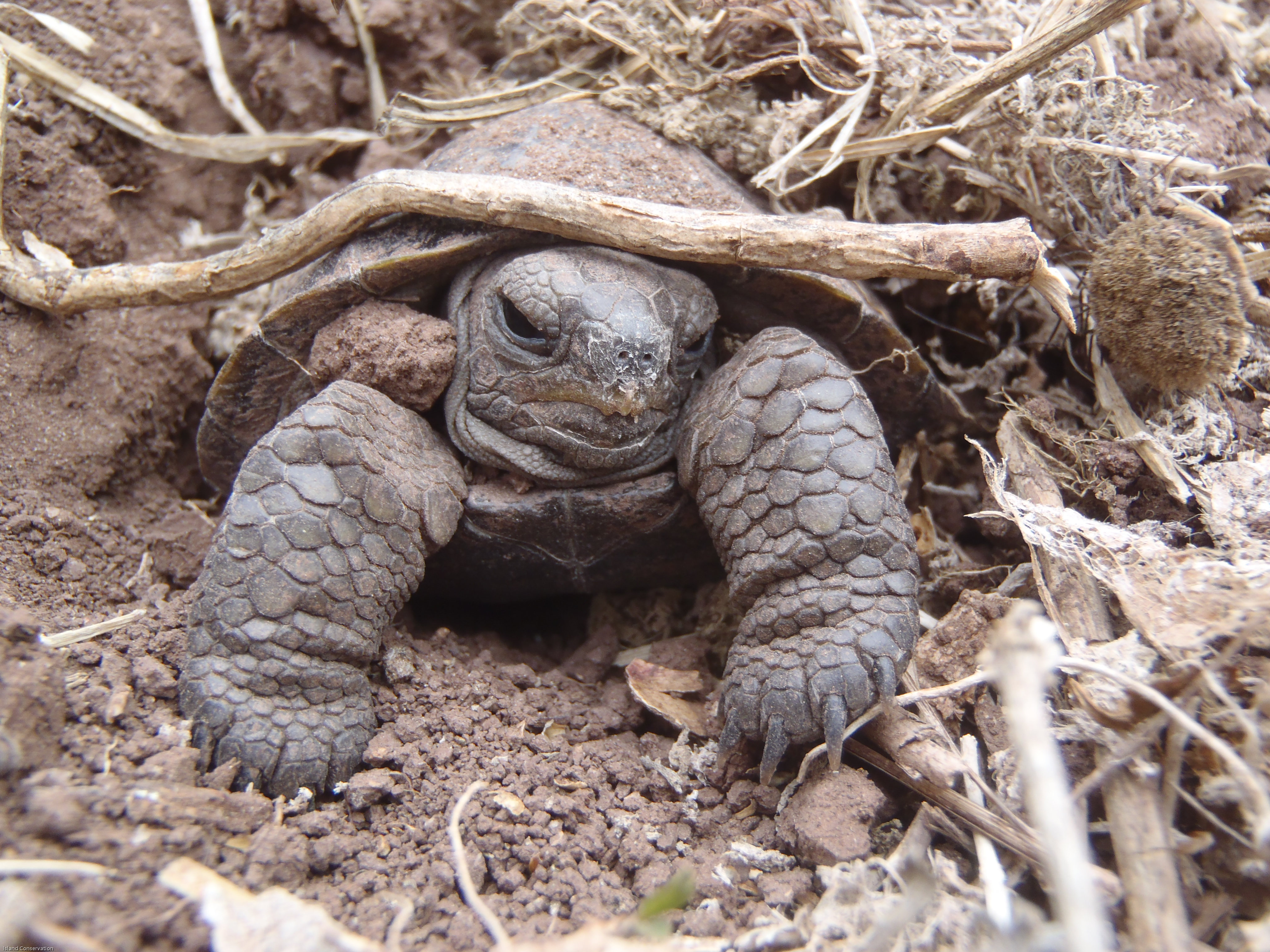
Small choices add up, especially during Earth Month. The way we shop, travel, and care for our pets can support healthy ecosystems or unintentionally harm them. By making a few intentional shifts, you can meaningfully reduce pressures on biodiversity while modeling conservation-minded habits for the people around you.
Easy, practical steps you can take:
These small, everyday actions help protect ecosystems, reduce threats to wildlife, and reinforce the conservation values Earth Month is all about.
Earth Month is when global attention is highest. By taking any of these simple, practical actions, your effort can compound into real change as millions of people choose to join you. Environmental recovery really is possible, and islands prove it every year through rapid, measurable recovery. The next decade will determine the future of countless species and ecosystems, which makes your choices right now more powerful than ever!
Learn. Share. Donate. Volunteer. Advocate. And follow Island Conservation for ongoing stories of recovery, resilience, and Indigenous-led stewardship. Together, we can help nature, oceans, and people thrive for generations to come!
There’s more than one way to make an impact. Join our collective of dedicated supporters by donating today or signing up for our newsletter to stay informed.
Check out other journal entries we think you might be interested in.
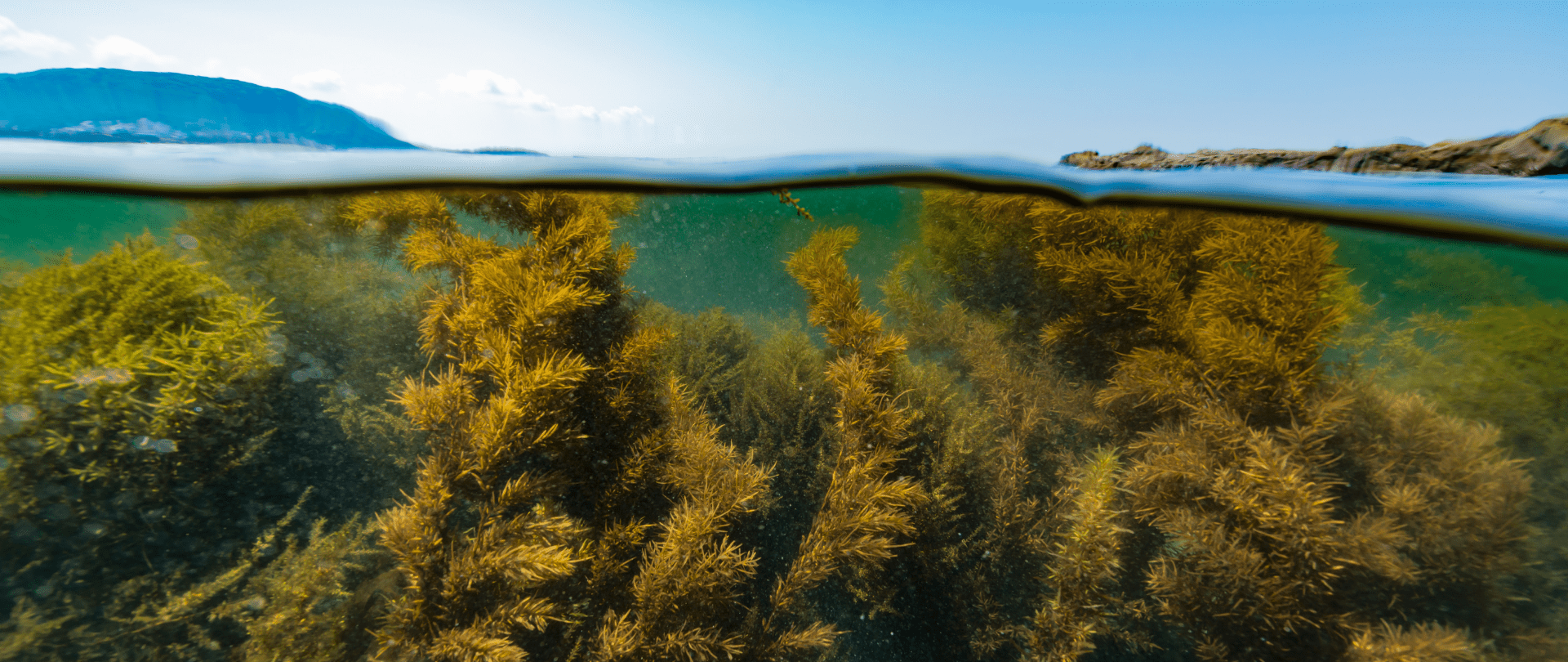
March 3, 2026
What is holistic restoration? Read all about this incredible method to restore ecosystems for people and nature!
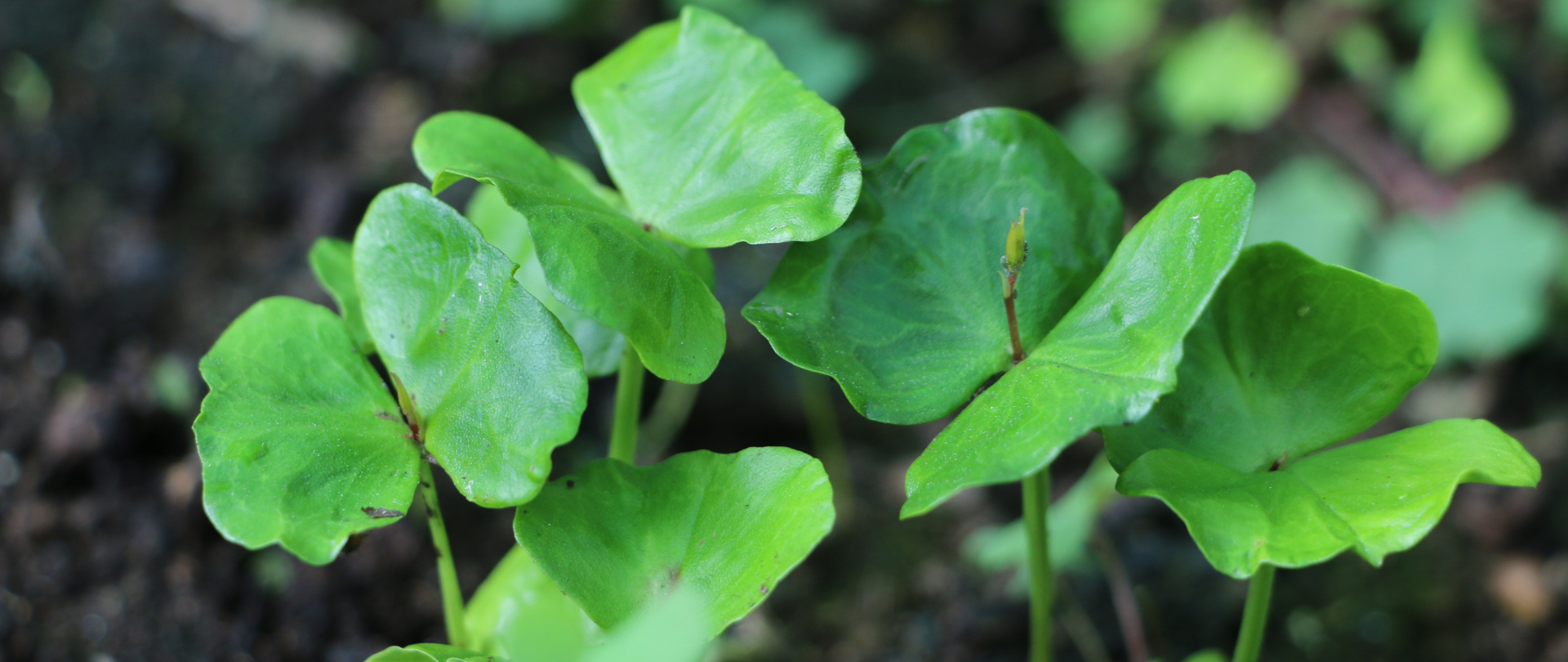
February 6, 2026
¡Mira el video de Solange y lee una entrevista sobre Robinson Crusoe! Watch Solange's video and read an interview about Robinson Crusoe!

January 22, 2026
Our Senior Director of Impact & Innovation, David Will, explains the importance of the Circular Seabird Economy for nutrient transfer!

January 15, 2026
Not all Marine Protected Areas are equally effective. A new study shows how high-quality, well-implemented MPAs provide outsized impacts for biodiversity!
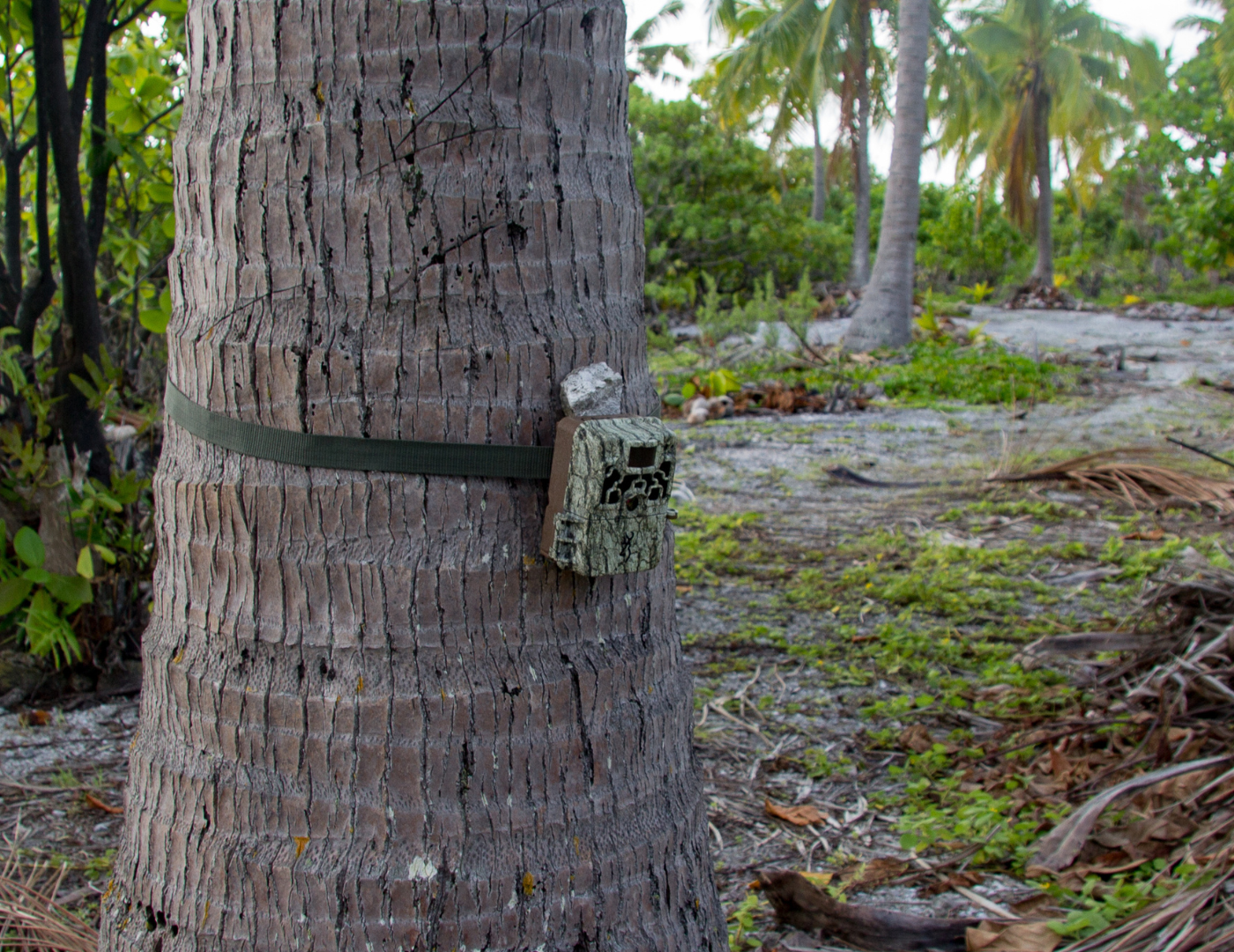
December 22, 2025
Elke Windschitl, our Conservation Impact Data Specialist, gives us the lowdown on
December 4, 2025
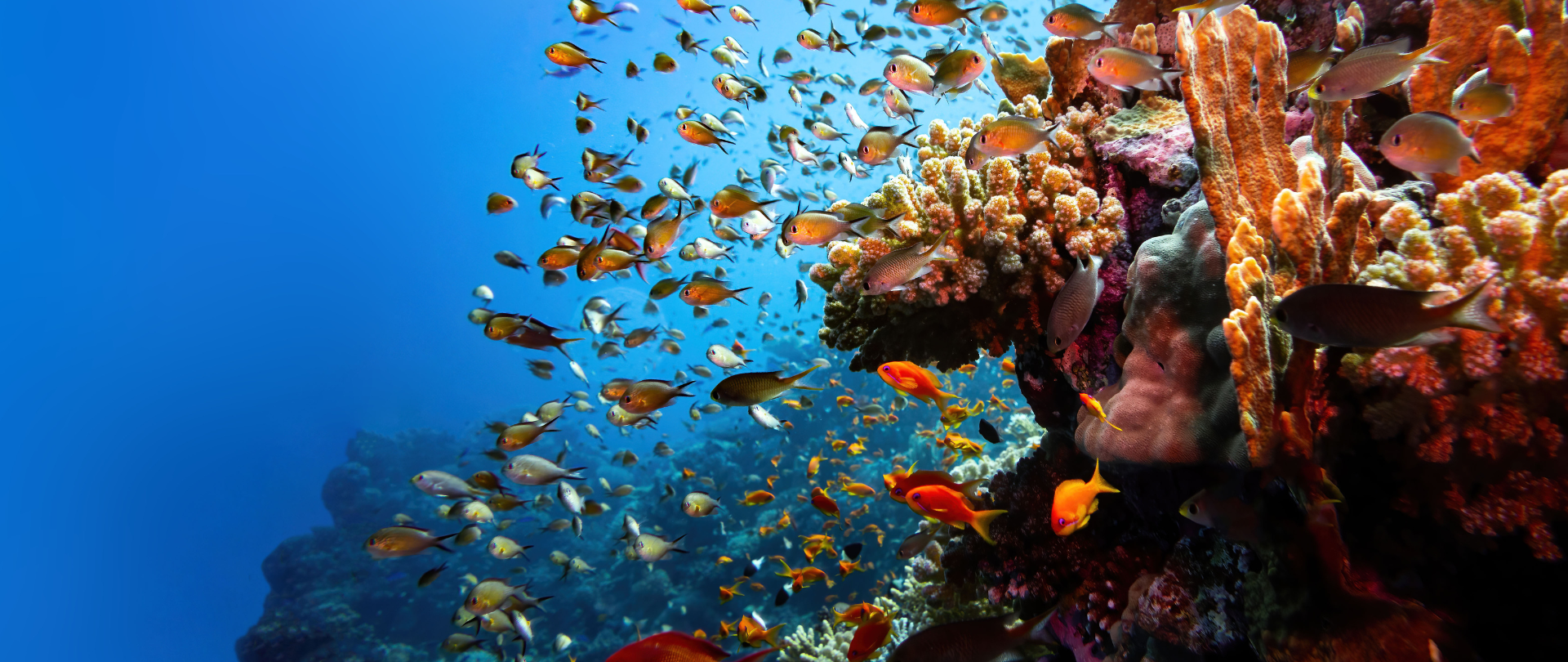
A new study reveals how seabirds, connector species between land and sea, play a huge role in the health of coral reefs!

November 25, 2025
A new scientific paper is changing the way we understand Rapa Nui (Easter Island)'s ecological history!
November 21, 2025
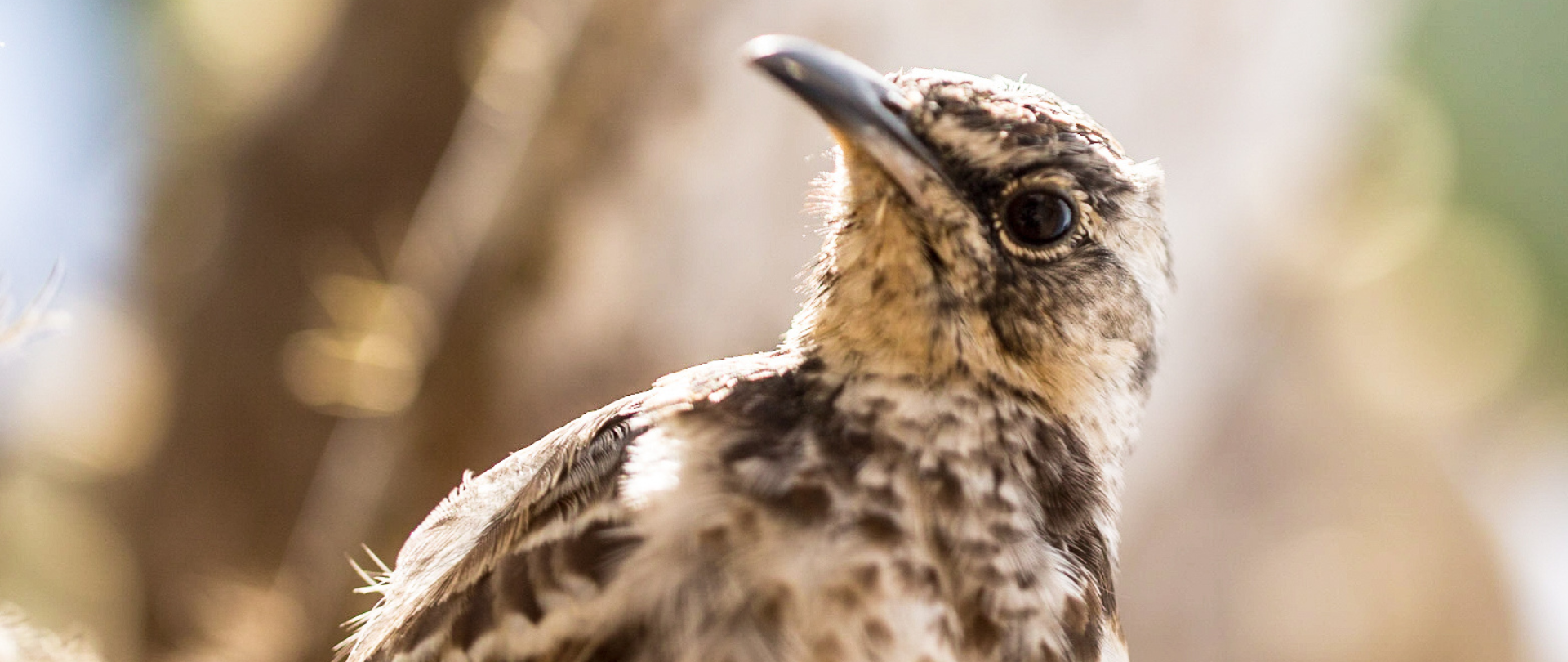
Holistic restoration is at work on Floreana Island, where the largest conservation project in the history of the Galápagos is underway!
October 30, 2025
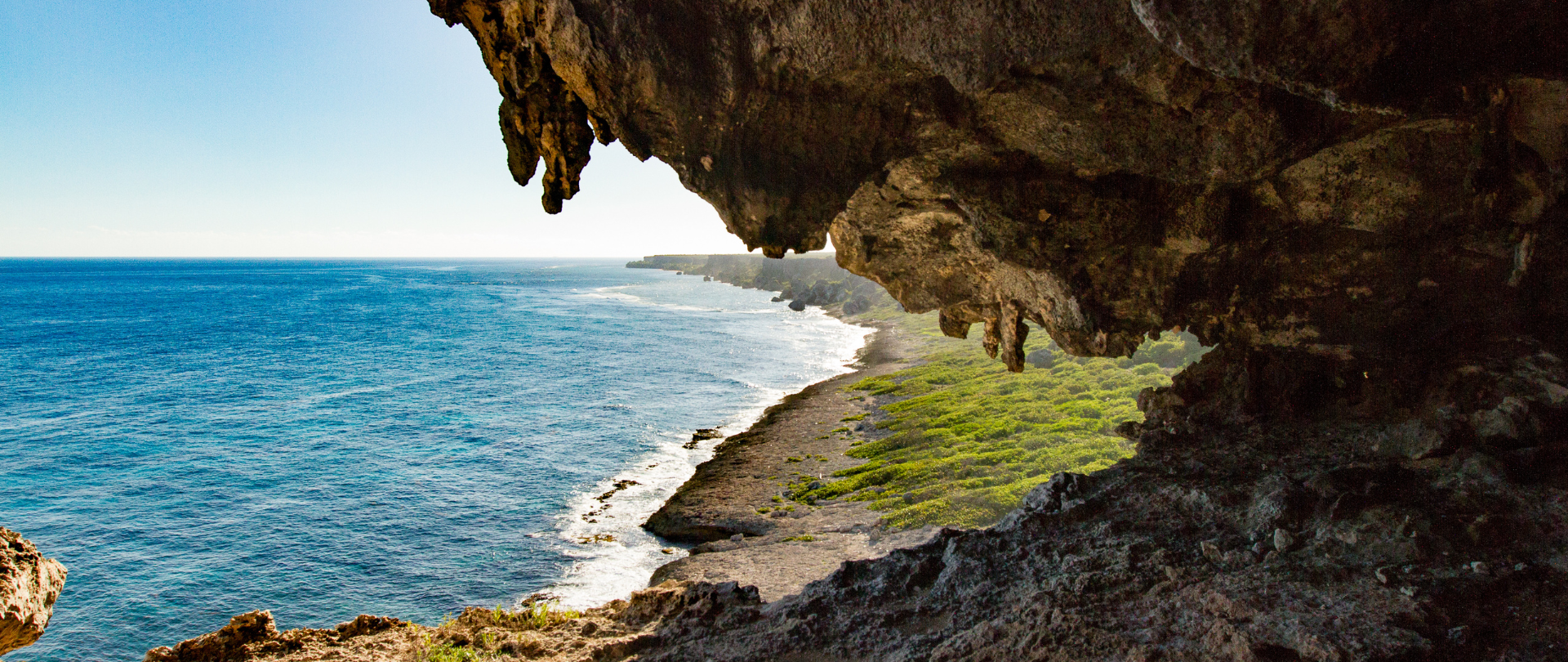
Our proposal for a United Nations-sanctioned Decade of Island Resilience spotlights the power of global small islands!

October 26, 2025
A new study shows the power of seabirds to drive entire ecosystems by circulating nutrients between land and sea!