October 29, 2025
Data Shows Endangered Palau Ground Doves Swiftly Recovering After Successful Palauan Island Conservation Effort
Astounding evidence of recovery on Ulong Island in Palau after just one year!
 Island Conservation
Contact:
In U.S.: Island Conservation Director of Communications, Sally Esposito, sally.esposito@islandconservation.org, + 1 706 969 2783
In Chile: Island Conservation Communications Consultant, Barbara Partarrieu, partabar@gmail.com, +569 8232 6808; Erika Erlandsen, periodistaprizona@gmail.com, Valparaíso, Chile, Tel:+56974993022
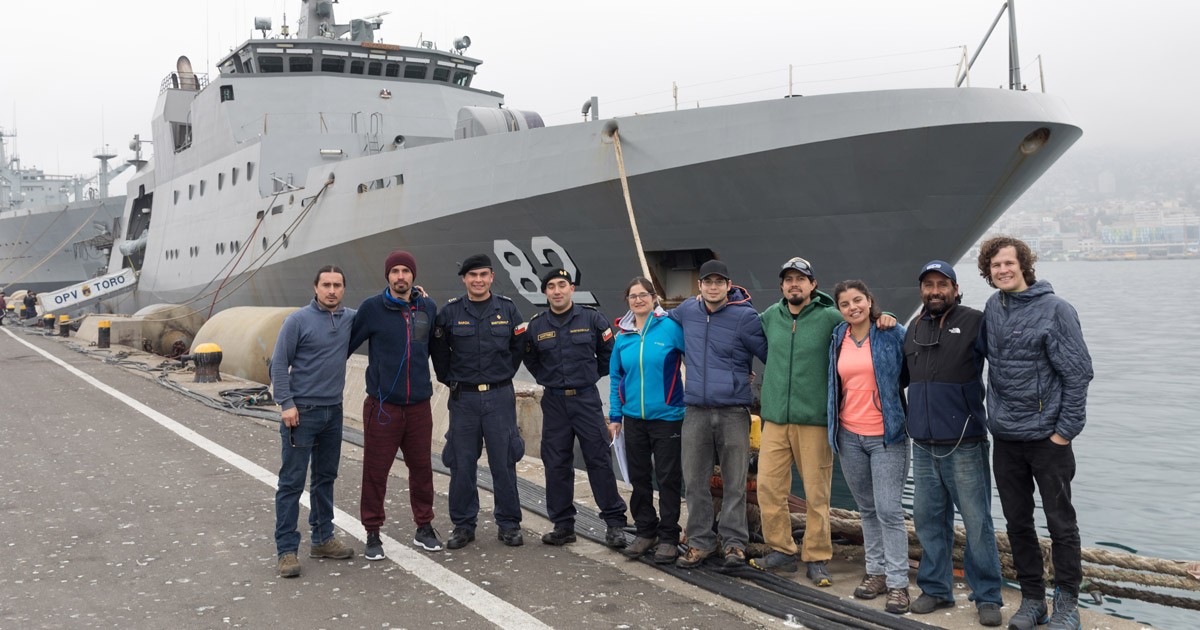
With 10 scientists on board, Offshore Patrol Vessel (OPV) “Comandante Toro” departed from the Port of Valparaiso on August 27th. Three days later, the navy´s ship arrived at San Ambrosio Island, part of Las Desventuradas archipelago. The goal of the trip was to monitor the island´s terrestrial ecosystem. The trip was made possible thanks to the Chilean Navy’s support of Island Conservation, a nonprofit organization whose aims to protect the unique species of plants and animals located in the area of Nazca-Desventuradas, recently declared a Marine Park by the Chilean Government.
San Ambrosio Island, Chile is home to the world´s largest population of Masatierra Petrel also known as Defilippi’s Petrel (Pterodroma defilippiana), considered Vulnerable by IUCN and the Species Classification Regulations of the Ministry of Environment. This species plays a critical role in the movement of nutrients between terrestrial and marine ecosystems. The island is also a place were fishermen from the Juan Fernandez Archipelago practice artisanal fishing of the endemic lobster. Regarding this matter, fisherman Guillermo Martinez said:
Through the years, we have seen trees and bushes disappearing due to the presence of the invasive goat. We want to stop degradation and see the island restored.”

The expedition included seven members of Island Conservation, a volunteer from ESMI group (Ecology and Sustainable Management of Oceanic Islands), and two sailors. On island, the team was working to establish a baseline of the island’s native plants and animals by monitoring the terrestrial ecosystem, searching for remaining populations of the endemic tree Thamnoserislacerata and the endemic snail, recording any presence of exotic invasive species (goats, rodents, or others), removing the remaining population of goats, and collecting invertebrates with the purpose of making new scientific discoveries.

Navy personnel from Maritime Governance of Valparaiso supported the scientists in security and logistical tasks, and learned the techniques developed by the group in order to replicate them on other islands with navy facilities so that they may contribute to the preservation of ecosystems.

After two weeks of work, the team was able to locate two individuals of Thamnoseris lacerate and collected seeds that will be destined to INIA´s seed bank. Many snails were found in high elevation areas of the island, and the team collected insects and spiders for later classification and identification. The group found no evidence of a goat population and did not detect any other introduced mammals. The next stage of the work is data analysis, classification of species, and dissemination of results. Corporal Franco Martínez said:
I feel privileged of being part of this noble cause that Island Conservation pursues. This is a practically unknown island and it is very important to preserve this flora and fauna. We have learned many things about data collection, experience, hunting, trap installation, etc. The truth is that it was a very enriching experience.”
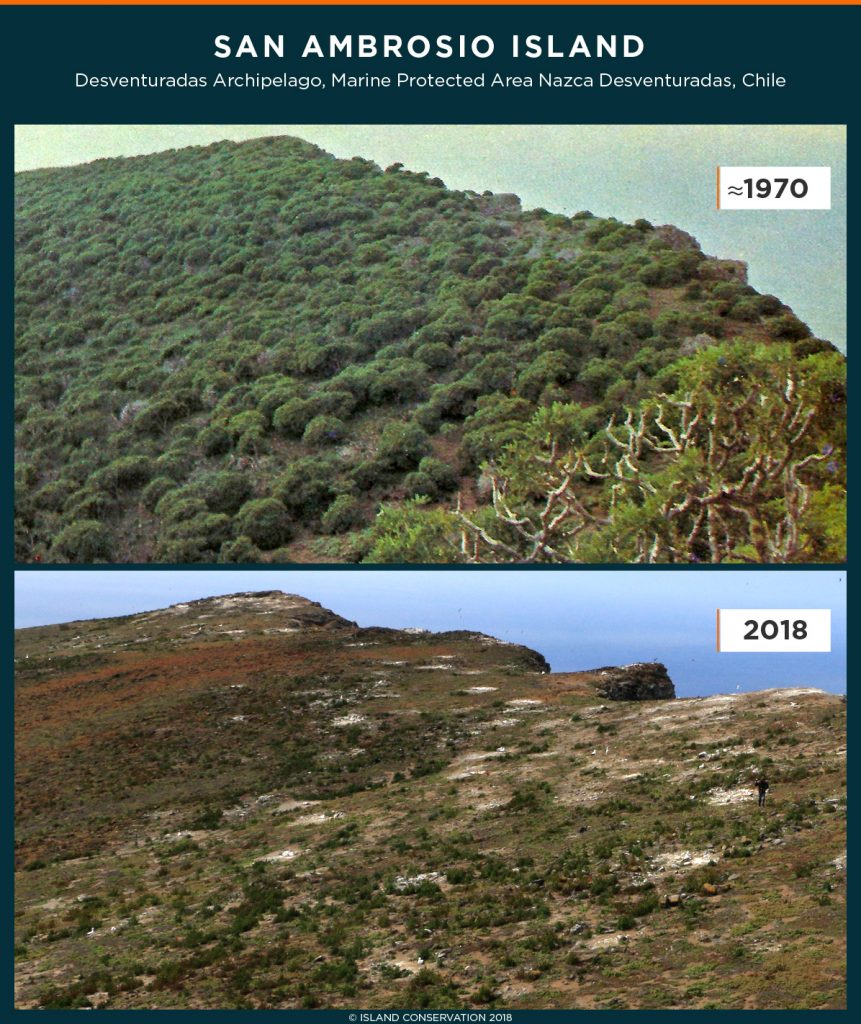
The last scientific expedition on the island was led 70 years ago (1950), when the higher areas were explored to conduct a plant research. In 2011, a bird census was conducted but did not result in any quantification.
We thank the Chilean Navy for this great opportunity to learn more about San Ambrosio, where there is so little known by the scientific world. We are grateful the Navy is actively supporting the conservation of a unique Chilean island and the Chilean sea”, says Christian Lopez, Island Conservation Operations Manager.
Check out other journal entries we think you might be interested in.

October 29, 2025
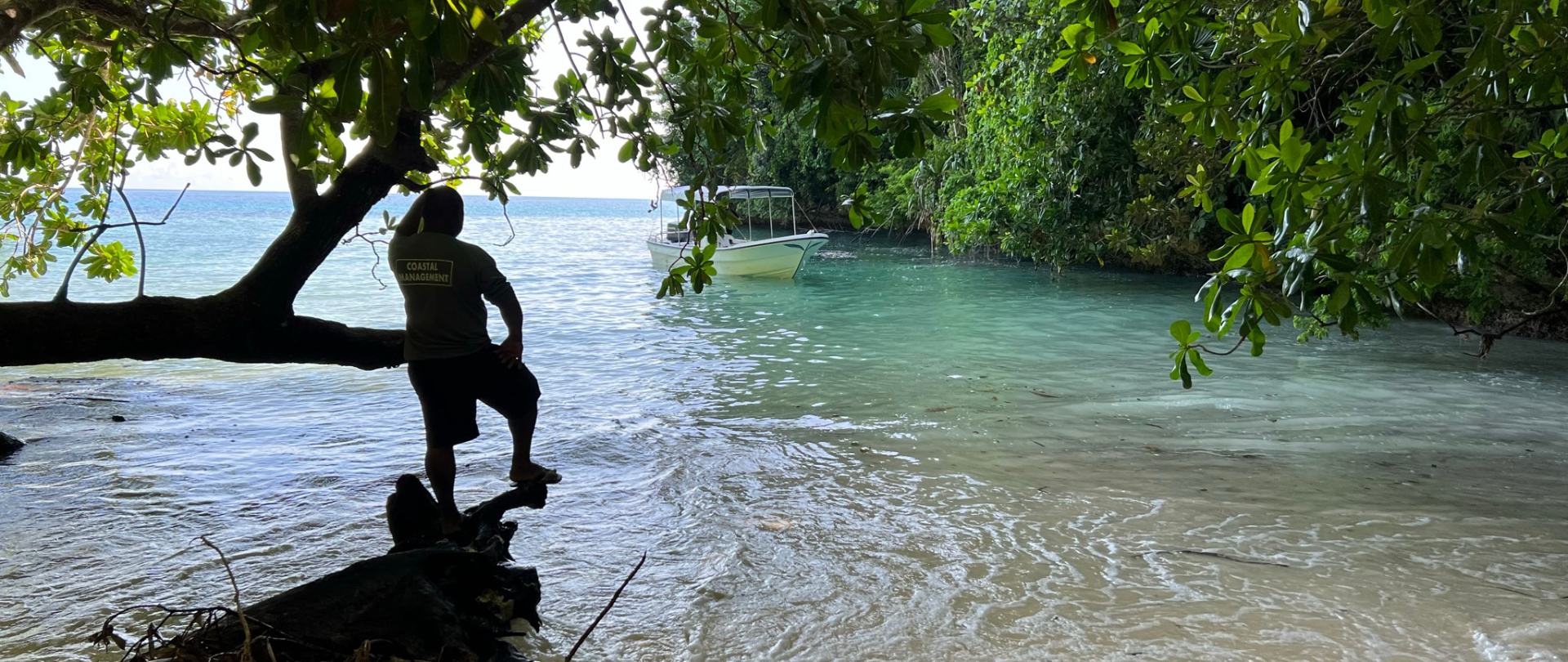
Astounding evidence of recovery on Ulong Island in Palau after just one year!
July 22, 2025
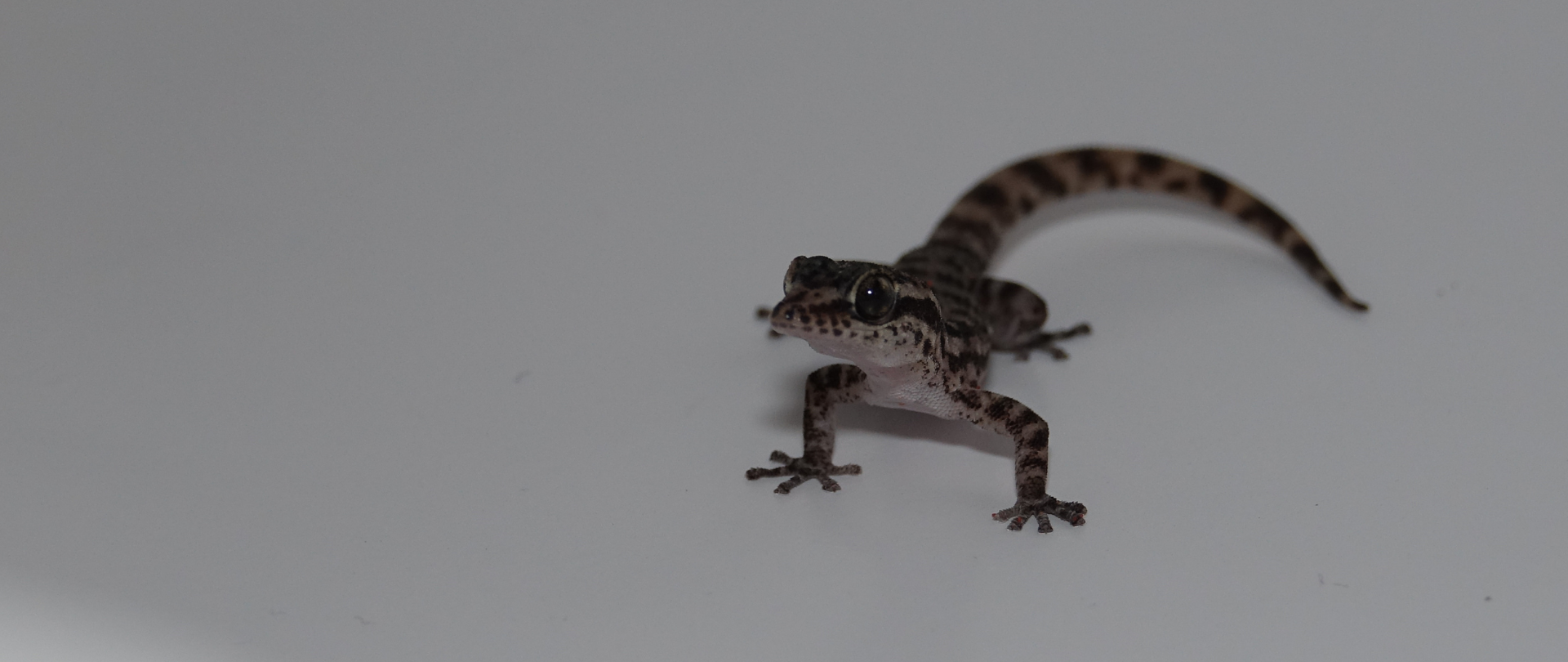
A species once thought extinct just made its comeback. A study published in PLOS ONE confirms the Leaf-toed Gecko has been rediscovered on Rábida Island in the Galápagos.
July 17, 2025
Great news from Tuvalu--our projects to restore Nukufetau Atoll, Tepuka, and Falefatu were successful!

June 17, 2025
Two new islands join the Island-Ocean Connection Challenge, linking terrestrial and marine conservation for maximum impact!
June 13, 2025
Our partner Conservation X Labs has joined the IOCC, committing to deploying transformative technology to protect island ecosystems!
May 19, 2025
Read our position paper on The 3rd United Nations Ocean Conference (UNOC 3) to see why we're attending and what we aim to accomplish!
March 11, 2025
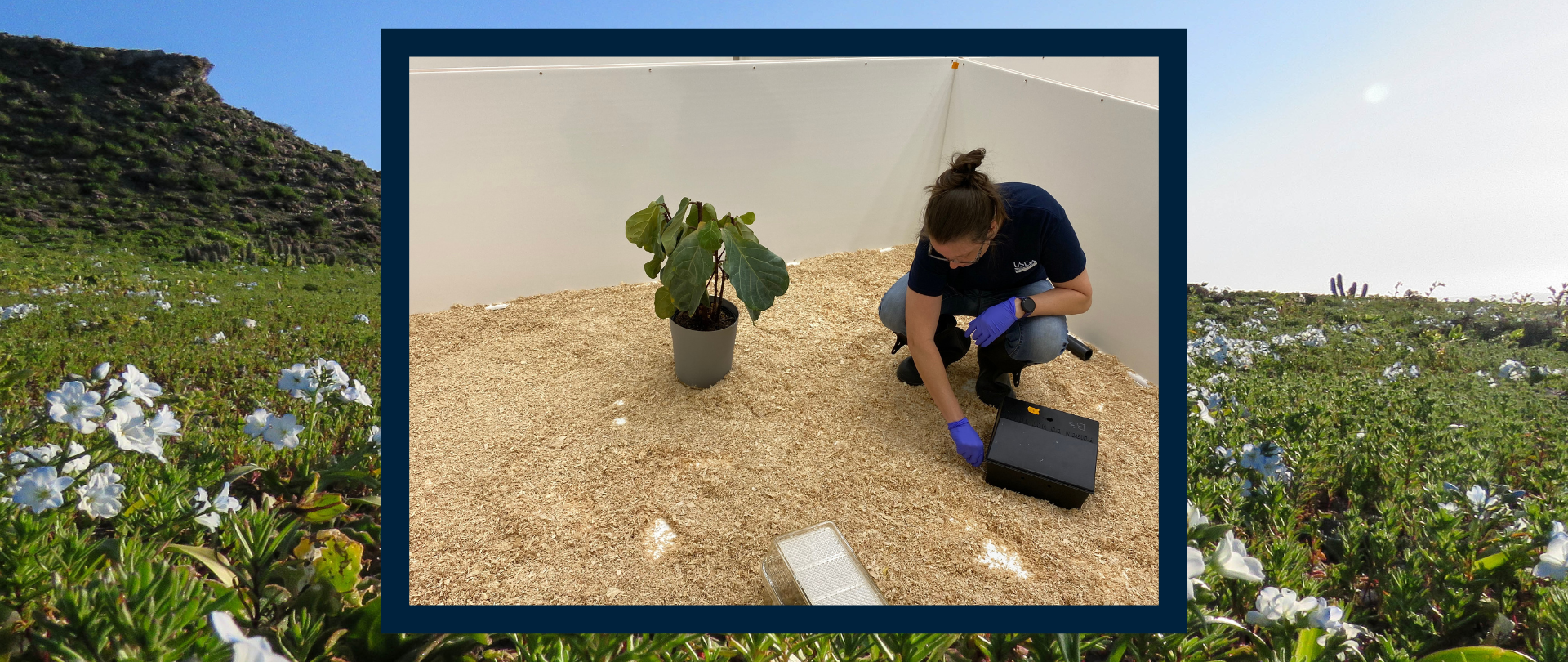
New environmental DNA technology can help protect vulnerable island ecosystems from destructive invasive species.
February 27, 2025
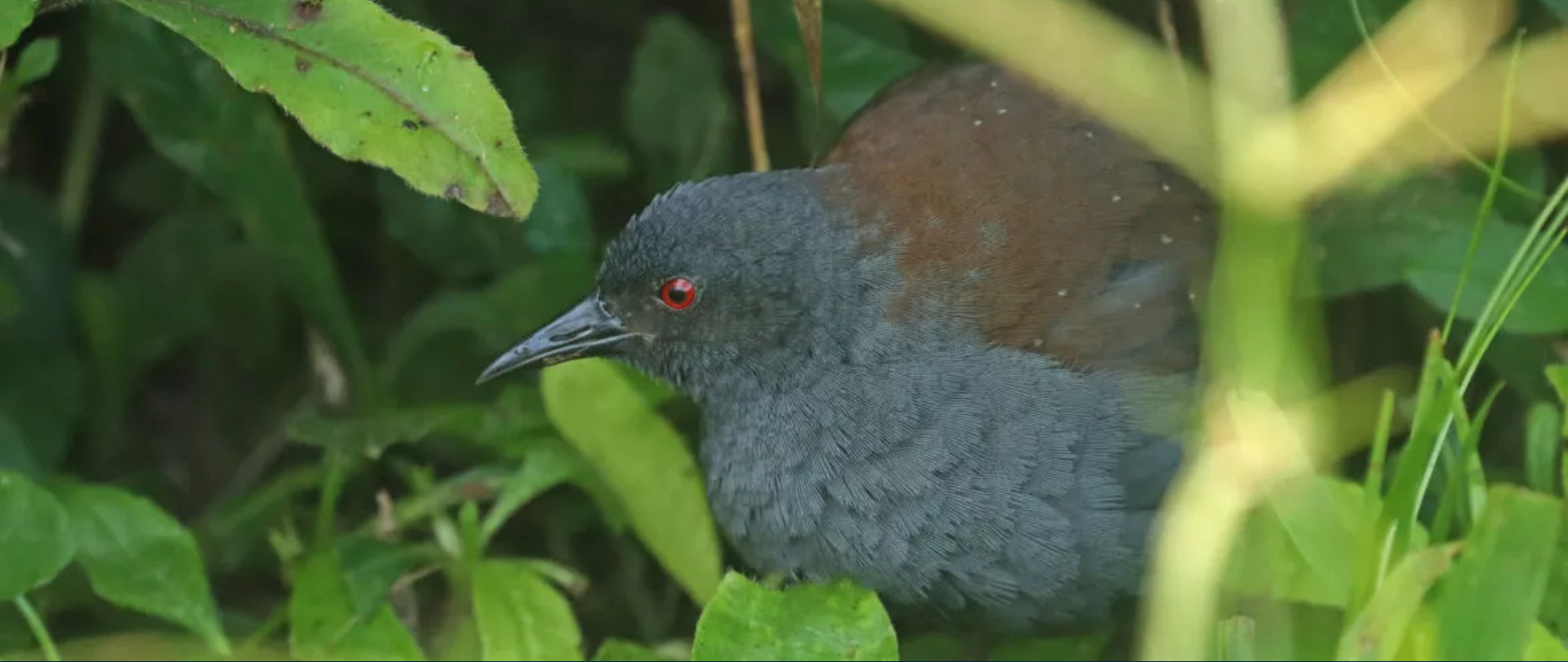
A locally-extinct species of ground-dwelling bird was found on Floreana Island!
February 20, 2025
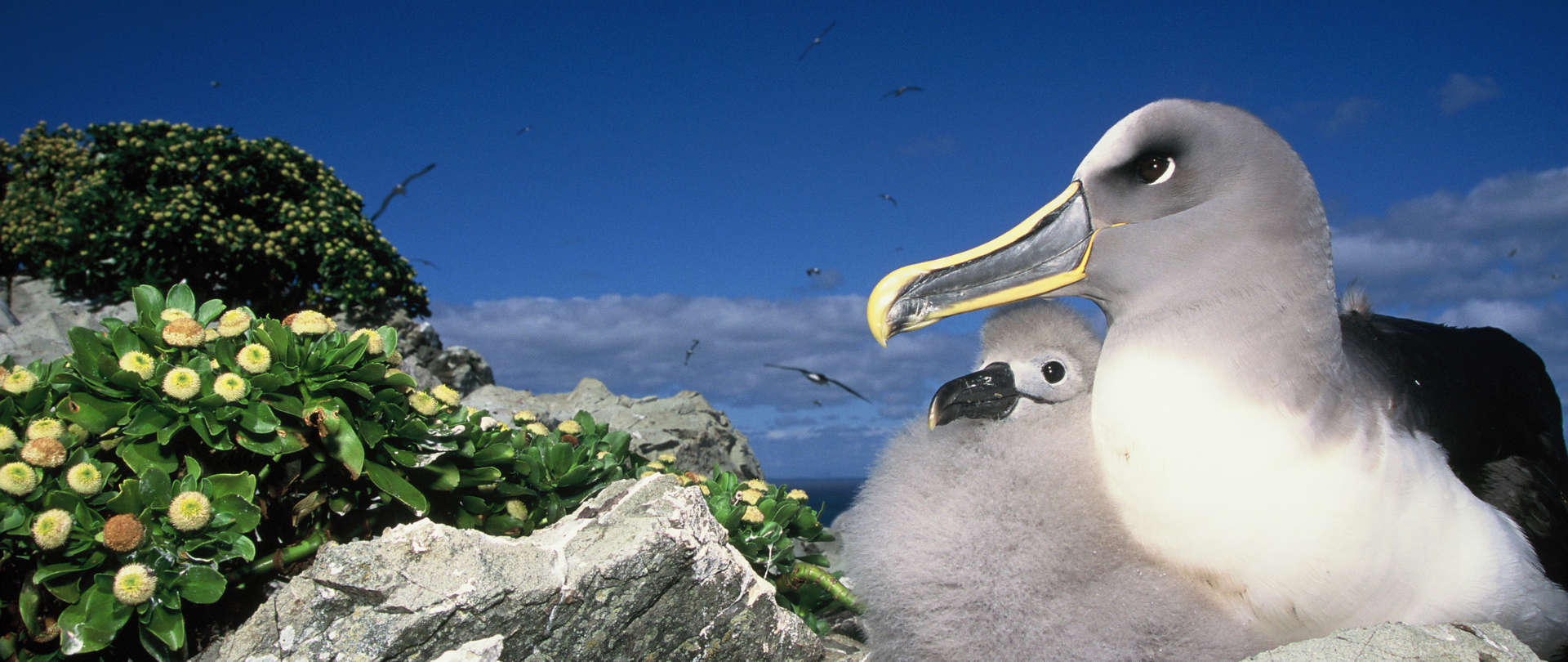
February 20, 2025, Bluff, New Zealand – The international conservation initiative, Island-Ocean Connection Challenge (IOCC), led by Island Conservation, Re:wild, and UC San Diego’s Scripps Institution of Oceanography, proudly welcomes three of New Zealand’s most ecologically rich islands into its…